How to Fix a Squeaky Floor Without Ripping Up the Boards
This article may contain affiliate links. If you make a purchase through these links, we may earn a small commission at no extra cost to you. Learn more
Quick Answer
How to Fix a Squeaky Floor Without Ripping Up the Boards
Most squeaky floors are caused by loose boards rubbing against nails or subfloor. The simplest fix is to sprinkle talcum powder or powdered graphite into the seams between boards, then work it in by walking over the area. For a permanent fix, drive trim screws through the floorboard into the subfloor joist below, countersink the heads, and fill with wood putty.
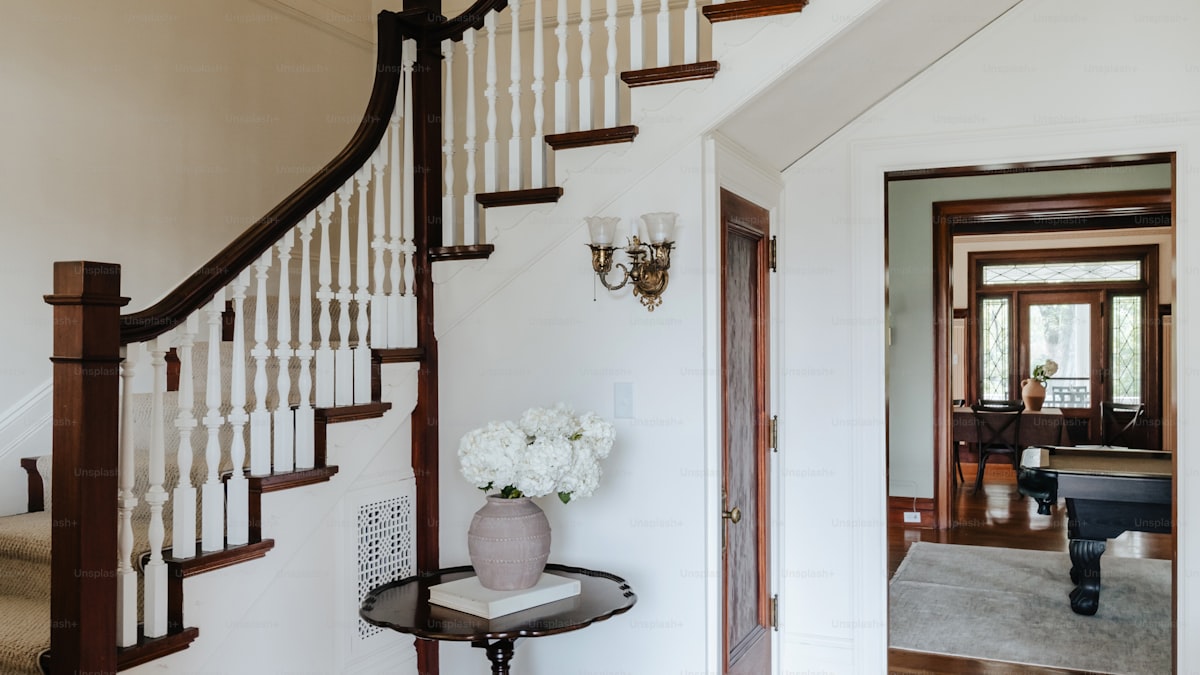
How to Fix a Squeaky Floor Without Ripping Up the Boards
There's one spot in your hallway. You know exactly where it is. You step on it and — creak. You've been living with it for months, maybe years, tiptoeing past it at night to avoid waking the whole house.
Squeaky floors are one of the most common and most annoying household problems. But here's what most people don't realize: they're almost always easy to fix. You don't need to rip up floorboards, hire a contractor, or replace anything. Most squeaks can be silenced in under 30 minutes with basic tools and materials costing less than $15.

What Causes Floor Squeaks
Understanding the cause helps you pick the right fix.
A squeak happens when two surfaces rub against each other. In floors, this is almost always one of three scenarios:
1. Floorboards Rubbing Against Nails
When wood floors were installed, they were nailed to the joists below. Over time, the wood dries out and shrinks slightly, loosening the grip around the nails. Now when you step on that board, it slides up and down the nail shaft, creating a squeak.
2. Subfloor Separating From Joists
The plywood subfloor (the structural layer under your finished floor) can pull away from the joists it's nailed to, creating a gap. When weight is applied, the subfloor flexes down to contact the joist and squeaks.
3. Floorboards Rubbing Against Each Other
Seasonal humidity changes cause wood to expand and contract. In dry winter months, boards shrink and create small gaps. When you step on the edge of a board, it rubs against its neighbor and squeaks.
Quick Fixes From Above (No Access to Subfloor Needed)
These methods work when you don't have access to the underside of the floor, which is the case for most single-story homes and upper floors.
Fix 1: The Talcum Powder Method (Easiest)
This is the fastest, easiest fix and works surprisingly well for board-on-board squeaks.
What you need: Talcum powder, baby powder, or powdered graphite.
How to do it:
- Locate the exact squeaky spot by walking slowly and marking it with tape.
- Sprinkle talcum powder or powdered graphite liberally over the squeaky area, focusing on the seams between boards.
- Work the powder into the seams by walking back and forth over the area, sweeping it around with your foot, or using a stiff paintbrush to push it into the gaps.
- Sweep up the excess powder.
The powder acts as a dry lubricant between the rubbing surfaces, eliminating the friction that causes the squeak. This fix can last months to years, though it may need to be reapplied eventually, especially in high-traffic areas.
Note: Don't use this method on unfinished wood as the powder can stain. It works perfectly on finished hardwood, engineered hardwood, and laminate.
Fix 2: Trim Screws From Above (Most Permanent)
This is the most reliable long-term fix when you're working from above. You're essentially re-fastening the loose floorboard to the joist below.
What you need: Trim screws (also called finish screws), a drill, a stud finder, a nail set or countersink bit, and wood putty.
How to do it:
- Use a stud finder to locate the floor joist under the squeaky board. Joists are typically spaced 16 inches apart and run perpendicular to the floorboards.
- Drill a pilot hole through the floorboard at the squeaky spot, angled slightly, into the joist below.
- Drive a trim screw (a #8 x 2.5-inch works for most floors) through the floorboard and into the joist. The screw pulls the loose board tight against the subfloor and joist, eliminating the gap that causes the squeak.
- Countersink the screw head just below the surface of the floorboard.
- Fill the tiny hole with wood putty that matches your floor color. Sand smooth once dry.
The filled screw hole is virtually invisible once dried and lightly sanded. This fix is permanent and handles the most stubborn squeaks.
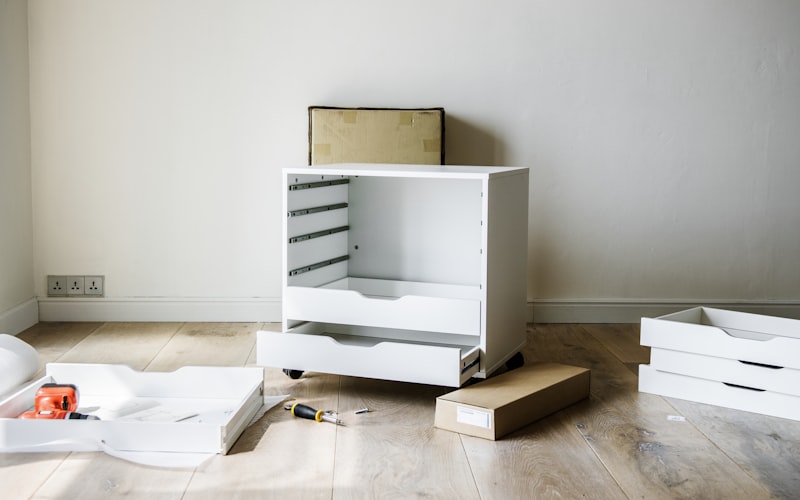
Fix 3: Specialty Squeak-Fixing Kits
Products like the "Squeeeeek No More" kit are specifically designed for fixing floor squeaks from above. They include a special breakaway screw and a jig that controls the depth.
How they work: You drive the screw through the jig and floorboard into the joist below, then snap off the screw head at the surface level. The remaining screw shank sits below the floor surface, pulling the board tight without a visible screw head.
These kits cost about $20-25 and are especially good for carpeted floors because you drive the screw right through the carpet — no need to pull it up.
Fixes From Below (If You Have Basement/Crawl Space Access)
If the squeaky floor is above a basement or crawl space, fixing from below is often easier and leaves no marks on the finished floor surface.
Fix 4: Shim the Gap
Have someone stand on the squeaky spot upstairs while you look at the joists from below. You'll likely see a small gap between the subfloor and the top of the joist — this gap is the source of the squeak.
What you need: Wood shims (thin tapered wedges), carpenter's glue.
How to do it:
- Apply a thin layer of carpenter's glue to a wood shim.
- Gently tap the shim into the gap between the joist and the subfloor using a hammer. Go slowly — you want to fill the gap snugly, not push the subfloor up (which could create a bump in the floor above).
- Let the glue dry completely.
The shim fills the gap so the subfloor can no longer flex and squeak. This is a clean, invisible fix that doesn't affect the finished floor above at all.
Fix 5: Construction Adhesive
For squeaks caused by a larger area of subfloor separating from the joist, construction adhesive fills the gap more effectively than individual shims.
What you need: A tube of construction adhesive (like Liquid Nails) and a caulk gun.
How to do it:
- Run a bead of construction adhesive along the seam where the subfloor meets the joist in the squeaky area.
- The adhesive expands as it cures, filling the gap and bonding the subfloor to the joist.
- Allow 24 hours for full cure.
This method is fast, easy, and handles multiple squeaky areas in a single session.
Fix 6: Add a Support Block
If a squeak is caused by a joist that has warped or sagged, creating a gap over a longer span, a support block bridges the gap.
What you need: A short piece of 2x4 lumber, construction adhesive, and screws.
How to do it:
- Cut a 2x4 block about 8-12 inches long.
- Apply construction adhesive to two sides of the block.
- Press the block against the joist and up against the subfloor, bridging the gap.
- Screw the block into the joist to hold it in place while the adhesive cures.
This adds support exactly where it's needed and prevents the subfloor from flexing in that area.
Fixing Squeaks Under Carpet
Carpeted floors squeak for the same reasons as hardwood, but the fix is slightly different since you're driving screws through carpet.
The Best Method
The "Squeeeeek No More" kit mentioned above was actually designed primarily for carpeted floors. The jig protects the carpet fibers while the screw goes through, and the breakaway head sits below carpet level where you'll never feel or see it.
Budget Alternative
If you don't want to buy a kit, you can drive regular trim screws through the carpet into the joist below. Use a stud finder to locate the joist, part the carpet fibers with your fingers at the spot, drive the screw until the head sits just at the carpet backing level, then let the carpet fibers close over it. The screw head disappears under the carpet pile.
Preventing Future Squeaks
Once you've fixed the current squeaks, these habits help prevent new ones from developing.
Control Indoor Humidity
Wood expands and contracts with humidity changes, which loosens fasteners over time. Keep your home's humidity between 30-50% year-round. A humidifier in winter and dehumidifier in summer (or your home's HVAC system) maintains this range. This also helps preserve your hardwood floors in general.
Avoid Over-Drying the Air
Running the heat too high in winter without humidity control dries wood floors excessively, causing them to shrink and loosen from their fasteners. This is the number one cause of seasonal squeaks.
Re-Secure Loose Boards Early
If you notice a board starting to feel loose or springy underfoot, fix it before it becomes a full-blown squeak. A single trim screw now prevents an annoying problem later.

Frequently Asked Questions
Will the squeaks come back after I fix them?
The talcum powder method is temporary and may need reapplying every few months to a year. The screw methods (from above or below) are permanent fixes that shouldn't come back. Shims and adhesive from below are also long-lasting.
Do squeaky floors mean there's a structural problem?
Almost never. Squeaks are a cosmetic and comfort issue, not a structural one. They're caused by normal wood movement and aging. However, if you notice that the floor is actually sagging or bouncing significantly, that could indicate a joist problem worth having inspected.
Can I fix squeaks in an apartment without my landlord noticing?
The talcum powder method is completely reversible and leaves no marks. For carpeted floors, the specialty screw kit leaves no visible evidence. Avoid the trim screw method on exposed hardwood if you're renting, as the putty-filled holes might be noticeable to a landlord during inspection.
Is it better to fix from above or below?
Below is generally better when possible because it leaves no marks on the finished floor and doesn't risk damaging the surface. Above is the only option when there's no basement or crawl space access, and modern trim screws with wood putty make it nearly invisible.
How do I find the joist under a squeaky floor?
A stud finder works on floors just like walls — press it against the surface and slowly move it until it indicates a joist. Alternatively, joists are typically spaced 16 inches apart, so if you find one (by tapping and listening for a solid rather than hollow sound), measure 16 inches to find the next. For hardwood floors, nails in a straight line indicate a joist location.
Silence That Squeak Today
Start with the talcum powder method to see if it solves the problem — it takes two minutes and costs almost nothing. If the squeak is too stubborn for powder, move to the trim screw approach for a permanent fix. Either way, you'll be walking through your house without cringing by tonight. For more quick home fixes, check out our guides on fixing a squeaky door and patching drywall holes.
Get weekly home tips that actually work
Join thousands of homeowners getting practical cleaning hacks, DIY fixes, and money-saving tips every week. Free, and you can unsubscribe anytime.

Written by
Beth SullivanFounder & Editor-in-Chief
Beth Sullivan is the founder of Practical Home Guides. With over a decade of hands-on experience tackling every home challenge imaginable, she started this site to share the practical, no-nonsense solutions she wishes she had found years ago. When she's not testing cleaning hacks or organizing pantries, you'll find her in the garden or working on her next DIY project.
Recommended Products
Looking for specific product recommendations? Check out our tested picks.
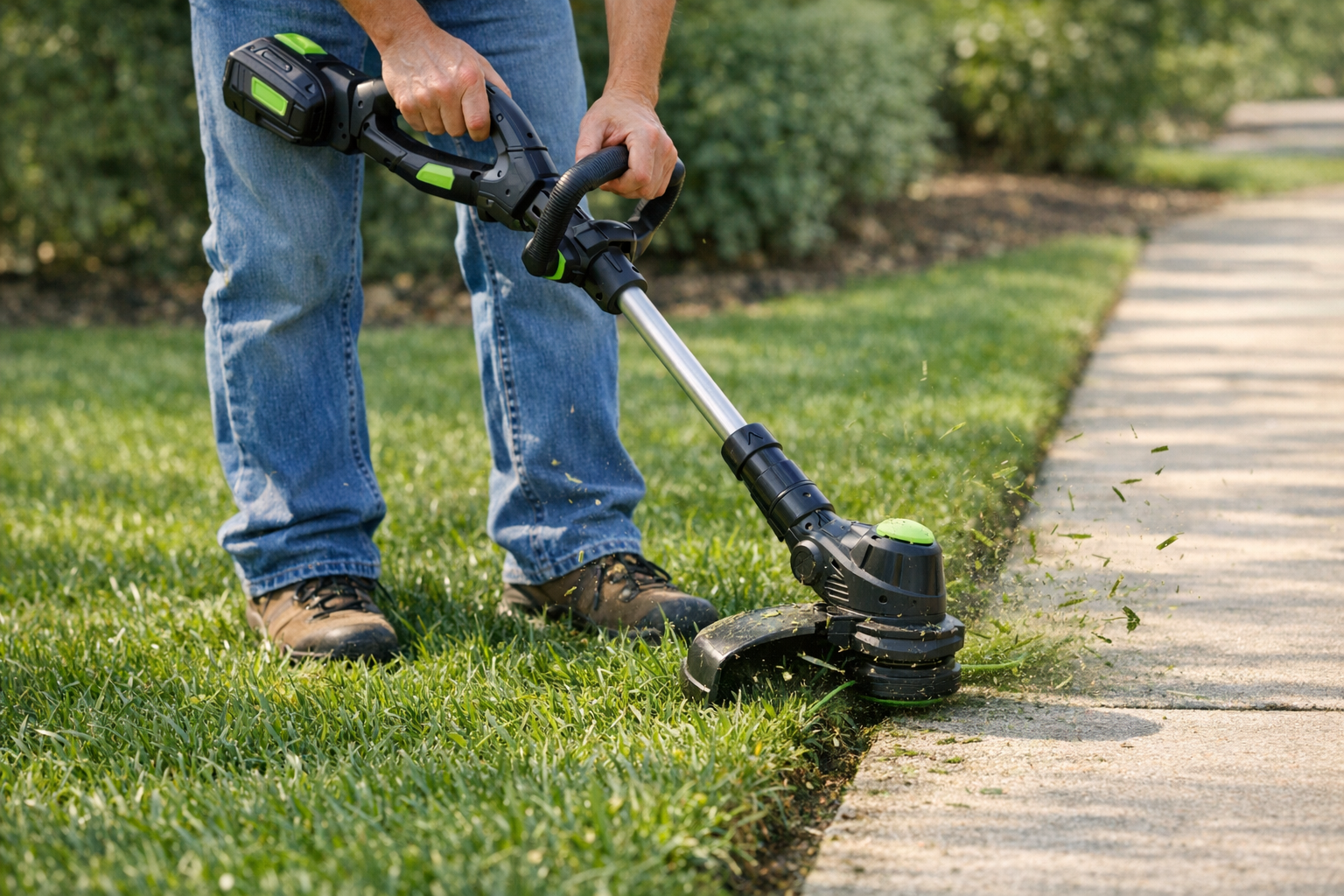
Best Cordless String Trimmers (2026 Tested)
Battery-powered string trimmers have caught up to gas. We tested the top models on bermuda, fescue, and overgrown areas to find the picks worth your money.
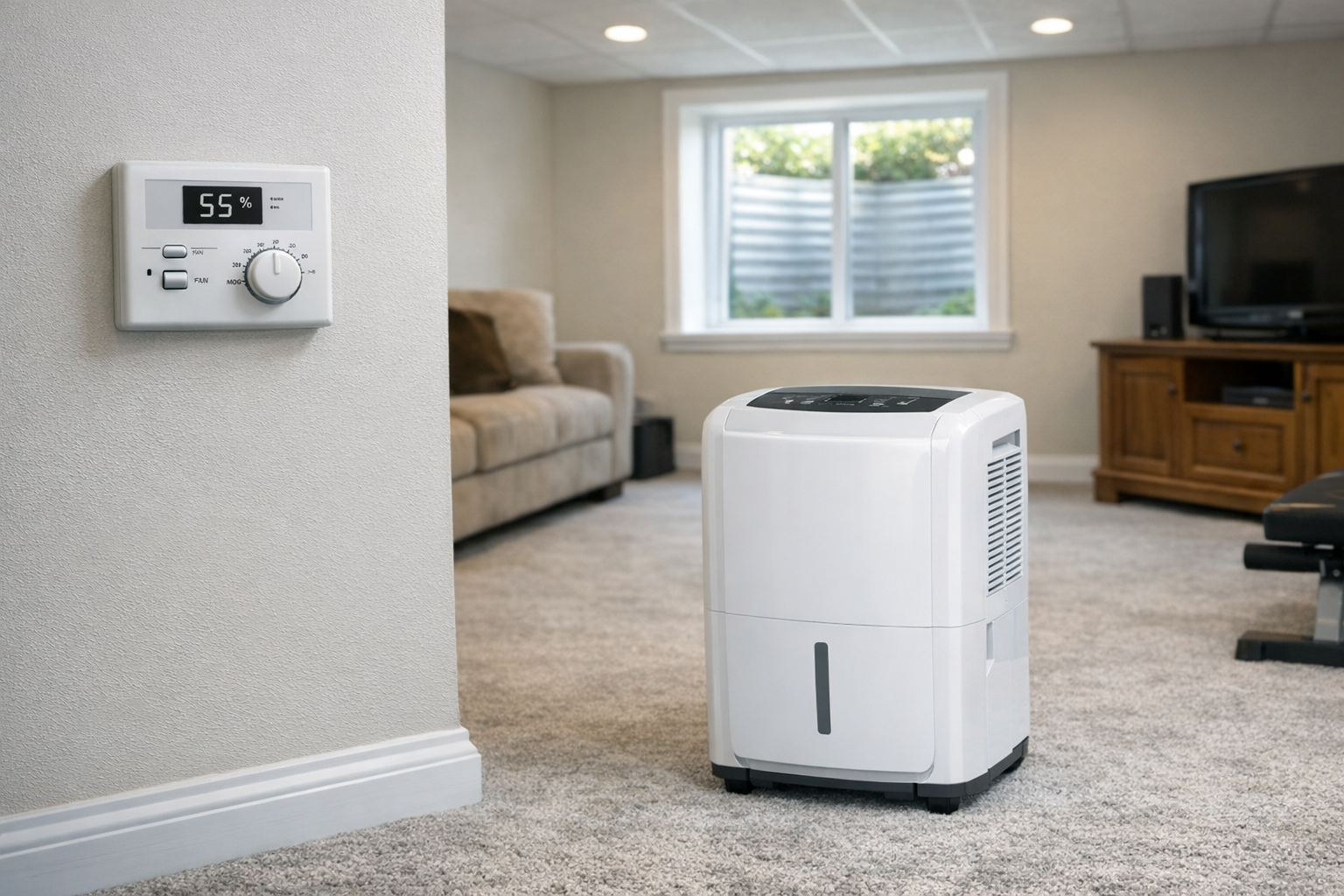
Best Basement Dehumidifiers (2026 Buyer's Guide)
Damp basements destroy stored items, grow mold, and stink. We tested dehumidifiers for capacity, durability, and energy use to find the picks worth the money.
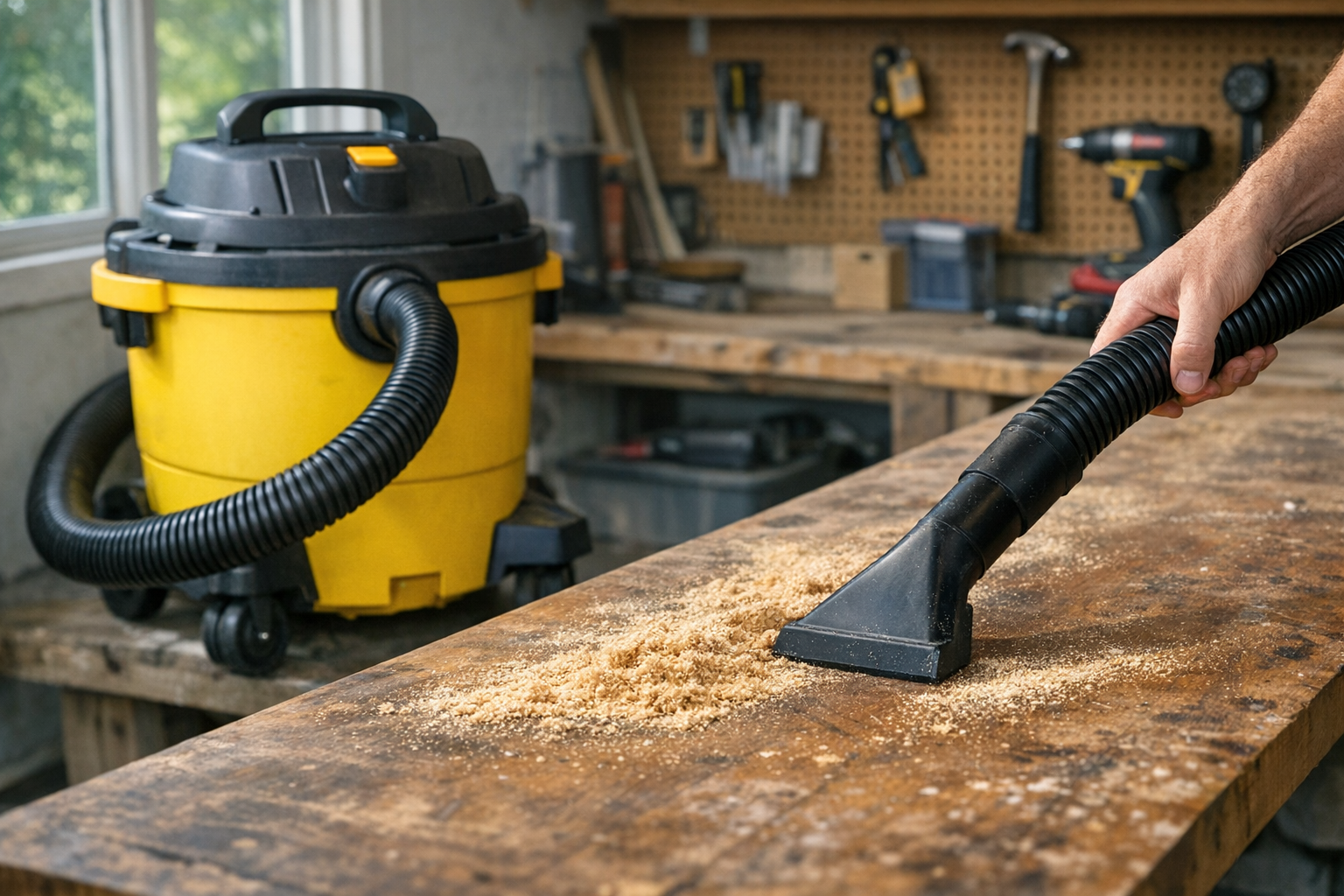
Best Wet/Dry Shop Vacs (2026 Tested)
Whether you need to clean a flooded basement, dust the garage, or pick up workshop debris, here are the wet/dry shop vacs worth the money.
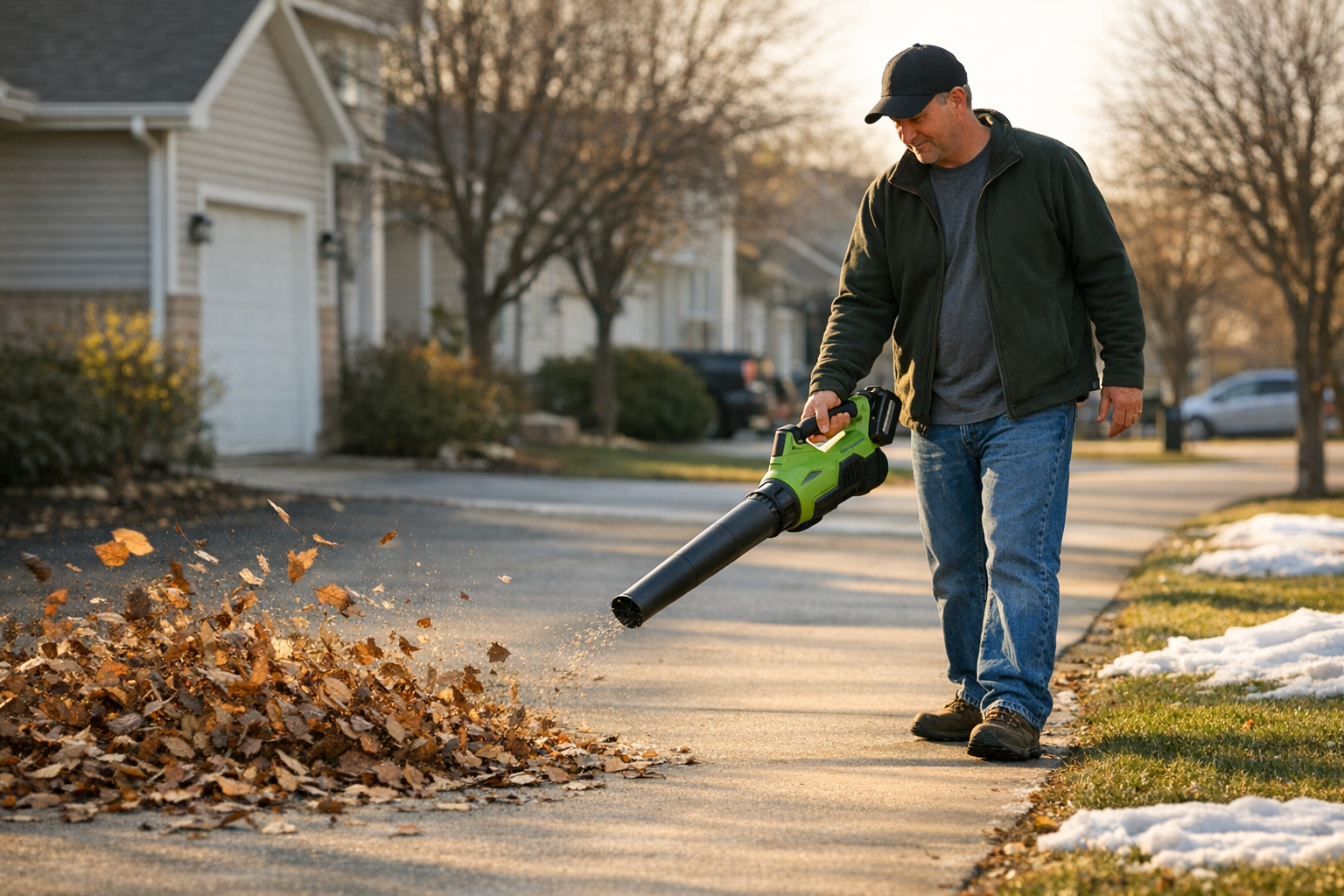
Best Electric Leaf Blowers (2026 Buyer's Guide)
Cordless and corded electric leaf blowers tested for power, runtime, and noise. Our picks for small yards, large yards, and pro-grade home use.
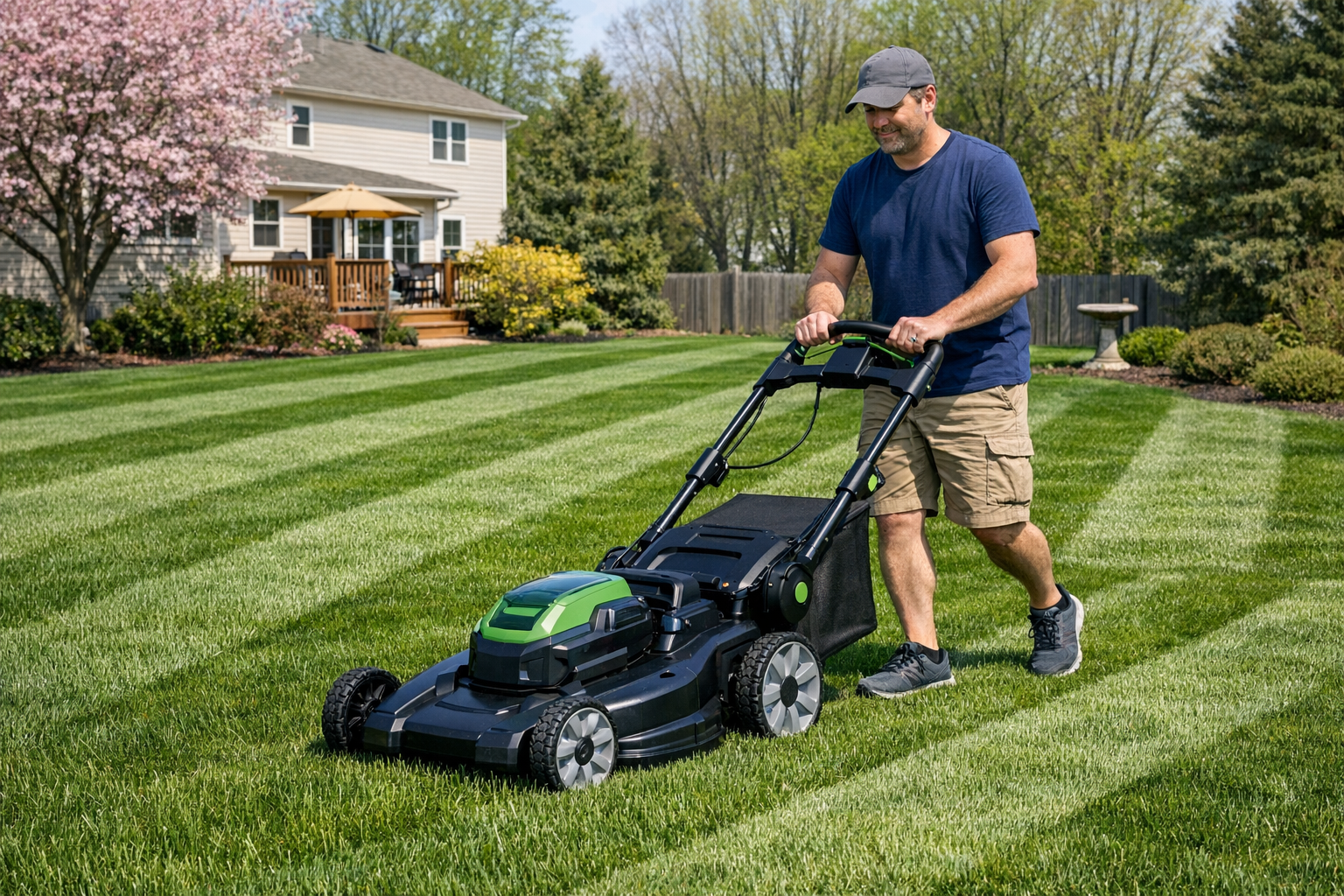
Best Cordless Lawn Mowers (2026 Spring Buyer's Guide)
Battery-powered mowers have caught up to gas. We tested the top cordless mowers on grass length, slopes, and runtime to find the picks worth your money.

5 Best Cordless Drills for Homeowners (2026)
Find the right cordless drill for home projects without overspending. We compared the top drills for DIYers — here are the 5 best for everyday home use.
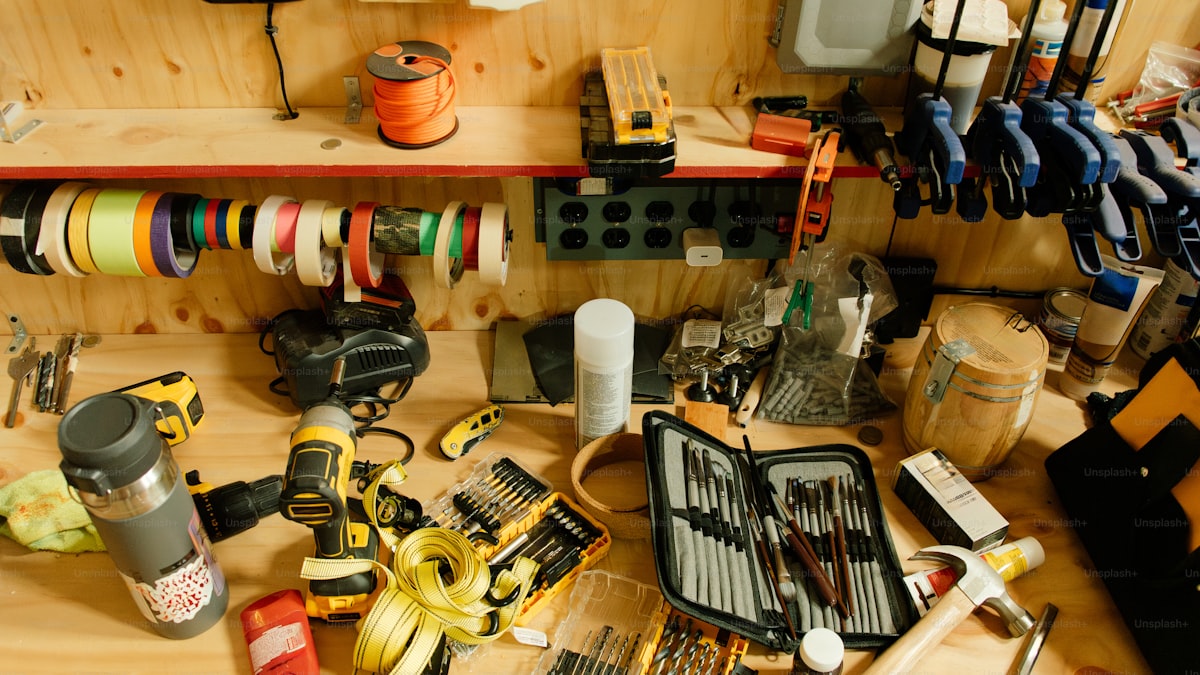
Best Home Tool Kits for Beginners (2026)
The best home tool kits for new homeowners and renters. We compare 6 tool sets from basic to comprehensive, so you can handle common repairs without calling a handyman.
Related Articles

How to Paint a Front Door (Pro-Quality Result in One Afternoon)
A fresh-painted front door is the highest-impact curb appeal upgrade. Here's the step-by-step that gets a smooth pro finish in 4 hours — no peeling, no brush marks.
How to Prevent Summer AC Breakdowns (April Tune-Up Checklist)
Most AC failures happen in the first 90F week. A 30-minute April tune-up prevents 80 percent of those breakdowns and extends the unit's life by years.
Best Cordless String Trimmers (2026 Tested)
Battery-powered string trimmers have caught up to gas. We tested the top models on bermuda, fescue, and overgrown areas to find the picks worth your money.
How to Fix Sticky Kitchen Cabinet Doors (Without Replacing Hardware)
Cabinet doors that bind, rub, or won't close all the way are almost always a hinge adjustment problem. Here's the 10-minute fix.