How to Fix a Wobbly Toilet Seat (And When to Just Replace It)
This article may contain affiliate links. If you make a purchase through these links, we may earn a small commission at no extra cost to you. Learn more
Quick Answer
How to Fix a Wobbly Toilet Seat (And When to Just Replace It)
First try tightening the bolts under the back of the seat hinges. If the seat still wobbles or the bolts spin freely (stripped), replace the whole seat. A new soft-close toilet seat costs 25 to 50 dollars and installs in 10 minutes with a screwdriver.
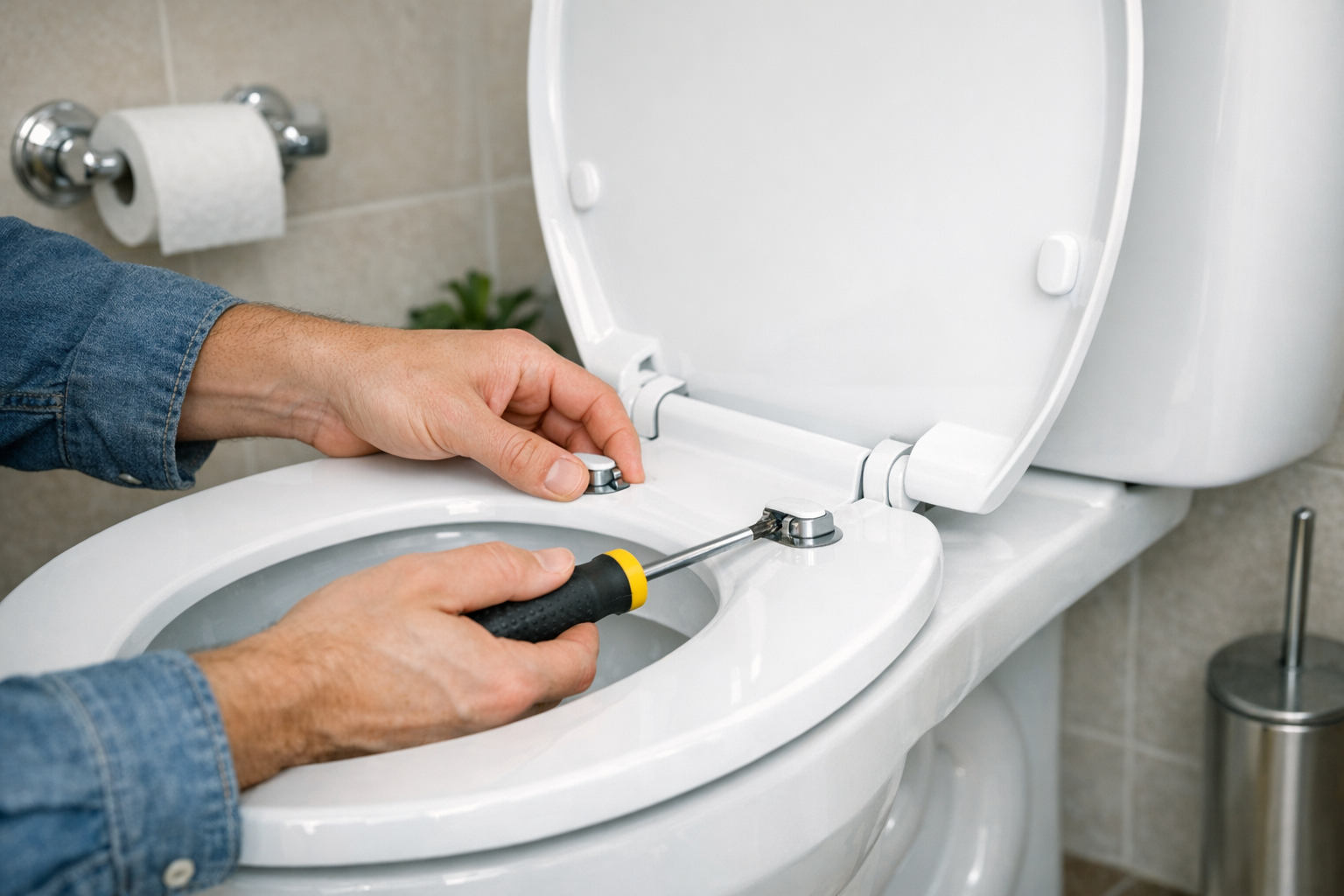
A wobbly toilet seat is annoying every time someone uses it, and the fix takes 5 to 10 minutes. Here's the order to work through.
Step 1: Try Tightening the Bolts
At the back of the seat where it attaches to the bowl, lift the plastic caps that cover the mounting bolts. Inside, you'll see two bolts going down through the porcelain.
Use a flat-head screwdriver to hold the bolt head from above (or hand-twist it). Underneath the bowl, hand-tighten the wing nut (or use a basin wrench or pliers if needed).
Don't overtighten — plastic bolts will strip. Tighten until the seat feels solid, then a quarter turn more.
Step 2: If the Bolt Spins, the Threads Are Stripped
If the bolt just spins freely without tightening, the plastic threads have stripped. The whole assembly needs to be replaced — but at this point, replacing the entire toilet seat is faster and not much more expensive than just the hardware.
Step 3: Replace the Seat
A new toilet seat is the right move if:
- Bolts are stripped
- Hinges are cracked or yellowed
- Seat itself is cracked or stained
- You're upgrading to soft-close
A soft-close white toilet seat costs 25 to 50 dollars and is the upgrade I install at every house where the bathroom is updated.
Step 4: Remove the Old Seat
Some seats have plastic caps over the bolts at the back. Pop them up.
Hold the bolt from above with a screwdriver. Underneath, unscrew the wing nut. The bolt comes out the top.
If the bolt is corroded and won't budge, a hacksaw cuts it off in 30 seconds. Slip a piece of cardboard between the saw and the porcelain to protect the bowl.
Step 5: Install the New Seat
Most toilet seats fit standard "round" or "elongated" bowls. Measure your existing bowl from between the mounting holes to the front of the rim:
- Up to 16.5 inches = round
- 18 to 18.5 inches = elongated
The new seat package will list which type it is.
Drop the new bolts through the holes from the top. Underneath, screw the wing nuts up by hand. Adjust seat alignment so it sits centered. Tighten wing nuts hand-tight, then a quarter turn more with pliers if needed.
Snap the plastic caps closed over the bolt heads.
Step 6: Test
Sit on the seat (or push down with hands). Should be rock-solid with no wobble.
If it still wobbles slightly, tighten the bolts further. If the seat is too wide for the bowl, you bought the wrong size — return it.
Frequently Asked Questions
Why do toilet seats wobble?
Bolts loosen over time from normal use. Plastic bolts also expand and contract with temperature, which loosens them. Check and tighten every 6 months.
Can I replace just the hinges?
Some seats sell replacement hinges. Most don't. Buying a new seat is usually cheaper than tracking down hinges for the specific model.
Are soft-close toilet seats worth it?
Yes — under 50 dollars for a noticeably nicer-feeling bathroom and no slamming. They last as long as standard seats.
How long should a toilet seat last?
5 to 10 years for a quality seat used normally. Cheap seats with thin plastic crack within 2 to 3 years.
Final Thoughts
A new toilet seat is one of the easiest 10-minute upgrades in the house. Tighten the old one if it's still solid; replace if anything is stripped or cracked. Either way, no more wobble.
Get weekly home tips that actually work
Join thousands of homeowners getting practical cleaning hacks, DIY fixes, and money-saving tips every week. Free, and you can unsubscribe anytime.

Written by
Marcus ChenDIY & Home Repair Editor
Marcus Chen spent fifteen years as a licensed general contractor in the Pacific Northwest before joining Practical Home Guides full time. He specializes in plumbing, electrical, and weekend warrior projects that save homeowners thousands. Marcus has personally tested every tool he recommends in his own century-old fixer-upper.
Recommended Products
Looking for specific product recommendations? Check out our tested picks.
Best Cordless String Trimmers (2026 Tested)
Battery-powered string trimmers have caught up to gas. We tested the top models on bermuda, fescue, and overgrown areas to find the picks worth your money.
Best Basement Dehumidifiers (2026 Buyer's Guide)
Damp basements destroy stored items, grow mold, and stink. We tested dehumidifiers for capacity, durability, and energy use to find the picks worth the money.
Best Wet/Dry Shop Vacs (2026 Tested)
Whether you need to clean a flooded basement, dust the garage, or pick up workshop debris, here are the wet/dry shop vacs worth the money.
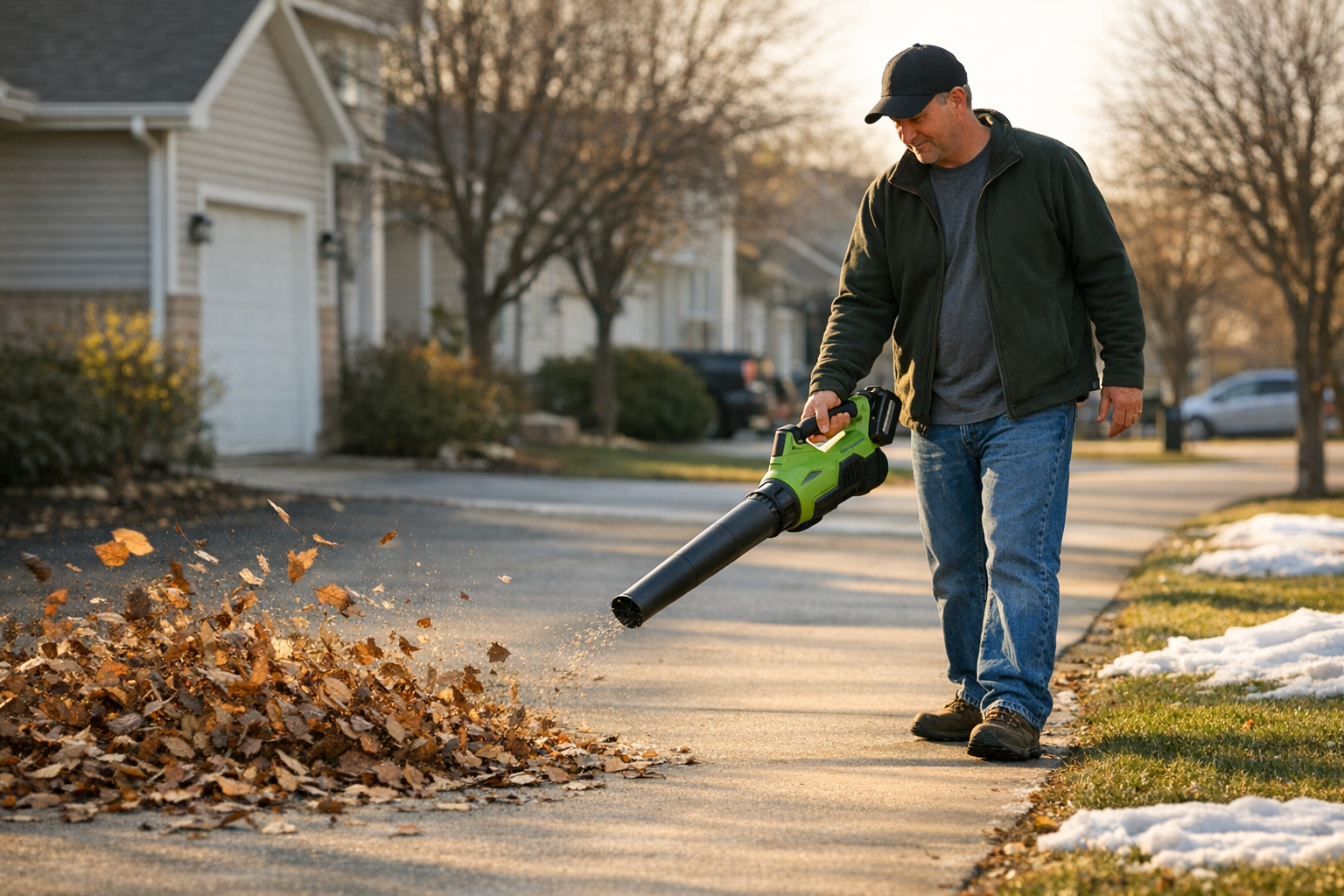
Best Electric Leaf Blowers (2026 Buyer's Guide)
Cordless and corded electric leaf blowers tested for power, runtime, and noise. Our picks for small yards, large yards, and pro-grade home use.
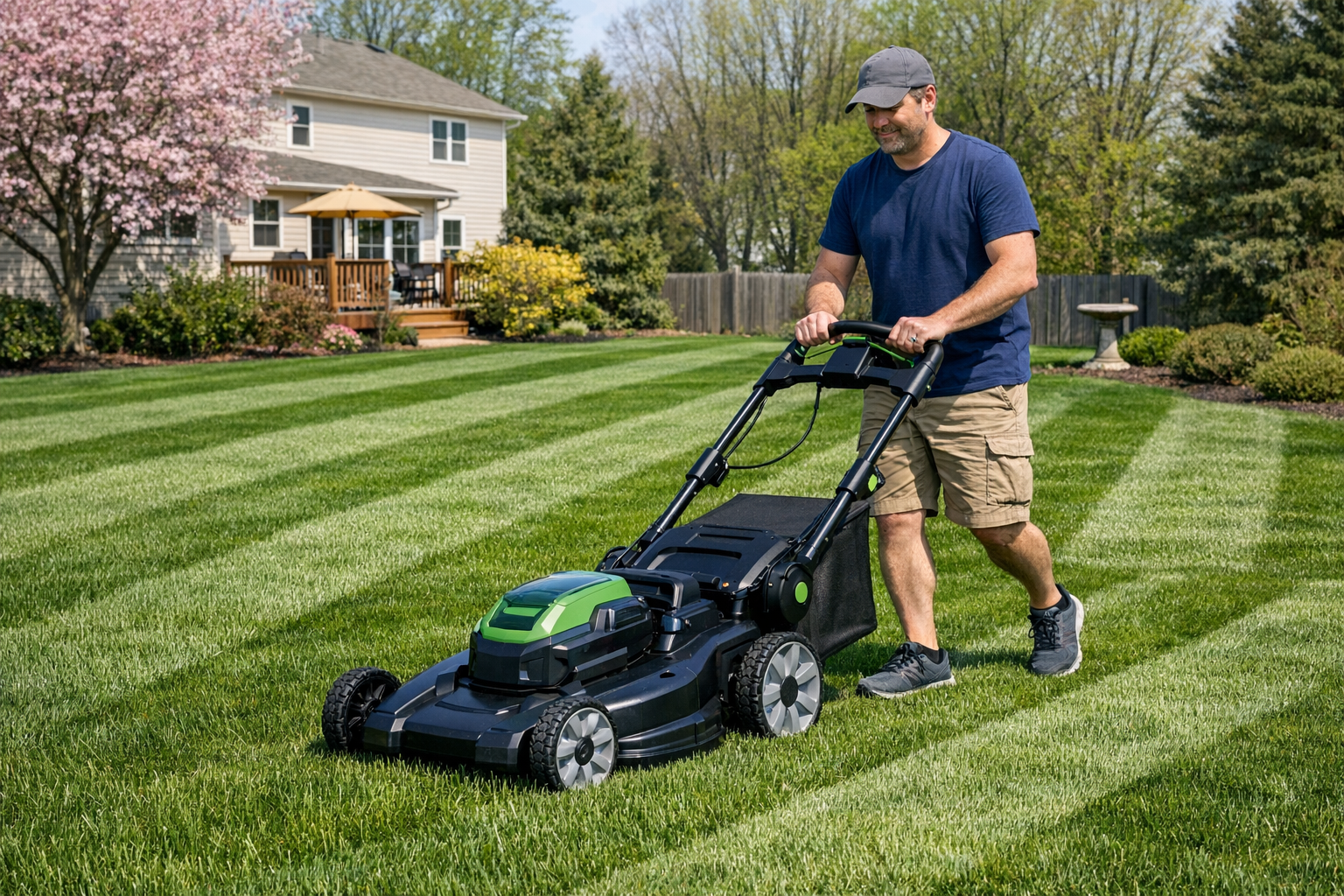
Best Cordless Lawn Mowers (2026 Spring Buyer's Guide)
Battery-powered mowers have caught up to gas. We tested the top cordless mowers on grass length, slopes, and runtime to find the picks worth your money.
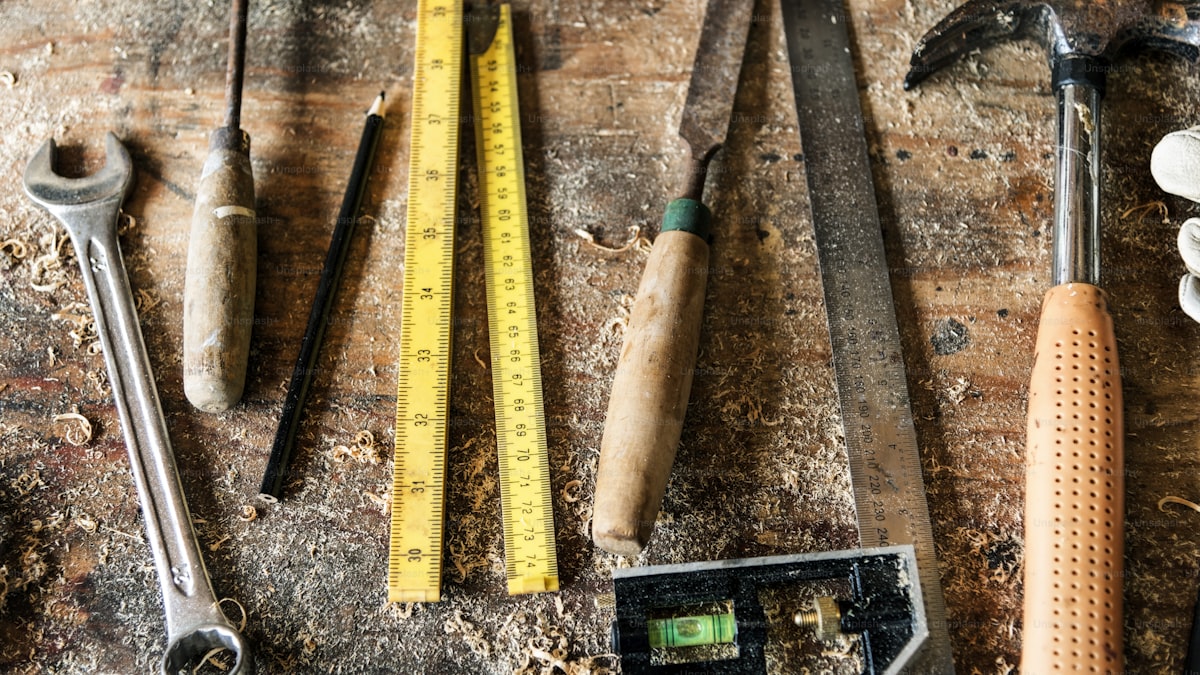
5 Best Cordless Drills for Homeowners (2026)
Find the right cordless drill for home projects without overspending. We compared the top drills for DIYers — here are the 5 best for everyday home use.
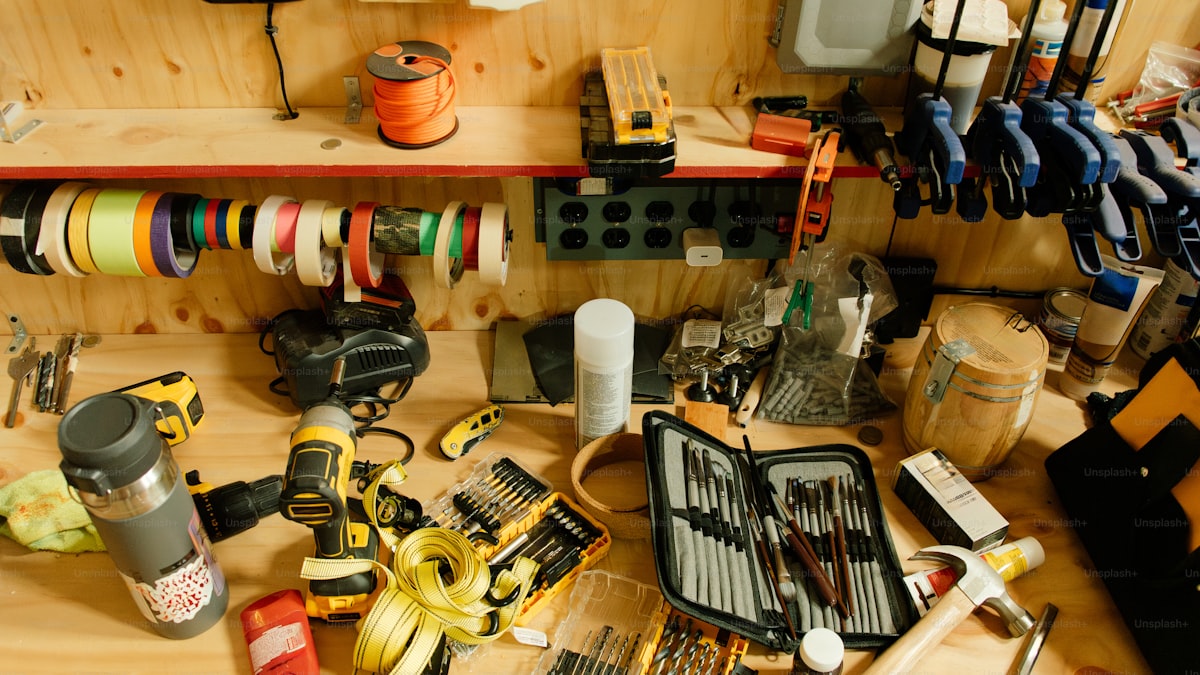
Best Home Tool Kits for Beginners (2026)
The best home tool kits for new homeowners and renters. We compare 6 tool sets from basic to comprehensive, so you can handle common repairs without calling a handyman.
Related Articles

How to Paint a Front Door (Pro-Quality Result in One Afternoon)
A fresh-painted front door is the highest-impact curb appeal upgrade. Here's the step-by-step that gets a smooth pro finish in 4 hours — no peeling, no brush marks.
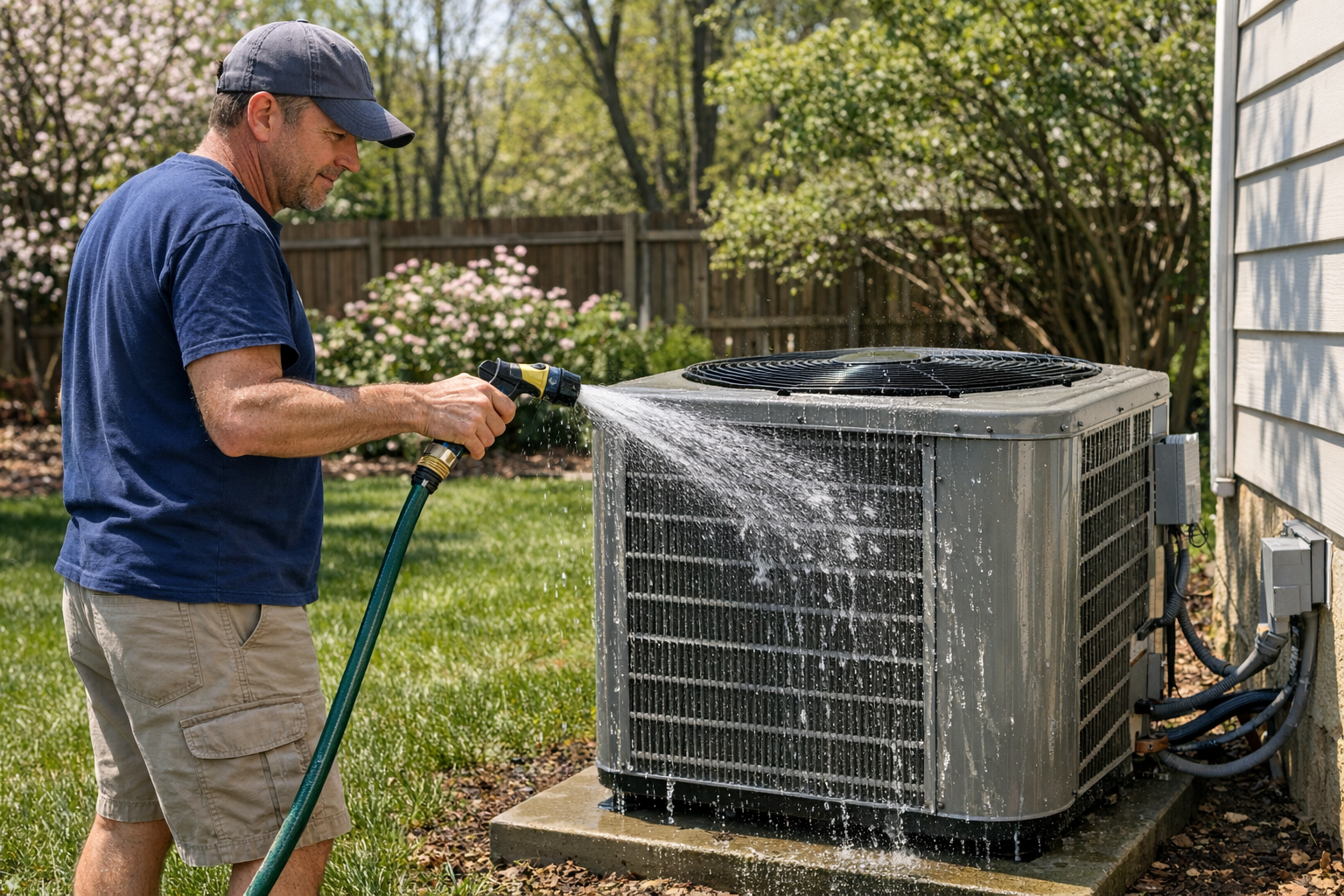
How to Prevent Summer AC Breakdowns (April Tune-Up Checklist)
Most AC failures happen in the first 90F week. A 30-minute April tune-up prevents 80 percent of those breakdowns and extends the unit's life by years.
Best Cordless String Trimmers (2026 Tested)
Battery-powered string trimmers have caught up to gas. We tested the top models on bermuda, fescue, and overgrown areas to find the picks worth your money.
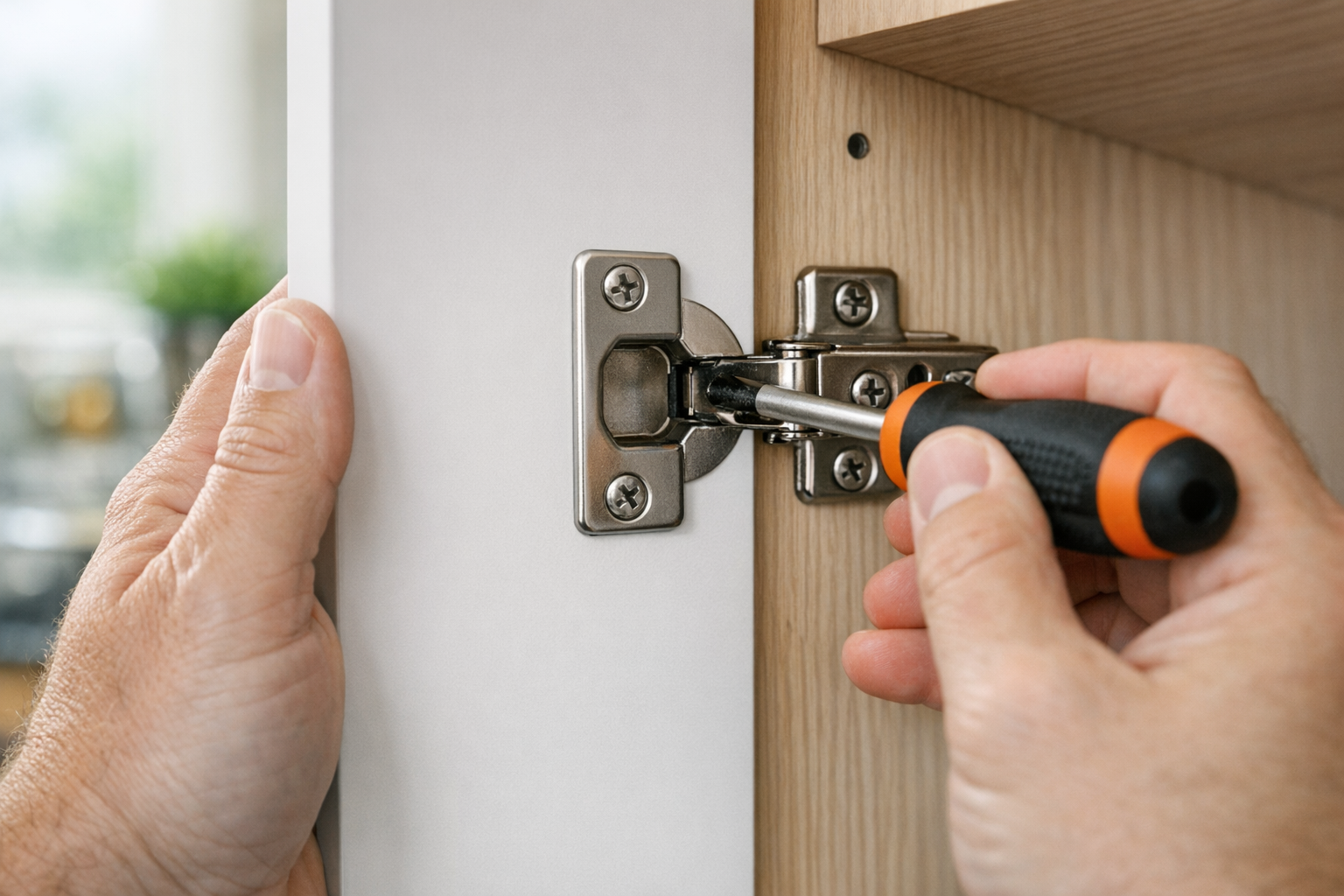
How to Fix Sticky Kitchen Cabinet Doors (Without Replacing Hardware)
Cabinet doors that bind, rub, or won't close all the way are almost always a hinge adjustment problem. Here's the 10-minute fix.