How to Save Money on Gifts and Birthdays (Without Being Cheap)
This article may contain affiliate links. If you make a purchase through these links, we may earn a small commission at no extra cost to you. Learn more
Quick Answer
How to Save Money on Gifts and Birthdays (Without Being Cheap)
You can save 50-70% on gifts and birthdays by planning ahead, setting firm per-person budgets, choosing thoughtful over expensive, and making celebrations about experience rather than stuff. The key is shifting your approach -- not your generosity -- so every dollar you spend carries more meaning and less waste.

How to Save Money on Gifts and Birthdays (Without Being Cheap)
The average American spends over $1,600 per year on gifts -- and that number climbs fast once you factor in wrapping paper, cards, party supplies, and hosting costs. Between coworker birthdays, kids' party invitations, family celebrations, and holiday gift exchanges, it can feel like someone always has a hand reaching into your wallet.
Here's the thing most people won't say out loud -- a lot of that money is wasted. Not because the people don't matter, but because the spending is unfocused, last-minute, and driven by guilt rather than genuine thoughtfulness. A $75 gift card grabbed at the checkout line doesn't communicate love any better than a $15 gift chosen with care. In most cases, it communicates less.
This guide covers practical ways to cut your gift and birthday spending by 50% or more without anyone thinking you've become stingy. The strategies work whether you're buying for kids, adults, coworkers, or extended family -- and they apply to birthday parties, holiday gifts, and everything in between.
How Much Should You Actually Spend on Birthday Gifts?
Before you can save money, you need a number to work with. Most people have no idea how much they spend on gifts annually because the purchases are scattered throughout the year -- $30 here, $50 there, $20 for a card and wrapping paper. It adds up invisibly.
Step 1: List every person you buy gifts for in a typical year. Include birthdays, holidays, weddings, baby showers, graduations, teacher appreciation, and coworker collections. Most people are surprised to find 20-40 names on this list.
Step 2: Assign a realistic budget per person. Here's a reasonable framework that keeps you generous without overspending:
- Spouse or partner: $50-$100
- Children (your own): $30-$75
- Parents and siblings: $25-$50
- Close friends: $15-$30
- Extended family: $10-$25
- Coworkers: $5-$15
- Kids' party invitations: $10-$20
- Teachers and service providers: $10-$20
Step 3: Multiply and set your annual gift budget. If you have 25 people on your list with an average of $25 per person, your annual gift budget is $625. That's a real number you can plan for, save toward, and stick to -- rather than the $1,600+ most people spend when they're winging it.
Setting budgets for every category of spending -- not just gifts -- is how you stop money from disappearing. If you haven't already reviewed where your money goes each month, our guide on things to stop buying to save money identifies 15 common expenses that drain your budget without you noticing.
What Are the Best Thoughtful Gifts That Cost Less Than $20?
The best gifts aren't the most expensive -- they're the most relevant. A $15 gift that shows you were paying attention lands harder than a $50 generic gift set. Here are categories of affordable gifts that consistently impress.
Consumable Gifts
Consumable gifts are used up and enjoyed without adding clutter to someone's home. They're especially great for adults who already have everything they need.
- Specialty food items -- a jar of local honey, gourmet hot sauce, artisan chocolate, or a bag of quality coffee beans. Most of these run $8-$15 and feel far more personal than their price tag suggests.
- Homemade baked goods -- a batch of cookies, a loaf of banana bread, or homemade granola packaged in a mason jar with a ribbon. Cost: $3-$5 in ingredients. Perceived value: priceless. If you enjoy making things in the kitchen, you might also like making homemade dog treats for the pet owners in your life -- they're inexpensive and always appreciated.
- Bath and body products -- a quality bar of handmade soap, a small bottle of essential oil, or a bath bomb set. You can find these at farmers' markets and local shops for $5-$15.
Experience-Based Gifts
Experiences create memories, which last longer than objects. Many experience gifts cost nothing or very little.
- A handwritten letter telling someone specifically what they mean to you. This costs the price of a stamp and is often the most treasured gift someone receives all year.
- A "coupon book" of favors -- babysitting for an evening, cooking their favorite meal, handling a chore they hate, or a dedicated day together doing their favorite activity. Free to give, valuable to receive.
- A curated playlist or photo album -- compile their favorite songs or print and frame a meaningful photo. Digital playlists are free; a printed photo in a quality picture frame runs $8-$15.
Practical Gifts People Actually Use
Rather than decorative items that collect dust, give something the recipient will reach for daily.
- A quality reusable water bottle or travel mug -- $12-$20 for something they'll use every single day
- A good book you've already read and can recommend genuinely -- $8-$15 for a paperback
- Organizational supplies -- if someone has mentioned wanting to get organized, a set of quality storage bins or drawer dividers makes a surprisingly appreciated gift. Our guide on how to organize craft supplies has great ideas for the crafty people on your list.
How Can You Save Money on Kids' Birthday Parties?
Kids' birthday parties have become absurdly expensive. The average cost of a children's birthday party in the United States is $300-$500, and venue-based parties (trampoline parks, bowling alleys, escape rooms) can easily run $500-$800. Here's how to throw a party your kids love without the financial hangover.
Step 1: Host at home or in a free venue. Your backyard, a local park, or even your living room costs nothing to reserve. The kids won't care about the venue -- they care about their friends being there. A park birthday party with a simple theme costs 60-70% less than a commercial venue.
Step 2: Limit the guest list. The one-age-equals-one-guest rule works well -- a 6-year-old invites 6 friends. Every additional child adds $15-$25 in food, favors, and supplies. Smaller parties are also more manageable, more fun for your child, and less stressful for you.
Step 3: DIY the decorations. A few colorful balloons, a handmade banner, and a themed tablecloth create a festive atmosphere for under $15. Skip the elaborate matching plate-and-napkin sets from the party store -- solid-color paper goods from the dollar store look just as good and cost 75% less.
Step 4: Make or simplify the cake. A homemade sheet cake with store-bought frosting and some sprinkles costs $5-$8. Custom bakery cakes run $40-$80+. Kids under 10 genuinely do not care about fondant artistry -- they want frosting and sprinkles. If baking isn't your thing, a sheet cake from Costco or your grocery store's bakery runs $15-$25 and feeds a crowd.
Step 5: Plan free or cheap activities. A scavenger hunt, relay races, freeze dance, or a simple craft project entertains kids for hours at minimal cost. Print free coloring pages or activity sheets from the internet. Set up a "decorate your own cupcake" station where kids frost and top their own treats -- it doubles as both an activity and dessert.
For more ideas on keeping kids entertained without spending a fortune, our guide on how to save money on kids' activities covers year-round strategies that work.

How Do You Handle Gift Exchanges Without Overspending?
Gift exchanges -- whether for holidays, office parties, or friend groups -- create social pressure to spend more than you should. The trick is managing expectations and steering the group toward formats that save everyone money.
Suggest a Spending Limit
If your group doesn't already have a cap, propose one. Most people are quietly relieved when someone suggests a $15 or $20 limit because they were feeling the financial pressure too. Frame it positively: "Let's keep it to $20 so the focus stays on fun, not spending."
Propose a White Elephant or Secret Santa
Instead of buying individual gifts for 10 coworkers ($150-$200), a Secret Santa means buying one gift ($15-$20). White elephant exchanges are even cheaper because you can wrap something funny or regift something from home. Either format is more entertaining than a pile of generic gifts.
Suggest Experience Exchanges
Propose that your friend group skip gifts entirely and do an experience instead -- a potluck dinner, a game night, or a group outing. This shifts the focus from buying things to spending time together. The cost of contributing a dish to a potluck is far less than buying individual gifts, and the experience is more memorable. If your group loves dining together, check out our guide on how to save money dining out for ways to enjoy restaurants without the sticker shock.
The Coworker Birthday Collection Problem
Office birthday collections can cost $5-$15 per person per month if your workplace celebrates every birthday individually. That's $60-$180 per year for people you may not know well. Tactfully suggest monthly group celebrations instead of individual ones, or propose a card-signing-only policy with an optional contribution.
Where Should You Buy Gifts to Get the Best Deals?
Knowing where and when to shop matters as much as what you buy. These sourcing strategies cut 30-60% off your gift spending.
Shop Year-Round, Not Last Minute
Last-minute shopping is the most expensive kind. You pay full price, you settle for whatever is available, and you make impulse decisions driven by panic rather than thoughtfulness. Instead, keep a running list of gift ideas on your phone. When you notice someone mention something they want or need, write it down. When you spot a deal on something from that list, buy it -- even if the birthday is months away.
A dedicated gift drawer or shelf in your closet holds pre-purchased gifts, cards, and wrapping supplies so you're always prepared. This approach alone can cut your per-gift spending by 30-40% because you're buying on sale instead of at full price.
Use Amazon Price Tracking
Products on Amazon fluctuate in price constantly. Use tools like CamelCamelCamel or the Honey browser extension to track price history and set alerts for items on your gift list. Buying at the lowest price instead of the current price saves 15-40% on most items. For a deep dive into maximizing your Amazon savings, our guide on how to save money on Amazon purchases covers price tracking, cashback stacking, and timing strategies.
Dollar Stores and Discount Retailers
Dollar Tree, Five Below, and similar stores carry gift bags, tissue paper, wrapping supplies, cards, and small gift items at a fraction of regular retail prices. A birthday card at a gift shop costs $5-$7. At Dollar Tree, it's $1.25. Wrapping paper, ribbon, and gift bags are similarly discounted. Buying all your gift packaging at discount stores saves $50-$100 per year compared to buying it at Target or Hallmark.
Secondhand and Vintage
For the right recipient, a vintage find from a thrift store, antique shop, or estate sale can be the most memorable gift on the table. Vintage books, records, kitchenware, jewelry, and home decor carry a character that mass-produced gifts can't match. And the prices are typically 70-90% less than new equivalents. This approach works best for people who appreciate unique finds over brand-new items.
ZICOTO Premium Gift Wrapping Paper Set with Tags and Ribbon
An all-in-one gift wrapping kit with 6 rolls of premium wrapping paper in versatile designs, matching gift tags, curling ribbon, and tape. Covers birthdays, holidays, and special occasions so you always have supplies on hand. One set wraps approximately 40-50 gifts depending on size.
Check Price on Amazon →How Do You Save on Greeting Cards and Wrapping?
Cards and wrapping supplies are one of the sneakiest gift-related expenses. A single Hallmark card costs $5-$8, and a roll of quality wrapping paper runs $6-$10. Across 25-40 gifts per year, you're spending $200-$400 just on packaging. Here's how to slash that number.
Buy cards in bulk. A box of 30 assorted birthday cards from Amazon or Costco costs $12-$18 -- roughly $0.50 per card instead of $5-$7 each. Keep the box in your gift supply area and grab one whenever you need it. A bulk greeting card set pays for itself after just three or four uses compared to buying individual cards.
Make your own cards. A piece of quality cardstock folded in half with a handwritten message is more personal than any store-bought card. Kids' drawings make especially meaningful cards for grandparents and family. Cost: essentially free.
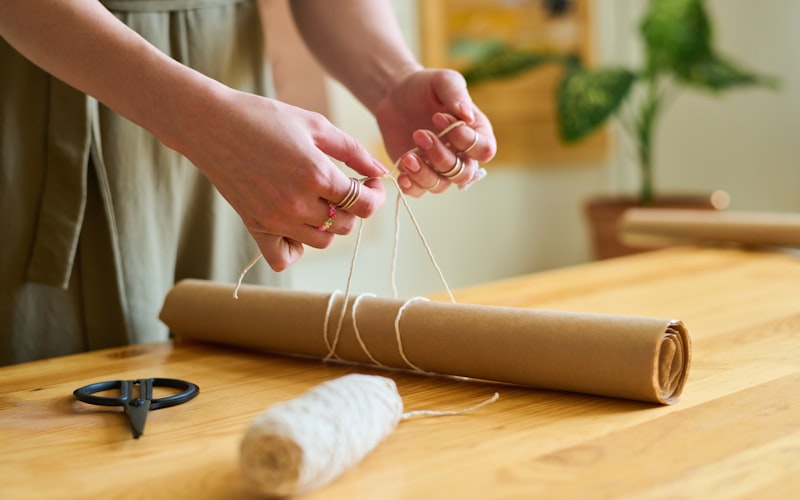
Use alternative wrapping. Newspaper, brown paper bags, fabric scraps, or reusable gift bags replace disposable wrapping paper at zero or minimal cost. Brown kraft paper with a sprig of greenery or a simple twine bow looks elegant and costs pennies. Reusable fabric gift bags cost $1-$3 each but last for years of regifting.
Save and reuse gift bags. Every gift bag you receive is a gift bag you don't have to buy. Smooth out the tissue paper, remove the old tag, and store it for next time. There's nothing tacky about this -- it's practical and environmentally friendly.
How Can You Celebrate Birthdays Without Spending a Fortune?
The most memorable birthdays aren't the most expensive ones -- they're the most personal. Shifting your celebration approach from "how much can we spend" to "how meaningful can we make this" saves money and creates better memories.
For Kids
- Themed movie night at home with popcorn, pillows on the floor, and their favorite film. Total cost: $5-$10 for snacks.
- Backyard camping with a tent, flashlights, s'mores, and ghost stories. Kids remember this for years. Total cost: $10-$15 for supplies (you likely already own the tent and flashlights).
- Cooking or baking party where kids make their own pizzas, decorate cookies, or build ice cream sundaes. Interactive, fun, and cheaper than any commercial venue.
- Art or craft party with simple supplies from the dollar store. Set up stations for painting, bead-making, or tie-dye. Each child takes home their creation as a party favor -- no additional goody bag needed.
For Adults
- Potluck dinner party where each guest brings a dish. You provide the venue, drinks, and cake. The hosting cost drops to $20-$40 instead of $200+ at a restaurant. Even the drinks are cheaper at home -- a bottle of wine costs $8-$15 versus $30-$50 at a restaurant.
- Outdoor adventure -- a hike, beach day, picnic, or bike ride costs little to nothing and creates shared memories that outlast any material gift.
- Game night with board games, card games, and snacks. Competitive, social, and nearly free if you already own a few games.
- Skills-based gathering -- host a cocktail-making class, a paint night, or a cooking challenge using ingredients everyone brings. The entertainment is built into the activity, so you don't need to spend on separate entertainment.
Spending less on celebrations doesn't mean enjoying them less. In fact, many people find that simpler, more personal celebrations are more enjoyable because the focus is on connection rather than consumption. This same philosophy applies to your clothing budget -- spending less intentionally often leads to better results than spending more carelessly.
What Are the Best Strategies for Last-Minute Gifts?
Despite your best planning, you'll occasionally need a gift with no lead time. Having a few reliable last-minute options prevents the panic purchases that blow your budget.
Gift cards to specific stores. A generic Visa gift card feels impersonal, but a gift card to a store or restaurant the recipient actually loves shows you know them. Buy these at face value -- never pay a premium for a gift card.
Subscription gifts. A one-month subscription to a streaming service, audiobook platform, or meal kit is $10-$15, arrives instantly via email, and feels more thoughtful than a last-minute physical purchase.
Photo gifts. Order a quick canvas print, photo book, or custom phone case from a same-day or next-day service. These run $15-$25 and carry personal meaning that store-bought items can't match.
Charitable donations. For the person who truly has everything, a donation to a cause they care about in their name is meaningful, immediate, and requires no shipping. Many charities offer digital gift cards you can print or email.
The "date" gift. Tell someone you're taking them to lunch, coffee, or an activity of their choice. It costs whatever the outing costs (and you were probably going to eat anyway), but it gives them your time -- which, for most people, is the most valuable gift you can offer.
Frequently Asked Questions
How do you tell family members you want to spend less on gifts?
Start the conversation early -- not the week before a birthday or holiday. Frame it around simplifying rather than saving money, since most people are more receptive to "let's make things easier" than "let's spend less." Suggest alternatives like a family experience instead of individual gifts, a Secret Santa with a dollar limit, or a "gifts for kids only" policy. Most family members are quietly relieved because they've been feeling the same financial pressure. If one person resists, respect their choice to give more while holding firm on your own budget -- you're not obligated to match someone else's spending.
Is it tacky to give homemade gifts to adults?
Not at all -- as long as the gift is well-made and genuinely useful or enjoyable. A beautifully packaged jar of homemade jam, a batch of quality cookies in a nice tin, or a hand-knitted scarf shows more effort and thought than anything bought in a store. What feels tacky is a homemade gift that looks rushed or careless. Put the same care into presentation that you would with a store-bought gift -- nice packaging, a handwritten card, and attention to detail. Homemade gifts often become people's favorites because of the personal touch.
How do you handle kids' party gift expectations when every invitation costs money?
If your child receives 10-15 party invitations per year, that's $150-$300 in gifts alone before you add in your own child's party costs. Set a firm per-party budget of $10-$15 and stick to it. Buy gifts in advance when you spot sales -- art supply kits, books, and small LEGO sets frequently go on sale for $8-$12. Keep a stash of pre-wrapped gifts ready to go. It's also completely acceptable to RSVP "no" to parties for children your kid isn't close with -- you don't owe attendance at every invitation.
Can you save money on gifts without being seen as cheap?
Absolutely. Cheapness is about cutting corners and not caring. Frugality is about being intentional with your money while still being generous. The difference is visible in the execution. A $12 book you chose because you know the recipient loves that author is generous. A $50 gift card grabbed at the last second is lazy. People notice thoughtfulness, not price tags. The goal is to match the gift to the person, not the gift to a dollar amount. When you put genuine thought into what someone would enjoy, the cost becomes secondary -- and in most cases, the most thoughtful option is also the most affordable one.
Final Thoughts
Saving money on gifts and birthdays isn't about becoming the person who shows up empty-handed or throws the lamest party. It's about recognizing that most gift-related spending is driven by habit, social pressure, and last-minute panic -- none of which produce good gifts or meaningful celebrations.
The strategies in this guide work because they redirect your energy from spending to planning. When you know your annual gift budget, keep a running list of ideas, shop ahead of time, and focus on thoughtful over expensive, you naturally spend less while giving better gifts. Your recipients feel more appreciated, not less.
Start with the step that fits your situation. If you're drowning in kids' party costs, simplify your next party and set a per-invitation budget. If holiday gift exchanges are the problem, propose a Secret Santa or spending cap at your next family gathering. If your gift spending is scattered and untracked, sit down tonight and make that master list of everyone you buy for.
Every dollar you save on unfocused gift spending is a dollar you can redirect toward what actually matters -- whether that's building your emergency fund, paying down debt, or investing in the experiences and relationships that bring you lasting happiness. Generosity isn't measured in dollars. It's measured in attention, effort, and genuine care for the people in your life.
Get weekly home tips that actually work
Join thousands of homeowners getting practical cleaning hacks, DIY fixes, and money-saving tips every week. Free, and you can unsubscribe anytime.

Written by
Beth SullivanFounder & Editor-in-Chief
Beth Sullivan is the founder of Practical Home Guides. With over a decade of hands-on experience tackling every home challenge imaginable, she started this site to share the practical, no-nonsense solutions she wishes she had found years ago. When she's not testing cleaning hacks or organizing pantries, you'll find her in the garden or working on her next DIY project.
Recommended Products
Looking for specific product recommendations? Check out our tested picks.

Best Outdoor Patio Furniture Deals (2026 Spring Picks)
Late April is the sweet spot for patio furniture deals — pre-summer sales without late-season picked-over selection. Here are the picks worth buying now.

5 Best LED Light Bulbs to Cut Your Electric Bill (2026)
Switch to LED bulbs and save $100+ per year on electricity. We compared the top LED bulbs for brightness, color quality, and longevity — here are the 5 best picks.

Best Smart Thermostats to Lower Your Energy Bill (2026)
The best smart thermostats that actually save money on heating and cooling. We compare 5 top picks from Nest, Ecobee, Honeywell, and more with real energy savings data.
Related Articles

DIY vs. Hiring a Pro: The Real ROI of 8 Popular Home Projects (2026)
A contractor breaks down the real DIY vs. pro cost, time, and resale ROI of 8 popular home projects in 2026, with a decision framework and tool picks.

Hurricane Season 2026: Survival Strategy Beyond Basic Emergency Kits
A complete hurricane season survival strategy for 2026: communication plans, insurance gaps, financial recovery, and power backup that go far beyond the basic emergency kit.

Summer Outdoor Living 2026: Patio, Grill, Garden & Decor Buying Guide
A complete 2026 summer outdoor living buying guide covering patio furniture, grills, lighting, plants, and decor, with real prices and the best week to buy each.
Memorial Day Cookout Prep: Food, Decor & Timing for 30 Guests
Host a patriotic Memorial Day cookout for 30 guests under $200. Bulk shopping math, make-ahead strategies, and an hour-by-hour timeline to skip day-of stress.