How to Save Money on Clothing (Without Looking Like It)
This article may contain affiliate links. If you make a purchase through these links, we may earn a small commission at no extra cost to you. Learn more
Quick Answer
How to Save Money on Clothing (Without Looking Like It)
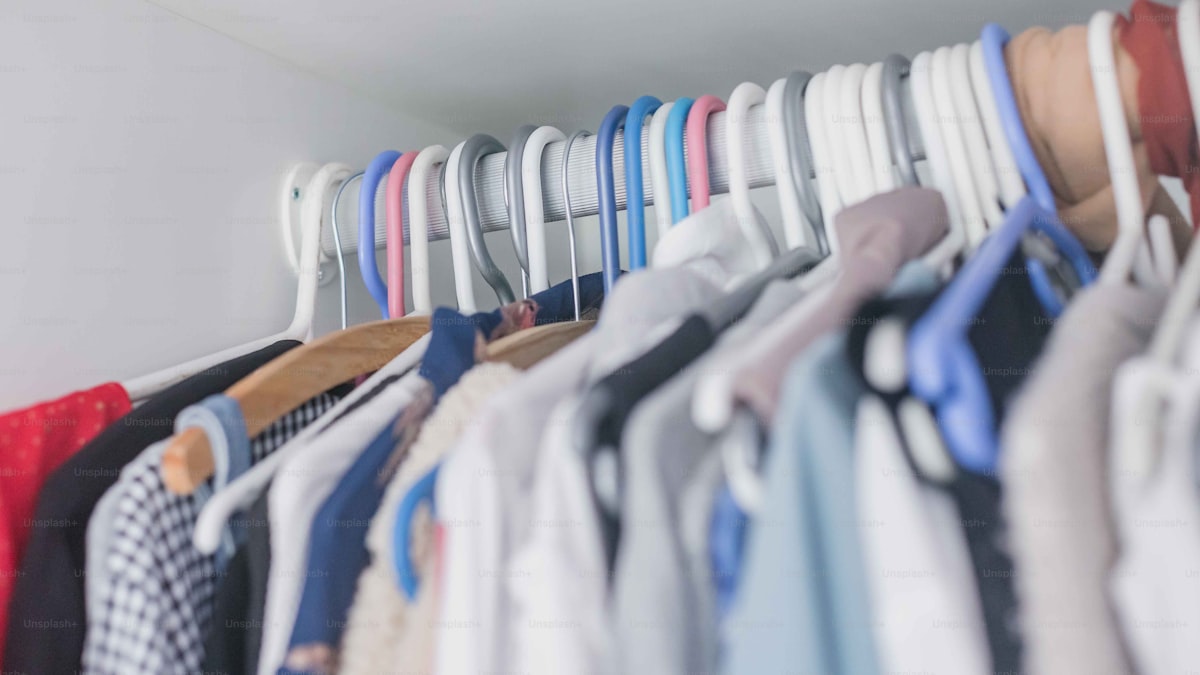
The most effective way to save money on clothing is to build a small, versatile wardrobe of quality basics that mix and match easily, shop secondhand for most pieces, and take proper care of what you own so it lasts years instead of months. Most people can cut their clothing spending by 50-70% without any visible downgrade in how they look.
How to Save Money on Clothing (Without Looking Like It)
The average American household spends $1,700-$2,400 per year on clothing and apparel. That number climbs even higher if you have kids who outgrow shoes every few months or a job that demands a polished wardrobe. But here's what the fashion industry doesn't want you to know -- most of that spending is unnecessary.
Looking well-dressed has almost nothing to do with how much you spend. It has everything to do with fit, condition, and coordination. A $12 thrift store blazer that fits you perfectly will look better than a $200 department store blazer that's a size too big. A $8 plain t-shirt that's clean and wrinkle-free beats a $60 designer tee with a faded logo.
This guide covers every angle of saving on clothing -- from rethinking how you shop to making what you already own last twice as long. These aren't tips that leave you wearing the same worn-out outfit every day. They're strategies that actually make you look better while spending far less.
Why Do Most People Overspend on Clothing?
Before diving into solutions, it helps to understand the problem. Clothing overspending usually comes down to three patterns.
Impulse buying. You see something on sale, it looks good on the rack, and you buy it without thinking about what it pairs with in your closet. It ends up worn once or twice, then forgotten. Studies show that the average person only regularly wears about 20-30% of the clothing they own.
Trend chasing. Fast fashion brands release new styles every few weeks specifically to make your current wardrobe feel outdated. This manufactured urgency drives purchases of low-quality pieces that fall apart in months -- which sends you right back to the store.
Replacing instead of maintaining. A shirt gets a small stain, a button falls off, or a pair of jeans develops a tiny hole. Instead of fixing these minor issues (which takes minutes), most people throw the item away and buy a replacement. That cycle adds hundreds of dollars to your annual clothing costs.
The strategies below attack all three of these patterns. Combined, they can realistically cut your clothing budget by $800-$1,500 per year -- without anyone noticing you're spending less.
What Is a Capsule Wardrobe and How Does It Save You Money?
A capsule wardrobe is a small collection of versatile, high-quality pieces that all coordinate with each other. Instead of a closet stuffed with 100+ items (most of which you never wear), you build a focused wardrobe of 30-40 pieces where every item works with multiple other items.
Step 1: Audit your current closet. Pull out everything you haven't worn in the past 6 months. Be honest -- if you're holding onto something "just in case," it's taking up space and mental energy. For a thorough approach to this process, the guide on how to declutter your home room by room walks you through making these decisions efficiently.
Step 2: Identify your core colors. Choose 3-4 neutral base colors (black, navy, gray, white, khaki, or brown) and 2-3 accent colors that complement them. When everything in your closet shares a color palette, every top works with every bottom.
Step 3: Build around basics. Your capsule wardrobe foundation should include well-fitting jeans (1-2 pairs), neutral pants or chinos (1-2 pairs), plain t-shirts (4-5), button-down shirts or blouses (2-3), a versatile blazer or jacket, and layering pieces like cardigans or pullover sweaters.
Step 4: Add personality sparingly. Once your basics are covered, add a few statement pieces -- a patterned scarf, a bold jacket, or interesting jewelry. These accent pieces make your outfits feel different day to day without requiring a huge wardrobe.
The money savings come from two directions. First, you stop buying pieces that don't fit your system. That impulse-buy neon green top? It doesn't match your color palette, so you skip it. Second, because every piece works with every other piece, a 35-item wardrobe generates more unique outfit combinations than a 100-item wardrobe full of one-off pieces.
If your closet is overflowing and you're not sure where to start, check out our guide on how to organize a closet in a small space for practical storage strategies that work alongside a capsule approach.
Where Can You Find Quality Clothing for Less?
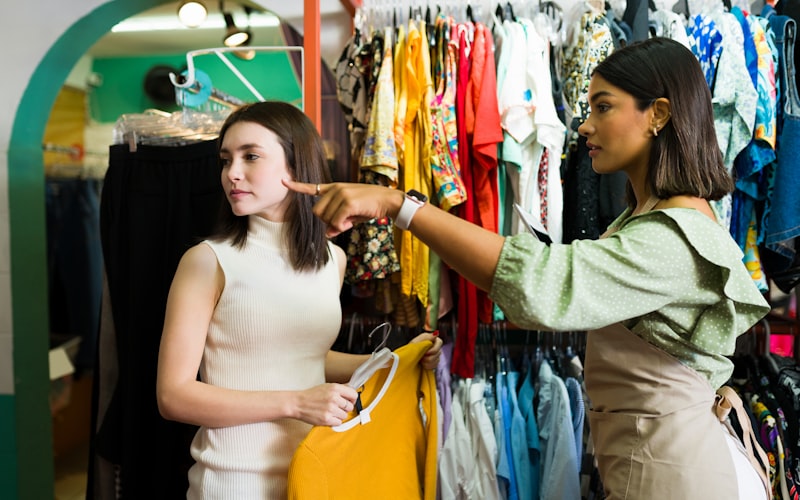
Knowing where to shop matters just as much as knowing what to buy. Here are the best sources for affordable, quality clothing, ranked roughly by savings potential.
Thrift Stores and Consignment Shops
Thrift stores are the single biggest opportunity for clothing savings. Prices typically run $3-$10 for tops, $5-$12 for pants, and $8-$20 for jackets and outerwear. You're often buying pieces that originally retailed for $40-$150+.
Tips for thrift store success:
- Visit regularly -- inventory changes daily, and the best pieces go quickly
- Check the fabric content tags -- look for natural fibers like cotton, wool, linen, and silk, which indicate better quality
- Inspect seams and zippers -- well-constructed garments have clean, tight stitching and smooth-operating zippers
- Try everything on -- sizes vary wildly between brands and eras, so the number on the tag means very little
- Visit thrift stores in wealthier neighborhoods -- the donations tend to be higher-quality brands in better condition
Online Resale Platforms
Sites like ThredUp, Poshmark, and Mercari give you access to millions of secondhand items searchable by brand, size, and price. ThredUp in particular functions almost like an online thrift store with quality-checked inventory. You can find name-brand clothing for 50-90% off retail prices.
End-of-Season Sales
Retail stores discount seasonal clothing 40-70% at the end of each season to make room for new inventory. Buy next winter's coat in February and next summer's shorts in August. This requires planning ahead, but the savings are substantial. The same strategic timing approach works for Amazon purchases too -- knowing when prices drop makes a huge difference.
Outlet Stores (With Caution)
Some outlet stores sell genuinely discounted versions of mainline products, but many now sell "made for outlet" items that are lower quality than the brand's regular line. Check the tags -- outlet-specific items often have small differences in labeling. Stick to outlets that sell actual overstock rather than purpose-built cheap alternatives.
How Do You Shop Smarter at Full-Price Retailers?
Sometimes you need something specific and secondhand isn't an option. When you do shop retail, these strategies prevent overpaying.
Step 1: Never pay full price. Sign up for email lists from stores you actually shop at -- most send a 10-20% welcome discount immediately. Use browser extensions like Honey or Capital One Shopping that automatically search for coupon codes at checkout.
Step 2: Use cashback apps. Rakuten, Ibotta, and similar apps offer 2-10% cashback at most major clothing retailers. Stack this with sales and coupons for triple savings. This same cashback strategy applies to all your online shopping -- our guide on how to save money on Amazon purchases covers how to maximize these returns.
Step 3: Wait 48 hours before buying. Impulse purchases are the enemy of a clothing budget. If you see something you want, leave the store (or close the browser tab) and wait two days. If you still want it and it fits your capsule wardrobe plan, go back and buy it. Most of the time, the urge fades.
Step 4: Check the cost-per-wear. A $100 pair of boots you wear 200 times costs $0.50 per wear. A $30 pair of trendy shoes you wear 5 times costs $6.00 per wear. The "expensive" boots are actually 12 times cheaper. Apply this math to every purchase and you'll naturally gravitate toward quality basics over cheap trend pieces.
Step 5: Buy quality garment bags for your best pieces. Protecting a $50 blazer or dress so it lasts 5 years instead of 2 years saves you far more than the cost of a $10 garment bag.
How Can You Make Your Clothing Last Twice as Long?
Extending the life of your clothing is just as valuable as buying it for less. A wardrobe that lasts 3-5 years instead of 1-2 years effectively cuts your annual clothing cost in half.
Wash Less Frequently
Most clothing doesn't need washing after every wear. Jeans can go 5-6 wears between washes. Sweaters and outerwear, 3-4 wears. Dress shirts and blouses, 2-3 wears unless visibly soiled. Only underwear, socks, and activewear truly need washing after each use.
Overwashing is the single biggest cause of premature clothing wear. Every wash cycle causes friction, fading, and fiber breakdown. By washing less, you extend the life of each garment significantly.
When you do wash, cold water and gentle cycles preserve fabric far better than hot water and normal agitation. For more on optimizing your laundry habits, our guide on how to save money on laundry covers 12 changes that save $200+ per year.
Learn Basic Repairs
You don't need to be a tailor -- just knowing three basic skills saves hundreds in replacement costs:
- Sewing a button -- takes 5 minutes and costs pennies. A basic sewing kit covers everything you need
- Fixing a fallen hem -- iron-on hemming tape costs $3-$5 and requires zero sewing skill
- Patching a small hole -- iron-on patches work for jeans and casual wear, and they're nearly invisible when color-matched
These three repairs alone can save the cost of replacing 5-10 garments per year.
Store Clothing Properly
How you store clothing directly impacts how long it lasts. Hang structured items like blazers, dress shirts, and coats on quality wooden or velvet hangers -- wire hangers stretch shoulders and distort shapes. Fold knits and heavy sweaters rather than hanging them, since gravity stretches knitted fabrics over time.
Keep cedar blocks or lavender sachets in your closet to repel moths, which can destroy wool and cashmere. Store off-season clothing clean and in breathable containers -- never in plastic bags, which trap moisture and cause yellowing.
For a full closet organization system that protects your clothing investment, check out our guide on the best closet organizer systems.
ZOBER Cedar Blocks for Clothes Storage with Lavender
Natural cedar blocks infused with lavender that repel moths, absorb moisture, and keep closets smelling fresh. Includes 40 pieces in assorted shapes designed to hang on hangers, tuck into drawers, and place on shelves. Lasts up to a year before needing sanding to refresh the cedar scent.
Check Price on Amazon →What About Clothing for Kids Who Outgrow Everything?
Kids' clothing is a unique budget challenge because children outgrow items long before they wear them out. The average child needs an entirely new wardrobe every 6-12 months. Here's how to handle it without going broke.
Buy secondhand first, every time. Kids' thrift store clothing is often in near-new condition because children outgrow items before they can wear them out. Prices run $1-$5 per piece. Facebook Marketplace parent groups and local buy-sell-trade groups are goldmines for kids' clothing bundles.
Accept hand-me-downs. Put the word out to friends, family, and coworkers with older children. Most parents are thrilled to pass along bags of outgrown clothing rather than deal with donating or selling it.
Buy one size ahead on clearance. When you see end-of-season deals on kids' clothing at 50-70% off, buy the next size up. Store it in a labeled bin and pull it out when your child grows into it. A $3 clearance winter coat beats a $25 full-price coat next year.
Stick to basics. Kids don't need trendy clothing -- they need comfortable, durable clothing that can handle play, spills, and the washing machine. Plain, solid-color basics from brands known for durability (like Cat & Jack or Primary) last through multiple children.
How Do You Budget for Clothing Without Feeling Deprived?
One of the biggest reasons clothing budgets fail is that people set unrealistic limits and then break them out of frustration. Here's a more sustainable approach.
Step 1: Track your current spending. Look at your bank and credit card statements for the past 3 months and add up every clothing purchase. Don't judge the number -- just know it. Most people are shocked at how much they're actually spending.
Step 2: Set a monthly clothing allowance. A reasonable target for most adults is $50-$75 per month ($600-$900 per year). This is enough to maintain a quality wardrobe when combined with smart shopping strategies. For kids, budget $25-$40 per month depending on age and growth rate.
Step 3: Use a "clothing fund" envelope or separate savings category. When you don't spend your monthly allowance, it rolls over. This lets you save up for bigger purchases (a quality winter coat, good work shoes) without blowing your budget. It also removes the guilt from planned purchases because the money is already earmarked.
Step 4: Implement a one-in, one-out rule. Every time you buy a new piece of clothing, one piece must leave your closet (donated, sold, or recycled). This prevents closet creep and forces you to evaluate whether a new purchase is truly worth displacing something you already own.
Reviewing all your recurring expenses -- not just clothing -- often reveals easy wins. Our guide on subscriptions to cancel to save money helps you identify monthly charges you've forgotten about, which frees up budget for things you actually use.

How Can You Sell or Swap Clothing You No Longer Wear?
Your unworn clothing has value. Recouping some of what you originally spent helps fund new purchases and keeps clothes out of landfills.
Selling Online
- Poshmark and Mercari -- best for brand-name items. List them at 40-60% of retail price and be prepared to accept offers at 30-50%. Take clear photos in natural light and describe any flaws honestly.
- ThredUp -- send a bag of clothing and they handle pricing, photos, and selling for you. You earn less per item (10-30% of the selling price), but the convenience is hard to beat if you have a large volume to sell.
- Facebook Marketplace -- ideal for local sales of everyday brands. Bundle similar items ("Women's medium tops, lot of 5") to move inventory faster.
Clothing Swaps
Organize a clothing swap with friends, neighbors, or coworkers. Everyone brings items they no longer want, and you shop from each other's discards for free. What doesn't get claimed goes to a thrift store. Swaps are especially effective for kids' clothing since children outgrow items so quickly.
Donation With Strategy
When you donate, get a receipt for tax purposes. If you itemize deductions, clothing donations are tax-deductible at fair market value. A garbage bag of donated clothing can be worth $50-$150 in deductions, which translates to $12-$45 in actual tax savings depending on your bracket.
Thinking critically about what you spend money on extends beyond your closet. Our guide on things to stop buying to save money identifies 15 common expenses that drain your budget without you noticing.
How Much Can You Actually Save?
Here's a realistic breakdown of savings when you apply these strategies:
| Strategy | Annual Savings |
|---|---|
| Buying secondhand instead of retail | $400-$700 |
| Capsule wardrobe (buying fewer pieces) | $200-$400 |
| Making clothing last longer (care + repairs) | $150-$300 |
| End-of-season and sale shopping | $100-$200 |
| Selling or swapping unworn clothing | $50-$150 |
| Kids' clothing strategies | $100-$250 |
| Realistic Total | $800-$1,500+ |
That's $800 to $1,500 per year redirected from your clothing budget to savings, debt payoff, or something you value more. And the best part -- you'll actually look better because you're wearing a curated, well-maintained wardrobe instead of a closet full of impulse buys.
Keep a portable lint remover in your bag for quick touch-ups throughout the day. Clean, lint-free clothing always looks more expensive than it is.
Frequently Asked Questions
Is secondhand clothing sanitary?
Yes, as long as you wash it before wearing it. A normal wash cycle with detergent kills bacteria and removes any residues from previous owners. For extra peace of mind, wash secondhand items in warm water on the first wash. Thrift stores and consignment shops also inspect and sometimes clean items before putting them on the floor. The sanitation concern is largely psychological -- your own clothes carry far more bacteria after a day of wearing them than a secondhand item on a store rack.
How do you find your size when shopping secondhand?
Sizes vary enormously between brands, eras, and even different production runs of the same garment. The best approach is to know your actual body measurements -- chest, waist, hips, and inseam -- in inches. Compare these to the garment's measurements rather than relying on the size label. When shopping in person, always try items on. When shopping online resale platforms, look for listings that include garment measurements and compare them to a piece you already own that fits well.
Can you build a professional wardrobe on a thrift store budget?
Absolutely. Thrift stores in business districts and affluent areas regularly receive donations of professional clothing -- blazers, dress pants, button-downs, and work-appropriate dresses. Focus on classic cuts in neutral colors that won't look dated, and invest in affordable tailoring or alterations for the best pieces. A $8 thrift store blazer plus $15 in tailoring gives you a perfectly fitted professional piece for $23 instead of $150+.
How do you stop impulse buying clothing?
The most effective strategy is to unsubscribe from marketing emails, unfollow fashion influencers on social media, and stop browsing stores for entertainment. Most impulse purchases start with exposure -- you can't buy what you don't see. When you do need something, shop with a specific list and a predetermined budget. The 48-hour rule (wait two days before purchasing anything unplanned) eliminates the majority of impulse buys. If you struggle with spending in general, reviewing your subscriptions and recurring charges is another way to close the leaks in your budget.
Final Thoughts
Saving money on clothing isn't about deprivation or looking frumpy. It's about being intentional with what you buy, where you buy it, and how you take care of it. The people who consistently look well-dressed on a budget share a few common habits -- they buy fewer but better pieces, they shop secondhand before retail, they maintain and repair what they own, and they ignore trends that don't serve their personal style.
Start with the step that feels easiest. If thrift shopping sounds appealing, visit a local store this weekend and see what you find. If closet organization is your starting point, audit your wardrobe and identify the 20% of clothing you wear 80% of the time. If you're a parent drowning in kids' clothing costs, put the word out for hand-me-downs and check Facebook Marketplace before buying anything new.
Every dollar you redirect from unnecessary clothing purchases is a dollar that works harder for you somewhere else -- building your emergency fund, paying down debt, or funding the things that actually bring you lasting satisfaction. Your wardrobe doesn't need to be expensive. It just needs to be thoughtful.
Get weekly home tips that actually work
Join thousands of homeowners getting practical cleaning hacks, DIY fixes, and money-saving tips every week. Free, and you can unsubscribe anytime.

Written by
Beth SullivanFounder & Editor-in-Chief
Beth Sullivan is the founder of Practical Home Guides. With over a decade of hands-on experience tackling every home challenge imaginable, she started this site to share the practical, no-nonsense solutions she wishes she had found years ago. When she's not testing cleaning hacks or organizing pantries, you'll find her in the garden or working on her next DIY project.
Recommended Products
Looking for specific product recommendations? Check out our tested picks.

Best Outdoor Patio Furniture Deals (2026 Spring Picks)
Late April is the sweet spot for patio furniture deals — pre-summer sales without late-season picked-over selection. Here are the picks worth buying now.

5 Best LED Light Bulbs to Cut Your Electric Bill (2026)
Switch to LED bulbs and save $100+ per year on electricity. We compared the top LED bulbs for brightness, color quality, and longevity — here are the 5 best picks.

Best Smart Thermostats to Lower Your Energy Bill (2026)
The best smart thermostats that actually save money on heating and cooling. We compare 5 top picks from Nest, Ecobee, Honeywell, and more with real energy savings data.
Related Articles

DIY vs. Hiring a Pro: The Real ROI of 8 Popular Home Projects (2026)
A contractor breaks down the real DIY vs. pro cost, time, and resale ROI of 8 popular home projects in 2026, with a decision framework and tool picks.
Hurricane Season 2026: Survival Strategy Beyond Basic Emergency Kits
A complete hurricane season survival strategy for 2026: communication plans, insurance gaps, financial recovery, and power backup that go far beyond the basic emergency kit.

Summer Outdoor Living 2026: Patio, Grill, Garden & Decor Buying Guide
A complete 2026 summer outdoor living buying guide covering patio furniture, grills, lighting, plants, and decor, with real prices and the best week to buy each.
Memorial Day Cookout Prep: Food, Decor & Timing for 30 Guests
Host a patriotic Memorial Day cookout for 30 guests under $200. Bulk shopping math, make-ahead strategies, and an hour-by-hour timeline to skip day-of stress.