How to Save Money on Groceries Without Clipping Coupons
Last updated: February 7, 2026
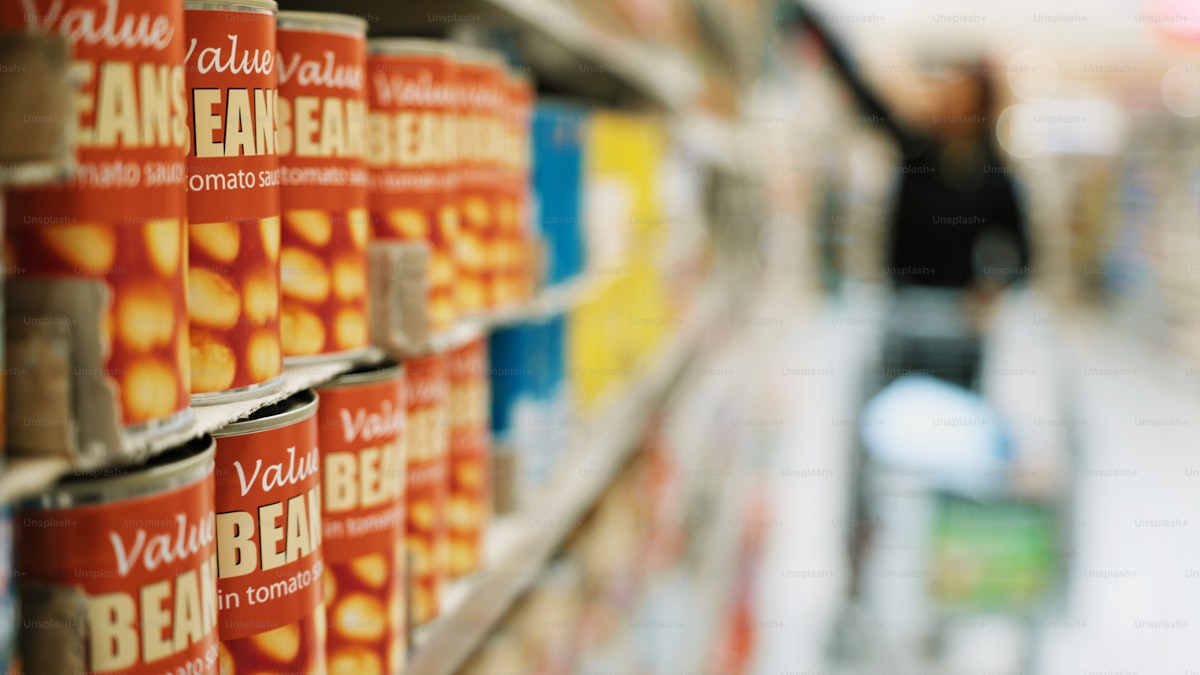
How to Save Money on Groceries Without Clipping Coupons
Let's be honest -- when someone says "save money on groceries," the first thing that comes to mind is a kitchen table covered in newspaper inserts and a pair of scissors. Extreme couponing might make for good television, but for the rest of us, it's an unpaid part-time job that barely justifies the effort.
Here's the thing: you don't need a single coupon to dramatically reduce what you spend on food every month. The biggest grocery savings come from changing how you shop, what you buy, and when you buy it. We've pulled together the most effective strategies that real families use to save $200 to $400 per month at the register -- no coupon binder required.
If you've already read our companion guide on ways to cut your grocery bill in half, consider this the next chapter. That article covers a broad range of strategies including apps and coupons. This one focuses entirely on the coupon-free tactics that deliver the most bang for your buck.
Rethink Your Shopping Routine
Most overspending at the grocery store happens because of habit, not necessity. We shop at the same store, walk the same aisles, grab the same brands, and wonder why the receipt always looks the same. Breaking those patterns is where the real savings begin.
Shop at More Than One Store
This doesn't mean driving to five stores every week. It means being intentional about where you buy certain categories. A discount grocer like Aldi or Lidl might save you 30-40% on pantry staples and dairy compared to a conventional supermarket. Meanwhile, your regular store might have better produce prices or a loyalty program that rewards bulk meat purchases.
We're not suggesting mapping out a military-style route across town. Even splitting your shopping between two stores -- one for basics and one for specialty items -- can shave $50 to $80 off your monthly bill without adding more than 15 minutes to your routine.
Stop Shopping on Autopilot
Most of us walk into a grocery store with a loose mental list and an "I'll know it when I see it" attitude. That approach is exactly what store layouts are designed to exploit. Endcap displays, eye-level product placement, and the smell of freshly baked bread from the in-store bakery are all engineered to get you to buy things you didn't plan on.
The fix is simple: write a specific list before you leave the house and commit to buying only what's on it. People who shop with a written list spend an average of 25% less than those who don't. That alone could save you $100 or more per month, depending on your household size.
Buy in Bulk -- But Only the Right Things
Bulk buying saves money on items you use consistently and that have a long shelf life. We're talking about rice, oats, pasta, canned goods, cooking oil, dried beans, and frozen vegetables. These are the workhorses of a budget kitchen, and buying larger quantities drops the per-unit cost significantly.
Where bulk buying goes wrong is with perishables. That 5-pound bag of spinach seems like a deal until half of it turns to slime in your crisper drawer. A 4-pound block of cheese is only a bargain if you actually use all of it before it molds.
The rule of thumb: buy in bulk if it's shelf-stable or freezable, and buy fresh items in the quantities you'll realistically consume within a week.
Make Smarter Substitutions
You don't have to eat differently to spend less. You just have to be strategic about which version of each food you put in your cart.
Embrace Frozen Fruits and Vegetables
There's a persistent myth that frozen produce is somehow inferior to fresh. In reality, frozen fruits and vegetables are picked at peak ripeness and flash-frozen within hours, which often means they retain more nutrients than "fresh" produce that spent two weeks on a truck and another five days on a shelf.
More importantly for your wallet, frozen produce costs 40-60% less than fresh in most cases. A bag of frozen broccoli florets runs about $1.50 and gives you roughly the same usable amount as a $3.50 fresh crown after you trim the stem. Frozen berries for smoothies? About $3.00 per pound versus $5-6 for fresh.
Make the swap on anything you're going to cook, blend, or bake. Save fresh produce for the items where texture and appearance matter -- salads, snacking, and garnishes.
Switch to Whole Ingredients Over Processed Versions
A box of flavored instant oatmeal packets costs about $4.50 for eight servings. A canister of plain rolled oats costs $3.50 for roughly 30 servings. Add your own cinnamon, a drizzle of honey, and some sliced banana and you've got a better breakfast at a fraction of the price.
This pattern repeats across almost every food category:
- Whole chicken ($1.20/lb) vs. boneless skinless breasts ($3.50/lb) -- learn to break down a whole bird and you'll save 60% on your primary protein
- Dried beans ($0.15/serving) vs. canned beans ($0.50/serving) -- an overnight soak takes 30 seconds of effort
- Block cheese ($3.50/8 oz) vs. pre-shredded ($4.80/8 oz) -- plus block cheese melts better and lasts longer since it lacks the anti-caking powder
- Plain yogurt ($3.99/32 oz) vs. flavored single-serve cups ($1.29/6 oz each) -- add your own fruit and honey
These swaps don't require any sacrifice in taste or nutrition. If anything, you'll eat better because you control the ingredients.
Rethink Your Protein Sources
Meat is almost always the most expensive line item on a grocery receipt. We're not suggesting you go vegetarian, but strategically replacing meat with plant-based protein a few nights per week has a massive impact on your bottom line.
A pound of dried lentils costs about $1.50 and provides roughly 8 servings of protein-rich food. A pound of ground beef runs $5-7. Swapping in a lentil bolognese, a black bean taco night, or a chickpea curry just two evenings per week can save your family $40-60 every month.
Eggs are another overlooked budget powerhouse. At roughly $0.30 per egg (even with recent price fluctuations), a two-egg breakfast or a dinner frittata loaded with vegetables is one of the most affordable meals you can make. If you're looking for more ideas on things to stop buying to save money, expensive single-serving protein packs and pre-marinated meats are great candidates.

Reduce Waste to Maximize Every Dollar
The USDA estimates that 30-40% of the food supply in the United States goes to waste. At the household level, the average family throws away roughly $1,500 worth of food annually. Cutting that waste is the same as putting money back in your wallet.
Organize Your Fridge and Pantry for Visibility
Food you can't see is food you'll forget about. And food you forget about ends up in the trash. A well-organized refrigerator with clear sightlines to every shelf dramatically reduces the amount of food that expires unused.
We've written an entire guide on how to organize your fridge to keep food fresh longer, and the principles are straightforward: first in, first out; keep items at the right temperature zones; and don't overcrowd shelves so air can circulate properly.
The same logic applies to your pantry. When staples are visible and grouped logically, you're less likely to buy duplicates and more likely to use what you have. Our guide on organizing your pantry like a pro walks through the entire process step by step.
Plan Your Meals Around What You Already Have
Before you sit down to plan the week's meals, take 10 minutes to audit your fridge, freezer, and pantry. What proteins need to be used this week? What vegetables are on the verge of wilting? What pantry staples have been sitting untouched for months?
Build at least two or three of your weekly meals around ingredients you already have on hand. This "shop your kitchen first" approach prevents duplicate purchases and ensures that nothing goes to waste. It's not glamorous, but families who do this consistently report saving $30-50 per week just by using food they would have otherwise thrown away.
Learn a Few Flexible "Clean Out" Recipes
Every home cook needs three or four recipes that can absorb whatever random ingredients are lying around. These are your insurance policy against food waste:
- Stir-fry: Any protein, any combination of vegetables, a simple sauce of soy sauce and garlic, served over rice.
- Frittata: Eggs plus whatever vegetables, cheese, and leftover meat you have. Twenty minutes in the oven and dinner is done.
- Soup or stew: Nearly anything can go into a pot of soup. That lone carrot, the half onion, the wilting celery, the leftover rotisserie chicken -- it all works.
- Fried rice: Leftover rice, any vegetables, an egg or two, and a splash of soy sauce. Fifteen minutes from fridge to plate.
If you're new to cooking in batches, our beginner's guide to meal prep breaks down the entire process so you can start building this habit without feeling overwhelmed.
Smart Timing and Seasonal Awareness
When you buy your groceries matters almost as much as what you buy.
Shop Seasonal Produce
Buying fruits and vegetables in season isn't just a foodie trend -- it's a money-saving fundamental. In-season produce is more abundant, which drives prices down. Out-of-season produce has to be shipped from the other side of the world, and you're paying for that logistics chain.
Strawberries in January can hit $5.99 per pound. Wait until June, and they're $1.99 or less. Butternut squash is dirt cheap in October but costs triple in the spring. Learning the seasonal cycles for the produce your family eats the most gives you a natural calendar for when to buy and when to skip.
When prices are at their lowest, buy extra and freeze. Berries, stone fruits, peppers, and leafy greens all freeze well when properly prepared. You'll enjoy summer produce prices all winter long.
Shop Later in the Day for Markdowns
Most grocery stores mark down bakery items, deli products, and near-expiration meats and dairy in the late afternoon and evening. These items are perfectly safe -- they're just approaching their sell-by date (which is not the same as an expiration date).
Markdown meat can save you 30-50% on proteins you'd buy anyway. Pick them up and either cook them that evening or freeze them immediately. Many stores also have a clearance produce section where slightly imperfect fruits and vegetables are sold at steep discounts. A bruised apple or an oddly shaped pepper tastes exactly the same.
Avoid Shopping on Weekends
Weekend grocery shopping means bigger crowds, longer lines, and more impulse purchases. Stores know that weekend shoppers tend to spend more, so they position premium products and tempting displays more prominently.
If your schedule allows it, shop on a Tuesday or Wednesday evening. The store will be calmer, you'll move through more quickly and deliberately, and you'll be less likely to throw random items in the cart just because you're lingering.
Frequently Asked Questions
How much can we realistically save without using any coupons?
A family of four spending the national average of roughly $950 per month on groceries can realistically save $200 to $400 per month using the strategies in this article. The biggest wins come from switching to store brands, reducing food waste, shopping at discount grocers, and substituting plant-based proteins for some meat-based meals. You won't see the full savings overnight, but within two to three months of consistent effort, the numbers add up significantly.
Is it worth driving to a cheaper grocery store if it's farther away?
Generally yes, but only if the savings outweigh the cost of gas and your time. If a discount grocer saves you $40 per trip and it's 15 minutes further than your usual store, that's a clear win. If it saves you $8 and adds 30 minutes of driving, probably not. We recommend consolidating -- make one big trip to the discount store every two weeks for pantry staples and frozen goods, and fill in with a weekly stop at your closer store for fresh items.
Does buying store brand really make that big of a difference?
It's one of the single most effective swaps you can make. Store brands are typically 20-40% cheaper than name brands, and in many cases they're manufactured in the same facilities using identical ingredients. Switching to store brand across your entire cart can save $50-80 per month for the average household. Start with low-risk categories like canned goods, flour, sugar, and frozen vegetables, and expand from there as you find products you like.
What's the best way to save money on meat specifically?
Buy whole cuts and break them down yourself (a whole chicken is far cheaper per pound than boneless breasts), purchase family packs and portion them into freezer bags, shop the markdown section for near-date proteins you can cook or freeze immediately, and replace meat with beans or lentils two or three nights per week. Combined, these strategies can cut your meat spending by 40-50%. Also consider less popular but equally nutritious cuts like chicken thighs, pork shoulder, and chuck roast, which are significantly cheaper than premium cuts.
Can meal prepping actually help save money, or is it just about convenience?
Meal prepping is one of the most powerful money-saving tools in your kitchen, not just a convenience hack. When you batch-cook meals for the week, you eliminate the Tuesday night "I'm too tired to cook" takeout order that costs $30-50 for a family. You also use ingredients more efficiently since you're cooking in larger quantities, which reduces per-serving costs and waste. The average family that meal preps consistently saves $150-250 per month compared to those who cook (or order) spontaneously each night.
Start Small and Build From There
We get it -- overhauling your entire grocery routine sounds exhausting. So don't do it all at once. Pick two or three strategies from this guide that feel manageable and start there. Maybe this week you write a list and stick to it. Next week, you try shopping at a discount grocer for your staples. The week after, you commit to one meatless dinner night.
Small changes compound. A $20 savings here and a $30 savings there add up to hundreds of dollars per month once the habits are locked in. And unlike coupon clipping, these strategies don't require any ongoing time investment once they become second nature.
Your grocery bill is one of the most flexible expenses in your household budget. With a little intention and some strategic shifts, you can keep eating well, waste less food, and hold onto a lot more of your money every single month. No scissors required.
Get weekly home tips that actually work
Join thousands of homeowners getting practical cleaning hacks, DIY fixes, and money-saving tips every week. Free, and you can unsubscribe anytime.

Written by
Beth SullivanFounder & Editor-in-Chief
Beth Sullivan is the founder of Practical Home Guides. With over a decade of hands-on experience tackling every home challenge imaginable, she started this site to share the practical, no-nonsense solutions she wishes she had found years ago. When she's not testing cleaning hacks or organizing pantries, you'll find her in the garden or working on her next DIY project.
Recommended Products
Looking for specific product recommendations? Check out our tested picks.

Best Outdoor Patio Furniture Deals (2026 Spring Picks)
Late April is the sweet spot for patio furniture deals — pre-summer sales without late-season picked-over selection. Here are the picks worth buying now.

5 Best LED Light Bulbs to Cut Your Electric Bill (2026)
Switch to LED bulbs and save $100+ per year on electricity. We compared the top LED bulbs for brightness, color quality, and longevity — here are the 5 best picks.

Best Smart Thermostats to Lower Your Energy Bill (2026)
The best smart thermostats that actually save money on heating and cooling. We compare 5 top picks from Nest, Ecobee, Honeywell, and more with real energy savings data.
Related Articles
Best Outdoor Patio Furniture Deals (2026 Spring Picks)
Late April is the sweet spot for patio furniture deals — pre-summer sales without late-season picked-over selection. Here are the picks worth buying now.
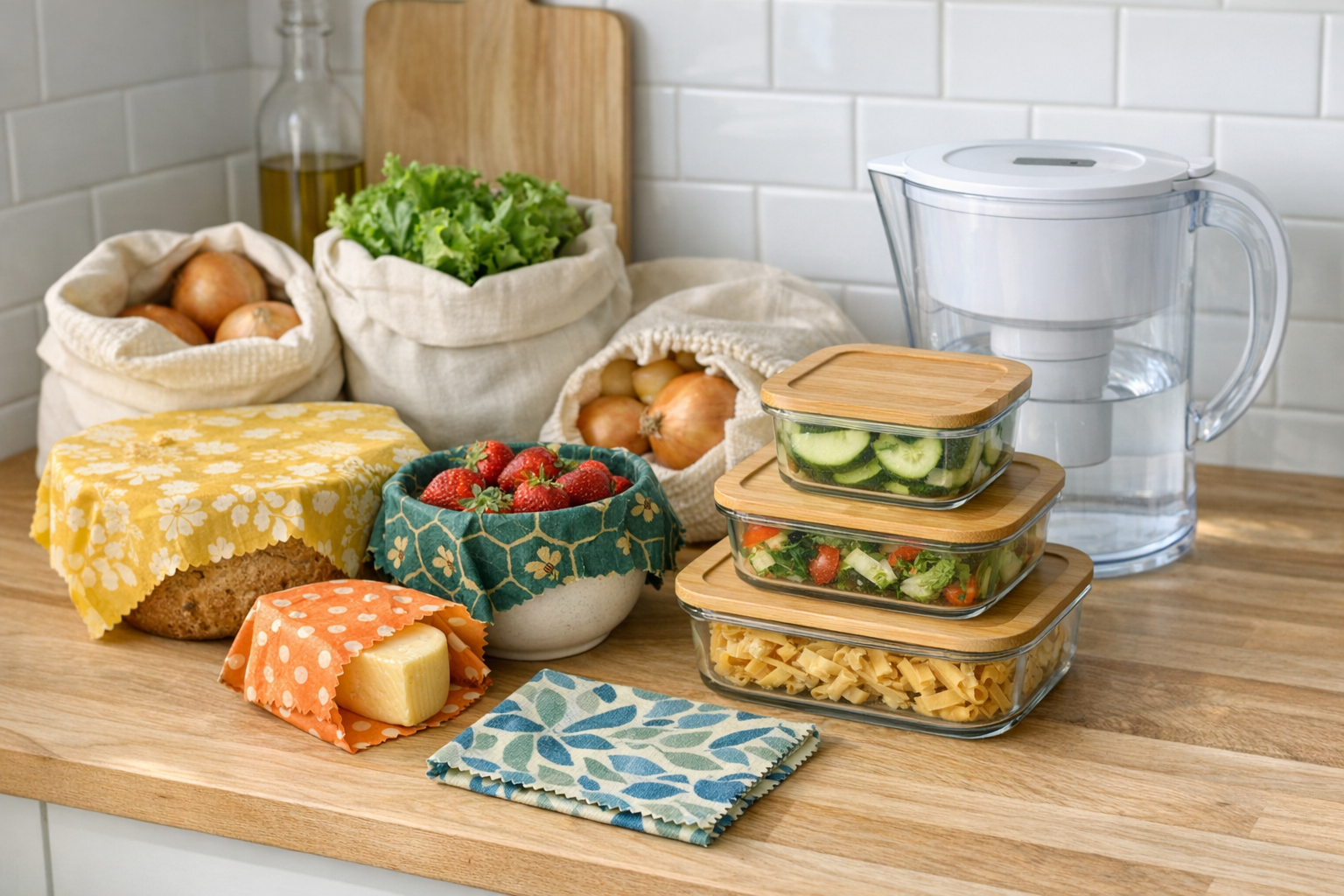
12 Earth Day Eco Swaps That Save Money All Year
These 12 home swaps reduce waste AND save money — most under 30 dollars upfront and pay for themselves within a few months.

12 Budget Mother's Day Gifts That Actually Feel Thoughtful
Skip the generic flowers-and-card combo. These under-50-dollar Mother's Day ideas feel personal without breaking the budget.
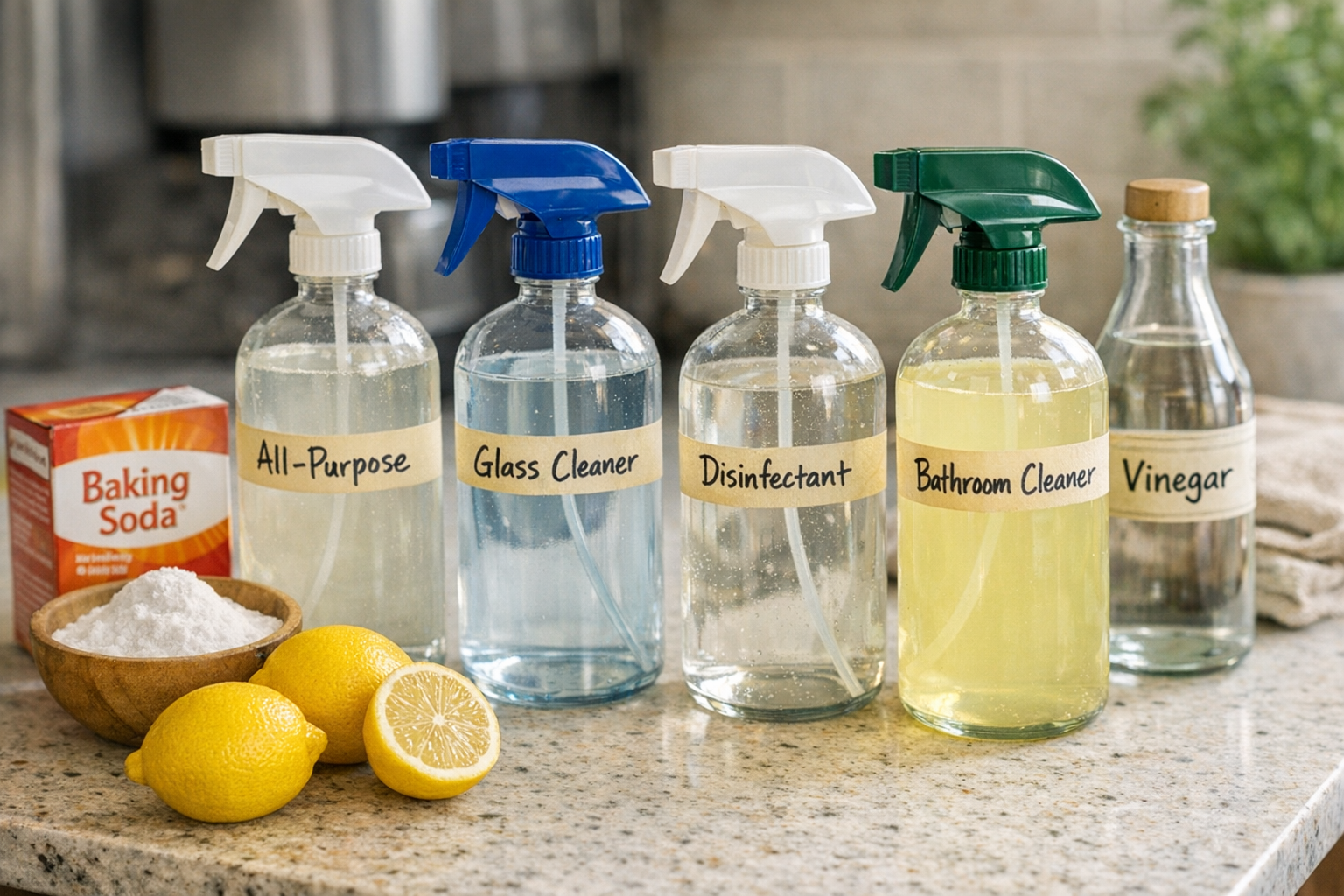
Homemade Cleaning Supplies That Save Real Money (7 Recipes That Work)
Skip the 8-dollar bottles of name-brand cleaner. These 7 homemade cleaner recipes replace everything in the cleaning aisle with 4 basic ingredients.