How to Save Money on Furniture (Buy Smart, Refinish, or DIY)
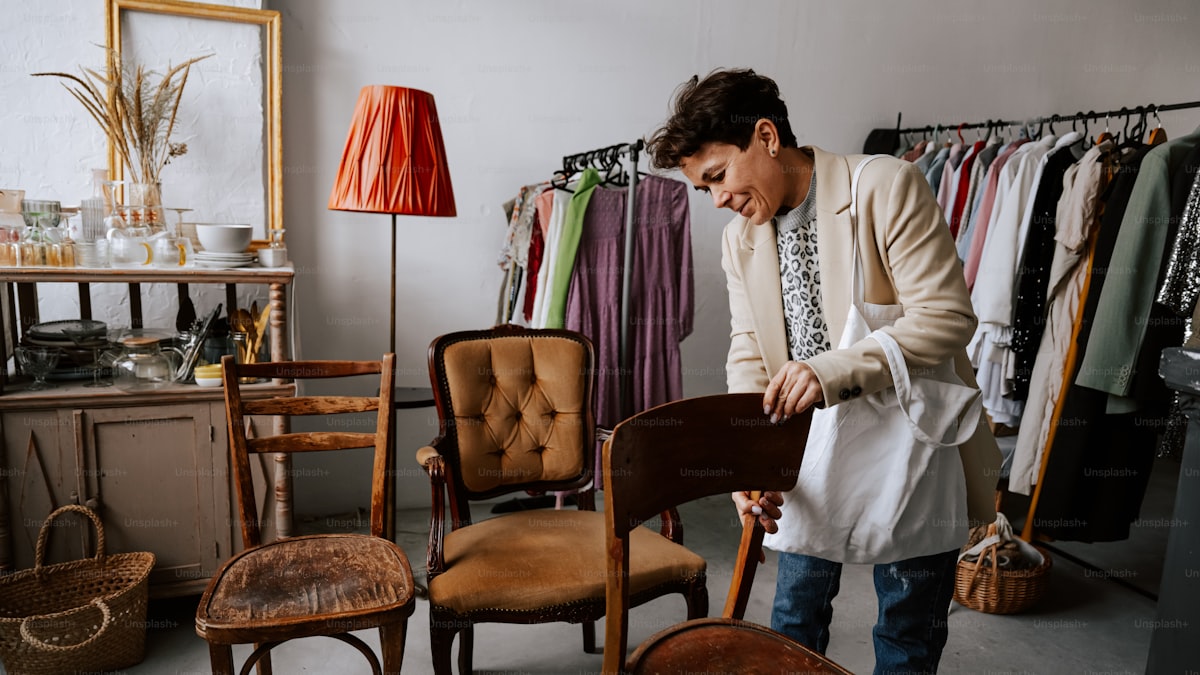
Furnishing a home is one of the largest expenses most people face, yet it's one of the areas where you can save the most money with the right approach. The average American household spends $2,000-$5,000 on furniture per year between new purchases and replacements. Much of that spending is unnecessary.
The furniture industry depends on you believing that new, retail-priced furniture is the only option. In reality, secondhand furniture is often higher quality than new budget pieces, refinishing transforms damaged pieces into beautiful ones for pennies on the dollar, and strategic patience gets you premium pieces at clearance prices.
Where to Find Furniture for 50-90% Off
The secondhand furniture market is massive, and most of it is dramatically underpriced because sellers just want it gone.
Facebook Marketplace and Craigslist
These are gold mines for local furniture finds. People moving, downsizing, or redecorating regularly sell quality furniture for 10-30% of its original price just to avoid the hassle of keeping it.
Best practices for buying:
- Search daily — the best deals go within hours
- Filter by "free" occasionally — people literally give away furniture
- Check for solid wood construction (heavy = good)
- Bring a flashlight to check for hidden damage
- Always negotiate — most sellers expect it and price accordingly
- Pick up in person to avoid delivery costs
Estate Sales
Estate sales are the single best source for quality furniture at rock-bottom prices. The furniture at estate sales is often solid wood from an era when furniture was built to last decades, not the particleboard construction common today.
Prices start low and drop further on the second and third days (many estate sales discount 25-50% on day two and 50-75% on the final day). If you can wait, the biggest bargains come at the end.
Thrift Stores and Habitat ReStores
Goodwill, Salvation Army, and especially Habitat for Humanity ReStores regularly receive furniture donations. ReStores specifically focus on home goods and often have high-quality pieces at 50-80% off retail. Visit regularly since inventory turns over quickly.
Floor Model and Clearance Sales
Furniture stores sell floor models at 30-60% off when they need to make room for new inventory. These pieces may have minor cosmetic wear from being in a showroom, but they're otherwise identical to new stock. Ask about floor model availability whenever you visit a furniture store.
End-of-season clearance (typically January and July) offers 40-60% off at major retailers. Stores need to move old inventory to make room for new collections, and the prices reflect their urgency.
Outlet Stores
Many major furniture brands operate outlet locations where they sell overstock, returned items, and pieces with minor defects at 40-70% off retail. The "defects" are often so minor (a small scratch on the back, slightly off-color fabric) that you'd never notice them.

Refinishing: Transform Furniture for Cheap
A solid wood piece with cosmetic damage is often a better buy than a new particleboard piece at full price. Refinishing gives you premium furniture at a fraction of the cost.
When to Refinish
Refinishing makes sense when:
- The piece is solid wood (not veneer over particleboard)
- The structure is sound (no wobbly joints or broken frames)
- The damage is cosmetic — scratches, stains, outdated color, or worn finish
- The piece has good "bones" — attractive shape, quality hardware, dovetail joints
A $20 thrift store dresser refinished for $30 in materials can look as good as a $500 new one.
Basic Refinishing Supplies ($25-$50)
- Sandpaper (80, 150, and 220 grit): $5-$10
- Tack cloth: $3-$5
- Stain or paint: $8-$15
- Polyurethane or wax finish: $8-$12
- Brushes and applicators: $5-$10
The Simple Refinishing Process
- Clean the piece thoroughly with a damp cloth
- Sand with progressively finer grits (80 → 150 → 220)
- Wipe with a tack cloth to remove all dust
- Apply stain or paint in thin, even coats
- Seal with polyurethane or furniture wax
- Let cure for 24-48 hours before use
For water ring stains and other specific damage on wood furniture, our guide on removing water stains from wood covers targeted repair techniques that don't require full refinishing.

What to Invest In vs. What to Buy Cheap
Not all furniture purchases are created equal. Some pieces are worth spending more on, while others are perfectly fine at the lowest price point.
Worth Investing In
Mattress: You spend a third of your life on it. A quality mattress affects your sleep, back health, and daily energy. Budget $500-$1,000 and buy during holiday sales (Presidents' Day and Memorial Day have the best mattress deals).
Sofa: A quality sofa with a hardwood frame and good cushions lasts 10-15 years. Budget options with particleboard frames and cheap foam last 2-3 years and end up costing more per year of use.
Dining table: A solid wood dining table lasts decades and can be refinished multiple times. This is where estate sales shine — you can find real wood tables for $50-$200 that would cost $800-$2,000 new.
Office chair: If you work from home, a good ergonomic chair is a health investment. Buy refurbished Herman Miller or Steelcase chairs online for 50-70% off retail — these chairs are built to last 12+ years.
Fine to Buy Cheap
Bookshelves: An IKEA Billy bookshelf ($40-$70) does the exact same job as a $300 designer bookshelf. Anchor it to the wall for safety and it'll last for years.
Coffee and side tables: These take minimal stress and can be found at thrift stores for $5-$30.
Bedroom dressers: Secondhand dressers are abundant, cheap, and often better built than new ones. A coat of paint or new hardware transforms them.
Outdoor furniture: It weathers regardless of price. Buy secondhand at the end of summer when everyone is offloading their patio sets.
Timing Your Purchases
Furniture prices vary dramatically throughout the year. Buying at the right time saves 30-60%.
Best Times to Buy
- January: Stores clear holiday inventory for spring collections
- February (Presidents' Day): Major mattress and furniture sales
- May (Memorial Day): Outdoor furniture and mattress deals
- July: Mid-year clearance across most retailers
- September-October: Summer furniture clearance
- November (Black Friday): Broad discounts, especially online
Worst Times to Buy
- March-April: New spring inventory at full price
- August: Back-to-school season, dorm furniture markup
- December: Holiday markup on gift-type furniture
Simple DIY Furniture Projects
If you're handy (or want to learn), building simple furniture pieces saves significant money and gives you exactly what you want.
Floating Shelves ($10-$20 each)
Cut a board to size, sand, stain, and mount with hidden shelf brackets. Materials cost $10-$20 per shelf versus $40-$80 at retail. This is a great beginner project that makes a big visual impact, and ties into bathroom storage ideas and pantry organization.
Simple Bench ($30-$50)
A basic wooden bench for your entryway, foot of bed, or patio requires just a few boards, screws, and an afternoon. Plans are free online, and the result is a custom piece that fits your space perfectly.
Updated Hardware
The cheapest furniture "upgrade" is replacing hardware. New knobs, pulls, and handles cost $2-$5 each and completely change the look of dressers, cabinets, and side tables. This works on both existing furniture and secondhand finds.
Frequently Asked Questions
Is secondhand furniture sanitary?
Yes, with basic precautions. Wipe down hard surfaces with disinfectant, wash any removable fabric covers, and inspect upholstered pieces carefully for bedbugs (check seams, tufting, and the underside). Avoid secondhand mattresses and upholstered items with stains or odors unless you're confident they're clean. Solid wood and metal furniture poses essentially zero hygiene concerns — a thorough wipe-down is all you need.
How do I know if furniture is solid wood vs. particleboard?
Check the weight — solid wood is significantly heavier. Look at edges and undersides where the material is exposed — solid wood shows grain throughout, while particleboard shows a compressed sawdust pattern. Knock on it — solid wood sounds dense and resonant, particleboard sounds hollow and dull. Check drawer construction — dovetail joints indicate quality solid wood construction, while stapled or glued butt joints indicate cheaper materials.
Is it worth refinishing IKEA furniture?
Generally no. Most IKEA furniture is particleboard with a veneer or laminate surface. Sanding through the veneer exposes the compressed material underneath, which doesn't take stain well and looks bad. You can paint IKEA furniture with proper primer (adhesion primer for laminate surfaces), but refinishing with stain is typically not viable.
Where can I find free furniture?
Facebook Marketplace "free" section, Craigslist "free" section, Freecycle.org, Buy Nothing groups on Facebook, curb alerts (especially around the 1st and 15th of the month when leases turn over), and university areas at the end of semesters. You'll be surprised at the quality of furniture people give away when they don't want to deal with selling it.
How do I negotiate furniture prices?
For retail stores, ask about price matching, floor model discounts, and whether they can waive delivery fees. For secondhand sales, offer 60-70% of the asking price and negotiate from there. Bundle multiple items for a bigger discount. Point out flaws respectfully ("I noticed this scratch — would you take $X?"). Be ready to walk away — that's your strongest negotiating tool.
Furnish Smart, Not Expensive
The difference between a beautifully furnished home and an expensive one is knowledge, not money. People who furnish their homes for a fraction of the average cost aren't sacrificing quality — they're shopping smarter, buying secondhand, refinishing pieces with potential, and investing strategically in the items that matter most.
Start with what you have. Before buying anything new, assess whether your existing furniture could be transformed with paint, new hardware, or a rearranged layout. Then fill gaps with secondhand finds and targeted purchases during sales. Your home will look great, and your bank account will thank you.
Get weekly home tips that actually work
Join thousands of homeowners getting practical cleaning hacks, DIY fixes, and money-saving tips every week. Free, and you can unsubscribe anytime.

Written by
Beth SullivanFounder & Editor-in-Chief
Beth Sullivan is the founder of Practical Home Guides. With over a decade of hands-on experience tackling every home challenge imaginable, she started this site to share the practical, no-nonsense solutions she wishes she had found years ago. When she's not testing cleaning hacks or organizing pantries, you'll find her in the garden or working on her next DIY project.
Recommended Products
Looking for specific product recommendations? Check out our tested picks.

Best Outdoor Patio Furniture Deals (2026 Spring Picks)
Late April is the sweet spot for patio furniture deals — pre-summer sales without late-season picked-over selection. Here are the picks worth buying now.

5 Best LED Light Bulbs to Cut Your Electric Bill (2026)
Switch to LED bulbs and save $100+ per year on electricity. We compared the top LED bulbs for brightness, color quality, and longevity — here are the 5 best picks.
Best Smart Thermostats to Lower Your Energy Bill (2026)
The best smart thermostats that actually save money on heating and cooling. We compare 5 top picks from Nest, Ecobee, Honeywell, and more with real energy savings data.
Related Articles
Best Outdoor Patio Furniture Deals (2026 Spring Picks)
Late April is the sweet spot for patio furniture deals — pre-summer sales without late-season picked-over selection. Here are the picks worth buying now.
12 Earth Day Eco Swaps That Save Money All Year
These 12 home swaps reduce waste AND save money — most under 30 dollars upfront and pay for themselves within a few months.
12 Budget Mother's Day Gifts That Actually Feel Thoughtful
Skip the generic flowers-and-card combo. These under-50-dollar Mother's Day ideas feel personal without breaking the budget.
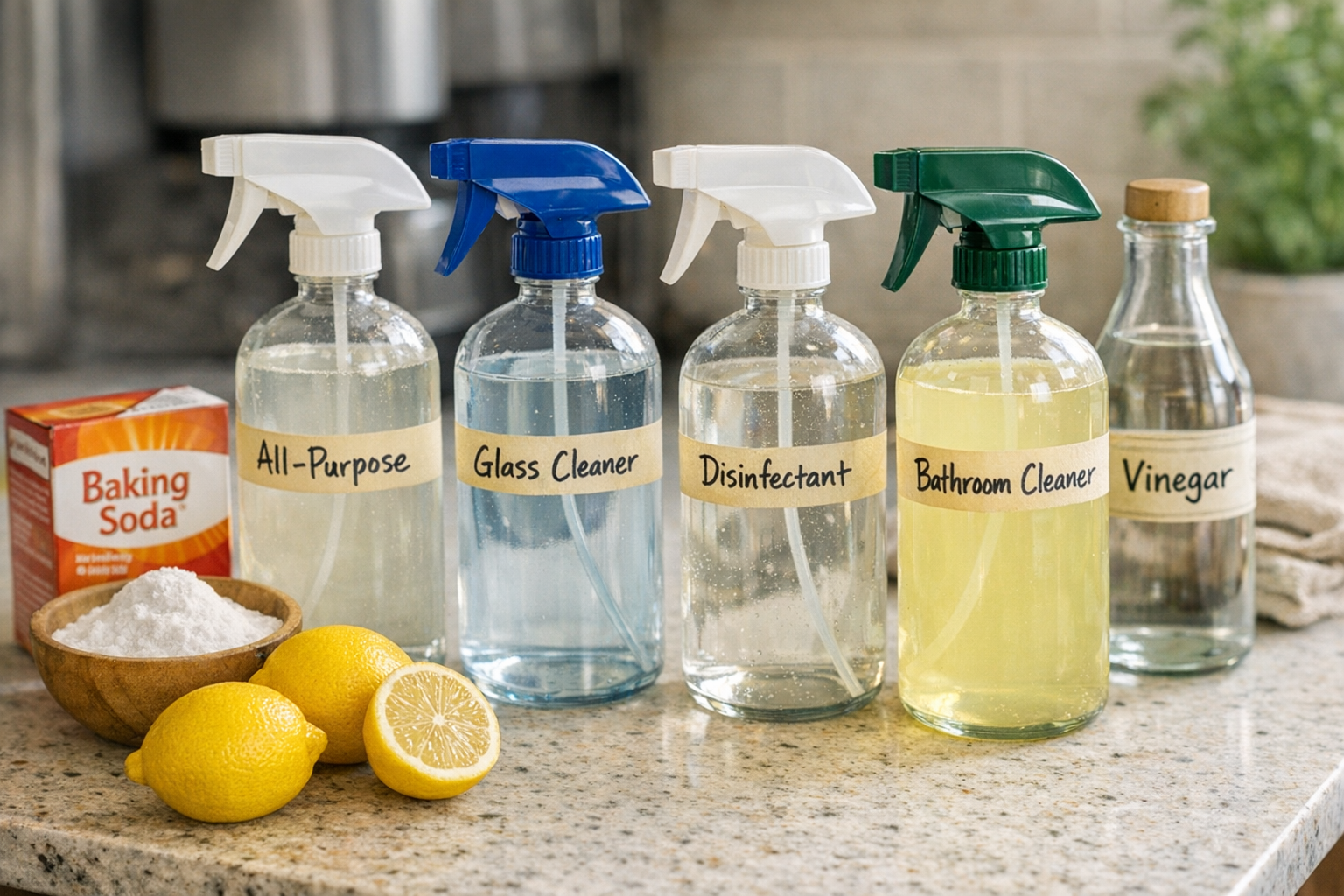
Homemade Cleaning Supplies That Save Real Money (7 Recipes That Work)
Skip the 8-dollar bottles of name-brand cleaner. These 7 homemade cleaner recipes replace everything in the cleaning aisle with 4 basic ingredients.