How to Store Produce So It Lasts Twice as Long
This article may contain affiliate links. If you make a purchase through these links, we may earn a small commission at no extra cost to you. Learn more
Quick Answer
How to Store Produce So It Lasts Twice as Long
The biggest rule: separate ethylene-producing fruits (apples, bananas, avocados, tomatoes) from ethylene-sensitive vegetables (lettuce, broccoli, cucumbers). Store herbs upright in a jar of water in the fridge. Keep potatoes, onions, and garlic in a cool dark pantry — never in the fridge. Wrap leafy greens in a dry paper towel inside an open bag. And never wash produce until you're ready to use it — moisture is the #1 cause of premature spoilage.
How to Store Produce So It Lasts Twice as Long
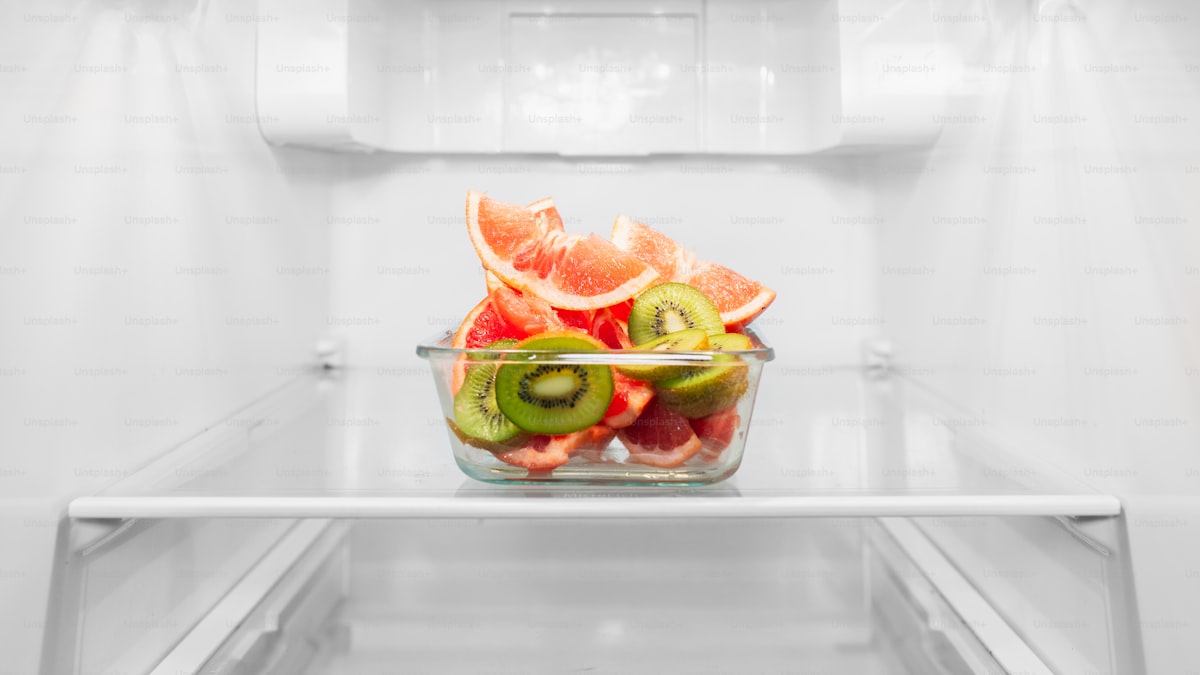
Every week, millions of households play the same losing game. You come home from the grocery store with bags full of fresh fruits and vegetables, feel great about your healthy choices, and then watch half of it slowly deteriorate in the fridge over the next five to seven days. The strawberries get fuzzy. The lettuce goes limp. The cucumbers turn into sad, rubbery tubes. By the end of the week, you are tossing produce you never got around to eating.
You are not alone, and the numbers are staggering. According to the USDA, American households waste approximately 30 to 40 percent of their food supply, and fresh produce is the single most wasted category -- accounting for nearly 40 percent of all food thrown away at home. For the average family, that translates to roughly $1,500 worth of groceries in the trash every year. A huge chunk of that is fruits and vegetables that spoiled before anyone could eat them.
The frustrating part is that most of this waste is completely preventable. The difference between produce that lasts three days and produce that lasts ten days usually comes down to a handful of simple storage habits. Once you understand why different fruits and vegetables spoil the way they do, you can make small changes that dramatically extend their shelf life -- and keep your hard-earned grocery money out of the garbage can. If you have already been working on reducing food waste at home, dialing in your produce storage is one of the highest-impact moves you can make.
Which Fruits and Vegetables Should You Never Store Together?
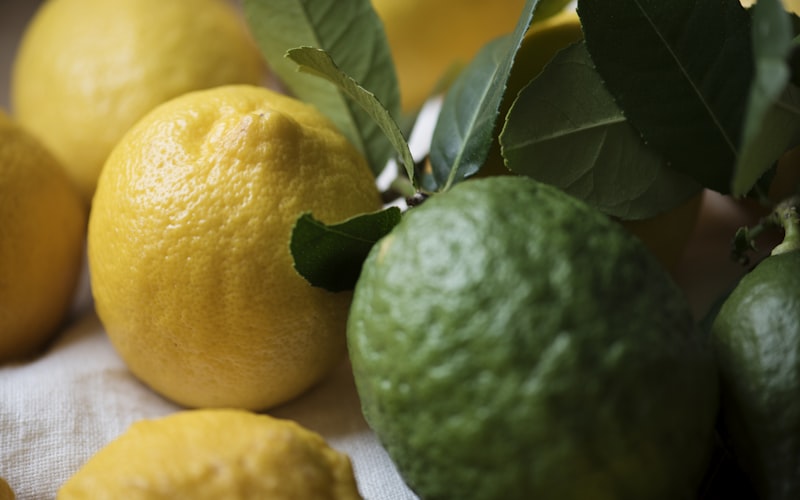
This is the single most important thing to understand about produce storage, and most people have never heard of it. Certain fruits and vegetables release a natural ripening gas called ethylene as they mature. When ethylene-producing items are stored near ethylene-sensitive items, the gas accelerates ripening and spoilage in the sensitive produce -- sometimes cutting its life in half.
High Ethylene Producers (Keep These Separated)
These fruits and vegetables release significant amounts of ethylene gas and should be stored away from sensitive produce:
- Apples
- Bananas
- Avocados
- Tomatoes
- Peaches, plums, and nectarines
- Pears
- Mangoes
- Cantaloupe and honeydew melon
- Kiwis
Ethylene-Sensitive Produce (Protect These)
These items are highly sensitive to ethylene and will spoil, yellow, or wilt faster when exposed to it:
- Leafy greens (lettuce, spinach, kale, arugula)
- Broccoli and cauliflower
- Cucumbers
- Green beans
- Carrots
- Asparagus
- Fresh herbs
- Peppers
- Berries
The practical takeaway is straightforward: never store your apples, bananas, or avocados next to your lettuce, broccoli, or herbs. In the fridge, use separate crisper drawers -- one for fruits and one for vegetables. On the counter, keep your fruit bowl away from any vegetables that are sitting out. This one change alone can add days to the life of your salad greens and cruciferous vegetables.
If you want to use ethylene to your advantage, it works both ways. Need to ripen your avocados faster? Stick them in a paper bag with a banana. But when the goal is longevity, separation is key.
What Is the Best Way to Store Leafy Greens?
Leafy greens -- lettuce, spinach, kale, arugula, Swiss chard -- are among the most fragile items in your kitchen. They wilt, brown, and turn slimy faster than almost anything else. But stored correctly, most leafy greens can stay fresh and crisp for seven to ten days, sometimes longer.
The Paper Towel Method
This technique works for almost every type of leafy green and is the single best way to extend their life:
- Do not wash the greens until you are ready to eat them. Moisture is the number one enemy of leafy greens in the fridge.
- Line a container or open bag with a dry paper towel or clean kitchen towel.
- Layer the greens loosely inside, adding another paper towel between thick layers.
- Leave the container slightly open or use a bag with a small opening so air can circulate. Sealed bags trap moisture and create a humid environment where bacteria thrive.
The paper towel absorbs the small amount of moisture the leaves naturally release, preventing that slimy film from forming. Swap the paper towel out every two to three days if it feels damp.
Pre-Washed Bagged Greens
If you buy pre-washed salad mixes in plastic clamshells, open the container as soon as you get home and tuck a dry paper towel inside. Close it back up and store in the crisper drawer. This simple step can add three to four extra days to the life of bagged salads.
Sturdy Greens Like Kale and Swiss Chard
Heartier greens last longer than delicate lettuces. Strip the leaves from the thick stems (the stems promote moisture buildup), wrap loosely in a dry paper towel, and store in an open bag in the fridge. Kale stored this way can easily last ten days or more.
For more on how to organize your fridge so every type of food is in its ideal spot, our guide on how to organize your fridge to keep food fresh walks through the entire zone system.
How Should You Store Berries to Prevent Mold?
Berries are notorious for going bad seemingly overnight. You buy a pint of beautiful strawberries, and two days later half of them are wearing fuzzy gray coats. The culprit is almost always mold spores that are already present on the berries when you buy them -- they just need a little moisture and warmth to take off.
The Vinegar Rinse Method
This is the most effective technique we have found for extending berry life:
- Mix one part white vinegar to three parts cold water in a large bowl.
- Gently swirl the berries in the mixture for about 30 seconds.
- Drain and rinse with plain cold water to remove any vinegar taste.
- Dry the berries thoroughly -- this is the critical step. Spread them in a single layer on a clean kitchen towel or paper towels and let them air dry completely, or gently pat them dry.
- Store in a container lined with a paper towel, leaving the lid slightly cracked for airflow.
The diluted vinegar kills the mold spores on the berry surface without affecting the taste. Berries treated this way routinely last seven to ten days in the fridge, compared to three to four days untreated.
What Not to Do
Never store berries in the original plastic clamshell without any modification. Those containers trap moisture and have no absorption. Also, never store berries wet -- even a quick rinse without drying can cut their fridge life in half. If you are doing weekly meal prep, wash and prep your berries at the start of the week using the vinegar method, and they will still be fresh by Friday.
How Do You Store Produce That Should Never Go in the Fridge?
Not everything belongs in the refrigerator. Several common fruits and vegetables actually lose flavor, texture, or nutritional value when stored in the cold. Here is what should stay out:
Counter Storage
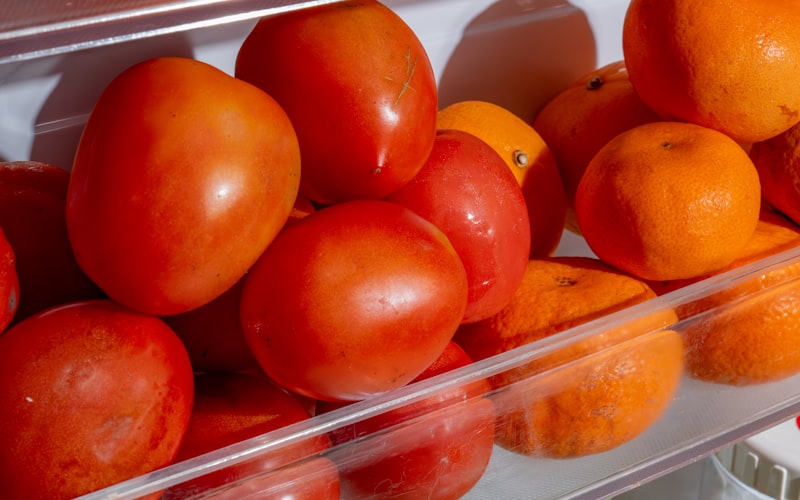
- Tomatoes -- Refrigeration breaks down the cell membranes that give tomatoes their flavor and creates that mealy, grainy texture nobody enjoys. Store them stem-side down on the counter at room temperature. Only refrigerate if they are fully ripe and you need to buy an extra day or two.
- Bananas -- Store at room temperature. Once they reach your preferred ripeness, you can move them to the fridge to slow things down. The skin will turn brown in the cold, but the fruit inside stays perfect for several more days.
- Whole melons -- Watermelon, cantaloupe, and honeydew are best at room temperature until you cut them. Once cut, wrap tightly and refrigerate.
- Stone fruits -- Peaches, plums, and nectarines should ripen on the counter. Move to the fridge once ripe to extend their life by a few days.
Cool, Dark Pantry Storage
- Potatoes -- The cold of the fridge converts potato starches into sugars, resulting in an unpleasant sweet taste and discoloration when cooked. Store in a cool, dark, well-ventilated spot. A paper bag or open basket works well.
- Onions -- They need air circulation and darkness. Keep them in a mesh bag or basket in the pantry. Never store onions next to potatoes -- they release gases that cause each other to spoil faster.
- Garlic -- Same as onions. Cool, dark, and dry with good airflow. A whole head of garlic stored this way will last for weeks.
- Sweet potatoes -- Like regular potatoes, they prefer a cool, dark pantry over the fridge. They can last three to four weeks when stored properly.
- Winter squash -- Butternut, acorn, and spaghetti squash do best in a cool pantry, where they can last for months.
What Is the Best Way to Store Produce in the Fridge?
Your refrigerator is not a one-size-fits-all box. Different zones have different temperatures and humidity levels, and using them correctly can add days to your produce.
Use Your Crisper Drawers Correctly
Most modern refrigerators have two crisper drawers with humidity controls. Here is how to use them:
- High humidity drawer (vent closed or mostly closed): This is for vegetables that wilt -- leafy greens, herbs, broccoli, cauliflower, green beans, carrots, cucumbers, and peppers. The high humidity prevents moisture loss from the leaves and stems.
- Low humidity drawer (vent open): This is for fruits and anything that is ethylene-producing -- apples, pears, grapes, berries, avocados (once ripe), and stone fruits. The open vent allows ethylene gas to escape so it does not build up and over-ripen the fruit.
If your fridge only has one crisper drawer, use it for your most delicate vegetables and keep fruits on a regular shelf.
General Fridge Storage Tips
- Do not overcrowd your produce drawers. Air needs to circulate around each item. When produce is packed tightly together, moisture builds up and creates pockets where mold and bacteria flourish.
- Keep produce in breathable bags -- perforated plastic bags, reusable mesh bags, or produce containers with ventilation. Airtight containers without airflow trap ethylene and moisture.
- Store herbs upright in a jar of water in the fridge, loosely covered with a bag. This method keeps cilantro, parsley, and dill fresh for two to three weeks. For the full breakdown of every herb type, our guide on how to store fresh herbs covers every technique in detail.
- Place a paper towel in the bottom of any produce container or bag to absorb excess moisture.
Produce Storage Containers for Fridge (Set of 5)
BPA-free containers with adjustable vents and elevated drain baskets that keep produce fresh 2-3x longer. Dishwasher safe and stackable to save fridge space.
Check Price on Amazon →How Do You Keep Cut Produce Fresh After Slicing?
Once you cut into a fruit or vegetable, the clock starts ticking much faster. The exposed flesh is vulnerable to oxidation, moisture loss, and bacterial growth. Here is how to handle the most common scenarios.
Cut Avocados
Avocados brown rapidly once cut due to enzymatic oxidation. Squeeze lemon or lime juice over the exposed flesh, press plastic wrap directly against the surface to eliminate air contact, and refrigerate. This keeps them green for two to three days. For five different methods ranked by effectiveness, check out our full guide on how to keep avocados fresh longer.
Cut Onions and Peppers
Wrap tightly in plastic wrap or store in an airtight container. They keep well for seven to ten days in the fridge. Half an onion stored face-down in a covered container will hold up even longer.
Cut Melons and Pineapple
Store in an airtight container in the fridge and eat within three to five days. The high sugar content in cut melons makes them a prime target for bacterial growth, so keep them cold and covered.
Pre-Cut Vegetables for Snacking
Carrots, celery, radishes, and jicama can be submerged in a container of cold water in the fridge. Change the water every two days. They will stay impossibly crisp for over a week this way -- much better than the dried-out sticks you get from storing them in bags.
Cut Apples and Pears
A quick dip in a mixture of cold water and a tablespoon of lemon juice prevents browning. Store in an airtight container in the fridge for up to five days.
What Is the Produce Storage Quick-Reference Chart?
Here is a handy reference table for the most common fruits and vegetables. Print it out and stick it on your fridge.
| Produce | Where to Store | How to Store | Approximate Shelf Life |
|---|---|---|---|
| Leafy greens | Fridge (high humidity drawer) | Paper towel in open bag or container | 7-10 days |
| Berries | Fridge (low humidity drawer) | Vinegar-rinsed, dried, paper towel in container | 7-10 days |
| Broccoli/cauliflower | Fridge (high humidity drawer) | Unwashed, in open or perforated bag | 5-7 days |
| Carrots | Fridge (high humidity drawer) | Remove greens, store in bag or submerged in water | 2-3 weeks |
| Celery | Fridge | Wrapped in foil (not plastic wrap) | 2-4 weeks |
| Cucumbers | Fridge (high humidity drawer) | Wrapped individually in paper towel | 7-10 days |
| Fresh herbs | Fridge | Stems in jar of water, loosely covered | 2-3 weeks |
| Green beans | Fridge (high humidity drawer) | Unwashed, in open bag with paper towel | 5-7 days |
| Peppers | Fridge (high humidity drawer) | Unwashed, whole, in open bag | 1-2 weeks |
| Apples | Fridge (low humidity drawer) | Separate from other produce | 4-6 weeks |
| Bananas | Counter, then fridge | Room temp until ripe, then fridge to extend | 5-7 days |
| Avocados | Counter, then fridge | Room temp until ripe, then fridge | 3-5 days once ripe |
| Tomatoes | Counter | Stem-side down, room temperature | 5-7 days |
| Potatoes | Cool dark pantry | Paper bag or open basket, away from onions | 3-5 weeks |
| Onions | Cool dark pantry | Mesh bag with airflow, away from potatoes | 2-3 months |
| Garlic | Cool dark pantry | Whole head, good airflow | 3-6 months |
| Citrus fruits | Fridge or counter | Counter for up to a week, fridge for longer | 2-4 weeks in fridge |
| Grapes | Fridge (low humidity drawer) | Unwashed, in ventilated bag or container | 7-10 days |
| Mushrooms | Fridge | In a paper bag (never plastic) | 7-10 days |
| Corn on the cob | Fridge | In husks, use quickly | 1-3 days |
What Are the Biggest Produce Storage Mistakes People Make?
Even people who try to store their produce carefully often make a few common errors that undermine their efforts. Here are the most frequent mistakes and how to fix them.
Washing Produce Before Storing It
This is the most widespread mistake. It feels intuitive -- wash everything when you get home so it is clean and ready to use. But adding moisture to produce before storing it dramatically accelerates spoilage. Water left on the surface of berries, greens, grapes, and herbs creates the perfect environment for mold and bacterial growth.
The rule: Do not wash produce until the moment you are ready to eat or cook it. The only exception is the vinegar rinse for berries, where you must dry them completely before storing.
Storing Everything in Sealed Plastic Bags
Those thin plastic produce bags from the grocery store are fine for transporting items home, but they are terrible for long-term storage. They trap moisture and ethylene gas, creating a humid, gas-filled environment that speeds up decay. Either leave the bags open, poke several holes in them, or switch to perforated produce bags or ventilated containers.
Keeping Produce in the Warmest Part of the Fridge
The door shelves and the front of the fridge are the warmest spots, with the most temperature fluctuation from opening and closing. Never store delicate produce in the door. Use the crisper drawers and the back of shelves where temperatures are more stable and consistently cold.
Ignoring Spoiled Neighbors
One moldy strawberry or one slimy lettuce leaf releases spores and bacteria that quickly spread to neighboring items. Inspect your produce every couple of days and remove anything that is starting to turn. This one habit prevents a single bad item from taking down the whole batch.
How Can You Rescue Produce That Is Starting to Fade?
Not all hope is lost when produce starts to look past its prime. Before you toss it, consider these rescue strategies that can save both food and money.
Wilting Greens
Limp lettuce, spinach, or kale can often be revived by soaking the leaves in ice-cold water for ten to fifteen minutes. The cold water rehydrates the cells and restores crispness. This works best for greens that are wilted but not yet slimy or discolored.
Soft Berries
Berries that are too soft for fresh eating are perfect for smoothies, baked goods, or freezing. Spread them in a single layer on a baking sheet, freeze until solid, then transfer to a freezer bag. Frozen berries are just as nutritious as fresh and last for months.
Wrinkly Peppers and Slightly Soft Cucumbers
These are still perfectly fine for cooking. Roast the peppers, dice the cucumbers into a relish or tzatziki, or add either one to a soup or stir-fry. Their flavor is unchanged even when the texture starts to soften.
Overripe Bananas
Never throw away brown bananas. Peel them, break them into chunks, and freeze them in bags for smoothies and banana bread. Overripe bananas are actually sweeter and better for baking than fresh ones.
Sprouting Potatoes, Onions, and Garlic
If your potatoes or onions have started sprouting, they are still safe to eat. Simply remove the sprouts, cut away any green spots (which can taste bitter), and use them as normal. Garlic that has sprouted is also perfectly fine -- the green shoot in the center is edible, just slightly more bitter than the rest of the clove.
Embracing the "use it up" mindset is one of the most effective ways to cut your grocery bill in half. Every piece of produce you rescue from the trash is money back in your pocket.
How Should You Store Produce for Weekly Meal Prep?
If you do your grocery shopping and meal prep on the same day, a few adjustments to your routine can make your prepped ingredients last all week. The key is understanding which items can be prepped ahead of time and which should wait.
Prep These Ahead
- Root vegetables (carrots, beets, radishes) -- Peel and cut, then store submerged in water in airtight containers. They stay crisp for seven or more days.
- Celery -- Cut into sticks and store in water. Change the water every two to three days.
- Broccoli and cauliflower -- Cut into florets, dry thoroughly, and store in a container lined with paper towel. Good for five to six days.
- Onions and peppers -- Dice or slice, store in airtight containers. Last seven to ten days when kept dry.
Wait to Prep These
- Avocados -- Only cut when you are ready to use them. If you must prep ahead, the lemon-and-wrap method buys you two to three days at most.
- Leafy greens for salads -- Wash and dry just before eating for the best texture. If you must wash ahead, dry them thoroughly in a salad spinner and store with a paper towel.
- Tomatoes -- Cutting releases juices that speed decay. Slice them the day you eat them.
- Bananas -- Once peeled and sliced, they brown quickly. If prepping for smoothies, go ahead and freeze them immediately.
For a complete beginner's walkthrough of weekly meal prep -- including storage timelines and batch cooking strategies -- our guide on meal prep for beginners covers everything step by step.
Frequently Asked Questions
Does refrigerating bread keep it fresh longer?
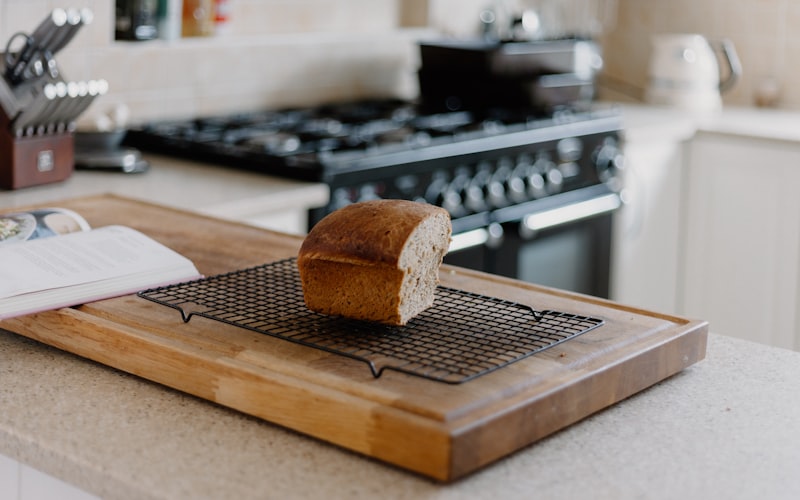
This is one of the most common kitchen myths. Refrigerating bread actually makes it go stale faster, not slower. The cool temperature of the fridge accelerates a process called retrogradation, where the starch molecules in bread recrystallize and harden. The result is dry, tough bread that tastes days older than it actually is. The best approach is to keep what you will eat in the next two to three days at room temperature in a bread box or sealed bag, and freeze the rest immediately. Frozen bread thaws quickly and tastes nearly as good as fresh when toasted. For the full breakdown, our guide on how to keep bread fresh longer covers every storage method in detail.
Should you store fruits and vegetables in the same crisper drawer?
No. Most fruits produce ethylene gas as they ripen, which accelerates the aging and spoilage of nearby vegetables. Use separate crisper drawers -- one set to low humidity for fruits (with the vent open to let ethylene escape) and one set to high humidity for vegetables (with the vent closed to retain moisture). If your fridge only has one crisper drawer, give it to your vegetables and store fruits on a separate shelf.
How long does produce last in the freezer?
Most fruits and vegetables can be frozen for eight to twelve months while maintaining good quality. Blanched vegetables (broccoli, green beans, carrots, corn) freeze particularly well because the brief blanching step stops enzyme activity that causes flavor and texture degradation. Berries, bananas, and stone fruits freeze well without blanching. The key is to freeze produce at peak freshness, not when it is already starting to decline. Use airtight freezer bags with as much air removed as possible, and label everything with the date so you can rotate your stock.
Is it worth buying those green produce-saver pods or discs?
Products like ethylene-absorbing pods, discs, and liners do work to some degree -- they absorb ethylene gas inside your fridge or produce drawer, which can slow ripening and spoilage. However, they are not a substitute for proper storage techniques. If you are already separating ethylene producers from sensitive items, using paper towels for moisture control, and storing everything in the right location, the additional benefit of these products is modest. They can be a helpful supplement, especially in small fridges where separation is difficult, but focus on the fundamentals first.
Final Thoughts
Storing produce so it lasts is not complicated, but it does require a small shift in habits. The fundamentals are simple: separate ethylene producers from sensitive items, control moisture with paper towels, use your crisper drawers correctly, and never wash produce until you are ready to eat it. Those four rules alone will dramatically reduce the amount of fruits and vegetables you throw away each week.
The financial impact adds up quickly. If you are currently losing $20 to $30 a week in spoiled produce -- which is typical for most families -- better storage habits can save you over $1,000 a year. That is real money that stays in your bank account instead of going into the trash. Combined with smarter shopping strategies like the ones in our guide on how to cut your grocery bill in half, you can make a serious dent in your household food budget without sacrificing the quality or variety of what you eat.
Start with whatever feels easiest. Maybe it is putting a paper towel in your salad container tonight. Maybe it is moving the apples away from the broccoli. Maybe it is trying the vinegar rinse on your next carton of strawberries. Each small step keeps more food out of the landfill, more money in your wallet, and more fresh, delicious produce on your plate all week long.
Get weekly home tips that actually work
Join thousands of homeowners getting practical cleaning hacks, DIY fixes, and money-saving tips every week. Free, and you can unsubscribe anytime.

Written by
Beth SullivanFounder & Editor-in-Chief
Beth Sullivan is the founder of Practical Home Guides. With over a decade of hands-on experience tackling every home challenge imaginable, she started this site to share the practical, no-nonsense solutions she wishes she had found years ago. When she's not testing cleaning hacks or organizing pantries, you'll find her in the garden or working on her next DIY project.
Recommended Products
Looking for specific product recommendations? Check out our tested picks.
Best Instant Read Meat Thermometers (2026 Tested)
We tested instant read thermometers for grilling, roasting, and candy making. The picks that read in under 3 seconds and don't break after a year.
Best Espresso Machines for Home (2026 Buyer's Guide)
From under-300-dollar starter machines to 2000-dollar prosumer espresso, here are the espresso machines worth your money in 2026.
Best Stand Mixers (2026 Buyer's Guide)
We tested stand mixers from KitchenAid, Cuisinart, and Breville on bread dough, cookie batter, and meringues. Here are the picks worth the counter space.
5 Best Kitchen Knife Sets for Home Cooks (2026)
Stop struggling with dull knives. We compared the top kitchen knife sets for home cooks at every budget — here are the 5 best with honest pros and cons.
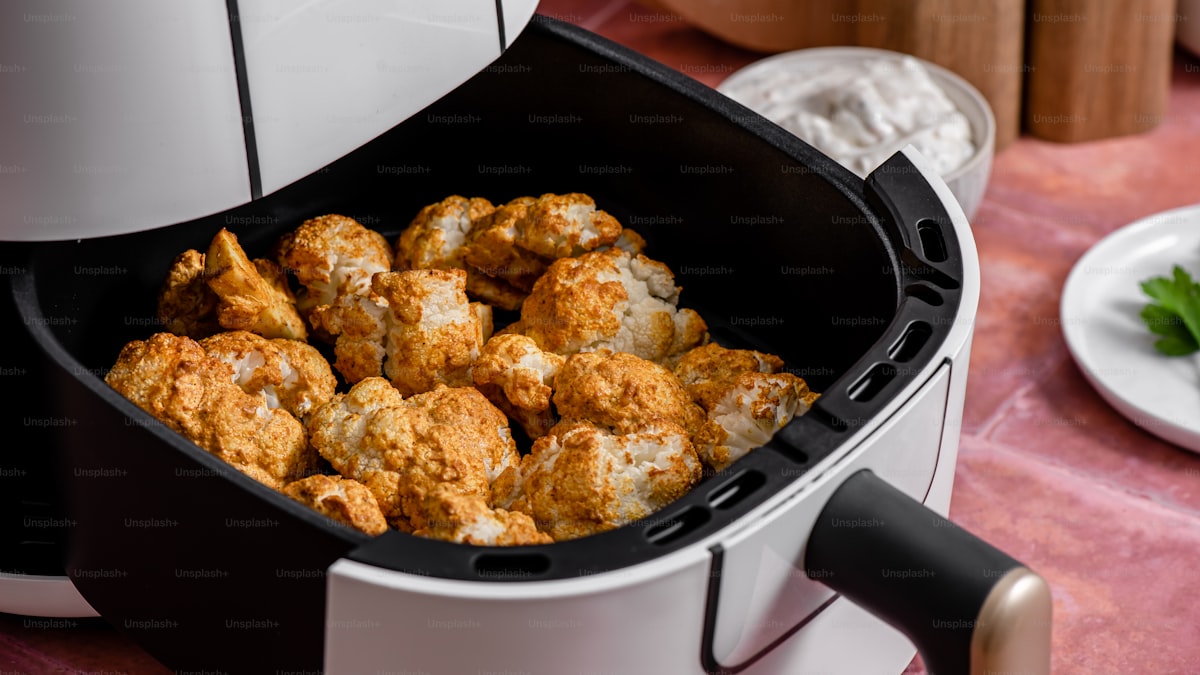
Best Air Fryers for Home Cooks (2026 Buyer's Guide)
Find the best air fryer for your kitchen and budget. We compare 6 top-rated air fryers from basket to oven style, with honest pros and cons for each.
Related Articles
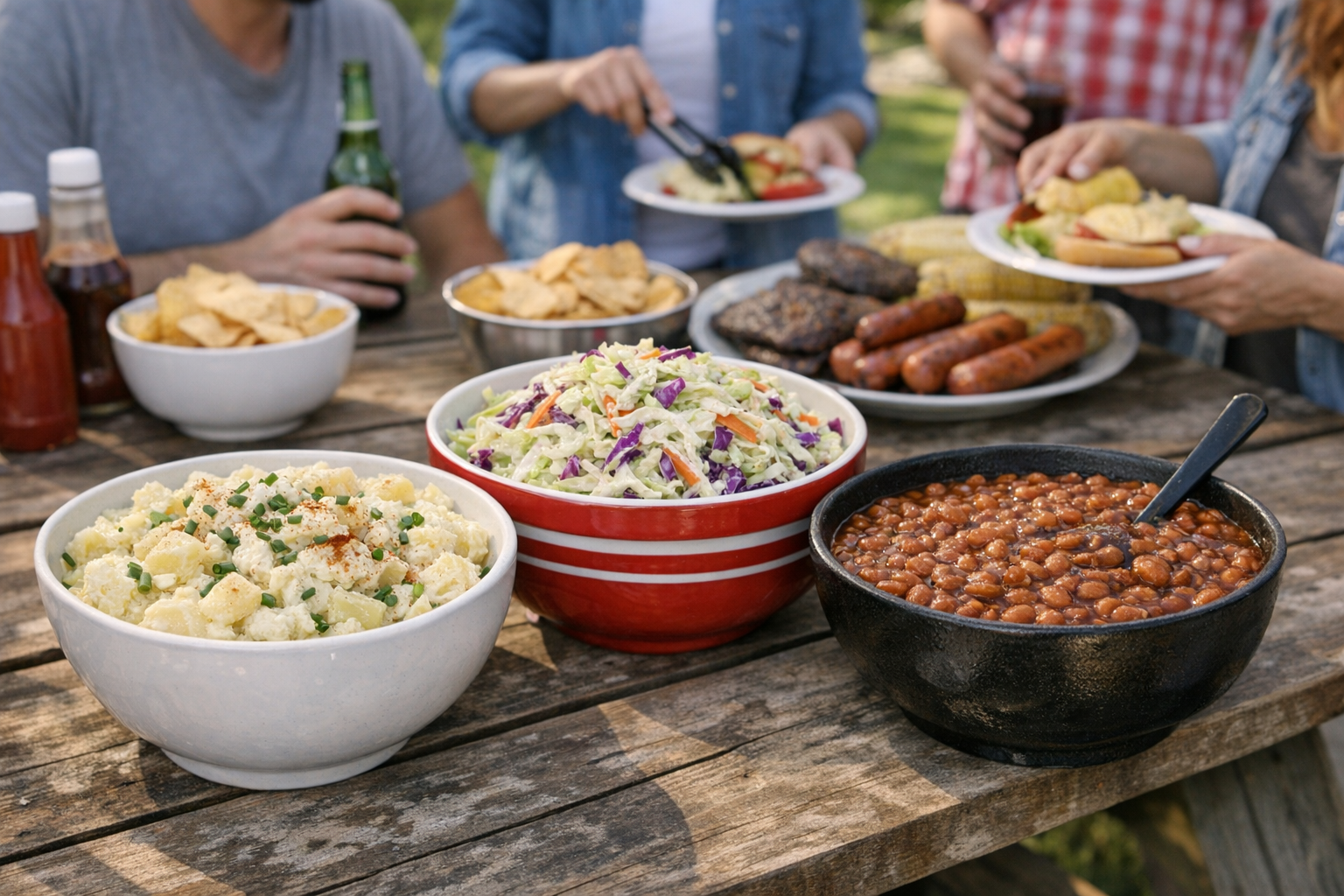
Cookout Staples to Prep Ahead (For Stress-Free Summer Entertaining)
The 8 cookout staples you can make 1 to 3 days ahead — better-tasting than last-minute and lets you actually enjoy the party.
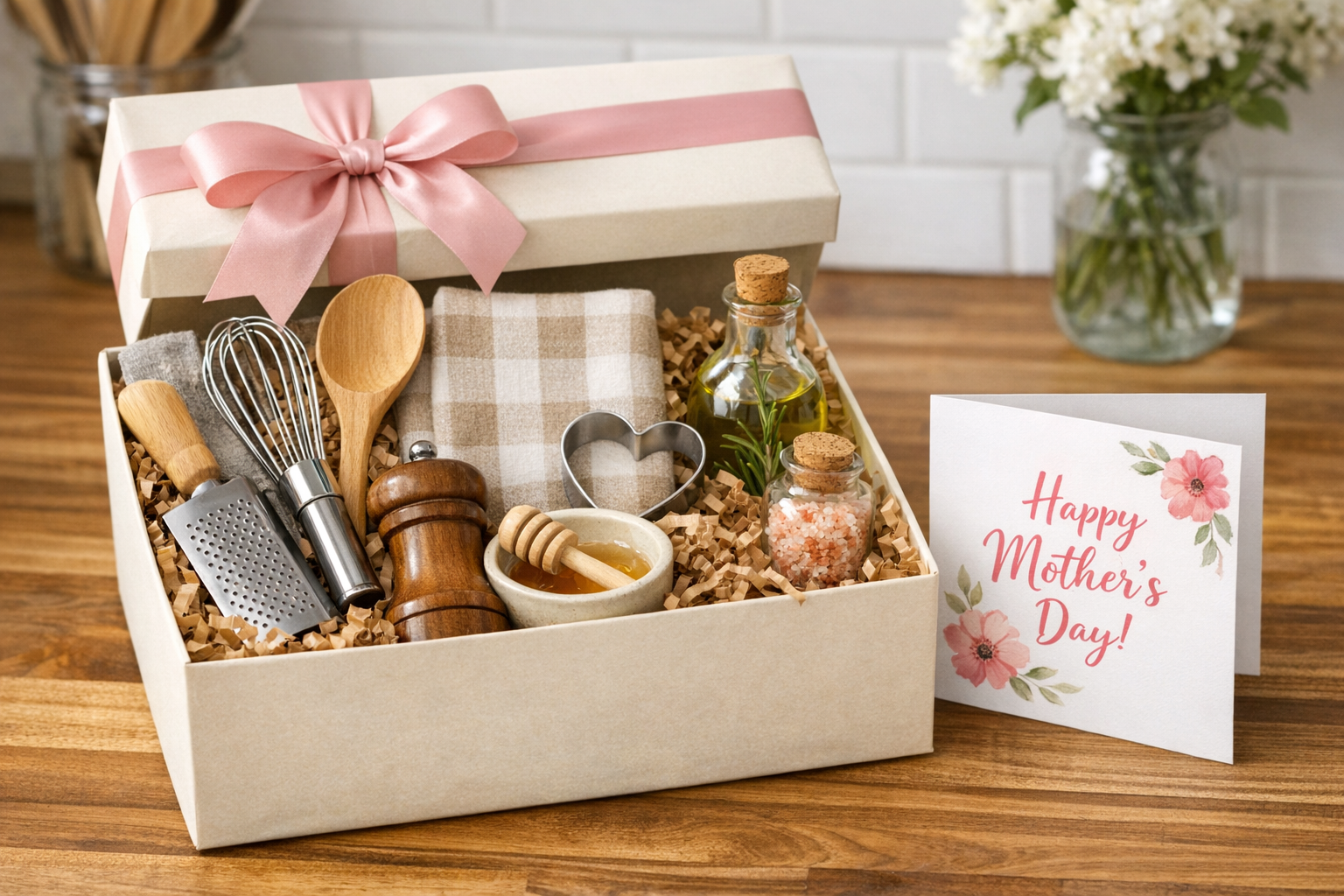
Mother's Day Gifts That Ship Well (Last-Minute Friendly)
If Mother's Day snuck up on you, these gift ideas ship in 3 days or less and don't feel last-minute. From specialty foods to thoughtful kitchen tools.
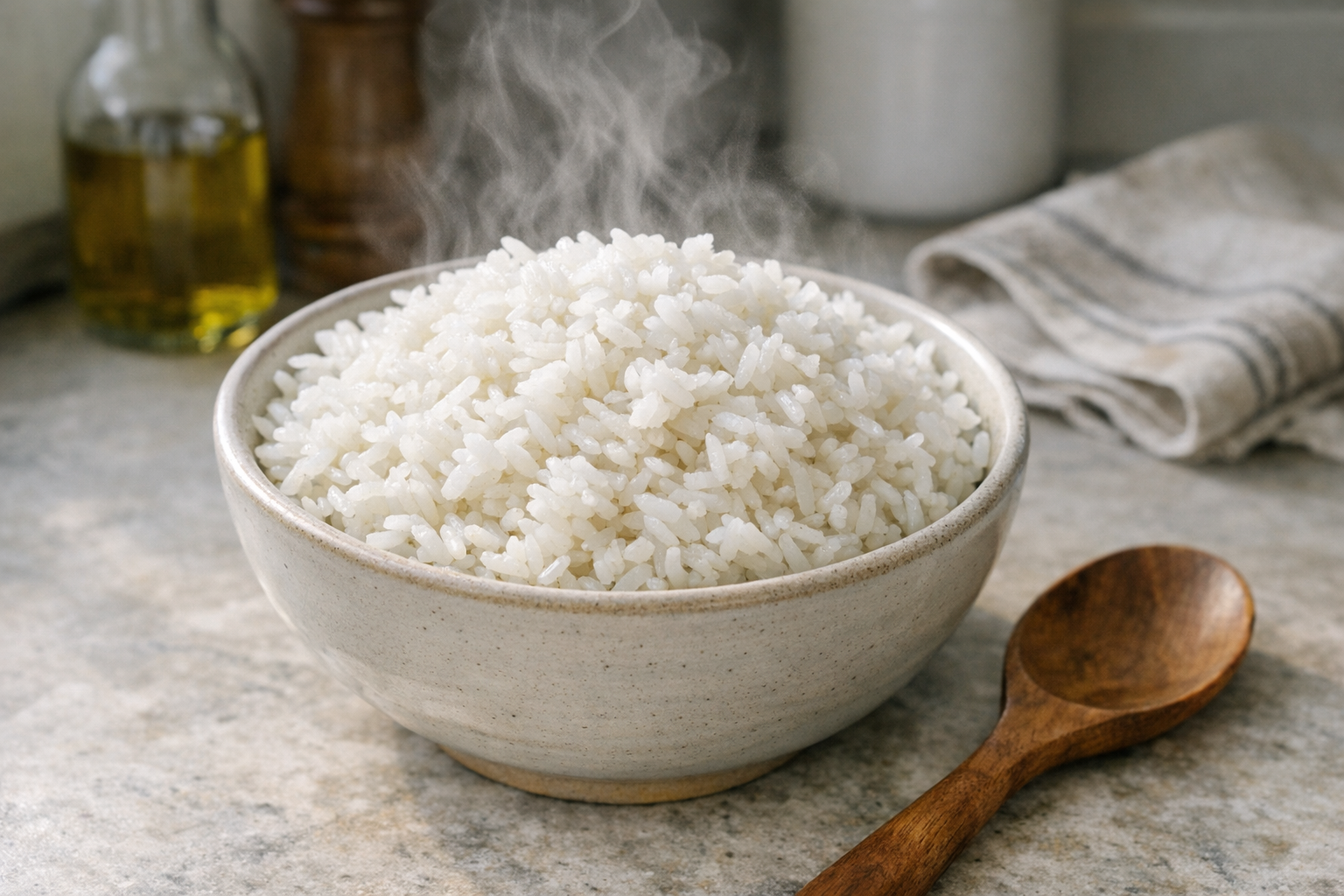
How to Cook Fluffy Rice Every Time (No Sticky Bottom)
Fluffy separate rice grains, no clumping, no scorched bottom. The exact ratios and technique that work whether you use a pot, rice cooker, or Instant Pot.
Best Instant Read Meat Thermometers (2026 Tested)
We tested instant read thermometers for grilling, roasting, and candy making. The picks that read in under 3 seconds and don't break after a year.