Batch Cooking for Summer: Make & Freeze 8 Meals in 3 Hours
This article may contain affiliate links. If you make a purchase through these links, we may earn a small commission at no extra cost to you. Learn more
Quick Answer
Batch Cooking for Summer: Make & Freeze 8 Meals in 3 Hours
You can batch-cook 8 complete dinners in about 3 hours by working in stations like a restaurant line: mise en place first, then run your oven, stovetop, and a pressure cooker in parallel while you assemble cold packs. The trick is sequencing tasks so something is always cooking while your hands are doing something else, then portioning and labeling everything at the very end.
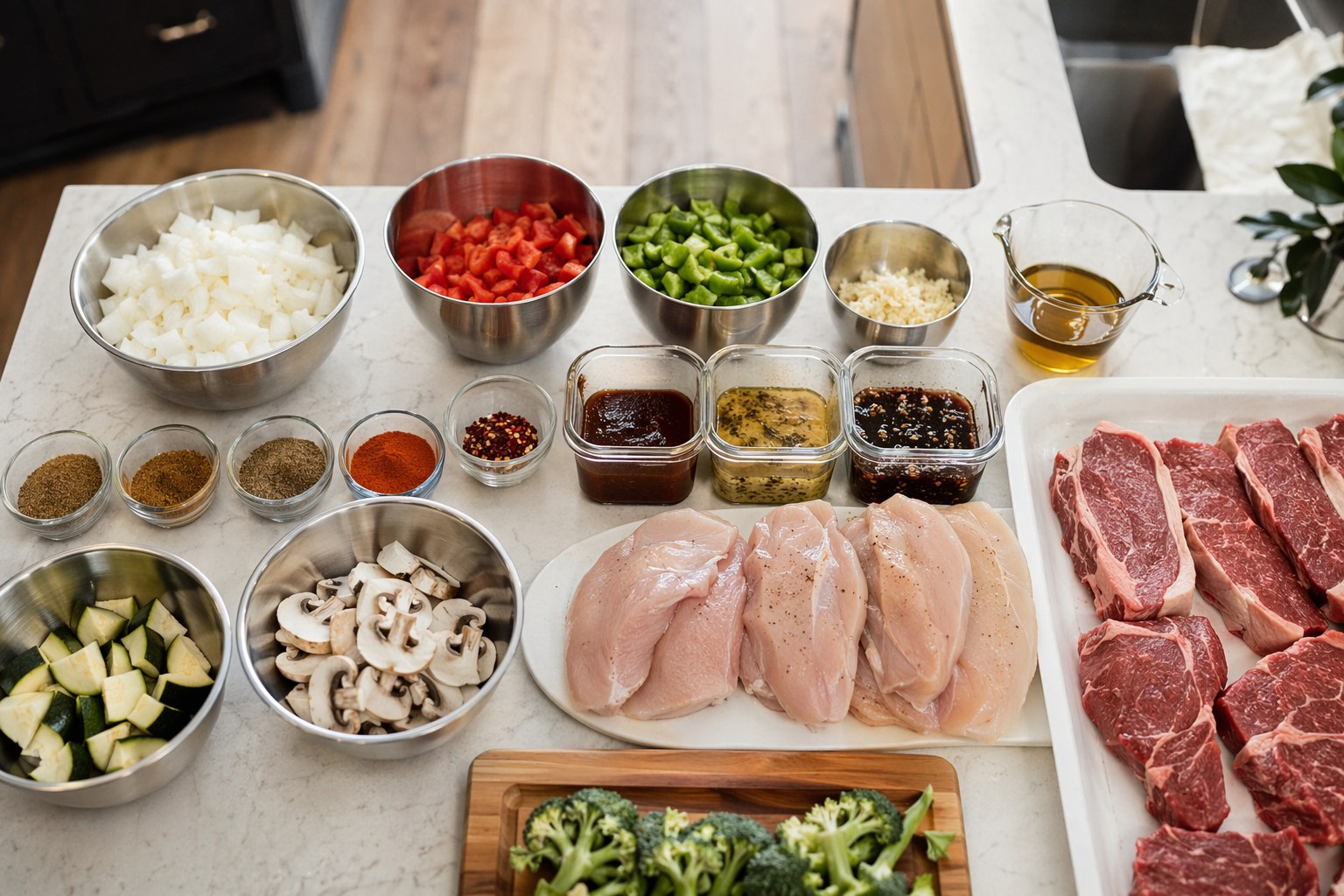
In a professional kitchen, nobody cooks one dish at a time. The line is built so that the moment the oven is full, your hands move to the stovetop, and while that simmers you're portioning something cold. Everything overlaps. That single idea — sequencing, not multitasking — is the whole reason a line cook can plate forty covers an hour while you're at home convinced that eight dinners is a full-day project.
It isn't. I batch-cook eight complete summer dinners in a three-hour Sunday window, and the only reason it works is that I stopped treating recipes as separate events and started treating my kitchen like a station. Below is the exact system: what to prep, what order to run it in, and how to portion and label so that future-you, exhausted on a Wednesday in July, has a real dinner in twelve minutes flat.
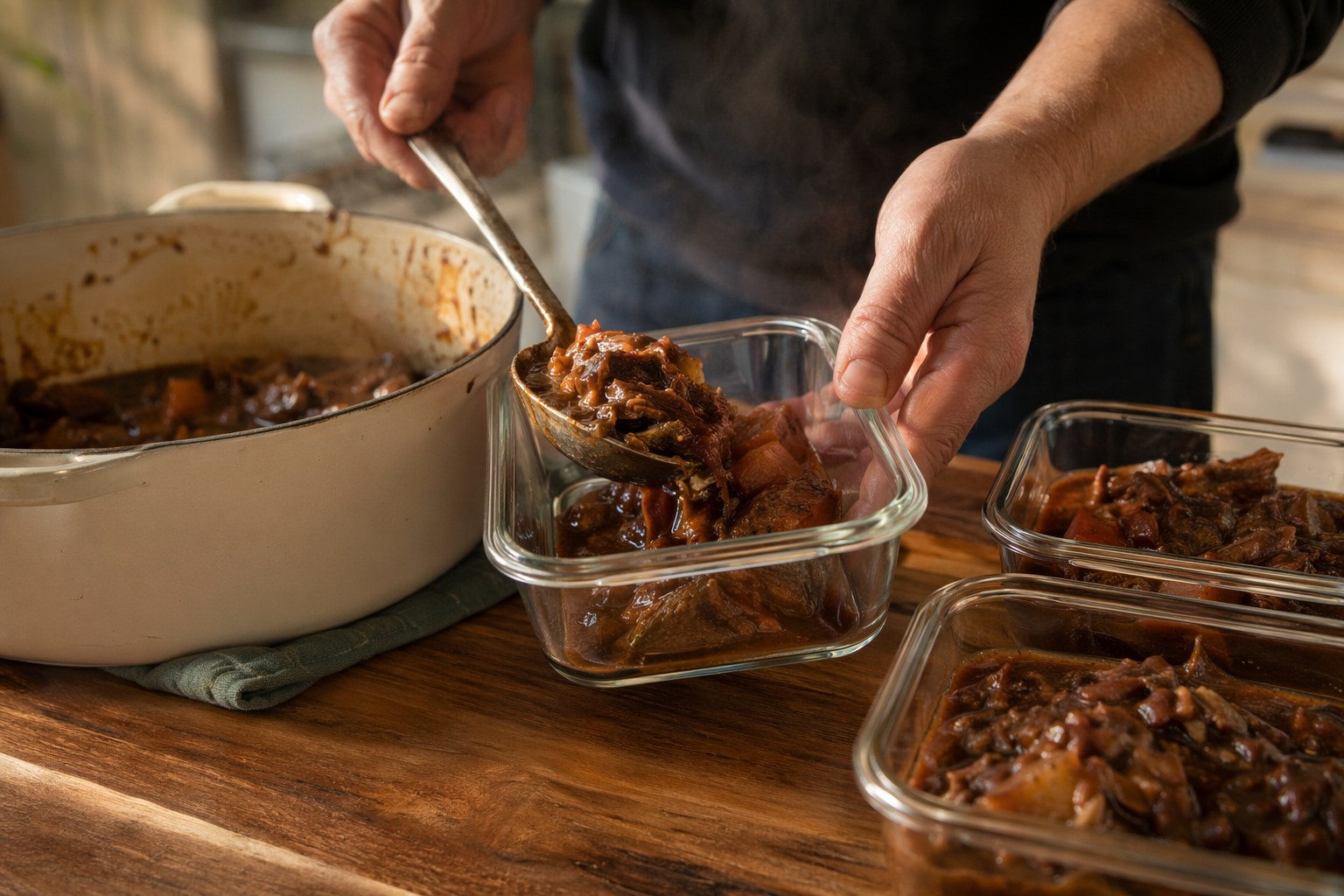
This isn't a list of recipes to follow rigidly. It's a framework. Once you understand the sequencing, you can swap in your own dishes and the three-hour math still holds.
The Three Rules That Make Three Hours Possible
Before any food gets touched, internalize the three rules that separate a smooth session from a five-hour disaster with a sink full of dishes.
Rule one: full mise en place first. Restaurants prep everything before service for a reason. You will chop every onion, mince every clove of garlic, and measure every spice into bowls before you turn on a single burner. This feels slow. It is the opposite. The chaos people experience batch cooking is almost always because they're chopping an onion while something burns behind them.
Rule two: never let a heat source sit idle. Your oven, your stovetop, and a pressure cooker are three independent cooking engines. The goal is that all three are working at the same time for most of the session. While the oven roasts a sheet pan, the pressure cooker runs a braise, and you assemble cold freezer bags on the counter.
Rule three: portion and label last, all at once. Don't stop mid-session to package a finished dish. Let things cook and cool while you keep moving, then do all the portioning in one batch at the end. Cleanup is one event, not eight.
If you've never done a structured prep day before, it's worth reading through meal prep for beginners first to get comfortable with the basic flow — this article assumes you're ready to scale up.
What You Need on the Counter
The equipment matters more than people think, because the right tools are what let three cooking engines run without you babysitting any of them. A pressure cooker is the single biggest force multiplier here — it cooks a braise hands-free while you work on everything else.
Instant Pot Duo Plus 9-in-1 Electric Pressure
The unsung hero of batch day. It runs a full braise, soup, or pot of beans completely unattended while your oven and stovetop handle other dishes, which is exactly how you collapse a six-hour cook into three. The sauté function also lets you brown meat in the same pot, saving a pan and a wash.
Check Price on Amazon →You also need enough small bowls to hold your mise. Trying to do this with three mixing bowls and some coffee mugs is where people give up. A stacking set of prep bowls keeps your chopped components organized and visible so you're never hunting for the garlic you minced twenty minutes ago.
Stainless Steel Prep Bowls with Lids
Get a graduated set so every chopped vegetable, measured spice, and marinade has a home. The lids mean you can prep components the night before and pull them out ready to go, which shaves real time off the morning session.
Check Price on Amazon →For storage you'll want a mix: rigid containers for anything you'll reheat as-is, and flat-freezing bags for cold marinade packs and soups. I'll cover the specifics in the portioning section.
The Eight Meals (and Why These Eight)
The eight dinners aren't random. They're chosen so the work overlaps. Four are "cook now, freeze cooked," and four are "assemble raw, freeze raw" — and the raw ones take almost no active time because they marinate themselves in the freezer.
Cook-and-freeze (the warm line):
- Pressure-cooker beef and ancho chili — runs in the Instant Pot, hands-free.
- Roasted vegetable and chickpea bowls — one sheet pan in the oven.
- Lemon-herb chicken thighs with potatoes — second sheet pan, same oven.
- Smoky tomato lentil soup — stovetop pot.
Assemble-and-freeze raw (the cold line):
- Citrus-chili shrimp skewers (raw, in marinade).
- Korean-style bulgogi flank steak (raw, in marinade).
- Pesto chicken and broccoli foil packs (raw, ready to grill).
- Sausage, pepper, and onion grill packs (raw, ready to grill).
The summer logic here is deliberate: four of these finish on a grill on the actual night you eat them, which means no heating up the kitchen in July. You pull a frozen pack in the morning, it thaws by dinner, and it hits the grill seasoned more deeply than any same-day marinade because it's been sitting in that mixture the entire time it was frozen.
The Sequencing: Minute-by-Minute
Here's the actual choreography. This is the part that turns a pile of ingredients into eight dinners without you losing your mind.
| Time | Oven | Pressure cooker | Stovetop | Your hands (counter) |
|---|---|---|---|---|
| 0:00–0:40 | Off | Off | Off | Full mise: chop, measure, divide everything |
| 0:40–0:55 | Preheat 425°F | Brown beef, then seal & start braise | Start sweating lentil-soup base | Assemble cold packs 5–8 |
| 0:55–1:35 | Sheet pans 2 & 3 roasting | Braise running (hands-free) | Lentil soup simmering | Finish cold packs, start cleanup |
| 1:35–2:10 | Pull & cool roasted dishes | Braise finishing | Soup done, cooling | Wipe counters, stage containers |
| 2:10–3:00 | Off | Release & cool | Off | Portion, label, and load freezer |
The first forty minutes feels like you're doing nothing — no heat is on, you're just chopping. Trust it. Every burner and rack lights up at the 0:40 mark and stays busy for an hour and a half while your hands build the cold packs. That parallel hour is where the time savings actually live.
A note on the cold packs: this is genuinely the easiest part of the day and the highest payoff. Combine the raw protein and the marinade directly in a freezer bag, press out the air, lay it flat. That's it. The freeze-thaw cycle works the seasoning deep into the meat for free. For more on building a freezer routine around this, the strategies in freezer meal prep hacks pair perfectly with this assembly-line approach.
Portioning: Do It All at the End
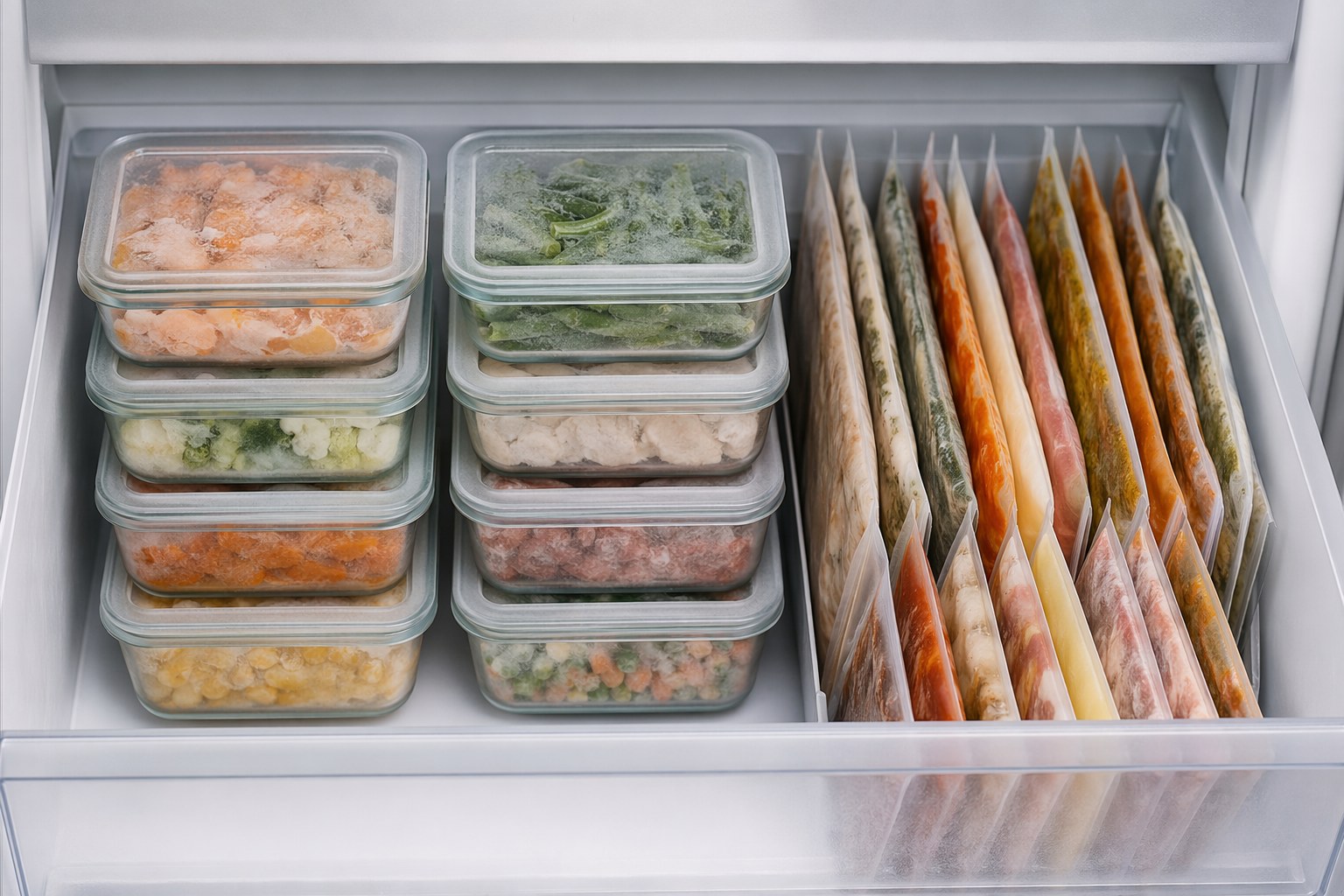
When the cooking is done and dishes have cooled to room temperature, you portion everything in one focused twenty-minute push. This is where the right containers earn their place. For the cooked dishes you'll reheat as-is, use glass — it goes freezer to oven to dishwasher, never warps, and never holds onto the smell of last week's chili.
Glass Food Storage Container Set 10-Piece
Portion the four cooked meals into these and you can reheat in the exact same vessel you froze in. Glass won't stain from tomato or absorb garlic, and a 10-piece set is roughly the right count for an eight-meal session split into family-size and single portions.
Check Price on Amazon →The single most important portioning rule: cool food before it goes in the freezer, and freeze it fast once it's cold. Hot food in the freezer raises the internal temperature, partially thaws its neighbors, and forms large ice crystals that shred texture. I cool soups and braises in an ice-water bath in the sink to speed this up. The faster food crosses from 40°F to 0°F, the smaller the crystals, and the more it tastes like the day you cooked it.
For the cold marinade packs, flat-freezing in heavy bags is non-negotiable. Thin sandwich bags let air in and you'll get freezer burn within two weeks.
Food Vacuum Sealer Bags Gallon Size
For raw marinated proteins, removing the air is the difference between freezer-burned meat in three weeks and pristine meat in three months. Gallon size fits a flank steak or a pound of shrimp with marinade, and the seal lets you stack the packs flat like files.
Check Price on Amazon →Labeling: The Step Everyone Skips and Regrets
A freezer full of unlabeled containers is a freezer full of mystery, and mystery food doesn't get eaten — it gets thrown out months later, which defeats the entire money-saving point. Every single package gets four things: the dish name, the date frozen, the number of servings, and a one-line reheat instruction.
Write it where you can read it without unstacking the freezer. I use erasable freezer labels so I can reuse the containers without a layer of crusty old marker building up.
OXO Freezer Labeling Stickers Erasable
They actually stay stuck at 0°F instead of curling off, and they wipe clean for reuse, so your glass containers don't end up wearing six layers of smeared Sharpie. Four fields per label: name, date, servings, reheat note.
Check Price on Amazon →Once everything is labeled, store it standing up like files, grouped by type so dinners aren't buried behind the ice cream. A tidy freezer is what keeps this whole system working week after week — the same organizing logic in organize your freezer to save money applies directly, and a labeled, rotated stash is also one of the strongest tools for reducing food waste in any kitchen.
Reheating Without Wrecking It
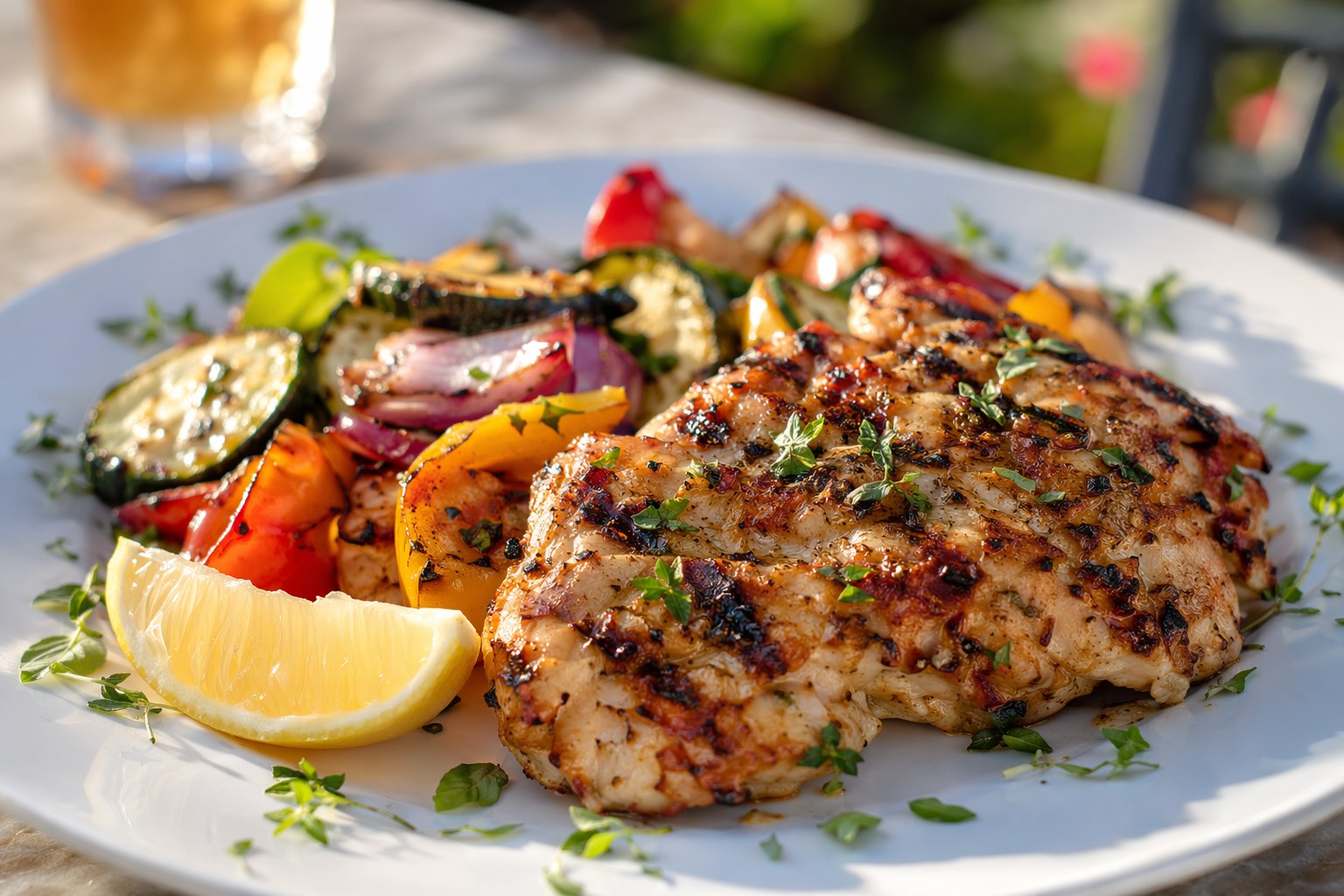
The cold packs reheat themselves on the grill, but the four cooked dishes need a gentle hand. Low and slow always wins. Blasting frozen food on high overcooks the edges while the center is still icy, and that uneven heating is exactly what makes food taste reheated.
- Beef and ancho chili: thaw overnight, reheat covered on low, 15 minutes, splash of broth.
- Roasted veg and chickpea bowls: spread on a sheet pan, 400°F for 12 minutes to re-crisp.
- Lemon-herb chicken and potatoes: oven from frozen, 375°F covered, 30 minutes.
- Lentil soup: stovetop on low with a splash of water; add the fresh lemon at the end, never before freezing.
Frequently Asked Questions
How is three hours realistic when each dish takes that long alone?
Because the dishes cook simultaneously, not in sequence. Your oven, pressure cooker, and stovetop are three engines running at once, and four of the eight meals never cook at all on prep day — they're assembled raw and finish on the grill the night you eat them. Active hands-on time is mostly the first forty minutes of prep and the final twenty of portioning.
Won't eight meals at once overwhelm a normal home freezer?
Flat-frozen marinade packs and bagged soups take almost no space when stored upright. The four rigid containers are the only bulky items. If space is genuinely tight, scale to six meals or freeze in single portions, which stack more efficiently than family-size blocks.
How long do these meals keep?
Eat them within three months for the best quality. They stay safe indefinitely at 0°F, but herbs fade and textures soften over time. Label with the freeze date and always eat the oldest first.
Can I do this on a tight grocery budget?
Absolutely — batch cooking is one of the most budget-friendly things you can do because you buy proteins and vegetables in bulk and waste nothing. The same math works beautifully alongside a plan like meal prep on a $50 weekly budget, where one session covers most of a week of dinners.
What if I don't have a pressure cooker?
You can run the braise as a low oven dish instead, but you'll lose the parallel-cooking advantage since the oven is already busy with sheet pans. Swap that meal for a second stovetop dish, or simply make seven meals. The sequencing framework still holds.
Start With One Sunday
You don't have to commit to all eight your first time out. Run the cold-pack line alone — four grill-ready dinners assembled in under thirty minutes — and you'll see the system click. Add the warm line the following week once the rhythm feels natural. Within a month you'll have a Sunday routine that turns three hours into a freezer full of real dinners, and the best part isn't the time saved on prep day. It's every weeknight after, when the hardest decision is which good meal to thaw.
Get weekly home tips that actually work
Join thousands of homeowners getting practical cleaning hacks, DIY fixes, and money-saving tips every week. Free, and you can unsubscribe anytime.

Written by
Priya PatelKitchen & Lifestyle Writer
Priya Patel is a former restaurant pastry chef turned home-cooking obsessive. She writes about meal prep, kitchen organization, and the small appliances actually worth your counter space. Priya tests recipes and gadgets out of a tiny Brooklyn galley kitchen, so she has strong opinions about what earns its footprint.
Recommended Products
Looking for specific product recommendations? Check out our tested picks.
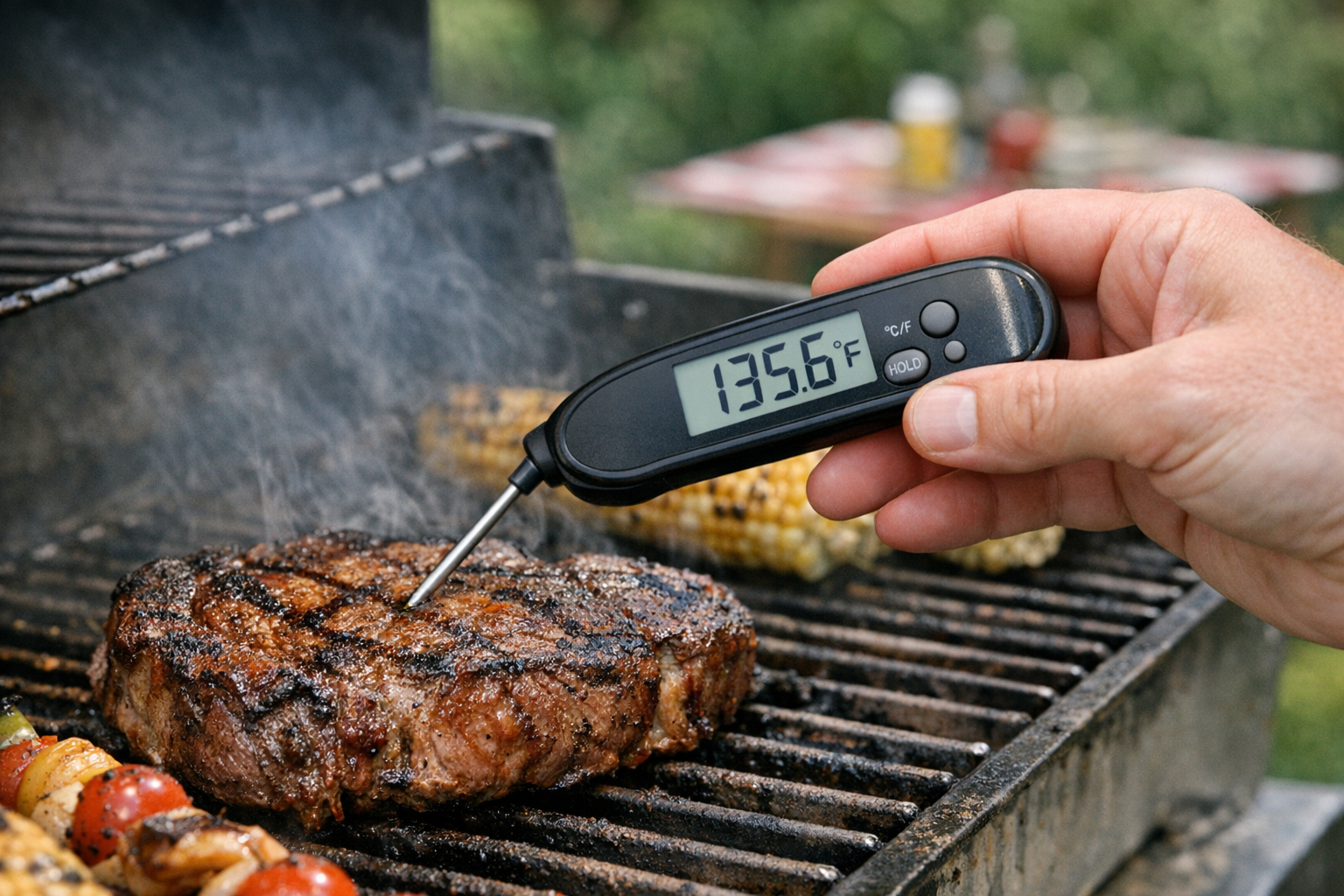
Best Instant Read Meat Thermometers (2026 Tested)
We tested instant read thermometers for grilling, roasting, and candy making. The picks that read in under 3 seconds and don't break after a year.
Best Espresso Machines for Home (2026 Buyer's Guide)
From under-300-dollar starter machines to 2000-dollar prosumer espresso, here are the espresso machines worth your money in 2026.
Best Stand Mixers (2026 Buyer's Guide)
We tested stand mixers from KitchenAid, Cuisinart, and Breville on bread dough, cookie batter, and meringues. Here are the picks worth the counter space.
5 Best Kitchen Knife Sets for Home Cooks (2026)
Stop struggling with dull knives. We compared the top kitchen knife sets for home cooks at every budget — here are the 5 best with honest pros and cons.
Best Air Fryers for Home Cooks (2026 Buyer's Guide)
Find the best air fryer for your kitchen and budget. We compare 6 top-rated air fryers from basket to oven style, with honest pros and cons for each.
Related Articles
Mother's Day Roast: Elegant Main Dish Recipe for Stressed Home Cooks
An elegant herb-crusted roast you can prep Friday, rest Saturday, and reheat Sunday. The stress-free Mother's Day main dish a former chef actually relies on.
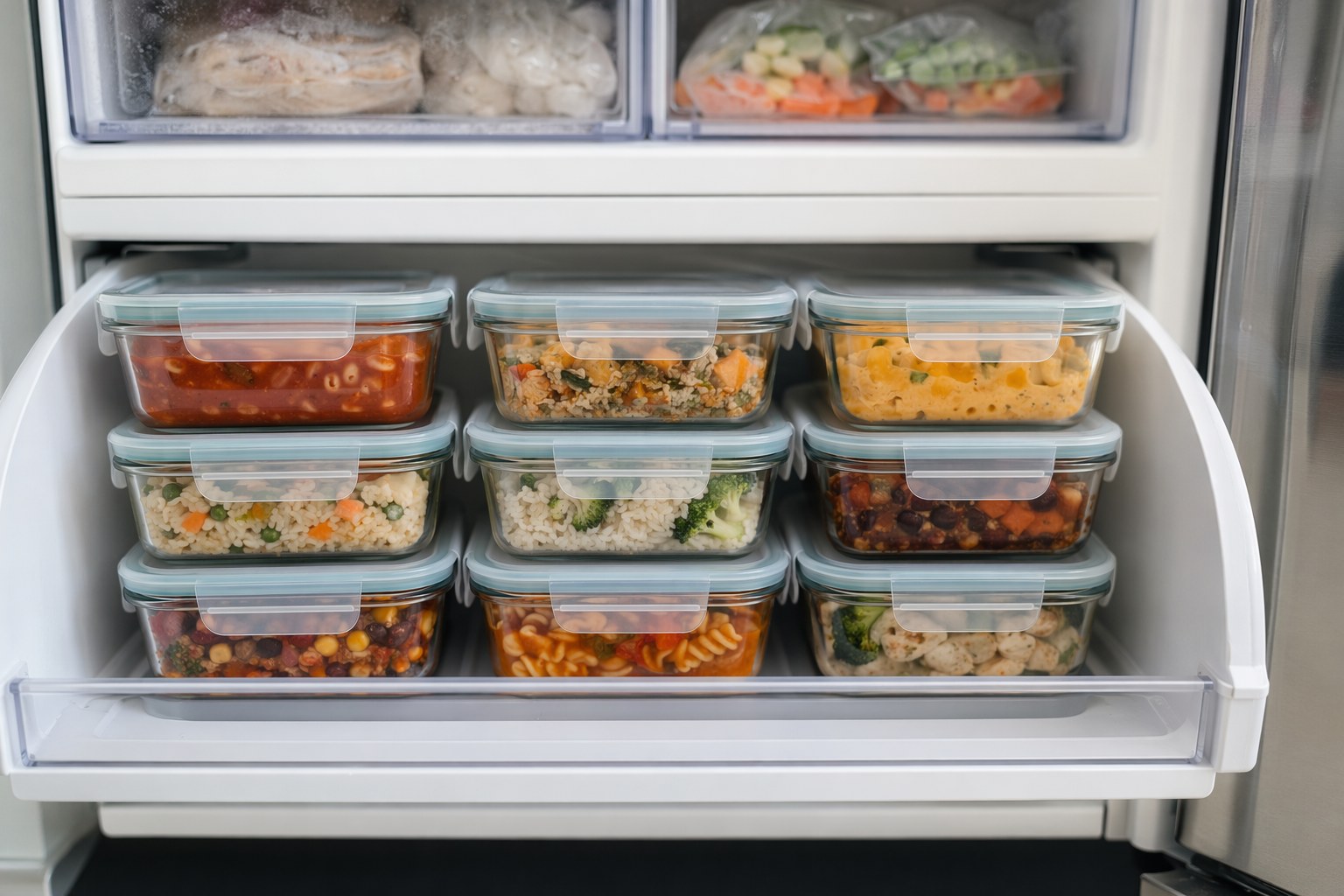
Freezer Meal Prep for Busy Weeks: 5 Make-Ahead Recipes + Storage Guide
A former chef's 5 freezer meals that reheat like fresh, plus the exact containers and labeling system that actually works in a real kitchen freezer.
Pantry Staples That Ship Well: Build Your Emergency Backup Supply
Build a redundant pantry of shelf-stable staples that ship cheaply and last for years. A former chef's exact list, shelf-life chart, and rotation system.
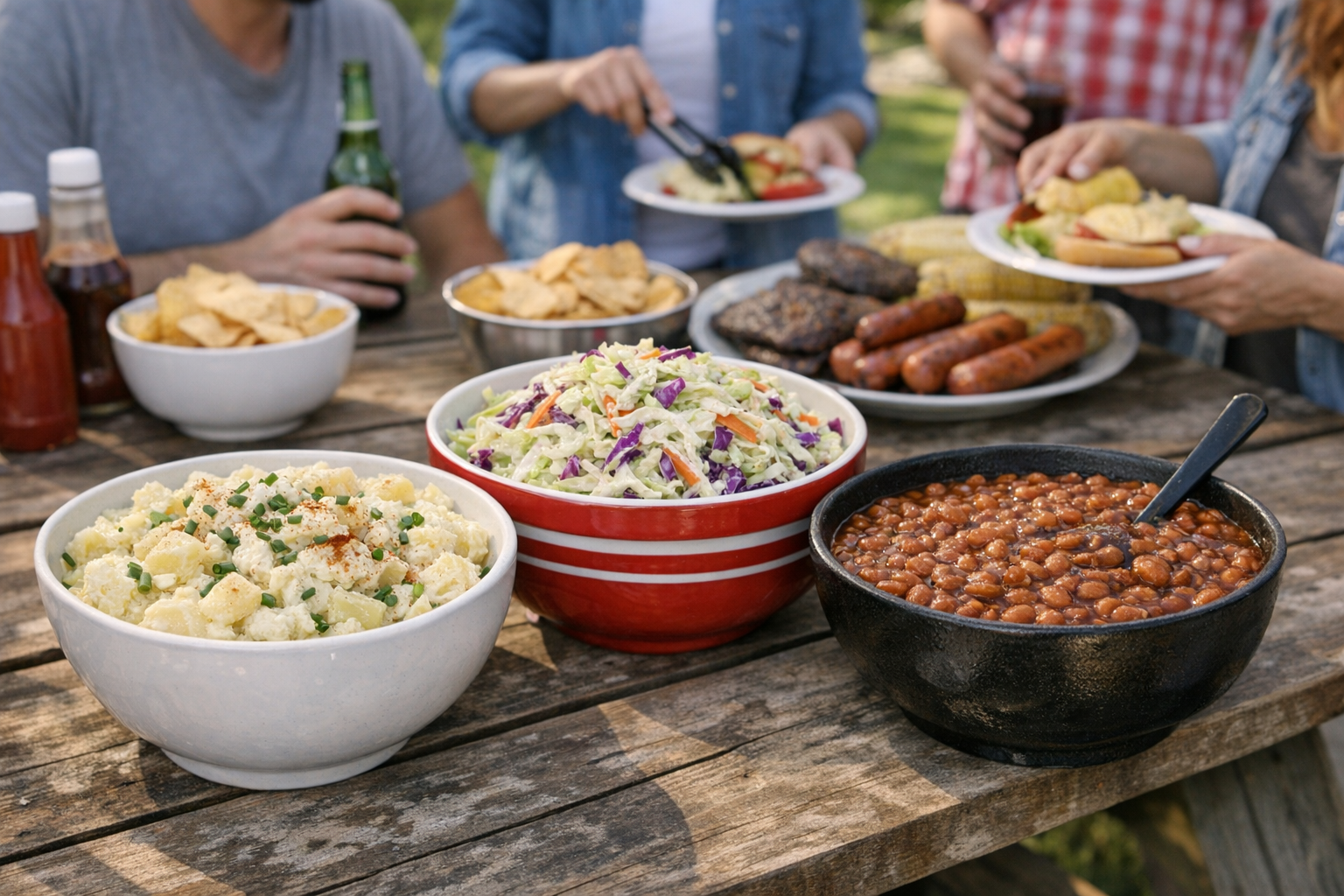
Cookout Staples to Prep Ahead (For Stress-Free Summer Entertaining)
The 8 cookout staples you can make 1 to 3 days ahead — better-tasting than last-minute and lets you actually enjoy the party.