Best Pruning Shears for Gardeners (2026 Guide)
This article may contain affiliate links. If you make a purchase through these links, we may earn a small commission at no extra cost to you. Learn more
Quick Answer
Best Pruning Shears for Gardeners (2026 Guide)
The best pruning shears for most gardeners are the Felco F-2 Bypass Pruners — Swiss-made, replaceable parts, last decades. For a budget pick, the Fiskars Bypass Pruner is the standard recommendation. For thick branches and dead wood, add an anvil-style pruner or loppers. Skip cheap unbranded shears under 15 dollars — they bend and dull within a season.
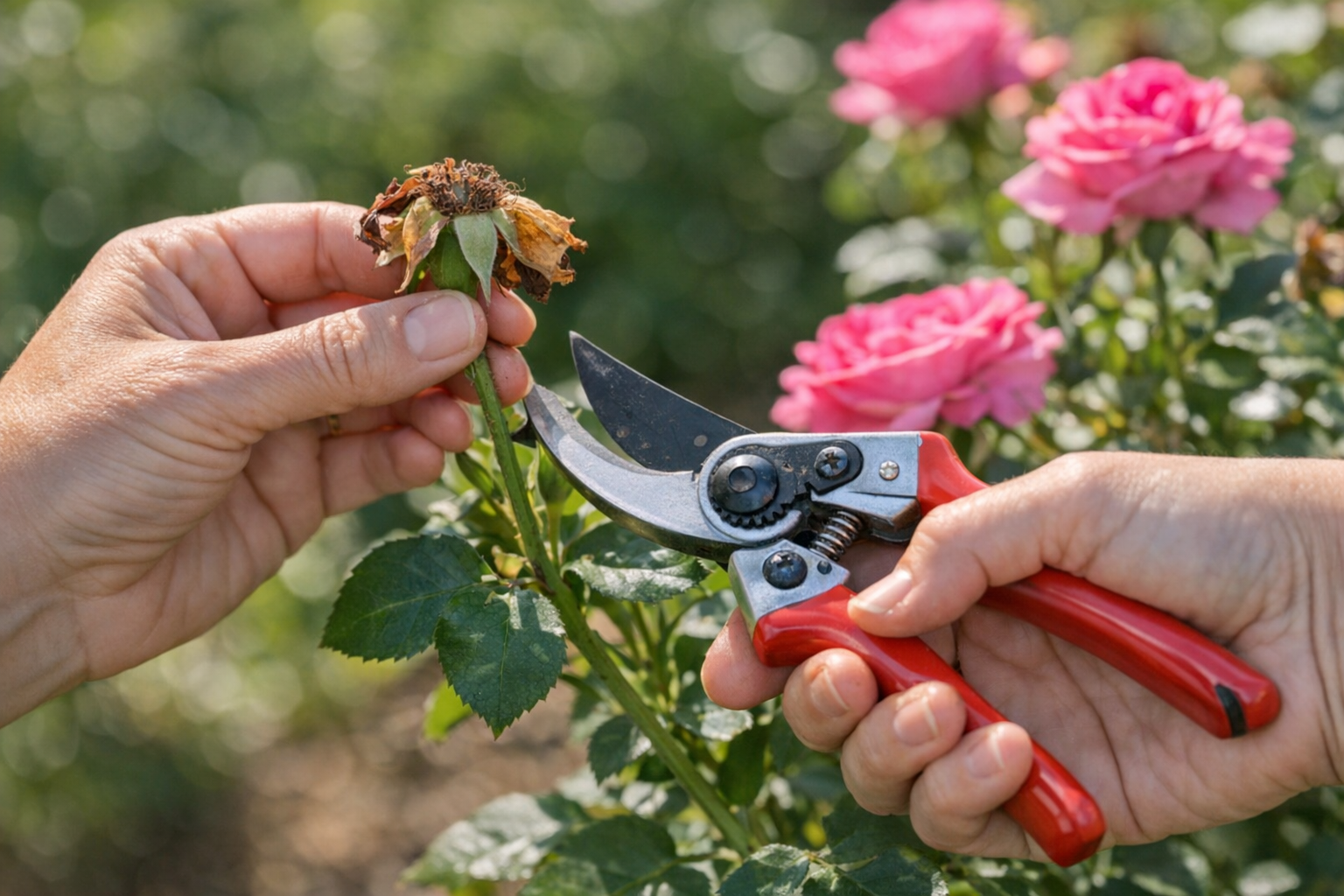
Most gardeners have a drawer full of cheap pruning shears that all dulled in one season and now mash stems instead of cutting them. The right pruner is one of the few garden tools worth spending real money on once — a good pair lasts decades.
Here's the comparison from years of testing in my own garden, plus the buying guide that explains why bypass and anvil aren't interchangeable.
Quick Picks
- Best Overall: Felco F-2 Classic Bypass Pruner — lifetime tool
- Best Budget: Fiskars Bypass Pruner — the standard for under 25 dollars
- Best for Small Hands: Felco F-6 — same quality, smaller grip
- Best Anvil for Dead Wood: Corona Anvil Pruner
- Best Ratchet for Weak Hands: Tabor Tools Ratchet Pruner
The Picks in Detail
Felco F-2 Classic Bypass Pruner
The Swiss-made workhorse. Forged steel blades, replaceable parts (every part!), comfortable handles. The pruner serious gardeners pass down to their kids.
Check Price on Amazon →I've owned my Felco F-2s for 11 years. They've been sharpened maybe 6 times, the spring has been replaced once, and they cut as cleanly as the day I got them. At 60 to 75 dollars they feel expensive — until you do the math against replacing 5-dollar pruners every season.
The blade is replaceable. The spring is replaceable. The pivot bolt is replaceable. There is genuinely no other pruner where every part can be swapped.
Fiskars Steel Bypass Pruning Shears
The default budget recommendation for good reason. Sharp Tru-Sharp blade, comfortable handle, lasts 5 to 8 years of regular use. Under 25 dollars.
Check Price on Amazon →If you can't justify the Felco price, the Fiskars Steel Bypass is what every garden writer recommends. The blade holds an edge well, the spring is decent, and the price is half the Felco.
The catch: Fiskars parts aren't replaceable. When the spring eventually breaks (year 5 to 7), you replace the whole tool.
Felco F-6 Compact Bypass Pruner
Same Felco quality and replaceable-parts design, smaller handle for smaller hands. The right pick for petite hands or all-day pruning.
Check Price on Amazon →The standard F-2 is sized for medium to large hands. If yours are smaller (or if you're pruning all day and want less hand fatigue), the F-6 is the same construction in a smaller body. Same lifetime tool, same replaceable parts.
Corona BP 3180D Forged DualLINK Bypass Pruner
If you want the durability without the Swiss price, Corona's forged steel pruners are the next-best thing. Heavy duty, sap groove on blade, ergonomic handle.
Check Price on Amazon →Corona has been making pruners for over 90 years. The DualLINK version uses a compound action that doubles cutting power — easier on the hand for thicker branches. About half the Felco price.
Tabor Tools GG12 Ratchet Anvil Lopper
Ratchet mechanism cuts thick branches in stages with very little hand strength. Best for arthritic hands, thick deadwood, or shrub renewal pruning.
Check Price on Amazon →Ratchet pruners cut in 3 to 4 squeezes instead of one — each squeeze advances the blade further into the branch. Lets people with weaker grips cut branches that would otherwise need loppers. Especially helpful for older gardeners.
Bypass vs Anvil — The Difference Matters
This is the one thing nobody explains in product listings, and it's the most important distinction.
Bypass pruners have two curved blades that slide past each other like scissors. They make clean cuts that heal well. Use bypass on living wood — fresh branches, stems, deadheading flowers.
Anvil pruners have one sharp blade that comes down onto a flat surface (the "anvil"). They crush as they cut. Use anvil on dead wood only — woody dead branches, brittle stems.
Using anvil pruners on living branches crushes the cambium layer, causing slow healing and disease entry. Using bypass on hard dead wood dulls and bends the blade.
Most gardeners need a bypass pruner first. An anvil pruner is a useful second tool but not essential.
What Size Branches Can Each Tool Handle?
Match the tool to the cut:
- Hand pruners (bypass): up to 3/4 inch diameter
- Loppers (long-handled bypass): up to 1.5 inches
- Pruning saw: larger than 1.5 inches
Forcing a hand pruner through a 1-inch branch bends the blade and twists the pivot. Step up to loppers when the branch is bigger than your pruner's rating. A pair of telescoping bypass loppers plus a folding pruning saw covers the rest.
Care Tips That Make Pruners Last Forever
A few habits keep good pruners sharp for years:
- Wipe sap off after every use with a rag and a few drops of machine oil
- Sharpen every few months with a garden tool sharpener or a small fine file
- Disinfect between diseased plants — wipe with rubbing alcohol or a disinfecting wipe to prevent spreading disease
- Store in a sheath or holster, not at the bottom of a tool bucket where blades nick each other
A leather pruning shear holster on your belt means you always have your pruners with you in the garden — and they don't get misplaced.
What to Avoid
- Pruners under 10 dollars. Soft steel bends, springs fail, blades dull immediately.
- "Universal" pruners that claim to do everything. They do nothing well.
- Plastic-handled pruners with no replaceable parts. A broken handle ends the tool.
Frequently Asked Questions
How often should I sharpen my pruners?
Light sharpening every 1 to 2 months for active gardeners. The blade should easily slice through a piece of paper. If it tears the paper, it needs sharpening.
Should I oil my pruners?
Yes — a few drops of light machine oil on the pivot point and a wipe along the blade after every use prevents rust and keeps the cutting action smooth.
Are left-handed pruners worth buying?
For dedicated left-handed gardeners, yes — the Felco F-9 left-handed pruner is genuinely more comfortable than using right-handed pruners with your left hand.
What's the difference between pruners and shears?
Generally interchangeable terms in casual use. "Pruners" typically refers to single-handed cutting tools. "Shears" can mean the same thing but also covers larger 2-handed hedge trimmers and grass shears.
Final Thoughts
The Felco F-2 is the lifetime tool, the Fiskars is the great budget pick. Either one used and maintained will outperform any cheap pair you've ever owned. Spend the money once, sharpen regularly, and you'll have pruners your kids inherit.
Get weekly home tips that actually work
Join thousands of homeowners getting practical cleaning hacks, DIY fixes, and money-saving tips every week. Free, and you can unsubscribe anytime.

Written by
Sarah RodriguezGardening & Pet Care Contributor
Sarah Rodriguez is a certified Master Gardener and former veterinary technician. She lives on a half-acre lot in central Texas with three rescue dogs, two backyard chickens, and a very ambitious vegetable garden. She covers gardening, sustainable yard care, and everyday pet care for Practical Home Guides.
Recommended Products
Looking for specific product recommendations? Check out our tested picks.
Best Garden Kneelers and Seats (2026 Tested)
Gardening shouldn't wreck your knees and back. We tested kneelers, foldable seats, and rolling carts to find the picks worth the price.

Best Raised Bed Soil Mixes (2026 Buyer's Guide)
Bagged soil for raised beds is a minefield. We tested the top brands for vegetable yield, drainage, and value to find the soil mixes that actually grow food.
5 Best Garden Hose Nozzles and Sprayers (2026)
Find the perfect garden hose nozzle for watering plants, washing cars, and cleaning patios. We compared the top sprayers — here are the 5 best for every job.
Best Raised Garden Bed Kits You Can Order Online (2026)
The best raised garden bed kits for beginners and experienced gardeners. We compare wood, metal, and composite options with honest reviews and setup tips.
Related Articles
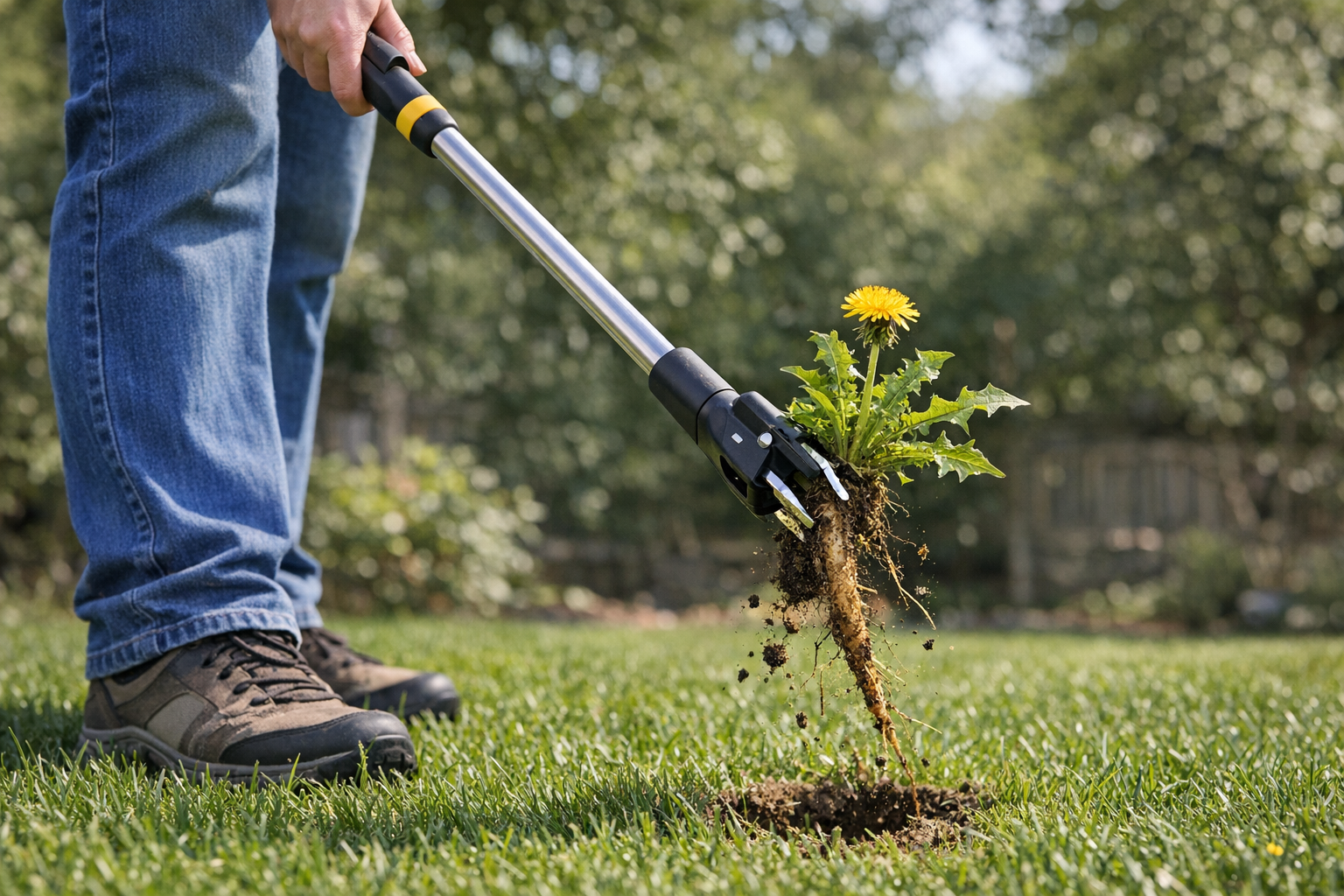
How to Get Rid of Dandelions Naturally (Without Killing the Lawn)
Dandelions are stubborn but beatable without chemical herbicides. Here's the 3-pronged natural approach that works long-term — and the tools that make it easy.
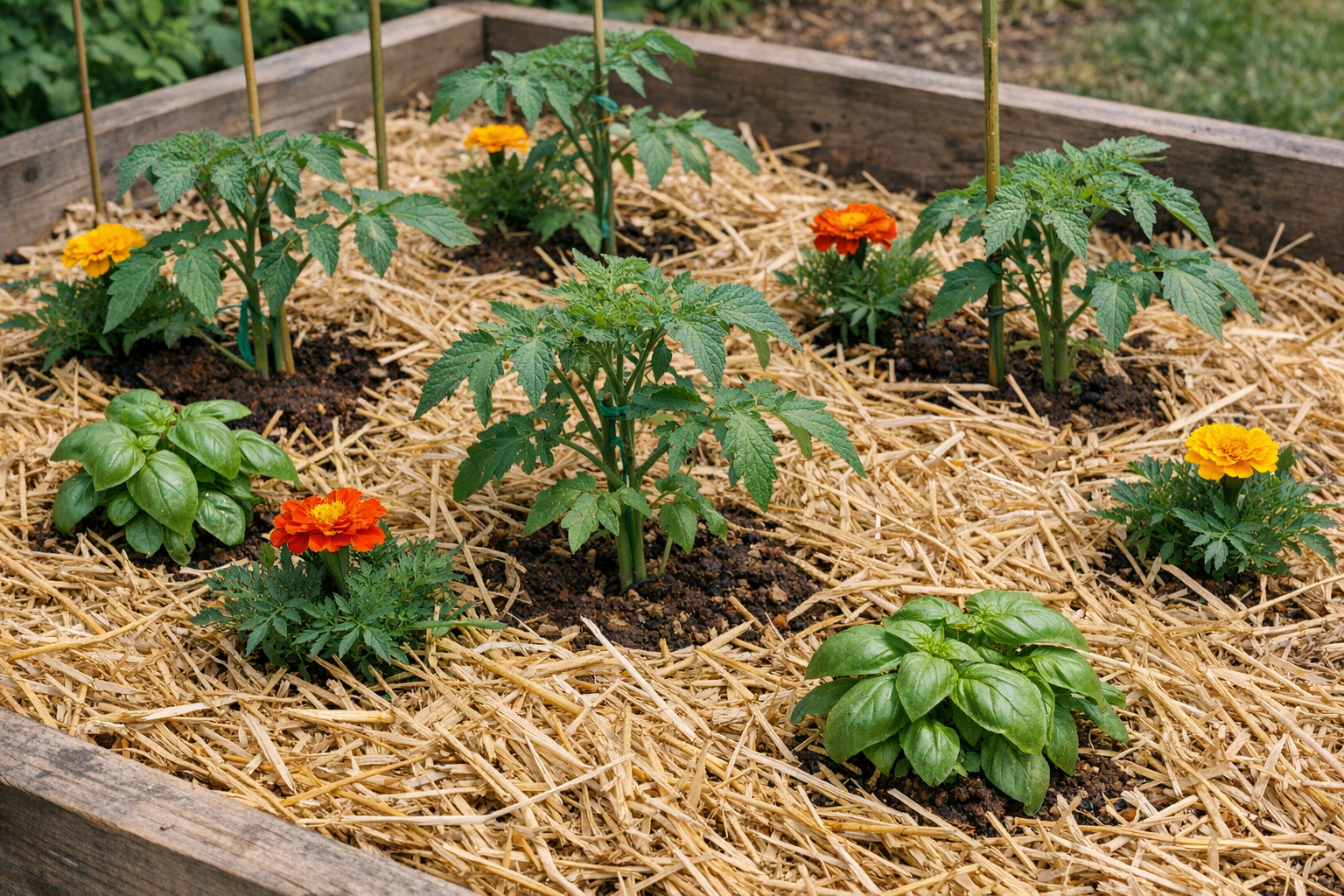
When to Plant Warm-Weather Annuals (And Which Are Easiest)
Tomato, pepper, basil, marigold — all are warm-weather plants that hate cold soil. Here's how to time the transplant for the longest possible harvest.
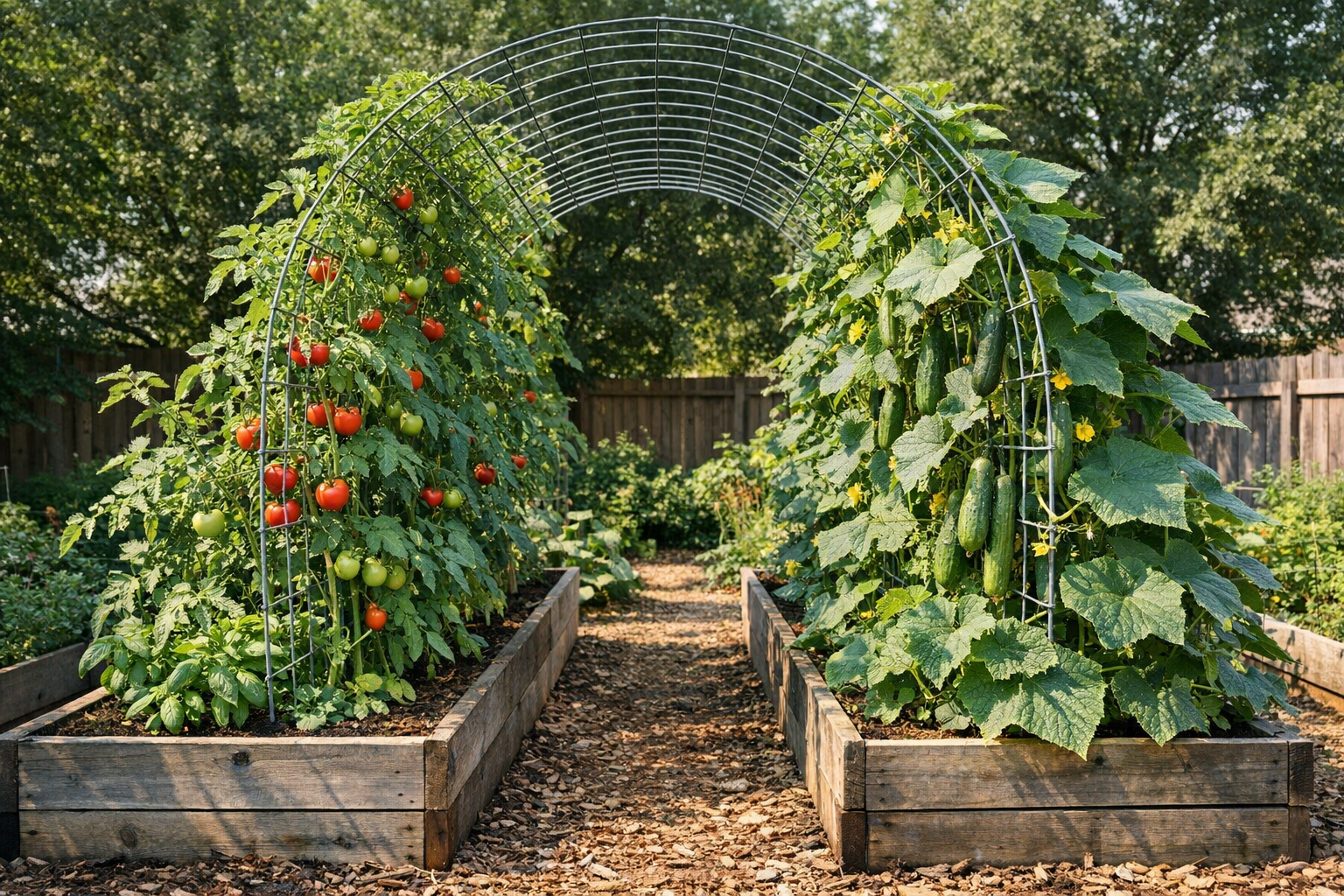
How to Build a DIY Garden Trellis for Climbing Vegetables
A sturdy trellis doubles your garden's yield per square foot. Here's how to build three easy styles using cheap materials in under an hour each.
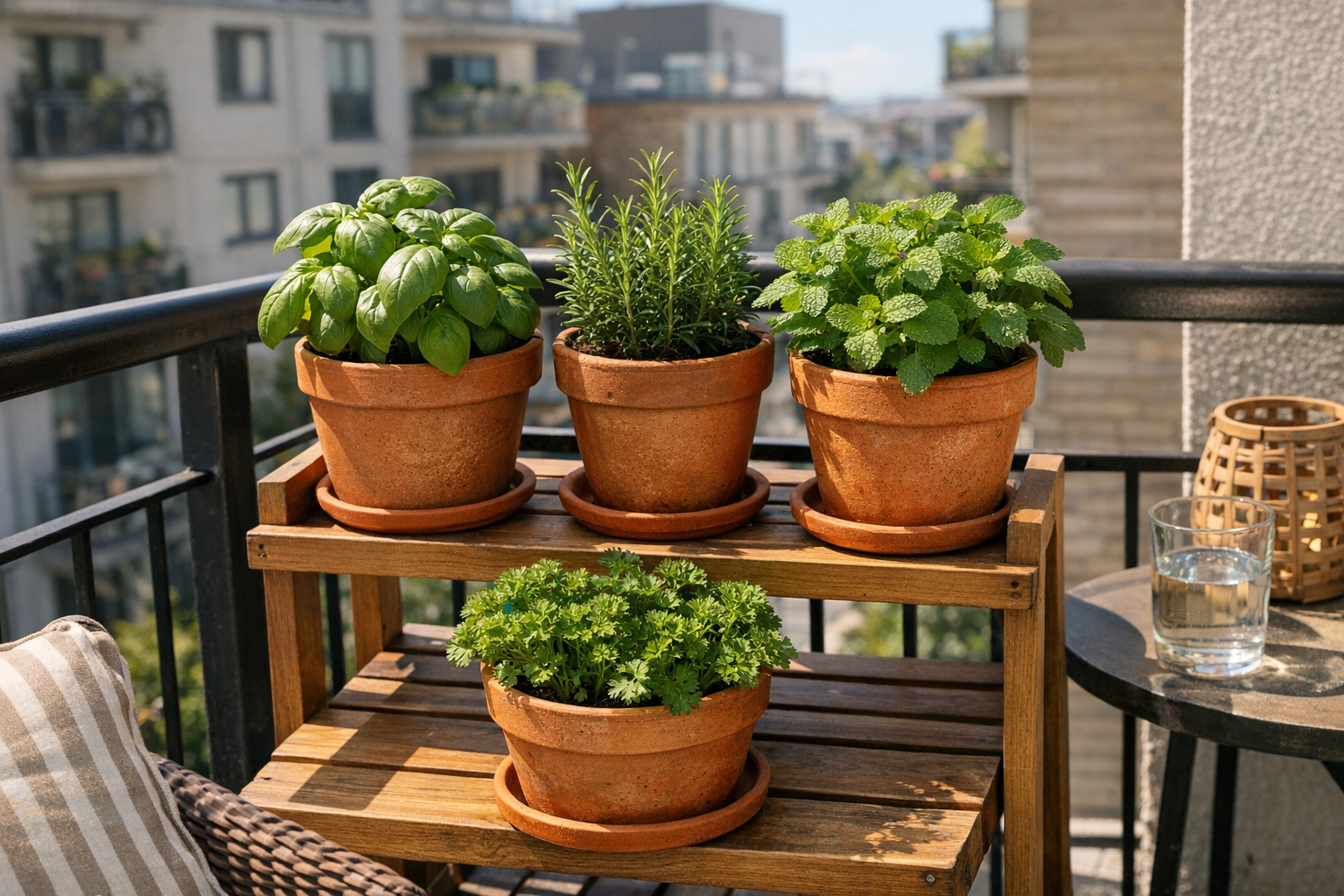
How to Start a Container Herb Garden on a Balcony
Fresh herbs all summer from a small apartment balcony or porch — even with limited sun. Picks for the easiest herbs, the right pots, and the soil that actually works.