How to Build a DIY Garden Trellis for Climbing Vegetables
This article may contain affiliate links. If you make a purchase through these links, we may earn a small commission at no extra cost to you. Learn more
Quick Answer
How to Build a DIY Garden Trellis for Climbing Vegetables
The simplest and sturdiest option is a cattle panel arch — one 16-foot cattle panel bent between two raised beds creates an arch that supports tomatoes, cucumbers, pole beans, and squash. Total cost: under 40 dollars. Alternative options: a-frame trellis from 2x2 lumber or tomato cage stakes tied with jute twine.
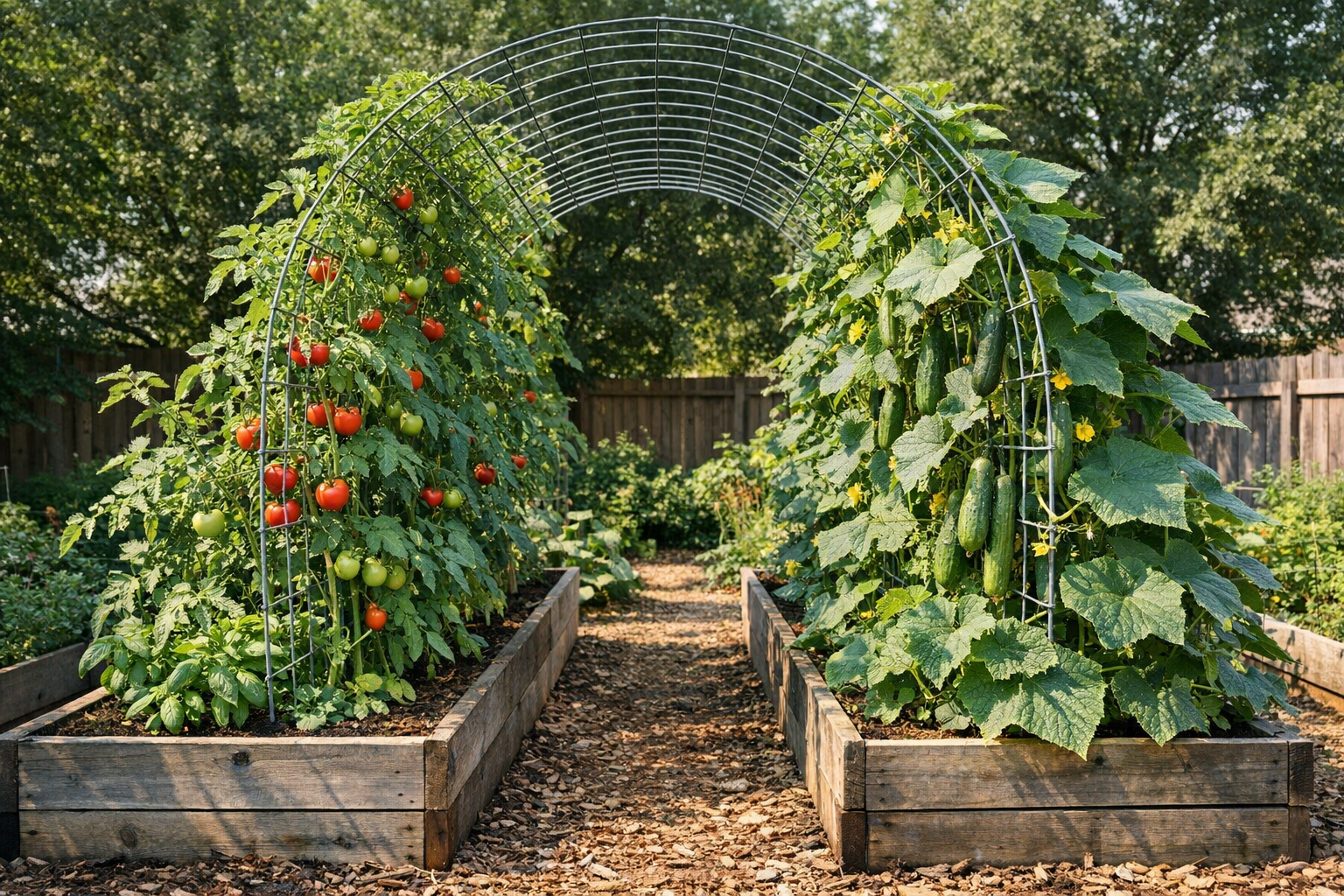
Vertical gardening doubles the yield of most small gardens. Tomatoes, cucumbers, pole beans, peas, and squash all grow better up a trellis than sprawling on the ground — less disease, easier harvest, more sun to each leaf.
Here are three trellis designs I use in my own garden. Each takes under an hour and costs under 50 dollars.
Why Trellis Matters for Yield
- More fruit per plant. Indeterminate tomatoes produce 30 to 50 percent more fruit when properly trellised.
- Less disease. Fruit off the ground doesn't rot. Air circulation reduces fungal issues.
- Easier harvest. No hunting through tangled vines.
- Better pollination. Vertical plants get more visits from bees.
- More space. A 4x4 tomato can be replaced by a 4x1 vertical setup, leaving room for other crops.
Option 1: Cattle Panel Arch (My Favorite)
A 16-foot cattle panel (galvanized steel mesh) bent between two raised beds is the single most versatile trellis design I've used. Supports tomatoes, pole beans, cucumbers, small squash, and even watermelon (if you sling each fruit in a fabric support).
What You'll Need
- One 16-foot cattle panel (50 dollars at farm supply stores; too big to ship online)
- Four 4-foot steel T-posts
- A post driver or heavy mallet
- Zip ties or baling wire
- Work gloves
Build Steps
- Drive a T-post at each corner of two parallel beds (or wherever you want the arch to land), 4 to 6 feet apart
- Bend the cattle panel into an arch and slide each end between the T-posts
- Zip tie the panel to the T-posts at top, middle, and bottom
- Plant climbing crops at the base, 6 inches from the panel
That's it. The arch is self-supporting and will last 15+ years outdoors.
Option 2: A-Frame Trellis
Great for beans, peas, and cucumbers. Easy to break down for winter storage.
What You'll Need
- Four 8-foot 2x2 lumber boards (untreated cedar or pine)
- Garden netting or trellis netting
- A handful of 2.5-inch exterior screws
- A drill
- Hinges (two, for the top joint)
Build Steps
- Build two rectangular frames from the 2x2s (8 feet tall, 3 feet wide)
- Stretch garden netting across each frame and staple
- Hinge the two frames together at the top
- Stand in the garden and open like an A
- Plant climbing crops at the base of each side
Folds flat for winter. Reuse for decades.
Option 3: Tomato Stakes with Jute Twine
The cheapest option. Perfect for indeterminate tomatoes where a single vertical string does the work.
What You'll Need
- 8-foot wooden garden stakes or steel T-posts (one per tomato plant)
- Natural jute twine
Build Steps
- Drive a stake 6 inches from each tomato plant
- As the tomato grows, tie the main stem loosely to the stake every 12 inches
- Prune suckers so the plant grows as a single vertical vine
This is the "Florida weave" simplified for home gardeners. Tomatoes produce cleaner fruit with better air circulation than in cages.
Best Climbing Crops for Each Trellis
- Cattle panel arch: tomatoes, cucumbers, small melons, pole beans, squash
- A-frame: pole beans, peas, cucumbers, small-fruited squash
- Single stakes: indeterminate tomatoes, cucumbers (single vine)
- Skip trellis for: determinate tomatoes (bush type), bush beans, root vegetables
Training Tips
The secret to a productive trellis is early training:
- Start tying vines to the trellis as soon as they're 8 inches tall
- Tie with soft plant clips or strips of old t-shirt cotton
- Never use thin wire — it cuts into stems as they grow
- Pinch suckers on tomatoes to keep the plant focused on vertical growth
Common Mistakes
- Flimsy trellises. A mature tomato plant weighs 20+ pounds. A bamboo pole held up with string won't cut it.
- Too short. Indeterminate tomatoes grow 6+ feet. Plan your trellis height accordingly.
- Installing mid-season. Trellis goes in at planting — never after. Root damage is guaranteed if you install later.
- Not training early. Vines choose their own path if you let them. Start tying at 8 inches.
Frequently Asked Questions
Can I use PVC pipe for a trellis?
Yes, but PVC is weaker than wood or metal. Only use for light crops (peas, beans). Tomato weight will bend PVC over a season.
How deep do trellis posts need to go?
At least 18 inches into the ground, ideally 24 inches for tall trellises. Shallow posts lean with wind and plant weight.
What's the best material for a permanent trellis?
Cedar (resists rot naturally) or galvanized steel. Avoid pressure-treated lumber for food crops — the chemicals leach into soil.
Do I need to remove the trellis for winter?
Metal trellises (cattle panel, T-post) can stay up year-round. Wood trellises last longer if stored indoors during winter, but outdoor storage is fine if the wood is treated or cedar.
Final Thoughts
A cattle panel arch between two raised beds is the single best trellis investment for most home gardens. Under 50 dollars, lasts 15+ years, and dramatically increases yield. Install it now at planting, and the trellis will work for you all summer.
Get weekly home tips that actually work
Join thousands of homeowners getting practical cleaning hacks, DIY fixes, and money-saving tips every week. Free, and you can unsubscribe anytime.

Written by
Sarah RodriguezGardening & Pet Care Contributor
Sarah Rodriguez is a certified Master Gardener and former veterinary technician. She lives on a half-acre lot in central Texas with three rescue dogs, two backyard chickens, and a very ambitious vegetable garden. She covers gardening, sustainable yard care, and everyday pet care for Practical Home Guides.
Recommended Products
Looking for specific product recommendations? Check out our tested picks.
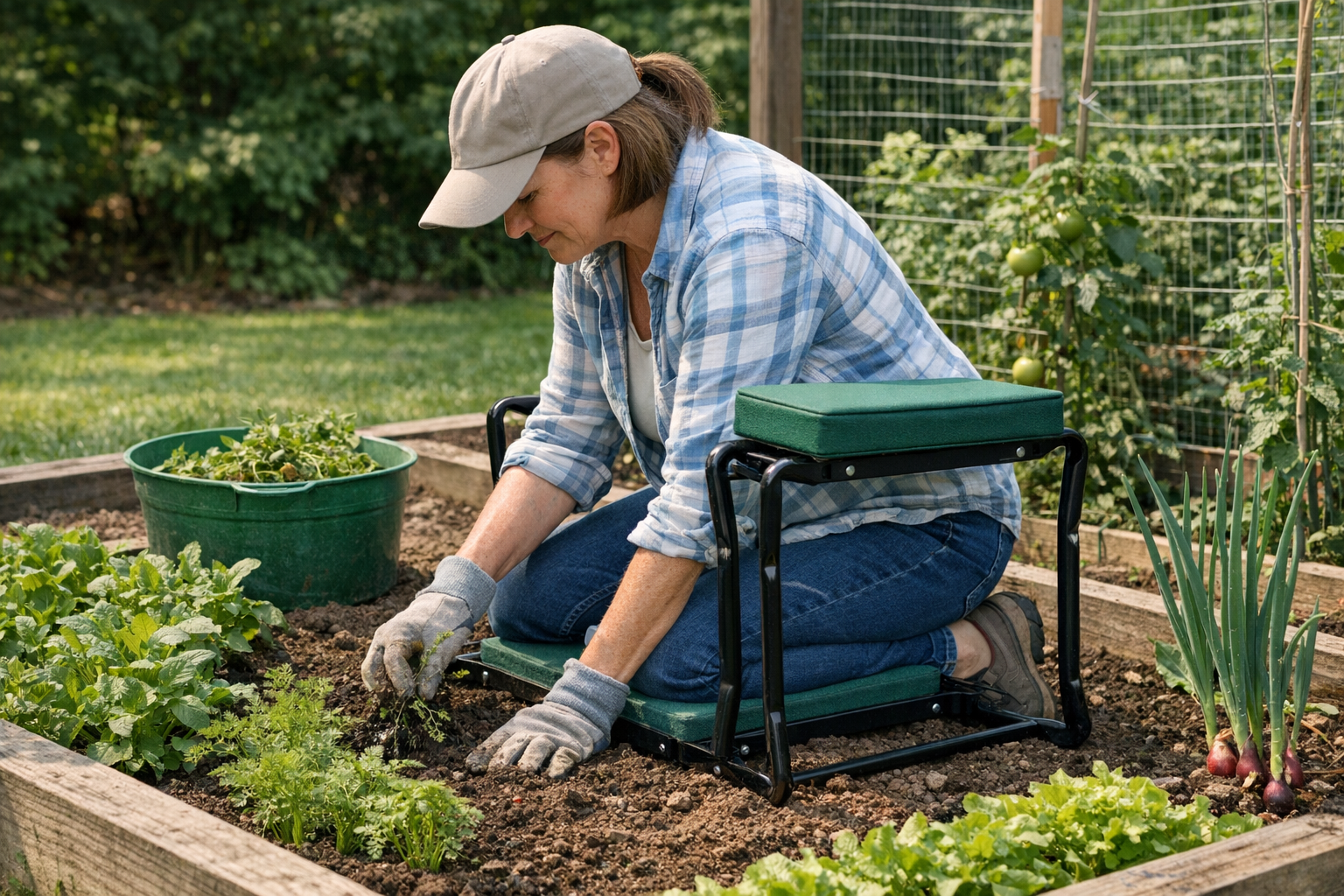
Best Garden Kneelers and Seats (2026 Tested)
Gardening shouldn't wreck your knees and back. We tested kneelers, foldable seats, and rolling carts to find the picks worth the price.
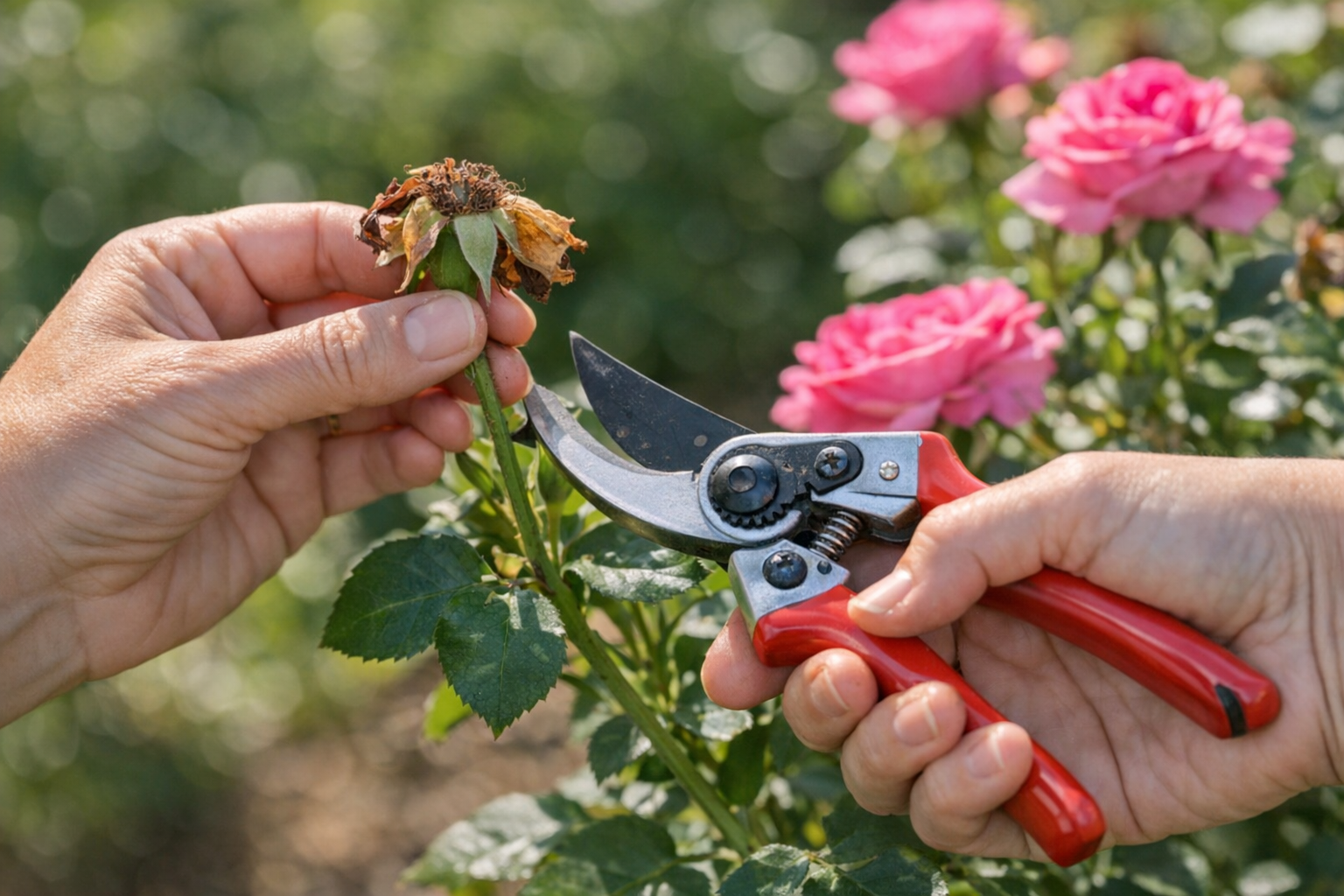
Best Pruning Shears for Gardeners (2026 Guide)
We tested bypass and anvil pruning shears across roses, fruit trees, perennials, and tomato vines. Here are the picks worth your money — and the one to avoid.
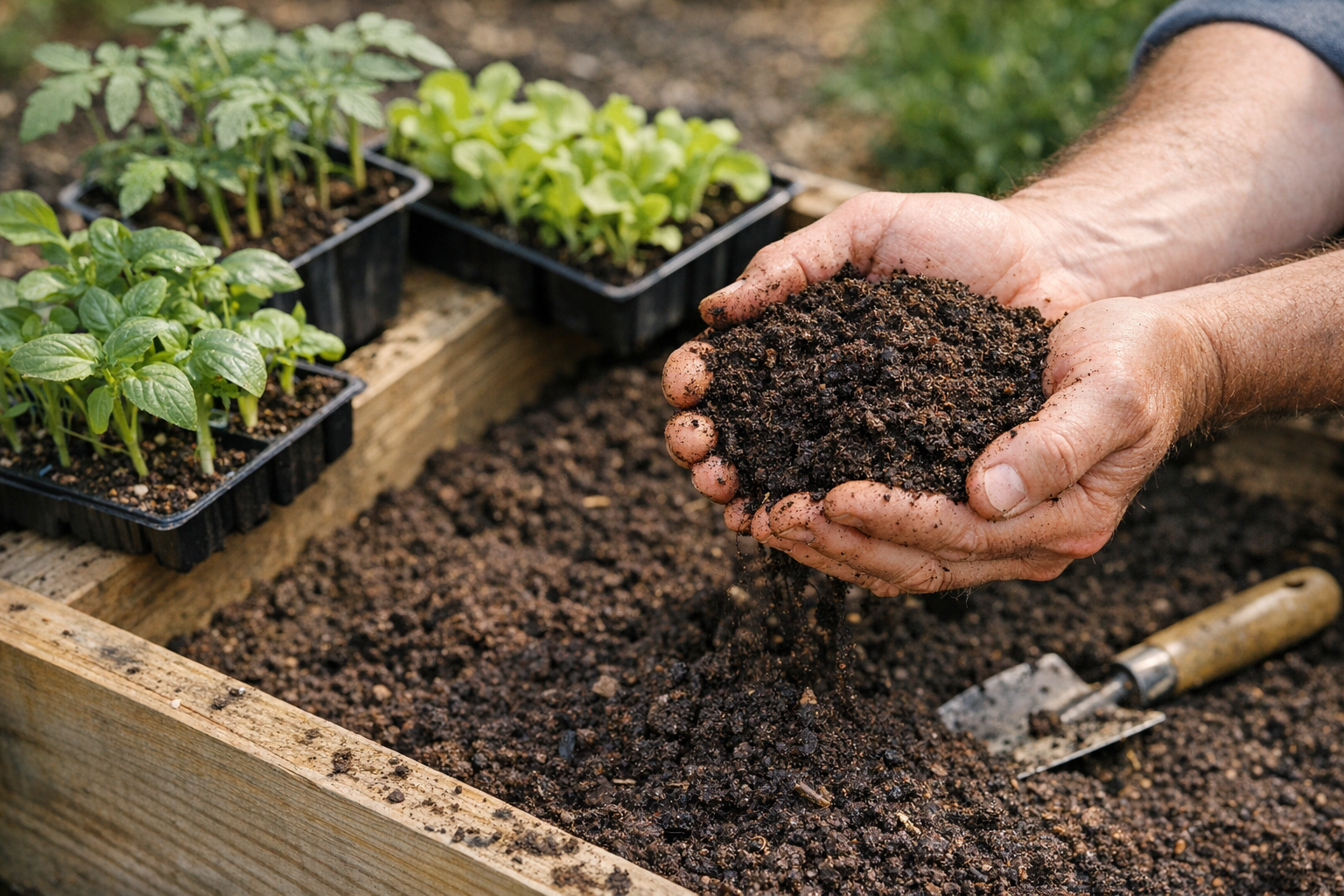
Best Raised Bed Soil Mixes (2026 Buyer's Guide)
Bagged soil for raised beds is a minefield. We tested the top brands for vegetable yield, drainage, and value to find the soil mixes that actually grow food.
5 Best Garden Hose Nozzles and Sprayers (2026)
Find the perfect garden hose nozzle for watering plants, washing cars, and cleaning patios. We compared the top sprayers — here are the 5 best for every job.
Best Raised Garden Bed Kits You Can Order Online (2026)
The best raised garden bed kits for beginners and experienced gardeners. We compare wood, metal, and composite options with honest reviews and setup tips.
Related Articles
Pest Control Spring Refresh: Natural Solutions for Summer Prevention
Set up your garden's natural defenses now and you'll coast through summer. A master gardener's spring plan using companion planting, neem oil, and trap crops.
Summer Plants & Watering: Automate Your Garden While on Vacation
A master gardener's guide to automating summer watering with timers, drip lines, and moisture sensors so you can travel in June through August worry-free.
Herb Garden on Your Balcony: Fresh Basil to Cilantro in 4 Weeks
A master gardener's container herb system for apartments: the sunlight hack, watering schedule, and harvesting tricks to grow fresh basil to cilantro in 4 weeks.
Low-Water Garden Design: 8 Beautiful Plants for Drought-Tolerant Landscaping
A Master Gardener's guide to drought-tolerant landscaping. Cut watering by 50% with these 8 beautiful plants, smart drip irrigation, and proven design tips.