How to Start a Container Herb Garden on a Balcony
This article may contain affiliate links. If you make a purchase through these links, we may earn a small commission at no extra cost to you. Learn more
Quick Answer
How to Start a Container Herb Garden on a Balcony
Start with basil, mint, parsley, chives, and rosemary. Use 8 to 12-inch pots with drainage holes and quality potting mix (not garden soil). Place where the herbs get 4 to 6 hours of sun. Water when the top inch of soil is dry, and harvest often to keep plants producing.
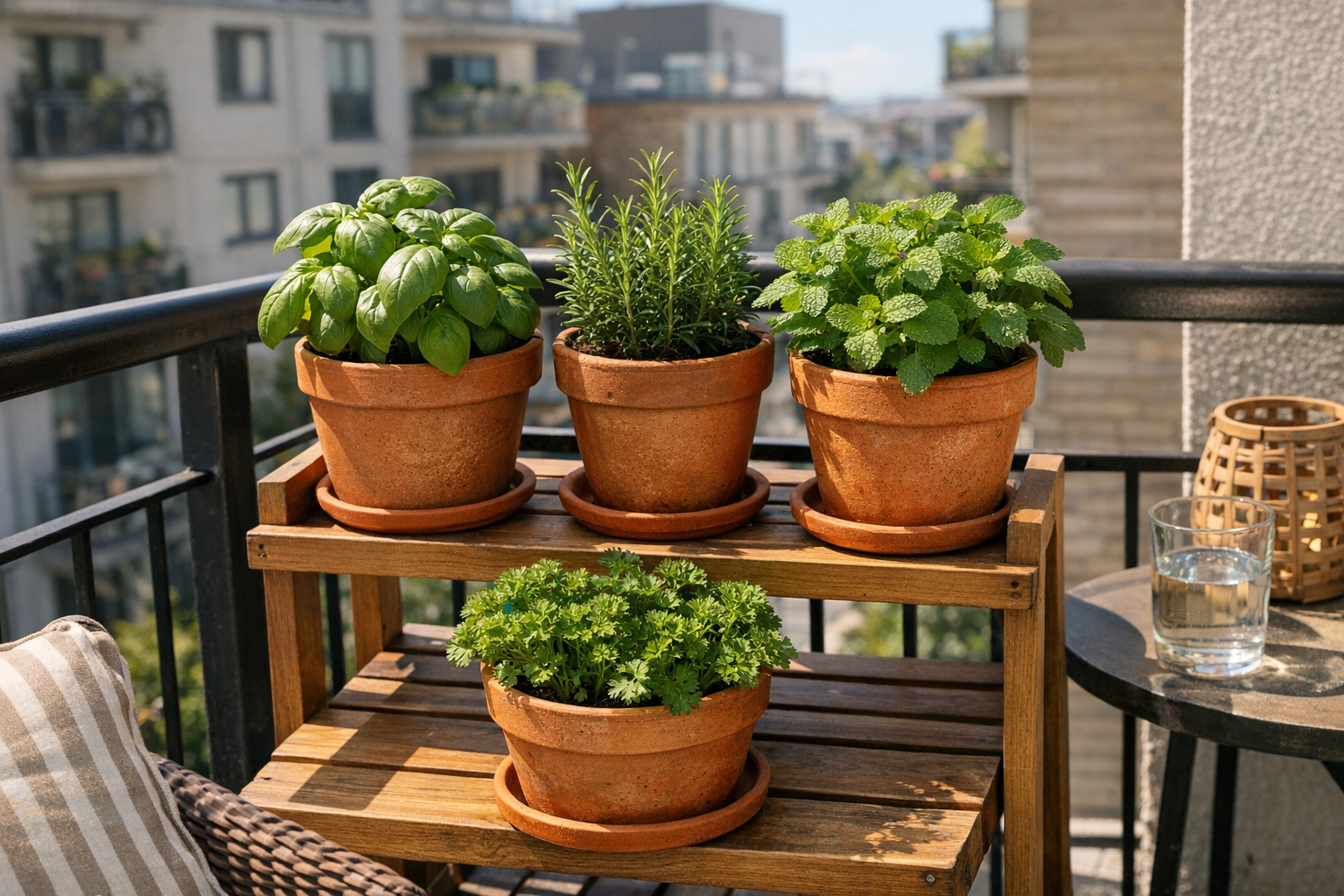
Fresh basil costs 4 dollars at the grocery store and dies within a week. A 4-dollar packet of basil seeds plus a pot grows you fresh basil for 6 months. Container herbs are the highest-payoff garden project for apartment dwellers.
Even on a north-facing balcony with only morning sun, you can grow useful amounts of several herbs. Here's the setup.
Why Containers Work So Well for Herbs
Herbs evolved in poor rocky soil — they actually grow better in containers than in rich garden beds. Containers also let you:
- Move plants to follow sun
- Bring tender herbs indoors before frost
- Control soil quality precisely
- Garden without a yard
The downside is more frequent watering. Container plants dry out faster than in-ground.
What You'll Need
- 4 to 6 terracotta or fabric pots, 8 to 12 inches diameter, with drainage holes
- A bag of quality potting mix (not garden soil, not "raised bed" mix)
- Herb seedlings or seed packets
- A watering can with a long spout
- Optional: a self-watering planter for thirsty herbs
- Optional: grow lights if you have minimal sun
Step 1: Pick the Right Pots
Three pot considerations:
Size
Most herbs need at least an 8 to 10-inch diameter pot. Bigger is better — more soil holds more water and more nutrients. A 12-inch pot needs watering half as often as a 6-inch.
Material
- Terracotta: Pretty, breathable, dries out fast (good for rosemary and oregano). Heavy.
- Plastic: Lightweight, retains moisture (good for basil and mint).
- Fabric: Excellent root health, breathable, but dries out fast.
- Self-watering: Reduces watering frequency, great for thirsty plants. See self-watering planters.
Drainage
The single most important feature. Every pot needs drainage holes. Without them, roots rot in standing water.
If you're using a decorative cachepot, set the regular pot inside it and make sure water can drain.
Step 2: Use Real Potting Mix (Not Garden Soil)
Garden soil compacts in pots and suffocates roots. Real potting mix is fluffy and drains well.
Look for:
- "Potting mix" or "potting soil" on the label
- Contains peat moss or coco coir
- Often has perlite for drainage
Quality bagged potting mix runs 8 to 15 dollars per cubic foot. For containers, this matters more than any other variable.
Don't reuse old potting soil for a new season — it's been depleted of nutrients and may carry pests. Refresh each spring with new mix or amend heavily with compost.
Step 3: Pick the Easiest Herbs
If you've never grown herbs, start with these. All forgiving, all useful in cooking, all available as seedlings at any garden center.
Basil
The classic. Loves heat and sun (6+ hours). Pinch off flower buds to keep producing leaves. Plant 1 plant per pot. Transplant outside only after last frost — basil dies in cold soil.
Mint
Vigorous, easy. ALWAYS keep mint in its own pot — it spreads aggressively and chokes out other plants. Tolerates partial shade. One plant fills a 12-inch pot.
Parsley
Slow to start from seed but easy from a transplant. Tolerates partial shade. Two plants per 10-inch pot. Cut from the outside in (the plant grows from the center).
Chives
Perennial, comes back every year. Easy from seed or division. Snip with scissors as needed. Tolerates light shade.
Rosemary
Mediterranean — wants well-drained soil and full sun. Hates wet feet. Bring indoors in cold climates over winter (zones 7 and colder). One plant per 12-inch pot.
Thyme
Tough, drought-tolerant, perennial in most zones. Pairs well with rosemary in the same pot.
Cilantro
Cool-weather only — bolts in summer heat. Plant in early spring or fall. Replant every 3 to 4 weeks for continuous harvest.
Step 4: Plant Right
For each pot:
- Cover the drainage hole with a piece of mesh or a coffee filter (keeps soil from washing out)
- Fill the pot 2/3 full with potting mix
- Make a hole in the center, plop in the seedling
- Backfill around the roots with more potting mix
- Press lightly to remove air pockets
- Water thoroughly until water drains from the bottom
For seeds:
- Fill pot with potting mix
- Sprinkle seeds on top
- Cover with 1/4 inch of mix (or as deep as the seed packet says — don't bury small seeds)
- Mist with water
- Keep moist until germination (usually 7 to 14 days)
Step 5: Find the Right Spot
Most herbs want at least 4 to 6 hours of direct sun. South or west-facing balconies are ideal. East-facing (morning sun) works for parsley, mint, chives.
If your balcony is shaded most of the day, prioritize:
- Mint
- Parsley
- Chives
- Cilantro (in cool weather)
Skip basil, rosemary, and thyme for shaded spots — they need more sun than indoor or shaded balconies provide.
For very low-light situations, supplement with a clip-on LED grow light. 6 to 8 hours per day of grow light gets most herbs through.
Step 6: Water Right
Container plants dry out faster than in-ground plants. The general rule:
- Check daily by sticking your finger 1 inch into the soil
- Water when the top inch is dry
- Water deeply until water runs out the drainage holes
- Never let pots sit in standing water in saucers (empty after 30 minutes)
Most balcony herbs need water every 2 to 4 days in summer, less in cool weather. Hot windy days dry containers fast — sometimes daily watering needed.
Step 7: Feed Lightly
Container herbs deplete soil nutrients faster than in-ground plants because there's less soil. Feed every 4 to 6 weeks with a diluted liquid organic fertilizer at half strength.
Don't over-fertilize — herbs over-fed grow lush and lose flavor. Mediterranean herbs (rosemary, thyme, oregano) actually taste better in slightly poor soil.
Step 8: Harvest Often
Most beginners under-harvest. The plants want you to harvest — that's how you keep them producing.
- Snip basil tips with scissors weekly
- Pinch off mint sprigs as needed
- Cut chives down to 1 inch when 4 inches tall
- Take outer parsley leaves, never the center
- Snip rosemary tips for cooking
A plant you harvest from regularly produces more than one you ignore.
Frequently Asked Questions
Can I start herbs from seed or should I buy plants?
Both work. Seeds are cheaper and offer more variety. Transplants give you a 4 to 6 week head start. For beginners, transplants are easier — buy seeds for the herbs you find you use most, transplant the rest.
Why do my basil leaves turn yellow?
Usually overwatering or under-feeding. Let the soil dry between waterings, and feed every 4 to 6 weeks. If only lower leaves yellow and drop, that's normal aging.
Do I need to bring herbs inside for winter?
Annuals (basil, cilantro) die at first frost — let them go and replant in spring. Perennials (rosemary, thyme, oregano, chives, mint) survive winter outdoors in mild climates. In cold climates (zone 6 and colder), bring rosemary and tender perennials indoors to a sunny window.
Can I grow tomatoes and peppers on a balcony too?
Yes, in larger pots (5+ gallons). Both need 6+ hours of direct sun. Compact varieties like Patio tomato and Patio Snacker pepper are bred for containers.
Final Thoughts
A balcony herb garden is one of the most rewarding small-space projects. Five pots, some good potting mix, and 4 to 6 hours of sun gives you fresh herbs all season. Start with basil, mint, parsley, and chives — by midsummer you'll be cooking with herbs you grew yourself.
Get weekly home tips that actually work
Join thousands of homeowners getting practical cleaning hacks, DIY fixes, and money-saving tips every week. Free, and you can unsubscribe anytime.

Written by
Sarah RodriguezGardening & Pet Care Contributor
Sarah Rodriguez is a certified Master Gardener and former veterinary technician. She lives on a half-acre lot in central Texas with three rescue dogs, two backyard chickens, and a very ambitious vegetable garden. She covers gardening, sustainable yard care, and everyday pet care for Practical Home Guides.
Recommended Products
Looking for specific product recommendations? Check out our tested picks.
Best Garden Kneelers and Seats (2026 Tested)
Gardening shouldn't wreck your knees and back. We tested kneelers, foldable seats, and rolling carts to find the picks worth the price.
Best Pruning Shears for Gardeners (2026 Guide)
We tested bypass and anvil pruning shears across roses, fruit trees, perennials, and tomato vines. Here are the picks worth your money — and the one to avoid.
Best Raised Bed Soil Mixes (2026 Buyer's Guide)
Bagged soil for raised beds is a minefield. We tested the top brands for vegetable yield, drainage, and value to find the soil mixes that actually grow food.
5 Best Garden Hose Nozzles and Sprayers (2026)
Find the perfect garden hose nozzle for watering plants, washing cars, and cleaning patios. We compared the top sprayers — here are the 5 best for every job.
Best Raised Garden Bed Kits You Can Order Online (2026)
The best raised garden bed kits for beginners and experienced gardeners. We compare wood, metal, and composite options with honest reviews and setup tips.
Related Articles
How to Get Rid of Dandelions Naturally (Without Killing the Lawn)
Dandelions are stubborn but beatable without chemical herbicides. Here's the 3-pronged natural approach that works long-term — and the tools that make it easy.
When to Plant Warm-Weather Annuals (And Which Are Easiest)
Tomato, pepper, basil, marigold — all are warm-weather plants that hate cold soil. Here's how to time the transplant for the longest possible harvest.
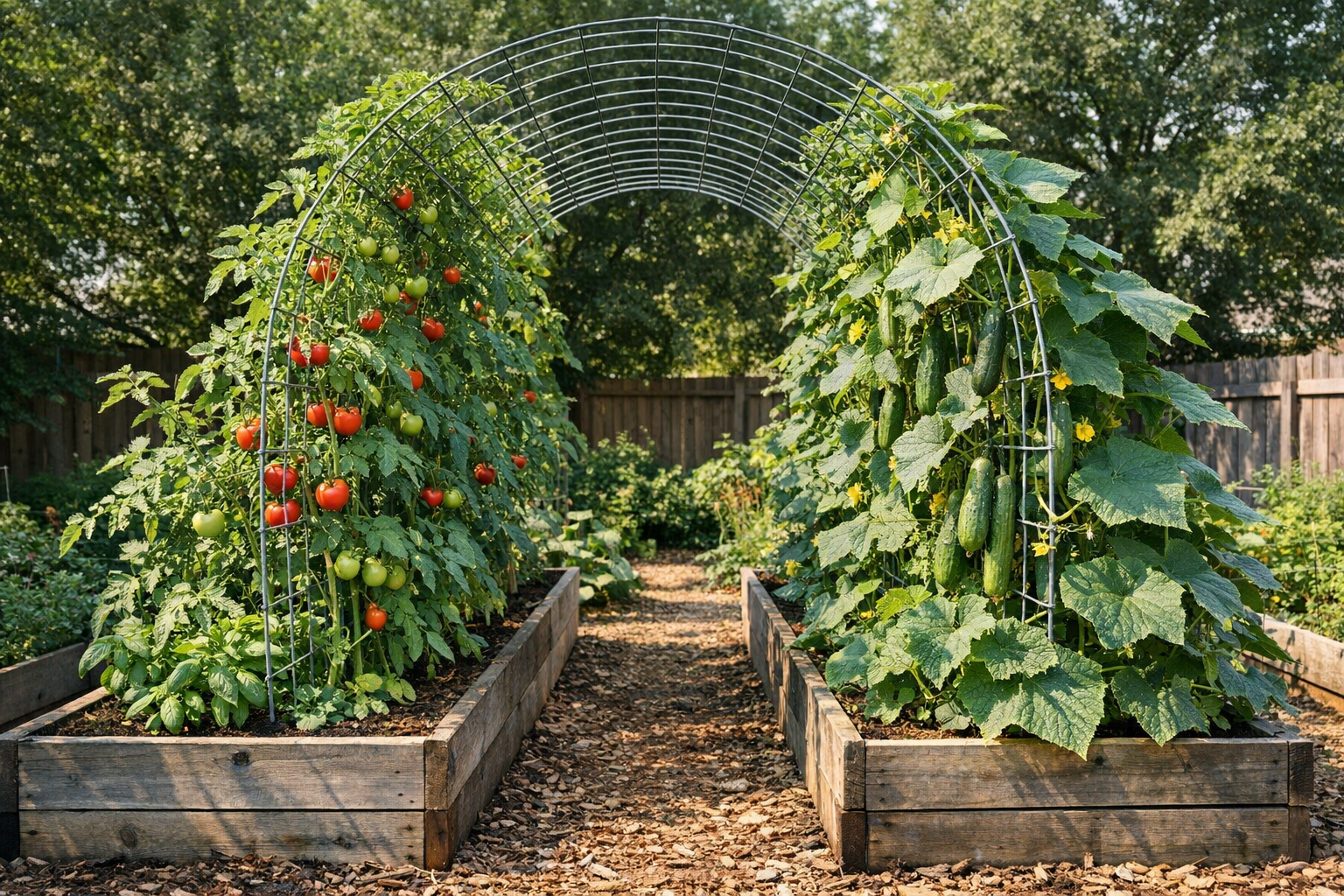
How to Build a DIY Garden Trellis for Climbing Vegetables
A sturdy trellis doubles your garden's yield per square foot. Here's how to build three easy styles using cheap materials in under an hour each.
Best Garden Kneelers and Seats (2026 Tested)
Gardening shouldn't wreck your knees and back. We tested kneelers, foldable seats, and rolling carts to find the picks worth the price.