Best Raised Bed Soil Mixes (2026 Buyer's Guide)
This article may contain affiliate links. If you make a purchase through these links, we may earn a small commission at no extra cost to you. Learn more
Quick Answer
Best Raised Bed Soil Mixes (2026 Buyer's Guide)
The best ready-to-use raised bed soil is FoxFarm Happy Frog Potting Soil for small beds and Coast of Maine Stonington Blend for larger raised beds. For the best value, mix your own with 1/3 topsoil, 1/3 compost, and 1/3 aeration (peat moss or coco coir). Skip cheap 'topsoil' bags from big box stores — they're heavy clay that compacts.
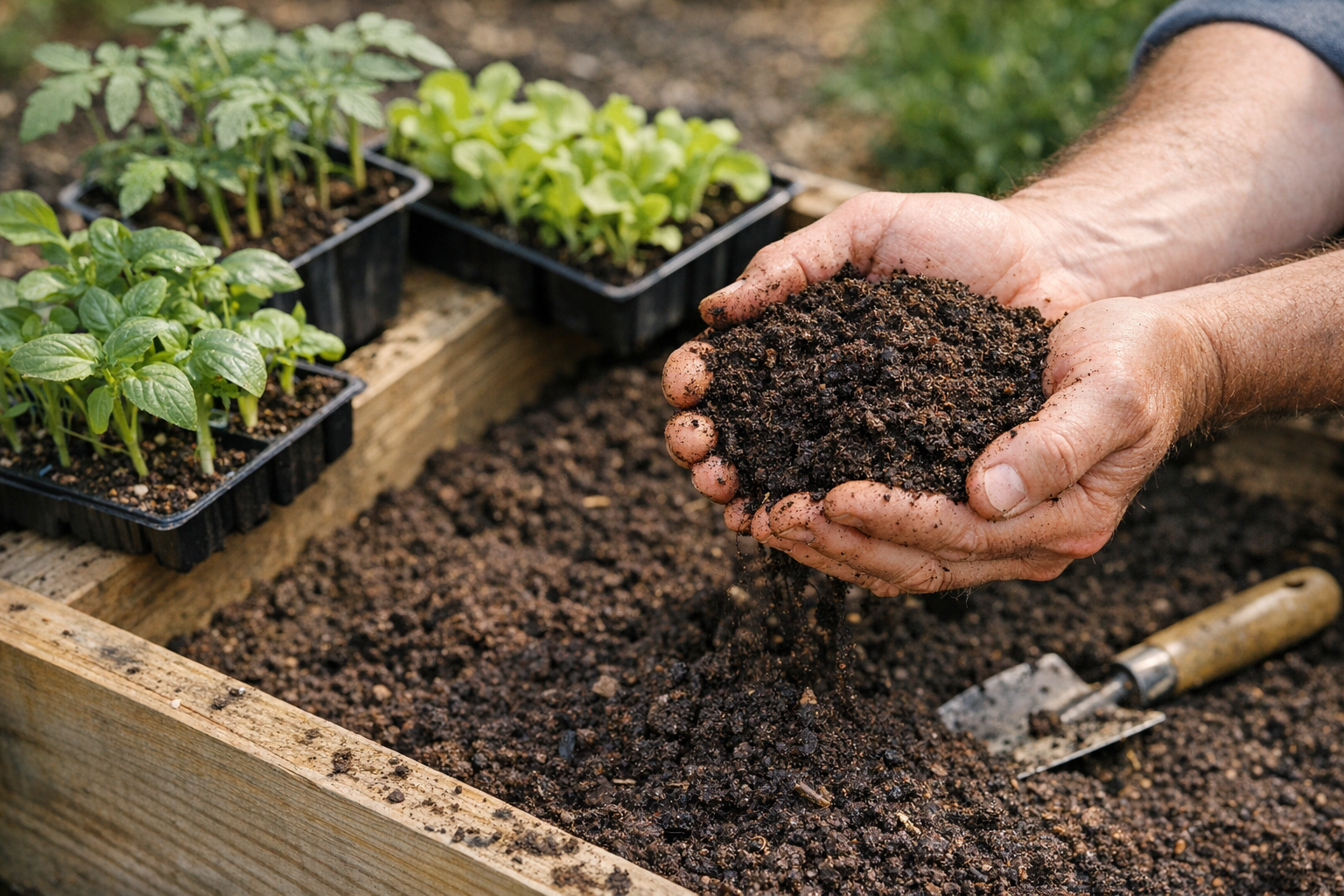
The biggest reason new raised beds underperform is bad soil. Most "raised bed soil" sold in bulk or at big box stores is sand mixed with shredded bark and a little fertilizer — drains too fast, holds no nutrients, and compacts in one season.
Here's the honest comparison of the bagged soils worth your money, plus the homemade mix I use in my own beds (and recommend for any bed over 4x4 feet, where bagged soil gets prohibitively expensive).
Quick Picks
- Best Overall (small beds): FoxFarm Happy Frog Potting Soil
- Best for Larger Beds: Coast of Maine Stonington Blend Organic Raised Bed Mix
- Best Value Bagged: Kellogg Garden Organics Raised Bed and Potting Mix
- Best for Hot Climates: Black Gold Natural & Organic Potting Soil
- Best DIY Mix: 1/3 quality topsoil + 1/3 compost + 1/3 coco coir or peat moss
The Picks in Detail
FoxFarm Happy Frog Potting Soil
Pre-fertilized, full of beneficial microbes, fluffy texture. Plants explode out of this stuff. The default for small raised beds and containers.
Check Price on Amazon →I've used Happy Frog for over a decade. The texture is the giveaway — it's loose and dark and smells like a forest floor. Tomatoes and peppers planted in pure Happy Frog outproduce the same plants in cheaper soils by a mile.
The downside is cost. At around 25 to 30 dollars per 2-cubic-foot bag, filling a 4x8 raised bed gets expensive fast. Best for small beds, containers, and as the top 6 inches of a larger bed filled mostly with cheaper material below.
Coast of Maine Stonington Blend Organic Raised Bed Mix
Made specifically for raised beds — peat, compost, kelp, and lobster meal. Holds moisture without compacting. Best high-volume option.
Check Price on Amazon →Coast of Maine is the brand serious organic gardeners reach for. Stonington Blend is dark, rich, and ready to plant directly into. The compost and lobster meal feed the bed for the first 6 to 8 weeks without any added fertilizer.
Slightly cheaper per cubic foot than Happy Frog, and even better suited for vegetables specifically.
Kellogg Garden Organics Raised Bed and Potting Mix
OMRI-listed organic, widely available at Home Depot, half the price of premium brands. Quality varies a bit by region but generally solid.
Check Price on Amazon →Kellogg is the most accessible decent option for most people. Plants grow well in it. It's not as light or as visibly rich as the premium brands, but at half the price you can fill a bed for substantially less.
Tip: amend each bag with a couple handfuls of worm castings when filling — closes the gap to premium brands at minimal extra cost.
Black Gold Natural and Organic Potting Soil
Excellent moisture retention thanks to high coir and peat content. Especially good in hot dry climates where soil dries out fast.
Check Price on Amazon →If you garden in Texas, Arizona, southern California, or anywhere with intense summer heat, soil drying out is a bigger problem than soil compacting. Black Gold's high moisture retention beats most other mixes for hot dry conditions.
The DIY Mix That Beats Most Bagged Soils
For any bed larger than 4x4 feet, buying bagged premium soil gets prohibitively expensive (you'd need 30 to 60 cubic feet). Mix your own with this formula:
- 1/3 quality topsoil — from a local landscape supply yard, not bagged big box "topsoil"
- 1/3 compost — bulk from a local supplier, or your own
- 1/3 aeration — peat moss, coco coir, or perlite
For vegetable beds, add an extra inch or two of compost on top each spring as a refresh. Top-dress with organic vegetable fertilizer twice a season.
This mix at landscape supply prices runs about 1/3 the cost of premium bagged soil. Most cities have at least one bulk landscape supplier that sells topsoil and compost by the cubic yard.
What to Avoid
Some products labeled for raised beds aren't worth it.
- "Topsoil" in bags from big box stores. Usually heavy clay that compacts. Drains badly.
- Cheap "garden soil" mixes under 5 dollars per bag. Mostly sand and shredded wood, very low organic content.
- "Mel's Mix" applied incorrectly. The original Square Foot Gardening recipe (1/3 peat, 1/3 vermiculite, 1/3 compost) works but only with high-quality compost from 5 different sources. Cheaping out on the compost ruins the mix.
How Much Soil Do I Need?
Quick math:
- 2x4 bed, 12 inches deep = 8 cubic feet (4 standard bags)
- 4x4 bed, 12 inches deep = 16 cubic feet (8 bags)
- 4x8 bed, 12 inches deep = 32 cubic feet (16 bags) — buy in bulk instead
- 4x8 bed, 18 inches deep = 48 cubic feet (24 bags) — definitely bulk
A cubic yard equals 27 cubic feet, so a 4x8 bed at 12 inches deep is just over a full cubic yard.
For deep beds, fill the bottom half with chunky filler material (logs, branches, wood chips, leaves) using the "hugelkultur" method. The wood breaks down slowly into compost while the top 12 inches of real soil grows your vegetables. Cuts soil cost in half on deep beds.
Annual Soil Refresh
Raised bed soil shrinks. As compost breaks down, the bed level drops 1 to 3 inches per year.
Each spring before planting, top off with:
- 1 to 2 inches of fresh compost
- A handful of worm castings per square foot
- A balanced organic granular fertilizer following package directions
Mix into the top few inches with a hand cultivator. That's all the spring soil prep most beds need.
Frequently Asked Questions
Can I use cheap topsoil to fill the bottom of a deep bed?
Yes — cheap topsoil works fine for the bottom 6 inches of a 12+ inch deep bed. Use real raised bed mix for the top layer where roots actually live.
Should I add fertilizer to bagged raised bed soil?
Most bagged "raised bed" soils have enough nutrients for the first 4 to 6 weeks. After that, side-dress with a balanced organic fertilizer every 4 to 6 weeks during the growing season for heavy feeders like tomatoes and squash.
Is mushroom compost good for raised beds?
Mixed in moderation (no more than 25 percent of the mix), yes — it's a great soil amendment. Pure mushroom compost can be too high in salts for direct planting, especially for sensitive crops like lettuce and beans.
How often should I replace raised bed soil?
You shouldn't need to replace it — just refresh the top 2 to 3 inches with compost each spring. Healthy raised bed soil gets better year over year. If a bed is performing poorly after several years, get a soil test kit and amend based on the results rather than starting over.
Final Thoughts
For small beds and containers, FoxFarm Happy Frog or Coast of Maine Stonington are worth the price — vegetables grown in them outproduce the same plants in cheap soil by a wide margin. For larger beds, mix your own with bulk topsoil and compost, then top off each year. The soil makes a bigger difference than any other input in the garden.
Get weekly home tips that actually work
Join thousands of homeowners getting practical cleaning hacks, DIY fixes, and money-saving tips every week. Free, and you can unsubscribe anytime.

Written by
Sarah RodriguezGardening & Pet Care Contributor
Sarah Rodriguez is a certified Master Gardener and former veterinary technician. She lives on a half-acre lot in central Texas with three rescue dogs, two backyard chickens, and a very ambitious vegetable garden. She covers gardening, sustainable yard care, and everyday pet care for Practical Home Guides.
Recommended Products
Looking for specific product recommendations? Check out our tested picks.
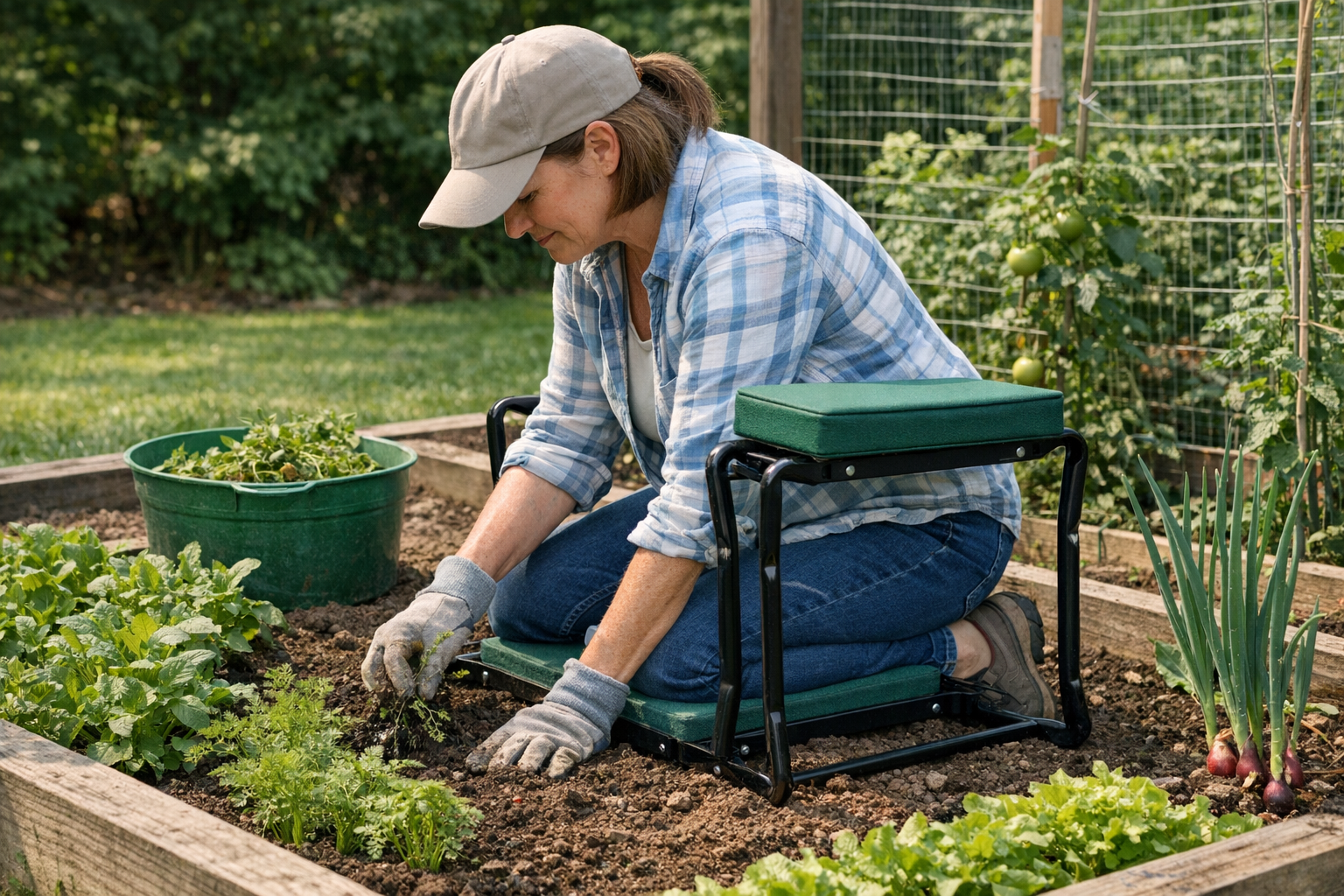
Best Garden Kneelers and Seats (2026 Tested)
Gardening shouldn't wreck your knees and back. We tested kneelers, foldable seats, and rolling carts to find the picks worth the price.
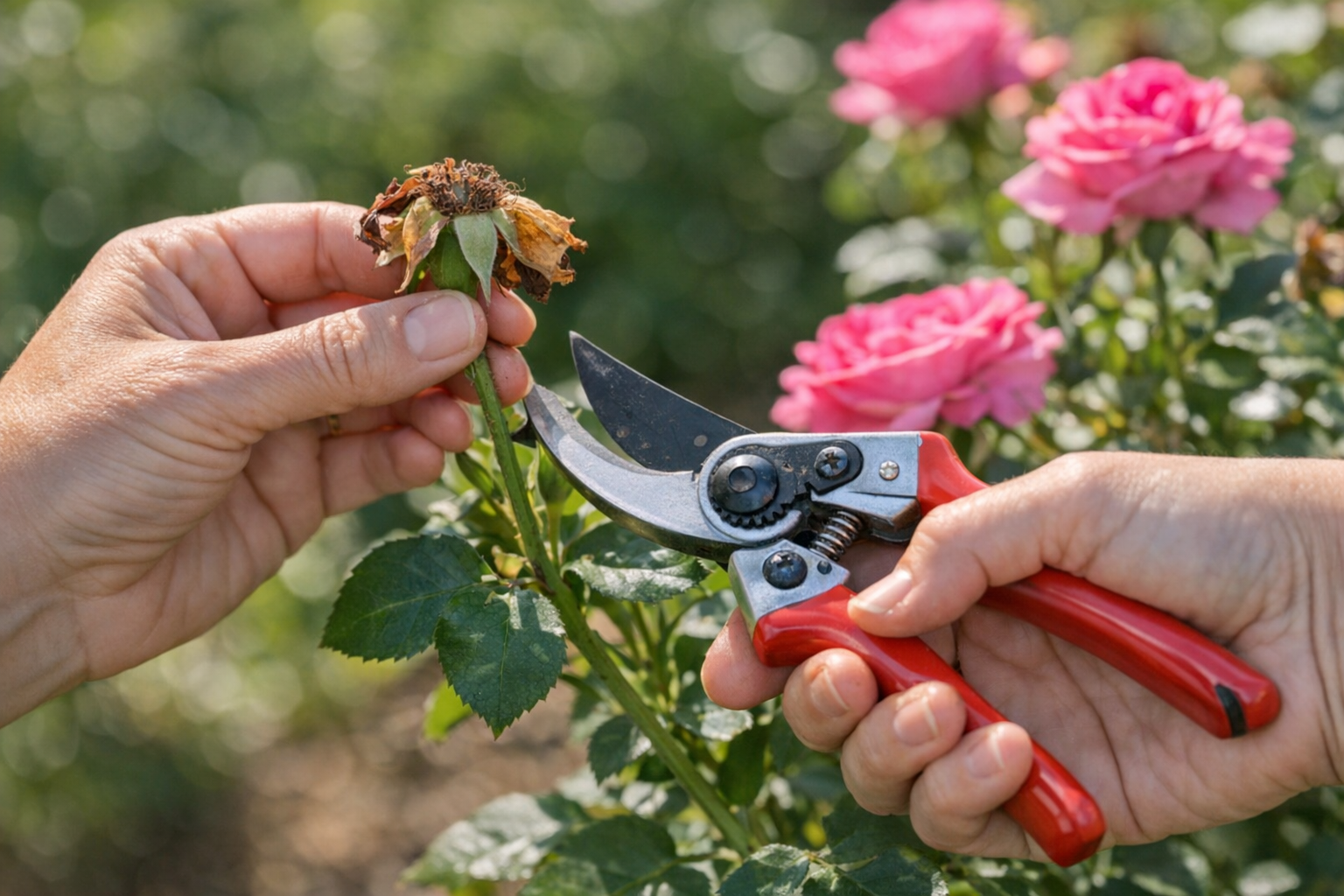
Best Pruning Shears for Gardeners (2026 Guide)
We tested bypass and anvil pruning shears across roses, fruit trees, perennials, and tomato vines. Here are the picks worth your money — and the one to avoid.
5 Best Garden Hose Nozzles and Sprayers (2026)
Find the perfect garden hose nozzle for watering plants, washing cars, and cleaning patios. We compared the top sprayers — here are the 5 best for every job.
Best Raised Garden Bed Kits You Can Order Online (2026)
The best raised garden bed kits for beginners and experienced gardeners. We compare wood, metal, and composite options with honest reviews and setup tips.
Related Articles
How to Get Rid of Dandelions Naturally (Without Killing the Lawn)
Dandelions are stubborn but beatable without chemical herbicides. Here's the 3-pronged natural approach that works long-term — and the tools that make it easy.
When to Plant Warm-Weather Annuals (And Which Are Easiest)
Tomato, pepper, basil, marigold — all are warm-weather plants that hate cold soil. Here's how to time the transplant for the longest possible harvest.
How to Build a DIY Garden Trellis for Climbing Vegetables
A sturdy trellis doubles your garden's yield per square foot. Here's how to build three easy styles using cheap materials in under an hour each.
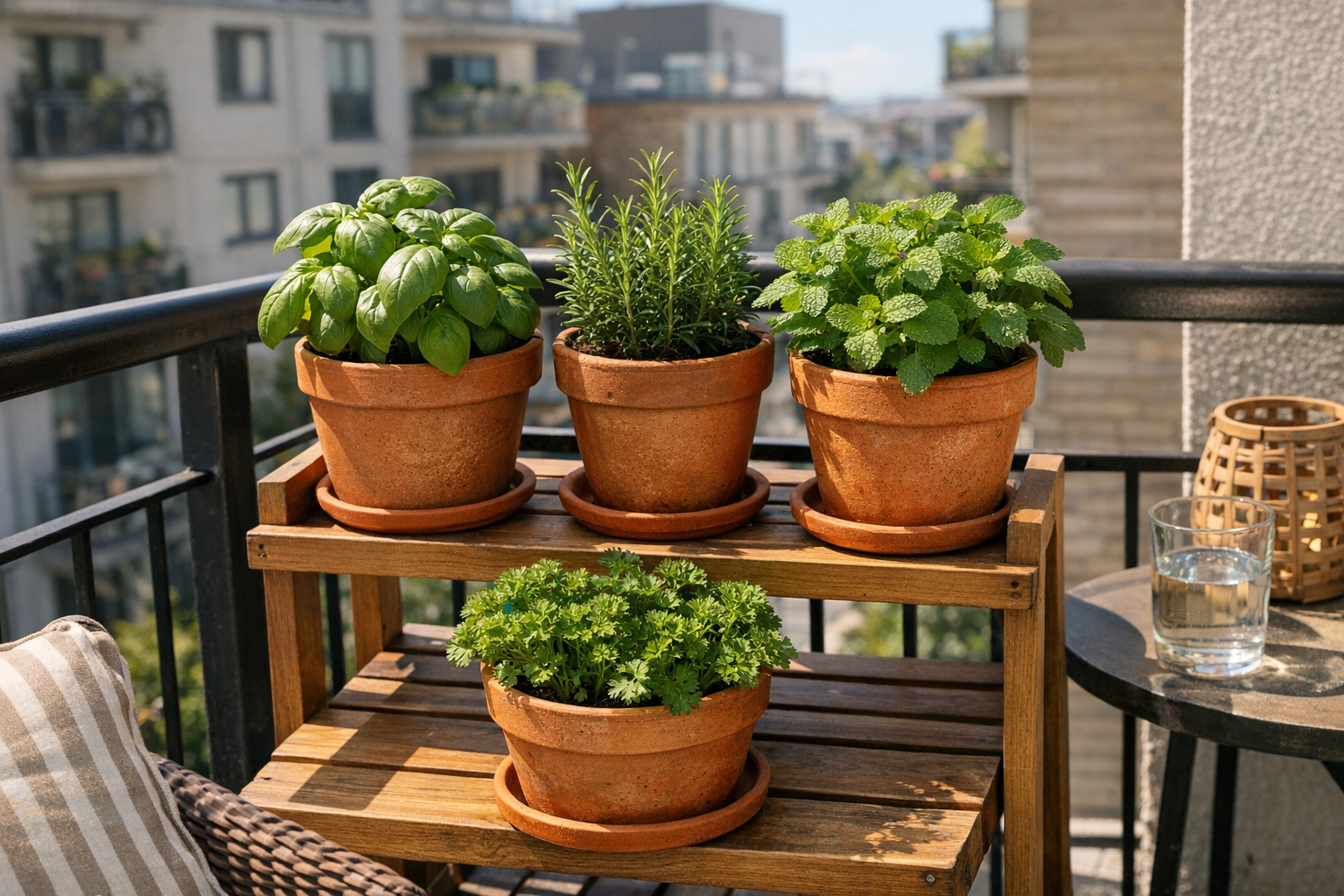
How to Start a Container Herb Garden on a Balcony
Fresh herbs all summer from a small apartment balcony or porch — even with limited sun. Picks for the easiest herbs, the right pots, and the soil that actually works.