Best Raised Garden Bed Kits You Can Order Online (2026)
This article may contain affiliate links. If you make a purchase through these links, we may earn a small commission at no extra cost to you. Learn more
Quick Answer
Best Raised Garden Bed Kits You Can Order Online (2026)
The best raised garden bed kit for most gardeners is the Best Choice Products 8x2ft Metal Raised Garden Bed — it's rust-resistant, easy to assemble in 15 minutes with no tools, and lasts for years without rotting. For a classic wood look, the Greenes Fence Cedar Raised Bed is made from untreated cedar that naturally resists decay. If you want something quick and cheap, the fabric Smart Pots raised bed is under $25 and works surprisingly well.
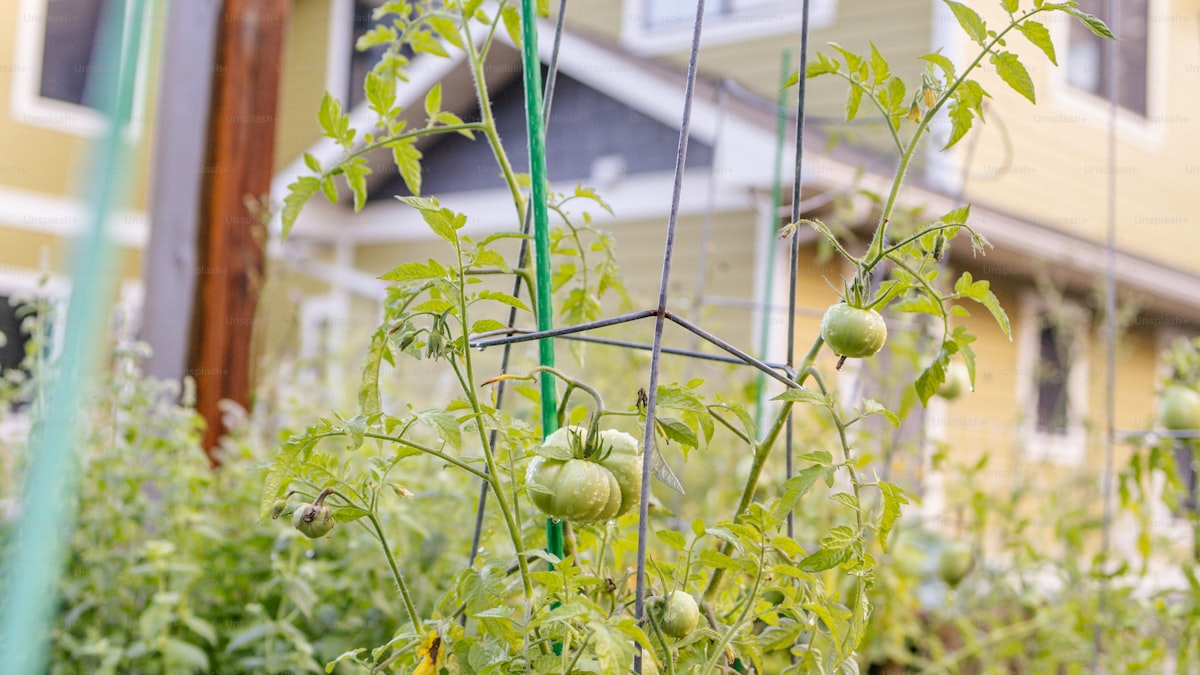
Not everyone wants to spend a Saturday measuring, cutting, and drilling boards together. And honestly? You do not have to. Pre-made raised garden bed kits have gotten remarkably good, and many cost less than buying raw lumber once you factor in hardware, tools, and that inevitable trip back for the screws you forgot.
If you are a renter, a beginner who wants to start a vegetable garden without a woodworking project, or someone who simply values their weekend time, a kit makes a lot of sense. Unbox it, snap or bolt it together, fill it with soil, and start planting.
Below you will find our honest picks across every budget and material type, along with guidance on choosing the right one for your space.
Quick Comparison
| Product | Material | Size | Price Range |
|---|---|---|---|
| Best Choice Products 8x2ft | Galvanized steel | 8 x 2 x 1 ft | $$ |
| Greenes Fence Cedar Bed | Untreated cedar | 4 x 8 x 10.5 in | $$ |
| Vegega Metal Raised Bed | Galvanized steel | 8 x 2 x 1.5 ft | $$$ |
| Smart Pots Big Bag Bed | Fabric | 50 in diameter | $ |
| Birdies Original Metal Bed | Aluzinc steel | 6 x 3 x 1.25 ft | $$$$ |
| Keter Easy Grow Elevated | Polypropylene | 3.7 x 1.6 x 2.4 ft | $$$ |
Best Choice Products 8x2ft Metal Raised Garden Bed -- Best Overall
This is the raised bed we recommend to most people. The Best Choice Products metal bed is made from galvanized corrugated steel that will not rot, warp, or attract termites. Assembly genuinely takes about 15 minutes -- the panels slide together with built-in folding stakes, so you do not need a single tool.
At 8 feet long, 2 feet wide, and 1 foot tall, it holds a generous amount of soil without requiring a mountain of fill. The open bottom allows roots to reach native soil and provides natural drainage. It comes in several colors, though the classic silver-grey looks clean and modern on its own.
What we like:
- No tools required -- panels fold and lock together
- Rust-resistant galvanized steel holds up for years
- Bottomless design means excellent drainage
- Multiple color options available
What could be better:
- Thin edges can be slightly sharp during assembly (wear gloves)
- Only 12 inches deep, which limits root vegetables
- Heats up in direct sun, which can stress roots in very hot climates
Best for: First-time gardeners who want a durable bed with the easiest possible setup.
Greenes Fence Cedar Raised Garden Bed -- Best Wood Option
If you want the classic look of a wooden raised bed without having to build a raised garden bed on a budget from scratch, Greenes Fence is the go-to kit. It uses untreated cedar, which is naturally rot-resistant, insect-resistant, and safe for growing food. No chemical preservatives and no worrying about what is leaching into your soil.
The dovetail-style joints slide together without tools, screws, or brackets, and the system also makes the bed easy to disassemble and relocate. The standard 4x8-foot size at 10.5 inches tall gives you enough depth for tomatoes, peppers, and most root vegetables. You can stack additional tiers to go taller.
What we like:
- Untreated cedar is safe, beautiful, and naturally rot-resistant
- Tool-free dovetail assembly and disassembly
- Stackable design lets you add height later
- Classic wood look that weathers to an attractive silver-grey
What could be better:
- Cedar will eventually break down (expect 5 to 8 years depending on climate)
- Costs more than pine lumber you would buy at the hardware store
- Can bow slightly under soil pressure on the long sides over time
Best for: Gardeners who want a natural wood aesthetic and chemical-free growing environment.
Vegega Metal Raised Garden Bed Kit -- Best Large/Tall Bed
If you need extra depth for root crops like carrots and potatoes, or you want to reduce bending, the Vegega is worth the step up. At 17 inches tall, it gives roots more room than standard 12-inch beds and puts the soil at a more comfortable working height.
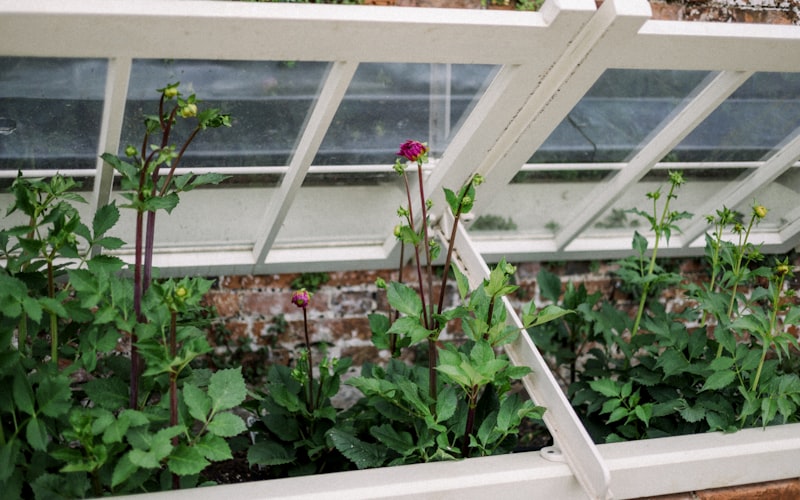
The thicker galvanized steel panels feel solid, and the rounded safety edges are a welcome touch that cheaper beds skip. Assembly uses bolt connections and takes about 20 to 30 minutes. The extra height means more soil to fill -- layering straw or leaves on the bottom third helps cut costs.
What we like:
- 17-inch height is ideal for deep-rooted crops and reduced bending
- Thicker steel than most budget competitors
- Rounded, rolled edges for safety
- Will not rot, split, or warp
What could be better:
- Requires more soil to fill (and soil is not cheap)
- Heavier to move once assembled
- Bolt assembly means you will need a wrench or socket set
Best for: Gardeners who want extra depth for root vegetables or a bed that reduces bending.
Smart Pots Big Bag Raised Bed -- Best Budget
At under $25, the Smart Pots Big Bag Bed is the cheapest way to get a raised bed running in five minutes. It is a large, heavy-duty fabric container -- about 50 inches in diameter and 12 inches tall. Unfold it, fill with soil, and plant.
Do not let the simplicity fool you. Fabric beds offer excellent drainage and air-prune roots, encouraging dense, healthy root systems instead of the circling roots you get in rigid pots. If you have been growing tomatoes in pots, you already know how well fabric containers perform.
What we like:
- Hard to beat for under $25
- Sets up in minutes with zero assembly
- Superior drainage and root air-pruning
- Folds flat for off-season storage
What could be better:
- Does not look as polished as metal or wood
- Fabric degrades after 3 to 4 seasons with UV exposure
- Dries out faster than rigid beds in hot weather
Best for: Budget-conscious gardeners, renters, or anyone testing raised bed gardening without commitment.
Birdies Original Metal Raised Bed -- Best Premium
Birdies is the name serious gardeners trust when they want a bed that lasts essentially forever. Made in Australia from Aluzinc-coated steel (aluminum, zinc, and silicon), these beds resist corrosion far better than standard galvanized steel.
Build quality is a clear step above budget metal beds. Panels are thicker, edges are fully rolled for safety, and the modular design lets you configure different shapes and sizes. They cost more upfront, but if you garden in the same spot for a decade or longer, the per-year cost is very reasonable.
What we like:
- Aluzinc coating is far more corrosion-resistant than standard galvanizing
- Thick panels with smooth rolled edges
- Modular design for different configurations
- Long manufacturer warranty
What could be better:
- Premium price -- you are paying for longevity
- Can be difficult to find in stock
- Heavier than cheaper metal alternatives
Best for: Serious gardeners making a long-term investment in the highest-quality metal bed available.
Keter Easy Grow Elevated Garden Bed -- Best Elevated/Standing
The Keter Easy Grow stands at table height on built-in legs, which means zero bending, zero kneeling, and zero back pain. It is perfect for gardeners with mobility issues, anyone on a deck or patio, and people who want to keep plants away from rabbits and slugs.
A self-watering reservoir in the base wicks moisture up to roots, so you water less frequently. The polypropylene construction will not rot, rust, or need maintenance. The trade-off is limited growing depth -- about 10 inches of usable soil -- so stick to herbs, lettuce, strawberries, and other shallow-rooted crops.
What we like:
- Standing height eliminates bending and kneeling entirely
- Built-in self-watering reservoir reduces watering frequency
- Weather-resistant polypropylene needs no maintenance
- Clean, modern design suits patios and decks
What could be better:
- Limited soil depth restricts what you can grow
- Smaller growing area than ground-level beds
- More expensive per square foot of growing space
Best for: Gardeners with mobility issues, patio gardeners, and anyone who wants a standing herb and salad garden.
How to Choose the Right Raised Garden Bed Kit
Here is how to narrow down your choice based on what actually matters.
Material
Metal (galvanized or Aluzinc steel) is the most durable option -- it will not rot, warp, or attract insects. It heats up faster in direct sun, which can extend your growing season in cooler climates but may stress roots in extreme heat. Mulch on top of the soil solves that.
Wood (cedar or redwood) looks beautiful and insulates soil well, but all wood eventually breaks down. Cedar lasts 5 to 8 years, pine only 2 to 3. Never use pressure-treated lumber for food gardens.
Composite and plastic beds are maintenance-free but quality varies widely, and they cost more than wood for similar sizes.
Fabric is the most affordable and portable option, but it degrades faster than rigid materials.
Size and Depth
For most vegetables, aim for 10 to 12 inches of soil depth. Lettuce and herbs manage with 6 to 8 inches, but tomatoes, peppers, and root crops need 12 or more. Keep width at 4 feet or less so you can reach the center from either side.
Drainage
Every raised bed needs to drain freely. Bottomless beds on the ground drain naturally. Elevated or enclosed beds need drainage holes or a self-watering system.
UV Resistance and Warranty
Premium metal beds often carry 10-year-plus warranties. Fabric and budget metal beds may only last a few seasons. UV-stabilized materials hold up better in intense sun.
What to Put in Your Raised Bed
The soil matters more than the bed itself. Regular garden soil is too dense -- it compacts, drains poorly, and starves roots of oxygen. Instead, use this proven mix:
- 40% topsoil -- provides structure and minerals
- 40% compost -- feeds plants and improves water retention
- 20% peat moss or coconut coir -- lightens the mix and helps with drainage
If you compost at home, this is where your finished compost really pays off. Homemade compost saves money and gives plants exactly the nutrition they need.
For your first planting, start with forgiving crops: lettuce, radishes, bush beans, herbs, and cherry tomatoes. Once you get a season under your belt, branch out into peppers, squash, and root vegetables. Want a head start? Starting seeds indoors a few weeks before your last frost date puts you weeks ahead.
Frequently Asked Questions
How deep should a raised garden bed be?
For most vegetables, 10 to 12 inches is the sweet spot. Lettuce and herbs manage with 6 to 8 inches. Root crops like carrots and potatoes prefer 12 to 18 inches. If your bed sits on open ground, roots can extend into native soil below, so even a shallower frame works for many crops.
Do raised beds need drainage holes?
Bottomless beds on the ground drain naturally. Elevated beds, beds on pavement, and enclosed beds with solid bottoms need drainage holes or an overflow system. Without drainage, roots sit in standing water and rot within days.
What is the best material for a raised garden bed?
Metal is the most durable and maintenance-free. Cedar is the best wood because it resists rot without chemical treatment. Fabric is best for tight budgets. There is no single best material -- it depends on your priorities, budget, and how long you plan to garden in the same spot.
Can I put a raised garden bed on concrete or a patio?
Yes. Use a bed with a solid bottom or line the base with landscape fabric to keep soil from washing out. Add gravel beneath for drainage, and know that concrete reflects heat upward, drying soil faster. Elevated beds like the Keter are designed specifically for hard surfaces.
Get Growing
You do not need carpentry skills or a free weekend to grow your own food. Any kit on this list goes from box to planted bed in under an hour.
For most people, the Best Choice Products metal bed gives you the best combination of price, durability, and ease of setup. On a tight budget, a Smart Pots fabric bed gets you growing for under $25. And if you want something that outlasts your mortgage, the Birdies premium bed pays dividends every season.
Pick one, fill it with good soil, plant something you actually want to eat, and enjoy the satisfaction of growing it yourself.
Get weekly home tips that actually work
Join thousands of homeowners getting practical cleaning hacks, DIY fixes, and money-saving tips every week. Free, and you can unsubscribe anytime.

Written by
Beth SullivanFounder & Editor-in-Chief
Beth Sullivan is the founder of Practical Home Guides. With over a decade of hands-on experience tackling every home challenge imaginable, she started this site to share the practical, no-nonsense solutions she wishes she had found years ago. When she's not testing cleaning hacks or organizing pantries, you'll find her in the garden or working on her next DIY project.
Recommended Products
Looking for specific product recommendations? Check out our tested picks.
Best Garden Kneelers and Seats (2026 Tested)
Gardening shouldn't wreck your knees and back. We tested kneelers, foldable seats, and rolling carts to find the picks worth the price.
Best Pruning Shears for Gardeners (2026 Guide)
We tested bypass and anvil pruning shears across roses, fruit trees, perennials, and tomato vines. Here are the picks worth your money — and the one to avoid.
Best Raised Bed Soil Mixes (2026 Buyer's Guide)
Bagged soil for raised beds is a minefield. We tested the top brands for vegetable yield, drainage, and value to find the soil mixes that actually grow food.
5 Best Garden Hose Nozzles and Sprayers (2026)
Find the perfect garden hose nozzle for watering plants, washing cars, and cleaning patios. We compared the top sprayers — here are the 5 best for every job.
Related Articles
How to Get Rid of Dandelions Naturally (Without Killing the Lawn)
Dandelions are stubborn but beatable without chemical herbicides. Here's the 3-pronged natural approach that works long-term — and the tools that make it easy.
When to Plant Warm-Weather Annuals (And Which Are Easiest)
Tomato, pepper, basil, marigold — all are warm-weather plants that hate cold soil. Here's how to time the transplant for the longest possible harvest.
How to Build a DIY Garden Trellis for Climbing Vegetables
A sturdy trellis doubles your garden's yield per square foot. Here's how to build three easy styles using cheap materials in under an hour each.
How to Start a Container Herb Garden on a Balcony
Fresh herbs all summer from a small apartment balcony or porch — even with limited sun. Picks for the easiest herbs, the right pots, and the soil that actually works.