When to Plant Warm-Weather Annuals (And Which Are Easiest)
This article may contain affiliate links. If you make a purchase through these links, we may earn a small commission at no extra cost to you. Learn more
Quick Answer
When to Plant Warm-Weather Annuals (And Which Are Easiest)
Plant warm-weather annuals 1 to 2 weeks after your last frost date, when nighttime soil temperature is consistently above 55F. Easiest beginner picks: marigolds, zinnias, basil, cherry tomatoes, and bush beans. Most warm-weather plants direct-sown in cold soil never recover — wait for warmth.
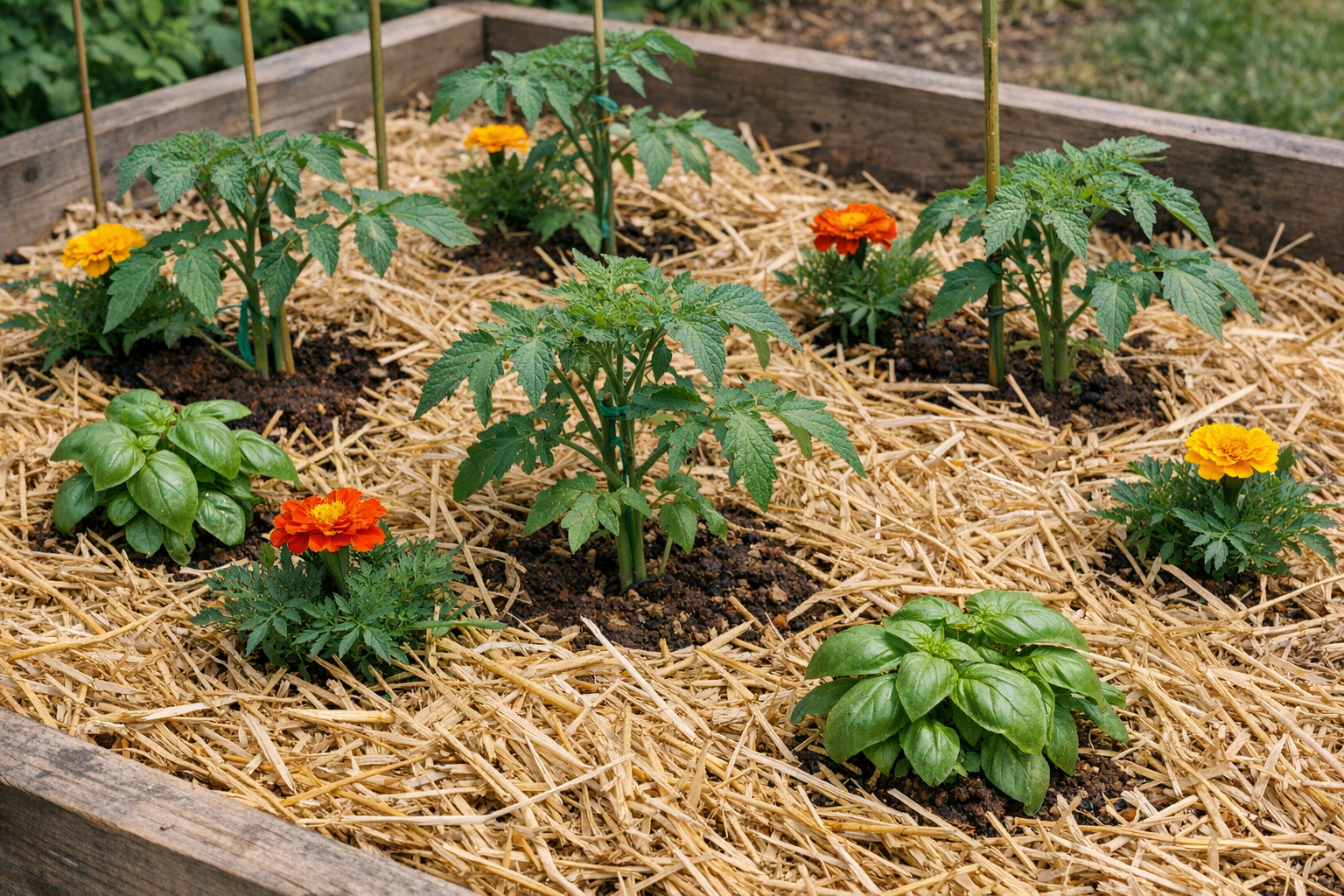
Cold soil kills warm-weather annuals faster than frost does. The number one mistake gardeners make is planting tomatoes, peppers, and basil too early — they sit and sulk in 50F soil while later-planted seedlings catch up and pass them.
Here's how to time it right and what to plant.
Know Your Last Frost Date First
Look up your zone's average last frost date by zip code. For warm-weather annuals, wait until 1 to 2 weeks AFTER that date. The point is consistent nighttime warmth — not just the absence of frost.
A soil thermometer under 15 dollars takes the guesswork out. Plant when the soil at 4-inch depth reads 55F or warmer at sunrise.
Easy Warm-Weather Annuals for Beginners
Vegetables and Herbs
- Cherry tomatoes — more forgiving than full-size tomatoes
- Basil — pinch flower buds to keep producing leaves
- Bush beans — direct-sow, ready in 50 days
- Zucchini — one plant feeds a family
- Bell peppers — slower than tomatoes; start with sweet varieties
- Cucumbers — direct-sow when soil is 65F+
Flowers
- Marigolds — pollinator magnet, repel some pests
- Zinnias — bloom all summer, great cut flowers
- Sunflowers — direct-sow only, no transplant
- Cosmos — self-seed for next year
- Petunias — handle heat better than most
Step 1: Prep the Soil
Mix 2 to 3 inches of organic compost into garden beds. For containers, use fresh potting mix.
Step 2: Harden Off Transplants
Indoor-started seedlings need a 7 to 10 day hardening-off period. See our transplanting tomato seedlings without shock guide for the full routine.
Step 3: Plant on a Cloudy Day or Late Afternoon
Hot sun on freshly transplanted seedlings stresses them. A cloudy day or evening transplant gives them overnight to settle.
Step 4: Water in Deeply
Water each transplant with a gallon of water mixed with a tablespoon of diluted fish emulsion or seaweed extract. The mild nutrient boost helps roots establish without burning.
Step 5: Mulch After Planting
A 2-3 inch layer of straw mulch keeps soil moisture and temperature stable. Don't push mulch against stems — leave a 2-inch gap.
What Happens If You Plant Too Early
Tomatoes in 50F soil:
- Stunted root growth (cold roots can't absorb nutrients)
- Yellow leaves (nitrogen deficiency from poor uptake)
- Bacterial and fungal disease pressure (cold + wet)
- Eventual death from cold injury below 50F
Wait. Patience here pays for the entire season.
Frequently Asked Questions
What if a late frost is forecast after I plant?
Cover plants overnight with floating row cover, upturned buckets, or even old bedsheets. Remove in the morning.
Can I plant warm-weather seeds directly in the garden?
Beans, squash, cucumbers, melons, sunflowers — yes. Tomatoes and peppers — start indoors 6 to 8 weeks before last frost or buy transplants.
How do I know which plants are warm-weather vs cool-weather?
Cool-weather plants (lettuce, peas, broccoli, kale) bolt in summer heat. Warm-weather plants (tomatoes, peppers, basil) die in cold. Seed packets always label "warm season" or "cool season."
Do I need to fertilize at planting?
A handful of compost per hole plus a dilute starter solution is plenty. Heavier fertilizing comes 4 weeks later, when plants are actively growing.
Final Thoughts
Warm-weather annuals reward patience. Wait for warm soil, harden off properly, plant late afternoon, and mulch — you'll get a longer, healthier harvest than if you rushed.
Get weekly home tips that actually work
Join thousands of homeowners getting practical cleaning hacks, DIY fixes, and money-saving tips every week. Free, and you can unsubscribe anytime.

Written by
Sarah RodriguezGardening & Pet Care Contributor
Sarah Rodriguez is a certified Master Gardener and former veterinary technician. She lives on a half-acre lot in central Texas with three rescue dogs, two backyard chickens, and a very ambitious vegetable garden. She covers gardening, sustainable yard care, and everyday pet care for Practical Home Guides.
Recommended Products
Looking for specific product recommendations? Check out our tested picks.
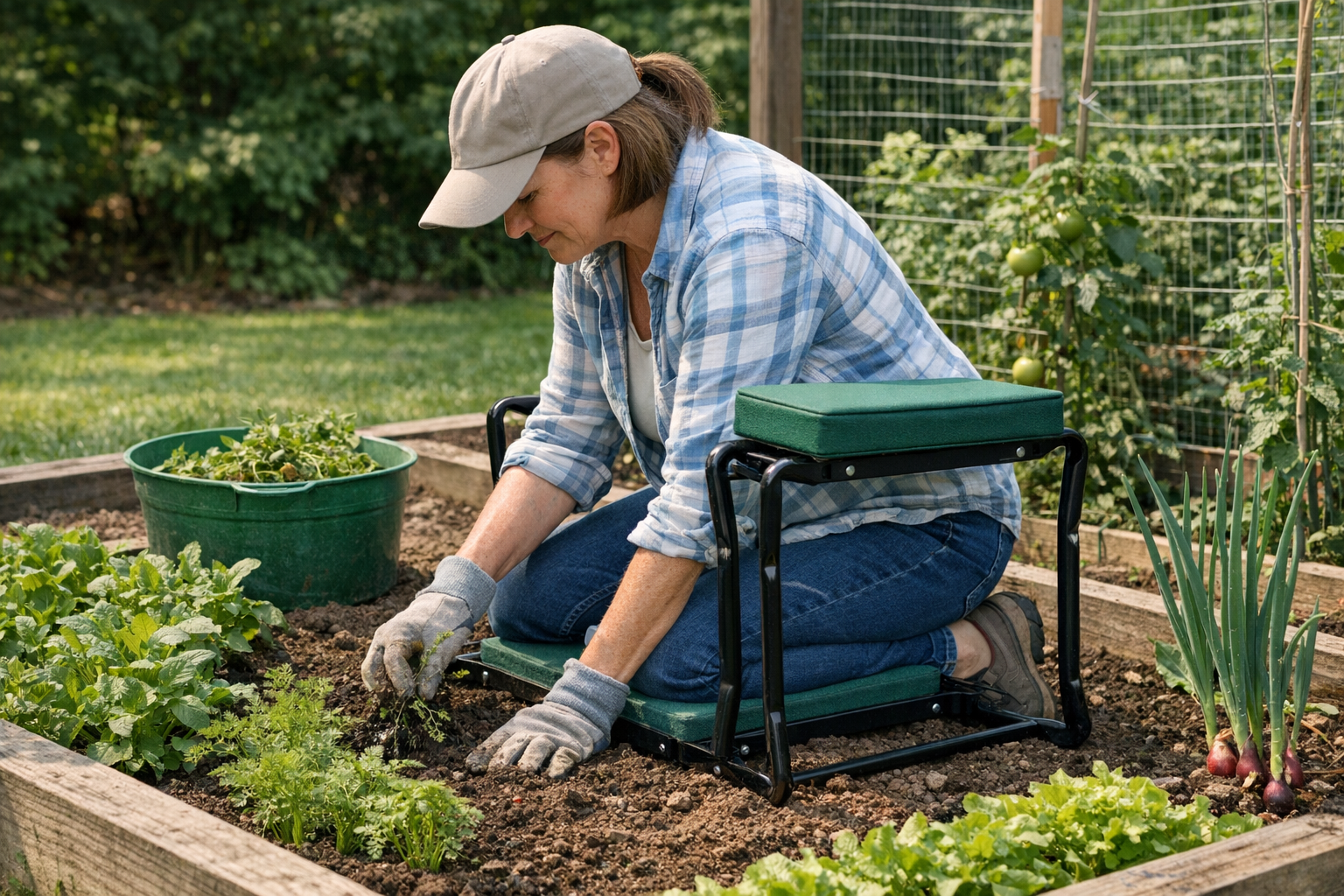
Best Garden Kneelers and Seats (2026 Tested)
Gardening shouldn't wreck your knees and back. We tested kneelers, foldable seats, and rolling carts to find the picks worth the price.
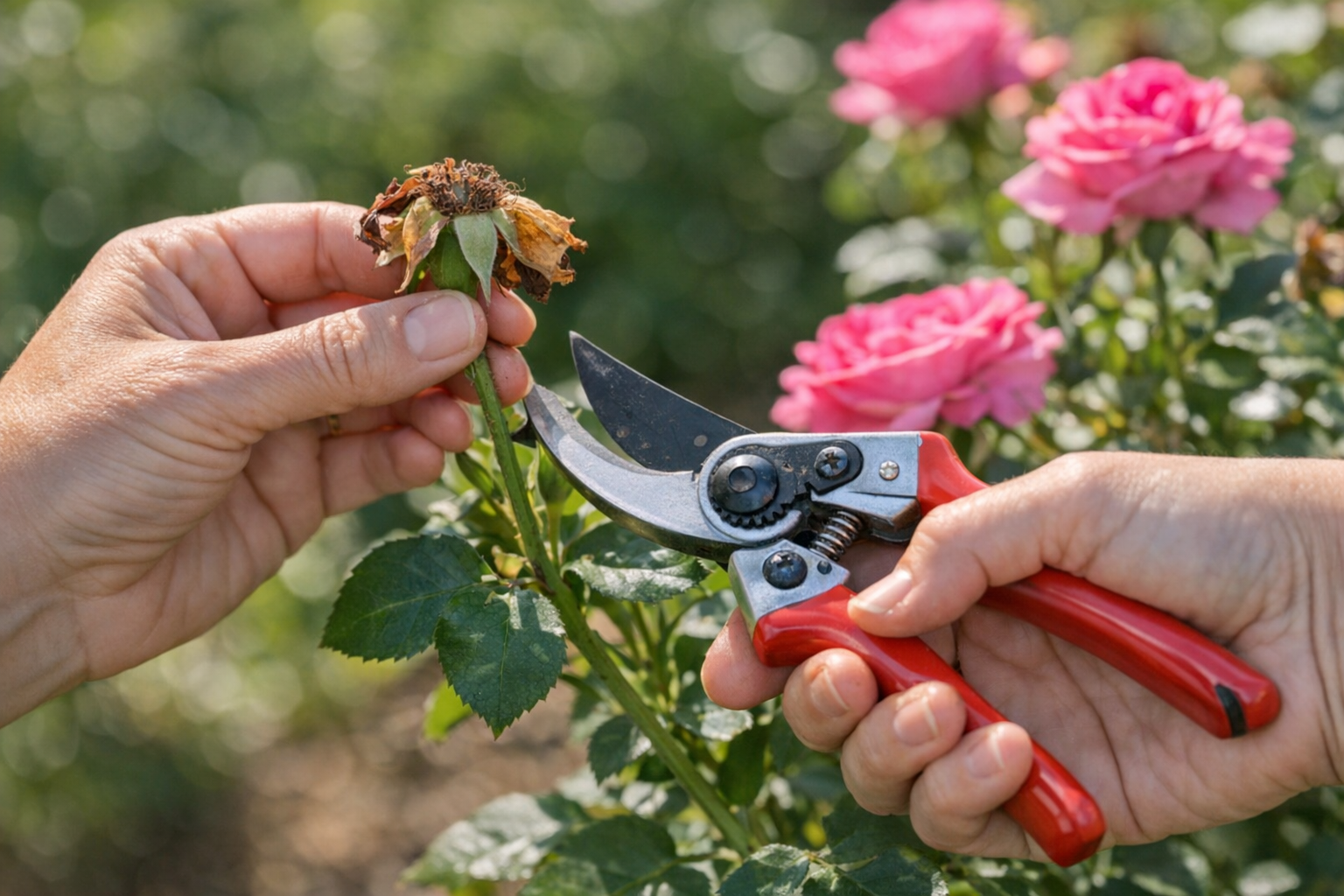
Best Pruning Shears for Gardeners (2026 Guide)
We tested bypass and anvil pruning shears across roses, fruit trees, perennials, and tomato vines. Here are the picks worth your money — and the one to avoid.
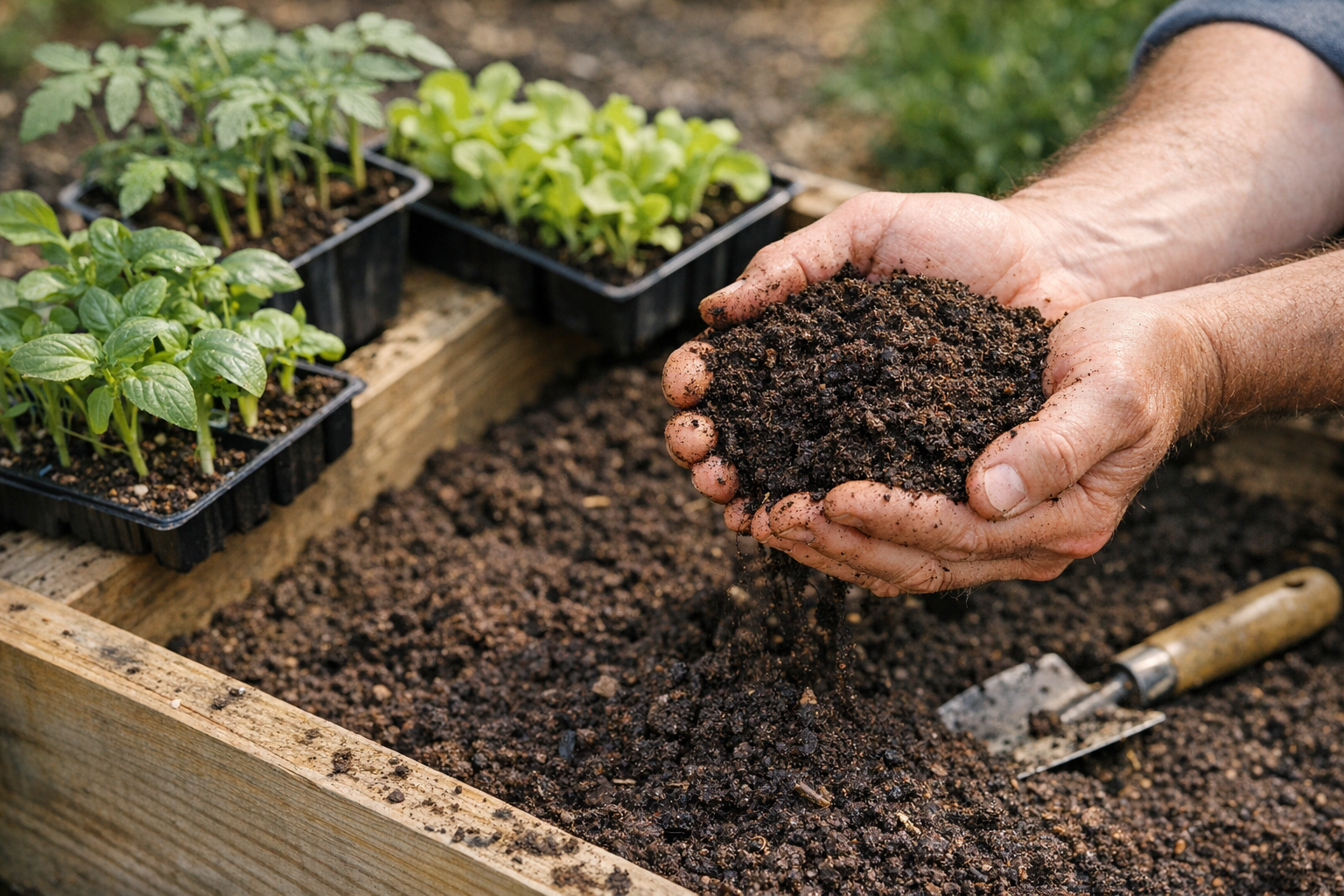
Best Raised Bed Soil Mixes (2026 Buyer's Guide)
Bagged soil for raised beds is a minefield. We tested the top brands for vegetable yield, drainage, and value to find the soil mixes that actually grow food.
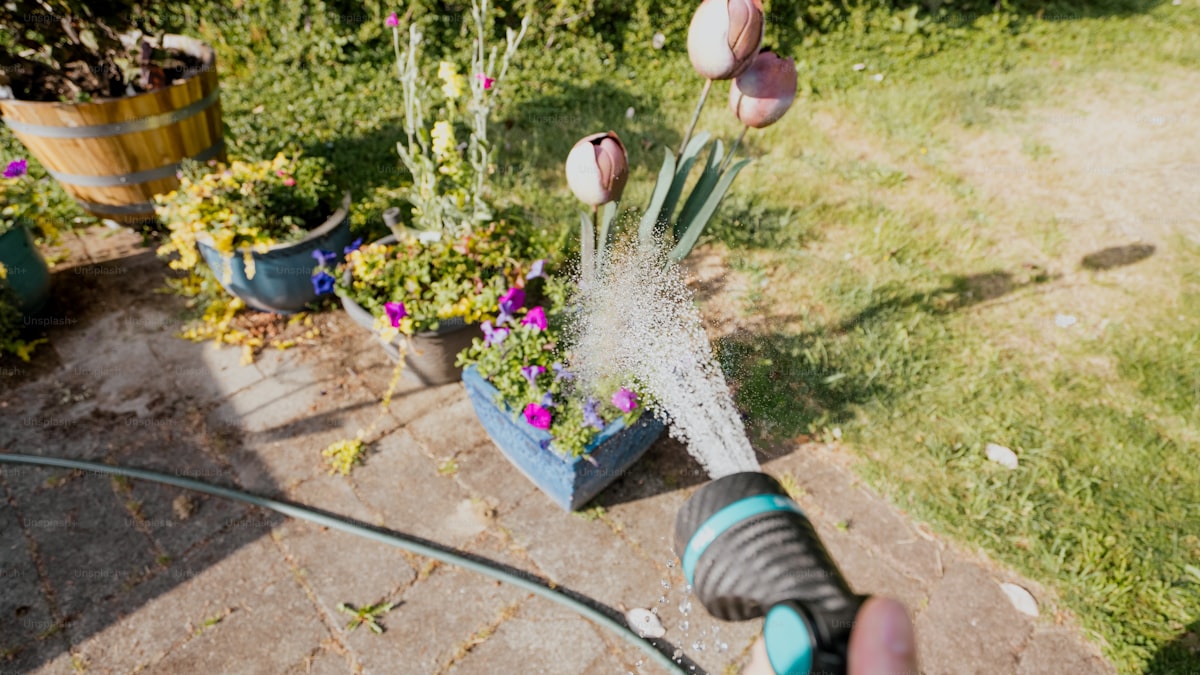
5 Best Garden Hose Nozzles and Sprayers (2026)
Find the perfect garden hose nozzle for watering plants, washing cars, and cleaning patios. We compared the top sprayers — here are the 5 best for every job.
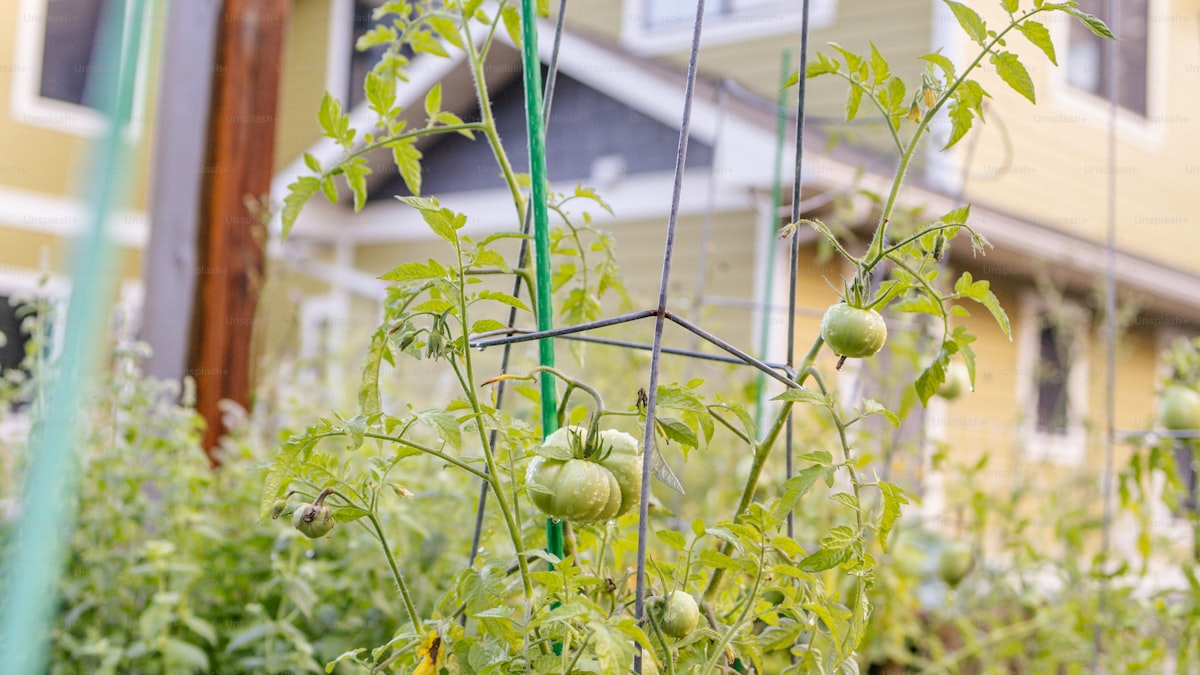
Best Raised Garden Bed Kits You Can Order Online (2026)
The best raised garden bed kits for beginners and experienced gardeners. We compare wood, metal, and composite options with honest reviews and setup tips.
Related Articles
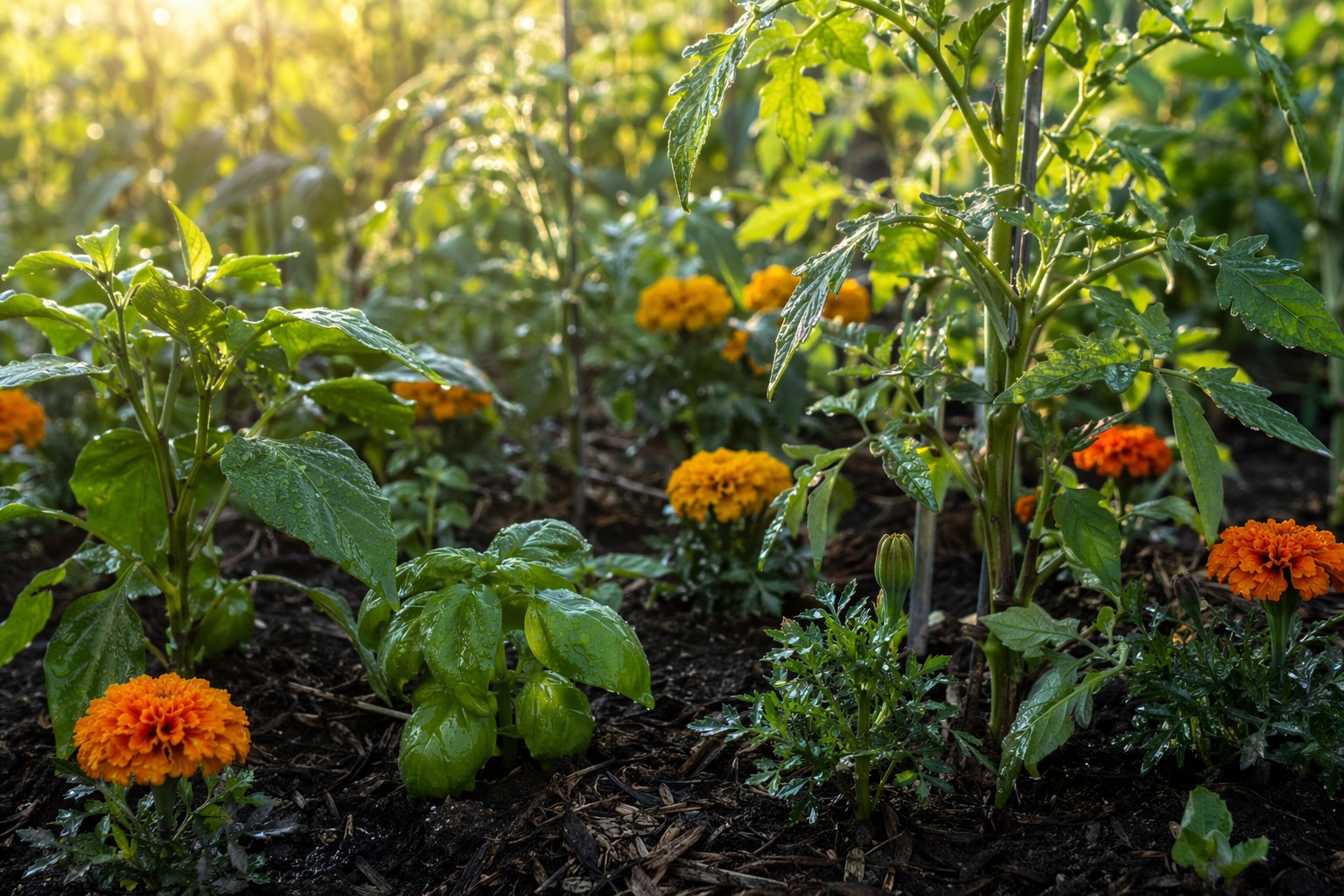
Pest Control Spring Refresh: Natural Solutions for Summer Prevention
Set up your garden's natural defenses now and you'll coast through summer. A master gardener's spring plan using companion planting, neem oil, and trap crops.
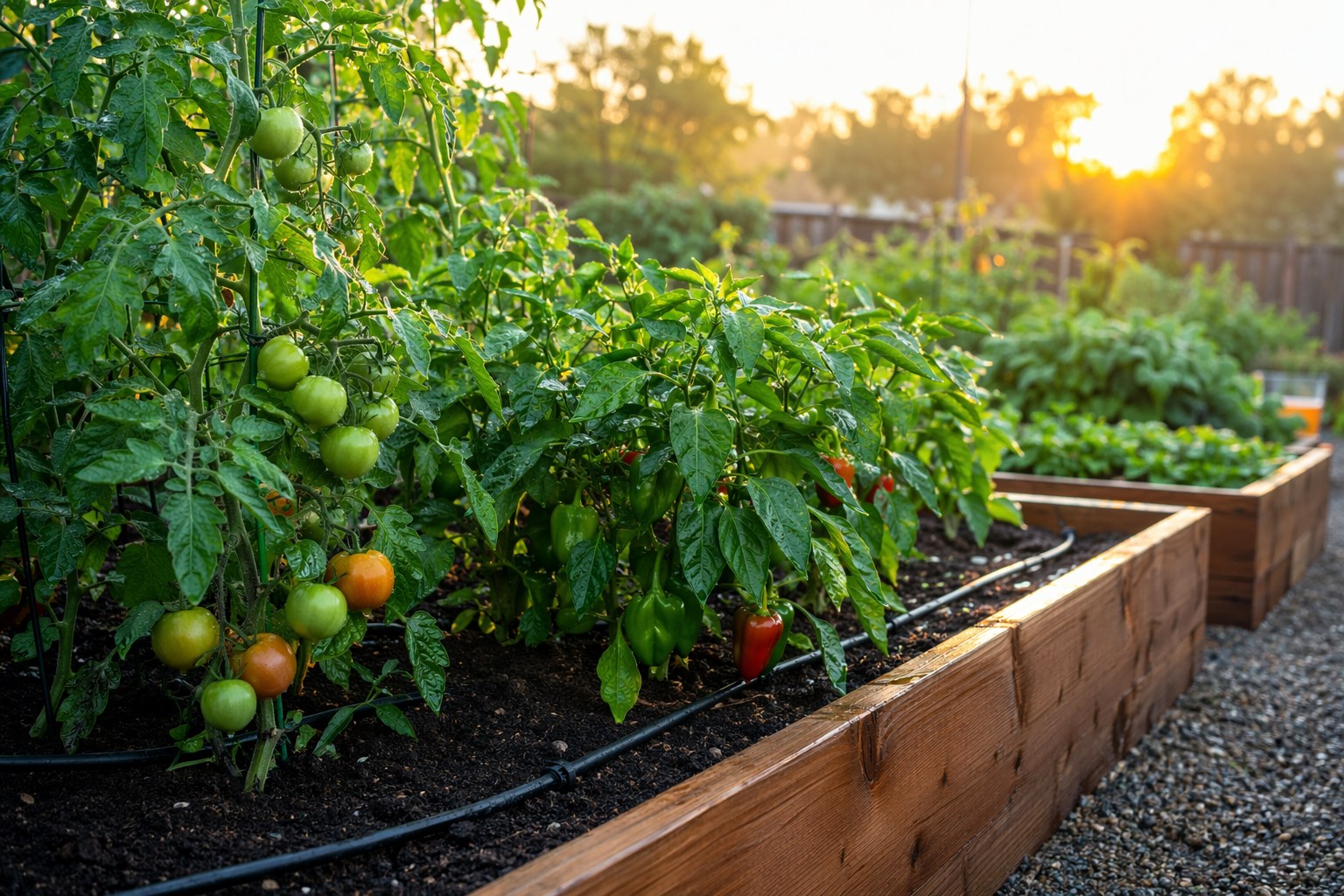
Summer Plants & Watering: Automate Your Garden While on Vacation
A master gardener's guide to automating summer watering with timers, drip lines, and moisture sensors so you can travel in June through August worry-free.
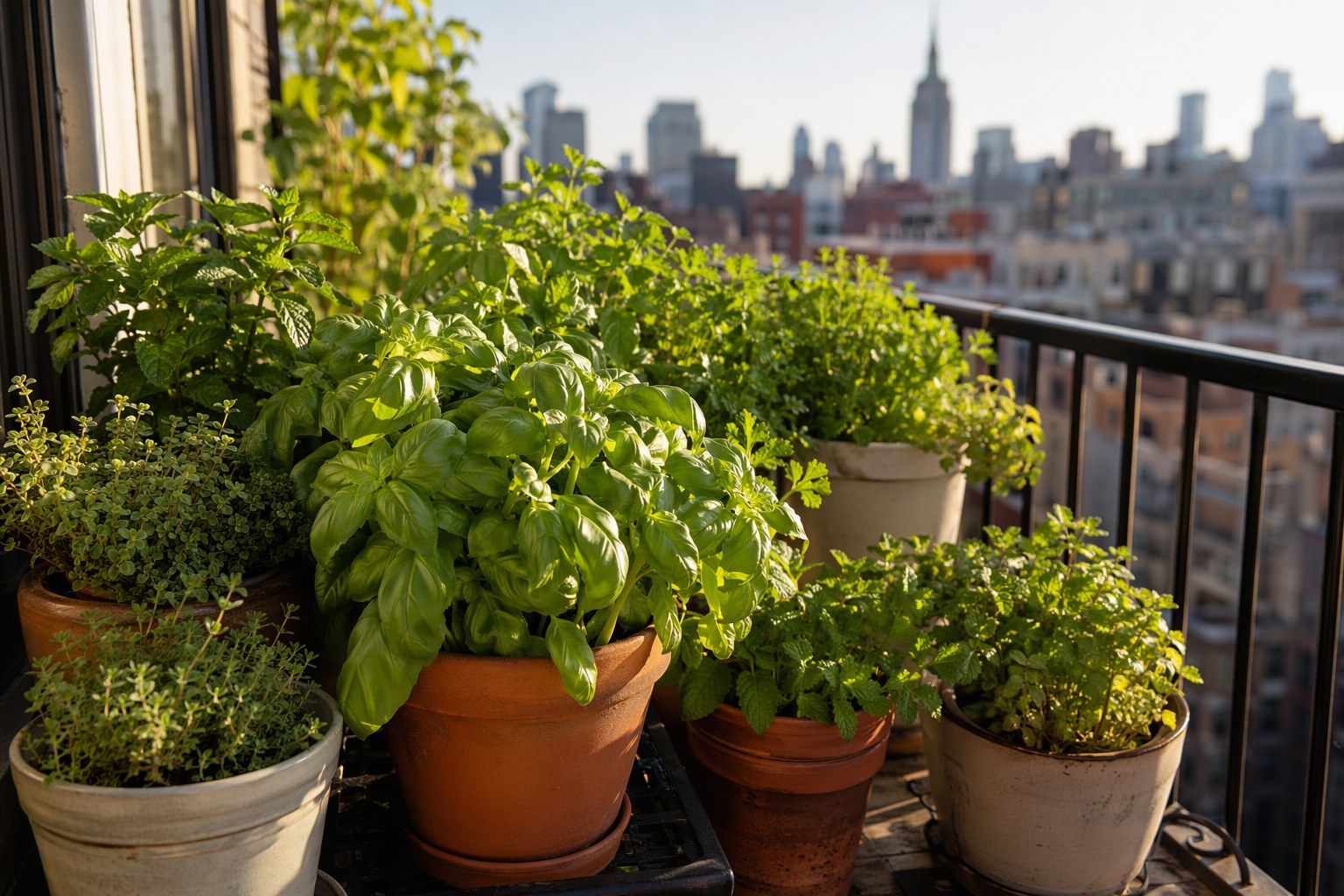
Herb Garden on Your Balcony: Fresh Basil to Cilantro in 4 Weeks
A master gardener's container herb system for apartments: the sunlight hack, watering schedule, and harvesting tricks to grow fresh basil to cilantro in 4 weeks.
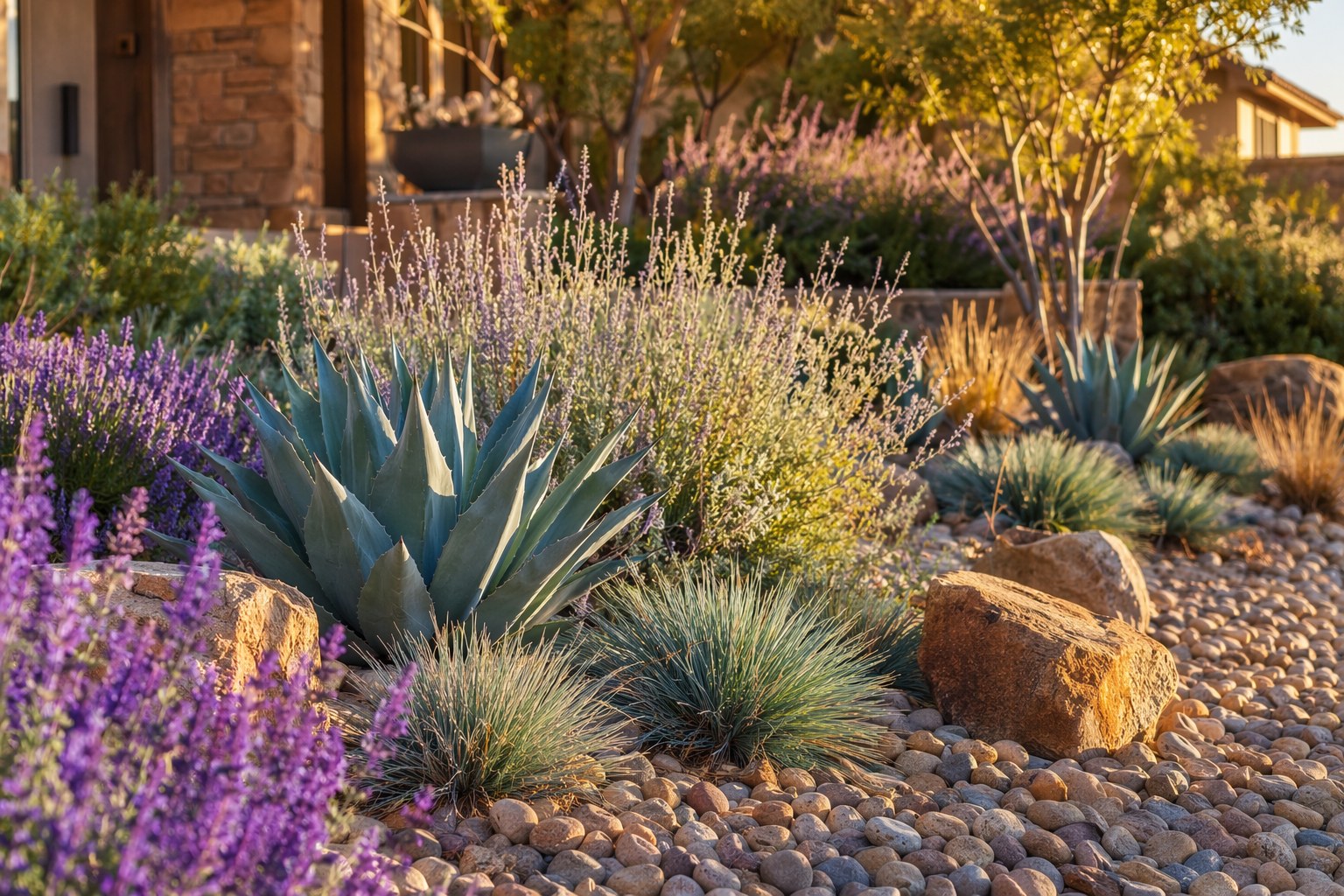
Low-Water Garden Design: 8 Beautiful Plants for Drought-Tolerant Landscaping
A Master Gardener's guide to drought-tolerant landscaping. Cut watering by 50% with these 8 beautiful plants, smart drip irrigation, and proven design tips.