How to Get Rid of Dandelions Naturally (Without Killing the Lawn)
This article may contain affiliate links. If you make a purchase through these links, we may earn a small commission at no extra cost to you. Learn more
Quick Answer
How to Get Rid of Dandelions Naturally (Without Killing the Lawn)
Pull dandelions when soil is wet using a long-handled weeding tool that grips the taproot. Follow with corn gluten meal in early spring to prevent new seeds from germinating. Fill bare spots immediately with grass seed — thick lawn out-competes dandelions naturally. Skip the vinegar sprays; they kill grass too.
Dandelions are deeply unfair. Every flower head produces 200+ seeds that float on the wind for miles. Pull one and three more appear next month. Spray chemicals and you kill the grass too.
Here's the 3-pronged natural approach that actually breaks the cycle.
Why Dandelions Win
Dandelions have:
- A tap root that can reach 18+ inches deep — pulling the top doesn't kill the plant
- Self-pollinating flowers (one plant can produce viable seeds without any other dandelions)
- Seeds that travel up to 5 miles on wind
- Tolerance for cold, drought, poor soil, and most weather extremes
You can't eliminate dandelions completely from a lawn. You can dramatically reduce them.
Strategy 1: Pull at the Right Time
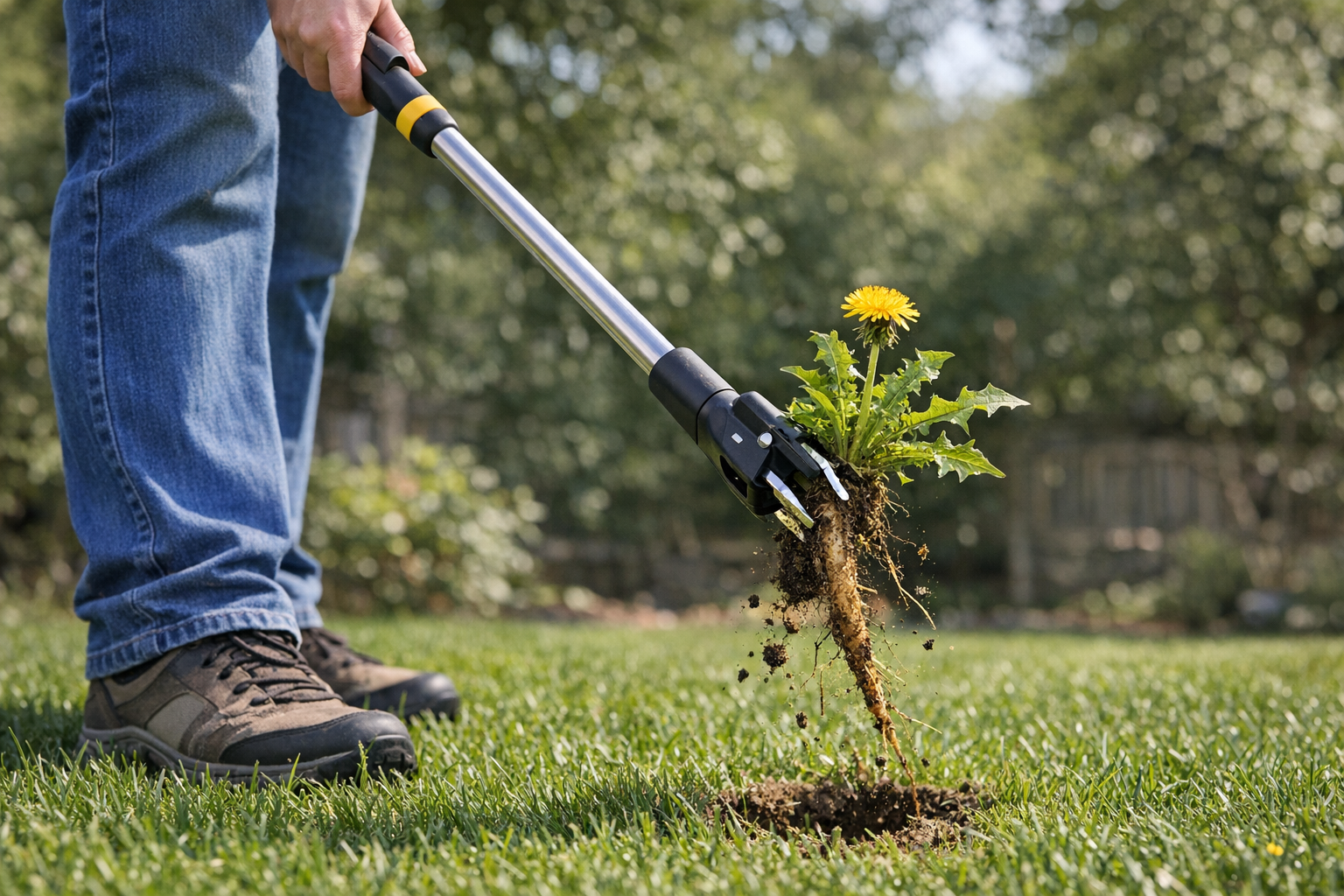
The single best time to pull dandelions is the day after a heavy rain. Wet soil releases the taproot intact.
Use a long-handled dandelion weeder. The tool's claw grabs around the root, and the foot lever pops the entire plant out without bending over. A good one removes 50+ dandelions in 30 minutes.
If you can't pull when wet, pour boiling water on individual dandelions to kill the root. Slow but selective — won't damage surrounding grass much.
Strategy 2: Prevent New Seedlings
Once you've pulled the visible dandelions, prevent next year's batch with corn gluten meal.
Corn gluten meal is a natural pre-emergent — it stops germinating seeds from developing roots. It only works on seeds, not established plants, so timing matters:
- Apply in early spring before dandelions bloom (forsythia blooming = right time)
- Repeat in early fall
It's a slow-build strategy. Year 1: small reduction. Year 3: dramatic reduction.
Strategy 3: Thicken the Lawn
Dandelions colonize bare spots and weak grass. A thick healthy lawn out-competes them naturally.
After pulling, fill bare spots with the right grass seed for your region. See our guide on lawn care basics for beginners. Use a grass seed for shaded or sunny areas matched to your spot.
Mow at the highest setting your mower allows (3 to 4 inches). Tall grass shades out dandelion seedlings before they can establish.
What NOT to Do
- Vinegar sprays. Kill any plant they touch — including grass. The "spray vinegar on dandelions" tip ends with brown patches in the lawn.
- Salt water. Same problem, plus contaminates soil for years.
- Pulling without a tool. You leave most of the taproot, which regenerates within weeks.
- Chemical broadleaf herbicides. Kill bees, contaminate water tables, and dandelions are coming back next spring anyway.
A Word About "Just Live With Them"
Some gardeners advocate for accepting dandelions as pollinator support. Honeybees and native bees do feed on dandelion flowers in early spring when other forage is scarce.
If you're OK with a more "wild" lawn aesthetic, you can leave dandelions and focus on maintaining the rest of the ecosystem. There's no health-of-lawn reason to eliminate dandelions completely — only aesthetic.
Frequently Asked Questions
How long until I see results from corn gluten meal?
First application: 30 to 50 percent reduction in new dandelions. By year 3, with consistent applications, 90 percent reduction. It's a slow build vs herbicides but doesn't damage anything else.
Can I eat dandelions?
Yes — young dandelion greens are edible and quite nutritious. Just confirm the lawn hasn't been chemically treated. The flowers also work for dandelion wine and jelly.
What about the dandelion-like weed (cat's ear, hawkweed)?
Same approach — these tap-rooted weeds all respond to the long-handled weeder + thick lawn strategy. They look like dandelions but have multiple flowers per stem.
Should I bag clippings if I have lots of dandelions?
Yes during peak bloom. Mowing scatters seeds. Bag the clippings until dandelions are mostly gone, then return to mulching mode.
Final Thoughts
Dandelions never go away completely, but a thick lawn plus consistent pulling plus pre-emergent in spring beats them down to manageable. Year 3 is dramatically better than year 1 — stick with the routine.
Get weekly home tips that actually work
Join thousands of homeowners getting practical cleaning hacks, DIY fixes, and money-saving tips every week. Free, and you can unsubscribe anytime.

Written by
Sarah RodriguezGardening & Pet Care Contributor
Sarah Rodriguez is a certified Master Gardener and former veterinary technician. She lives on a half-acre lot in central Texas with three rescue dogs, two backyard chickens, and a very ambitious vegetable garden. She covers gardening, sustainable yard care, and everyday pet care for Practical Home Guides.
Recommended Products
Looking for specific product recommendations? Check out our tested picks.
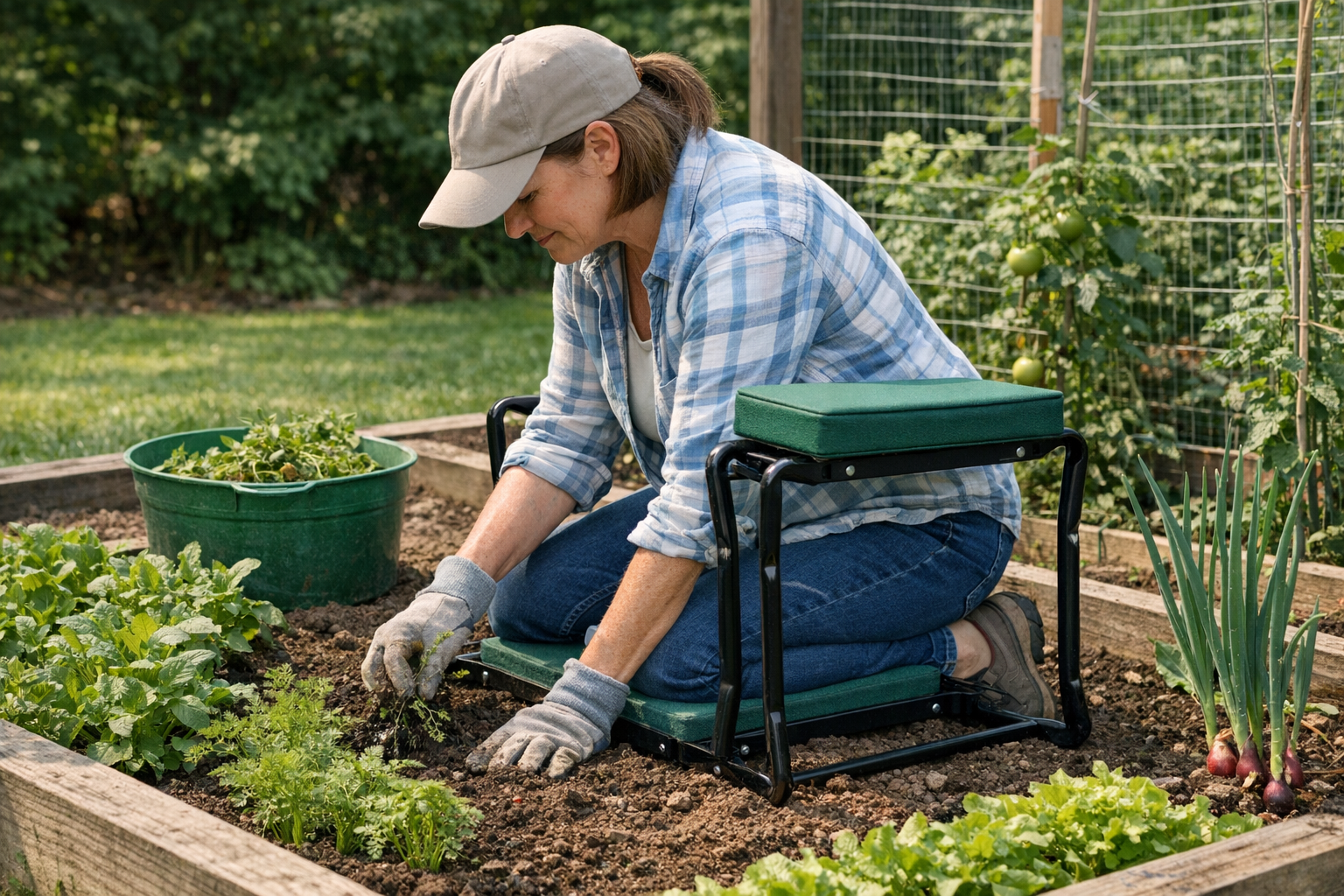
Best Garden Kneelers and Seats (2026 Tested)
Gardening shouldn't wreck your knees and back. We tested kneelers, foldable seats, and rolling carts to find the picks worth the price.
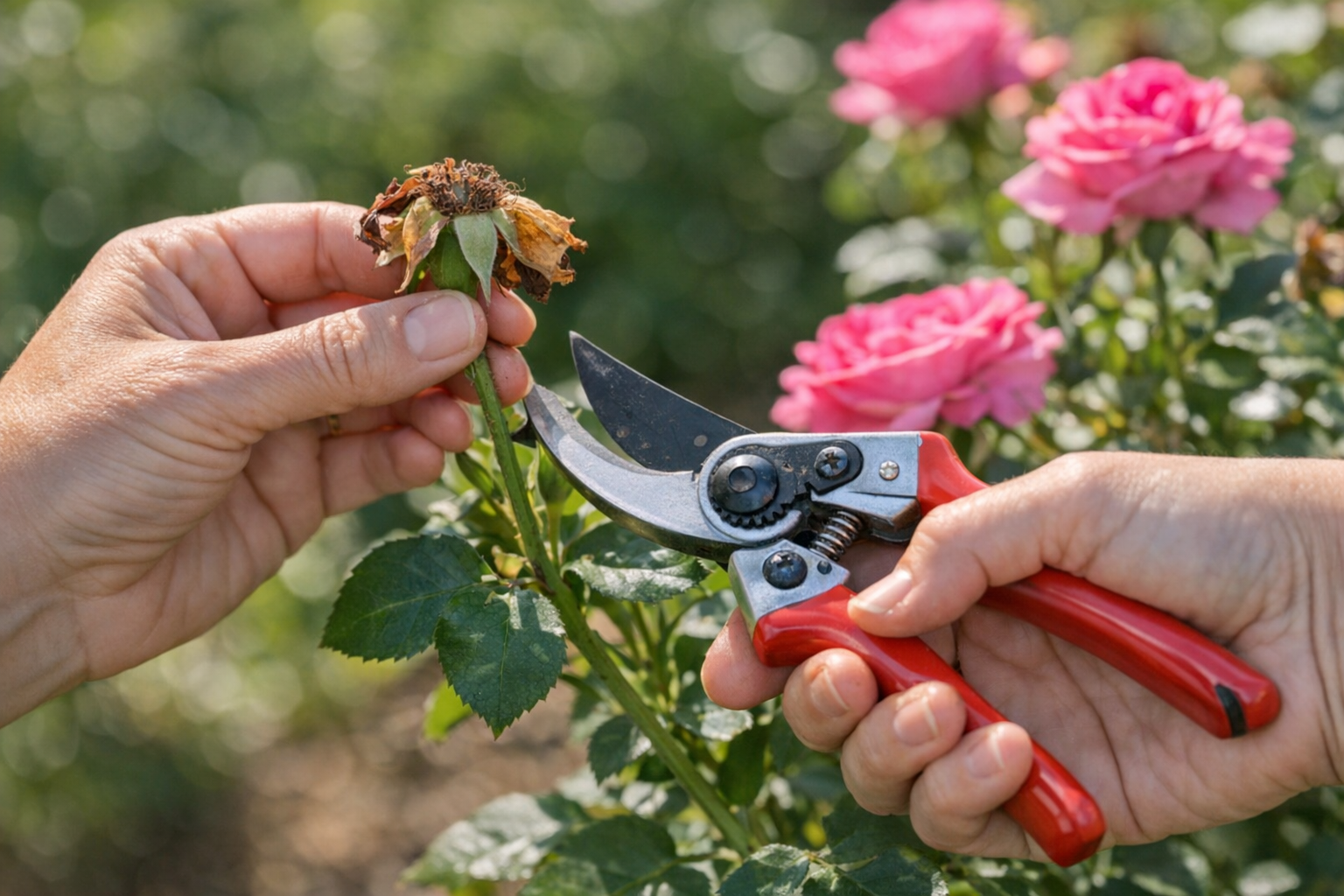
Best Pruning Shears for Gardeners (2026 Guide)
We tested bypass and anvil pruning shears across roses, fruit trees, perennials, and tomato vines. Here are the picks worth your money — and the one to avoid.
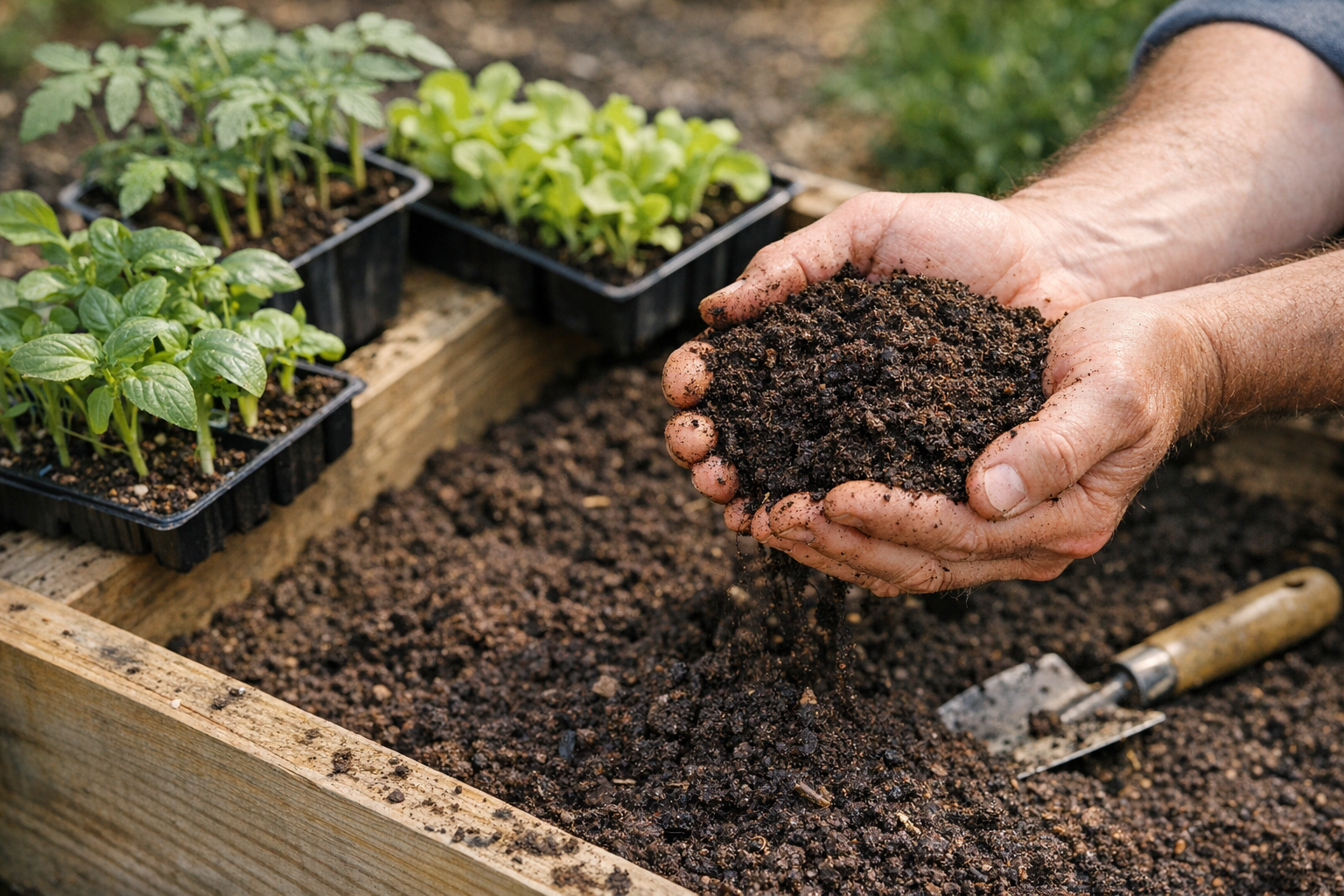
Best Raised Bed Soil Mixes (2026 Buyer's Guide)
Bagged soil for raised beds is a minefield. We tested the top brands for vegetable yield, drainage, and value to find the soil mixes that actually grow food.
5 Best Garden Hose Nozzles and Sprayers (2026)
Find the perfect garden hose nozzle for watering plants, washing cars, and cleaning patios. We compared the top sprayers — here are the 5 best for every job.
Best Raised Garden Bed Kits You Can Order Online (2026)
The best raised garden bed kits for beginners and experienced gardeners. We compare wood, metal, and composite options with honest reviews and setup tips.
Related Articles
Pest Control Spring Refresh: Natural Solutions for Summer Prevention
Set up your garden's natural defenses now and you'll coast through summer. A master gardener's spring plan using companion planting, neem oil, and trap crops.
Summer Plants & Watering: Automate Your Garden While on Vacation
A master gardener's guide to automating summer watering with timers, drip lines, and moisture sensors so you can travel in June through August worry-free.
Herb Garden on Your Balcony: Fresh Basil to Cilantro in 4 Weeks
A master gardener's container herb system for apartments: the sunlight hack, watering schedule, and harvesting tricks to grow fresh basil to cilantro in 4 weeks.
Low-Water Garden Design: 8 Beautiful Plants for Drought-Tolerant Landscaping
A Master Gardener's guide to drought-tolerant landscaping. Cut watering by 50% with these 8 beautiful plants, smart drip irrigation, and proven design tips.