How to Grow Strawberries in Pots (Even on a Balcony)
This article may contain affiliate links. If you make a purchase through these links, we may earn a small commission at no extra cost to you. Learn more
Quick Answer
How to Grow Strawberries in Pots (Even on a Balcony)
Strawberries thrive in pots as small as 8 to 12 inches wide with at least 6 hours of direct sun. Use a well-draining potting mix, water when the top inch of soil is dry (usually every 2 to 3 days), and feed with a balanced fertilizer every 2 weeks once flowers appear. Everbearing varieties like Albion and Seascape are the best choice for containers because they produce fruit from late spring through fall.
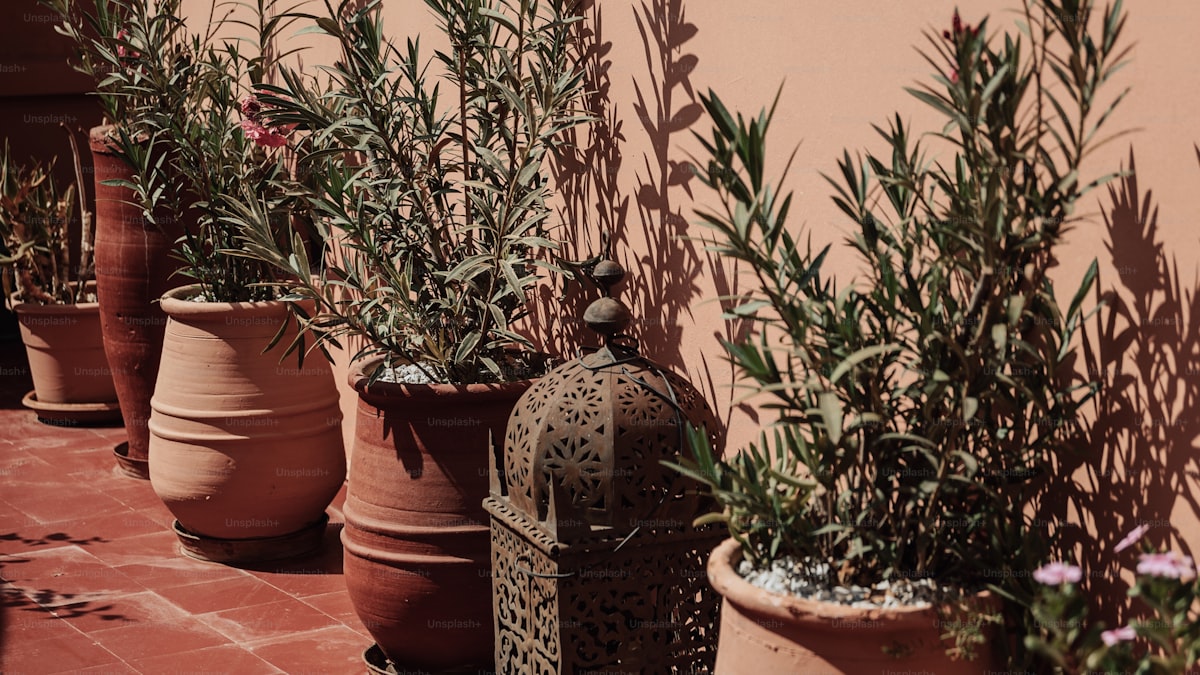
Fresh strawberries from the grocery store rarely compare to the ones you pick warm off the plant. The flavor difference is dramatic, and the best part is you do not need a yard to experience it. A sunny balcony, a patio corner, or even a few square feet of deck space is all you need to grow a generous supply of sweet, juicy strawberries in containers.
We have grown strawberries in everything from traditional terracotta pots to stacked planters and hanging baskets. They are one of the easiest fruits to grow in containers, and they are remarkably forgiving for beginners. If you have already had success growing tomatoes in pots or starting a herb garden on your kitchen windowsill, strawberries are a natural and rewarding next step.
What Are the Best Strawberry Varieties for Containers?
Choosing the right variety is the most important decision you will make. Strawberry plants fall into three main categories, and each behaves differently in a container.
June-Bearing Varieties
June-bearing strawberries produce one large, concentrated harvest over two to three weeks in late spring or early summer. Varieties like Earliglow, Jewel, and Chandler deliver big, intensely flavored berries, but once that flush is over, the plant is done fruiting for the year. They also tend to send out many runners, which can be harder to manage in pots.
June-bearing varieties make sense if you want a large batch at once for jam-making or freezing. But for most container gardeners, there is a better option.
Everbearing and Day-Neutral Varieties
Everbearing and day-neutral strawberries produce fruit in multiple waves from late spring through the first fall frost. You will not get one massive harvest, but you will pick handfuls of ripe berries every few days for months. That steady supply is ideal for snacking, salads, and keeping kids excited about gardening.
Albion is our top recommendation for containers. It produces large, firm, exceptionally sweet berries and handles heat better than most varieties. Seascape is another strong performer with excellent flavor and disease resistance. Tristar works well in cooler climates and produces reliably even in partially shaded spots.
For hanging baskets and small spaces, Alpine strawberries (Fragaria vesca) like Mignonette or Alexandria produce tiny, intensely flavored berries all season long. The fruit is small, but the flavor is extraordinary — closer to wild strawberries than anything you will find in a store.
What Size Pot Do Strawberries Need?
Strawberries have relatively shallow root systems that spread outward rather than diving deep. This makes them well-suited to a wide range of containers, but size still matters.
Each strawberry plant needs a pot at least 8 inches wide and 6 inches deep. For a single plant, a standard 10- to 12-inch pot works perfectly. If you want multiple plants in one container, choose a pot at least 18 inches wide and space plants 8 to 10 inches apart.
Best Container Types
Strawberry planters with pockets are specifically designed for this crop. The stacked pockets let you grow 10 to 15 plants in just a couple square feet of floor space, which is perfect for balconies.
Self-watering planters are excellent for strawberries, especially on hot balconies where pots dry out quickly. The built-in reservoir keeps moisture consistent without waterlogging the roots.
Hanging baskets work beautifully for trailing varieties. Strawberry plants drape naturally over the edges, and the elevated position keeps fruit clean and away from slugs.
Window boxes along a sunny railing can hold three to four plants comfortably and bring the berries right to eye level for easy picking.
Whatever container you choose, drainage holes are essential. Strawberries are susceptible to root rot, and sitting in waterlogged soil will kill a plant faster than almost any other problem.
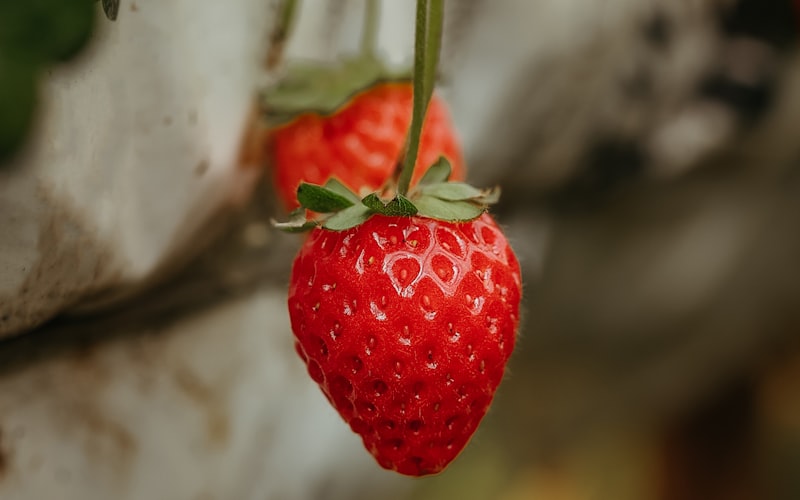
What Soil Mix Do Strawberries Need?
Strawberries prefer a slightly acidic, well-draining soil with a pH between 5.5 and 6.8. Never use garden soil in containers — it compacts, drains poorly, and often carries diseases.
Start with a high-quality potting mix designed for berries or containers. A good mix will contain peat moss or coconut coir for moisture retention, perlite for drainage, and composted material for nutrients.
To give strawberries an extra edge, mix in about 10 to 15 percent perlite if the bag mix feels heavy, and add a handful of compost for beneficial microbes. If you are composting at home, your finished compost is perfect for this. Avoid heavy amendments like manure, which can burn strawberry roots and invite fungal problems.
How Deep Should You Plant Strawberries?
Planting depth is critical and one of the most common mistakes beginners make. The crown of the strawberry plant — the thick, stubby section where the leaves emerge from the roots — must sit exactly at the soil surface. Bury the crown too deep and it will rot. Plant it too high and the roots will dry out and the plant will topple over.
Set the plant in the pot so the roots fan out below the soil line and the crown sits just above it. Firm the soil gently around the roots, then water thoroughly to settle everything into place.
How Much Sun Do Strawberries Need?
Strawberries need a minimum of 6 hours of direct sunlight per day to produce fruit. Eight hours or more is ideal and will give you noticeably larger, sweeter berries and heavier yields.
On a balcony, south-facing or west-facing positions typically get the most light. If your only option gets around 4 to 5 hours of direct sun, Alpine strawberry varieties are your best bet — they tolerate partial shade better than standard varieties, though production will be lower.
One advantage of containers is mobility. If your sunniest spot shifts with the season, you can move your pots to follow the light. Even rotating pots a quarter turn every few days helps all sides of the plant develop evenly.
How Often Should You Water Strawberries in Pots?
Container strawberries need consistent moisture but never soggy soil. The goal is to keep the potting mix evenly moist — like a wrung-out sponge — throughout the growing season.
Check the soil daily by pushing your finger about one inch deep. If it feels dry at that depth, water thoroughly until liquid drains from the bottom of the pot. During hot summer weather, this typically means watering every 1 to 2 days. In cooler spring and fall weather, every 2 to 3 days is usually sufficient.
Morning watering is best because it gives foliage time to dry before evening, reducing the risk of fungal diseases. Always water at the soil level rather than overhead to keep the leaves and fruit dry.
Mulching the soil surface with a thin layer of straw or shredded bark helps retain moisture and keeps berries clean. This is especially important during fruiting, when berries resting on damp soil are prone to rot. If you are going away for a few days, our guide on keeping plants alive while on vacation has practical strategies for container plants.
How Should You Fertilize Container Strawberries?
Strawberries in pots need regular feeding because the limited soil volume depletes nutrients quickly. Start with a balanced, slow-release fertilizer mixed into the potting soil at planting time.
Once flowers appear, switch to a fertilizer formulated for berries and fruit that is higher in phosphorus and potassium. Apply a diluted liquid fertilizer every two weeks throughout the growing season. Organic options like fish emulsion or seaweed extract work well and are difficult to over-apply.
Avoid high-nitrogen fertilizers during fruiting. Too much nitrogen pushes lush leaf growth at the expense of flower and fruit production. You want compact, bushy plants loaded with berries, not leggy green foliage.
Stop fertilizing in late fall to allow plants to harden off before winter dormancy.
How Do You Manage Runners on Container Strawberries?
Strawberry plants naturally send out long stems called runners, each ending in a baby plant. In a garden bed, this is how strawberries spread and colonize new ground. In a container, runners steal energy from fruit production.
For the best berry harvest, clip runners as soon as they appear. Use clean scissors and cut them close to the mother plant. This redirects the plant's energy toward producing more flowers and larger fruit.
If you want to propagate new plants, allow one or two runners to root into small pots of moist soil placed nearby. Once the baby plant has established its own roots (usually in three to four weeks), snip the runner connecting it to the mother plant and you have a free new strawberry plant.
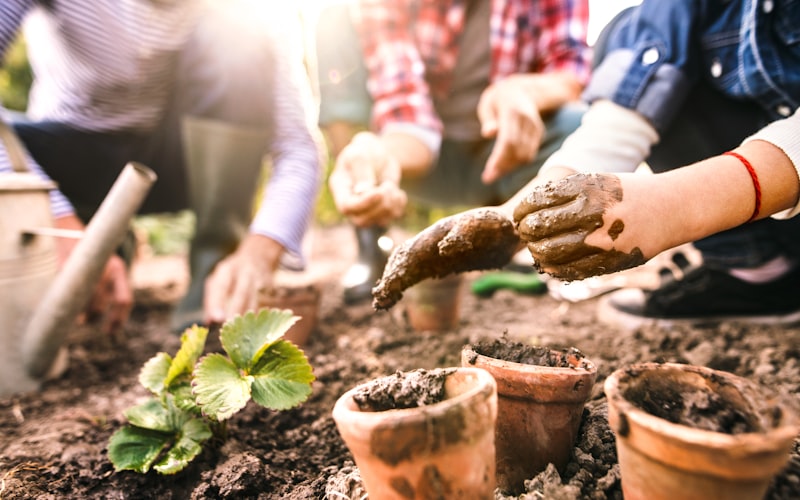
How Do You Protect Strawberries from Pests and Birds?
The biggest threat to container strawberries is usually not insects — it is birds. Just as your berries turn red and ripe, birds will find them. Garden netting draped over a simple frame is the most reliable solution. Make sure the mesh is fine enough (half-inch or smaller) to keep out sparrows and is secured at the base so birds cannot sneak underneath.
Slugs and snails can reach even elevated containers by climbing the walls. A ring of copper tape around the pot rim creates a barrier they will not cross. Elevating pots on stands or hanging them also helps.
Aphids occasionally appear on strawberry plants. A strong spray of water knocks them off, and encouraging beneficial insects like ladybugs keeps populations in check. If you are growing other plants to attract pollinators to your garden, those same flowers will draw in aphid predators too.
Spider mites can be a problem in hot, dry conditions. Regular misting of the foliage (in the morning so it dries by evening) and keeping humidity up around the plants discourages them.
How Do You Overwinter Strawberries in Pots?
Strawberries are perennial plants that can produce for three to four years with proper care. But their roots are more exposed to cold in containers than they would be in the ground, so winter protection is important in zones 6 and colder.
Once the plant goes dormant after the first hard frost, move containers to an unheated garage, shed, or sheltered spot against a building wall. The goal is to keep the roots cold but not frozen solid. Temperatures between 25 and 40 degrees Fahrenheit are ideal for dormancy.
If you cannot move the pots indoors, group them together against a south-facing wall and insulate with straw, burlap, or bubble wrap. Water lightly once a month during winter — dormant roots still need a tiny amount of moisture to survive.
In spring, move the pots back to their sunny spot once nighttime temperatures consistently stay above 30 degrees Fahrenheit. Remove any dead or brown leaves and resume regular watering and feeding as new green growth emerges.
When and How Should You Harvest Container Strawberries?
Everbearing varieties typically produce their first ripe berries 8 to 12 weeks after planting. June-bearing types fruit the following year if planted in fall, or may produce a small crop the first summer if planted in early spring.
Pick strawberries when they are fully red with no white or green shoulders. Gently grasp the stem just above the berry and pinch or snip it free — pulling on the fruit itself can damage the plant.
Harvest every two to three days during peak production. Leaving overripe berries on the plant attracts pests and can lead to mold that spreads to nearby fruit.
For the best flavor, eat strawberries within a day or two of picking. If you have more than you can eat, they freeze beautifully — spread them on a baking sheet in a single layer, freeze until solid, then transfer to freezer bags.
Growing Strawberries Year After Year
Container strawberries improve with age. Second-year plants typically produce more fruit than first-year ones, and by the third year you will have a well-established, heavy-bearing plant.
Refresh the top layer of potting mix each spring by scraping away the top two inches and replacing it with fresh mix and a dose of slow-release fertilizer. Every two years, unpot the plant entirely, divide it if it has become crowded, and repot in completely fresh soil.
Replace plants every three to four years. Strawberry production declines after the third year, so propagating runners in year two gives you fresh replacement plants at no cost.
If container strawberries spark a bigger interest in growing your own food, consider expanding to a full vegetable garden in your backyard. The watering, feeding, and pest management skills you have built with strawberry pots translate directly to larger-scale growing.
Frequently Asked Questions
How many strawberries can one plant produce?
A healthy everbearing strawberry plant in a container typically produces one to two pints of berries per season, which works out to roughly 150 to 300 grams of fruit. June-bearing varieties may produce slightly more in their single concentrated harvest. Yield depends heavily on variety, sunlight, consistent watering, and feeding. A well-maintained pot with three to four plants can easily supply enough fresh berries for regular snacking throughout the growing season. Production increases in the second and third year as plants mature and establish stronger root systems.
Can you grow strawberries indoors year-round?
You can grow strawberries indoors, but they need intense light — at least 12 to 16 hours per day from a full-spectrum grow light, since most windows do not provide enough direct sun. Indoor strawberries also require hand pollination because there are no bees or wind to transfer pollen. Use a small paintbrush or cotton swab to gently dab each open flower. Alpine varieties are the easiest to grow indoors because they are more shade-tolerant and self-fertile. Expect smaller yields than outdoor plants, but it is absolutely possible to harvest fresh berries from a sunny windowsill or under lights.
Do strawberries come back every year in pots?
Yes, strawberries are perennials and will return for three to four productive years with proper overwintering care. The key is protecting the roots from deep freezes since containers offer less insulation than ground soil. Move pots to an unheated garage or sheltered location when temperatures drop below 20 degrees Fahrenheit, and water lightly once a month during dormancy. In spring, the plants will push out fresh growth and begin flowering again. After the third or fourth year, production declines and you should replace aging plants with new ones propagated from runners.
What causes strawberries to be small and tasteless?
Small, bland berries usually result from one or more of these factors: insufficient sunlight (less than 6 hours daily), overcrowded plants competing for nutrients, overwatering that dilutes flavor compounds, or too much nitrogen fertilizer that pushes leaf growth over fruit development. Make sure each plant has adequate space, provide full sun, allow the soil to dry slightly between waterings during ripening, and use a phosphorus-rich fertilizer once flowers appear. Varieties also matter — some grocery store varieties are bred for shipping durability, not flavor. Choose varieties like Albion, Seascape, or Alpines that are known for exceptional taste.
Can you grow strawberries in the same pot as other plants?
Strawberries can share a large container with certain companion plants, but choose carefully. Herbs like thyme, basil, and chives make good companions — they repel pests and do not compete aggressively for nutrients or space. Borage is a classic strawberry companion that attracts pollinators and may improve berry flavor. Avoid planting strawberries with heavy feeders like tomatoes or peppers, which will outcompete the berries for nutrients in the limited soil volume. Also avoid members of the cabbage family, which can stunt strawberry growth. If you are new to companion planting, it is safest to dedicate each container to strawberries alone until you are comfortable with their needs.
Start Picking Berries This Season
Growing strawberries in pots is one of the most satisfying container gardening projects you can take on. The plants are compact, attractive, and remarkably productive for their size. Even a single pot on a sunny balcony railing can give you handfuls of berries that taste nothing like what you find at the supermarket.
Start with three to four everbearing plants in a good-sized pot, give them plenty of sun and consistent water, and you will be picking your first ripe berries in just a couple of months. Once you taste that first warm, sun-ripened strawberry you grew yourself, you will understand why so many gardeners never go back to store-bought.
Get weekly home tips that actually work
Join thousands of homeowners getting practical cleaning hacks, DIY fixes, and money-saving tips every week. Free, and you can unsubscribe anytime.

Written by
Beth SullivanFounder & Editor-in-Chief
Beth Sullivan is the founder of Practical Home Guides. With over a decade of hands-on experience tackling every home challenge imaginable, she started this site to share the practical, no-nonsense solutions she wishes she had found years ago. When she's not testing cleaning hacks or organizing pantries, you'll find her in the garden or working on her next DIY project.
Recommended Products
Looking for specific product recommendations? Check out our tested picks.
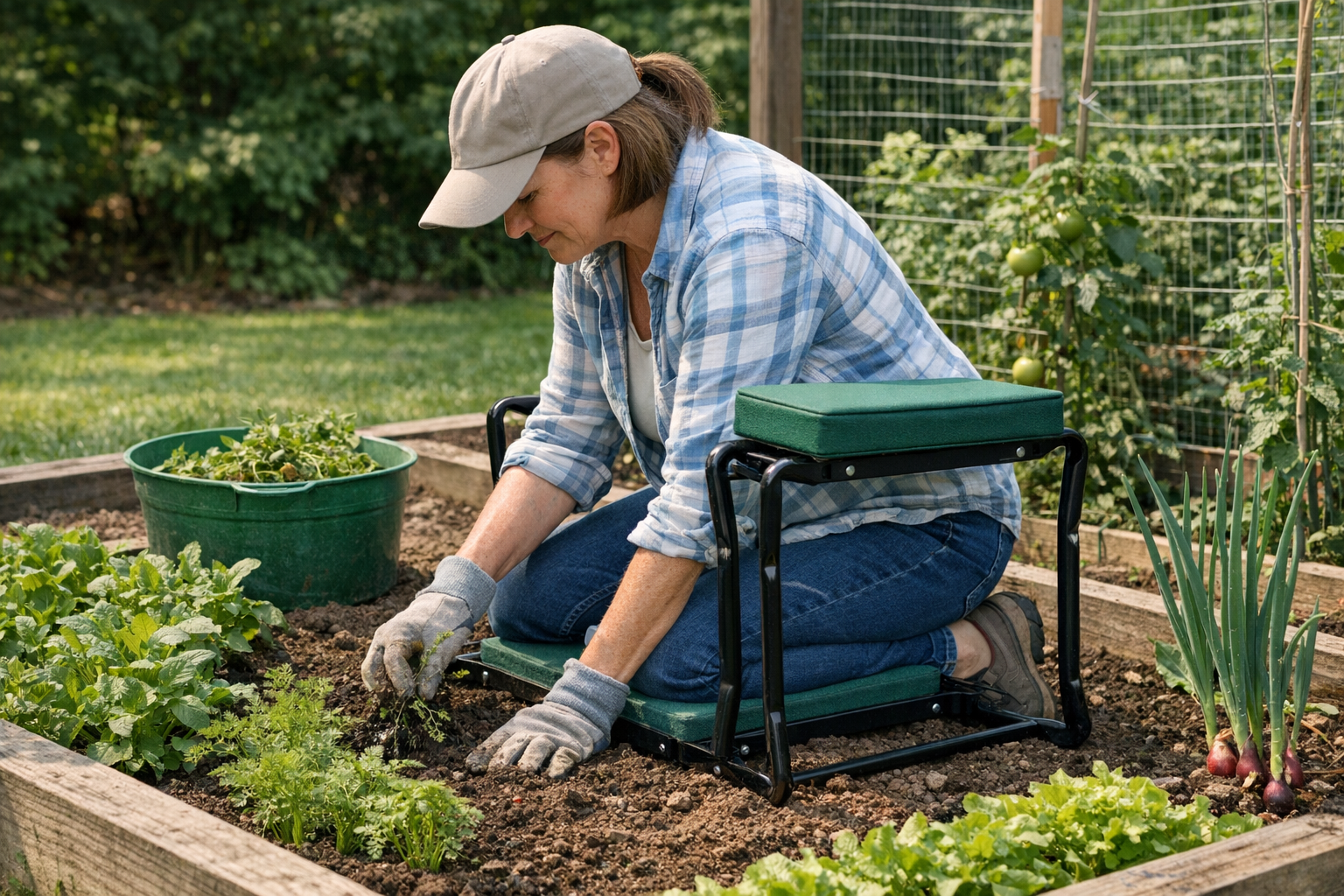
Best Garden Kneelers and Seats (2026 Tested)
Gardening shouldn't wreck your knees and back. We tested kneelers, foldable seats, and rolling carts to find the picks worth the price.
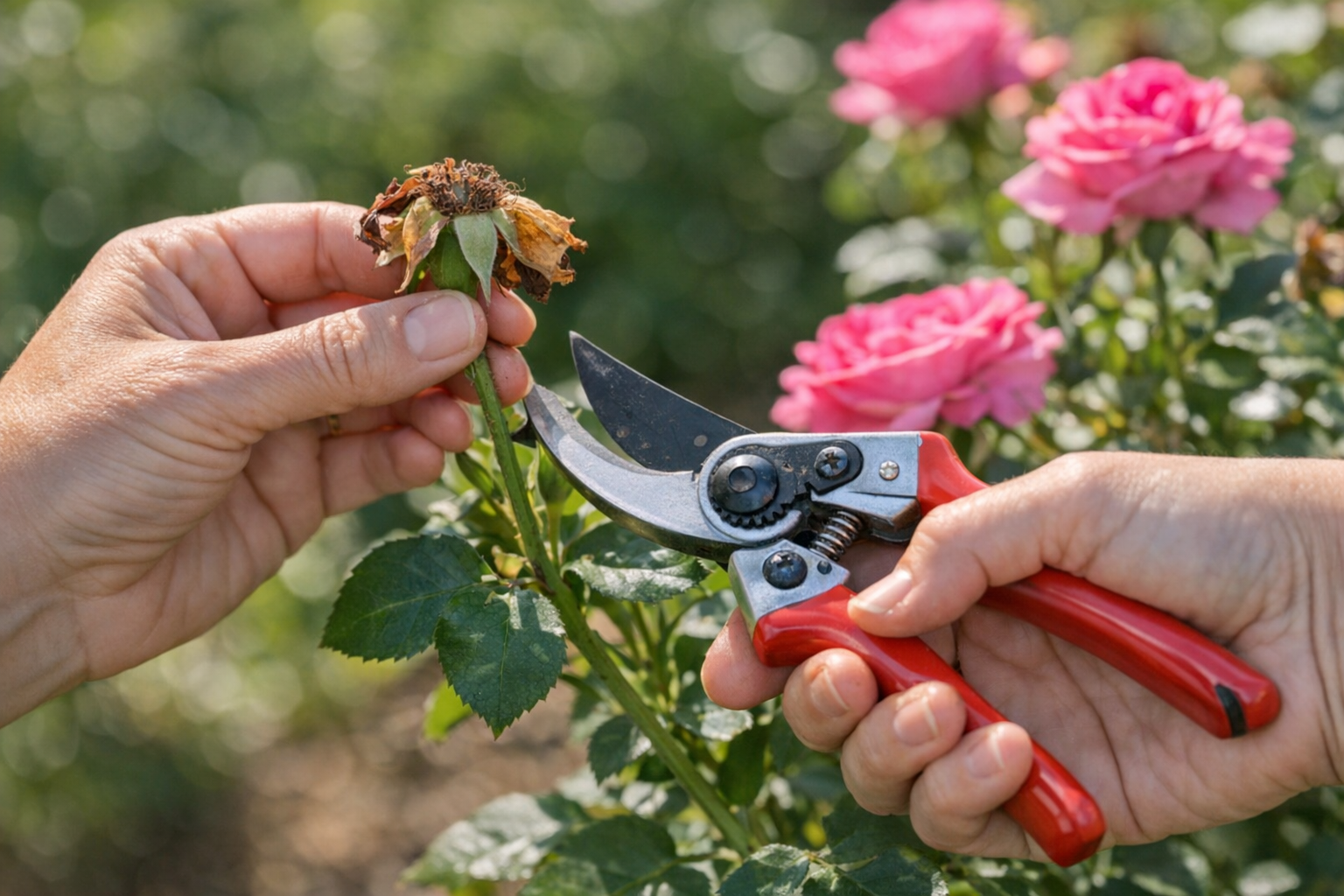
Best Pruning Shears for Gardeners (2026 Guide)
We tested bypass and anvil pruning shears across roses, fruit trees, perennials, and tomato vines. Here are the picks worth your money — and the one to avoid.
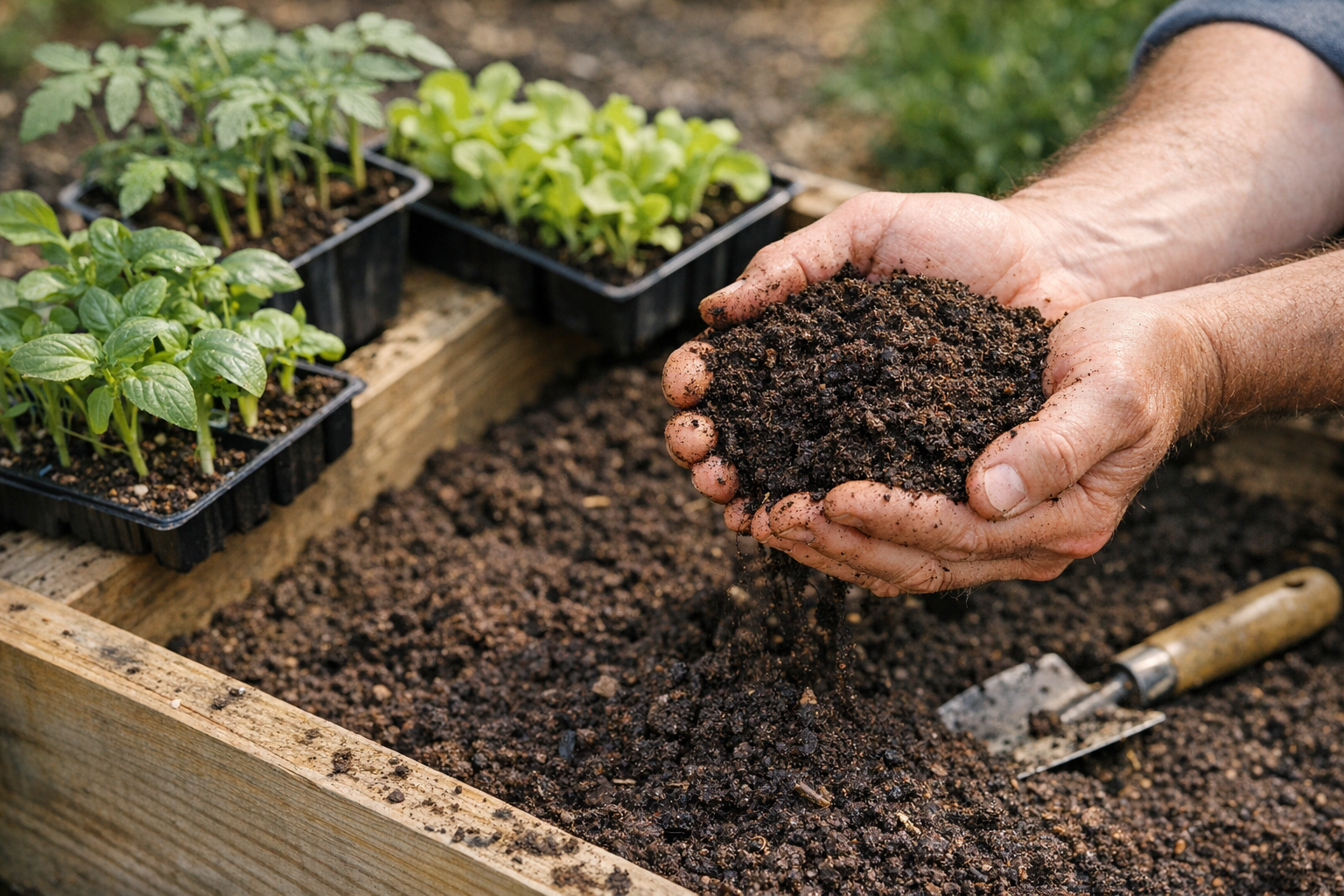
Best Raised Bed Soil Mixes (2026 Buyer's Guide)
Bagged soil for raised beds is a minefield. We tested the top brands for vegetable yield, drainage, and value to find the soil mixes that actually grow food.
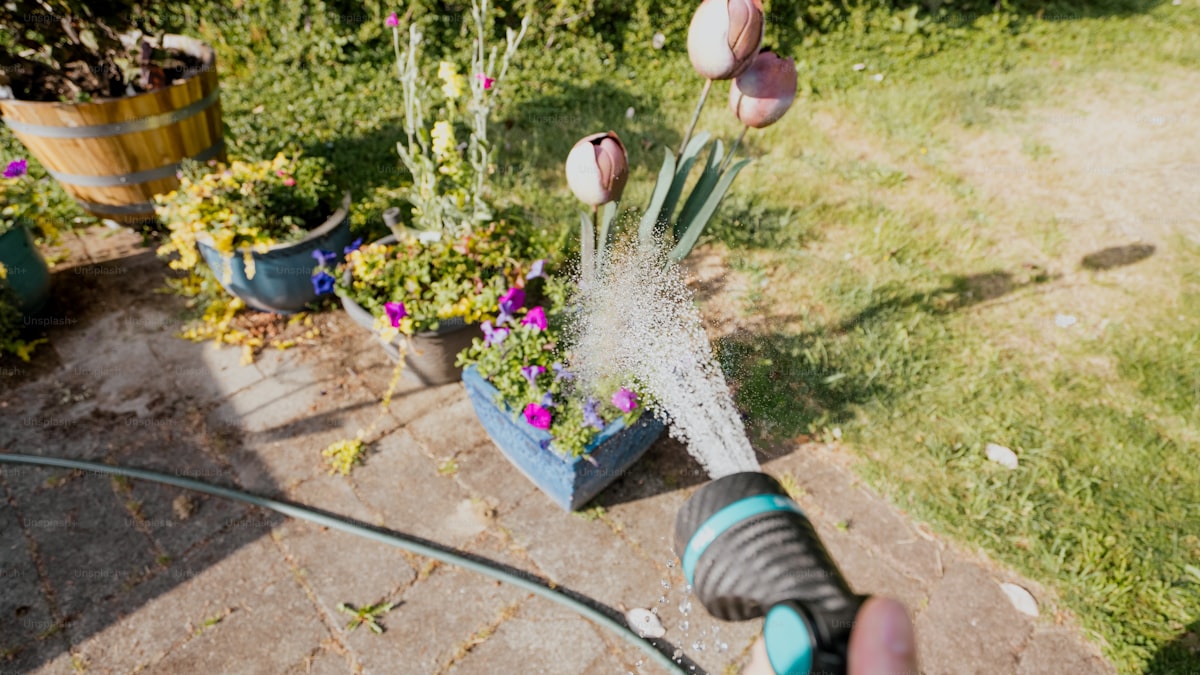
5 Best Garden Hose Nozzles and Sprayers (2026)
Find the perfect garden hose nozzle for watering plants, washing cars, and cleaning patios. We compared the top sprayers — here are the 5 best for every job.
Best Raised Garden Bed Kits You Can Order Online (2026)
The best raised garden bed kits for beginners and experienced gardeners. We compare wood, metal, and composite options with honest reviews and setup tips.
Related Articles
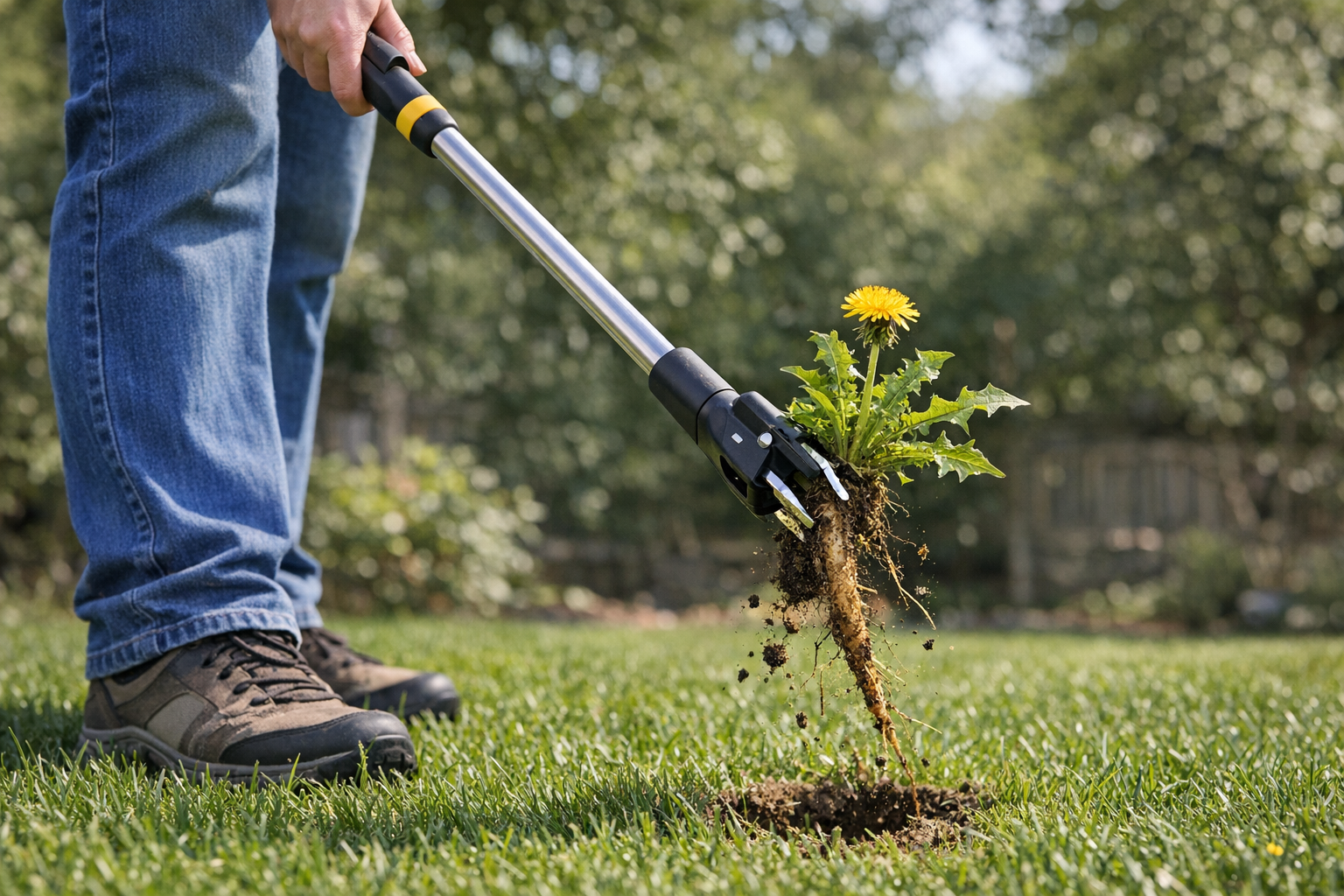
How to Get Rid of Dandelions Naturally (Without Killing the Lawn)
Dandelions are stubborn but beatable without chemical herbicides. Here's the 3-pronged natural approach that works long-term — and the tools that make it easy.
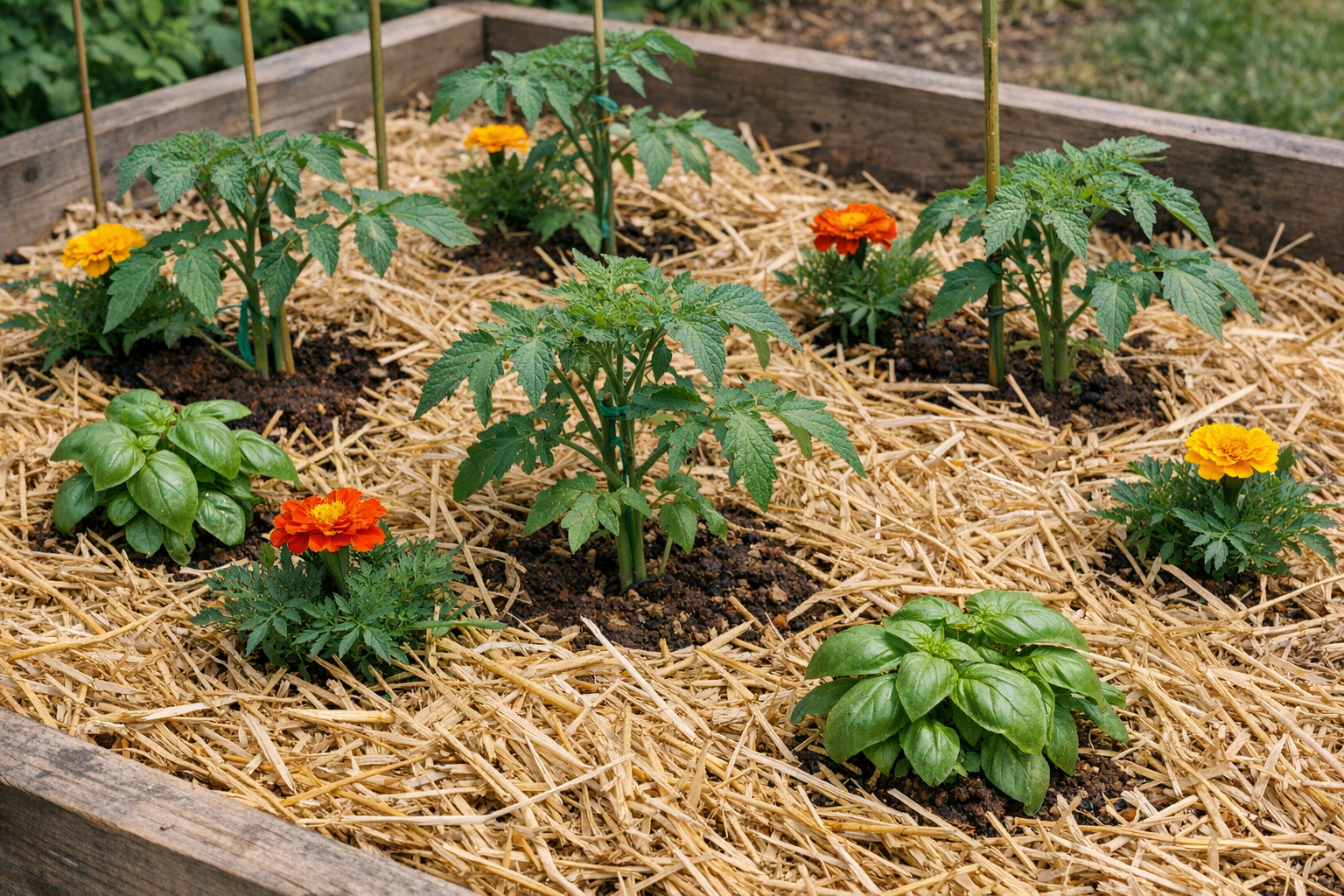
When to Plant Warm-Weather Annuals (And Which Are Easiest)
Tomato, pepper, basil, marigold — all are warm-weather plants that hate cold soil. Here's how to time the transplant for the longest possible harvest.
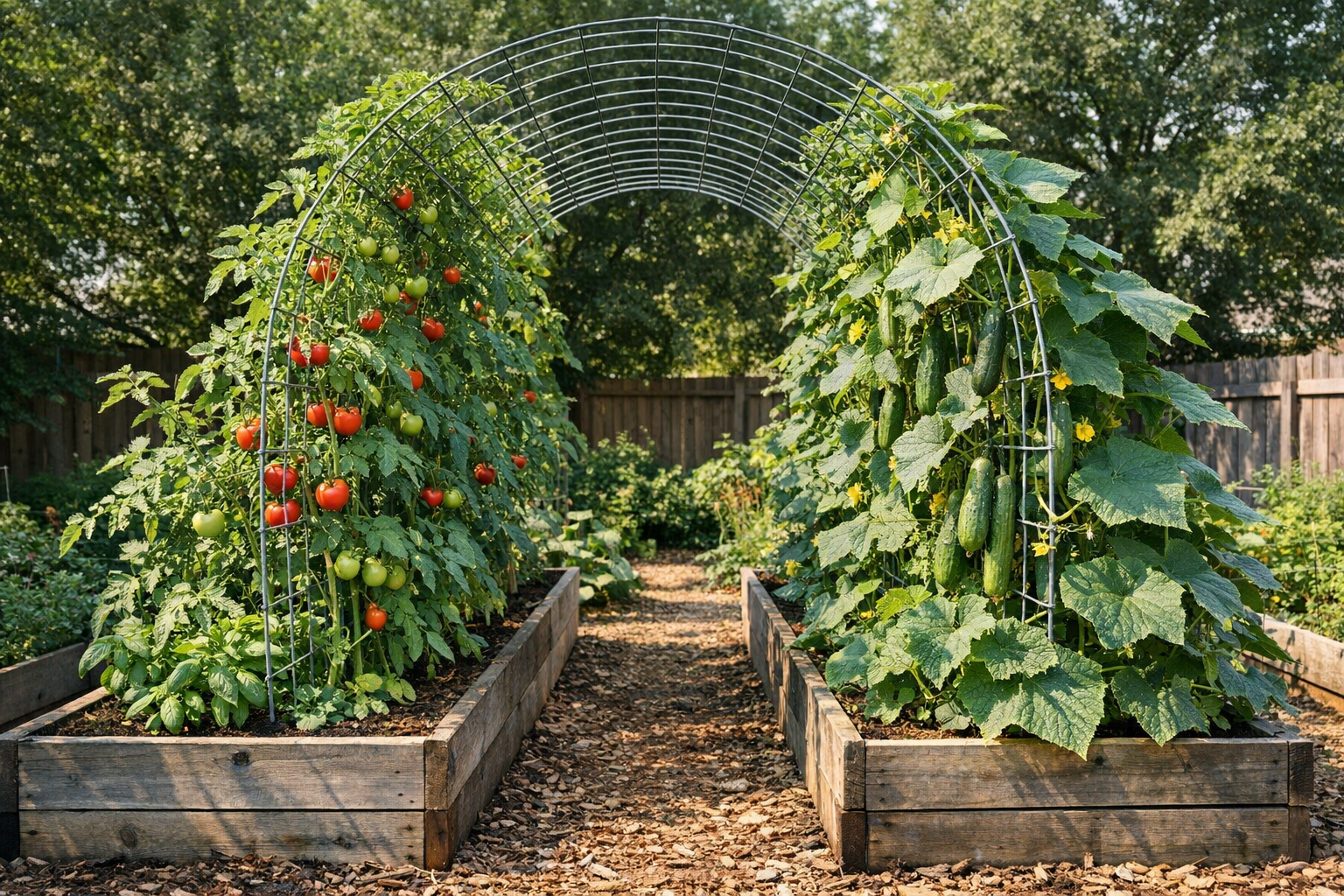
How to Build a DIY Garden Trellis for Climbing Vegetables
A sturdy trellis doubles your garden's yield per square foot. Here's how to build three easy styles using cheap materials in under an hour each.
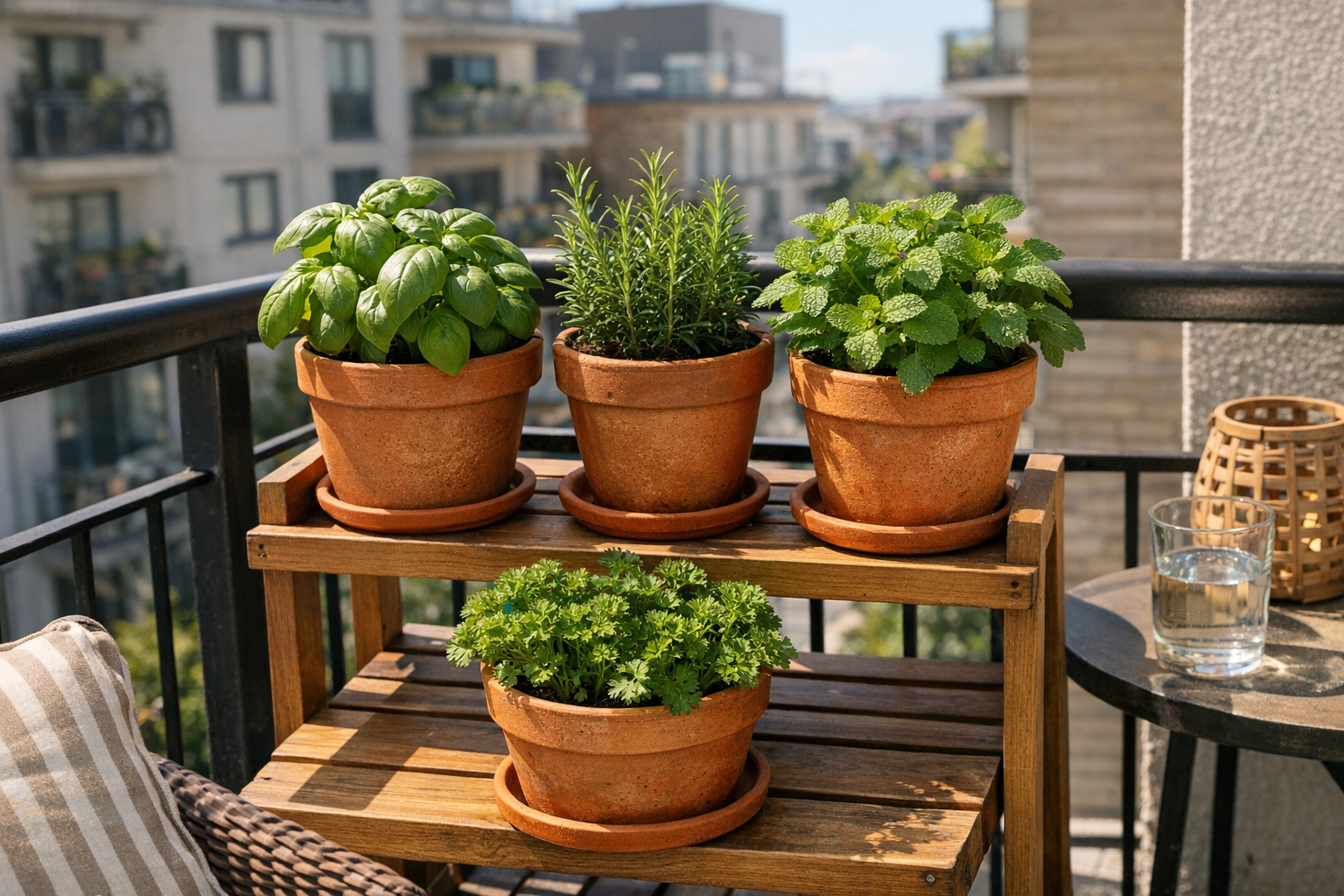
How to Start a Container Herb Garden on a Balcony
Fresh herbs all summer from a small apartment balcony or porch — even with limited sun. Picks for the easiest herbs, the right pots, and the soil that actually works.