How to Prune Your Plants for Bigger, Healthier Growth
This article may contain affiliate links. If you make a purchase through these links, we may earn a small commission at no extra cost to you. Learn more
Quick Answer
How to Prune Your Plants for Bigger, Healthier Growth
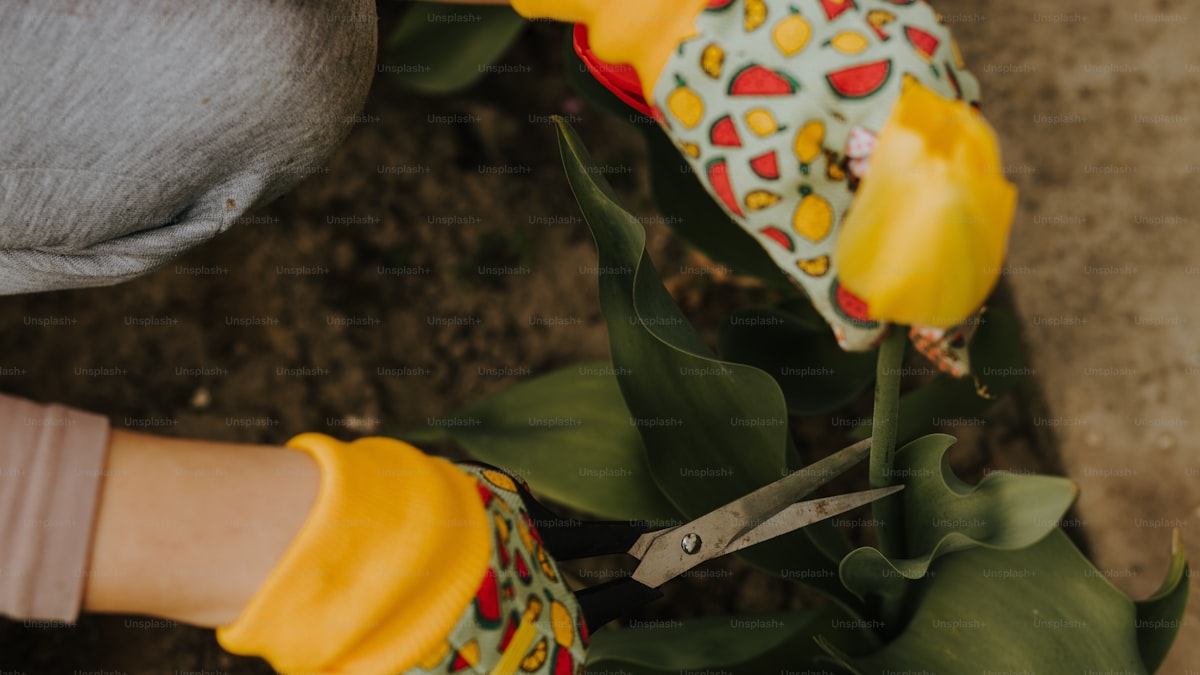
Prune just above a leaf node (the bump where leaves or branches grow from the stem) at a 45-degree angle using clean, sharp pruning shears. For bushy growth, pinch or cut the growing tips of stems, which forces the plant to branch out from lower nodes. The best time to prune most plants is late winter or early spring before new growth begins. Always remove dead, damaged, or crossing branches first.
How to Prune Your Plants for Bigger, Healthier Growth
Pruning feels counterintuitive. You're literally cutting pieces off your plant — how could that possibly make it grow better? But pruning is the single most impactful thing you can do for plant health, and plants that are regularly pruned produce more flowers, more fruit, fuller foliage, and stronger structure than those left to grow wild.
The problem is that most people either don't prune at all (out of fear of hurting the plant) or prune incorrectly (which actually can hurt the plant). Neither approach gives you the results you're looking for.
This guide covers the fundamentals of pruning for both indoor houseplants and outdoor garden plants, so you can cut with confidence.
Why Pruning Makes Plants Grow More
When you cut a stem, you remove the growing tip, which contains a hormone called auxin. Auxin suppresses the growth of side branches below the tip — a phenomenon called apical dominance. When you remove the tip and its auxin, the dormant buds lower on the stem are released from suppression and begin growing into new branches.
One stem becomes two. Two become four. This is how pruning transforms a tall, leggy plant into a bushy, full one.
Pruning also:
- Removes dead and diseased tissue before it spreads
- Improves air circulation through the plant canopy, reducing fungal disease
- Directs energy away from weak or unproductive growth toward flowers and fruit
- Controls size and shape so plants fit their space
Pruning Basics: What You Need
Tools
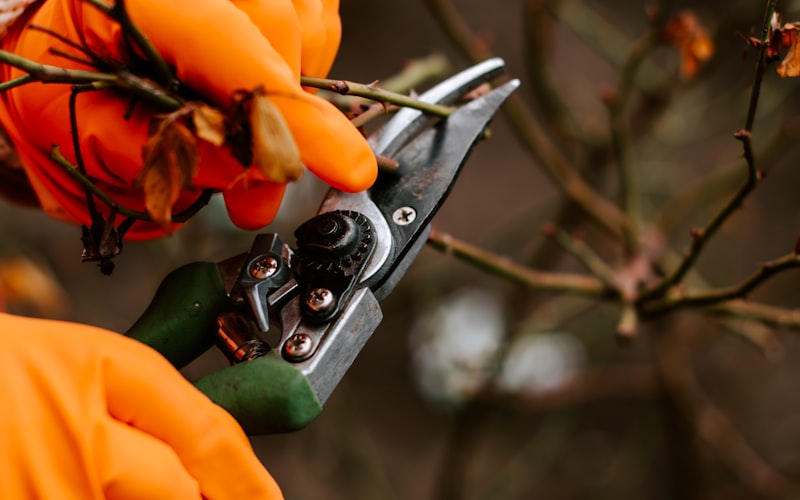
- Bypass pruning shears ($10-25) — The most important tool. Bypass shears have two curved blades that slide past each other like scissors, making clean cuts. Avoid anvil-style pruners, which crush stems.
- Clean cloth and rubbing alcohol — For sterilizing your shears between plants to prevent disease spread.
- Loppers ($15-30) — For branches thicker than 3/4 inch (outdoor plants and shrubs).
- Sharp scissors — Fine for small houseplants and herbs.
The Golden Rules
-
Always cut above a node. A node is the bump or joint on a stem where leaves, branches, or buds emerge. Cutting above a node ensures the plant can produce new growth from that point. Cutting between nodes leaves a dead stub that's vulnerable to disease.
-
Cut at a 45-degree angle. Angled cuts shed water away from the cut surface, preventing rot. The angle should slope away from the bud or node you're cutting above.
-
Use clean, sharp tools. Dull blades crush stems instead of cutting them cleanly, which damages tissue and invites infection. Sterilize blades with rubbing alcohol between plants.
-
Never remove more than one-third of a plant's foliage at once. Removing too much at once stresses the plant severely. If your plant needs major reshaping, do it in stages over several weeks.
When to Prune
Timing varies by plant type, but here are the general guidelines:
Late Winter / Early Spring (Best for Most Plants)
Prune most deciduous trees, shrubs, and dormant perennials in late winter before new growth emerges. The plant is dormant, so pruning causes minimal stress, and the burst of spring growth quickly fills in the cuts.
This is also the ideal time to prune fruit trees, roses, and summer-blooming shrubs. It's a perfect activity to pair with starting seeds indoors as part of your spring garden preparation.
After Flowering (For Spring Bloomers)
Plants that bloom in spring (like lilacs, forsythia, and azaleas) set their flower buds on the previous year's growth. If you prune them in winter, you'll cut off the flower buds. Instead, prune these plants immediately after they finish blooming.
Year-Round
You can remove dead, diseased, or broken branches at any time of year. Don't wait for the "right" pruning season to cut off a dead branch — it's doing no good and may be harboring disease.
Houseplants
Most houseplants can be pruned anytime during their active growing season (spring through early fall). Avoid heavy pruning during winter when growth slows. Light maintenance pruning (removing dead leaves, trimming leggy stems) is fine year-round.
How to Prune Houseplants
Pinching for Bushier Growth
Pinching is the simplest form of pruning. Use your thumb and forefinger to snap off the growing tip of a stem, just above a leaf node. This removes the auxin-producing tip and triggers branching below.
Plants that respond especially well to pinching: pothos, tradescantia, coleus, basil, mint, and fittonia.
Pinch regularly throughout the growing season — every time a stem reaches a length you'd like to branch from, pinch the tip. This creates a dense, bushy plant instead of a leggy, sparse one.
Cutting Back Leggy Stems
If your houseplant has long, bare stems with leaves only at the tips (this is called "legginess" and is usually caused by insufficient light), cut those stems back to just above a node that's closer to the base. New growth will emerge from that node, filling in the bare area.
Don't throw away the cuttings — most can be propagated in water to create new plants.
Removing Dead and Yellow Leaves
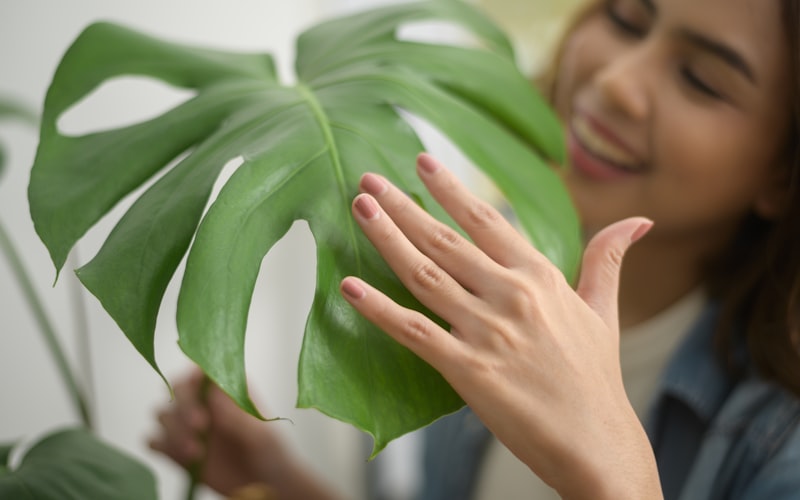
Dead or yellowing leaves should be removed immediately. They drain energy from the plant and can harbor pests or disease. Cut them off at the base of the leaf stem where it meets the main stem.
How to Prune Outdoor Plants and Shrubs
Deadheading Flowers
Removing spent (dead) flower heads from flowering plants is one of the highest-impact pruning techniques for gardens. When you deadhead, the plant redirects energy from seed production back into producing new flowers.
For most annuals and perennials, snip off the spent flower along with its stem back to the nearest set of healthy leaves. Regular deadheading throughout the growing season can extend blooming by weeks or even months.
Thinning Cuts
Thinning removes entire branches back to their point of origin (where they connect to a larger branch or the trunk). This opens up the interior of the plant to light and air circulation, reducing disease pressure and producing stronger, healthier growth throughout.
Use thinning cuts on shrubs, small trees, and woody perennials that have become too dense.
Heading Cuts
Heading cuts shorten a branch by cutting it back to just above a bud or side branch. This stimulates bushy new growth from below the cut. Use heading cuts to control plant size and shape, and to encourage density.
Rejuvenation Pruning
For old, overgrown shrubs that have become woody and unproductive, rejuvenation pruning involves cutting the entire plant back to 6-12 inches from the ground in late winter. This sounds drastic, but many shrubs respond by producing vigorous new growth from the base, essentially resetting the plant to a younger state.
Plants that respond well to rejuvenation: butterfly bush, spirea, hydrangea (smooth and panicle types), privet, and forsythia. Do not rejuvenation-prune evergreens — most won't regrow from old wood.
Pruning Specific Plants
Tomatoes
Remove the "suckers" that grow in the crotch between the main stem and side branches. Suckers divert energy from fruit production. Pinch them off when they're small (2-3 inches). This is critical for tomato growers who want the biggest, best-flavored fruit.
Herbs
Harvest herbs by pruning — cut stems just above a leaf node to encourage bushy growth and continuous production. Never harvest more than one-third of an herb plant at once. Regular harvesting of kitchen herbs actually makes them produce more.
Roses
Prune roses in late winter when buds begin to swell. Remove dead wood, thin canes, and any canes crossing the center of the plant. Cut healthy canes back to an outward-facing bud at a 45-degree angle to encourage an open, vase-shaped structure.
Fruit Trees
Prune fruit trees annually in late winter to maintain an open canopy that allows sunlight to reach all branches. Remove water sprouts (vertical shoots from branches), suckers (shoots from the base), crossing branches, and dead wood. Good pruning directly increases fruit size and quality.
Common Pruning Mistakes to Avoid
Cutting Between Nodes
Cutting in the middle of a stem section, far from any node, creates a dead stub that can't produce new growth. The stub dies back and becomes an entry point for disease. Always cut just above a node.
Flush Cuts Against the Trunk
When removing a branch from a tree or large shrub, don't cut flush against the trunk. The slight bump at the base of the branch (called the branch collar) contains cells that seal the wound. Cutting into the collar removes the plant's natural healing mechanism.
Pruning at the Wrong Time
Pruning spring-blooming shrubs in late winter removes all the flower buds. Pruning in late summer can stimulate tender new growth that gets killed by early frost. Match your pruning timing to the plant type.
Using Dull or Dirty Tools
Dull blades crush tissue, creating ragged wounds that heal slowly and invite disease. Dirty blades can transfer disease between plants. Sharpen your shears at least once per season and wipe them with rubbing alcohol between plants.
Removing Too Much at Once
Taking off more than one-third of foliage at once shocks the plant, potentially killing it or causing severe dieback. If major pruning is needed, spread it over 2-3 sessions spaced several weeks apart.
Frequently Asked Questions
Will pruning kill my plant?
Not if you follow the one-third rule and make clean cuts above nodes. Plants have evolved to recover from losing branches — it's a natural occurrence during storms and animal browsing. The main risks are over-pruning and cutting at the wrong time.
How do I know if I should prune a specific plant?
Look for these signs: leggy growth with few leaves, dead or yellowing branches, overcrowded center with poor air flow, unbalanced shape, or declining flower/fruit production. Any of these signals that pruning would help.
Should I seal pruning cuts with tree paint?
No. Research has shown that wound sealants actually slow healing and can trap moisture and disease. Clean cuts heal best when left open to air dry and seal naturally.
Can I prune a plant that's already stressed or sick?
Remove dead or diseased parts of a stressed plant, but avoid heavy shaping or size-reduction pruning until the plant recovers. Focus on addressing the stress factor (water, light, pests) first.
How long does it take to see new growth after pruning?
For actively growing plants, new growth typically appears within 1-3 weeks during the growing season. Dormant plants pruned in winter will show new growth when they break dormancy in spring.
Start Pruning This Weekend
If you've been afraid to prune, start small. Pick one leggy houseplant, pinch the tips of three or four stems, and watch what happens over the next few weeks. You'll see new branches forming at the nodes below your cuts, and the plant will start filling out. Once you see the results, you'll understand why experienced gardeners consider pruning the most rewarding skill in their toolkit.
Get weekly home tips that actually work
Join thousands of homeowners getting practical cleaning hacks, DIY fixes, and money-saving tips every week. Free, and you can unsubscribe anytime.

Written by
Beth SullivanFounder & Editor-in-Chief
Beth Sullivan is the founder of Practical Home Guides. With over a decade of hands-on experience tackling every home challenge imaginable, she started this site to share the practical, no-nonsense solutions she wishes she had found years ago. When she's not testing cleaning hacks or organizing pantries, you'll find her in the garden or working on her next DIY project.
Recommended Products
Looking for specific product recommendations? Check out our tested picks.
Best Garden Kneelers and Seats (2026 Tested)
Gardening shouldn't wreck your knees and back. We tested kneelers, foldable seats, and rolling carts to find the picks worth the price.
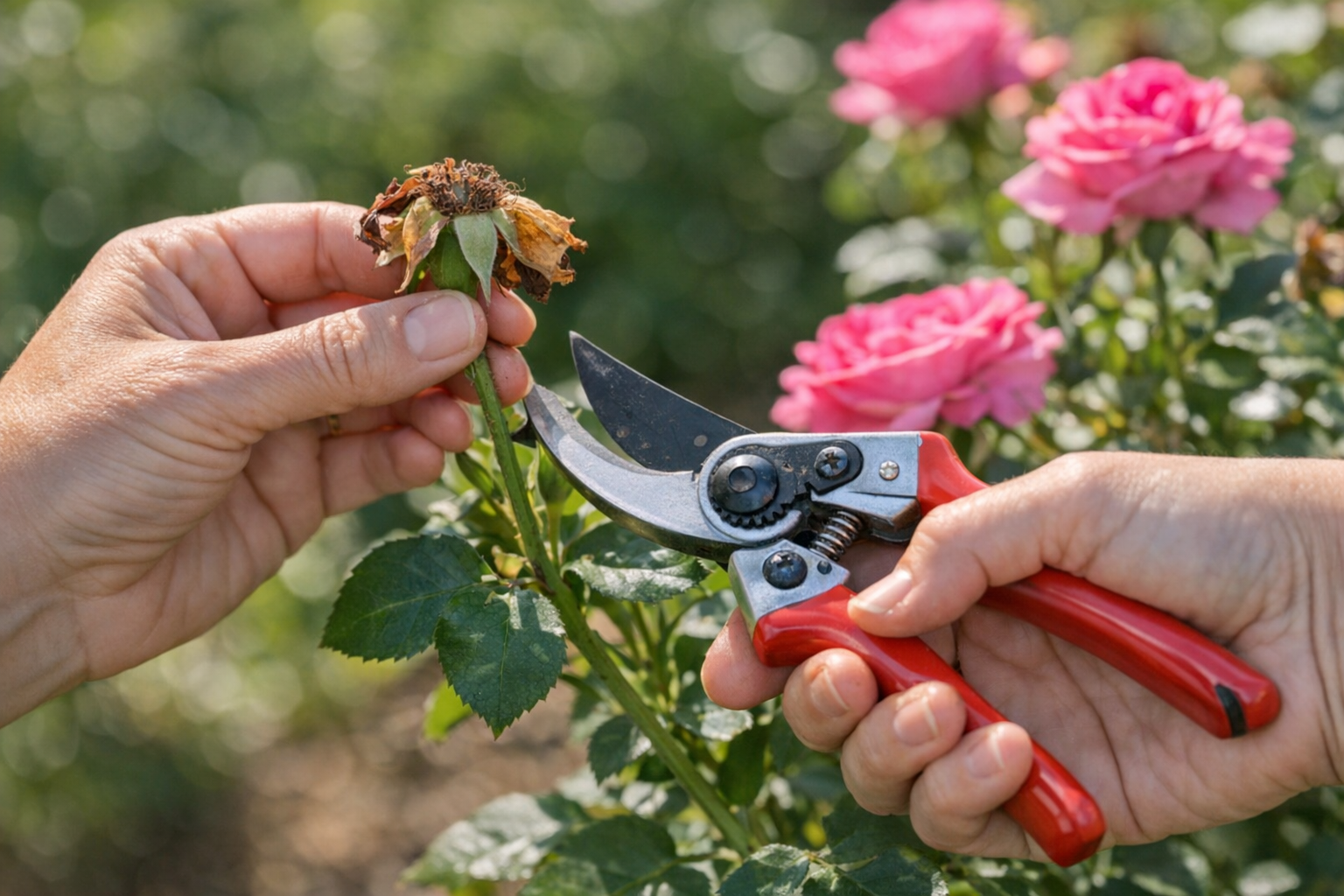
Best Pruning Shears for Gardeners (2026 Guide)
We tested bypass and anvil pruning shears across roses, fruit trees, perennials, and tomato vines. Here are the picks worth your money — and the one to avoid.
Best Raised Bed Soil Mixes (2026 Buyer's Guide)
Bagged soil for raised beds is a minefield. We tested the top brands for vegetable yield, drainage, and value to find the soil mixes that actually grow food.
5 Best Garden Hose Nozzles and Sprayers (2026)
Find the perfect garden hose nozzle for watering plants, washing cars, and cleaning patios. We compared the top sprayers — here are the 5 best for every job.
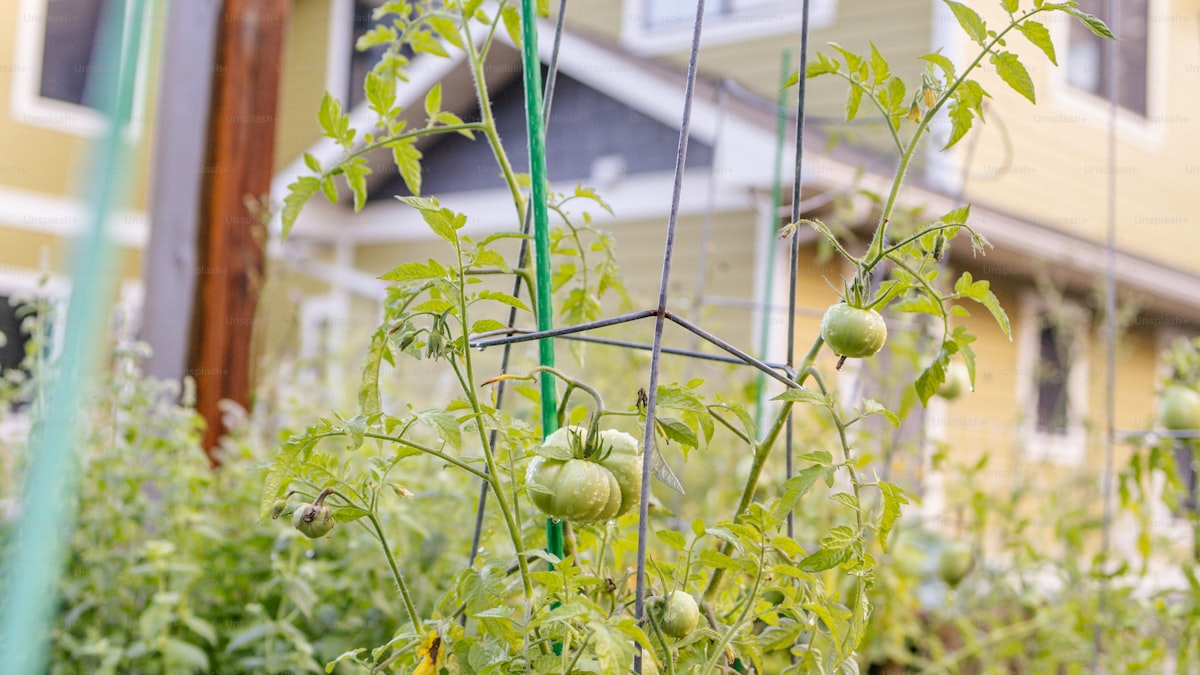
Best Raised Garden Bed Kits You Can Order Online (2026)
The best raised garden bed kits for beginners and experienced gardeners. We compare wood, metal, and composite options with honest reviews and setup tips.
Related Articles
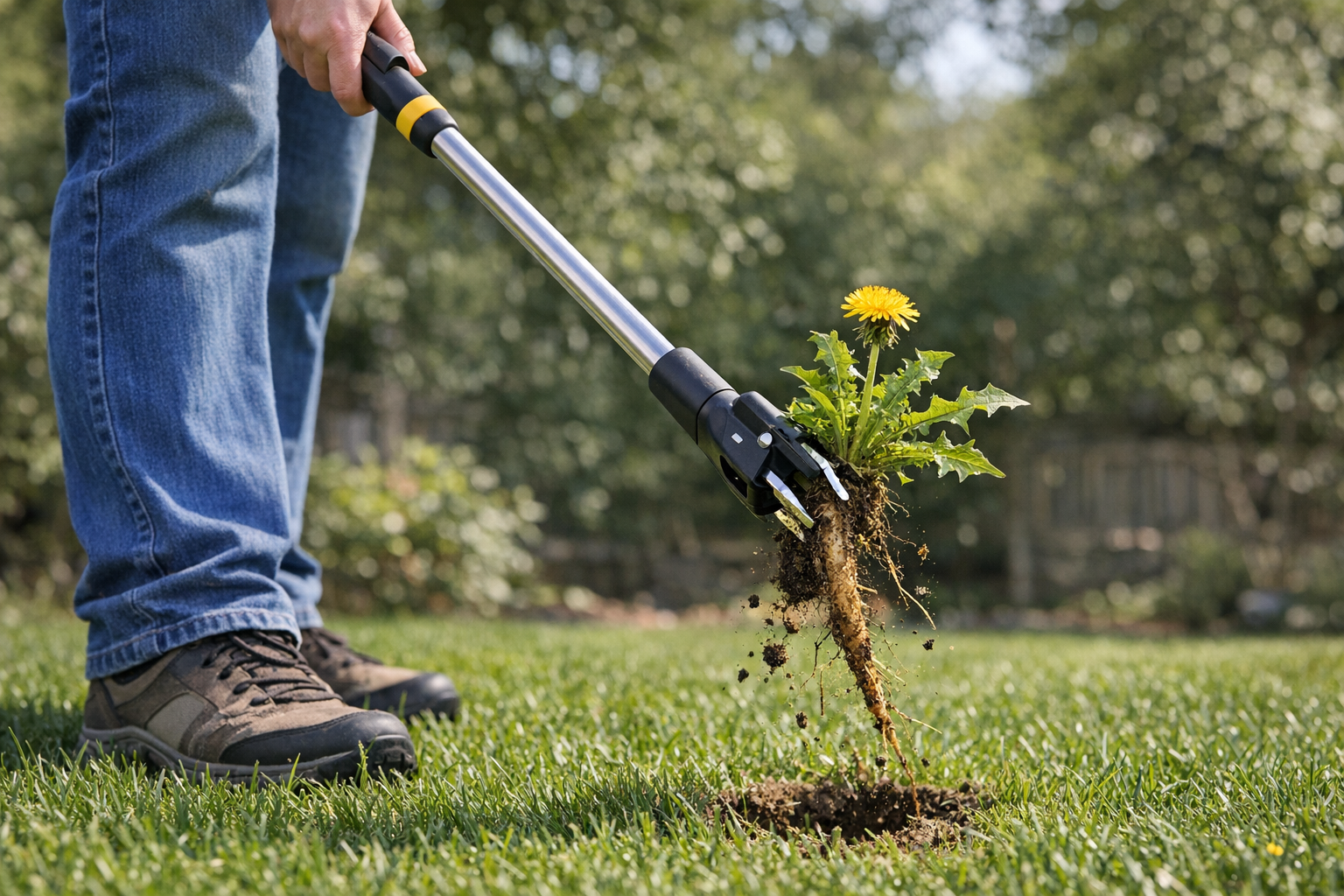
How to Get Rid of Dandelions Naturally (Without Killing the Lawn)
Dandelions are stubborn but beatable without chemical herbicides. Here's the 3-pronged natural approach that works long-term — and the tools that make it easy.
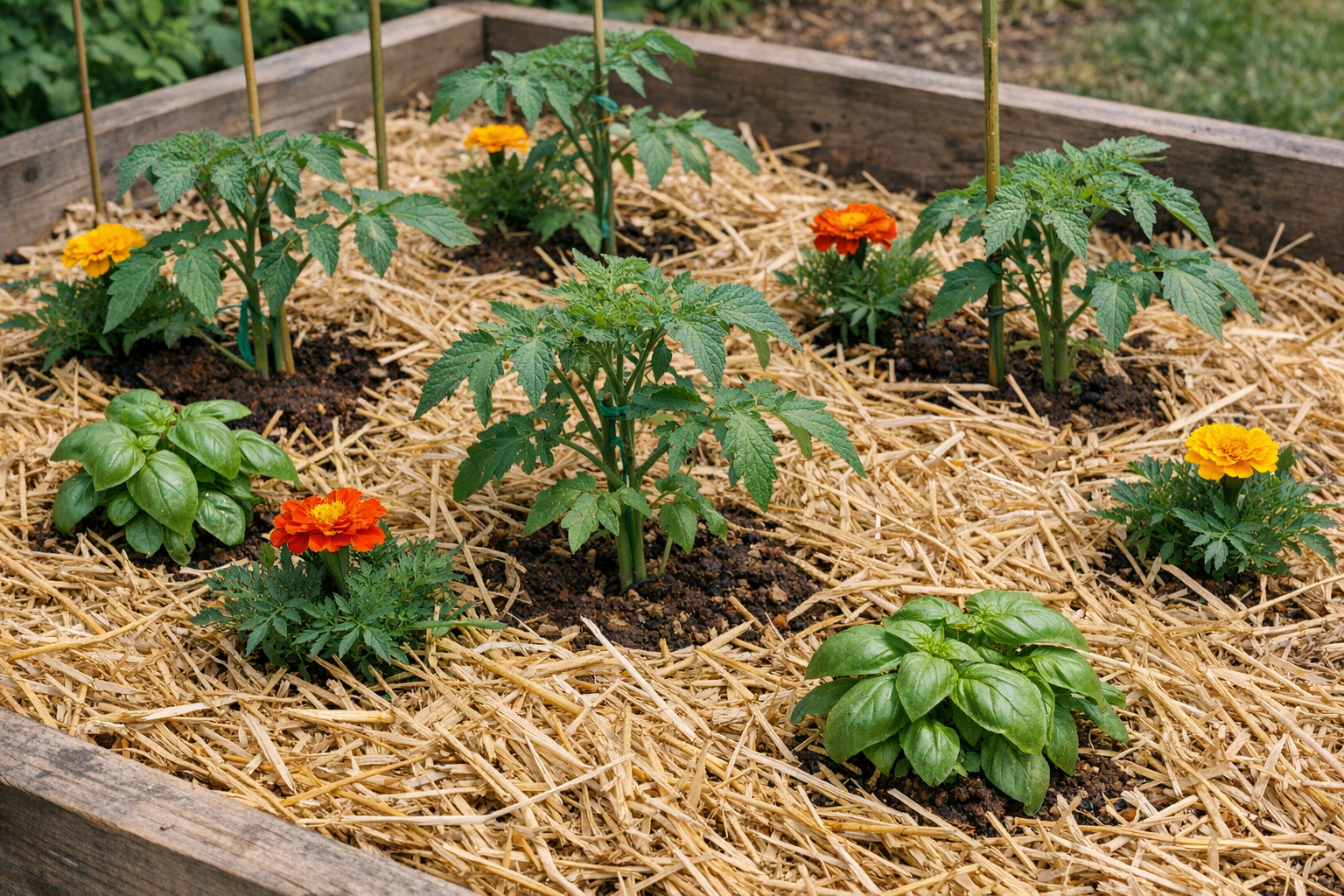
When to Plant Warm-Weather Annuals (And Which Are Easiest)
Tomato, pepper, basil, marigold — all are warm-weather plants that hate cold soil. Here's how to time the transplant for the longest possible harvest.
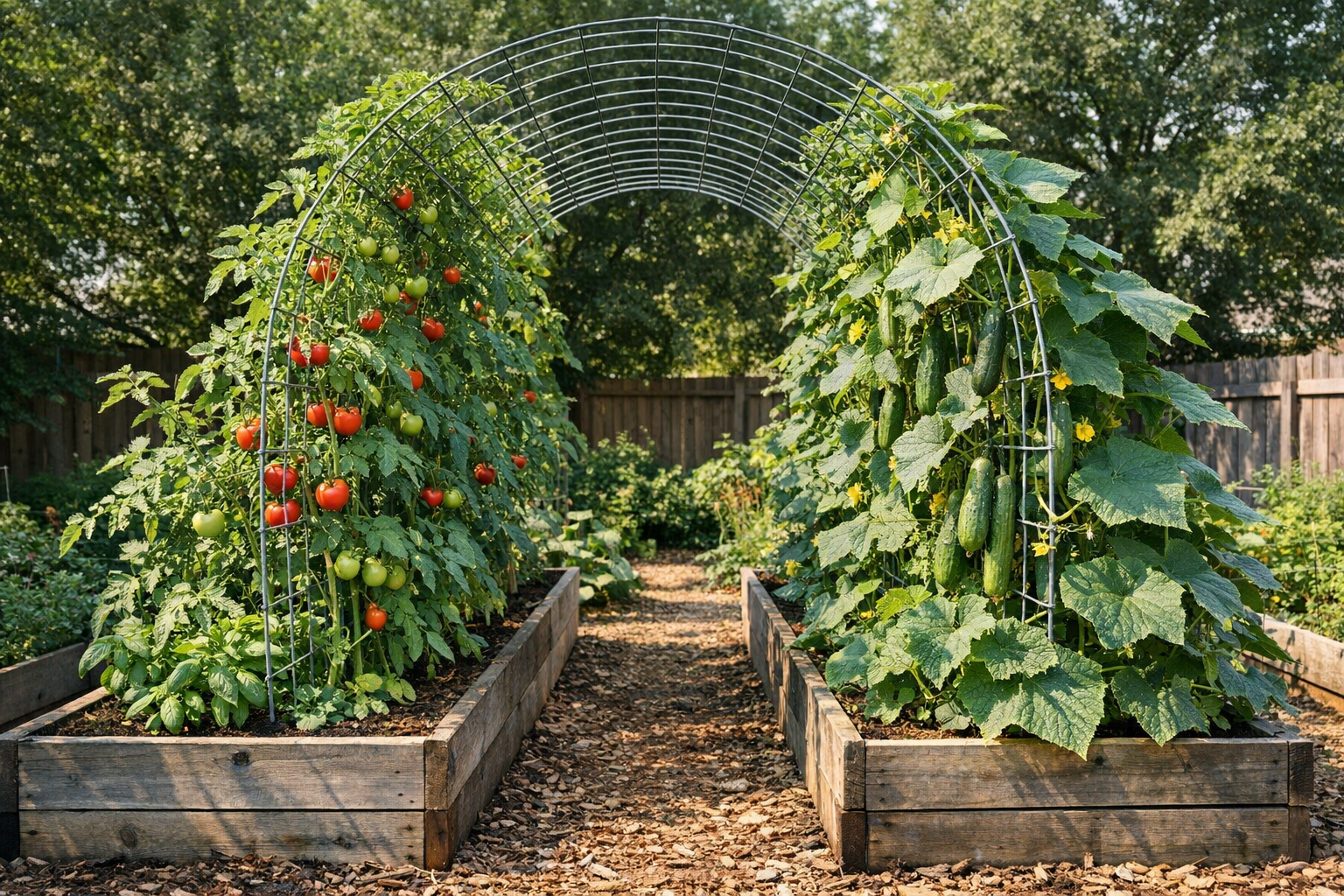
How to Build a DIY Garden Trellis for Climbing Vegetables
A sturdy trellis doubles your garden's yield per square foot. Here's how to build three easy styles using cheap materials in under an hour each.
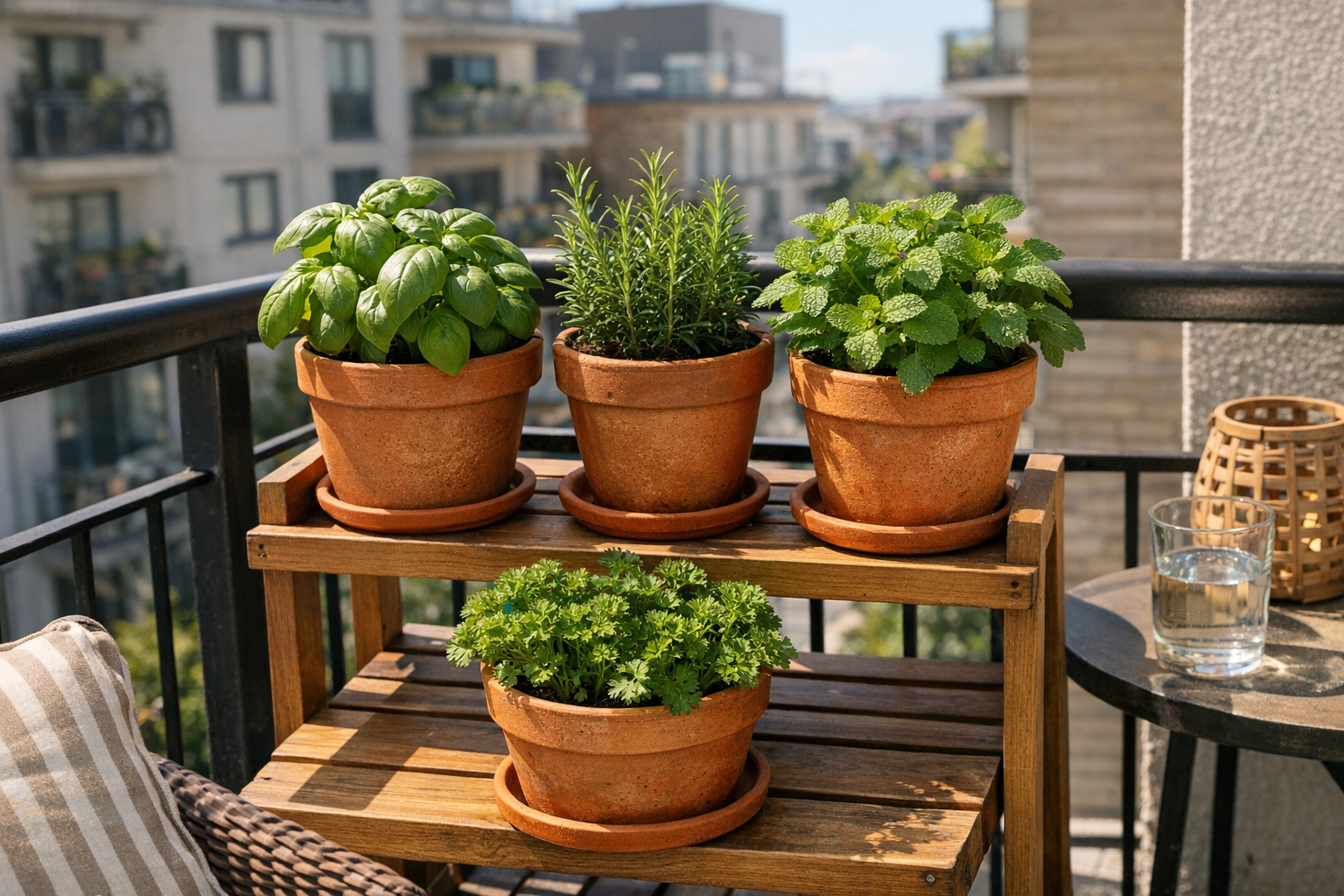
How to Start a Container Herb Garden on a Balcony
Fresh herbs all summer from a small apartment balcony or porch — even with limited sun. Picks for the easiest herbs, the right pots, and the soil that actually works.