How to Attract Pollinators to Your Garden Naturally
This article may contain affiliate links. If you make a purchase through these links, we may earn a small commission at no extra cost to you. Learn more
Quick Answer
How to Attract Pollinators to Your Garden Naturally
Plant a variety of native flowering plants that bloom at different times from spring through fall to provide continuous food. Choose single-petal flowers in clusters of blue, purple, yellow, and white. Avoid pesticides, provide a shallow water source, and leave some areas of bare soil and leaf litter for nesting habitat. Even a few containers on a patio can attract pollinators.
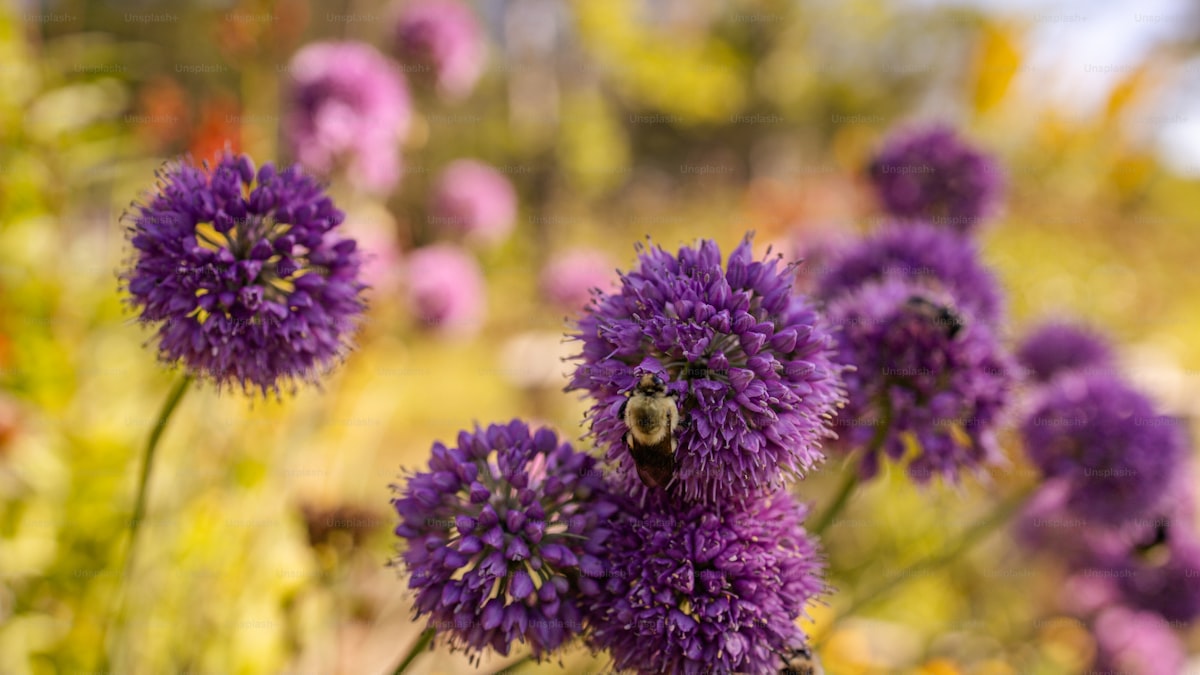
Pollinators are the unsung heroes of every garden. Bees, butterflies, hummingbirds, and other pollinators are responsible for one out of every three bites of food we eat. Without them, your tomato plants won't set fruit, your squash won't develop, and your flower garden won't reseed itself for next year.
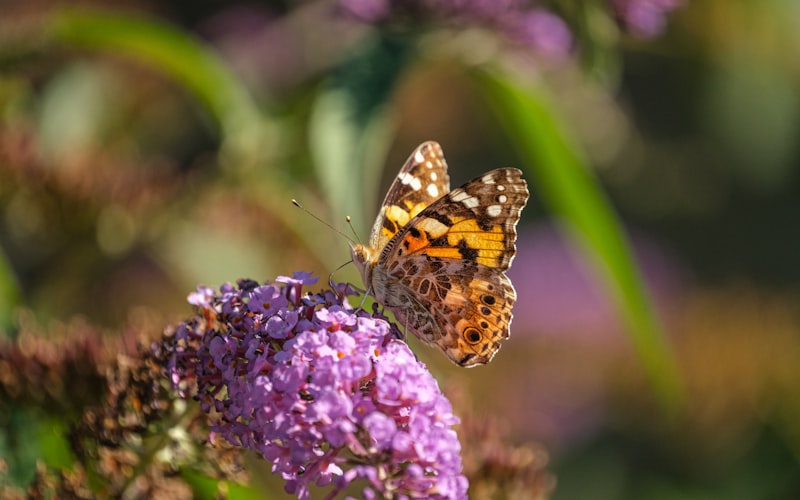
The good news is that attracting pollinators doesn't require a massive garden or expensive plants. A few strategic choices about what you plant, how you maintain your garden, and what you avoid can transform your yard into a pollinator paradise. If you're already growing tomatoes in pots or starting a vegetable garden, adding pollinator-friendly plants nearby will directly improve your harvest.
Why Pollinators Need Your Help
Pollinator populations have been declining for years due to habitat loss, pesticide use, disease, and climate change. Honeybee colonies in the U.S. have dropped by nearly 50% since the 1940s, and monarch butterfly populations have declined by approximately 80%.
Your garden — no matter how small — can be part of the solution. Even a few square feet of pollinator-friendly plants creates a vital food source and rest stop, especially in urban and suburban areas where natural habitat is scarce.
The Best Plants for Pollinators
For Bees
Bees are the most important pollinators for food gardens. They're attracted to:
- Lavender — Blooms all summer, irresistible to bees
- Sunflowers — Easy to grow, provide pollen and nectar
- Borage — Self-seeding annual with blue star-shaped flowers
- Coneflower (Echinacea) — Native perennial, blooms midsummer through fall
- Bee balm (Monarda) — Aptly named, attracts bees and hummingbirds
- Clover — Let some grow in your lawn instead of treating it as a weed
For Butterflies
Butterflies need both nectar plants (for adults) and host plants (for caterpillars):
- Butterfly bush (Buddleia) — A magnet for butterflies of all species
- Zinnias — Annual flowers in every color, easy to grow from seed
- Milkweed — Essential for monarch butterflies (their only caterpillar food source)
- Lantana — Heat-tolerant clusters of tiny flowers
- Aster — Late-season bloomer when other flowers have faded
- Parsley, dill, and fennel — Host plants for swallowtail caterpillars
For Hummingbirds
Hummingbirds are attracted to tubular flowers, especially red and orange ones:
- Trumpet vine — Vigorous grower with orange-red trumpet flowers
- Salvia — Both annual and perennial varieties work
- Fuchsia — Perfect for hanging baskets and containers
- Coral honeysuckle — Native vine with tubular red flowers
- Cardinal flower (Lobelia) — Brilliant red spikes, loves moist soil
Design Your Garden for Pollinators
How you arrange your pollinator garden matters as much as what you plant.
Plant in Clusters
Pollinators are more likely to find and visit your garden when flowers are planted in groups of 3-5 or more of the same species. A mass of lavender is more effective than individual plants scattered around the yard. Think of it as creating a visible "landing pad" that pollinators can spot from a distance.
Plan for Continuous Bloom
The biggest mistake gardeners make is planting only summer-blooming flowers. Pollinators need food from early spring through late fall.
| Season | Recommended Plants |
|---|---|
| Early spring | Crocus, hyacinth, willow, dandelion |
| Late spring | Lilac, columbine, wild geranium |
| Early summer | Lavender, bee balm, coneflower |
| Midsummer | Sunflower, black-eyed Susan, zinnia |
| Late summer | Goldenrod, Joe-Pye weed, sedum |
| Fall | Aster, chrysanthemum, witch hazel |
Choose Native Plants
Native plants are adapted to your local climate and soil, require less water and maintenance, and are the best food sources for native pollinators. Visit your local native plant nursery or check the National Wildlife Federation's native plant finder for species specific to your region.
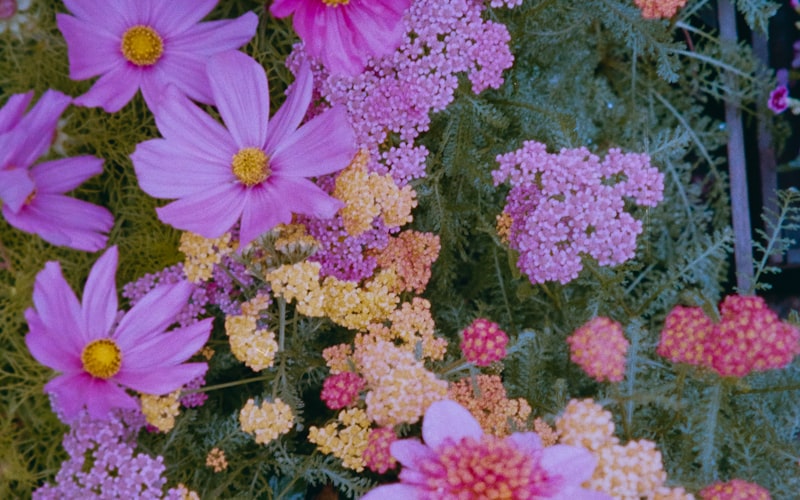
Create Pollinator Habitat Beyond Flowers
Food is only part of what pollinators need. They also require water, shelter, and nesting sites.
Water Sources
- Place a shallow dish or birdbath with pebbles or marbles (so bees can land without drowning)
- A dripping faucet or misting fountain works well
- Change the water every 2-3 days to prevent mosquito breeding
- Even a muddy puddle provides minerals that butterflies need ("puddling")
Nesting Habitat
Most native bees don't live in hives — about 70% nest in the ground, and the rest nest in hollow stems or wood cavities.
- Leave patches of bare soil in sunny areas for ground-nesting bees
- Keep some dead wood or make a bee hotel from drilled wood blocks or bundled bamboo tubes
- Leave hollow plant stems standing through winter instead of cutting everything back in fall
- Maintain a small brush pile in a corner of the yard for overwintering insects
Shelter From Wind
Plant taller shrubs or flowers on the windward side of your pollinator garden. Butterflies and smaller bees struggle in strong winds, so a sheltered garden bed attracts more visitors than an exposed one.
What to Avoid
Pesticides
This is the single most important rule: avoid pesticides in and around your pollinator garden. This includes:
- Neonicotinoid insecticides (extremely toxic to bees — found in many "systemic" plant treatments)
- Broad-spectrum insecticides (kill beneficial insects along with pests)
- Herbicides on flowering "weeds" like clover and dandelions
If you must treat a pest problem, use targeted, organic methods and apply them in the evening when pollinators are less active. For natural pest control ideas, our guide on getting rid of fruit flies and getting rid of fleas naturally shows how effective non-chemical approaches can be.
Hybrid Double-Petal Flowers
Those gorgeous ruffled roses and double-petal dahlias look beautiful, but they produce little to no nectar or pollen. The extra petals replace the reproductive parts of the flower. For pollinators, choose single-petal, open-faced flowers where the center is visible and accessible.
Excessive Mulch
Heavy mulching covers the bare soil that ground-nesting bees need. Leave some unmulched patches, especially in sunny, well-drained areas.
Pollinator Gardening in Small Spaces
You don't need a big yard to help pollinators. Container gardens on patios, balconies, and windowsills can make a real difference.
Best Container Plants for Pollinators
- Herbs: Lavender, basil (let it flower), oregano, thyme, mint
- Annuals: Zinnias, marigolds, cosmos, alyssum
- Trailing: Trailing lantana, nasturtium, sweet alyssum
Even a single pot of blooming lavender on a sunny patio will attract bees. Group several containers together for maximum impact. If you're starting small, our guide to starting a herb garden on your kitchen windowsill is a great first step — just let some of those herbs flower for the bees.
Frequently Asked Questions
Will attracting bees make my yard dangerous?
No. Bees visiting flowers are focused on foraging, not stinging. They only sting when they feel directly threatened (stepped on, swatted at, or their nest is disturbed). Pollinator gardens are safe for families and pets. Just wear shoes when walking through flowering ground cover.
What if I'm allergic to bee stings?
Having a pollinator garden doesn't significantly increase your sting risk, since foraging bees are not aggressive. However, if you have a severe allergy, avoid planting directly next to walkways or seating areas, and keep an EpiPen accessible. The bees will stay focused on the flowers.
When is the best time to start a pollinator garden?
You can start planning anytime, but spring and fall are the best planting seasons for most perennials. Start seeds indoors in late winter for spring transplanting — check our guide on starting seeds indoors for spring. You can also plant containers of annual flowers any time during the growing season for immediate results.
How do I attract pollinators without attracting wasps?
You can't completely avoid wasps if you're attracting other pollinators, but wasps are also beneficial — they're predators that eat garden pests. To minimize unwanted wasp attention: avoid leaving sugary drinks outdoors, keep ripe fruit picked up, and don't plant strongly scented flowers near seating areas. Wasps are less attracted to blue and purple flowers than yellow ones.
Do bee hotels really work?
Yes, if properly made and maintained. Drill 6-inch deep holes (3/16" to 5/16" diameter) in untreated wood blocks, or use bamboo tubes cut to 6-inch lengths. Place the hotel in a sunny, south-facing spot 3-5 feet off the ground. Clean it annually by replacing filled tubes. Poorly made bee hotels with too-short holes, rough interiors, or no protection from rain can actually harm bees.
Creating a pollinator-friendly garden is one of the most rewarding things you can do as a gardener. You'll enjoy more blooms, bigger vegetable harvests, and the constant entertainment of watching bees, butterflies, and hummingbirds visit your yard. Start with just a few pollinator-friendly plants and expand from there. For more garden projects, explore our guides on composting at home and growing low-maintenance indoor plants.
Get weekly home tips that actually work
Join thousands of homeowners getting practical cleaning hacks, DIY fixes, and money-saving tips every week. Free, and you can unsubscribe anytime.

Written by
Beth SullivanFounder & Editor-in-Chief
Beth Sullivan is the founder of Practical Home Guides. With over a decade of hands-on experience tackling every home challenge imaginable, she started this site to share the practical, no-nonsense solutions she wishes she had found years ago. When she's not testing cleaning hacks or organizing pantries, you'll find her in the garden or working on her next DIY project.
Recommended Products
Looking for specific product recommendations? Check out our tested picks.
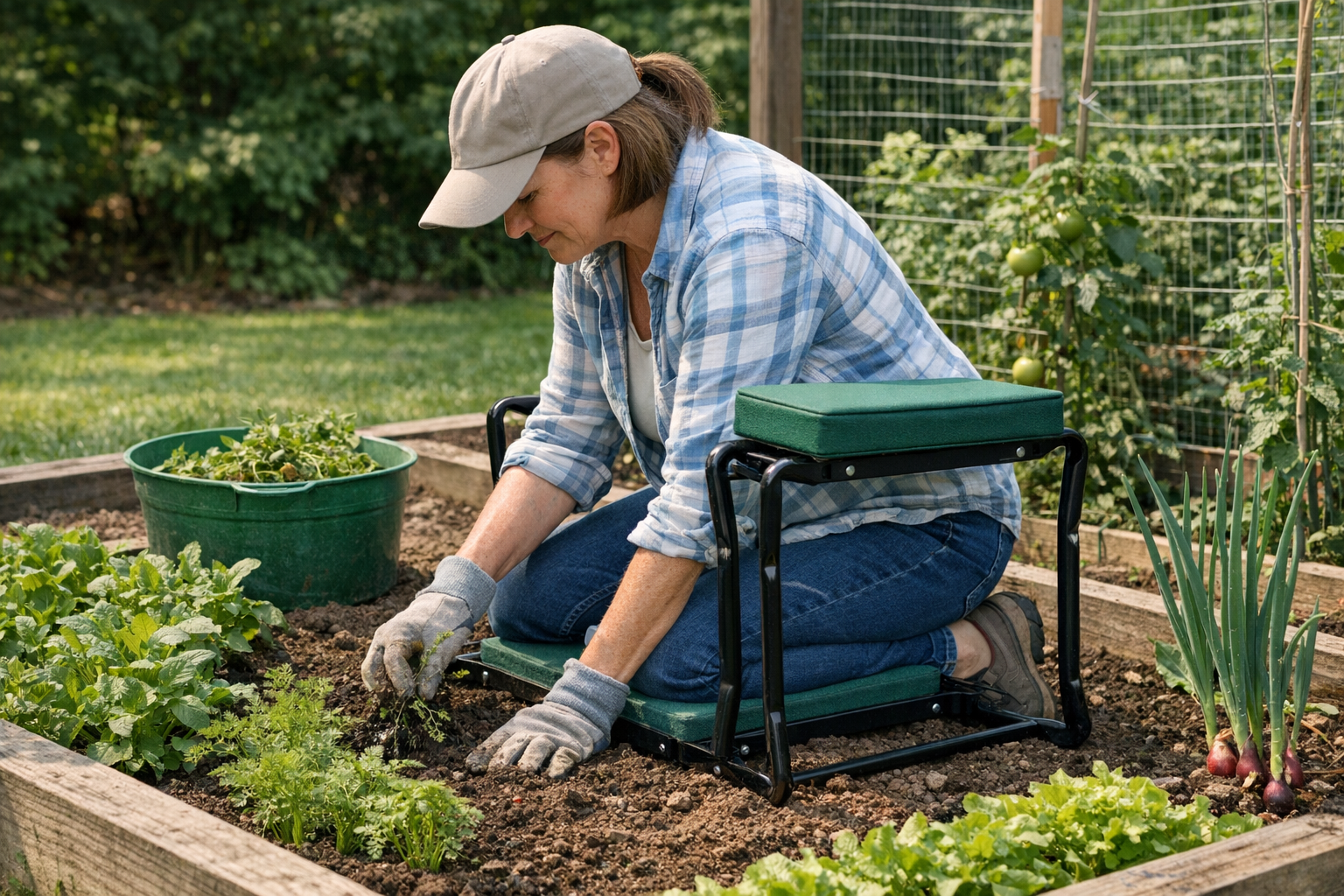
Best Garden Kneelers and Seats (2026 Tested)
Gardening shouldn't wreck your knees and back. We tested kneelers, foldable seats, and rolling carts to find the picks worth the price.
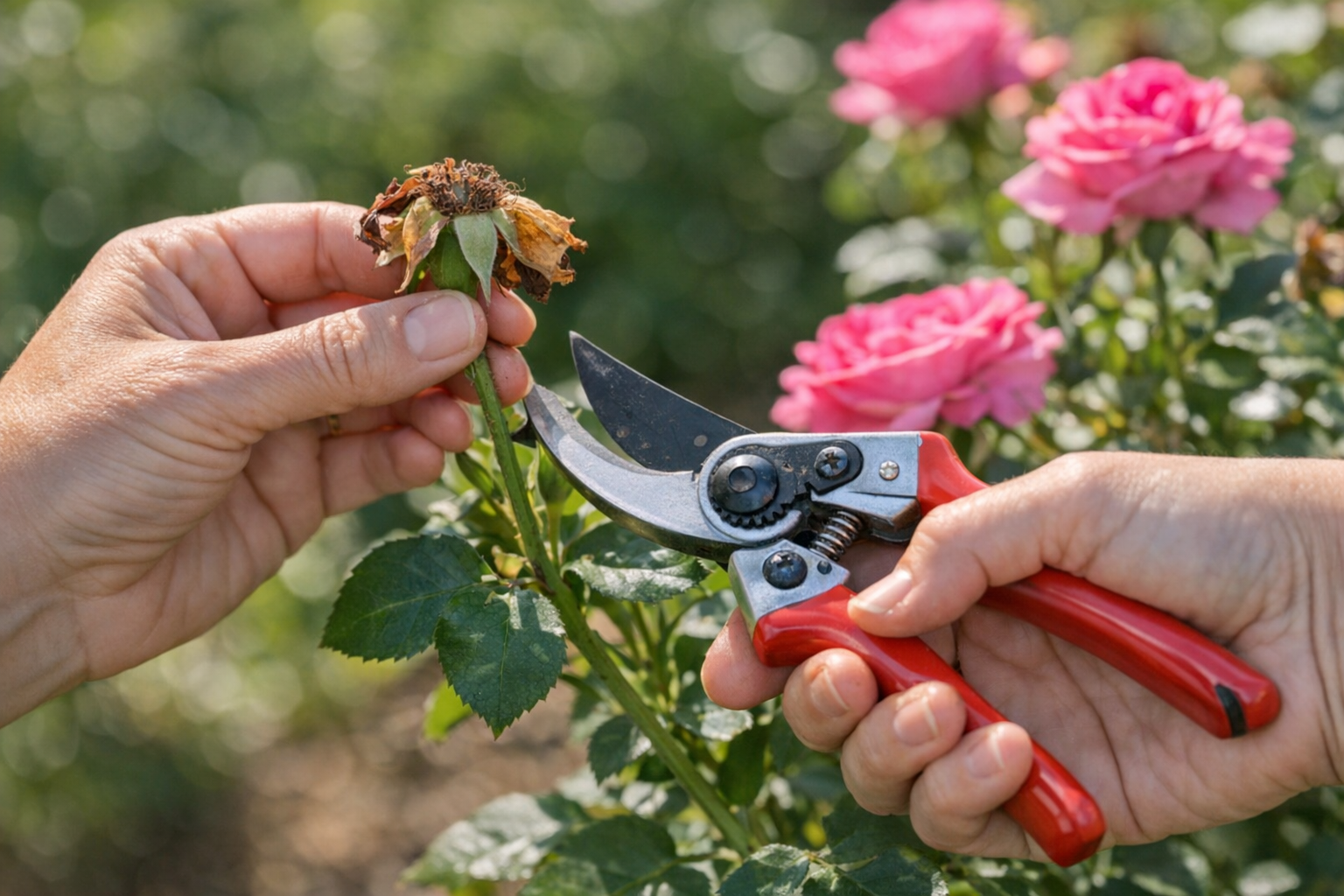
Best Pruning Shears for Gardeners (2026 Guide)
We tested bypass and anvil pruning shears across roses, fruit trees, perennials, and tomato vines. Here are the picks worth your money — and the one to avoid.
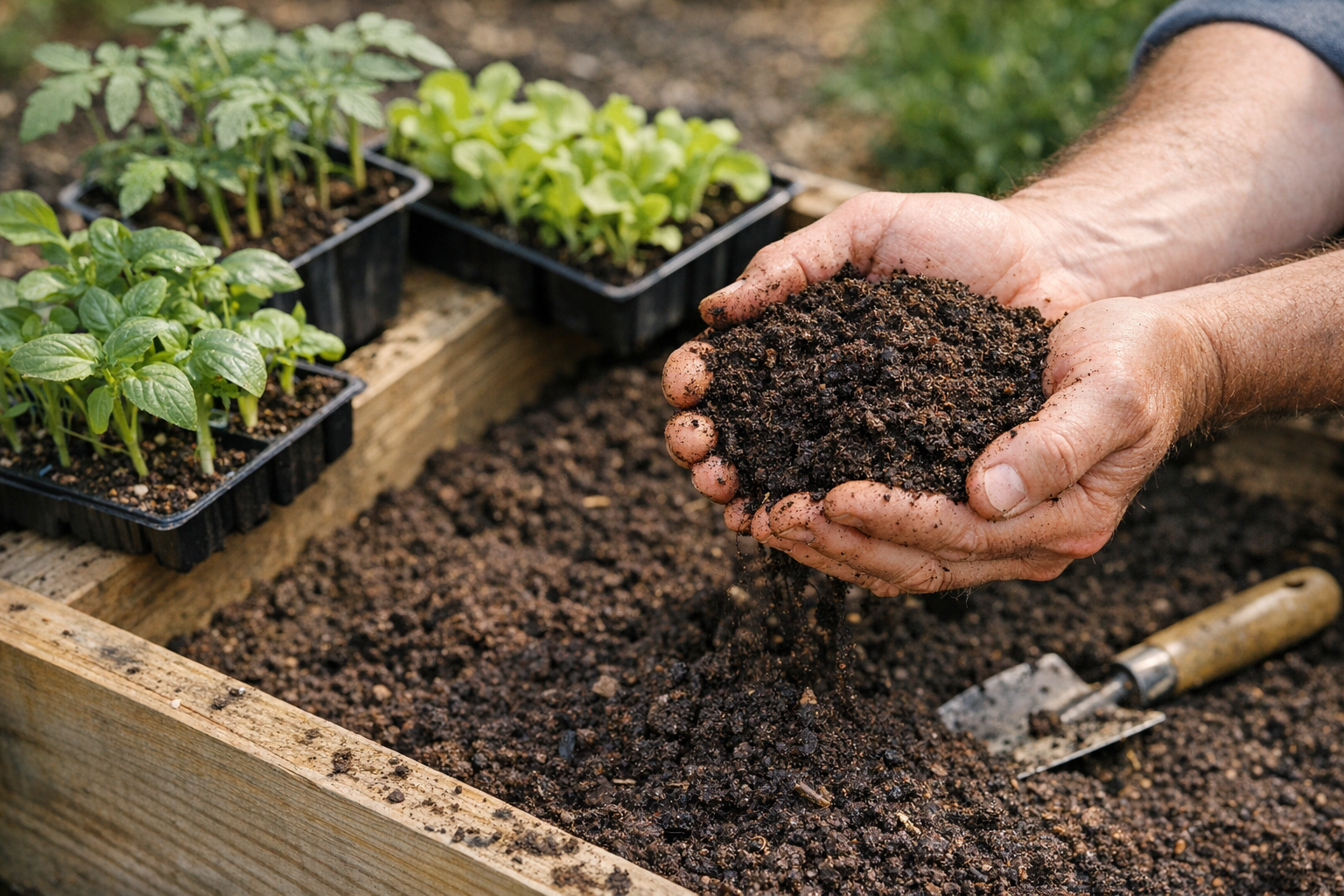
Best Raised Bed Soil Mixes (2026 Buyer's Guide)
Bagged soil for raised beds is a minefield. We tested the top brands for vegetable yield, drainage, and value to find the soil mixes that actually grow food.
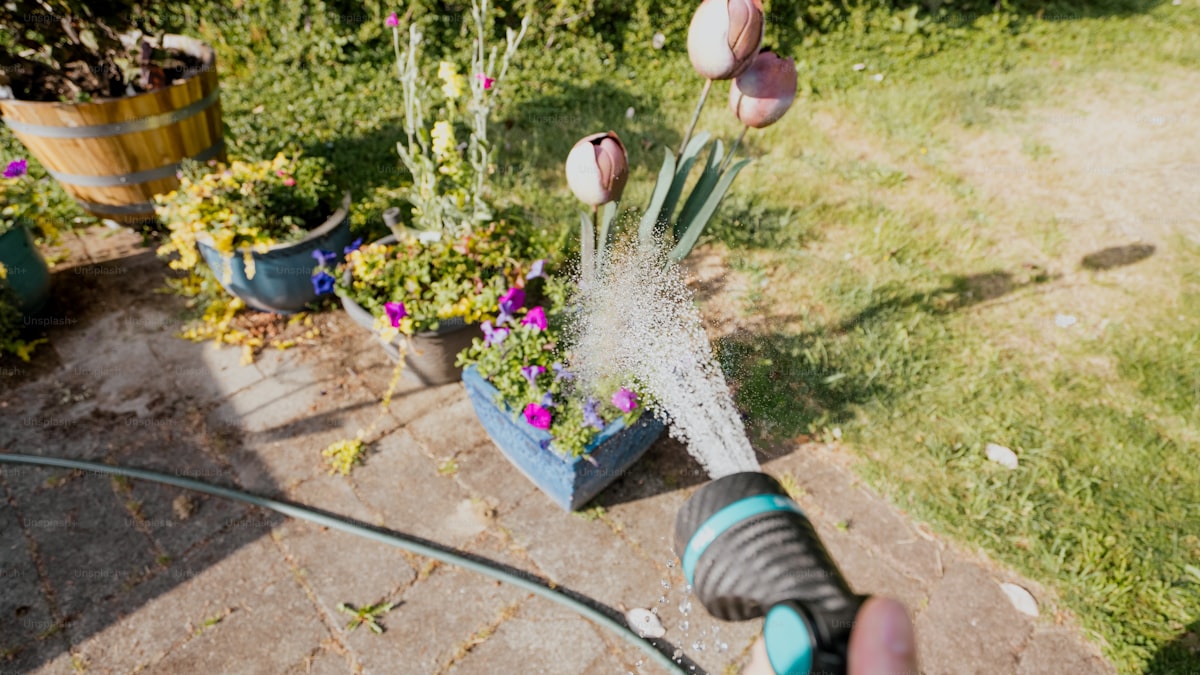
5 Best Garden Hose Nozzles and Sprayers (2026)
Find the perfect garden hose nozzle for watering plants, washing cars, and cleaning patios. We compared the top sprayers — here are the 5 best for every job.
Best Raised Garden Bed Kits You Can Order Online (2026)
The best raised garden bed kits for beginners and experienced gardeners. We compare wood, metal, and composite options with honest reviews and setup tips.
Related Articles
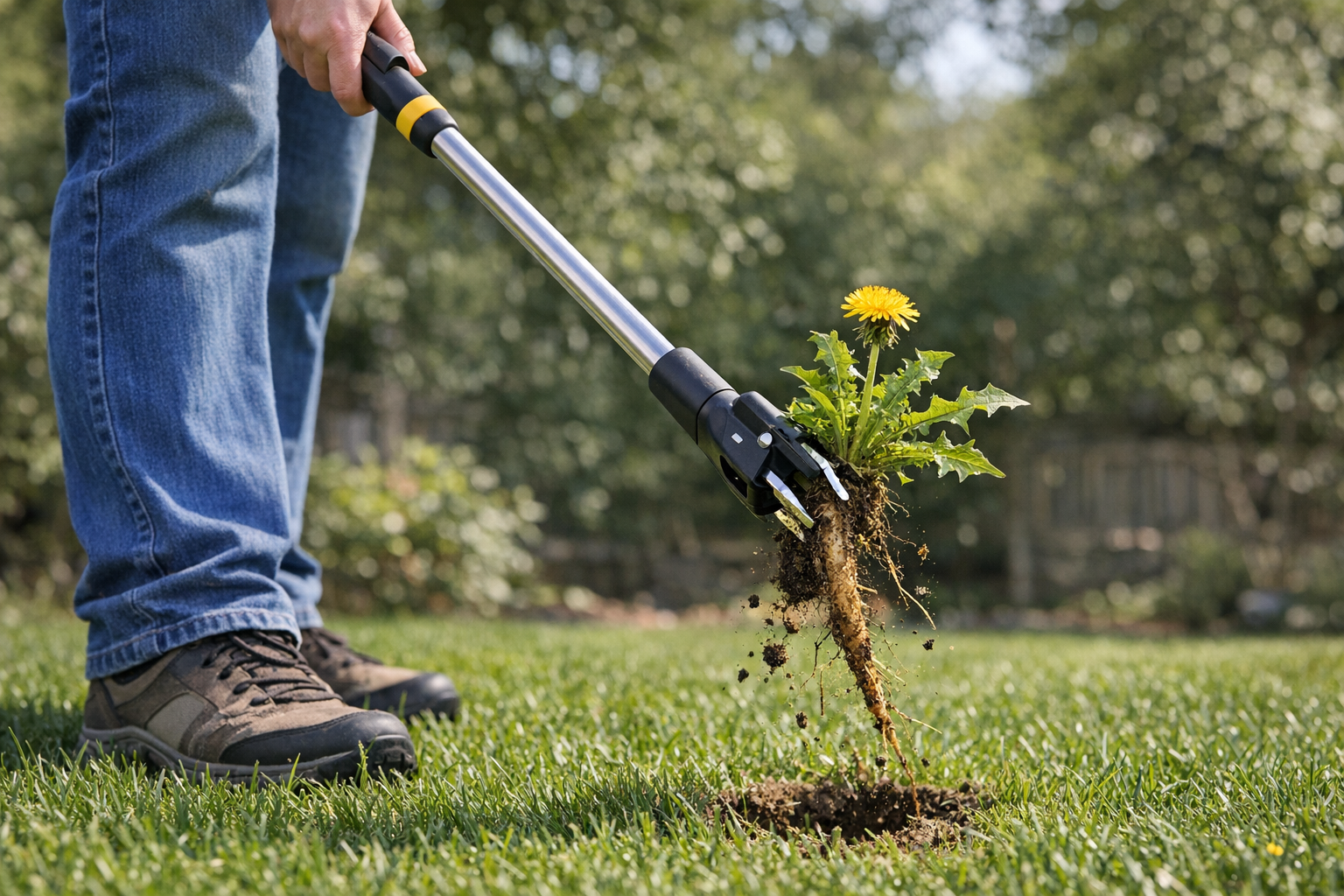
How to Get Rid of Dandelions Naturally (Without Killing the Lawn)
Dandelions are stubborn but beatable without chemical herbicides. Here's the 3-pronged natural approach that works long-term — and the tools that make it easy.
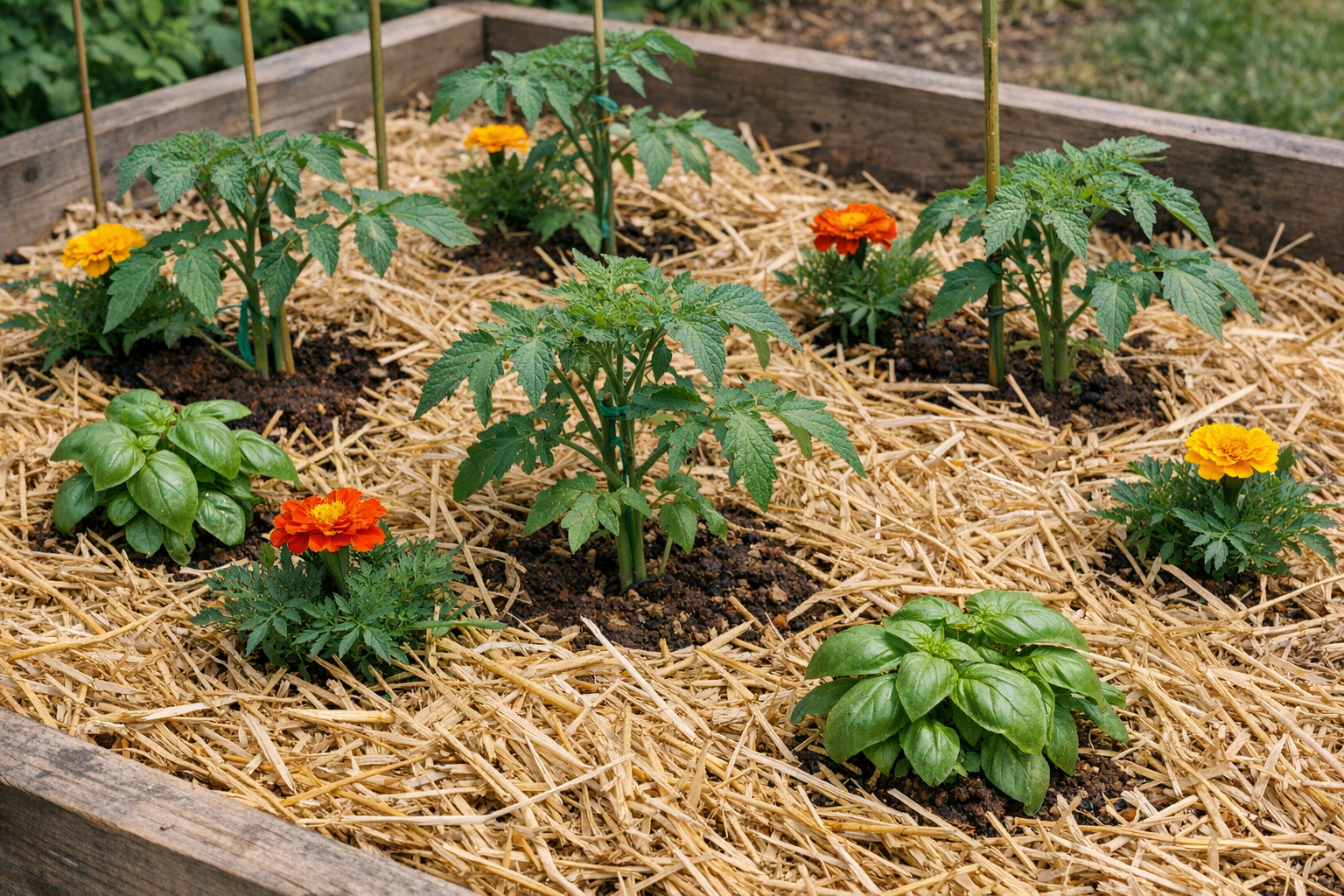
When to Plant Warm-Weather Annuals (And Which Are Easiest)
Tomato, pepper, basil, marigold — all are warm-weather plants that hate cold soil. Here's how to time the transplant for the longest possible harvest.
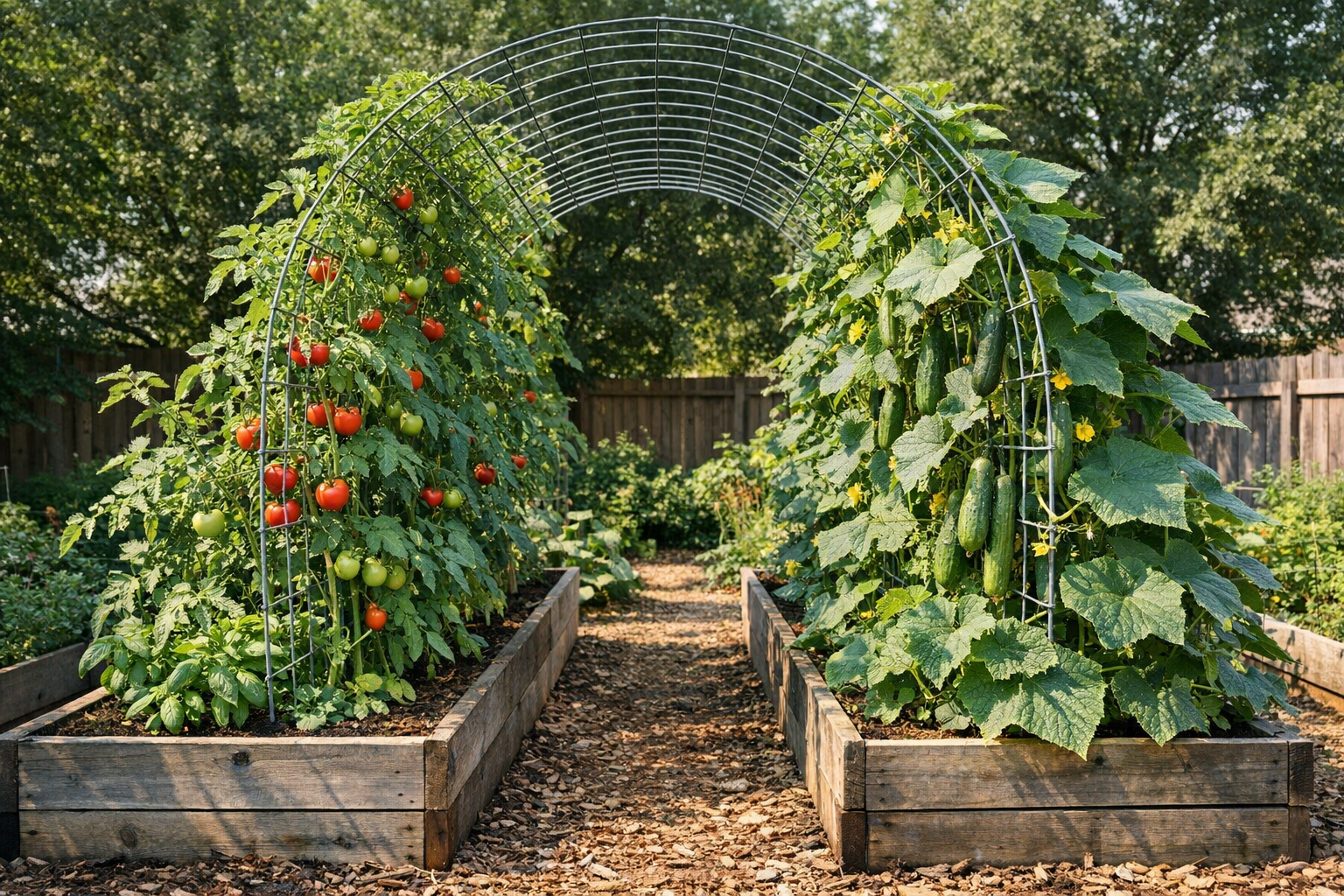
How to Build a DIY Garden Trellis for Climbing Vegetables
A sturdy trellis doubles your garden's yield per square foot. Here's how to build three easy styles using cheap materials in under an hour each.
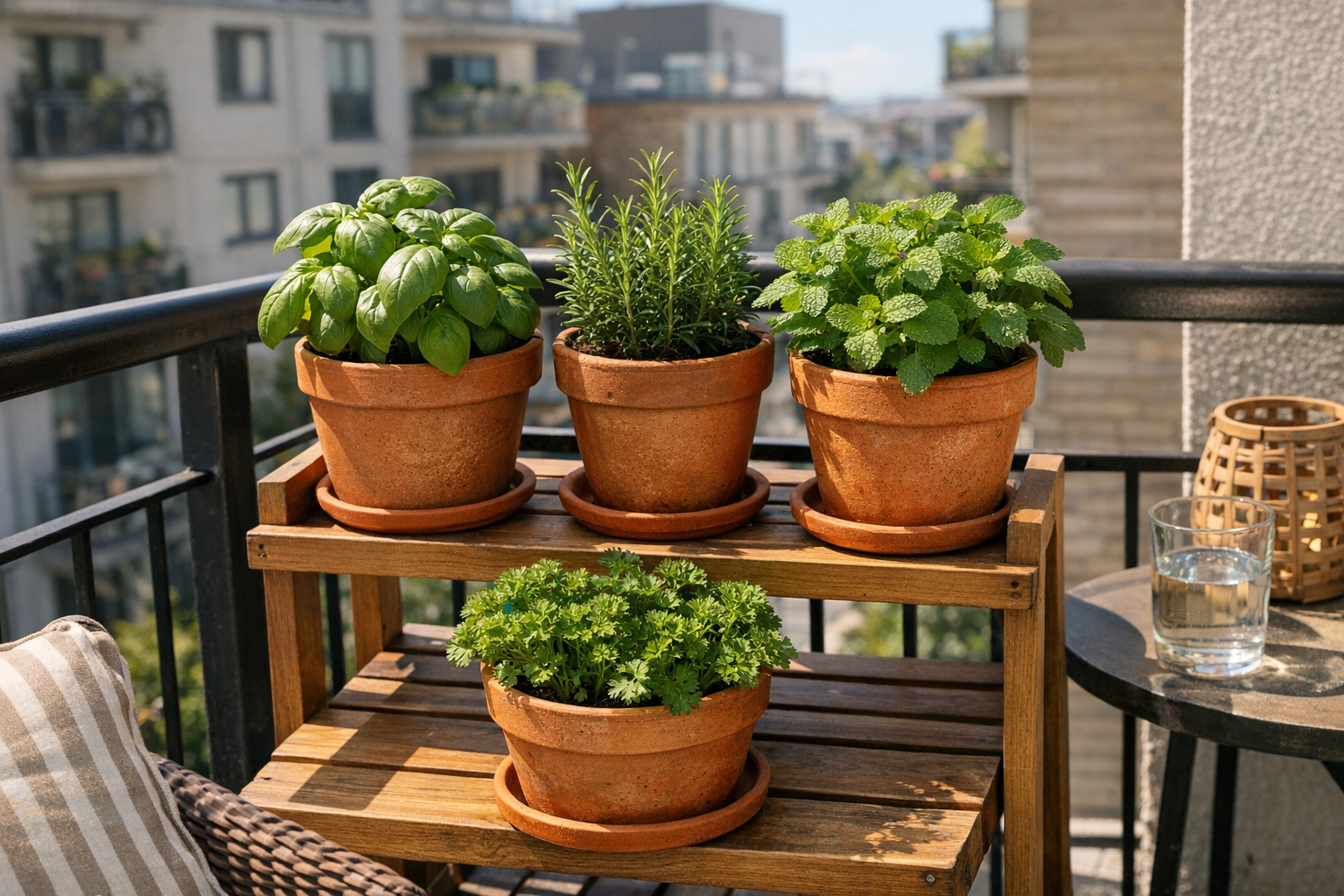
How to Start a Container Herb Garden on a Balcony
Fresh herbs all summer from a small apartment balcony or porch — even with limited sun. Picks for the easiest herbs, the right pots, and the soil that actually works.