How to Organize a Small Kitchen (Maximize Every Inch)
This article may contain affiliate links. If you make a purchase through these links, we may earn a small commission at no extra cost to you. Learn more
Quick Answer
How to Organize a Small Kitchen (Maximize Every Inch)
The key to organizing a small kitchen is to declutter ruthlessly, then use every vertical and hidden inch of space you have. Install shelf risers in cabinets, hang items on walls and the insides of doors, and keep counters as clear as possible. Group items into zones by function so everything has a logical home, and adopt a strict one-in-one-out rule to prevent clutter from creeping back.
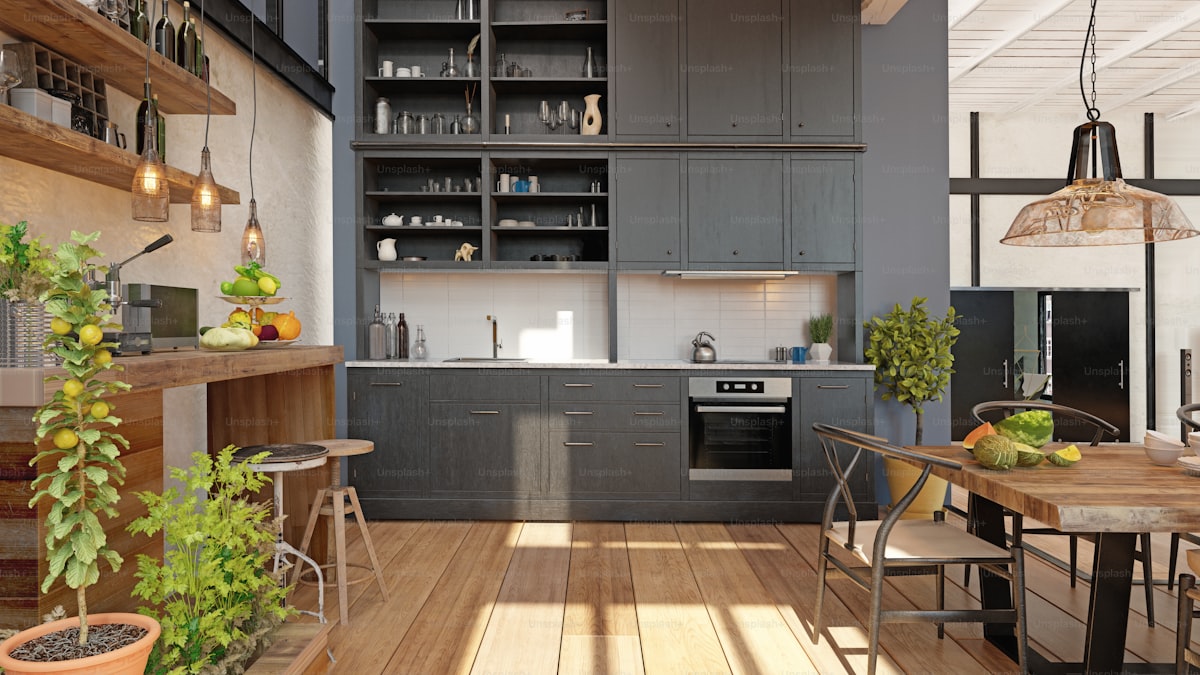
How to Organize a Small Kitchen (Maximize Every Inch)
A small kitchen does not mean a dysfunctional kitchen. It means every inch counts, and every item needs to earn its spot. The difference between a cramped, frustrating cooking space and a compact kitchen that works beautifully comes down to how you organize it.
If you have been stacking things on top of other things just to close a drawer, or avoiding cooking because the clutter feels suffocating, this guide is for you. You do not need a renovation or a bigger apartment. You need a system that respects the space you actually have.
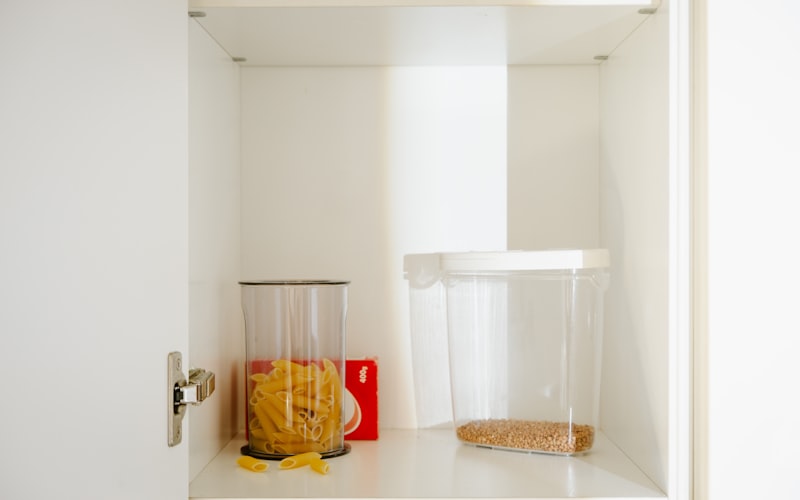
Why Does a Small Kitchen Get Cluttered So Fast?
Before jumping into solutions, it helps to understand why small kitchens spiral into chaos faster than larger ones. When you know the root causes, the fixes make more sense and stick longer.
There is no buffer zone. In a big kitchen, you can absorb a few extra gadgets or a stack of mail on the counter without it feeling chaotic. In a small kitchen, one misplaced item creates a chain reaction. The toaster is on the counter because the cabinet is full, the cabinet is full because the pantry shelf is overloaded, and the pantry shelf is overloaded because you have not decluttered in two years.
Counters double as storage. When cabinet and drawer space is limited, countertops become the overflow zone. But counter space in a small kitchen is precious real estate -- it is your prep area and your breathing room. The moment it fills up with appliances and clutter, the entire kitchen feels broken.
You buy for a bigger kitchen than you have. You see a great deal on a 12-piece pot set or a bulk pack of canned goods, and you buy it because it seems practical. But your kitchen cannot absorb it. Small kitchens require you to buy and store with intention, not aspiration.
What Do You Need Before You Start?
Gather these supplies before you begin so you do not lose momentum halfway through the project.
- Two large trash bags (one for trash, one for donations)
- All-purpose cleaner and a roll of paper towels
- A measuring tape -- critical for buying organizers that actually fit
- Shelf liner or contact paper
- A notepad or your phone for jotting down measurements
- Sticky notes for temporary labeling during the sorting process
Set aside three to four hours for the full project. If your kitchen is particularly packed, plan for a full afternoon. Clear off the dining table for sorting and commit to the process from start to finish.
How Do You Declutter a Small Kitchen Effectively?
This is the single most important step and the one most people rush through. In a small kitchen, decluttering is not optional -- it is the foundation everything else is built on. If you skip it or go easy on yourself, no amount of clever organizers will save you.
Step 1: Empty one zone at a time. Do not try to empty the entire kitchen at once -- that works in larger spaces but creates overwhelming chaos in a small one. Start with the cabinets, then move to drawers, then the pantry, then the countertops. Work through each zone completely before moving on.
Step 2: Sort everything into four piles. Keep items you use at least once a month. Donate anything in good condition that you have not touched in six months or more. Toss anything broken, expired, stained, or missing parts. Relocate items that do not belong in the kitchen at all -- that junk drawer full of batteries and old menus needs to find a new home.
Step 3: Be ruthless with duplicates. You do not need four spatulas, three can openers, or seven mismatched food storage containers with no matching lids. Keep the best version of each item and let the rest go. In a small kitchen, duplicates are the enemy.
Step 4: Question every single-use gadget. The avocado slicer, the strawberry huller, the egg separator -- if a regular knife or your hands can do the job, the gadget is taking up space you cannot afford to waste. Keep single-use tools only if you use them weekly.
If you want a broader framework for tackling clutter throughout your home, our guide on how to declutter your home room by room walks you through the same ruthless approach for every space.
How Should You Organize Small Kitchen Cabinets?
Cabinets are the backbone of kitchen storage, and in a small kitchen they need to work harder than anywhere else. The goal is to eliminate dead space -- those gaps above short stacks of plates, the dark corners in the back where things go to be forgotten, and the wasted vertical inches between shelves.
Step 1: Adjust your shelf heights. Most cabinets have adjustable shelves, but almost nobody moves them from the factory position. Reposition the shelves so there are only one to two inches of clearance above your tallest items. This alone can free up enough space for an entire extra row of items.
Step 2: Add shelf risers. A shelf riser creates a second level inside a cabinet, letting you store plates on the bottom and bowls on top without stacking them dangerously high. Wire risers are lightweight, adjustable, and cost under fifteen dollars. They are one of the best investments you can make for a small kitchen.
Step 3: Use the inside of cabinet doors. Adhesive hooks or slim over-the-door organizers turn dead space into storage for measuring cups, pot lids, or small cutting boards. Just check that the door still closes properly after you mount anything.
Step 4: Store items by frequency of use. Everyday dishes and glasses go at eye level or on the lowest easily accessible shelf. Seasonal items, specialty bakeware, and things you use once a month go up high. If you need a step stool to reach it, you should not be reaching for it daily.
For a deeper dive into cabinet-specific strategies -- including lazy Susans for corner cabinets and the best way to stack pots and pans -- check out our full guide on how to organize kitchen cabinets.
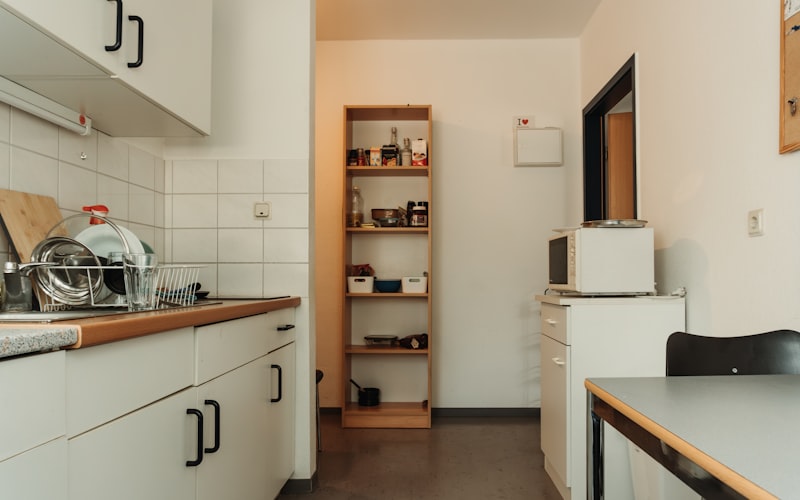
How Can You Maximize Counter Space in a Small Kitchen?
In a small kitchen, clear counters are not just a visual preference -- they are a functional necessity. Every square inch of counter you reclaim is prep space, and prep space is what makes cooking feel manageable instead of maddening.
Step 1: Remove everything from the counters. Yes, everything. The toaster, the knife block, the fruit bowl, the paper towel holder, the decorative canister set -- all of it. Put it on the dining table temporarily.
Step 2: Put back only what you use every single day. For most people, that is a coffee maker and maybe a cutting board. That is it. Everything else should earn its counter spot by proving you reach for it daily. The stand mixer you use twice a month? It lives in a cabinet now.
Step 3: Go vertical. A wall-mounted magnetic knife strip replaces a bulky knife block and frees up six to eight inches of counter space. Wall-mounted spice racks, hanging fruit baskets, and mounted paper towel holders all move items off the counter and onto the walls where they take up zero prep space.
Step 4: Use a small rolling cart as a movable island. If you have even a sliver of floor space, a slim kitchen rolling cart gives you extra counter space when cooking and tucks against a wall when you are done. Look for one with locking wheels and a butcher-block top so it doubles as a cutting surface.
3-Tier Slim Rolling Kitchen Cart with Lockable Wheels
A narrow rolling cart that fits in tight spaces and provides extra counter and storage space. Features a solid top surface for prep work, two wire basket shelves for pantry items or cookware, and locking casters to keep it in place while you cook.
Check Price on Amazon →What Are the Best Vertical Storage Solutions for Small Kitchens?
Walls, the sides of cabinets, and the space above the refrigerator are all storage real estate that most people completely ignore. In a small kitchen, vertical storage is not a bonus -- it is a requirement.
Pegboards. A kitchen pegboard mounted on an empty wall section gives you customizable storage for pots, pans, utensils, and even small shelves. You can rearrange hooks and baskets anytime your needs change, and a two-by-three-foot pegboard can replace an entire drawer worth of utensil storage.
Ceiling-mounted pot racks. If you have high ceilings, a hanging pot rack gets your heaviest, bulkiest items out of the cabinets entirely and frees up massive amounts of cabinet space. Even a simple wall-mounted rail with S-hooks accomplishes the same goal at a fraction of the cost.
Above the refrigerator. That awkward space on top of the fridge is perfect for items you rarely use -- large serving platters, seasonal bakeware, or bulk pantry overflow. Use a basket or bin up there to keep things contained and prevent the area from becoming a dust-collecting dumping ground.
Tension rods under the sink. Install a tension rod in the upper part of your under-sink cabinet to hang spray bottles by their triggers. This lifts them off the cabinet floor and creates space underneath for bins and cleaning supplies. For a complete breakdown of that particular zone, see our guide on how to organize under your kitchen sink.
How Do You Organize Drawers and Small Spaces Efficiently?
Drawers in a small kitchen tend to become junk magnets. Without internal structure, they devolve into tangled messes of utensils, takeout menus, and mystery items within weeks. Here is how to fix that permanently.
Use drawer dividers everywhere. Adjustable bamboo or plastic drawer dividers transform a single chaotic drawer into multiple organized compartments. Group utensils by type -- cooking spoons together, measuring tools together, serving utensils together. When everything has a designated section, it actually gets put back.
Dedicate one drawer to your most-used tools. Your daily cooking utensils -- a spatula, a wooden spoon, tongs, a whisk, and a peeler -- should all live in one easy-access drawer near the stove. Do not mix them in with the turkey baster you use once a year.
Tackle the spice situation. In a small kitchen, a spice drawer with an angled insert is often more efficient than a cabinet full of bottles. You see every label at a glance and waste no space on hidden back rows. Our guide on how to organize your spice drawer or cabinet covers the full setup in detail.
Use the inside of lower cabinet doors. Mount slim racks or adhesive-backed hooks on the inside of doors below the counter. These spots are ideal for pot lids, cutting boards, or a small rack of wrap and foil boxes. It is storage that exists in a dimension most people forget about entirely.
How Do You Organize a Small Kitchen Pantry or Food Storage Area?
Many small kitchens lack a dedicated pantry, which means food storage happens inside cabinets, on shelves, or in a small closet nearby. Wherever your food lives, the principles are the same.
Group by category. Baking supplies together, canned goods together, snacks together, breakfast items together. When everything is zoned by category, you can find what you need in seconds and instantly see when you are running low on something. This zoning approach is the backbone of how to organize your pantry like a pro.
Use clear, stackable containers. Transferring dry goods like flour, sugar, rice, and pasta out of their bulky original packaging and into uniform clear containers saves a shocking amount of space. Square or rectangular containers use shelf space more efficiently than round ones because they eliminate the gaps between curved walls. Our roundup of the best storage bins and organizers includes picks specifically for kitchen pantry use.
Implement the first-in-first-out rule. When you buy new groceries, put the new items behind the older ones. This simple habit reduces food waste significantly because nothing gets buried and forgotten until it expires.
Use shelf risers in your food cabinets too. Tiered shelf risers let you see canned goods and jars in the back row without moving the front row. This is especially critical in small kitchens where you might only have one or two shelves dedicated to pantry items.
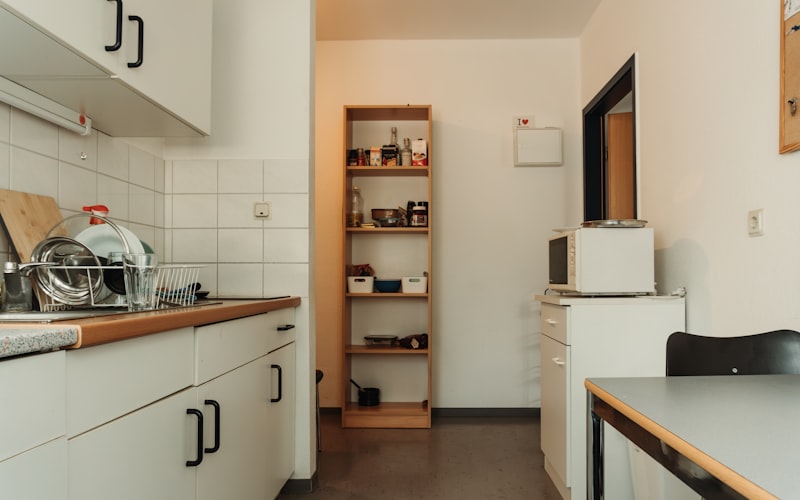
What Habits Keep a Small Kitchen Organized Long-Term?
Getting organized is the easy part. Staying organized in a small kitchen requires a handful of habits that become second nature once you commit to them.
The one-in-one-out rule is non-negotiable. Every time a new item enters the kitchen -- a new gadget, a new set of containers, a new appliance -- something of equal size has to leave. This is the single most effective habit for preventing a small kitchen from slowly filling back up.
Clean as you go. In a small kitchen, dishes left in the sink and ingredients left on the counter create an immediate bottleneck. Washing a pot while something simmers and putting ingredients away as you finish with them keeps the space functional throughout the cooking process.
Do a weekly five-minute reset. Once a week, open every cabinet and drawer and do a quick scan. Put anything that migrated to the wrong spot back where it belongs. Toss any food that went bad. Wipe up drips or crumbs. Five minutes of maintenance prevents a two-hour reorganization project later.
Stop buying in bulk unless you have the space. Buying in bulk is a great money-saving strategy -- when you have somewhere to put everything. In a small kitchen, a 24-pack of paper towels or a warehouse-sized bag of rice can overwhelm your storage instantly. Buy what fits, and find other ways to save money on furniture and household items that do not require warehousing supplies in your cooking space.
Involve everyone in the household. If multiple people use the kitchen, everyone needs to know the system. Labels help. A quick tour of the new organization helps more. When everyone puts items back in the right spot, the system sustains itself.
Frequently Asked Questions
How much does it cost to organize a small kitchen properly?
You can make a significant impact for under thirty dollars with a few shelf risers, a tension rod, and some drawer dividers. A more complete overhaul -- including matching food storage containers, a rolling cart, and wall-mounted racks -- typically runs between seventy-five and one hundred fifty dollars. The investment pays for itself through reduced food waste and fewer duplicate purchases. Start with the highest-impact items like shelf risers and drawer dividers, then add more over time.
What should you do first when organizing a small kitchen?
Always start with decluttering. No organization system can compensate for having too much stuff in too little space. Remove everything from your cabinets and drawers one zone at a time, sort ruthlessly into keep, donate, toss, and relocate piles, and only put back what you genuinely use. Most people eliminate twenty to thirty percent of their kitchen items during a thorough declutter, and that freed-up space makes everything else possible.
How do you make a small kitchen look bigger while keeping it organized?
Clear countertops are the biggest visual game-changer -- when the counters are free of clutter, the kitchen immediately looks and feels larger. Use matching containers and bins for a uniform look inside open shelving or glass-front cabinets. Wall-mounted storage keeps items visible but off the counters, and light-colored shelf liners brighten dark cabinets. But the real trick is simply owning less -- a small kitchen with fewer items always looks bigger than one stuffed to capacity with perfectly organized clutter.
Can you organize a small kitchen without drilling holes in the walls?
Absolutely. Adhesive hooks and strips rated for kitchen use hold several pounds and leave no damage when removed. Over-the-door organizers hook onto cabinet doors without hardware. Tension rods install with pressure alone and work under sinks, between shelves, or inside cabinets. Magnetic strips with adhesive backing mount to walls or the side of the refrigerator. Freestanding shelf risers, lazy Susans, and drawer dividers require zero installation at all. A fully organized small kitchen is completely achievable in a rental without touching a drill.
Final Thoughts
A small kitchen is not a problem to be solved -- it is a constraint to be respected. When you work with the space instead of against it, a compact kitchen can be just as functional and enjoyable as one twice its size. The secret is not more storage products. It is fewer items, smarter placement, and simple habits that keep things in order.
Start this weekend. Pick one zone -- your cabinets, your counters, or your drawers -- and work through the steps above. Once you see how much better that one zone functions, you will want to tackle the rest. Within an afternoon, you can transform a kitchen that feels cramped and chaotic into one that feels calm, efficient, and genuinely pleasant to cook in.
Get weekly home tips that actually work
Join thousands of homeowners getting practical cleaning hacks, DIY fixes, and money-saving tips every week. Free, and you can unsubscribe anytime.

Written by
Beth SullivanFounder & Editor-in-Chief
Beth Sullivan is the founder of Practical Home Guides. With over a decade of hands-on experience tackling every home challenge imaginable, she started this site to share the practical, no-nonsense solutions she wishes she had found years ago. When she's not testing cleaning hacks or organizing pantries, you'll find her in the garden or working on her next DIY project.
Recommended Products
Looking for specific product recommendations? Check out our tested picks.
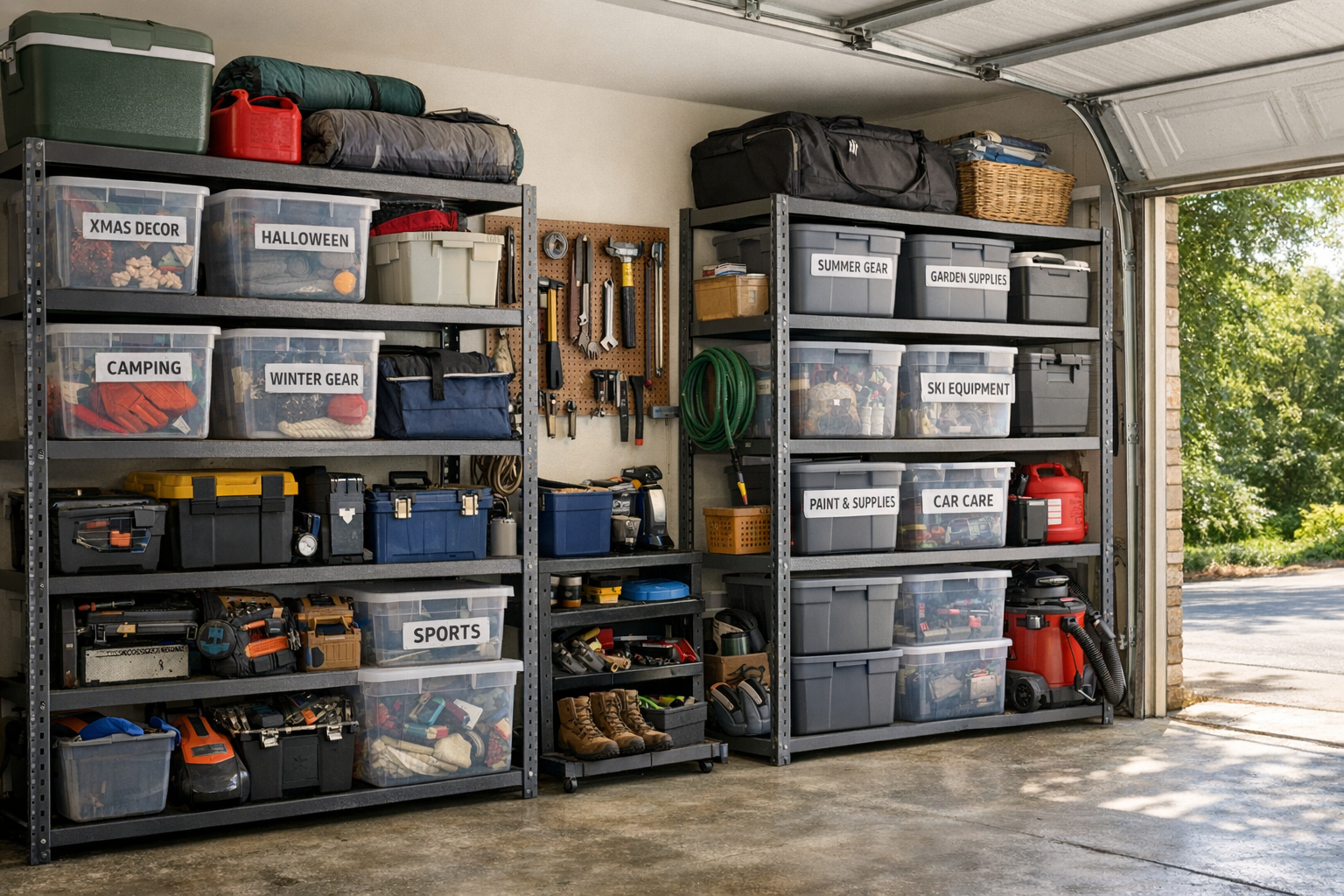
Best Garage Shelving Systems (2026 Tested)
Wire shelving, freestanding steel, wall-mounted, and overhead — we tested the garage shelving systems that hold real weight without sagging.

5 Best Closet Organizer Systems Under $100 (2026)
Transform your cluttered closet without spending a fortune. We compared the top closet organizer systems under $100 — here are the 5 best for different closet sizes and needs.
Best Storage Bins and Organizers for Every Room (2026)
The best storage bins, baskets, and organizers for closets, pantries, bathrooms, and garages. Practical picks at every price point to get your home organized.
Related Articles
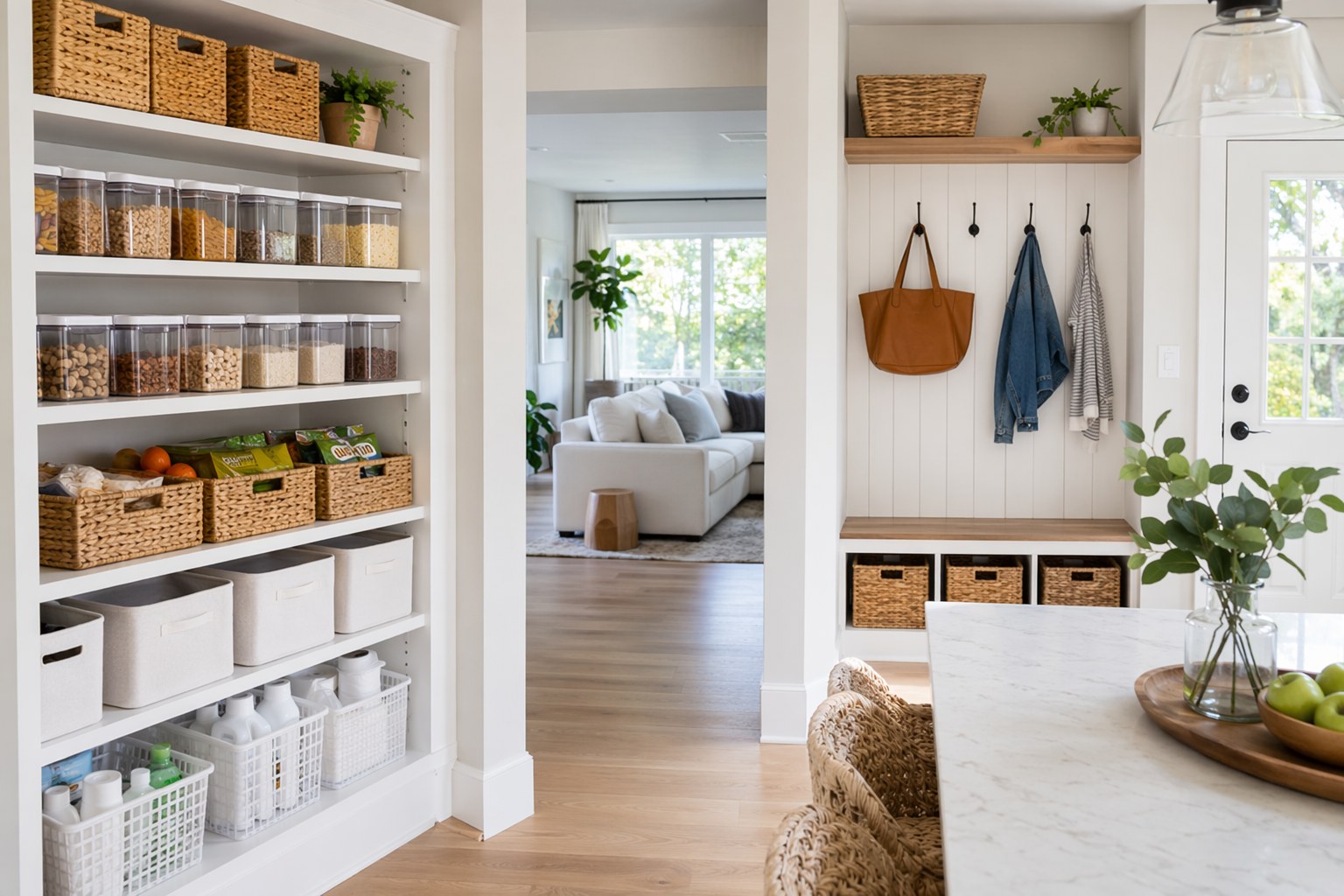
The Complete Home Organization System: A Room-by-Room Master Plan
A room-by-room home organization master plan with a proven system, product picks, and a realistic schedule to organize your entire house without burning out.
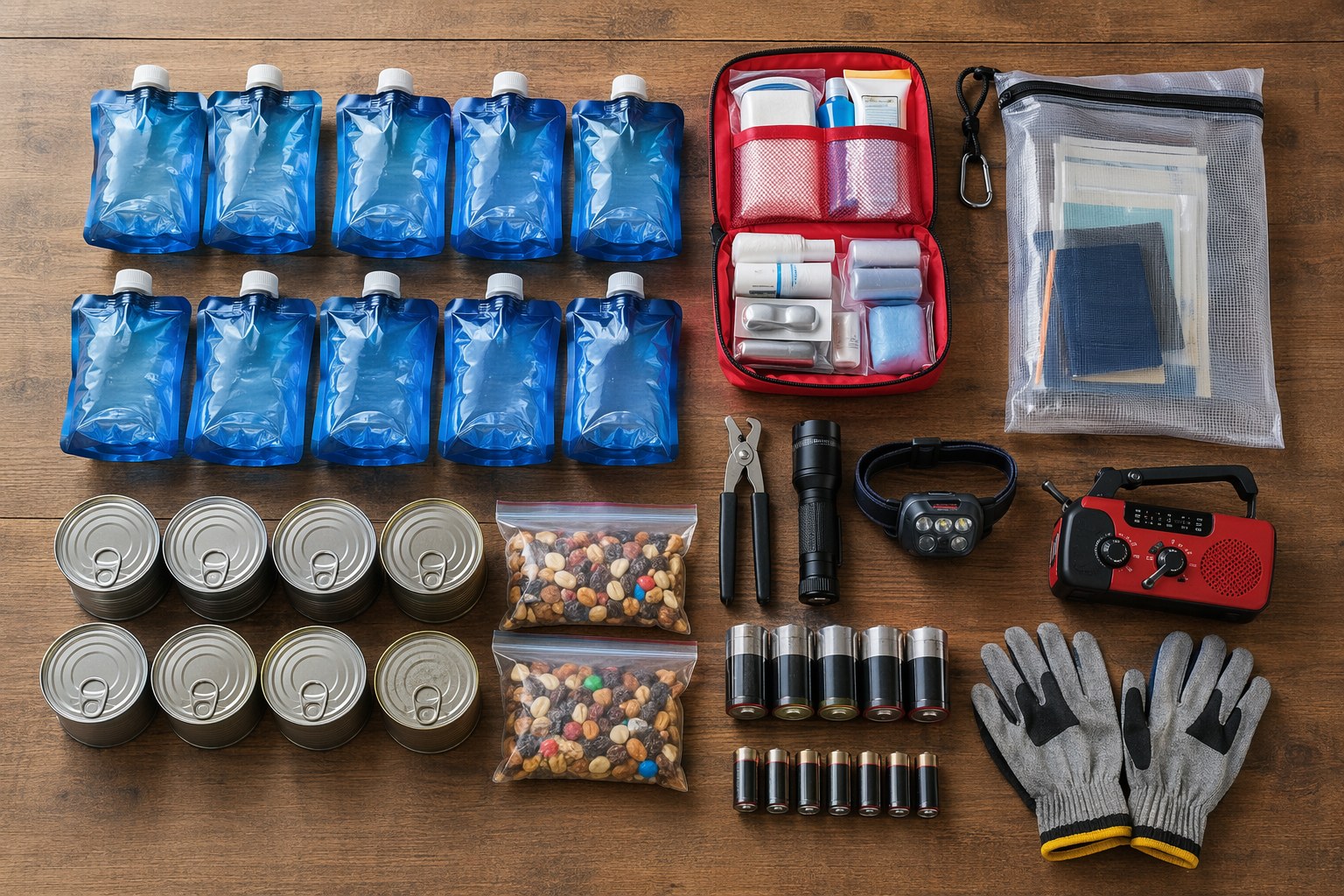
Hurricane Season Prep: June 1 Home Readiness Checklist for Coastal Areas
A June 1 hurricane readiness checklist for coastal homes: build your emergency kit, harden the property, and stockpile supplies before the season peaks in fall.

Graduation Gift: Tech Essentials for College Success
The 2026 graduation tech gift list that balances budget and function: laptop, noise-canceling earbuds, power bank, and the upgrades worth your money.

Summer Bedroom Comfort: Cooling Bedding & Sleep Setup Guide
A sleep coach's guide to staying cool in hot weather: breathable bedding, pillow placement, and temperature hacks for better rest from May through August.