How to Keep Plants Alive While on Vacation (10 Proven Methods)
This article may contain affiliate links. If you make a purchase through these links, we may earn a small commission at no extra cost to you. Learn more
You've been counting down the days to your vacation, but there's one nagging worry in the back of your mind: what happens to your plants while you're gone? We've all come home to droopy, yellowed houseplants after a trip, and it's a terrible feeling.
The good news is that keeping your plants alive while you're away doesn't require hiring a plant sitter or investing in expensive gear. With a little preparation and the right techniques, your green friends can survive -- and even thrive -- during your absence.
In this guide, we'll walk you through 10 proven methods to keep your plants watered and healthy while you're on vacation, whether you're gone for a long weekend or a full two weeks.
Before You Leave: Preparation Steps
Before we dive into the specific watering methods, there are a few universal steps you should take regardless of which technique you choose.
Group Your Plants Together
Move all of your plants to a single room away from direct sunlight. Grouping them together creates a microclimate with higher humidity, which slows moisture loss from the soil and leaves. A bathroom with a frosted window or a shaded corner of your living room works perfectly.
Water Thoroughly Before You Go
Give every plant a deep, thorough watering the day before you leave. Water until it drains from the bottom of each pot, then let the excess drain completely. This saturates the soil and gives each plant the best possible starting point.
Prune and Deadhead
Remove any dead leaves, spent flowers, and leggy growth. Pruning reduces the amount of foliage each plant needs to support, which means less water consumption while you're away. Think of it as lightening the load before a long hike.
Skip the Fertilizer
Don't fertilize in the week before your trip. Fertilizer encourages new growth, which increases water demand. You want your plants in a stable, low-energy state while you're gone.
10 Proven Methods to Keep Plants Watered While Away
1. The Bathtub Soak Method
This is the simplest method for short trips of 3-5 days. Place a few old towels in your bathtub, set your potted plants (with drainage holes) on top, and add about an inch of water to the tub. The towels wick moisture up into the pots through capillary action, keeping the soil consistently damp.
Best for: 3-5 day trips, plants that prefer moist soil
What you need: Bathtub, old towels
Make sure your pots have drainage holes for this to work. The towels act as a slow-release reservoir, delivering moisture gradually rather than flooding the roots.
2. Wine Bottle Drip System
Don't toss those empty wine bottles. Fill one with water, quickly flip it upside down, and push the neck about two inches into the soil. The water will slowly release as the soil dries and air enters the bottle.
Best for: 5-7 day trips, medium to large pots
What you need: Empty wine or beer bottles
For best results, poke a small hole in the cap to control the flow rate. A capped bottle with a tiny hole releases water more slowly and evenly than an open bottle. Test this a day or two before your trip to make sure the flow rate is right for each plant.
3. DIY String Wicking System
This classic technique uses cotton string or yarn to wick water from a reservoir into your plant's soil. Place a large container of water next to your plant (or slightly above it), then run a cotton string from the bottom of the water container into the soil, burying the end about 2-3 inches deep.
Best for: 1-2 week trips, any pot size
What you need: Cotton string or yarn, water container
The string draws water through capillary action at a steady, gentle rate. We recommend using braided cotton rope for larger pots and thinner cotton yarn for smaller ones. You can run multiple strings into the same pot for thirstier plants.
This method pairs well with low-maintenance indoor plants that don't need constant moisture, since the wicking rate is slow and steady rather than heavy.
4. Plastic Bag Greenhouse
Enclose the entire plant -- pot and all -- in a large clear plastic bag, creating a mini greenhouse. Water the plant well, then loosely seal the bag with a twist tie. The moisture that evaporates from the soil and leaves condenses on the bag and drips back down, creating a self-contained water cycle.
Best for: 1-2 week trips, humidity-loving plants
What you need: Large clear plastic bags, twist ties, stakes or chopsticks
Insert a few chopsticks or small stakes into the soil to keep the bag from resting directly on the leaves. This prevents mold and gives the plant room to breathe. Make sure the bag is clear so light can still reach the plant.
Avoid this method for succulents and cacti, as the trapped humidity can cause rot.
5. Terracotta Spike Waterers
Terracotta watering spikes are inexpensive, reusable, and incredibly effective. You screw or attach a filled water bottle to the spike, then push the spike into the soil. The porous terracotta releases water slowly as the surrounding soil dries.
Best for: 1-2 week trips, any pot size
What you need: Terracotta watering spikes (available at most garden centers)
These are our favorite affordable option because they're reliable and low-tech. They work with standard plastic water bottles, so you can easily scale the water supply to match the length of your trip by using larger bottles.
6. Self-Watering Pots
If you travel frequently, investing in self-watering pots is one of the smartest moves you can make. These pots have a built-in reservoir at the bottom that feeds water to the soil through a wicking mechanism. You simply fill the reservoir before your trip, and the plant draws water as needed.
Best for: Frequent travelers, long-term solution
What you need: Self-watering planters
Self-watering pots range from simple and affordable to decorative and high-end. They're especially useful for herbs and kitchen plants. If you're growing a kitchen windowsill herb garden, switching to self-watering pots means your basil and parsley will survive even your longest getaways.
7. Drip Irrigation Kit
For plant parents with larger collections, a drip irrigation kit is a worthwhile investment. These kits include a small water pump, tubing, and individual drip nozzles that deliver precise amounts of water to each plant on a timer.
Best for: 2+ week trips, large plant collections
What you need: Drip irrigation kit with timer ($20-$50 at hardware stores)
Set up the system and run it for a few days before your trip to fine-tune the flow rate for each plant. Connect the timer to deliver water once or twice daily depending on your plants' needs. This method is also useful for backyard vegetable gardens if you're extending the system outdoors.
8. Mulching the Soil Surface
Mulching isn't just for outdoor gardens. Adding a layer of mulch, pebbles, or moss on top of your houseplant soil dramatically reduces evaporation. The mulch acts as a barrier between the moist soil and the dry air, keeping water where the roots can access it.
Best for: Supplementing other methods, 3-7 day trips
What you need: Sphagnum moss, bark chips, pebbles, or even shredded newspaper
Apply a 1-2 inch layer of mulch on top of the soil after watering thoroughly. Combine this with any of the other methods on this list for maximum water retention. Organic mulches like bark and moss eventually break down and enrich the soil, contributing to overall soil health.
9. Smart Plant Watering Devices
Technology has caught up with plant care. Smart watering devices connect to your Wi-Fi and let you water your plants remotely from your phone. Some even have soil moisture sensors that water automatically when the soil drops below a certain threshold.
Best for: Extended trips, tech-savvy plant owners
What you need: Smart watering device ($30-$100), Wi-Fi connection
Popular options include devices from brands like Kollea, Moistenland, and Claber. The smartphone integration gives you peace of mind because you can check soil moisture levels and trigger watering from anywhere in the world. Some models even send push notifications when the water reservoir is low.
10. The Kiddie Pool Method (For Outdoor Plants)
If you have a collection of outdoor potted plants, gather them together in a shaded spot and place them in a kiddie pool or large plastic tub with 2-3 inches of water. The pots absorb water from below as needed, and the grouped arrangement reduces wind exposure and water loss.
Best for: Outdoor potted plants, 5-10 day trips
What you need: Kiddie pool or large plastic tub
Move the pool to a shaded area to prevent the water from heating up and to reduce evaporation. This method works surprisingly well and is one of the easiest solutions for patio and balcony plant collections.
Choosing the Right Method for Your Trip Length
Not every method works for every situation. Here's a quick guide based on how long you'll be away:
Weekend getaway (2-3 days): A thorough watering before you leave is usually enough for most plants. Move them out of direct sun and you're good to go.
Short trip (4-7 days): The bathtub soak, wine bottle drip, or terracotta spikes will see you through. Combine with mulching for extra insurance.
One to two weeks: Use string wicking, the plastic bag greenhouse, or a drip irrigation kit. Test your setup for at least 24 hours before leaving.
Two weeks or longer: A drip irrigation system with a timer or a smart watering device is your safest bet. Consider asking a neighbor to check in on your plants once during your trip.
Water Conservation While You're Away
It's worth noting that many of these methods are also excellent for reducing overall water usage at home, even when you're not traveling. Wicking systems, self-watering pots, and drip irrigation deliver water directly to the root zone with minimal waste. If you're looking for more ways to lower your water bill, incorporating these techniques into your regular plant care routine is a great place to start.
Frequently Asked Questions
How long can most houseplants survive without water?
Most common houseplants can survive 1-2 weeks without water, depending on the species, pot size, and environmental conditions. Succulents and cacti can go much longer -- often a month or more. Tropical plants and ferns typically need water more frequently and may start wilting after 5-7 days. The key factors are temperature, humidity, pot material (terracotta dries faster than plastic), and soil type.
Should I move my plants away from windows before vacation?
Yes, we recommend it. Direct sunlight increases the rate of evaporation from the soil and transpiration from the leaves, which means your plants will use water much faster. Move them to a spot with bright indirect light or partial shade. This slows their metabolism slightly and reduces water consumption without harming the plants during a short period.
Can I use tap water in my DIY watering systems?
Tap water works fine for most plants and most DIY setups. However, if your tap water is heavily chlorinated or high in minerals, it can leave salt deposits in wicking strings or terracotta spikes over time. If you normally use filtered water for sensitive plants like ferns or calatheas, fill your reservoirs with filtered water before you leave. Letting tap water sit out overnight allows chlorine to dissipate.
What if I'm gone for more than two weeks?
For trips longer than two weeks, we recommend combining methods. Use a drip irrigation kit with a timer as your primary system and add mulch to every pot to slow evaporation. If possible, ask a trusted friend or neighbor to check on your plants once a week. Leave them clear written instructions about which plants to check and how much to water. You might also consider bringing your most delicate plants to a friend's house for safekeeping.
Is it better to overwater or underwater before leaving?
It's better to water thoroughly but not excessively. Overwatering -- especially letting pots sit in standing water for days -- causes root rot, which is often fatal. A deep soak followed by complete drainage is the ideal pre-trip watering. The goal is to fully saturate the soil without waterlogging it. If you're using a bottom-watering method like the bathtub soak, keep the water level shallow (1 inch) to prevent the roots from drowning.
Your Vacation-Ready Plant Care Checklist
Let's wrap up with a quick summary you can reference before your next trip:
- One week before: Prune dead growth, stop fertilizing, and test your chosen watering method.
- Two days before: Move plants to a shaded, grouped location away from direct sunlight and heating or cooling vents.
- One day before: Water every plant deeply and set up your self-watering system.
- Day of departure: Double-check water reservoirs, verify drip systems are working, and close blinds or curtains to reduce heat and light intensity.
With the right preparation, you can enjoy your vacation without worrying about coming home to a plant graveyard. These 10 methods are tried and tested, and most of them cost little to nothing. Pick the one that fits your trip length and plant collection, set it up a day or two early to make sure it works, and then go relax. Your plants will be just fine.
Get weekly home tips that actually work
Join thousands of homeowners getting practical cleaning hacks, DIY fixes, and money-saving tips every week. Free, and you can unsubscribe anytime.

Written by
Beth SullivanFounder & Editor-in-Chief
Beth Sullivan is the founder of Practical Home Guides. With over a decade of hands-on experience tackling every home challenge imaginable, she started this site to share the practical, no-nonsense solutions she wishes she had found years ago. When she's not testing cleaning hacks or organizing pantries, you'll find her in the garden or working on her next DIY project.
Recommended Products
Looking for specific product recommendations? Check out our tested picks.
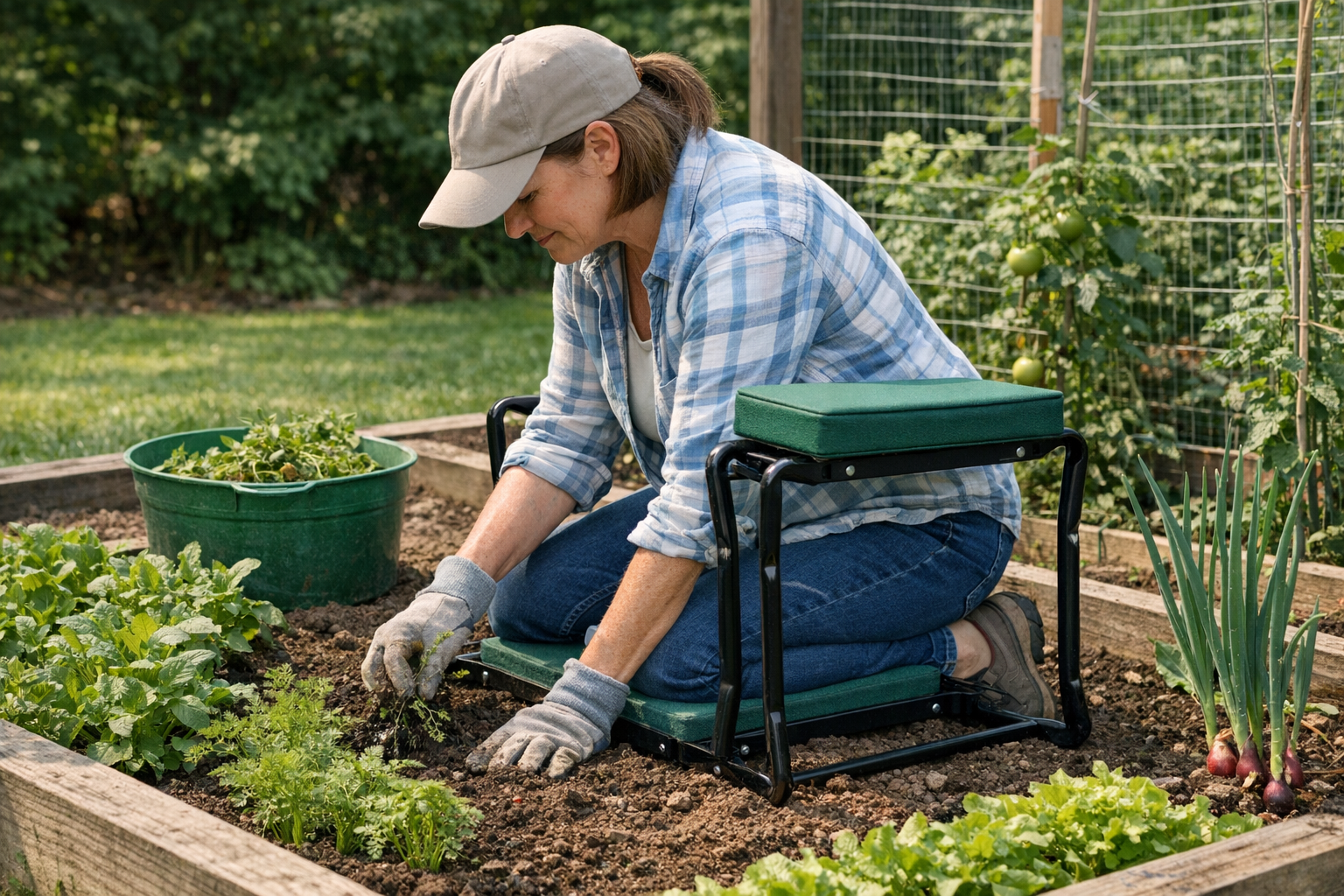
Best Garden Kneelers and Seats (2026 Tested)
Gardening shouldn't wreck your knees and back. We tested kneelers, foldable seats, and rolling carts to find the picks worth the price.
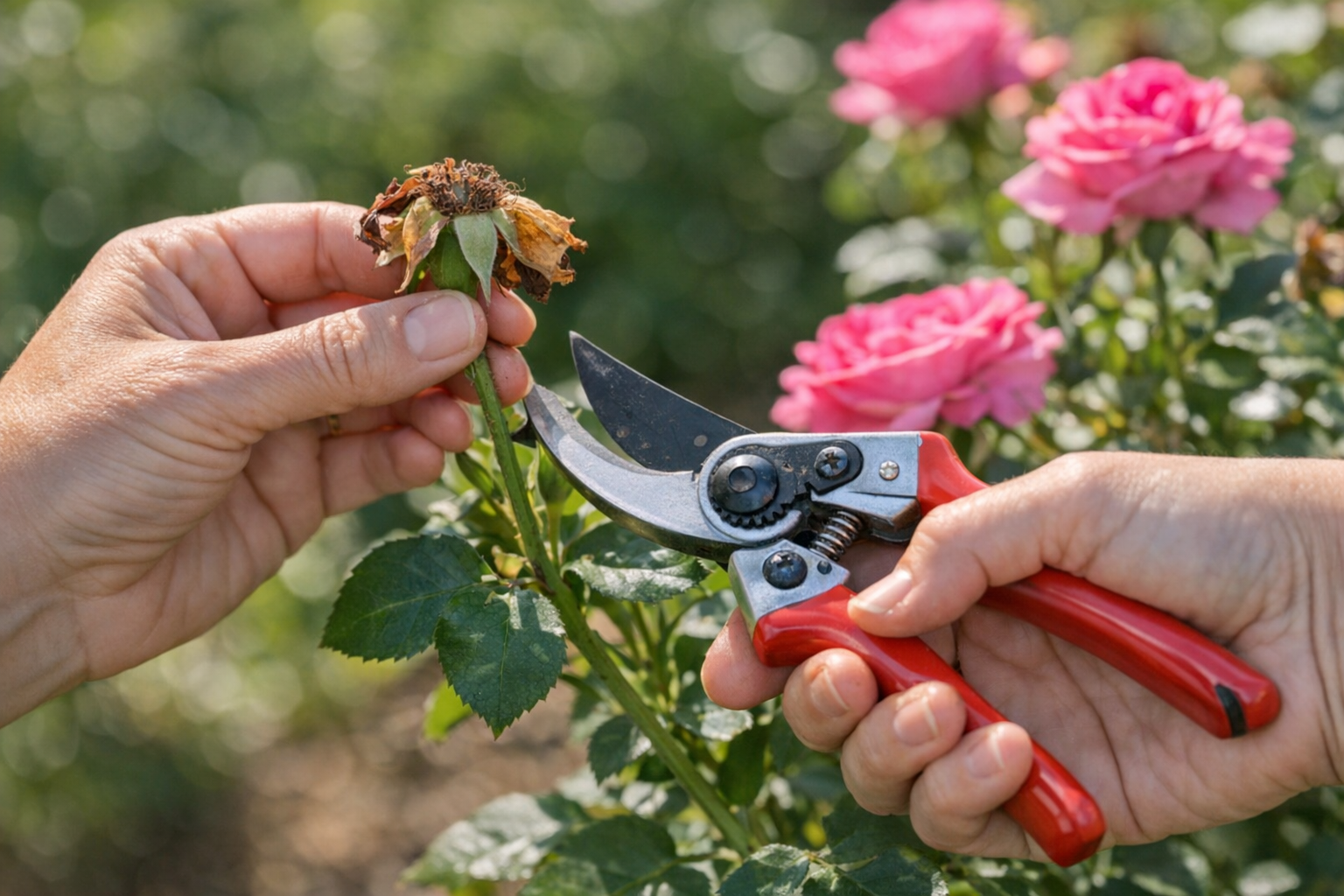
Best Pruning Shears for Gardeners (2026 Guide)
We tested bypass and anvil pruning shears across roses, fruit trees, perennials, and tomato vines. Here are the picks worth your money — and the one to avoid.
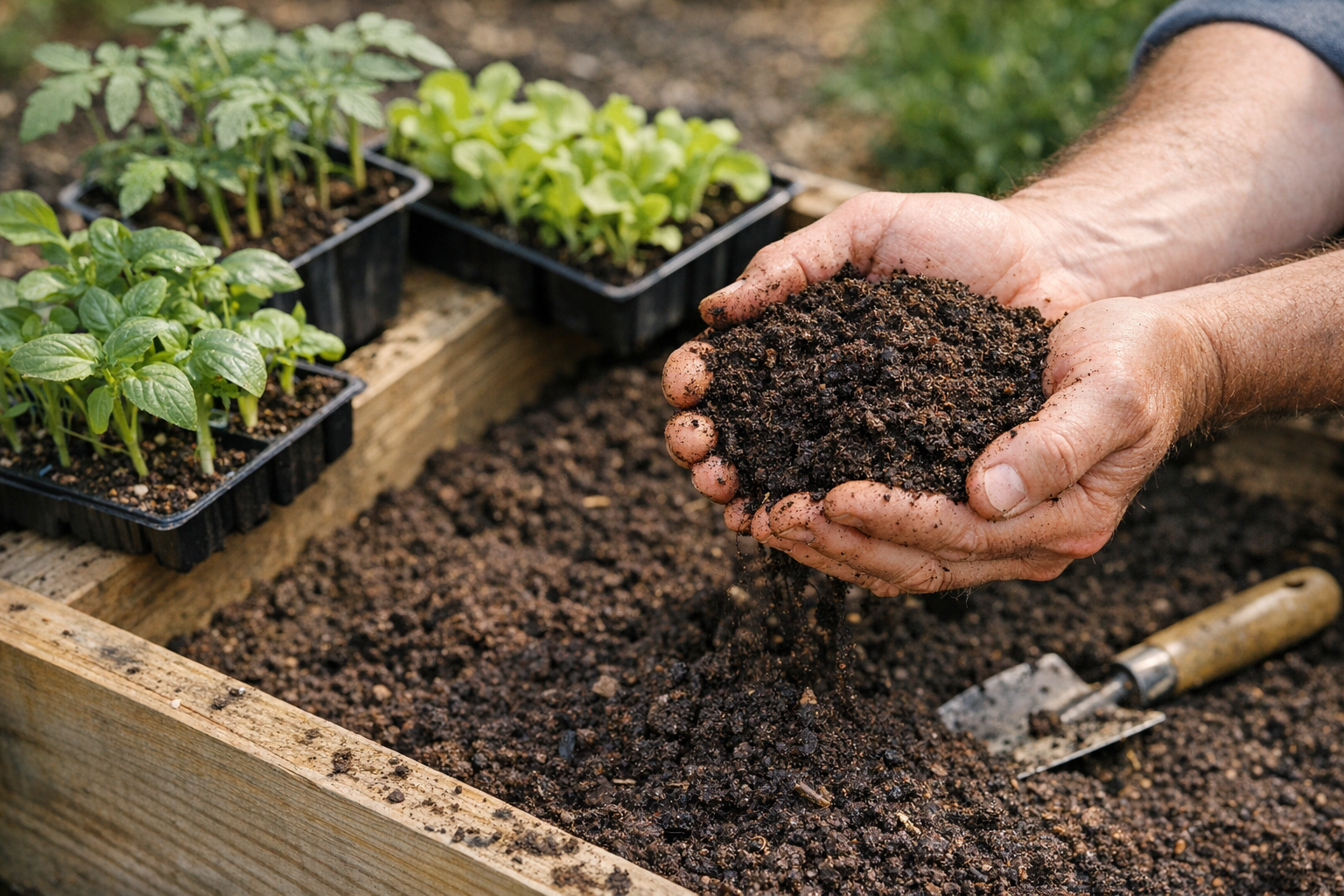
Best Raised Bed Soil Mixes (2026 Buyer's Guide)
Bagged soil for raised beds is a minefield. We tested the top brands for vegetable yield, drainage, and value to find the soil mixes that actually grow food.
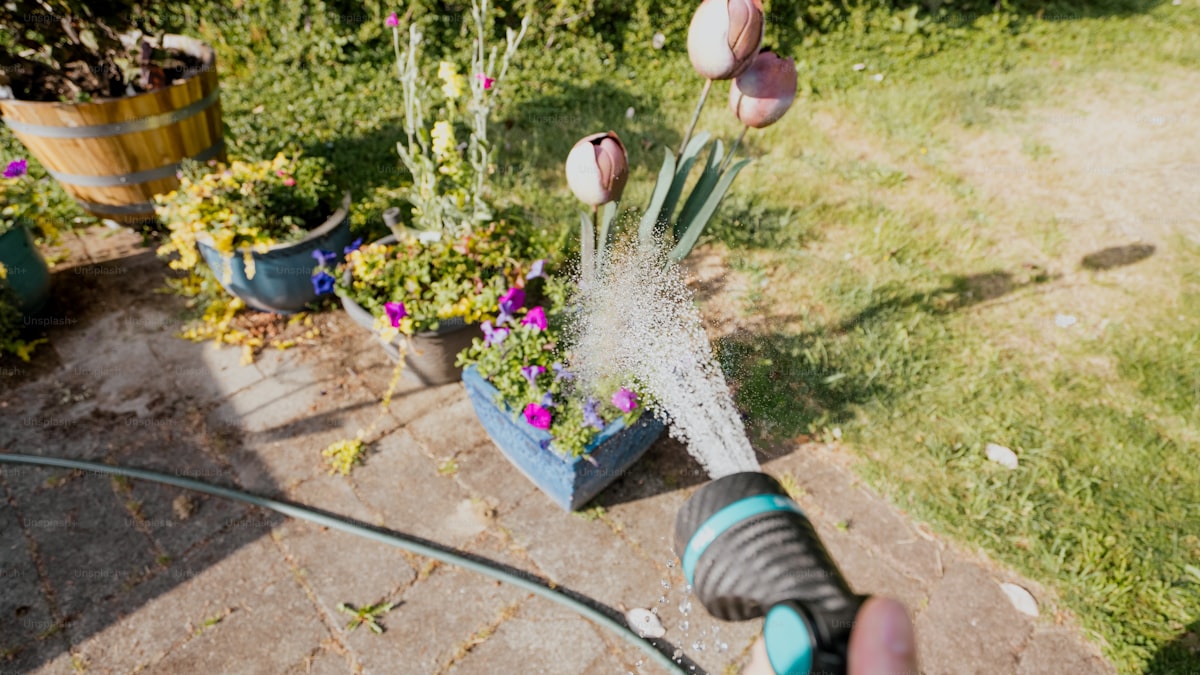
5 Best Garden Hose Nozzles and Sprayers (2026)
Find the perfect garden hose nozzle for watering plants, washing cars, and cleaning patios. We compared the top sprayers — here are the 5 best for every job.
Best Raised Garden Bed Kits You Can Order Online (2026)
The best raised garden bed kits for beginners and experienced gardeners. We compare wood, metal, and composite options with honest reviews and setup tips.
Related Articles
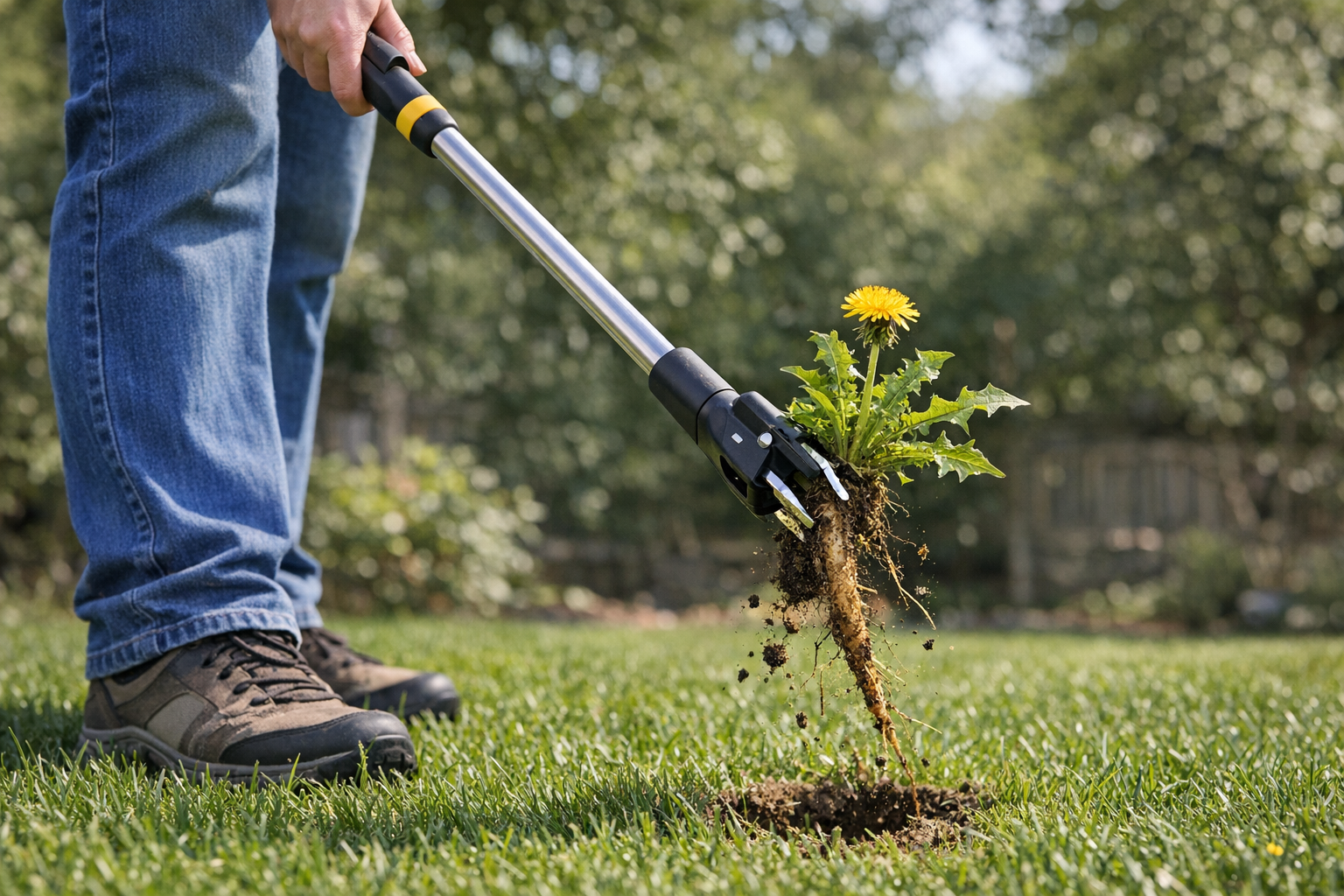
How to Get Rid of Dandelions Naturally (Without Killing the Lawn)
Dandelions are stubborn but beatable without chemical herbicides. Here's the 3-pronged natural approach that works long-term — and the tools that make it easy.
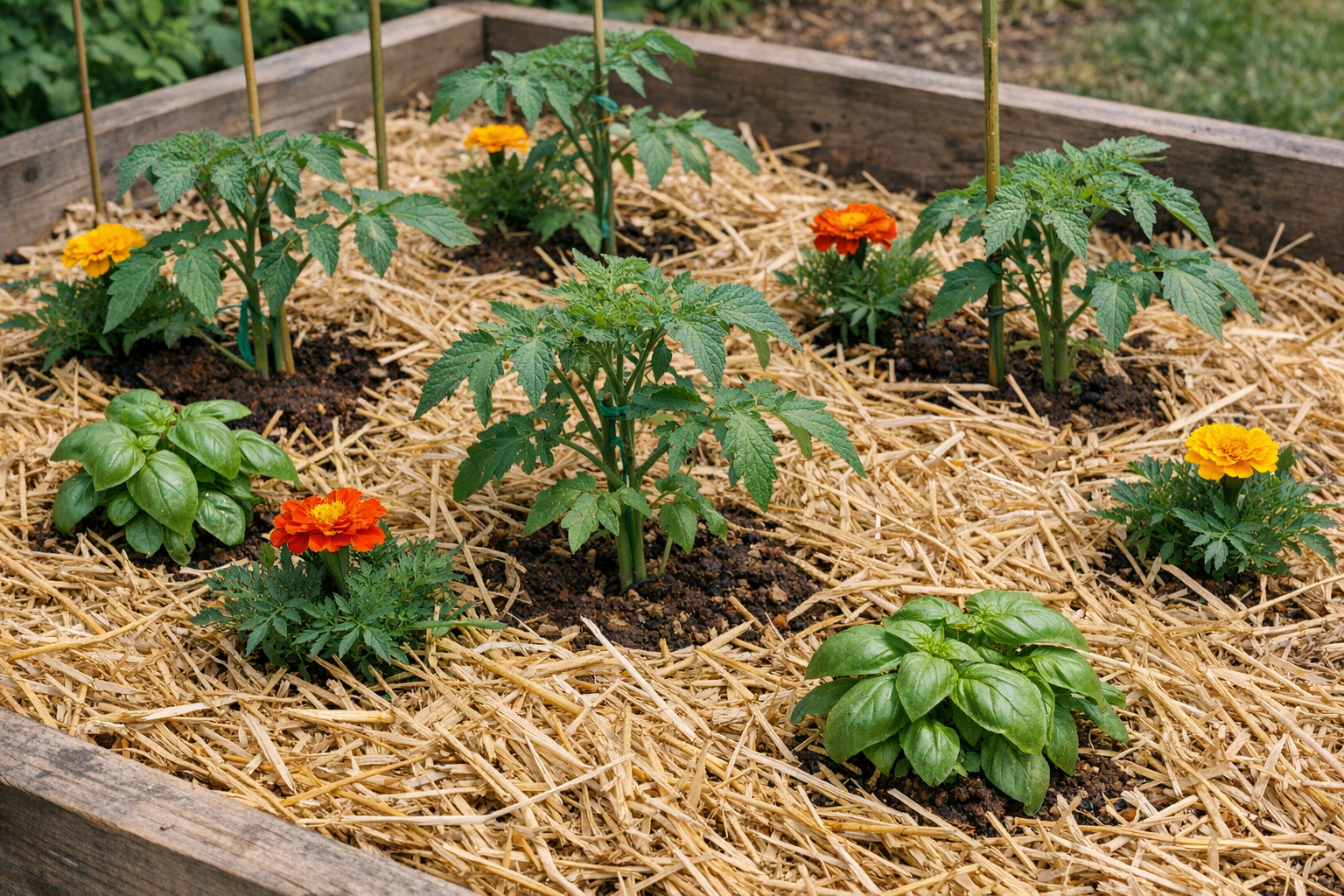
When to Plant Warm-Weather Annuals (And Which Are Easiest)
Tomato, pepper, basil, marigold — all are warm-weather plants that hate cold soil. Here's how to time the transplant for the longest possible harvest.
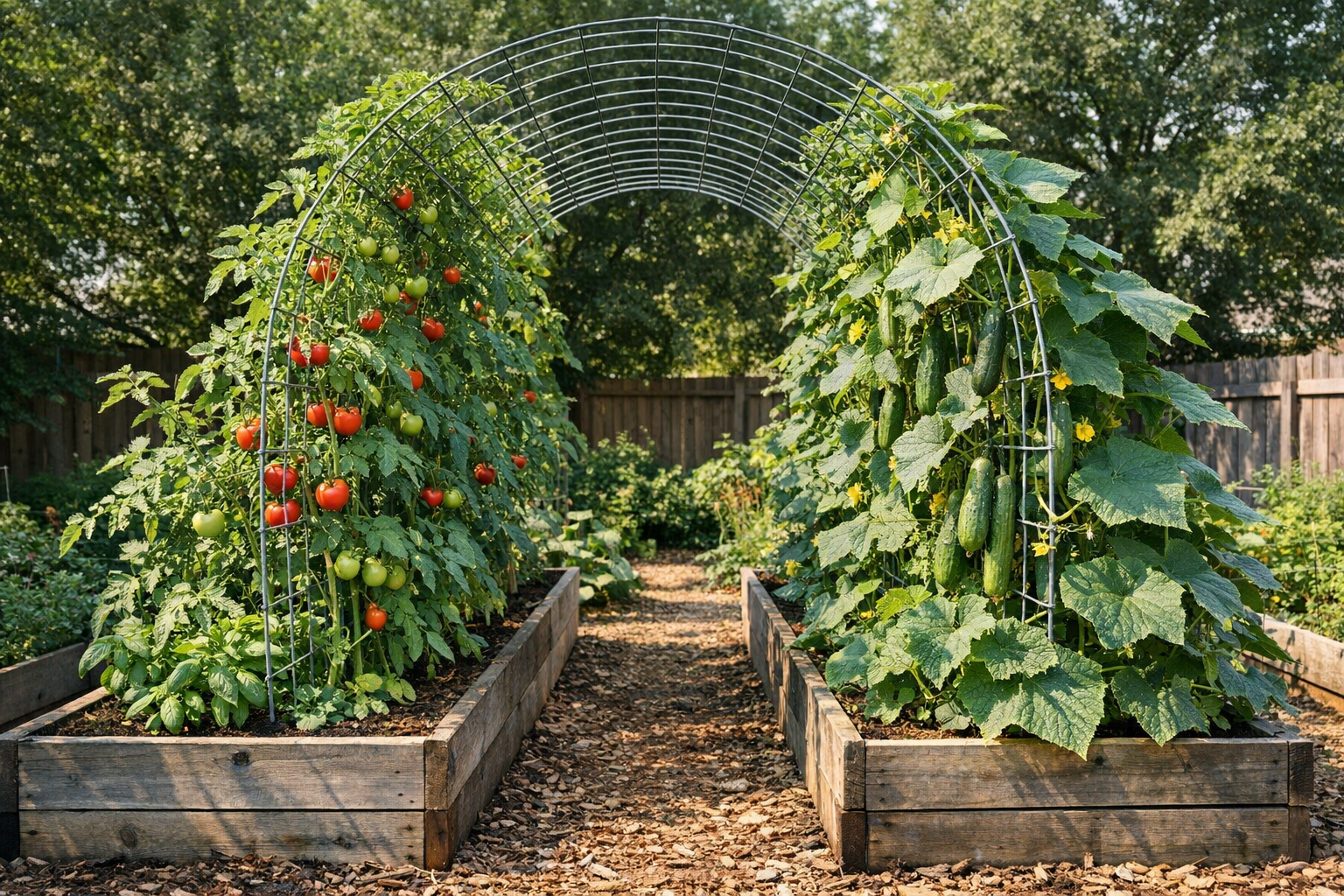
How to Build a DIY Garden Trellis for Climbing Vegetables
A sturdy trellis doubles your garden's yield per square foot. Here's how to build three easy styles using cheap materials in under an hour each.
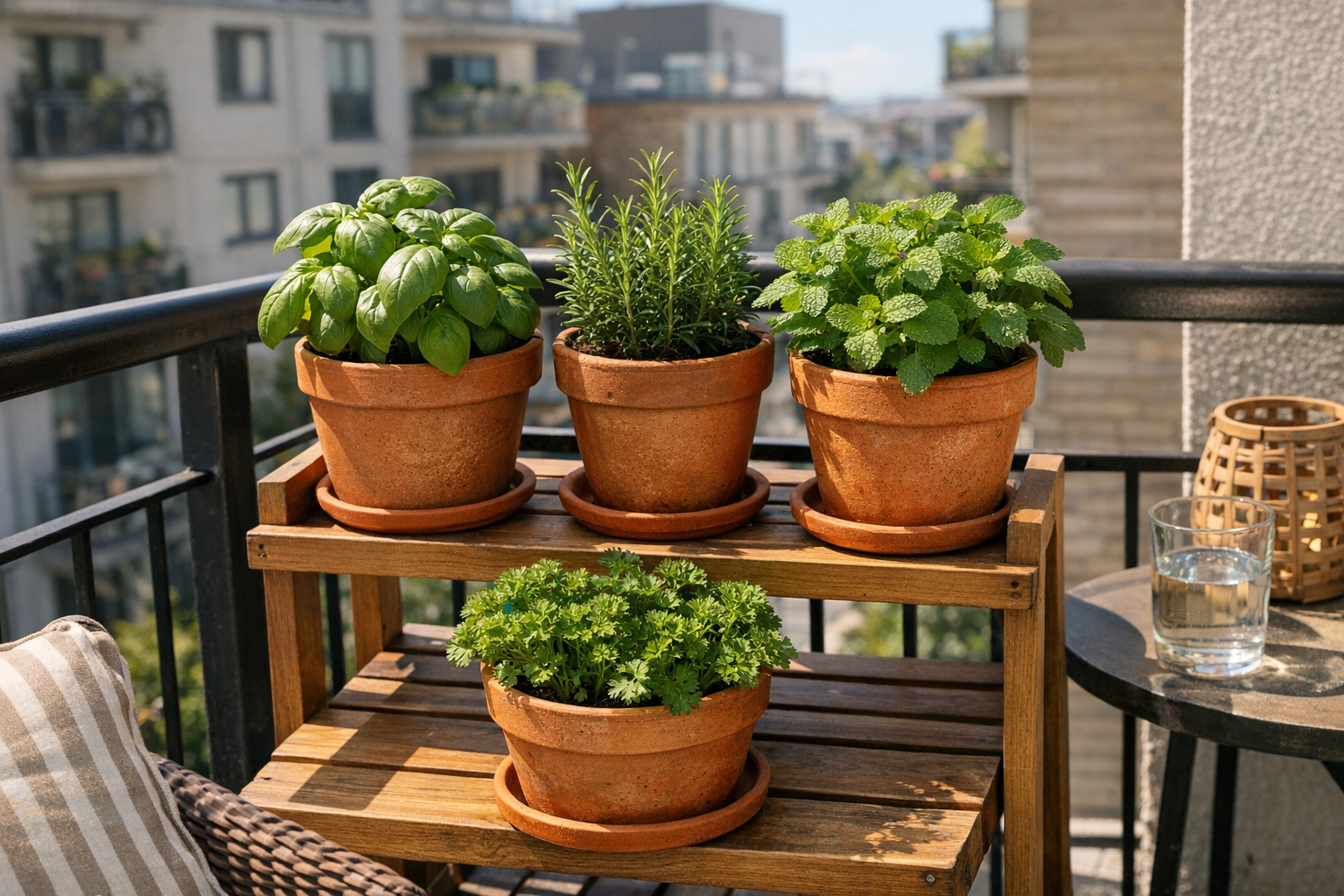
How to Start a Container Herb Garden on a Balcony
Fresh herbs all summer from a small apartment balcony or porch — even with limited sun. Picks for the easiest herbs, the right pots, and the soil that actually works.