Pet Summer Safety: Heat Stress Prevention + Parasite Protection
This article may contain affiliate links. If you make a purchase through these links, we may earn a small commission at no extra cost to you. Learn more
Quick Answer
Pet Summer Safety: Heat Stress Prevention + Parasite Protection
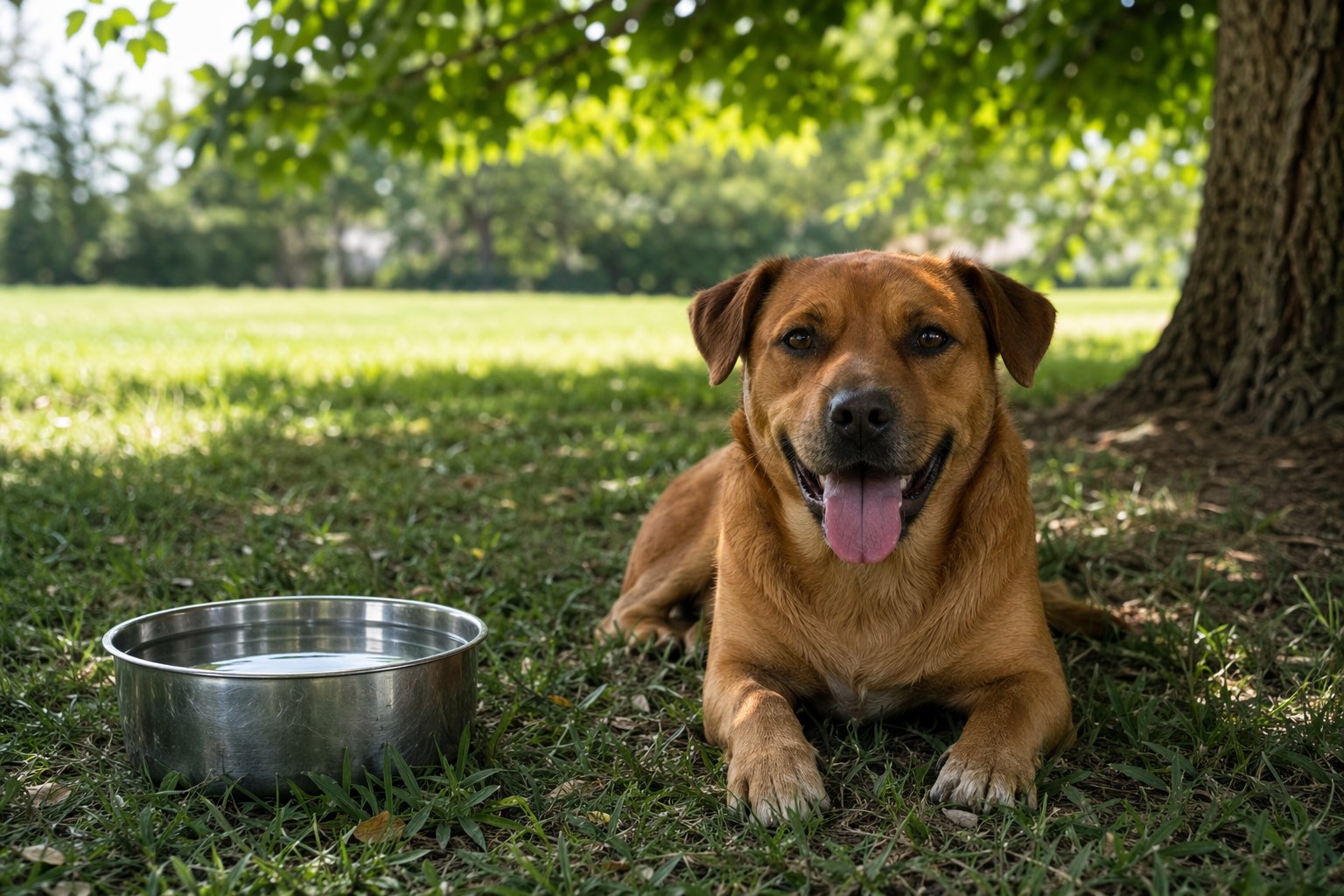
Keep pets safe above 90°F by walking them before 8 a.m. or after 7 p.m., providing constant cool water, and using shade plus a cooling mat. Run year-round flea, tick, and heartworm prevention, and learn the early heat stress signs -- heavy panting, thick drool, and a temperature above 104°F -- so you can act before it becomes an emergency.
Pet Summer Safety: Heat Stress Prevention + Parasite Protection
Summer was always our busiest season at the clinic, and almost none of it was random bad luck. The heatstroke cases came in on the first 90-degree weekend of the year, when owners walked their dogs at the same time they always had and the dog couldn't keep up. The tick-borne illnesses showed up six to eight weeks after a camping trip nobody connected to the symptoms. The heartworm-positive tests landed on dogs whose owners had skipped a dose or two over the winter.
The frustrating part is that almost every one of those visits was preventable. Heat stress and parasites are the two big summer threats to pets, and both respond beautifully to a little planning. This is the exact playbook I gave clients heading into the dog days of summer, with the specifics that actually matter.
Why 90°F Is the Number That Changes Everything
Dogs don't sweat the way you do. They have a few sweat glands in their paw pads, but their main cooling system is panting -- moving air across the wet surfaces of the mouth and lungs. That works fine at 75 degrees. At 90 degrees with humidity, the air is too warm and too saturated to carry heat away efficiently, and your pet starts losing the cooling race.
A dog's normal body temperature runs 101 to 102.5°F -- already higher than yours. Heatstroke begins around 104°F. At 106°F, organs start sustaining damage. That means the entire window between "panting a little" and "medical emergency" is about three and a half degrees, and an active dog on a hot day can cover that range in 15 to 20 minutes.
Some pets run an even shorter window. Flat-faced (brachycephalic) breeds like Bulldogs, Pugs, Boston Terriers, and Persian cats have shortened airways that make panting genuinely inefficient. Senior pets, overweight animals, and thick double-coated breeds like Huskies overheat faster than everyone else. If that's your dog, treat 85°F as your threshold instead of 90.
Hydration: More Than "Keep the Bowl Full"
In summer, pets need roughly 50 to 100 percent more water than usual. A 50-pound dog that normally drinks about 50 ounces a day may need 75 to 100 ounces in the heat. The problem is that a single bowl in the kitchen gets warm, gets ignored, and gets emptied by midafternoon.
Three things fix this. First, put water in multiple locations -- one inside, one in the shaded part of the yard, one wherever your pet naps. Second, keep it cool. Drop a few ice cubes in each bowl, or freeze a couple of inches of water in the bowl overnight and top it off in the morning so it stays cold for hours. Third, encourage drinking. Many pets, cats especially, drink far more from moving water than from a still bowl, because flowing water reads as fresher to them.
Dog Water Fountain Automatic Stainless Steel
A circulating stainless-steel fountain keeps water cool and filtered, which encourages pets to drink more during heat -- stainless is easier to keep algae-free than plastic in summer.
Check Price on Amazon →For outings, carry a collapsible dog water bottle and offer water every 15 minutes. Dehydration accelerates overheating, so on a hot day, hydration is the first domino. For a full breakdown of cooling strategies room by room, our guide on how to keep your pets cool in summer goes deeper on cats, rabbits, and small pets too.
Exercise Timing and Paw Protection
The single most effective change you can make is moving walks out of peak heat. Asphalt and dark pavement absorb sun and can reach 140°F on an 87-degree day -- hot enough to blister a paw pad in under a minute. Walk before 8 a.m. or after 7 p.m., when surfaces have had time to cool, and stick to grass and shade.
Use the five-second test every time: press the back of your hand flat against the pavement for five seconds. If you can't hold it there comfortably, it's too hot for your dog's paws. On days above 90°F, I'd cut walks to 10 or 15 minutes and skip the midday outing entirely -- a sniff around the yard and some indoor play does more for a dog than a forced march in the heat.
Paw pads also dry out, crack, and burn in summer. A protective balm creates a breathable barrier against hot surfaces and sand, and it soothes pads that are already rough.
Dog Paw Balm Protective Wax
A wax-based balm that shields paw pads from hot pavement, sand, and dry cracking -- rub it in before walks and reapply after swimming or beach trips.
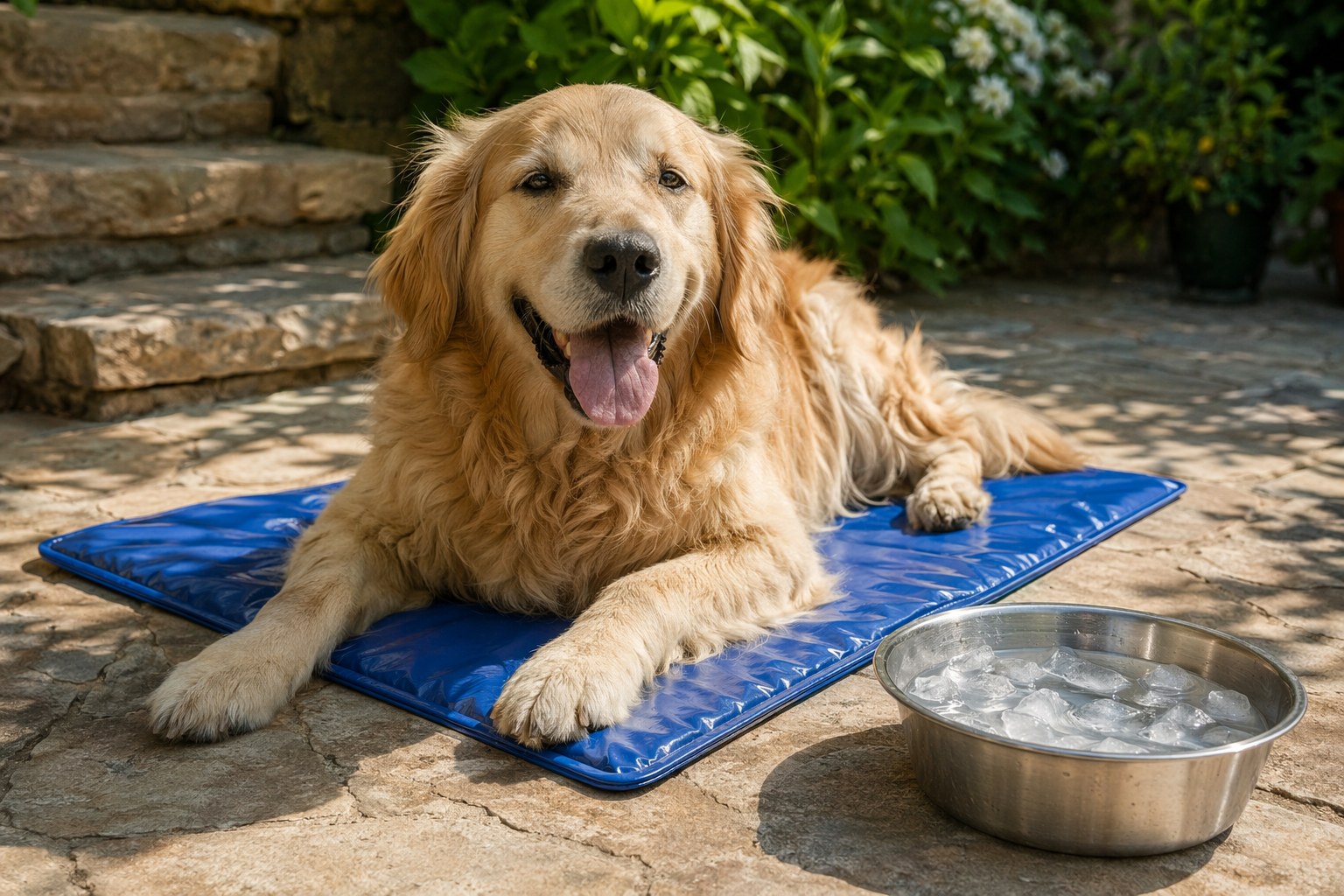
Check Price on Amazon →For dogs that overheat fast or refuse to slow down on their own, a cooling mat gives them a place to dump body heat without any electricity or water. Pressure-activated gel mats drop the surface temperature several degrees when your pet lies down and recharge themselves when the pet steps off.
Cooling Pet Mat Gel Non-Toxic
Pressure-activated gel mat that cools the surface by up to 10°F for a few hours at a time. No water or power needed, and the non-toxic gel is safer if a chewer gets curious.
Check Price on Amazon →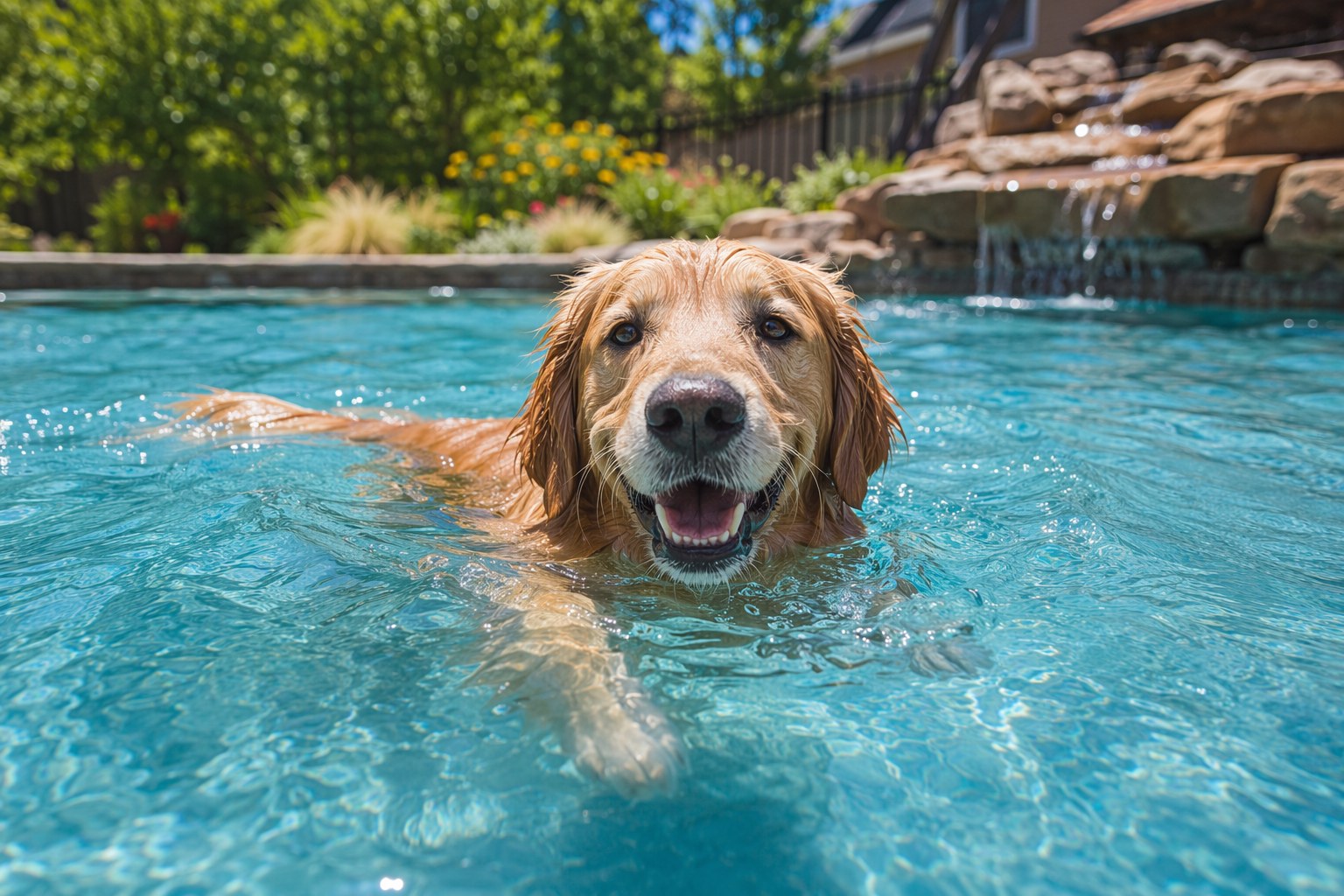
Recognizing Heat Stress Before It's an Emergency
This is the part I want every owner to memorize, because the early signs are subtle and the advanced ones are terrifying.
Early warning signs:
- Heavy, frantic panting that doesn't slow when the dog rests
- Thick, ropey, or excessive drooling
- Bright red gums and tongue
- Restlessness, then sudden lethargy
- Seeking out cool surfaces -- digging at soil, sprawling on tile
Advanced signs (emergency):
- Vomiting or diarrhea, sometimes bloody
- Stumbling, disorientation, glazed eyes
- Gums turning pale, gray, or blue
- Collapse or seizures
A pet thermometer takes the guesswork out of it. If you suspect heat stress, a rectal reading above 104°F confirms it -- and that number tells the vet exactly how urgent things are when you call.
Pet Heat Stress Symptom Thermometer
A fast-read digital pet thermometer that gives an accurate core temperature in seconds, so you can tell normal panting from a 104°F-plus emergency before you head to the vet.
Check Price on Amazon →If you see signs of heatstroke: move the pet to shade or air conditioning, apply cool (not ice-cold) water to the neck, armpits, and groin, offer small sips of water, and get to a vet immediately -- even if the pet seems to recover. Internal damage can be delayed by hours. Never use ice or ice water directly, because extreme cold constricts blood vessels and traps heat inside the body.
Parasite Protection: The Other Half of Summer Safety
Heat gets the attention, but the parasites are what I saw cause long-term damage. Warm weather is peak season for fleas, ticks, mosquitoes, and the diseases they carry.
Ticks
Ticks are most active from spring through fall and live in tall grass, leaf litter, and wooded edges. They transmit Lyme disease, ehrlichiosis, and anaplasmosis -- and a tick usually has to stay attached 24 to 48 hours to transmit, which is exactly why a daily check matters. Run your hands over your dog after every walk in grass or woods, paying attention to ears, armpits, between toes, and around the collar. If you find one attached, our step-by-step guide on how to remove ticks from a dog walks through doing it safely without leaving the head behind.
Fleas
A single flea can become hundreds in your home within weeks, and flea bites can trigger fierce allergic itching. If your pet is already scratching, getting rid of fleas naturally covers the home and yard side, and soothing itchy dog skin naturally helps with the irritation while prevention catches up.
Heartworm
This is the one that scares me most, because it's silent until it's serious. Heartworm is spread by mosquito bites, and a single infected mosquito can pass on larvae that mature into foot-long worms in the heart and lungs. Treatment is hard on the dog and expensive; prevention is a monthly chewable. The American Heartworm Society recommends year-round prevention everywhere in the U.S. -- not just summer -- because skipped doses are how most positive cases happen.
For broad, long-lasting flea and tick coverage, a prevention collar is a low-effort backbone many of my clients relied on, especially for dogs in and out of the yard all day.
Flea Tick Prevention Collar Dogs Seresto
A vet-trusted collar that provides months of continuous flea and tick protection from a single application -- a reliable base layer for dogs that spend a lot of time outdoors in summer.
Check Price on Amazon →One note: a flea-and-tick collar does not cover heartworm. You still need a separate monthly heartworm preventive prescribed by your vet, ideally after an annual heartworm test.

Smart Ways to Beat the Heat (That Pets Actually Use)
Some cooling tools sit untouched while others become a pet's favorite spot. In my experience, water-based options win. A kiddie pool with a few inches of cool water, a sprinkler run, or a supervised swim does more to drop a dog's core temperature than anything passive. Many dogs who ignore a cooling mat will happily flop into a pool.
Frozen treats pull double duty -- hydration plus a 20-minute cooling activity. Freeze low-sodium broth, xylitol-free peanut butter, or pureed watermelon in a rubber chew toy. And remember that shade moves: the spot that's shaded at 9 a.m. is in full sun by noon, so a shade sail or covered run beats a single tree.
If summer means travel, plan ahead. Never leave a pet in a parked car -- at 85°F outside, the interior hits 104°F in 10 minutes -- and bring water, a cooling mat, and shade for every stop. Our tips for traveling with a dog cover the rest of a hot-weather road trip.
Final Thoughts
Summer pet safety comes down to two habits and a little gear. Manage the heat by timing exercise around the cool hours, keeping cold water everywhere, protecting paws, and knowing the early signs of heat stress before they turn into a 104-degree emergency. And keep parasites off your pet with year-round flea, tick, and heartworm prevention -- not just a reaction once you spot a problem.
Do those two things consistently and the dog days of summer become exactly what they should be: longer walks at dawn, lazy afternoons in the shade, and a pet that's still bouncing around when the leaves turn.
Get weekly home tips that actually work
Join thousands of homeowners getting practical cleaning hacks, DIY fixes, and money-saving tips every week. Free, and you can unsubscribe anytime.

Written by
Sarah RodriguezGardening & Pet Care Contributor
Sarah Rodriguez is a certified Master Gardener and former veterinary technician. She lives on a half-acre lot in central Texas with three rescue dogs, two backyard chickens, and a very ambitious vegetable garden. She covers gardening, sustainable yard care, and everyday pet care for Practical Home Guides.
Recommended Products
Looking for specific product recommendations? Check out our tested picks.

5 Best Dog Grooming Kits for Home Use (2026)
Save hundreds on groomer visits by doing it yourself. We compared the top dog grooming kits — here are the 5 best for different coat types and budgets.

Best Pet Hair Removers That Actually Work (2026)
We tested the most popular pet hair removers for furniture, clothes, and cars. Here are the 7 best picks that actually get the job done — from lint rollers to rubber brooms.
Related Articles

Spring Pet Yard Prep: 10-Point Safety Checklist Before Outdoor Season
A vet-tech-approved 10-point spring checklist to make your yard safe for pets: fencing, toxic plants, parasite prevention, water, shade, and the gear that actually helps.
How to Stop a Cat From Spraying (And Why They Start)
Cats spray for specific reasons — and identifying the cause is half the battle. Here's the vet-tech approach to stopping spraying without rehoming the cat.
Dog-Safe Spring Yard Checklist (Lawn Chemicals, Plants, and More)
Spring yard prep can poison your dog faster than you'd expect. Here's the checklist of toxic plants, lawn treatments, and seasonal hazards to remove before letting your dog roam.
How to Soothe Your Dog's Itchy Spring Skin Naturally
Spring allergies hit dogs hard. These vet-tech-approved natural remedies soothe itchy skin without immediately reaching for prescription meds.