Spring Pet Yard Prep: 10-Point Safety Checklist Before Outdoor Season
This article may contain affiliate links. If you make a purchase through these links, we may earn a small commission at no extra cost to you. Learn more
Quick Answer
Spring Pet Yard Prep: 10-Point Safety Checklist Before Outdoor Season
Before your pet spends real time outside this season, walk the yard and check ten things: fence integrity, gate latches, toxic plants and mushrooms, lawn-chemical re-entry timing, parasite prevention (fleas, ticks, heartworm), standing water, shade and fresh water, secured tools and chemicals, escape-proof boundaries, and visible ID. Most warm-weather emergencies I saw as a vet tech traced back to one of these ten.

The first warm weekend of the year is when my clinic phone started ringing. Dogs that had been napping by the radiator all winter were suddenly tearing around the yard, eating things, getting stung, slipping under loose fence boards, and finding the one puddle full of mosquito larvae. None of it was bad luck. It was a yard that had drifted out of "pet-safe" over a long winter and nobody had reset it.
This is the walkthrough I give every client before outdoor season really kicks off. It takes about 20 minutes, costs almost nothing, and prevents the exact emergencies that show up at the front desk in May and June. Work through these ten points before you start leaving your dog or cat outside unsupervised. If you already ran my dog-safe spring yard checklist on toxic plants and lawn chemicals, this picks up where that left off and folds in the structural and parasite side.
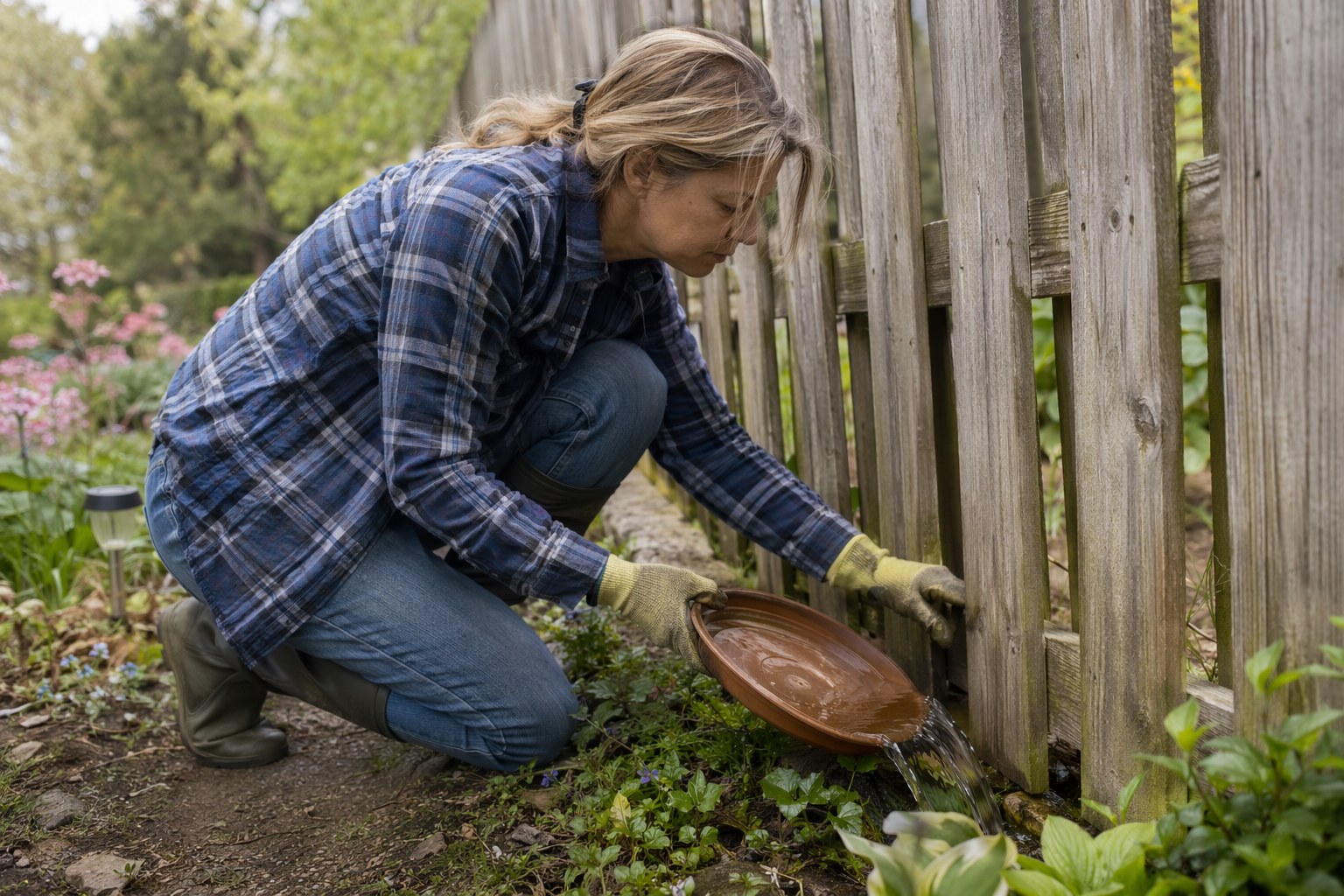
1. Walk the Fence Line and Check Every Gate Latch
Winter freeze-thaw cycles loosen posts, pop nails, and warp gate frames. A fence that held a digger in October may have a new gap by April. Walk the entire perimeter, not just the gate you use.
Look for: boards that flex when you push them, gaps at the bottom wide enough for a nose, sagging chain-link, and any spot where soil has eroded and left a dig-out point under the fence. Pay special attention to corners, which are where determined dogs concentrate their efforts.
Then test every gate latch by actually opening and shutting it. A latch that catches 90 percent of the time is a latch that will fail the one time a delivery driver leaves it. If yours is iffy, a simple spring-loaded self-closing latch is a few dollars and 15 minutes. This same perimeter logic carries over to the way you pet-proof your home indoors: you are looking for the one weak point, because that is the one your animal will find.
2. Identify Toxic Plants and New Spring Growth
Spring bulbs and fresh landscaping are some of the most common poisonings I dealt with. The big offenders are sago palm (every part, often fatal), lily of the valley, foxglove, oleander, azalea and rhododendron, and the bulbs of daffodils, tulips, and hyacinth that curious dogs love to dig up.
You do not have to rip out your whole garden. For dogs that chew, fence off or relocate the truly dangerous species. For dogs that ignore plants, keeping them away from freshly planted bulbs is usually enough. Bookmark the ASPCA toxic plant database on your phone so you can check a species in seconds. And if you are choosing what to plant this year, herbs, marigolds, snapdragons, zinnias, and most vegetables are pet-safe bets.
3. Time Your Lawn Treatments Around the Pets
Re-entry timing matters more than the product. As a rule, keep pets off the grass 24 hours after a granular fertilizer that has been watered in, 24 to 48 hours after liquid herbicide has fully dried, and 48 to 72 hours after a weed-and-feed combo. If you use a lawn service, ask exactly what they applied and the manufacturer's pet re-entry window, then double it if you have a grass-grazer.
Store every bag of fertilizer, weed killer, and insecticide somewhere your pet physically cannot reach. Blood meal and bone meal smell like food and dogs will eat them straight from a torn bag, sometimes fatally.
4. Lock Down Parasite Prevention Before the Bugs Arrive
This is the point people put off, and it is the one with the longest consequences. Fleas, ticks, and heartworm-carrying mosquitoes all ramp up with warm weather, and prevention is cheap compared to treatment.
Get your dog or cat onto year-round heartworm prevention if they are not already; it is a vet prescription and non-negotiable in mosquito country. Layer on flea and tick protection with an oral preventive, a topical, or a long-acting collar. A quality collar is the lowest-effort option for dogs that spend hours outside, since it works continuously for months.
Seresto Flea and Tick Collar for Dogs
Vet-recommended long-acting collar that repels and kills fleas and ticks for up to 8 months, ideal for dogs spending serious time in the yard this season.
Check Price on Amazon →Keep a tick removal tool in your pet kit too, because no preventive is 100 percent and prompt removal is what actually lowers disease risk. If you have never pulled one cleanly, my step-by-step on how to remove ticks from your dog covers the grip-close, pull-straight-up technique. For a chemical-free yard approach, getting rid of fleas naturally with food-grade diatomaceous earth and yard hygiene pairs well with medical prevention.
TickCheck Tick Remover Tool Kit
Fine-tip tweezers plus hook tools that lift ticks out cleanly without leaving mouthparts behind, small enough to keep in your pocket on walks.
Check Price on Amazon →5. Empty Every Source of Standing Water
Standing water is a mosquito nursery, and mosquitoes carry heartworm. Walk the yard like you are hunting for it: plant saucers, old buckets, the kiddie pool, the wheelbarrow, clogged gutters, the dent in the tarp over the woodpile, and the dog's own outdoor bowl.
Tip everything over, refill water dishes daily instead of topping them off, and drop a BTI mosquito dunk into anything you cannot empty, like a rain barrel or ornamental pond. The dunks are pet-safe and kill larvae before they hatch.

6. Set Up Shade and a Tip-Proof Water Station
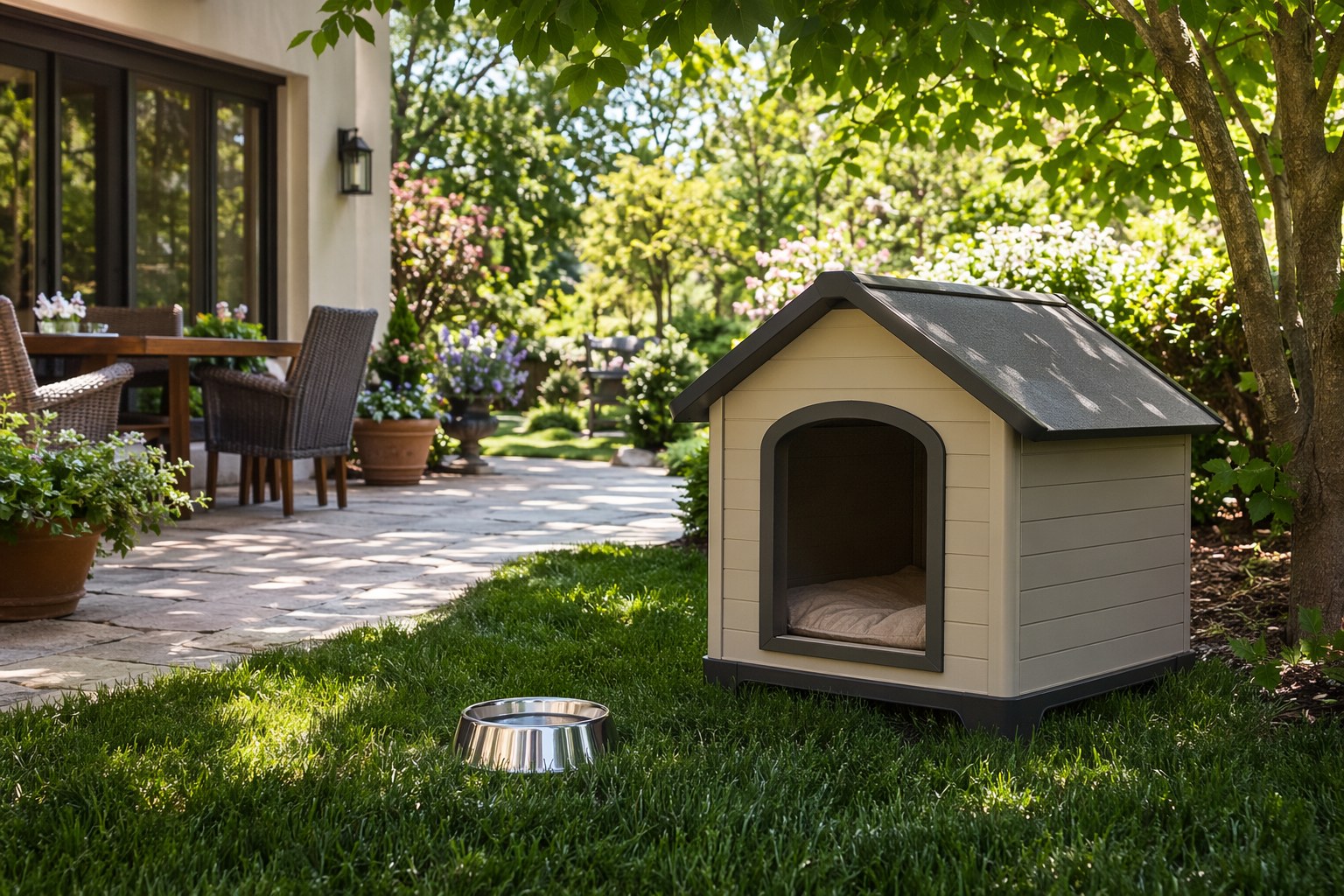
A yard that was comfortable in April becomes dangerous fast once the temperature climbs. Pets do not regulate heat the way we do, and a sunny yard with no shelter is a heatstroke risk by midsummer. Establish a genuinely shaded spot now, before you need it: a tree canopy, a covered patio corner, or an insulated outdoor house positioned out of direct sun.
Pair it with a heavy ceramic or stainless bowl that a romping dog cannot flip, placed in the shade. I get deeper into hot-weather strategy in how to keep pets cool in summer, but the spring move is simply making sure shade and water exist before the first 90-degree day catches you off guard.
Insulated Outdoor Dog House (Medium)
Weather-resistant insulated shelter that gives outdoor dogs a shaded, draft-free retreat from sun and spring storms alike.
Check Price on Amazon →7. Clear Mushrooms, Tools, and Sharp Hazards
Spring rain on warm soil makes mushrooms appear overnight, and you cannot reliably tell the deadly ones from the harmless ones. Pick any wild mushroom you find before your pet does, and if you catch your dog eating one, photograph it and call your vet immediately, even if the dog seems fine; some toxic species cause delayed liver failure days later.
While you are down there, sweep for the other classic paw-shredders: rakes left tines-up, pruning shears hiding in the grass, loose deck nails, and broken glass that surfaced over winter. Tools go back in the shed at the end of every work session, not "later."
8. Stock Waste Cleanup and Keep the Yard Sanitary
Pet waste left in the yard is not just unpleasant. It harbors parasites like roundworms, hookworms, and giardia that can reinfect your pet (and, in some cases, your kids). Spring is the time to clear out everything that accumulated over winter and start a daily pickup habit.
Keep a stash of sturdy, leak-proof bags by the back door so cleanup is frictionless; the easier you make it, the more consistently it happens. Biodegradable bags are a small upgrade that keeps the routine guilt-free. Regular waste removal also dramatically cuts the fly and odor problems that build up once it warms up.
9. Make the Boundary Genuinely Escape-Proof
Beyond the fence itself, think about the new escape motivations spring brings. Squirrels are active, neighbors are grilling, and a bored dog that was content all winter suddenly has reasons to leave. Address the boundary and the boredom together.
Bury hardware cloth or lay pavers along the base of the fence where your dog digs. Make sure there is no patio chair, woodpile, or AC unit parked next to a fence that doubles as a launch pad for a climber or jumper. And give the dog something to do out there, because a tired, engaged dog tests the perimeter far less than a frustrated one.
10. Update ID and Add Visible Gear
If your animal does get out, identification is what gets them home. Spring is the natural checkpoint: confirm the collar tag is legible and the phone number is current, and verify the microchip is registered to your actual address (an astonishing number are registered to an old one).
For early-morning and evening yard time when light is low, a reflective harness or collar makes a loose dog far easier for a driver to spot. It is a small thing that matters most in exactly the chaotic moment you hope never happens.
Frequently Asked Questions
How often should I re-run this yard safety check?
Do the full ten-point walkthrough once in spring before outdoor season starts, then a quick version after any major storm (which damages fences and scatters debris) and again at the start of peak summer heat. The fence, water, and shade items are worth a 60-second glance every week.
Is it safe to let my dog out right after the lawn service comes?
No. Wait at least 24 hours after granular treatments are watered in and 48 to 72 hours after weed-and-feed combos. Always ask the service what they applied and follow the longer of their stated re-entry time or these windows, especially for dogs that eat grass.
My yard backs up to woods. How do I handle ticks?
Mow regularly, clear leaf litter and brush, and create a three-foot barrier of gravel or wood chips between the lawn and the tree line, since ticks rarely cross dry mulch. Combine that with a year-round preventive and a daily tick check, and follow the proper tick removal technique anytime you find one attached.
What should I do if my pet eats something in the yard?
Call ASPCA Animal Poison Control at 888-426-4435; they are available 24/7. Have ready what your pet ate, roughly how much, when, and your pet's weight. Photograph any plant or mushroom involved. Acting fast, before symptoms appear, gives your vet the best options.
Final Thoughts
A safe spring yard is not about buying a pile of gear. It is about resetting a space that quietly drifted out of "pet-ready" over winter and catching the one weak point before your animal does. Twenty minutes with this checklist handles the fence, the plants, the parasites, the water, the shade, and the ID, and that covers the overwhelming majority of warm-weather emergencies I ever saw walk through the clinic door. Run it once now, keep an eye on the quick-check items each week, and your pet gets to enjoy the whole season the way they want to: outside, with you, and out of trouble.
Get weekly home tips that actually work
Join thousands of homeowners getting practical cleaning hacks, DIY fixes, and money-saving tips every week. Free, and you can unsubscribe anytime.

Written by
Sarah RodriguezGardening & Pet Care Contributor
Sarah Rodriguez is a certified Master Gardener and former veterinary technician. She lives on a half-acre lot in central Texas with three rescue dogs, two backyard chickens, and a very ambitious vegetable garden. She covers gardening, sustainable yard care, and everyday pet care for Practical Home Guides.
Recommended Products
Looking for specific product recommendations? Check out our tested picks.

5 Best Dog Grooming Kits for Home Use (2026)
Save hundreds on groomer visits by doing it yourself. We compared the top dog grooming kits — here are the 5 best for different coat types and budgets.

Best Pet Hair Removers That Actually Work (2026)
We tested the most popular pet hair removers for furniture, clothes, and cars. Here are the 7 best picks that actually get the job done — from lint rollers to rubber brooms.
Related Articles
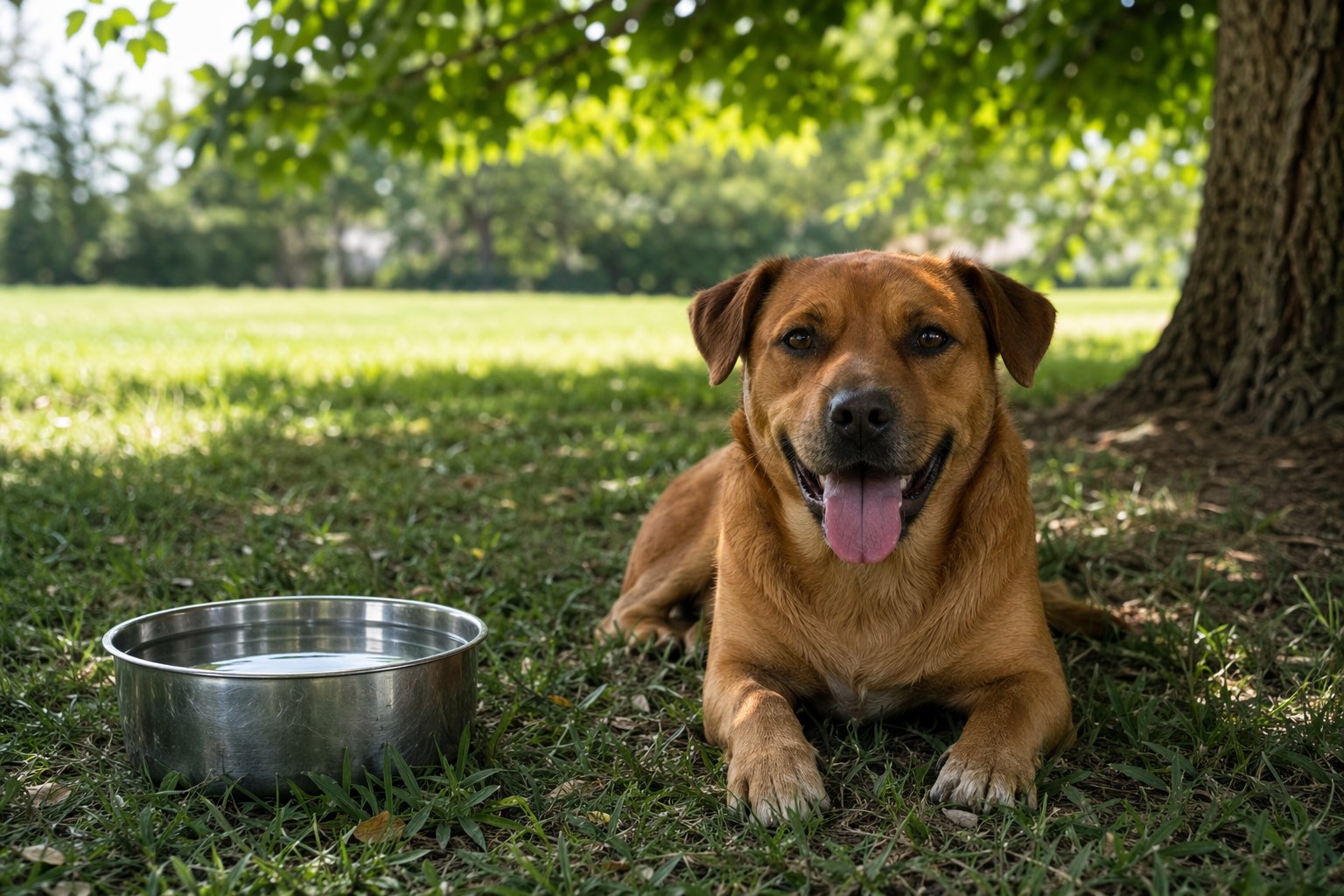
Pet Summer Safety: Heat Stress Prevention + Parasite Protection
A vet tech's summer playbook for keeping pets safe in 90°F-plus heat: hydration hacks, exercise timing, paw protection, plus tick and heartworm prevention through the dog days.

How to Stop a Cat From Spraying (And Why They Start)
Cats spray for specific reasons — and identifying the cause is half the battle. Here's the vet-tech approach to stopping spraying without rehoming the cat.
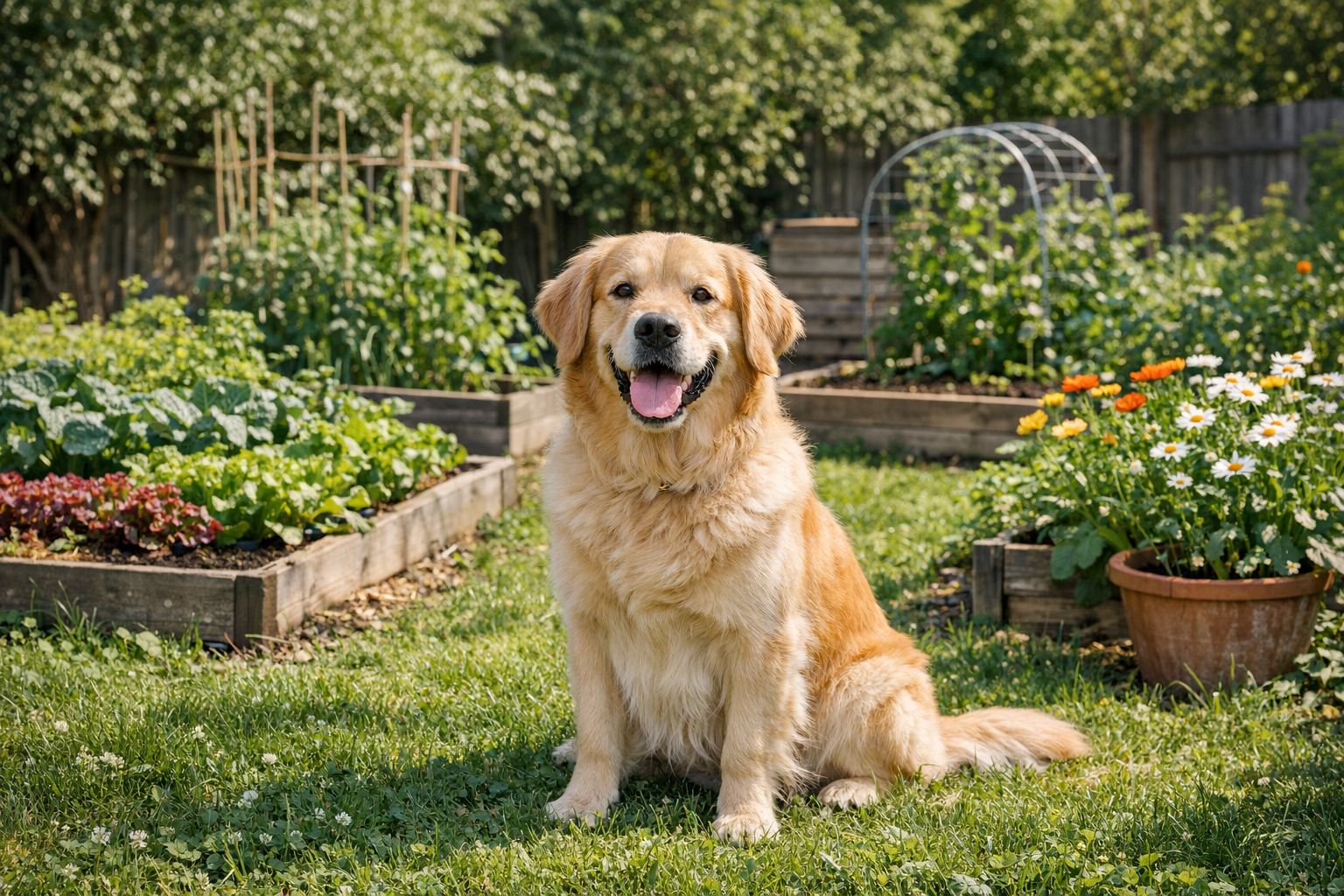
Dog-Safe Spring Yard Checklist (Lawn Chemicals, Plants, and More)
Spring yard prep can poison your dog faster than you'd expect. Here's the checklist of toxic plants, lawn treatments, and seasonal hazards to remove before letting your dog roam.
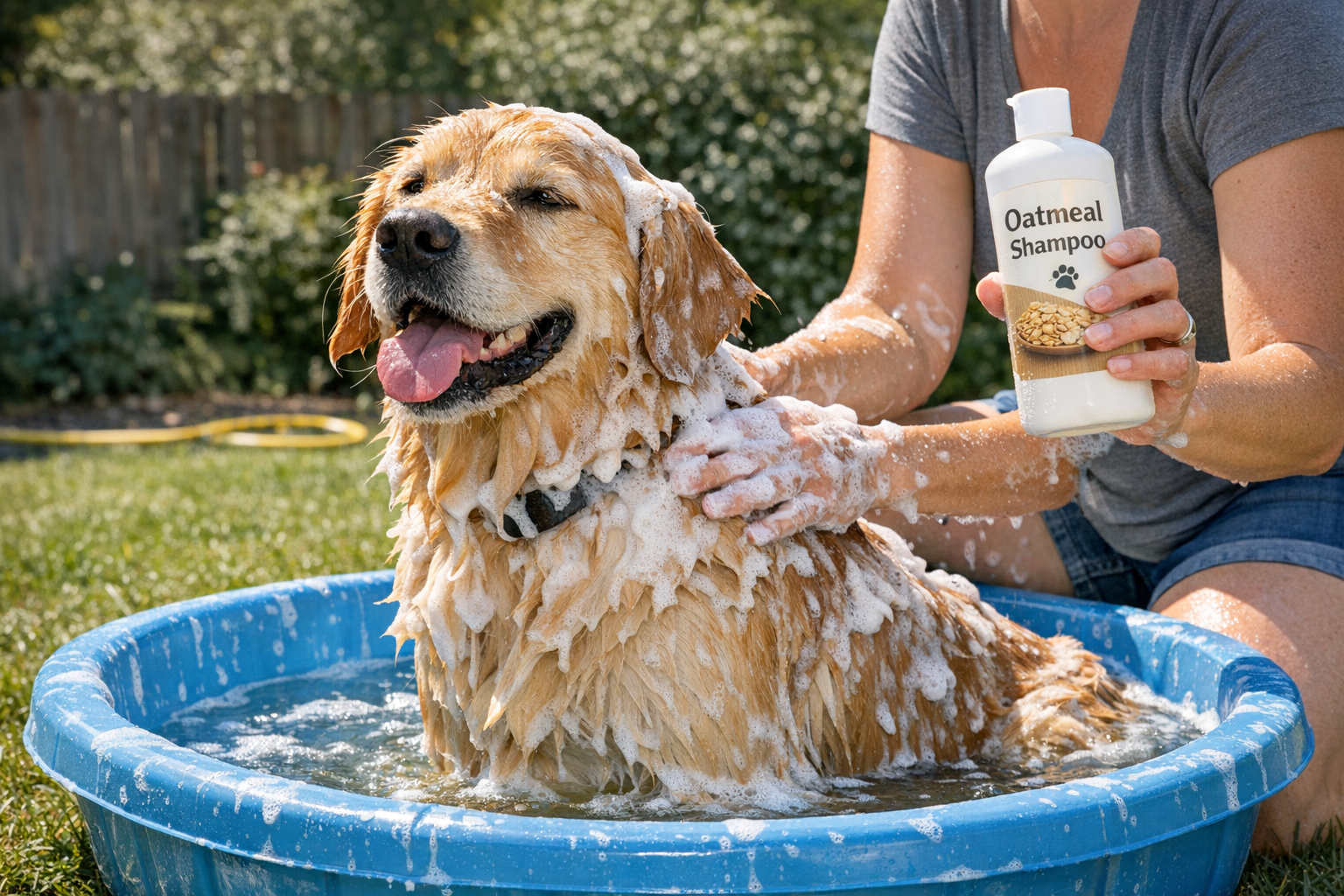
How to Soothe Your Dog's Itchy Spring Skin Naturally
Spring allergies hit dogs hard. These vet-tech-approved natural remedies soothe itchy skin without immediately reaching for prescription meds.