How to Remove Ticks From Your Dog Safely (Step-by-Step)
This article may contain affiliate links. If you make a purchase through these links, we may earn a small commission at no extra cost to you. Learn more
Quick Answer
How to Remove Ticks From Your Dog Safely (Step-by-Step)
Use fine-tipped tweezers or a tick removal tool to grasp the tick as close to your dog's skin as possible. Pull straight upward with steady, even pressure -- do not twist or jerk. Clean the bite area with rubbing alcohol or soap and water, then monitor the site for signs of infection over the next several weeks.

How to Remove Ticks From Your Dog Safely (Step-by-Step)
Few things make a dog owner's stomach drop faster than running your fingers through your pet's fur and feeling that unmistakable hard bump. Ticks are more than just gross -- they can transmit serious diseases like Lyme disease, ehrlichiosis, Rocky Mountain spotted fever, and anaplasmosis. The faster you remove a tick, the lower the chance it passes along something dangerous.
The good news is that removing a tick at home is straightforward when you have the right tools and technique. You don't need a vet visit for a standard tick removal, and once you've done it a couple of times, the process becomes quick and routine. This guide walks you through exactly how to find, remove, and deal with ticks on your dog -- plus what you can do to prevent them from latching on in the first place.
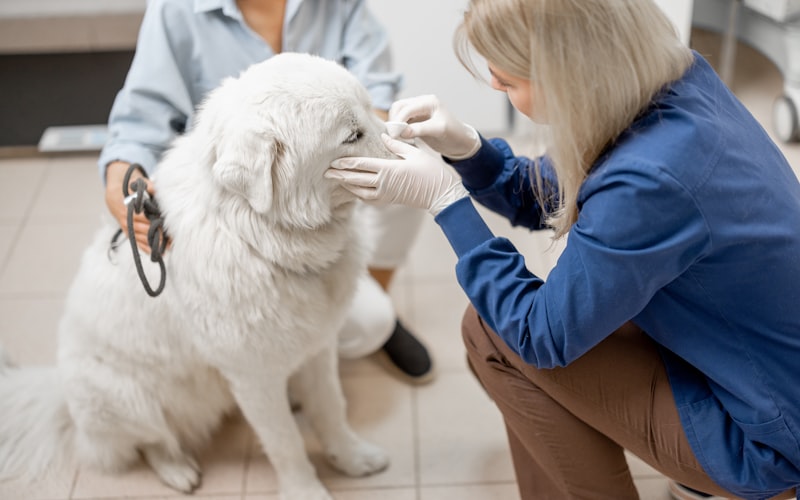
If you've recently dealt with fleas as well, our complete guide on how to get rid of fleas naturally covers safe, non-toxic treatments that pair well with your tick prevention routine.
What Tools Do You Need to Remove a Tick From a Dog?
Before you attempt to pull a tick off your dog, gather the right supplies. Having everything within reach makes the process faster and less stressful for both of you.
Here's what you need:
- Fine-tipped tweezers or a tick removal tool -- The single most important item. Standard household tweezers with flat, blunt tips are not ideal because they can crush the tick. You want pointed, fine-tipped tweezers that let you grip the tick right at the skin's surface.
- Rubbing alcohol or antiseptic wipes -- For cleaning the bite site before and after removal.
- Disposable gloves -- Ticks can carry pathogens that enter through small cuts in your skin. Gloves keep you protected.
- A small sealed container or zip-lock bag -- For storing the tick after removal in case your vet needs to identify the species later.
- Treats -- Your dog deserves a reward for holding still, and treats help keep them calm and cooperative.
- Good lighting -- A headlamp or bright overhead light makes it much easier to see what you're doing, especially on dark-furred dogs.
A dedicated tick removal tool is worth keeping in your pet care kit. These small, hook-shaped devices slide under the tick and lift it out cleanly with minimal risk of leaving mouthparts behind. They're inexpensive, reusable, and easier to use than tweezers for many people.
TickCheck Premium Tick Remover Kit
Includes stainless steel fine-tip tweezers and two tick removal hook tools sized for large and small ticks. Compact enough to carry on walks and hikes. Works on dogs, cats, and humans.
Check Price on Amazon →How Do You Find Ticks on Your Dog?
Ticks are small, especially before they've fed, and they actively seek out hidden, warm spots on your dog's body. A quick glance won't cut it -- you need to do a thorough, hands-on check.
Run your fingers slowly through your dog's entire coat, pressing lightly against the skin. You're feeling for small, firm bumps that feel different from your dog's normal skin. Ticks range in size from a tiny sesame seed (unfed) to a swollen grape (fully engorged), depending on how long they've been attached.
Pay extra attention to these high-risk areas:
- Ears and around the ear flaps -- Ticks love the warm, thin skin inside and behind the ears.
- Under the collar -- Remove the collar and check the entire neck area carefully.
- Between the toes and around the paw pads -- Easy to miss, but a common spot.
- Under the front legs (armpits) -- Warm and rarely disturbed.
- Groin and belly area -- Thin skin with less fur coverage.
- Around the eyes and muzzle -- Check carefully; ticks in these spots require extra gentle handling.
- Base of the tail -- Another warm, sheltered zone.
Make tick checks a habit after every outdoor adventure, especially if you've been hiking, walking through tall grass, or visiting wooded areas. The sooner you find a tick, the less time it has to transmit disease. Most tick-borne pathogens take 24-48 hours of attachment to transfer, so a prompt check and removal dramatically reduces the risk.
If your dog spends a lot of time outdoors, keeping their coat well-maintained helps make tick checks easier. A regular bathing routine at home keeps the coat clean and gives you a natural opportunity to inspect every inch of your dog's body.
How Do You Remove a Tick From Your Dog Step by Step?
This is the core technique. Follow these steps carefully, and you'll remove the tick cleanly every time.
Step 1: Put on your disposable gloves. This protects you from direct contact with the tick and any fluids it may release during removal.
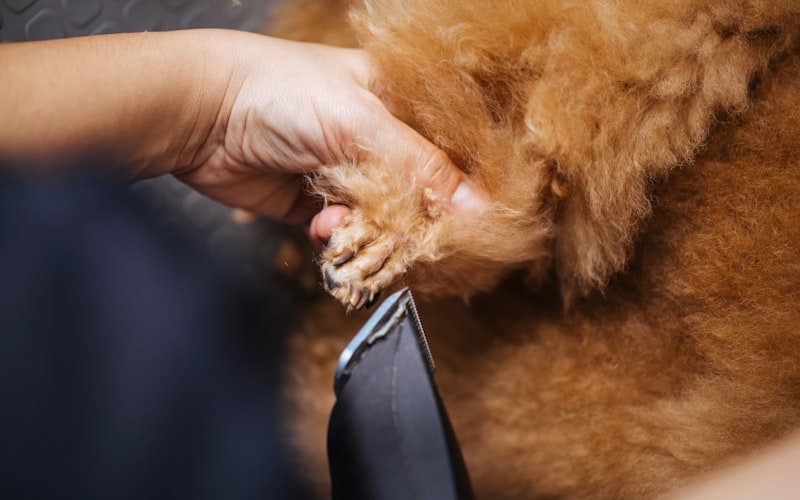
Step 2: Have a helper hold your dog steady and calm, or position your dog comfortably on a non-slip surface. Give a treat or two to set a positive tone. If your dog tends to fidget during grooming, the calming strategies in our guide on how to trim dog nails at home work just as well here.
Step 3: Part the fur around the tick so you have a clear view of where its mouthparts enter the skin. Use your fingers or a comb to push the surrounding hair out of the way.
Step 4: Grasp the tick with your fine-tipped tweezers as close to the skin's surface as possible. You want to grip the tick's head and mouthparts -- not the body. Squeezing the body can force infected fluids back into your dog.
Step 5: Pull straight upward with steady, even pressure. Do not twist, jerk, or yank. A slow, firm pull allows the tick's mouthparts to release cleanly from the skin. This may take several seconds -- be patient and maintain that steady pressure.
Step 6: Once the tick is out, inspect the bite area. Check that no mouthparts have been left behind in the skin. If you see a tiny dark fragment remaining, try to gently remove it with the tweezers. If it won't come out easily, leave it alone -- your dog's body will expel it naturally over time, similar to a splinter.
Step 7: Clean the bite site thoroughly with rubbing alcohol or an antiseptic wipe. Also disinfect your tweezers with rubbing alcohol.
Step 8: Place the tick in a sealed container or zip-lock bag with a small piece of damp paper towel. Label it with the date and the location on your dog's body where you found it. If your dog develops symptoms of a tick-borne illness in the coming weeks, having the tick for identification can help your vet choose the right treatment faster.
Step 9: Reward your dog with praise and treats. You want them to associate this experience with positive outcomes so future tick checks go smoothly.
What Should You Never Do When Removing a Tick?
There are several old wives' tales about tick removal that can actually make things worse. Avoid all of the following:
- Don't burn the tick with a match or lighter. This does not make the tick "back out." It can cause the tick to burst or regurgitate infected saliva into your dog's bloodstream, and you risk burning your dog's skin and fur.
- Don't smother the tick with petroleum jelly, nail polish, or essential oils. These methods supposedly suffocate the tick and make it detach on its own. In reality, the tick may take hours to die, giving it more time to transmit pathogens. You want the tick out immediately, not eventually.
- Don't squeeze or crush the tick's body. Compressing the engorged body pushes blood and potentially infected fluid back into your dog's skin.
- Don't twist the tick while pulling. Twisting can break the mouthparts off inside the skin, leading to irritation or localized infection.
- Don't use your bare fingers. Always wear gloves. Some tick-borne diseases can be transmitted through small cuts or abrasions on your hands.
The only reliable removal method is the steady, straight-pull technique with fine-tipped tweezers or a proper tick removal tool. Everything else increases risk.
What Should You Watch for After Removing a Tick?
Tick removal is not the end of the process. You need to monitor your dog and the bite site for several weeks afterward.
At the bite site, watch for:
- Redness or swelling that persists or worsens after 48 hours
- A rash or ring-shaped mark around the bite (this can indicate Lyme disease)
- Discharge, pus, or a hot feeling at the bite location
- Your dog excessively licking, biting, or scratching the area
In your dog's overall behavior, watch for:
- Lethargy or unusual tiredness
- Loss of appetite
- Fever (warm, dry nose; shivering; panting)
- Joint stiffness, limping, or reluctance to move
- Swollen lymph nodes
- Vomiting or diarrhea
These symptoms can appear anywhere from a few days to several weeks after a tick bite. If you notice any of them, contact your veterinarian and mention the tick bite. Bring the saved tick if you still have it. Early treatment for tick-borne diseases is almost always successful, but delayed treatment can lead to serious complications.
Keeping a simple log -- date of removal, location on the body, and any symptoms you observe -- gives your vet valuable information if you do end up needing an appointment.
How Can You Prevent Ticks on Your Dog?
Removing ticks is important, but preventing them from latching on in the first place is the real goal. A solid prevention strategy combines topical or oral treatments, environmental management, and smart habits.
Preventive Medications
Talk to your veterinarian about monthly tick prevention options. These generally fall into three categories:
- Oral preventives -- Chewable tablets that work from the inside out, killing ticks within hours of attachment. These are convenient and waterproof since the active ingredient is in your dog's bloodstream.
- Topical spot-on treatments -- Liquid applied between the shoulder blades that spreads across the skin and kills or repels ticks on contact. Effective but can wash off with frequent bathing or swimming.
- Tick prevention collars -- Worn continuously, these collars release active ingredients that repel and kill ticks for up to 8 months. A good option for dogs that spend a lot of time outdoors.
Your vet can recommend the best option based on your dog's size, health history, lifestyle, and the tick species common in your area.
Yard and Environment Management
Ticks thrive in tall grass, leaf litter, brush piles, and shaded, moist areas. Keeping your yard tidy significantly reduces the tick population near your home:
- Mow the lawn regularly and keep grass short
- Remove leaf litter, brush, and woodpiles from areas where your dog plays
- Create a 3-foot barrier of gravel or wood chips between your lawn and any wooded borders
- Keep playground equipment, decks, and patios away from yard edges and trees
- Discourage deer and rodents (the primary hosts ticks feed on) by fencing gardens and securing trash
These yard management steps also help when you're working to pet-proof your home and outdoor spaces more broadly.
Smart Outdoor Habits
- Check your dog after every outdoor excursion. This cannot be overstated. A quick five-minute check is the single best thing you can do.
- Stick to trails and paths. Avoid letting your dog wander through tall grass, dense brush, or piles of leaves where ticks wait at the tips of blades and branches (a behavior called "questing").
- Consider a tick-repellent spray for dogs for extra protection during peak tick season (spring through fall in most regions).
- Bathe your dog after hikes or off-trail adventures. A bath within two hours of outdoor activity can wash off ticks that haven't yet attached. Our guide on how to wash your dog at home covers the best technique for a thorough, tick-checking bath.

Which Tick-Borne Diseases Should Dog Owners Know About?
Understanding what ticks can transmit helps you appreciate why prompt removal and prevention matter so much. Here are the most common tick-borne diseases in dogs:
Lyme Disease -- Transmitted by black-legged (deer) ticks, Lyme disease causes joint inflammation, fever, lethargy, and loss of appetite. It typically requires 36-48 hours of tick attachment to transmit. Treatable with antibiotics when caught early.
Ehrlichiosis -- Carried by the brown dog tick and lone star tick. Symptoms include fever, weight loss, bleeding disorders, and lethargy. Can become chronic and life-threatening without treatment.
Anaplasmosis -- Spread by black-legged ticks and western black-legged ticks. Causes joint pain, fever, lethargy, vomiting, and diarrhea. Responds well to antibiotic treatment.
Rocky Mountain Spotted Fever -- Transmitted by the American dog tick, brown dog tick, and Rocky Mountain wood tick. One of the more severe tick-borne diseases, causing fever, skin lesions, joint pain, and neurological issues. Requires prompt veterinary treatment.
Babesiosis -- A parasitic infection spread by black-legged ticks that destroys red blood cells. Symptoms include dark urine, pale gums, weakness, and fever. Requires specialized treatment.
The takeaway: no matter where you live, if your dog goes outdoors, tick prevention and prompt removal are essential parts of responsible pet care. A regular grooming routine that includes full-body inspections helps you catch ticks before they've had time to transmit anything.
Can You Remove a Tick From Sensitive Areas Like Ears or Eyelids?
Ticks sometimes attach to delicate spots -- the inner ear flap, around the eyes, on the gums, or between the toes. These areas require extra care.
For ticks near the eyes or on the eyelids, use the finest-tipped tweezers you have and work under bright light. Move slowly and brace your hand against your dog's head to prevent sudden movements from causing injury. If the tick is in a location where you genuinely can't reach it safely or your dog won't hold still, a quick vet visit is the right call. Veterinary staff have the tools and experience to handle tricky placements.
For ticks inside the ear canal, do not attempt to remove them yourself. A tick deep inside the ear requires veterinary tools and possibly sedation. You can safely remove ticks from the outer ear flap using the standard technique.
For ticks between the toes, spread the toes apart gently and use tweezers or a tick hook to access the tick. This area tends to be sensitive, so have treats ready and work quickly.
Regardless of where you find the tick, the technique is the same: grip close to the skin, pull straight up with steady pressure, clean the area, and monitor for signs of infection.
How Do Ticks Get on Dogs in the First Place?
Ticks don't jump or fly. They use a strategy called "questing" -- they climb to the tips of grass blades, shrubs, or low-hanging branches and extend their front legs outward. When a warm-blooded animal brushes past, the tick grabs on and starts crawling toward a feeding site.
This means your dog picks up ticks by walking through vegetation. Tall grass, overgrown trails, leaf piles, and wooded edges are prime tick territory. Ticks are most active in spring and fall in many regions, but in warmer climates they can be a year-round concern.
Dogs are particularly susceptible because they walk low to the ground and love to explore exactly the kind of environments where ticks live. Even a quick walk through a suburban yard can result in a tick if the conditions are right. Dogs that go on hikes, run off-leash in fields, or live near wooded areas are at the highest risk.
Good leash habits help too. When you keep your dog from pulling on the leash and wandering into tall grass and brush, you reduce their exposure to questing ticks significantly.
Frequently Asked Questions
How long does it take for a tick to transmit disease to a dog?
Most tick-borne pathogens require 24-48 hours of attachment before transmission occurs. Lyme disease, for example, typically needs 36-48 hours. This is why daily tick checks are so effective -- if you find and remove a tick within the first 24 hours, the risk of disease transmission is very low. However, some pathogens, like the Powassan virus, can transmit in as little as 15 minutes, so prompt removal is always the priority.
What if the tick's head breaks off and stays in my dog's skin?
Don't panic. This is a common occurrence and rarely causes serious problems. Try to gently remove the remaining mouthparts with fine-tipped tweezers, but if they won't come out easily, leave them. Your dog's body will naturally push the foreign material out over time, similar to how a splinter works its way to the surface. Clean the area with antiseptic and monitor for signs of infection like redness, swelling, or discharge. If the area becomes infected, your vet can treat it with topical or oral antibiotics.
Should you get your dog tested for tick-borne diseases after finding a tick?
Routine testing after every tick removal is generally not necessary, especially if you removed the tick within 24 hours. However, you should get your dog tested if the tick was engorged (meaning it had been attached for a long time), if you live in an area with high rates of Lyme disease or other tick-borne illnesses, or if your dog shows any symptoms in the weeks following removal. Many veterinarians include a tick-borne disease panel in annual blood work, which is a good baseline practice. Keeping your dog's teeth clean and maintaining regular vet checkups ensures your dog's overall health is monitored consistently.
Can ticks live inside your house?
Yes, certain species can survive and even reproduce indoors. The brown dog tick is the most common indoor tick species and can complete its entire life cycle without ever going outside. If you find ticks on your dog regularly, inspect your home -- especially pet bedding, baseboards, window frames, and cracks in walls or flooring. Wash all pet bedding in hot water, vacuum thoroughly and frequently, and consider treating your home's perimeter. If you suspect an indoor infestation, a pest control professional can help. Keeping a clean home environment through regular grooming routines and pet-proofing goes a long way toward preventing tick problems from escalating.
Final Thoughts
Removing a tick from your dog is one of those skills every pet owner needs but hopes they'll never use. The reality is, if your dog spends any time outdoors, you'll likely encounter ticks at some point. The key is being prepared with the right tools, using proper technique, and following up with monitoring and prevention.
Remember the essentials: grip close to the skin, pull straight up with steady pressure, never twist or squeeze the body, and clean the bite site afterward. Save the tick, watch for symptoms, and consult your vet if anything seems off.
Prevention is always better than removal. A combination of veterinary-recommended preventive medication, regular tick checks, smart outdoor habits, and a well-maintained yard will dramatically reduce the number of ticks your dog encounters. Paired with a consistent grooming routine that includes regular baths, nail trims, and dental care, you'll keep your dog healthy, comfortable, and protected against the risks that come with being an adventurous, outdoor-loving companion.
Get weekly home tips that actually work
Join thousands of homeowners getting practical cleaning hacks, DIY fixes, and money-saving tips every week. Free, and you can unsubscribe anytime.

Written by
Beth SullivanFounder & Editor-in-Chief
Beth Sullivan is the founder of Practical Home Guides. With over a decade of hands-on experience tackling every home challenge imaginable, she started this site to share the practical, no-nonsense solutions she wishes she had found years ago. When she's not testing cleaning hacks or organizing pantries, you'll find her in the garden or working on her next DIY project.
Recommended Products
Looking for specific product recommendations? Check out our tested picks.

5 Best Dog Grooming Kits for Home Use (2026)
Save hundreds on groomer visits by doing it yourself. We compared the top dog grooming kits — here are the 5 best for different coat types and budgets.

Best Pet Hair Removers That Actually Work (2026)
We tested the most popular pet hair removers for furniture, clothes, and cars. Here are the 7 best picks that actually get the job done — from lint rollers to rubber brooms.
Related Articles

How to Stop a Cat From Spraying (And Why They Start)
Cats spray for specific reasons — and identifying the cause is half the battle. Here's the vet-tech approach to stopping spraying without rehoming the cat.

Dog-Safe Spring Yard Checklist (Lawn Chemicals, Plants, and More)
Spring yard prep can poison your dog faster than you'd expect. Here's the checklist of toxic plants, lawn treatments, and seasonal hazards to remove before letting your dog roam.
How to Soothe Your Dog's Itchy Spring Skin Naturally
Spring allergies hit dogs hard. These vet-tech-approved natural remedies soothe itchy skin without immediately reaching for prescription meds.

How to Introduce a New Baby to Your Family Pet Safely
A vet tech's step-by-step plan for preparing your dog or cat for a new baby. Start weeks before the due date — not the day you come home from the hospital.