Energy Bills in Summer: 7 AC Tweaks That Cut Cooling Costs 40%
This article may contain affiliate links. If you make a purchase through these links, we may earn a small commission at no extra cost to you. Learn more
Quick Answer
Energy Bills in Summer: 7 AC Tweaks That Cut Cooling Costs 40%
Set 78F home and 84F away on a schedule, run ceiling fans counterclockwise, seal door and window leaks, block afternoon sun with thermal curtains, and change the filter monthly. These five habits alone cut a typical July bill by 30 to 40 percent with zero new equipment.
I install and service AC systems for a living, and every July I get the same panicked phone call: "My electric bill just hit 380 dollars, is my unit broken?" Usually it isn't. The unit is fine. The settings and habits around it are what's bleeding money.
Here's the part that frustrates me. People assume the only way to lower a summer bill is to buy a new high-efficiency system for 6,000 dollars. That's almost never the right first move. I can walk into most houses and find 40 percent of the cooling waste in the thermostat schedule, the airflow, and a few cracks of daylight around the doors. None of it requires replacing equipment.
These are the seven tweaks I make first, ranked roughly by how much they save per dollar and minute spent. The first three are free. Do all seven and a 350 dollar August bill turns into something closer to 210.
1. Set 78F Home, 84F Away, and Stop Touching It
This is the single biggest lever, and it costs nothing.
Every degree you drop below 78F adds roughly 6 to 8 percent to your cooling cost. People set it to 72F because they walked in hot and wanted relief now, then forget to change it back. Running 72F instead of 78F all summer can add 40 to 50 percent to the cooling portion of your bill.
The schedule I set at client houses:
- 78F when you're home and awake
- 82F overnight while sleeping (a fan makes this comfortable)
- 84F when the house is empty for more than a few hours
The "raise it when away" piece is where the real money hides. The myth that it costs more to cool a warm house back down than to hold it cool all day is wrong. A house at 84F costs almost nothing to maintain because there's a smaller temperature gap fighting the outdoor heat. Letting it drift up while you're at work for eight hours saves more than the 20-minute recovery cool-down costs.
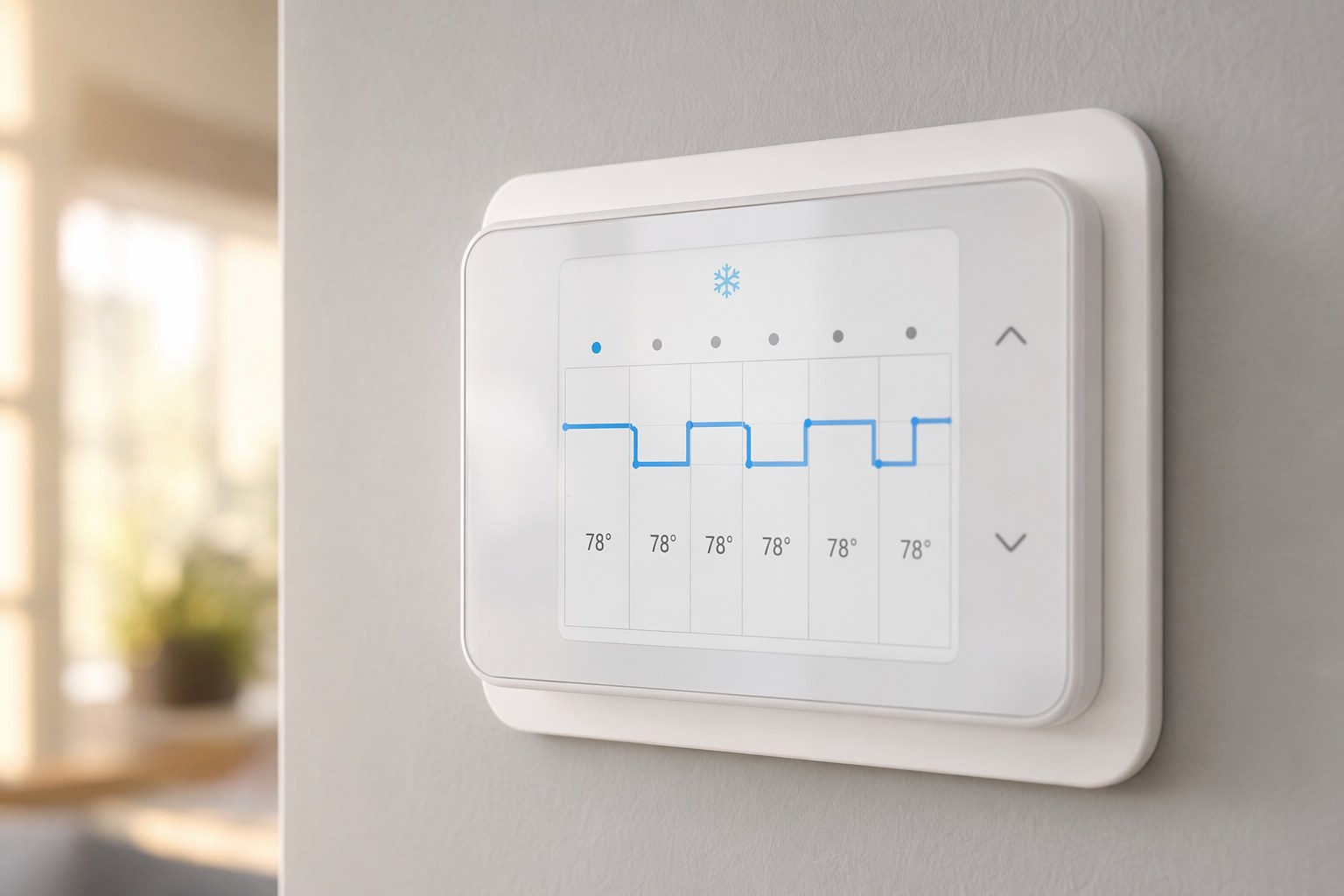
If you have a smart or programmable thermostat, build this schedule once and forget it. A basic 7-day programmable thermostat runs 25 to 40 dollars and pays for itself in the first month.
Programmable Thermostat 7-Day Smart WiFi
A 7-day WiFi thermostat lets you set the 78-home, 84-away schedule once and adjust it from your phone, which is where most of the 40 percent savings actually comes from.
Check Price on Amazon →If you want to go deeper on which models actually deliver, see our smart thermostat roundup.
2. Run Ceiling Fans Counterclockwise (and Only When You're in the Room)
Fans cool people, not rooms. That distinction is worth real money.
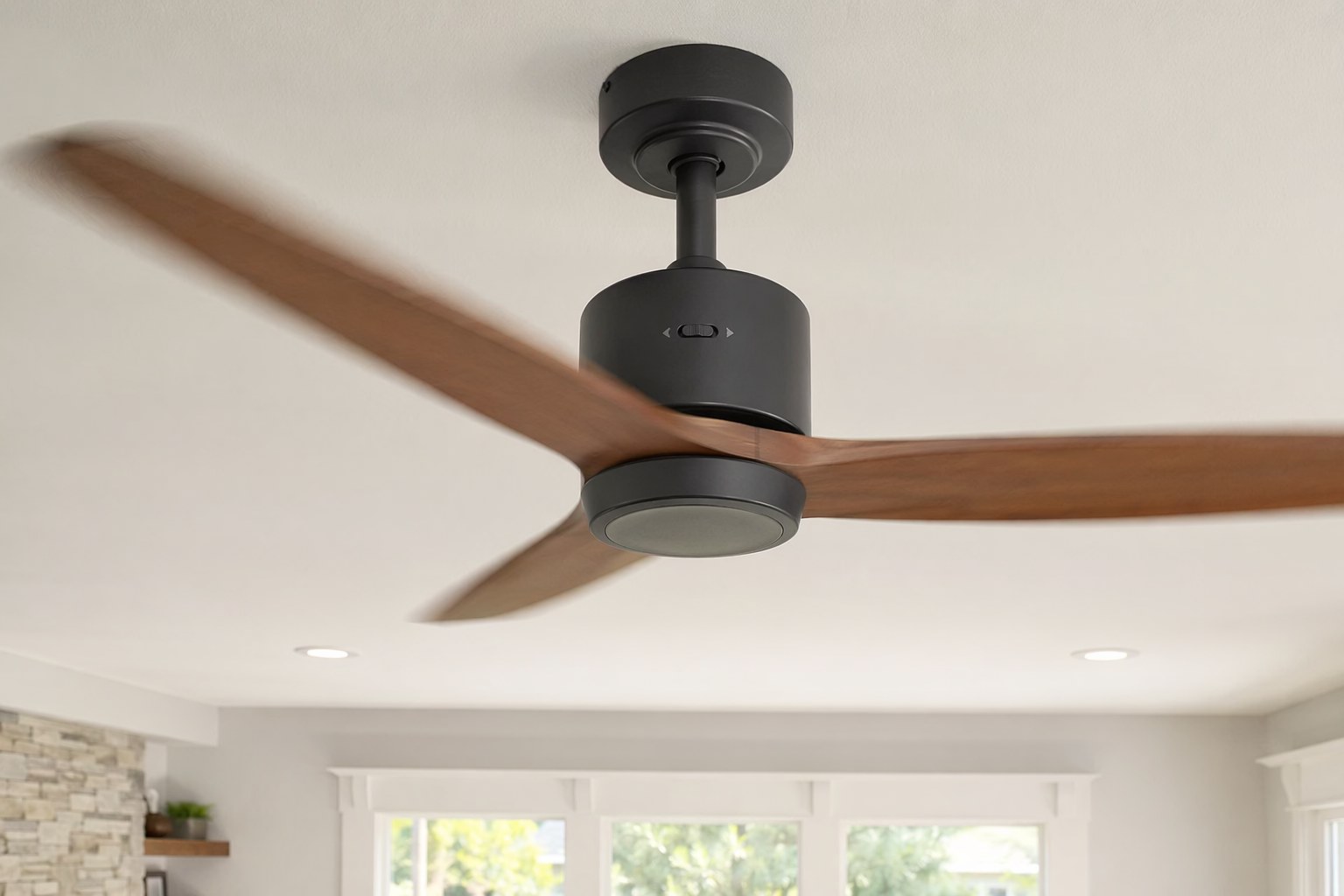
A ceiling fan spinning counterclockwise in summer pushes air down and creates a wind-chill effect on your skin. That breeze lets you raise the thermostat 4F and feel exactly the same. Raising 74F to 78F while running a fan cuts cooling cost 8 to 15 percent, and a fan motor uses about as much power as a 75-watt bulb. The math is lopsided in your favor.
Two rules I tell everyone:
- Check the rotation. In summer the blades should spin counterclockwise when you look up at them. Most fans have a small reverse switch on the housing. If the breeze isn't hitting you directly below, it's spinning the wrong way.
- Turn fans off when you leave the room. A fan in an empty room cools no one and the motor adds a trickle of heat. Leaving fans running in empty rooms is one of the most common wasteful habits I see.
If you're shopping for a new fan, a DC-motor ceiling fan uses up to 70 percent less electricity than the old AC-motor units and runs nearly silent.
Ceiling Fan Reverse Airflow DC Motor
A reversible DC-motor fan sips a fraction of the power of older models and lets you bump the thermostat up 4 degrees while feeling exactly as cool.
Check Price on Amazon →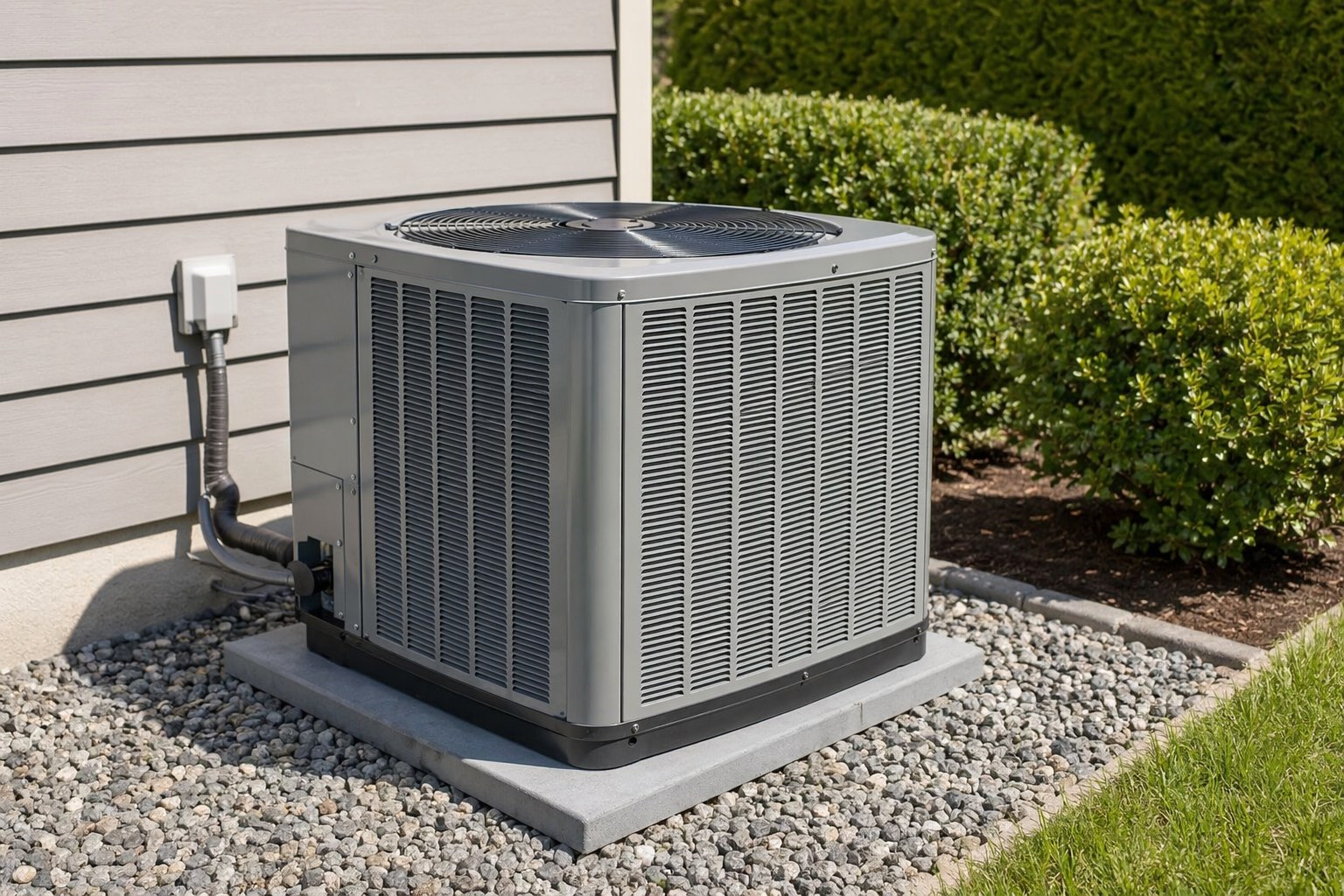
3. Block the Afternoon Sun Before It Heats the House
A south- or west-facing window with full afternoon sun can dump as much heat into a room as a small space heater. Your AC then fights that heat all evening.
The fix is free if you already have curtains: close them on the sunny side of the house from about 11am until the sun moves off in the evening. I tell clients to treat west-facing rooms like a vampire's lair on hot afternoons. Shut it down.
If your existing window coverings are thin, thermal blackout panels make a measurable difference. A thermal insulated blackout curtain reflects and blocks solar heat before it ever enters the room. In a sunny bedroom I've seen these drop the afternoon temperature 4 to 6F, which means the AC cycles on less.
Blackout Curtain Thermal Insulated Panel
Thermal blackout panels block solar heat gain on west- and south-facing windows, cutting afternoon room temperature several degrees so the AC runs fewer cycles.
Check Price on Amazon →Outside, anything that shades the glass helps even more, since you're stopping the heat before it hits the window. Awnings, exterior shades, or a strategically placed shrub all earn their keep.
4. Seal the Air Leaks Around Doors and Windows
You're paying to cool air, and a surprising amount of it leaks straight outside. The biggest culprits are gaps under exterior doors and worn weatherstripping around frames.
Run your hand around the edge of every exterior door on a hot day. If you feel warm outside air sneaking in, you've found money walking out. A roll of foam weatherstripping is a few dollars and seals an entire doorframe in 15 minutes.
Door Weatherstripping Foam Seal Strip
Self-adhesive foam strip seals the gaps around exterior doorframes where cooled air escapes and hot outdoor air leaks in, a 15-minute fix that runs all summer.
Check Price on Amazon →Don't forget the bottom gap. If you can see daylight under a door, a door sweep stops it. For window units, the gaps around the sides and the accordion panels are notorious leakers. A window AC insulation kit with foam and film seals those edges so the unit isn't cooling the great outdoors.
Window Air Conditioner Film Insulation Kit
Foam and shrink-film kit seals the leaky side panels and gaps around a window AC unit so the cold air stays inside instead of escaping around the frame.
Check Price on Amazon →Sealing a leaky house typically trims 10 to 15 percent off cooling costs, and the same work pays off again in winter. For the full rundown, our guide on saving money on your cooling bill covers the leak-hunting process in detail.
5. Change the Air Filter Monthly During Summer
A clogged filter strangles airflow. The blower works harder, the system runs longer to hit the set temperature, and you pay for the privilege.
Most people change the filter once at the start of summer and forget it. During heavy cooling months, I tell clients to check it monthly and swap it whenever it looks gray. Homes with pets or allergies need it more often. A dirty filter can cut airflow enough to add 5 to 15 percent to your runtime, and in bad cases it freezes the evaporator coil and shuts the system down entirely on the hottest day.
A pack of pleated HVAC filters covers a whole summer for under 30 dollars. Note the size off your old filter before ordering and point the airflow arrow toward the blower.
6. Stop Adding Heat During the Hot Part of the Day
Your AC has to remove every bit of heat you generate indoors. The afternoon is the worst time to pile more on.
Habits that quietly fight your AC:
- Running the oven or stovetop at 5pm. Cook in the morning, use the microwave, or grill outside on the hottest days.
- Drying clothes in the afternoon. The dryer dumps heat and humidity into the house and vents conditioned air outside.
- Long hot showers without the exhaust fan running, which loads the house with humidity your AC then has to wring out.
Shift heat-generating chores to early morning or late evening. If you're on a time-of-use electricity plan, this saves twice, once on the AC load and once on the cheaper off-peak rate. These small timing shifts pair well with the broader habits in our spring electric bill guide.
7. Keep the Outdoor Unit Clear and Cool
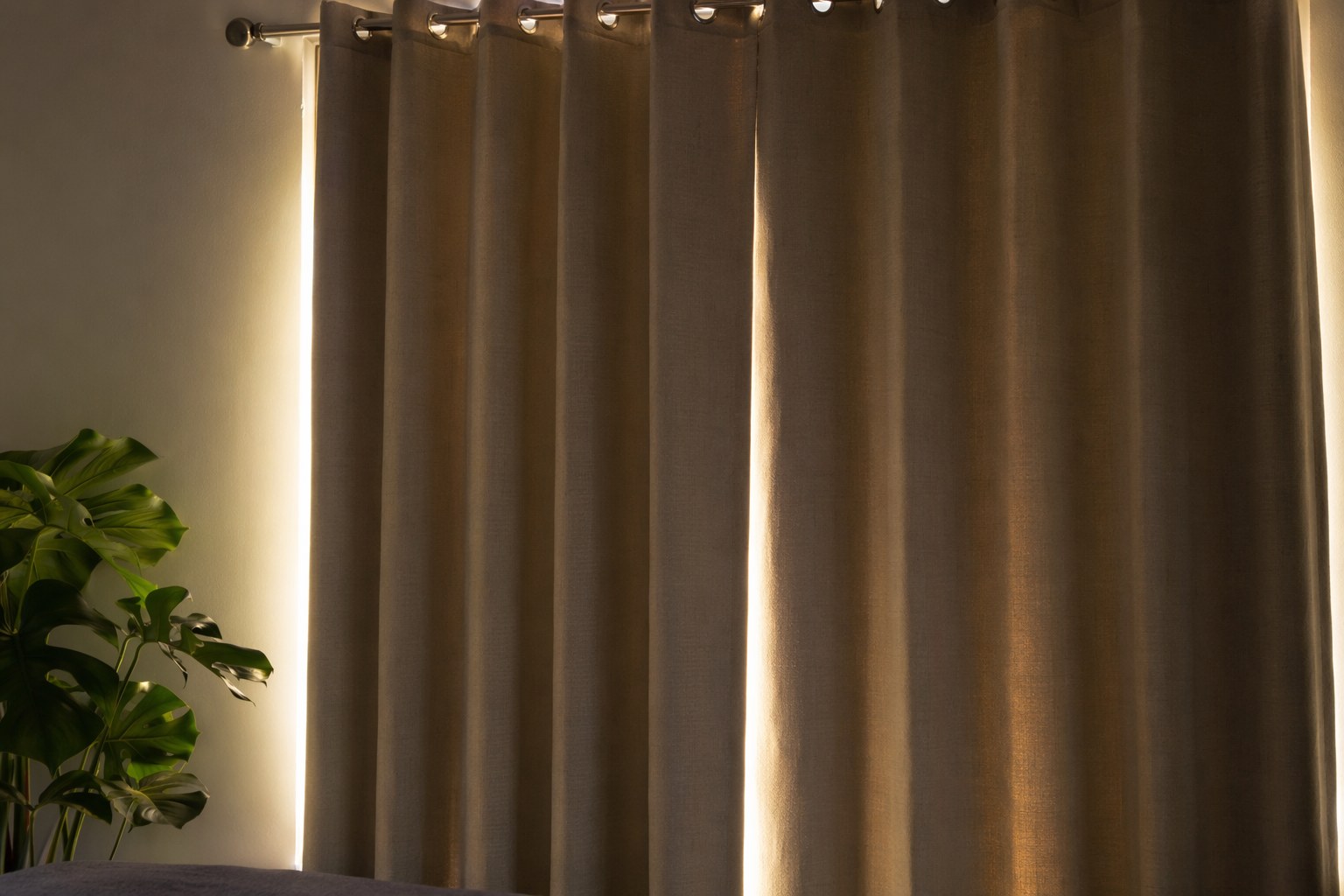
The condenser outside dumps your home's heat into the air. If it can't breathe, it can't dump heat, and the compressor runs longer and hotter to do the same job.
Walk out to the unit and give it room:
- Clear at least 2 feet of space on all sides. Trim back bushes and pull weeds growing through the base.
- Hose off the fins from the inside out to wash away pollen, grass clippings, and dust. Skip the pressure washer, it bends the fins.
- Clear leaves and debris off the top grille.
A clogged or crowded condenser can add 10 to 20 percent to runtime. This one overlaps with maintenance, so it's worth doing alongside the full summer AC tune-up checklist before the first heat wave.
How Much Will You Actually Save?
Stacked together, these seven tweaks cut the cooling portion of a summer bill by 30 to 40 percent in most homes I've worked on. The thermostat schedule and sun-blocking do the heavy lifting. The sealing and airflow fixes close the gaps that quietly drain the rest.
The honest test is your own bill. Compare this July to last July on your statement, not just the dollar amount but the kilowatt-hours, since rates change year to year. That number tells you exactly what worked.
Frequently Asked Questions
Does raising the thermostat when I'm away really save money?
Yes. A warmer house has a smaller temperature gap fighting the outdoor heat, so it costs almost nothing to hold at 84F. The short cool-down when you return uses far less energy than running cold all day. This is the most reliable savings on the list.
What temperature should I set my AC to in summer?
78F when home is the efficiency sweet spot, paired with a ceiling fan for comfort. Every degree below 78F adds roughly 6 to 8 percent to cooling cost, so 76F or 74F adds up fast over a full season.
Will a smart thermostat alone cut my bill 40 percent?
Not by itself. A good thermostat captures the scheduling savings, usually 10 to 20 percent. The other tweaks here, especially sun-blocking, sealing, and filter changes, are what push the total toward 40 percent.
Are window AC units cheaper to run than central air?
For cooling a single occupied room, yes. Cooling only the room you're in with a sealed window unit, while letting the rest of the house drift warmer, often beats running central air for the whole house. Seal the unit properly so it isn't leaking cold air outside.
Final Thoughts
You don't need new equipment to cut a summer bill. Set the schedule, run the fans the right way, block the afternoon sun, and seal the leaks. I've watched these seven tweaks knock 100 dollars or more off a single August statement at houses where the owner was sure the unit was failing. Start with the free three this week. The sealing and curtains can wait for the next hot weekend. While you're chasing waste, our guide to lowering your water bill finds the same kind of easy savings on the other side of the meter.
Get weekly home tips that actually work
Join thousands of homeowners getting practical cleaning hacks, DIY fixes, and money-saving tips every week. Free, and you can unsubscribe anytime.

Written by
Marcus ChenDIY & Home Repair Editor
Marcus Chen spent fifteen years as a licensed general contractor in the Pacific Northwest before joining Practical Home Guides full time. He specializes in plumbing, electrical, and weekend warrior projects that save homeowners thousands. Marcus has personally tested every tool he recommends in his own century-old fixer-upper.
Recommended Products
Looking for specific product recommendations? Check out our tested picks.

Best Outdoor Patio Furniture Deals (2026 Spring Picks)
Late April is the sweet spot for patio furniture deals — pre-summer sales without late-season picked-over selection. Here are the picks worth buying now.

5 Best LED Light Bulbs to Cut Your Electric Bill (2026)
Switch to LED bulbs and save $100+ per year on electricity. We compared the top LED bulbs for brightness, color quality, and longevity — here are the 5 best picks.
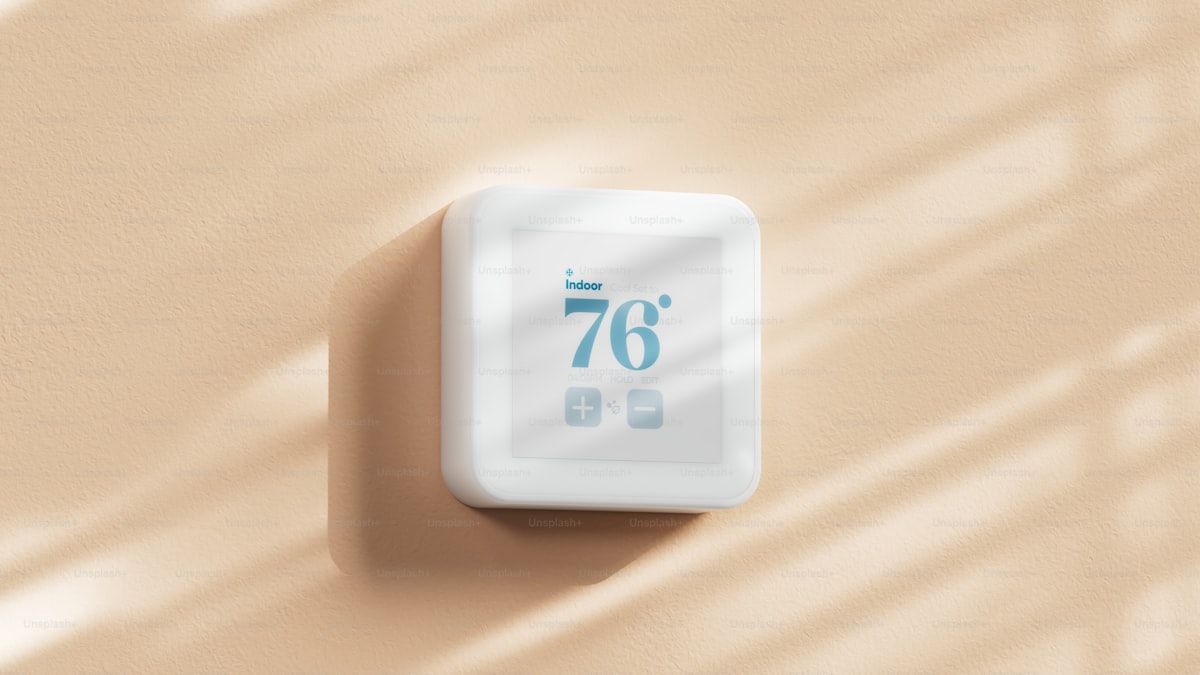
Best Smart Thermostats to Lower Your Energy Bill (2026)
The best smart thermostats that actually save money on heating and cooling. We compare 5 top picks from Nest, Ecobee, Honeywell, and more with real energy savings data.
Related Articles

DIY vs. Hiring a Pro: The Real ROI of 8 Popular Home Projects (2026)
A contractor breaks down the real DIY vs. pro cost, time, and resale ROI of 8 popular home projects in 2026, with a decision framework and tool picks.

Hurricane Season 2026: Survival Strategy Beyond Basic Emergency Kits
A complete hurricane season survival strategy for 2026: communication plans, insurance gaps, financial recovery, and power backup that go far beyond the basic emergency kit.

Summer Outdoor Living 2026: Patio, Grill, Garden & Decor Buying Guide
A complete 2026 summer outdoor living buying guide covering patio furniture, grills, lighting, plants, and decor, with real prices and the best week to buy each.

Memorial Day Cookout Prep: Food, Decor & Timing for 30 Guests
Host a patriotic Memorial Day cookout for 30 guests under $200. Bulk shopping math, make-ahead strategies, and an hour-by-hour timeline to skip day-of stress.