How to Attract Hummingbirds to Your Yard This Spring
This article may contain affiliate links. If you make a purchase through these links, we may earn a small commission at no extra cost to you. Learn more
Quick Answer
How to Attract Hummingbirds to Your Yard This Spring
Put up a clean feeder with 4-to-1 water-to-sugar mix (no red dye, no honey). Plant native red and orange tubular flowers. Provide a fine mist or drip water source. Hang feeders in shade where hummingbirds can perch nearby. Replace nectar every 3 to 5 days in warm weather to prevent fermentation.
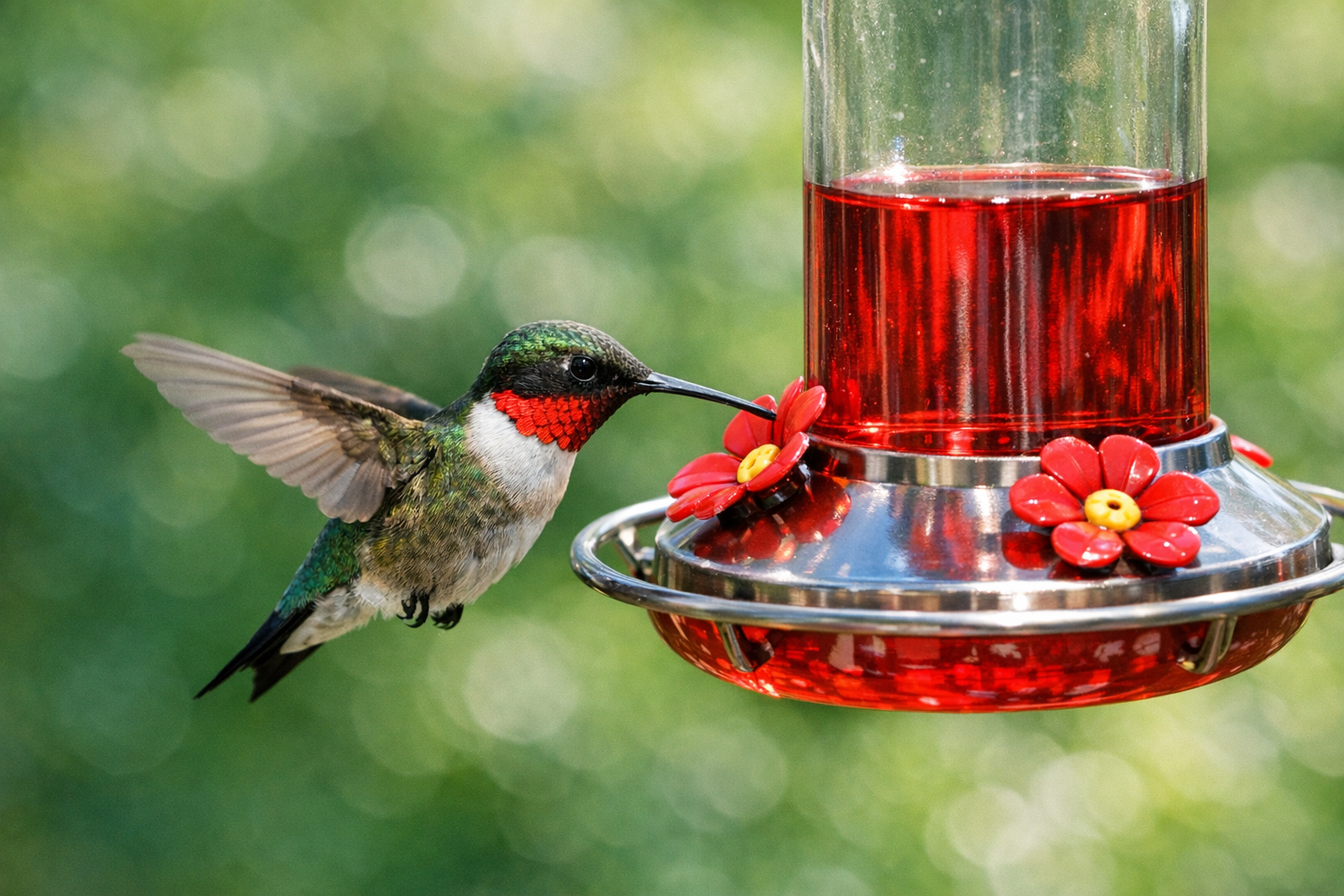
The first spring I moved to Texas I put up a feeder and saw two hummingbirds. The next spring I added native plants and a misting water feature. By year three I was hosting 20+ hummingbirds a day from March through October.
Bringing hummingbirds in isn't complicated — they need three things, done right. Most yards already have one of them and miss the other two. Here's the full setup.
What Hummingbirds Actually Need
Three things, in this order:
- A consistent food source (real flowers, supplemented by feeders)
- Clean water for bathing (a fine mist or drip, not a deep birdbath)
- Perches and shelter (small branches near the feeder, dense shrubs nearby)
Get all three right and hummingbirds will travel several miles to be in your yard, and they'll come back the same week every year (they remember reliable food sources).
Feeders: The Right Way
A clean simple feeder beats an expensive ornate one every time. Hummingbirds care about three things in a feeder: easy to drink from, easy for them to perch on, and clean nectar.
Pick a Feeder Without Yellow Bee Guards That Drip
I prefer a saucer-style hummingbird feeder over the bottle-style ones for two reasons: easier to clean and they don't drip in the heat. Drips waste nectar and attract bees.
A second option is the classic glass bottle hummingbird feeder — pretty, easy to refill, and most have built-in perches.
Avoid feeders with yellow flower decorations on the ports — those attract more bees and wasps than hummingbirds. Red is the only color that matters to hummingbirds.
Mix the Nectar Yourself
The recipe is dead simple: 1 part white sugar to 4 parts water. Boil briefly to dissolve and kill any mold spores in the sugar. Cool fully before filling.
That's it. Don't add:
- Red dye — unnecessary and may be harmful. The feeder itself can be red, but the liquid should be clear.
- Honey — ferments fast, grows mold that can kill hummingbirds.
- Brown sugar, raw sugar, or organic sugar — too much iron, can be harmful.
- Artificial sweeteners — provides no calories, the birds starve.
Plain white granulated sugar and water. That's what their flowers' nectar most closely resembles.
Clean Every 3 to 5 Days in Hot Weather
This is the rule most people break and the reason hummingbirds disappear from their yard mid-summer. Sugar water ferments in heat. Fermented nectar grows black mold that's toxic to hummingbirds.
In summer (above 80F): empty, scrub, refill every 2 to 3 days. In spring/fall (60 to 80F): every 4 to 5 days. Below 60F: every week.
Use a hummingbird feeder cleaning brush set — they have a tiny brush that fits the feeding ports, where mold builds first.
Plant the Right Flowers
Flowers are the long-term hummingbird strategy. A garden full of nectar plants supports more hummingbirds than any number of feeders, and the birds prefer real flowers when they're available.
Best Hummingbird Plants
Annuals (plant in spring, bloom all season):
- Salvia (any variety, especially red and pink)
- Cypress vine — fast-growing climber covered in red trumpets
- Petunias (the older heirloom varieties, not the newer compact hybrids)
- Zinnias — also great for butterflies
Perennials (come back every year):
- Bee balm (Monarda) — pollinator magnet
- Cardinal flower (Lobelia cardinalis) — likes wet feet
- Coral honeysuckle (Lonicera sempervirens) — climbing vine, blooms spring through fall
- Columbine — early spring bloomer
- Hummingbird mint (Agastache) — tolerates drought
Shrubs and trees:
- Trumpet vine (warning: very vigorous, plant where you can contain it)
- Buddleia (butterfly bush) — dwarf varieties for small yards
- Crossvine — early bloomer
A native wildflower seed mix for hummingbirds is the easiest way to start a low-effort patch — sprinkle, water, and walk away.
What Color and Shape Matters
Hummingbirds are drawn to red, orange, and pink first. Tubular shapes (long narrow flowers) are easiest for them to drink from. Plant for both.
Add a Water Feature
Hummingbirds drink at feeders but bathe in motion or mist. A traditional bird bath is too deep and too still for them.
Best options:
- A solar fountain in a bird bath — moving water, attracts at distance
- A garden mister attachment on a hose — they fly through it
- A shallow dripper bowl — drips from a small reservoir
Any of these triples your hummingbird traffic.
Set Up the Feeder Location Right
Where you hang the feeder matters as much as the feeder itself.
- Partial shade — full sun ferments nectar in 24 hours
- Within 10 to 15 feet of a small tree or shrub — hummingbirds need perches
- Visible from your kitchen or living room window — for you, not them
- Away from large windows — hummingbirds hit windows. Move feeders within 3 feet of the window OR more than 30 feet away. The middle distance is the dangerous one.
- At least 5 feet off the ground — out of reach of cats
If wasps are a problem, move the feeder occasionally — wasps return to a known food source, hummingbirds find the new spot easily.
When to Put Out Feeders in Spring
Hummingbirds migrate north in waves starting late February (Gulf Coast) through May (northern states). Track your area's first arrival on [hummingbirdcentral.com migration map].
Put feeders out 1 to 2 weeks before the historical first arrival date for your area. The first scouts looking for territory remember which yards have food.
Common Mistakes That Drive Hummingbirds Away
- Letting nectar ferment. The single biggest reason hummingbirds abandon a yard.
- Using red dye. No measurable benefit, possible long-term health risk.
- Hanging feeders in full sun. Speeds fermentation dramatically.
- Letting ants take over. Use an ant moat for hummingbird feeders — small water-filled trap above the feeder that ants can't cross.
- Spraying pesticides on flowers. Kills the small insects hummingbirds also eat (yes, they eat bugs for protein).
Frequently Asked Questions
How many feeders should I put out?
Start with one. If a single dominant male starts guarding it and chasing others away, add a second feeder out of sight of the first. Multiple feeders break up territories and let more birds feed.
Do I need to take feeders down in fall?
No — leaving feeders up does NOT prevent hummingbirds from migrating. They migrate based on day length, not food availability. Leaving feeders up actually helps late stragglers refuel. Take down only when consistently below freezing.
Why won't hummingbirds come to my yard?
Most often: you don't have nearby flowers (they scout flower-rich areas first), or your nectar has fermented and they've abandoned the spot. Plant real flowers, clean the feeder every 2 to 3 days for a couple weeks, and they'll find you.
Can I attract hummingbirds in a small apartment balcony?
Yes — a hanging basket of red salvia plus a small saucer feeder is enough. Even high-rise balconies get visits, especially during migration. Hummingbirds find food sources that are visible from above.
Final Thoughts
Hummingbirds reward consistency. The yard with a clean feeder year after year, with flowering plants, and with a small water feature becomes a known stop on their map. By year three, you'll have so many you can't keep up with feeder cleaning — a great problem to have.
Get weekly home tips that actually work
Join thousands of homeowners getting practical cleaning hacks, DIY fixes, and money-saving tips every week. Free, and you can unsubscribe anytime.

Written by
Sarah RodriguezGardening & Pet Care Contributor
Sarah Rodriguez is a certified Master Gardener and former veterinary technician. She lives on a half-acre lot in central Texas with three rescue dogs, two backyard chickens, and a very ambitious vegetable garden. She covers gardening, sustainable yard care, and everyday pet care for Practical Home Guides.
Recommended Products
Looking for specific product recommendations? Check out our tested picks.
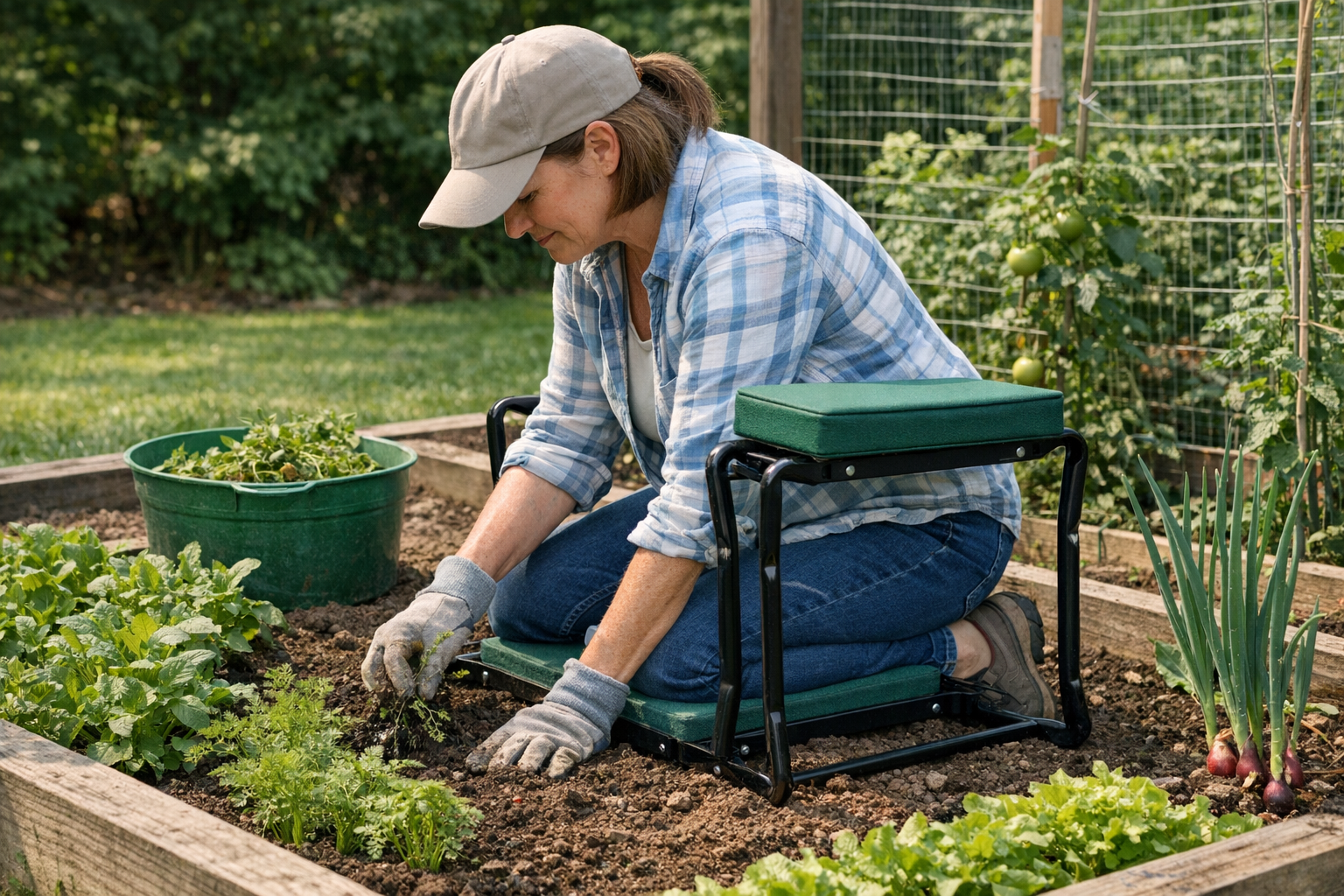
Best Garden Kneelers and Seats (2026 Tested)
Gardening shouldn't wreck your knees and back. We tested kneelers, foldable seats, and rolling carts to find the picks worth the price.
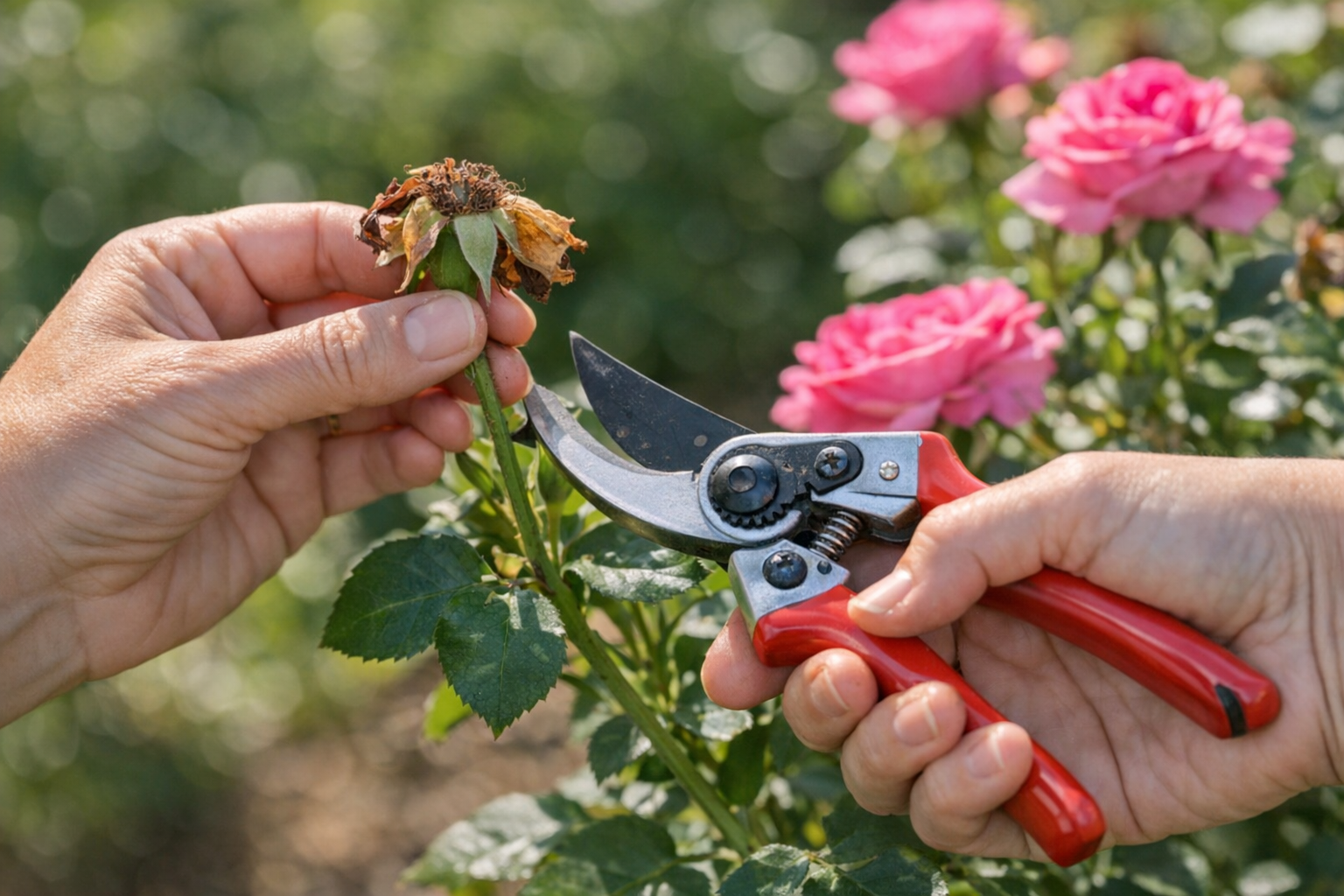
Best Pruning Shears for Gardeners (2026 Guide)
We tested bypass and anvil pruning shears across roses, fruit trees, perennials, and tomato vines. Here are the picks worth your money — and the one to avoid.
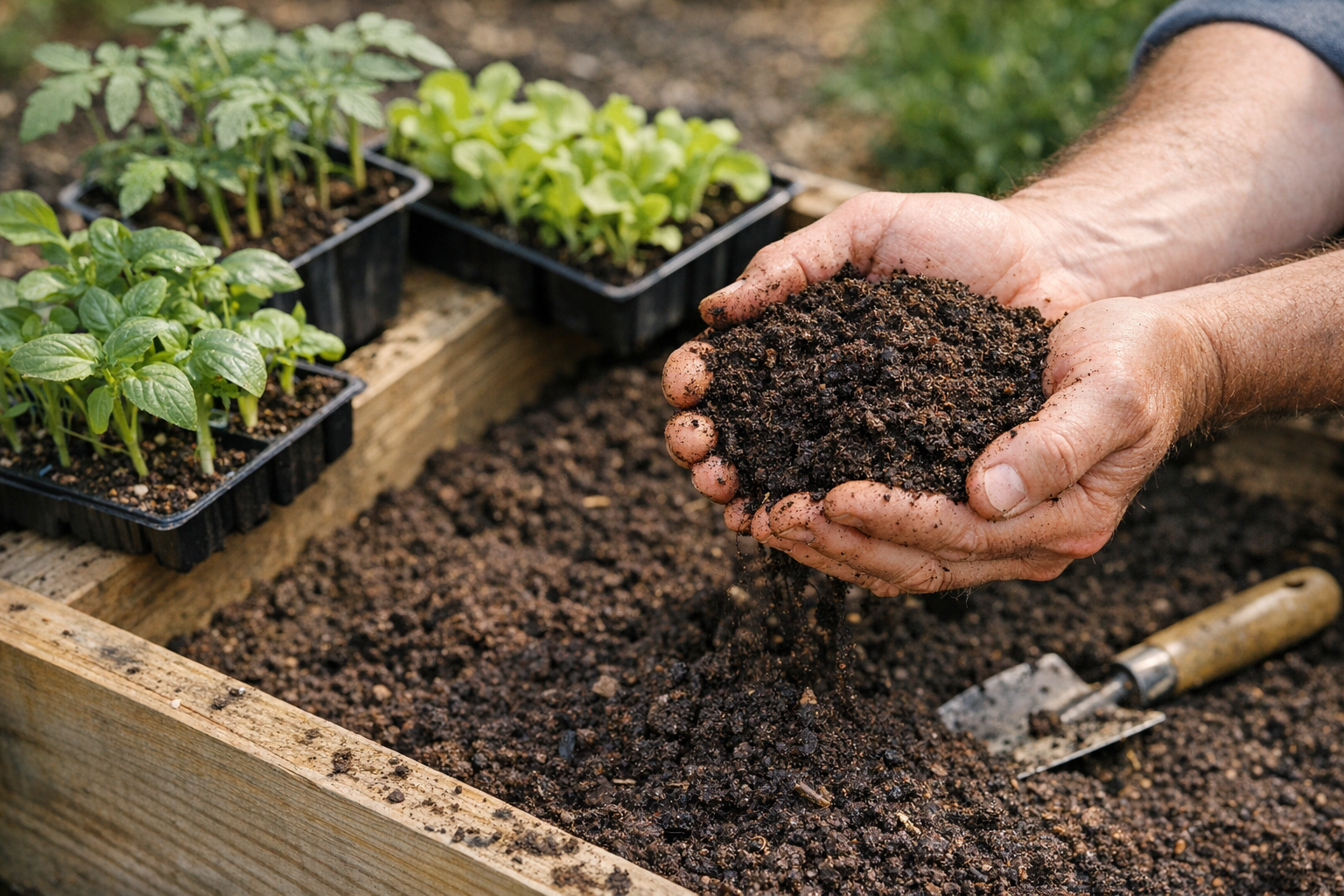
Best Raised Bed Soil Mixes (2026 Buyer's Guide)
Bagged soil for raised beds is a minefield. We tested the top brands for vegetable yield, drainage, and value to find the soil mixes that actually grow food.
5 Best Garden Hose Nozzles and Sprayers (2026)
Find the perfect garden hose nozzle for watering plants, washing cars, and cleaning patios. We compared the top sprayers — here are the 5 best for every job.
Best Raised Garden Bed Kits You Can Order Online (2026)
The best raised garden bed kits for beginners and experienced gardeners. We compare wood, metal, and composite options with honest reviews and setup tips.
Related Articles
How to Get Rid of Dandelions Naturally (Without Killing the Lawn)
Dandelions are stubborn but beatable without chemical herbicides. Here's the 3-pronged natural approach that works long-term — and the tools that make it easy.
When to Plant Warm-Weather Annuals (And Which Are Easiest)
Tomato, pepper, basil, marigold — all are warm-weather plants that hate cold soil. Here's how to time the transplant for the longest possible harvest.
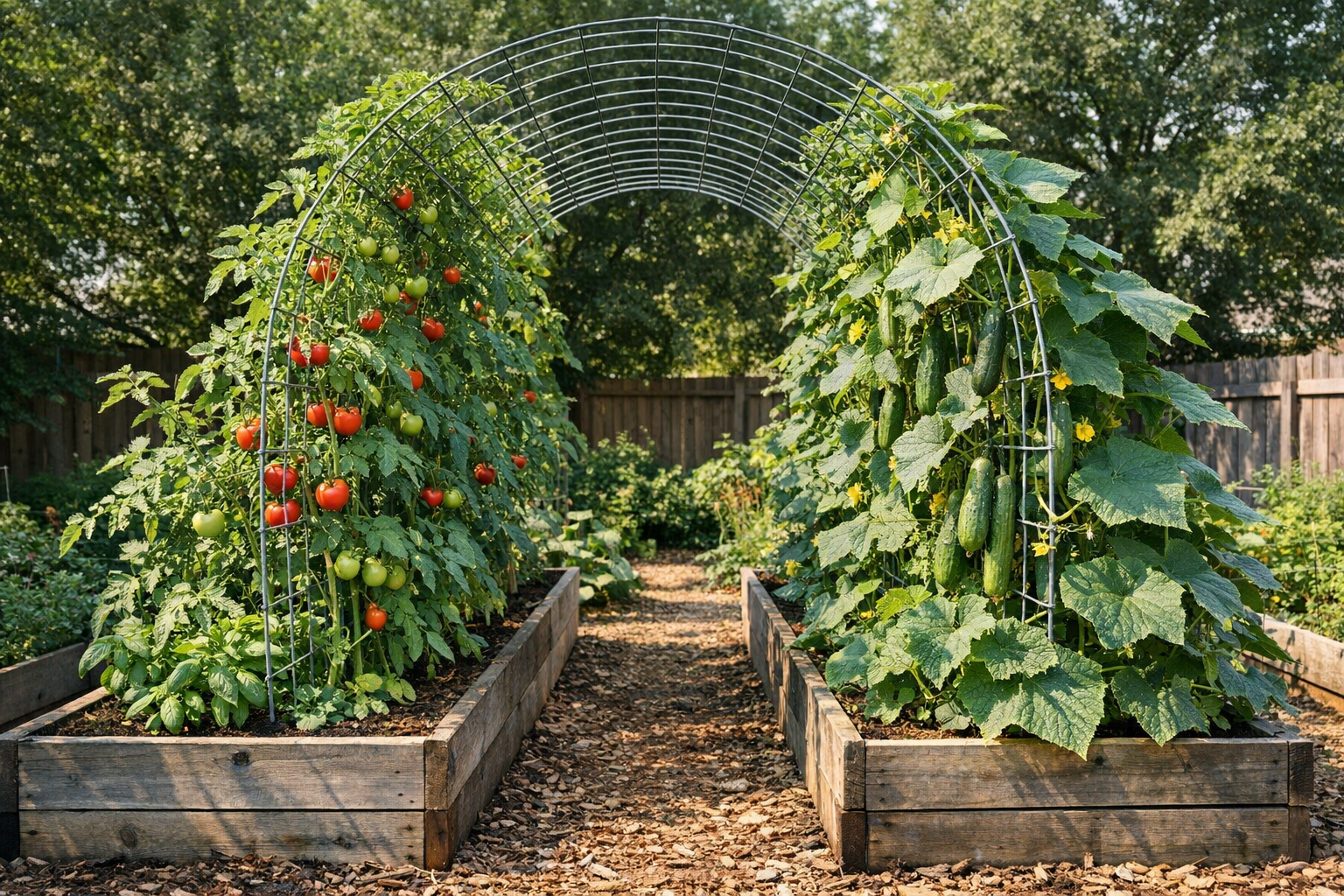
How to Build a DIY Garden Trellis for Climbing Vegetables
A sturdy trellis doubles your garden's yield per square foot. Here's how to build three easy styles using cheap materials in under an hour each.
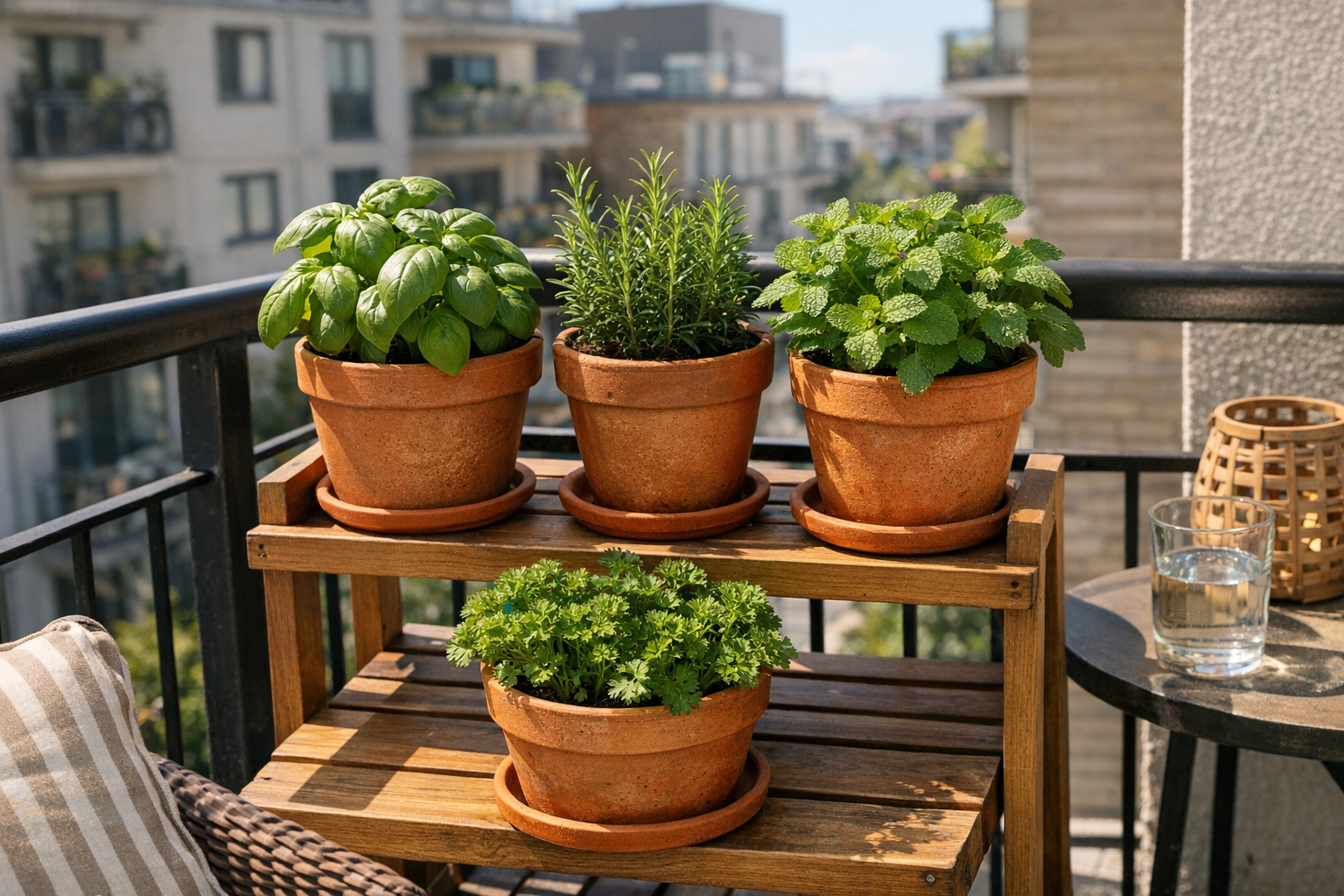
How to Start a Container Herb Garden on a Balcony
Fresh herbs all summer from a small apartment balcony or porch — even with limited sun. Picks for the easiest herbs, the right pots, and the soil that actually works.