Pest Control Spring Refresh: Natural Solutions for Summer Prevention
This article may contain affiliate links. If you make a purchase through these links, we may earn a small commission at no extra cost to you. Learn more
Quick Answer
Pest Control Spring Refresh: Natural Solutions for Summer Prevention
Build summer pest resistance in spring: interplant marigolds, basil, and nasturtium as a living barrier, hang yellow sticky traps to catch the first wave, release or invite ladybugs and lacewings, and keep neem oil and diatomaceous earth on hand for spot treatment. Prevention in May means fewer infestations in July.
Here is the mistake I made for years: I'd ignore my vegetable garden until July, then panic when aphids coated the underside of every pepper leaf and squash bugs were laying copper-colored eggs faster than I could squash them. By then you're firefighting, and once a pest population explodes in summer heat, you're playing catch-up for the rest of the season.
After 12 years of growing organic vegetables here in central Texas, I've learned the secret nobody markets to you: summer pest control is a spring job. The work you do in May, before the bugs arrive in force, determines whether June through August is peaceful or miserable. This is your spring refresh, a deliberate reset that stacks the deck in your favor using companion planting, beneficial insects, trap crops, and a couple of targeted organic sprays kept in reserve.
Why Spring Prevention Beats Summer Reaction
Most garden pests overwinter as eggs or adults in soil, mulch, and last year's plant debris. When the soil warms past about 55 degrees Fahrenheit, aphids, flea beetles, and squash bugs wake up looking for tender new growth. Your spring seedlings are exactly that.
The math is brutal. A single aphid can produce 50 to 100 offspring, and those offspring start reproducing within a week. Wait two weeks too long to notice and you're not dealing with a few bugs, you're dealing with several generations. The same goes for cabbage worms and spider mites, both of which thrive as temperatures climb.
Prevention works because it interrupts that cycle before it starts. If you establish beneficial insect populations, physical deterrents, and healthy plants in May, the early pests get eaten, repelled, or trapped before they ever build momentum. I'd rather spend three hours setting up defenses in spring than three hours a week battling infestations all summer.
If you haven't done your foundational spring soil and bed work yet, start with our guide on how to prepare your garden for spring planting. Healthy, well-fed soil grows vigorous plants, and vigorous plants shrug off pest pressure that would flatten a stressed seedling.
Step 1: Companion Planting as a Living Barrier
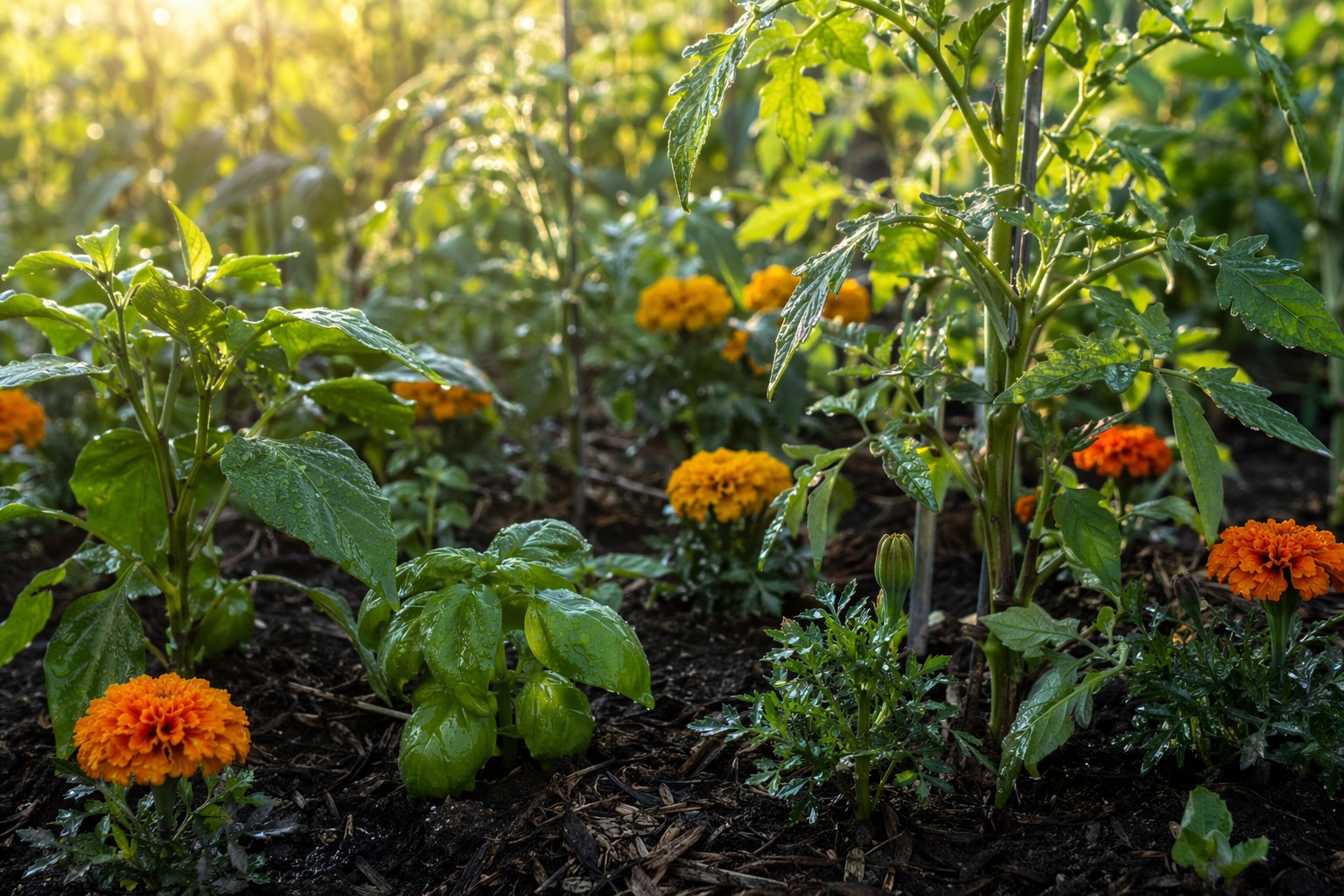
Companion planting is the cheapest, most beautiful pest defense you'll ever install. Certain plants confuse, repel, or distract pests through scent and color, and others attract the predators that eat them. Done right, your garden becomes a self-policing system.
Here is the combination I plant every spring without fail:
- Marigolds (French, not African) around the perimeter of every bed. Their roots release compounds that suppress root-knot nematodes, and the strong scent masks the smell of your vegetables from flying pests.
- Basil tucked between tomatoes and peppers. It repels thrips, hornworms, and whiteflies, and frankly it tastes better grown next to tomatoes.
- Nasturtium as a sacrificial trap crop (more on that below). Aphids flock to it and leave your beans alone.
- Dill, fennel, and cilantro allowed to flower. The tiny umbrella-shaped blooms are a magnet for hoverflies, parasitic wasps, and lacewings.
Spacing matters. Put aromatic herbs and flowers within 12 to 18 inches of the crops you want to protect so the scent barrier actually overlaps your vegetables. A marigold in the far corner does nothing for the tomato across the bed.
For the full companion-planting roadmap by crop, our deeper guide on natural pest control for the vegetable garden lays out which pairings handle aphids, cabbage worms, slugs, and squash bugs specifically.
Step 2: Bring In (and Keep) Beneficial Insects
The single biggest shift in my gardening came when I stopped thinking of my garden as something to defend and started thinking of it as a habitat to balance. Beneficial insects do more pest control than I ever could, for free, around the clock.
The heavy hitters:
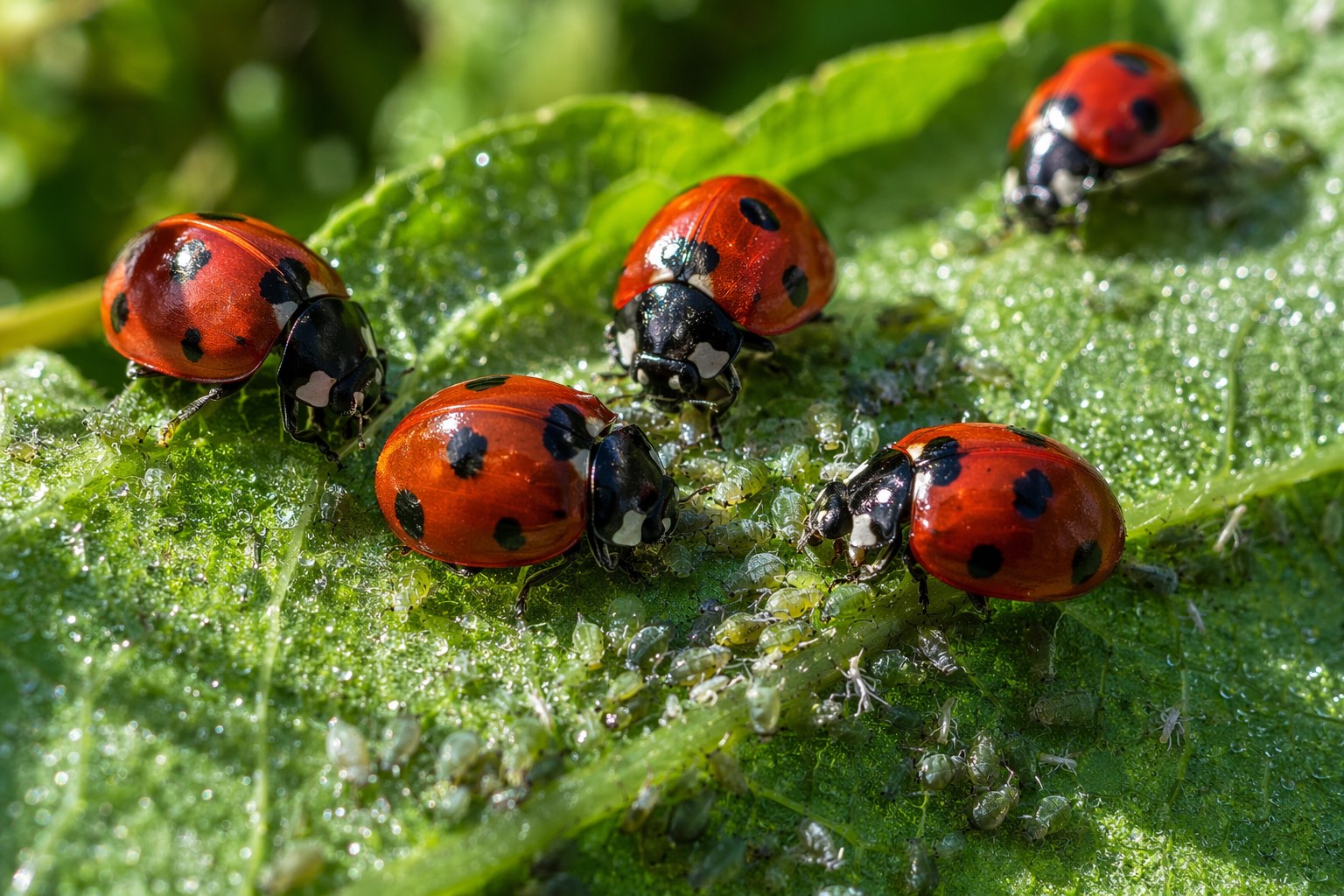
- Ladybugs eat up to 50 aphids a day. A single ladybug can consume thousands in its lifetime.
- Green lacewings, in their larval stage, are nicknamed "aphid lions" for good reason. They also eat mites, thrips, and small caterpillars.
- Parasitic wasps (tiny, harmless to you) lay eggs inside hornworms and aphids, killing them from the inside.
You can buy live ladybugs and lacewing eggs, but releasing them only works if you give them a reason to stay. Release ladybugs at dusk after watering, so they find moisture and aren't tempted to immediately fly off. Better yet, build permanent habitat: that's why I let some dill and cilantro bolt and flower. The nectar feeds the adults while the larvae hunt your pests.
A ladybug house or beneficial insect shelter gives predators a place to overwinter and shelter from afternoon heat, which keeps them living in your garden rather than passing through.
Beneficial Insect Companion Plant Seed Set
A pre-selected mix of pest-deterring and predator-attracting flowers and herbs that establishes a living defense system in a single spring planting.
Check Price on Amazon →The most important rule with beneficials: stop using broad-spectrum sprays, even organic ones, indiscriminately. A pyrethrin or soap spray that wipes out aphids also wipes out the ladybugs eating them, and the pest always rebounds faster than the predator. Spray surgically, never preventatively.
Step 3: Set Trap Crops and Monitoring Traps
A trap crop is a plant pests love even more than your vegetables. You plant it as a decoy, let the pests congregate, then remove or treat that one plant instead of your whole garden.
My go-to decoys:
- Nasturtium for aphids. Plant it a few feet from your beans and brassicas. Aphids pile onto it; you blast them off with a hose or pull the worst leaves.
- Blue Hubbard squash for squash bugs and cucumber beetles. Plant it at the edge of your patch a week or two before your main squash. The pests hit the decoy first.
- Radishes for flea beetles, which prefer the radish foliage and leave your eggplant alone.
Trap crops only work if you actually monitor and manage them. Check them every few days. When pests gather, that is your cue to act, by removing infested foliage, hand-picking, or spot-treating just the decoy.
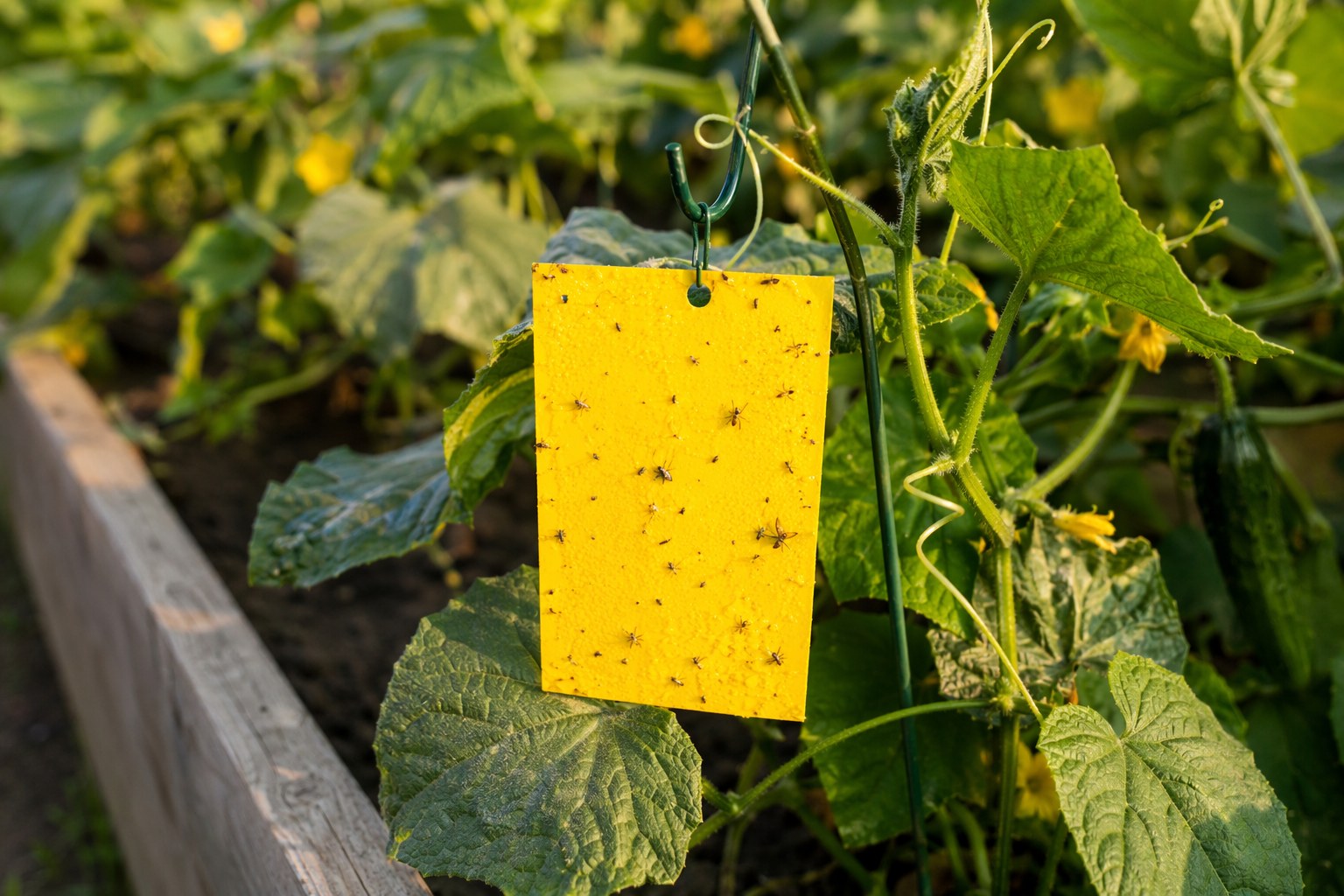
Pair trap crops with yellow sticky traps. Hang two or three per bed at plant-canopy height. Yellow is irresistible to whiteflies, aphids, fungus gnats, and thrips, and the traps double as an early-warning system. When a trap suddenly fills up, you know a pest wave is building and you can respond before it spreads. I check mine every time I water, which turns monitoring into a 30-second habit instead of a chore.
Step 4: Keep Two Organic Treatments in Reserve
Even with a well-balanced garden, you'll occasionally face an outbreak that needs intervention. I keep exactly two products on hand and reach for them only when monitoring tells me to.
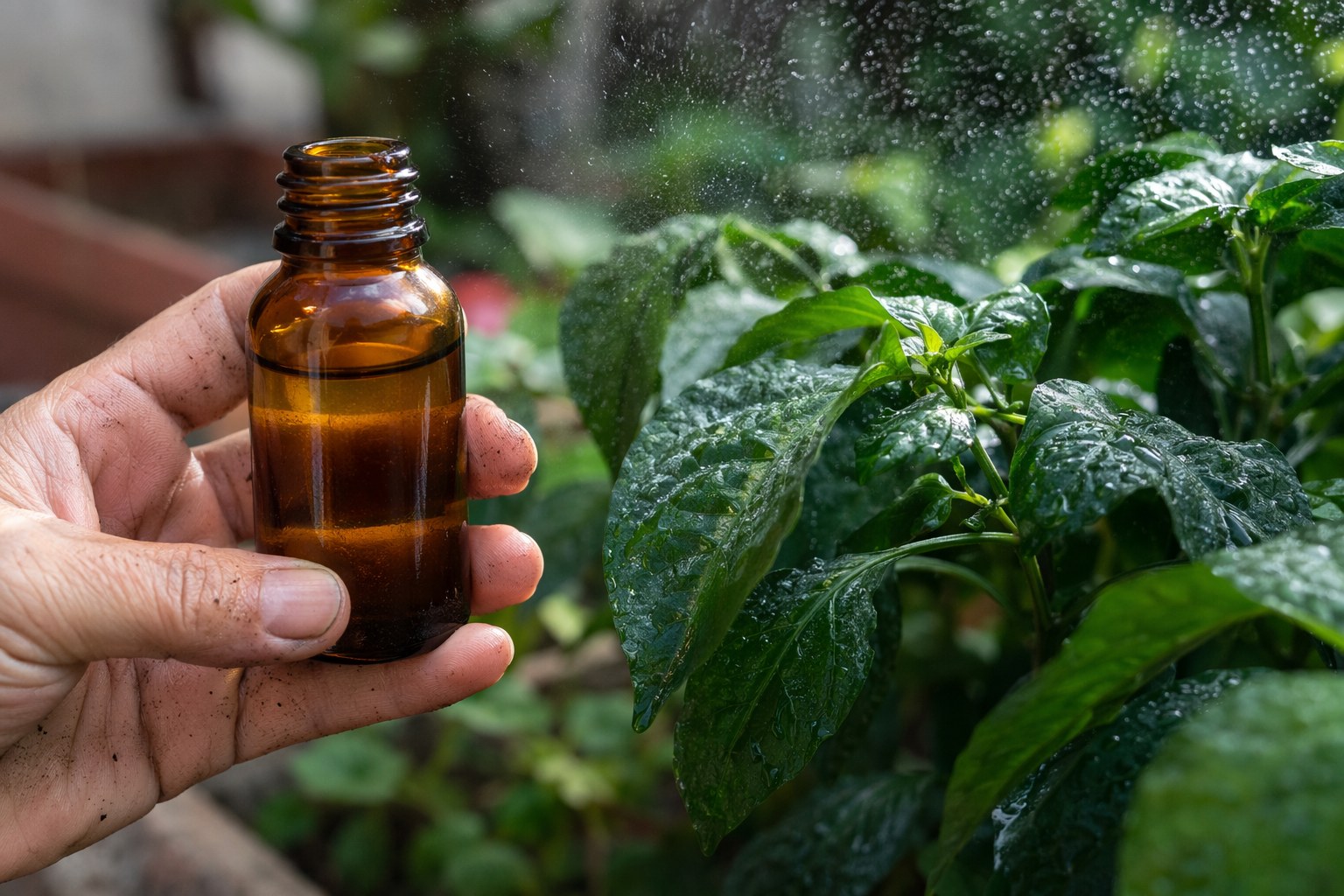
Neem oil is my first line for active infestations. It's a botanical oil that disrupts insect feeding, molting, and reproduction, and it works on aphids, mites, whiteflies, and many caterpillars. Mix the cold-pressed concentrate per label directions (usually about two teaspoons per quart of water with a few drops of mild soap as an emulsifier), and spray in the early morning or evening, never in midday heat or direct sun, which can scorch leaves and harms bees that are out foraging. Coat the undersides of leaves where pests hide.
Organic Neem Oil Pest Control Concentrate
Cold-pressed neem disrupts the feeding and reproduction of aphids, mites, and whiteflies, and it breaks down quickly without lingering toxicity to soil or pollinators.
Check Price on Amazon →Food-grade diatomaceous earth is my second tool, for crawling pests like slugs, earwigs, and squash bug nymphs. The fine fossilized powder is harmless to you but lethal to soft-bodied insects, scratching their exoskeletons so they dehydrate. Dust a thin ring around the base of vulnerable plants on dry foliage. The catch: it only works dry, so you'll need to reapply after rain or overhead watering, and you should keep it off open flowers to protect bees.
A quick word on diatomaceous earth and pets: keep dogs and cats off freshly dusted areas until the powder settles, and never use the pool-grade version, which is chemically treated. The same food-grade product shows up in our pet guides, including how to get rid of fleas naturally, so it's a genuinely versatile thing to have around the house.
Step 5: Garden Hygiene That Starves Pests
The least glamorous step prevents more problems than anything else. Pests need shelter, debris, and stressed plants to thrive. Take those away and you cut summer infestations dramatically.
- Clear last season's debris. Old vines, fallen fruit, and dead foliage harbor overwintering eggs. Remove and dispose of anything diseased rather than composting it.
- Mulch smart. A 2 to 3 inch layer of straw or shredded leaves conserves moisture and suppresses weeds, but pull it back a few inches from plant stems so it doesn't become a slug hotel.
- Water at the base, in the morning. Wet leaves overnight invite both fungal disease and the pests that feed on weakened plants. Drip irrigation or a soaker hose keeps foliage dry.
- Prune for airflow. Crowded, congested plants are pest magnets. Thinning out interior growth improves circulation and makes infestations easier to spot. Our guide on how to prune plants for healthy growth covers technique by plant type.
One more habit: scout daily. Flip a few leaves over while you water. Look for clusters of eggs, sticky honeydew, or curling leaves. Catching a problem when it's 10 bugs instead of 1,000 is the entire game.
A Spring-to-Summer Prevention Timeline
| Timing | Task |
|---|---|
| Early spring (soil 55°F+) | Clear debris, refresh mulch, amend soil, plant marigolds and herbs |
| Mid-spring | Transplant vegetables with companions interplanted; sow trap crops at bed edges |
| Late spring | Hang yellow sticky traps; release or invite beneficial insects at dusk |
| Early summer | Scout daily, manage trap crops, spot-treat with neem only as needed |
| Peak summer | Maintain mulch and watering discipline; let herbs flower for predators |
This is the rhythm that turned my Julys from frantic to relaxed. The crops you want to protect through summer heat, like the tomatoes you grow in pots on a patio, benefit from exactly the same layered approach scaled down.
Frequently Asked Questions
When should I start pest prevention in spring?
Begin as soon as you're prepping beds and your soil temperature reaches about 55 degrees Fahrenheit, which is when overwintering pests become active. In most regions that's mid to late spring, weeks before you'll actually see significant pest pressure. The whole point is to have your companion plants, traps, and beneficial habitat established before the first major wave arrives. If you're already seeing pests, it's not too late, but you'll be managing rather than preventing.
Does neem oil harm bees and other pollinators?
Neem can harm bees if they're directly sprayed or contact wet foliage, so timing is everything. Spray in the early morning before bees are active or in the evening after they've returned to the hive, never on open flowers, and never in the heat of the day. Once neem dries it poses minimal risk to foraging pollinators. Used responsibly, it's far gentler on beneficial insects than synthetic pesticides, which is exactly why it's a reserve tool, not a routine spray.
Will companion planting alone control all my pests?
No, and anyone who promises that is overselling it. Companion planting reduces pest pressure and supports the predators that do the real work, but it's one layer in a system. Pair it with beneficial insects, trap crops, good garden hygiene, and the occasional targeted organic treatment. Think of companion planting as lowering the baseline so that everything else has less to fight. In a well-balanced garden, you'll still see some pests, just not enough to threaten your harvest.
How many ladybugs do I need, and do they actually stay?
A common release rate is roughly 1,500 ladybugs per small home garden, but quantity matters less than retention. Most purchased ladybugs fly off within a day or two unless you give them a reason to stay: release them at dusk onto well-watered plants that already have an aphid food source, and provide flowering herbs and a beneficial insect shelter for habitat. Honestly, attracting wild ladybugs and lacewings by planting dill, fennel, and yarrow is more reliable long-term than buying them.
Is diatomaceous earth safe to use around vegetables I'll eat?
Food-grade diatomaceous earth is safe around edible crops and washes off easily before eating. Just use the food-grade product, never pool-grade, and apply it as a thin dusting on foliage and soil rather than coating the parts you'll harvest. Wear a dust mask during application since the fine powder can irritate your lungs, and keep it off open flowers to protect bees. Reapply after rain or watering, because it only works while dry.
Set It Up Now, Enjoy It All Summer
The gardeners who breeze through summer aren't lucky, they're prepared. They spent a weekend in spring building a system that does the work for them: aromatic plants confusing pests, predators patrolling the leaves, decoys absorbing the assault, and traps flagging trouble early.
Start this weekend. Tuck marigolds and basil among your seedlings, sow a few nasturtiums at the edges, hang your sticky traps, and stock neem oil and diatomaceous earth in the shed for when monitoring says you need them. Then commit to that 30-second daily leaf-flip while you water.
Do this in May and I promise your July garden will be the one the neighbors envy, lush and productive, while theirs is covered in aphids. For an even broader organic strategy by specific pest, dig into our companion guide on natural pest control for the vegetable garden, and keep your soil and beds in shape with our spring garden preparation guide. Prevention isn't the exciting part of gardening, but it's the part that lets you enjoy all the rest.
Get weekly home tips that actually work
Join thousands of homeowners getting practical cleaning hacks, DIY fixes, and money-saving tips every week. Free, and you can unsubscribe anytime.

Written by
Sarah RodriguezGardening & Pet Care Contributor
Sarah Rodriguez is a certified Master Gardener and former veterinary technician. She lives on a half-acre lot in central Texas with three rescue dogs, two backyard chickens, and a very ambitious vegetable garden. She covers gardening, sustainable yard care, and everyday pet care for Practical Home Guides.
Recommended Products
Looking for specific product recommendations? Check out our tested picks.
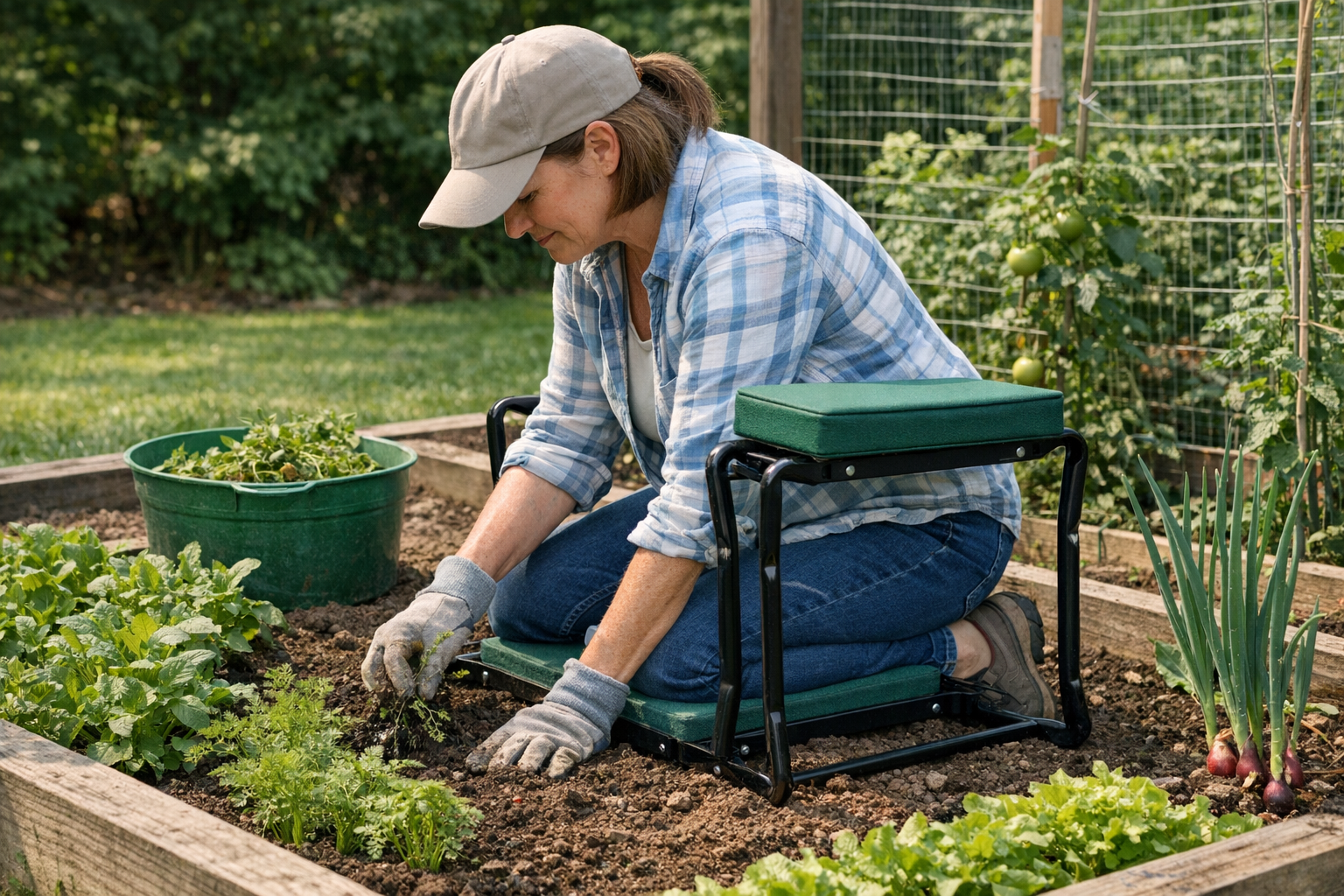
Best Garden Kneelers and Seats (2026 Tested)
Gardening shouldn't wreck your knees and back. We tested kneelers, foldable seats, and rolling carts to find the picks worth the price.
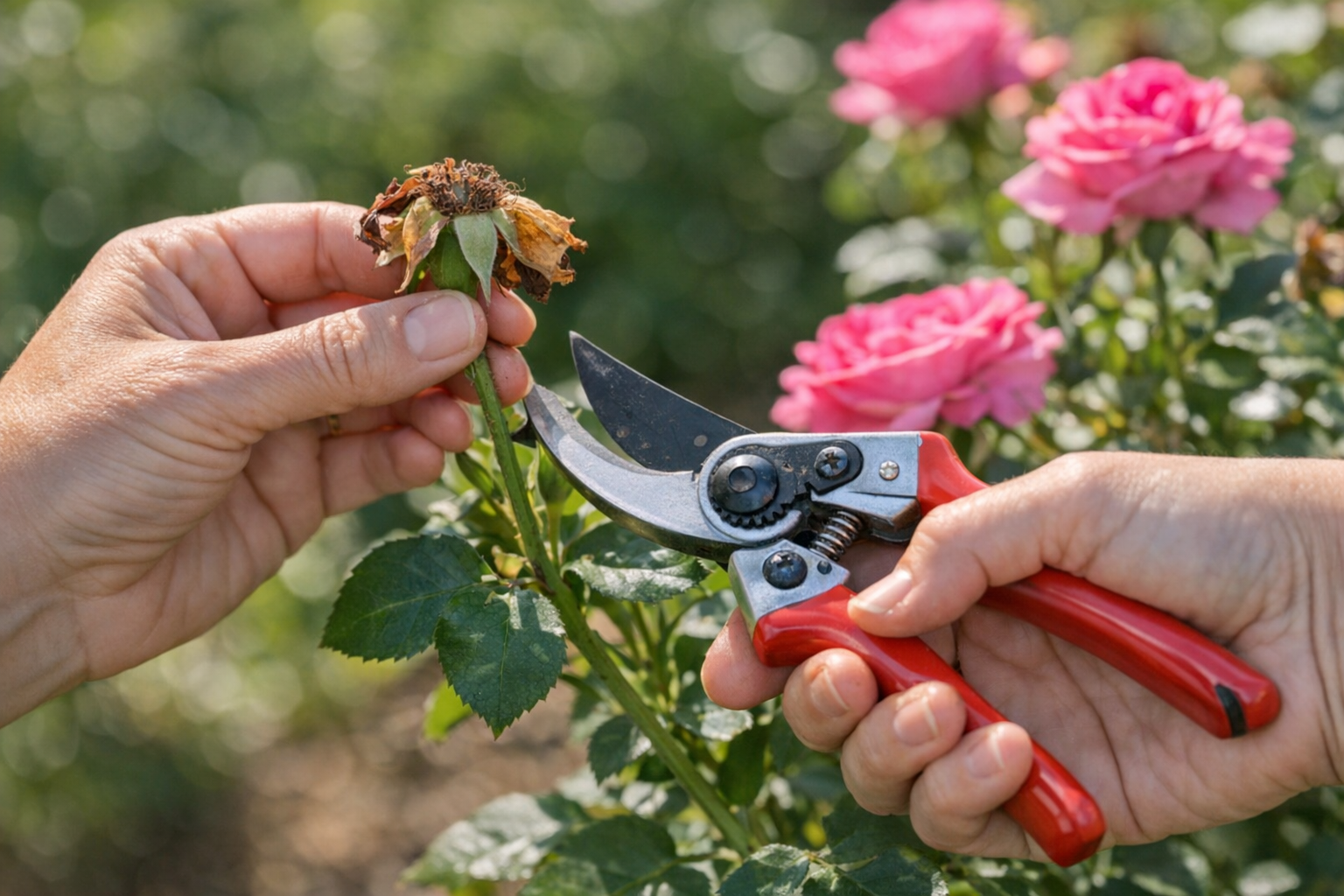
Best Pruning Shears for Gardeners (2026 Guide)
We tested bypass and anvil pruning shears across roses, fruit trees, perennials, and tomato vines. Here are the picks worth your money — and the one to avoid.
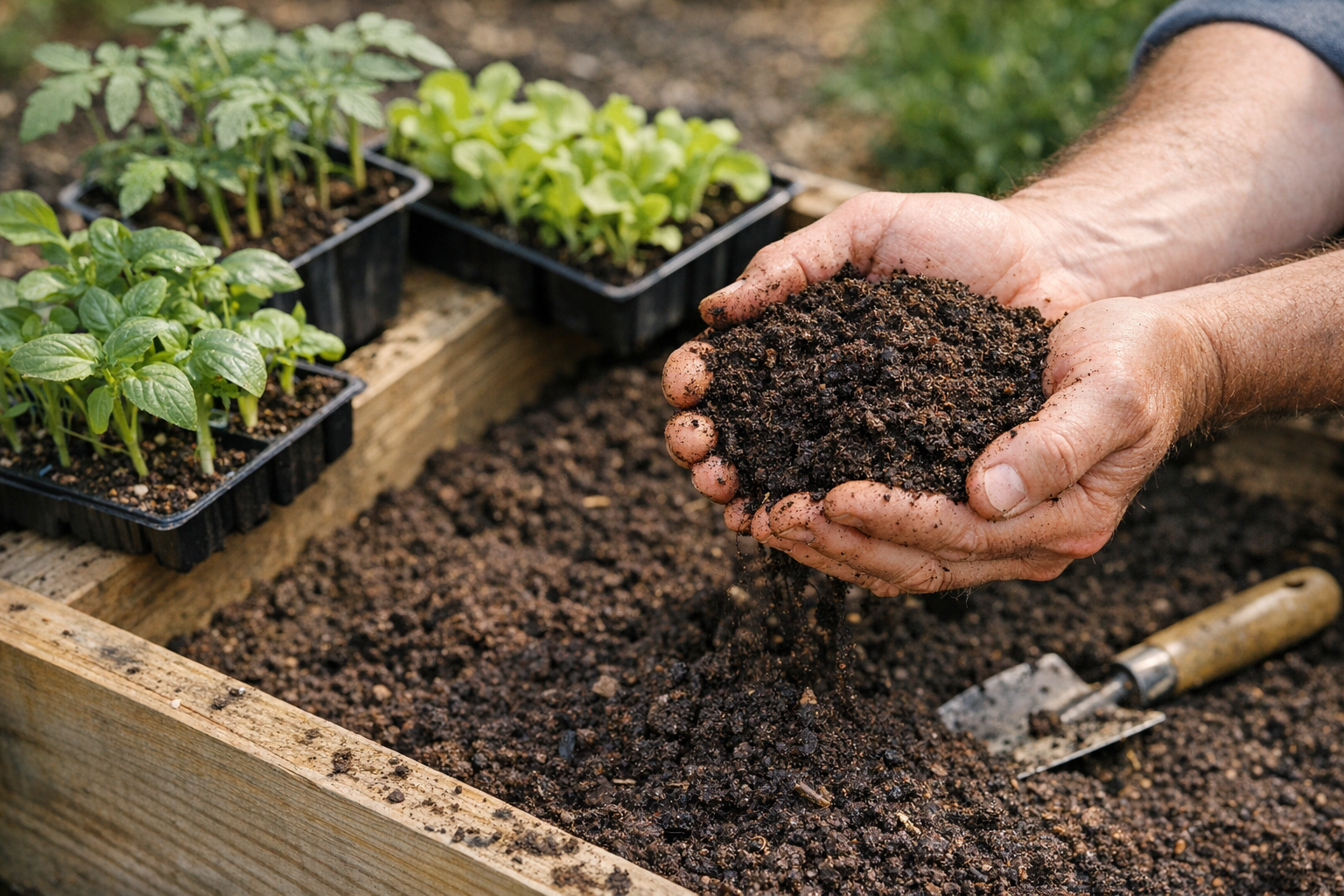
Best Raised Bed Soil Mixes (2026 Buyer's Guide)
Bagged soil for raised beds is a minefield. We tested the top brands for vegetable yield, drainage, and value to find the soil mixes that actually grow food.
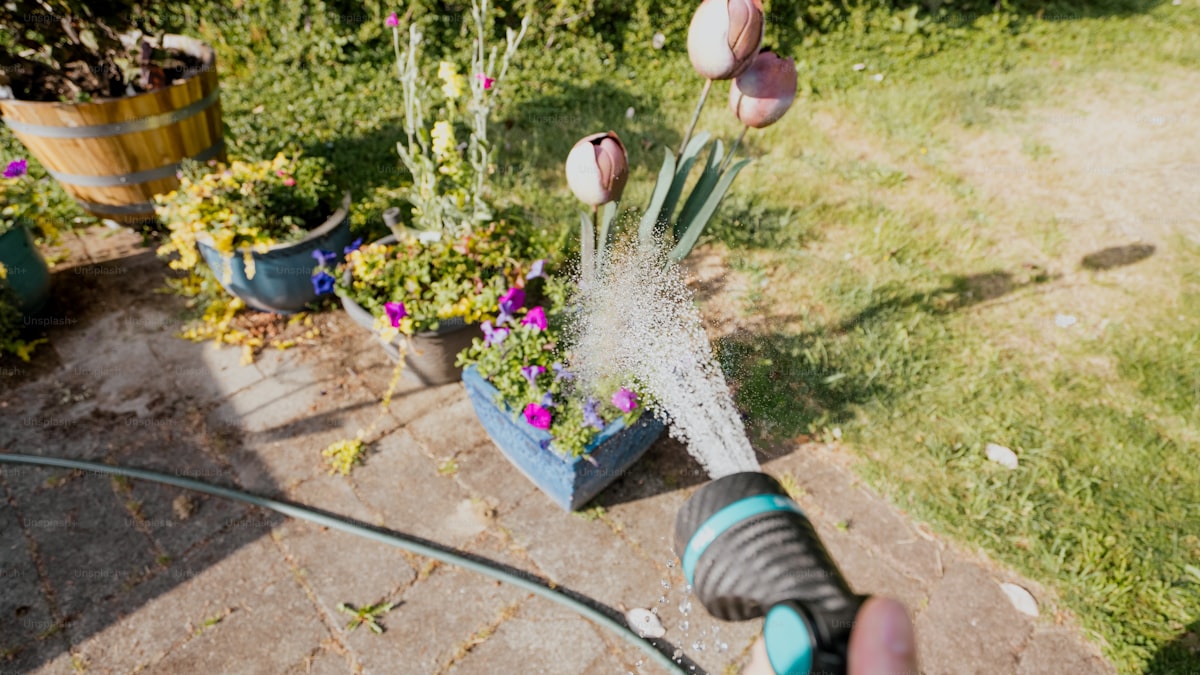
5 Best Garden Hose Nozzles and Sprayers (2026)
Find the perfect garden hose nozzle for watering plants, washing cars, and cleaning patios. We compared the top sprayers — here are the 5 best for every job.
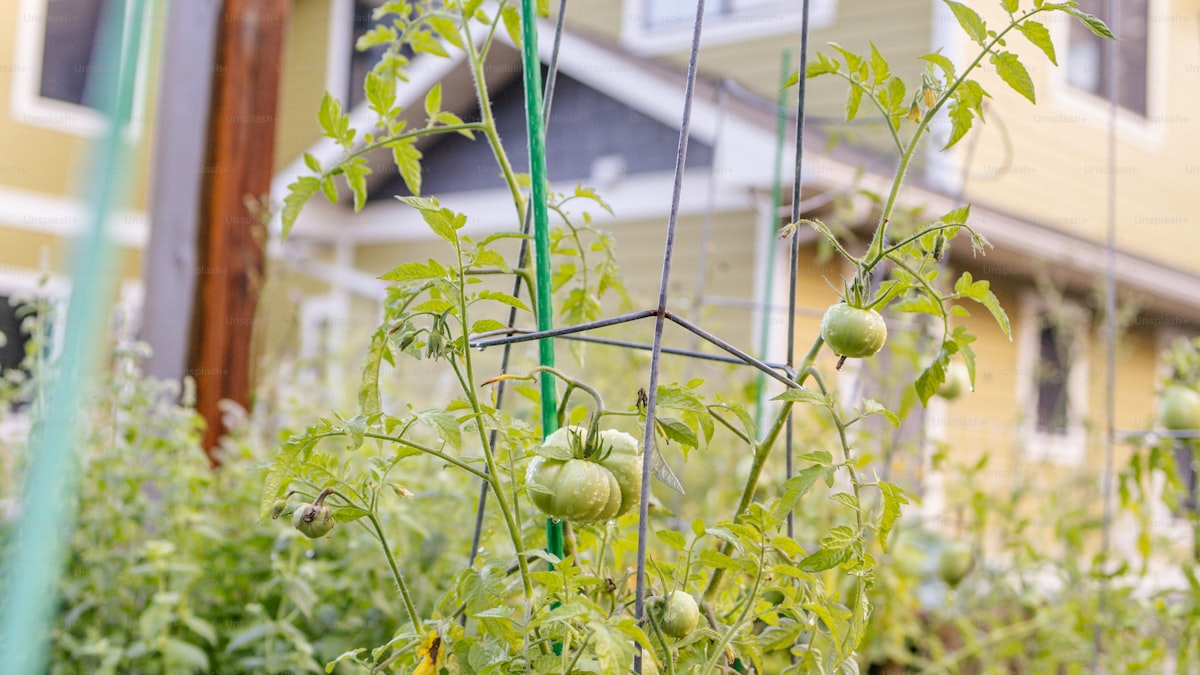
Best Raised Garden Bed Kits You Can Order Online (2026)
The best raised garden bed kits for beginners and experienced gardeners. We compare wood, metal, and composite options with honest reviews and setup tips.
Related Articles
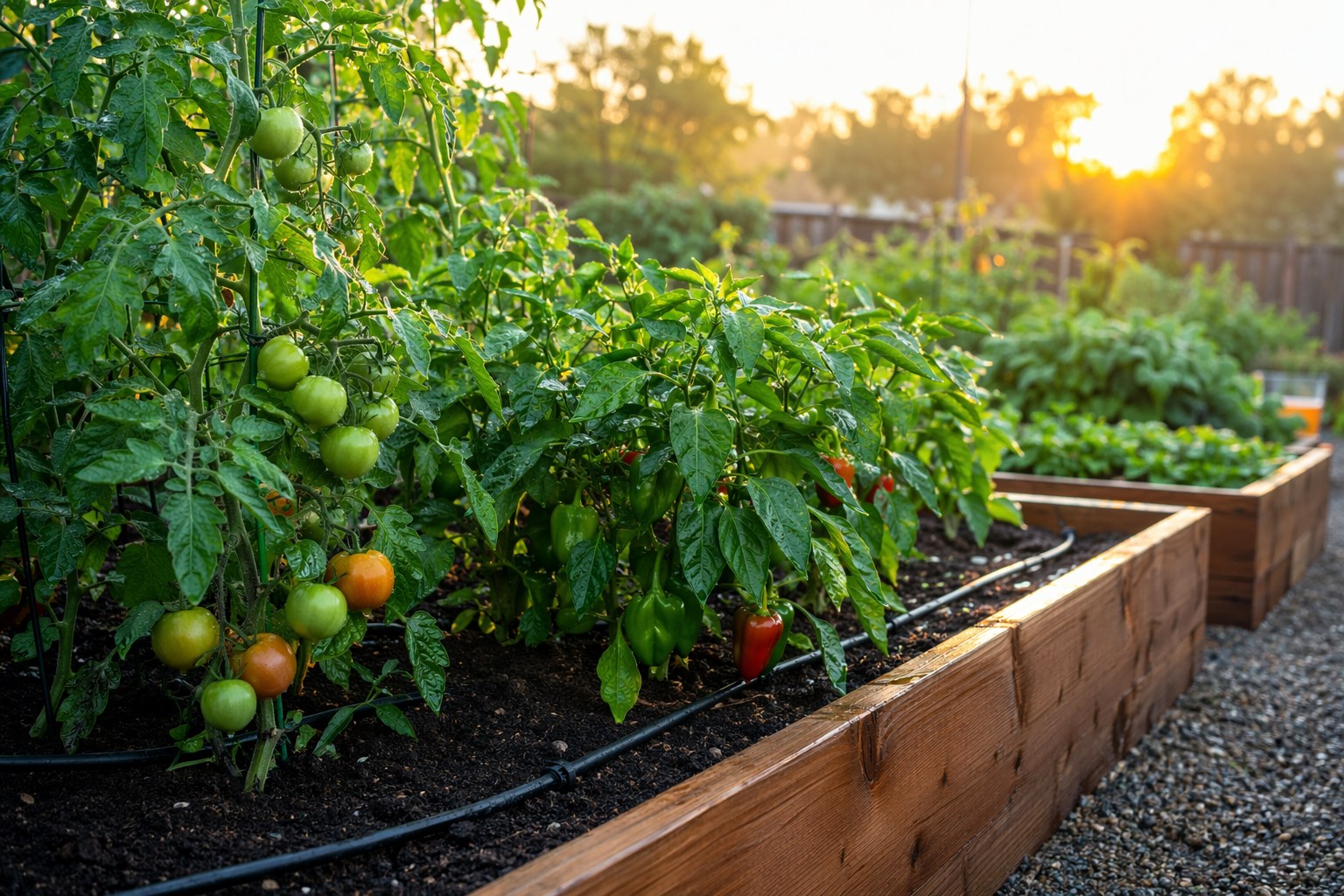
Summer Plants & Watering: Automate Your Garden While on Vacation
A master gardener's guide to automating summer watering with timers, drip lines, and moisture sensors so you can travel in June through August worry-free.
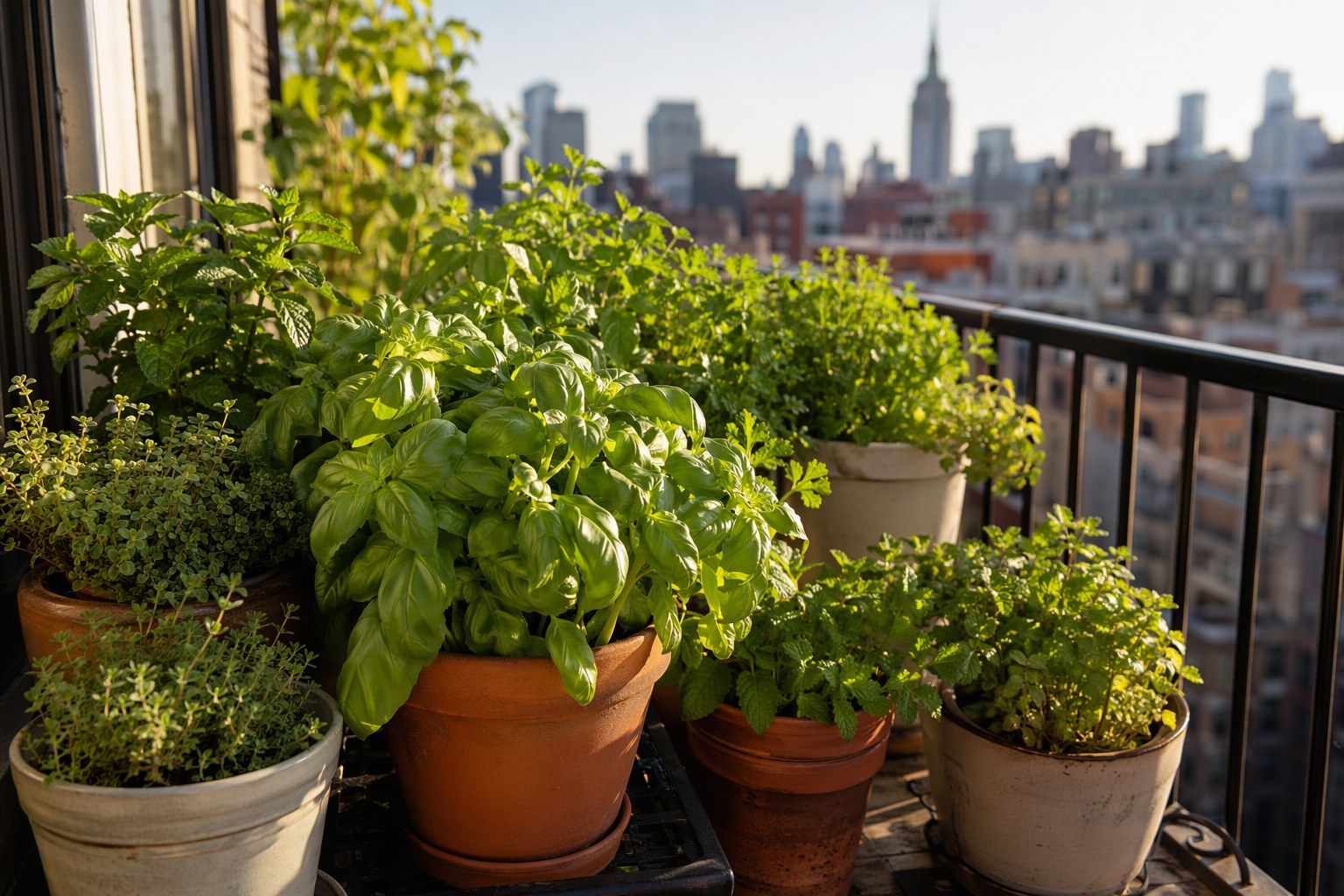
Herb Garden on Your Balcony: Fresh Basil to Cilantro in 4 Weeks
A master gardener's container herb system for apartments: the sunlight hack, watering schedule, and harvesting tricks to grow fresh basil to cilantro in 4 weeks.
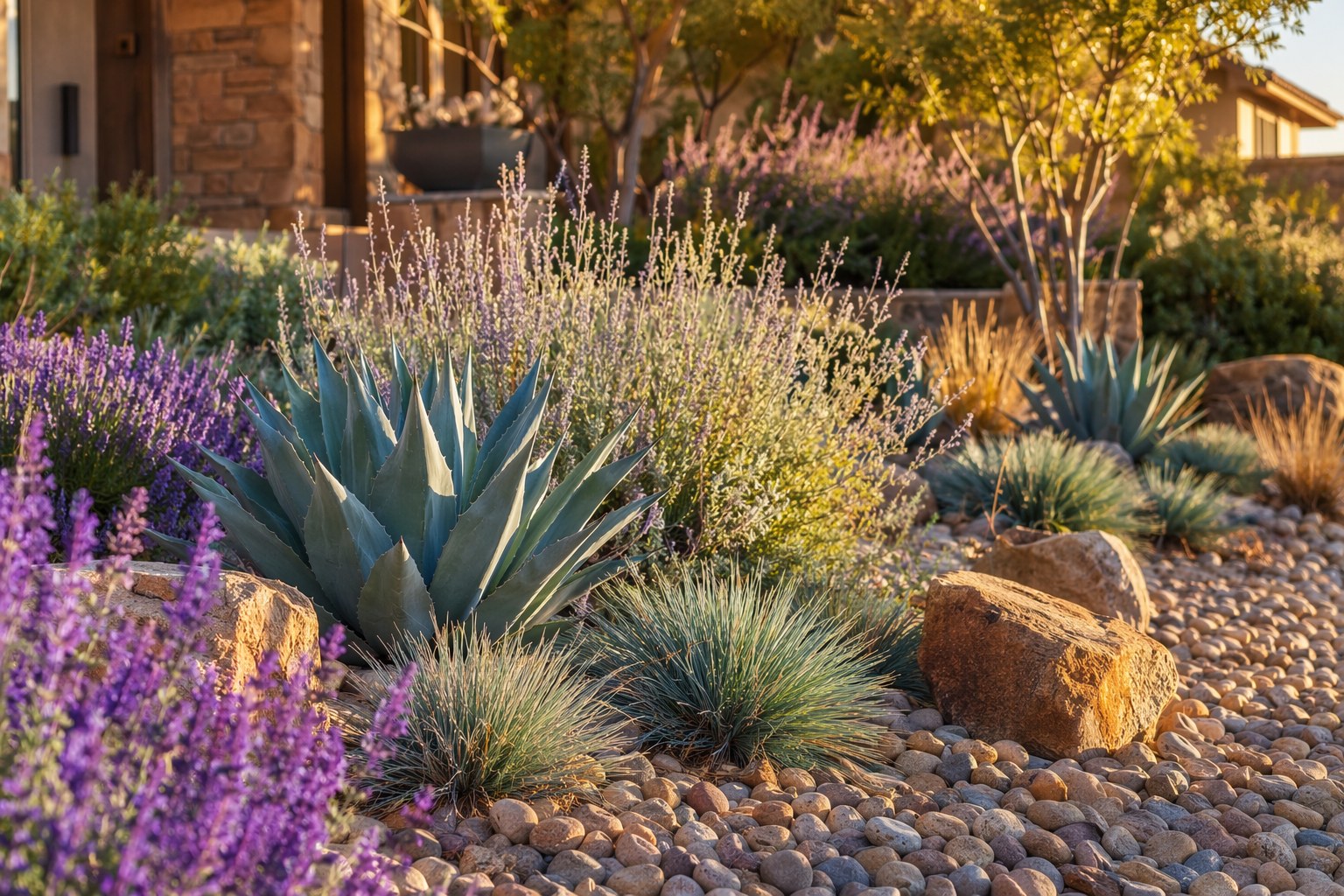
Low-Water Garden Design: 8 Beautiful Plants for Drought-Tolerant Landscaping
A Master Gardener's guide to drought-tolerant landscaping. Cut watering by 50% with these 8 beautiful plants, smart drip irrigation, and proven design tips.
End-of-Spring Yard Checklist: Prepare Your Garden for Summer Heat
A week-by-week end-of-spring yard checklist to harden plants, mulch beds, and prevent summer water stress before June heat hits. Master gardener tested.