How to Clean Stainless Steel Appliances (Without Streaks or Scratches)
This article may contain affiliate links. If you make a purchase through these links, we may earn a small commission at no extra cost to you. Learn more
Quick Answer
How to Clean Stainless Steel Appliances (Without Streaks or Scratches)
Spray a microfiber cloth with white vinegar or a 50/50 vinegar-water solution and wipe in the direction of the grain. Follow up immediately with a dry microfiber cloth to buff away moisture and prevent streaks. For stubborn fingerprints and smudges, a tiny drop of dish soap on a damp cloth works perfectly -- just be sure to rinse and dry completely afterward.

How to Clean Stainless Steel Appliances (Without Streaks or Scratches)
Stainless steel appliances promise a sleek, modern kitchen -- and they deliver, right up until fingerprints, water spots, and greasy smudges turn that polished surface into a streaky mess. You wipe them down, step back, and somehow they look worse than before. It's one of the most common frustrations in kitchen cleaning, and most people are making the same few mistakes without realizing it.
The problem is rarely the appliance itself. It's the cleaning method. The wrong cloth, the wrong product, or simply wiping in the wrong direction can leave behind streaks, swirl marks, and even fine scratches that dull the finish over time. Once you understand how stainless steel works and what it actually needs, keeping your appliances spotless becomes surprisingly easy.
This guide covers everything you need to know -- from daily wipe-downs to deep cleaning sessions, plus how to handle fingerprints, water stains, and stubborn grease without damaging the surface. If you've already tackled your stainless steel sink, you'll recognize some of these principles, but appliances have their own quirks worth understanding.
Why Do Stainless Steel Appliances Streak So Easily?
Stainless steel has a brushed grain -- tiny parallel lines in the metal surface created during manufacturing. When you wipe against that grain or use circular motions, you push moisture, oils, and cleaning residue into those grooves instead of lifting them away. That trapped residue is what creates visible streaks once the surface dries.
The other major streaking culprit is using too much product. Whether it's a commercial cleaner, vinegar, or even water, excess moisture sits on the surface and evaporates unevenly. Some areas dry faster than others, leaving behind mineral deposits or cleaning solution residue in a patchwork of streaks and haze.
Paper towels make the problem worse. They shed tiny fibers that cling to the surface and leave lint behind. They also lack the grabbing power of microfiber, so they tend to push grime around rather than absorbing it. If you've been cleaning your stainless steel with paper towels and wondering why it never looks right, that's your answer.
Finally, some common household cleaners -- especially those containing ammonia or bleach -- react with the chromium oxide layer that gives stainless steel its "stainless" quality. These products can etch or dull the finish, creating a haze that no amount of buffing will fix. Knowing what to avoid is just as important as knowing what to use.
What Supplies Do You Need to Clean Stainless Steel Appliances?
You don't need an arsenal of specialty products. In fact, simpler is better when it comes to stainless steel. Here's what to gather before you start:
- Microfiber cloths -- You'll need at least two: one damp for cleaning, one dry for buffing. These are the single most important tool for streak-free results.
- White distilled vinegar -- A natural degreaser and disinfectant that cuts through fingerprints and smudges without harming the finish.
- Dish soap -- A few drops in warm water handles grease and stuck-on food splatters.
- Olive oil or mineral oil -- For polishing and adding a protective layer after cleaning.
- Spray bottle -- For applying vinegar evenly across the surface.
- Stainless steel cleaner and polish -- Optional, but useful for a deep shine on special occasions.
If you're trying to save money on cleaning supplies, the vinegar and microfiber cloth combination handles 90% of stainless steel cleaning without buying anything extra. Most specialty stainless steel products are convenient but not strictly necessary.
How Do You Clean Stainless Steel Appliances Step by Step?
This method works on refrigerators, dishwashers, ovens, microwaves, and any other stainless steel surface in your kitchen. Follow it exactly and you'll get a streak-free, fingerprint-resistant finish every time.
Step 1: Identify the grain direction. Look closely at the surface of your appliance -- you'll see faint horizontal or vertical lines running in one direction. On most refrigerators, the grain runs vertically. On dishwashers, it often runs horizontally. Every wipe you make should follow this grain direction, never go against it or in circles.
Step 2: Remove loose debris. Use a dry microfiber cloth to wipe away any dust, crumbs, or loose particles from the surface. This prevents you from grinding grit into the finish during the wet cleaning step. Pay attention to handles, edges, and the area around dispensers where debris tends to collect.
Step 3: Spray your cleaning solution. Fill a spray bottle with undiluted white vinegar, or mix equal parts vinegar and water for a gentler solution. Mist the stainless steel surface lightly -- you want it damp, not dripping. Alternatively, spray the vinegar directly onto your microfiber cloth rather than the appliance for more controlled application.
Step 4: Wipe with the grain. Using a clean, damp microfiber cloth, wipe the entire surface following the grain direction. Apply even, gentle pressure and work in long, straight strokes from one end to the other. Avoid scrubbing in circles or short back-and-forth motions, which create swirl marks.
Step 5: Buff dry immediately. This is the step most people skip, and it's the one that makes all the difference. Take a second, completely dry microfiber cloth and buff the surface following the grain. This removes any remaining moisture before it can dry into streaks. Work quickly -- the faster you buff after wiping, the better the result.
Step 6: Inspect and touch up. Step back and look at the surface from different angles. Streaks that aren't visible straight-on often show up when viewed from the side. If you spot any remaining streaks or smudges, mist a tiny amount of vinegar on your dry cloth and buff the area again.
How Do You Remove Fingerprints From Stainless Steel?
Fingerprints are the number one complaint from stainless steel appliance owners. The oils from your skin bond with the surface and create visible smudges that seem to multiply the moment you finish cleaning. Fortunately, there are several effective ways to deal with them.
For everyday fingerprint removal, a damp microfiber cloth is all you need. Dampen the cloth with plain water, wipe over the fingerprints with the grain, and immediately buff dry with a second cloth. This handles fresh fingerprints in seconds and works well for quick touch-ups between deep cleans.
For heavier fingerprint buildup, vinegar is your best tool. The acetic acid cuts through the oils left by your fingers more effectively than water alone. Spray a small amount of vinegar on your cloth (not the appliance) and wipe the affected area with the grain. Buff dry immediately to prevent new streaks from forming.

If fingerprints are a constant battle in your household -- especially with kids -- consider applying a thin layer of mineral oil after cleaning. Put a few drops on a microfiber cloth and rub it over the surface with the grain. The oil fills in the microscopic texture of the steel and creates a barrier that makes fingerprints less likely to stick. You'll still get some, but they'll wipe away much more easily.
Weiman Stainless Steel Cleaner and Polish
A spray-on cleaner that removes fingerprints, smudges, and residue while leaving behind a protective shine that resists future marks. Works on all stainless steel appliances without streaking.
Check Price on Amazon →Some newer appliances feature "fingerprint-resistant" or "smudge-proof" coatings. These surfaces still get dirty, but they need gentler treatment. Stick to water and a microfiber cloth for these finishes -- harsh cleaners or abrasive products can strip the protective coating and actually make fingerprints worse.
How Do You Deep Clean Greasy Stainless Steel Appliances?
Kitchen grease is a different challenge from fingerprints. Cooking produces airborne oil particles that settle on every surface, including your appliances. Over time, this creates a sticky film that attracts dust and makes the stainless steel look dull and yellowed. A simple vinegar wipe won't always cut through heavy grease buildup.
Step 1: Mix a cleaning solution of warm water with a few drops of dish soap. You want enough soap to cut grease but not so much that it leaves a sudsy residue. Two or three drops per cup of water is plenty.
Step 2: Dampen a microfiber cloth with the soapy solution and wring it out well. Wipe the greasy areas with the grain, applying slightly more pressure than you would for routine cleaning. The dish soap breaks the bond between the grease and the steel surface.
Step 3: Rinse your cloth in clean water, wring it out, and wipe the surface again to remove all soap residue. This step is critical -- leftover soap creates a film that attracts new grease and produces streaks. Make two or three passes if necessary until the surface no longer feels slippery.
Step 4: For stubborn grease spots that resist soap and water, apply a small amount of undiluted vinegar directly to the spot. Let it sit for two to three minutes, then wipe with the grain using a clean cloth. The combination of soap followed by vinegar handles even heavy kitchen grease.
Step 5: Dry and buff the entire surface with a clean, dry microfiber cloth. Work with the grain in long, even strokes.
The area around your stove and range hood tends to accumulate the most grease. If you also have a glass stovetop, tackling both surfaces during the same cleaning session makes sense -- you're already in degreasing mode. The same goes for the exterior of your oven, which catches grease splatter from the stovetop.
Can You Use Natural Cleaners on Stainless Steel Appliances?
Absolutely -- and in most cases, natural cleaners outperform commercial products on stainless steel. They're gentler on the finish, leave fewer residues, and cost a fraction of what you'd spend on specialty sprays. Here are the most effective options.
White vinegar is the workhorse. Its mild acidity dissolves grease, mineral deposits, and fingerprint oils without damaging the chromium oxide layer that protects stainless steel. Use it full strength for tough jobs or diluted 50/50 with water for daily maintenance. Keep a spray bottle of it under the sink for easy access.
Baking soda handles stuck-on food and stubborn stains that vinegar alone can't budge. Make a paste with baking soda and a small amount of water, apply it to the stain, and let it sit for five to ten minutes. Wipe away with the grain using a damp cloth, then rinse and dry. The same baking soda approach works wonders if you're tackling your dishwasher on the same cleaning day.
Olive oil serves as a natural polish and protectant. After cleaning and drying your appliances, put three or four drops on a microfiber cloth and buff the surface with the grain. The oil fills microscopic grooves, repels water, and creates a warm, rich shine that lasts for days. Mineral oil and food-grade mineral oil work equally well and won't go rancid.
Club soda is a surprisingly effective quick cleaner. Pour a small amount on a cloth and wipe down the appliance. The carbonation helps lift grime, and it dries without leaving residue. It's great for a fast touch-up when guests are on the way.
What Should You Never Use on Stainless Steel Appliances?
The wrong product can do permanent damage to stainless steel. Some of these items seem harmless -- or even seem like they should work -- but they'll leave you with a worse problem than you started with.
Bleach and bleach-based cleaners are the worst offenders. Bleach attacks the chromium oxide layer that prevents corrosion and staining. Even a brief exposure can cause pitting and discoloration that no amount of polishing will reverse. Keep bleach sprays far away from your appliances.
Ammonia-based cleaners (including most glass cleaners like Windex) dull the finish over time. They may seem to clean well at first, but repeated use strips the protective surface and leaves a permanent haze. If you've been using glass cleaner on your stainless steel and wondering why it looks dull, now you know.
Abrasive scrubbers, steel wool, and scouring pads scratch the surface. Even "gentle" scrub sponges with a green abrasive side can leave marks on stainless steel. Stick to soft microfiber cloths and non-abrasive sponges only. This same principle applies to protecting your wood furniture from water stains -- the wrong tool turns a small problem into a permanent one.
Oven cleaner sprayed near stainless steel panels can splash and cause chemical burns on the finish. If you're cleaning your oven, protect surrounding stainless steel surfaces with towels or plastic sheeting.
Tap water left to air dry causes water spots, especially if you have hard water. Always dry stainless steel immediately after any wet cleaning. The 30 seconds it takes to buff dry saves you from dealing with mineral deposits later.
How Do You Keep Stainless Steel Appliances Clean Longer?
The real secret to great-looking stainless steel isn't a better cleaner -- it's a consistent maintenance routine that prevents buildup before it starts. These habits take almost no time but dramatically reduce how often you need to do a full deep clean.
Wipe down daily. Keep a microfiber cloth hanging near your appliances and give them a quick wipe after cooking. This takes less than a minute and prevents grease, steam, and fingerprints from accumulating. A dry wipe is fine for daily maintenance -- you don't even need a cleaning solution.
Apply a protective oil layer weekly. After your weekly kitchen cleaning, buff a thin coat of olive oil or mineral oil onto your appliances. This creates a barrier that repels fingerprints and water, keeping the surface cleaner between sessions. Use a dedicated stainless steel polishing cloth for the best results.
Address spills and splatters immediately. The longer grease, tomato sauce, or other substances sit on stainless steel, the harder they are to remove. A quick wipe when a splatter happens takes three seconds. Waiting turns it into a scrubbing project.
Clean your cleaning tools. Dirty microfiber cloths transfer grime back onto the surface and can even cause scratches from embedded particles. Wash your stainless steel cloths separately from other laundry, skip the fabric softener (which leaves a residue), and replace them when they start to feel rough or stiff.
Control your kitchen environment. Running your range hood while cooking reduces airborne grease that settles on appliances. Keeping your kitchen ventilated also reduces humidity, which prevents water spots and condensation marks. These small adjustments reduce how much cleaning your appliances need in the first place.
If you're already in the habit of maintaining your microfiber couch and other household surfaces, adding appliances to the routine is a natural fit. Batch your cleaning tasks together for maximum efficiency.
How Do You Handle Specific Appliances?
While the basic cleaning principles are the same for all stainless steel, each appliance has its own trouble spots and quirks worth knowing about.
Refrigerators
The fridge is the biggest stainless steel surface in most kitchens and the one that gets touched the most. Focus on the handle area, which collects the heaviest fingerprint buildup. Clean the handle first, then work your way across the doors. Don't forget the sides of the fridge if they're exposed -- they collect dust and kitchen grease just like the front.
For French door refrigerators, pay attention to the seam between the doors where grime collects. A cotton swab or detail brush dipped in vinegar works well for getting into that narrow gap.
Dishwashers
The dishwasher front panel takes a beating from steam, food splatter from the sink, and constant contact from loading and unloading dishes. Clean it every time you run the dishwasher -- just a quick wipe while you're waiting for it to fill. The grain on dishwasher panels usually runs horizontally, so wipe side to side.
Ovens and Ranges
The stovetop area and control panel collect the most cooking grease. These areas often need the dish soap treatment rather than vinegar alone. Be careful around knobs and digital displays -- spray your cloth, not the appliance, to prevent moisture from seeping into controls and causing electrical issues.
Microwaves
Stainless steel microwaves are easy to overlook, but they sit at eye level and show every smudge. The good news is they're small and quick to clean. Give them a wipe after each use and they'll always look sharp. Don't forget the handle -- it's the dirtiest spot on any microwave.
Frequently Asked Questions
Can you use Windex or glass cleaner on stainless steel appliances?
No -- and this is one of the most common mistakes people make. Most glass cleaners contain ammonia, which dulls the stainless steel finish over time and can leave a permanent haze. Even ammonia-free glass cleaners aren't formulated for stainless steel and tend to leave streaks. Stick to vinegar, dish soap and water, or a cleaner specifically designed for stainless steel.
How often should you deep clean stainless steel appliances?
A thorough deep clean once a month is sufficient for most households. If you cook heavily or have a large family leaving fingerprints everywhere, you might bump that to every two weeks. The key is maintaining a quick daily wipe-down routine so grime never builds up to the point of needing aggressive cleaning. Daily maintenance makes monthly deep cleans fast and easy.
Does the direction you wipe really matter that much?
Yes -- it makes a significant difference. Stainless steel has a visible grain created during manufacturing, and wiping against it pushes dirt and moisture into the grooves instead of lifting it away. Wiping against the grain also increases the risk of fine scratches that dull the surface over time. Always identify the grain direction on each appliance (it may differ between your fridge and dishwasher) and follow it consistently.
Will olive oil go rancid on stainless steel appliances?
In the thin quantities used for polishing, olive oil doesn't typically go rancid on appliance surfaces because it gets wiped and reapplied regularly. However, if you're concerned, use mineral oil instead -- it's odorless, flavorless, and won't go rancid under any circumstances. Either way, you're applying just a few drops on a cloth, not coating the surface in oil. The thin layer buffs to a dry shine that won't attract dust or smell over time.
Final Thoughts
Stainless steel appliances look incredible when they're clean -- and frustrating when they're not. The difference between the two comes down to a few simple principles: always wipe with the grain, use the right cloth, avoid harsh chemicals, and dry the surface immediately after cleaning. That's it. No expensive specialty products required.
The biggest shift you can make is treating stainless steel maintenance as a quick daily habit rather than an occasional deep-cleaning project. A 60-second wipe-down after cooking prevents 95% of the buildup that makes these appliances look neglected. Pair that with a monthly deep clean and an oil polish, and your kitchen will look like a showroom every day of the week.
Start with the vinegar-and-microfiber method on one appliance today. Once you see the difference -- a streak-free, fingerprint-resistant shine that lasts -- you'll want to work your way through every stainless steel surface in your kitchen. And while you're at it, your stainless steel sink could probably use the same treatment.
Get weekly home tips that actually work
Join thousands of homeowners getting practical cleaning hacks, DIY fixes, and money-saving tips every week. Free, and you can unsubscribe anytime.

Written by
Beth SullivanFounder & Editor-in-Chief
Beth Sullivan is the founder of Practical Home Guides. With over a decade of hands-on experience tackling every home challenge imaginable, she started this site to share the practical, no-nonsense solutions she wishes she had found years ago. When she's not testing cleaning hacks or organizing pantries, you'll find her in the garden or working on her next DIY project.
Recommended Products
Looking for specific product recommendations? Check out our tested picks.
Best Cordless Stick Vacuums (2026 Buyer's Guide)
We tested cordless stick vacuums on hardwood, carpet, pet hair, and stairs. Here are the picks worth the price for every home and budget in 2026.
Best Pressure Washers for Home Use (2026 Buyer's Guide)
We tested electric and gas pressure washers for siding, decks, driveways, and patio furniture. Here are the best picks for every budget and home size.
Best Self-Emptying Robot Vacuums (2026 Tested)
Self-emptying robot vacuums let you forget about the dust bin for weeks. We tested the top models on hardwood, carpet, pet hair, and floor plans.
5 Best Steam Mops for Tile Floors (2026)
We tested the top steam mops for tile, grout, and hard floors. Here are the 5 best picks with honest pros, cons, and who each one is best for.
7 Best Robot Vacuums Under $300 (2026)
We compared the top robot vacuums under $300 for pet hair, hardwood floors, and carpet. Here are the 7 best picks with pros, cons, and who each is best for.
Related Articles
How to Remove Rust From Grill Grates (Without Replacing Them)
Rusted grill grates can be revived if rust is surface-only. Here's the safe restoration method that gets cast iron and steel grates back to cooking-ready.
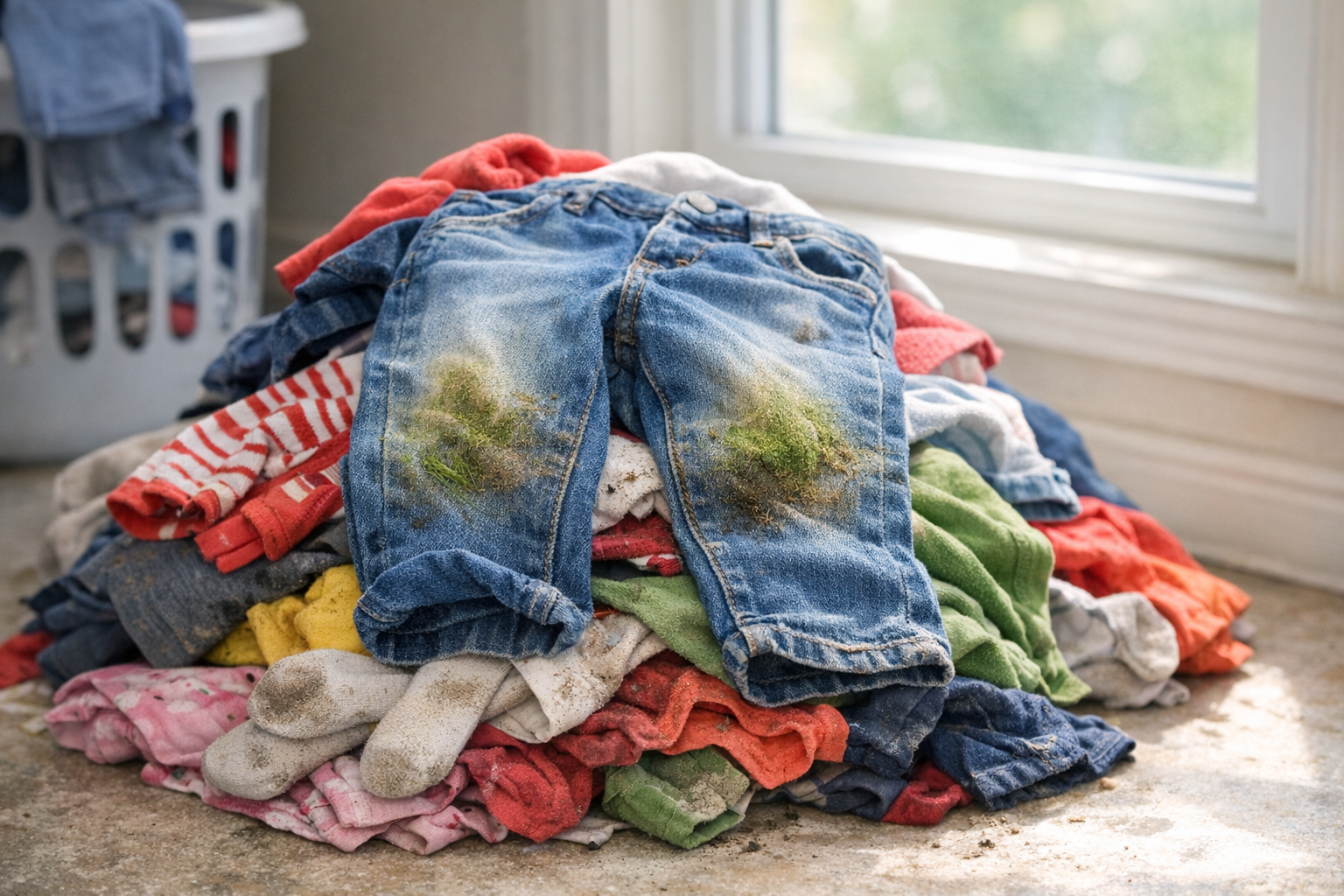
How to Remove Grass Stains From Clothes (Even After Drying)
Grass stains are protein and chlorophyll bonded into fabric. Here's the order of treatments that gets them out — even on jeans that already went through the dryer.

How to Refresh Outdoor Rugs Without Replacing Them
Before you toss that faded, grimy outdoor rug, try this simple revival routine. Most polypropylene outdoor rugs come back like new with 30 minutes of work.
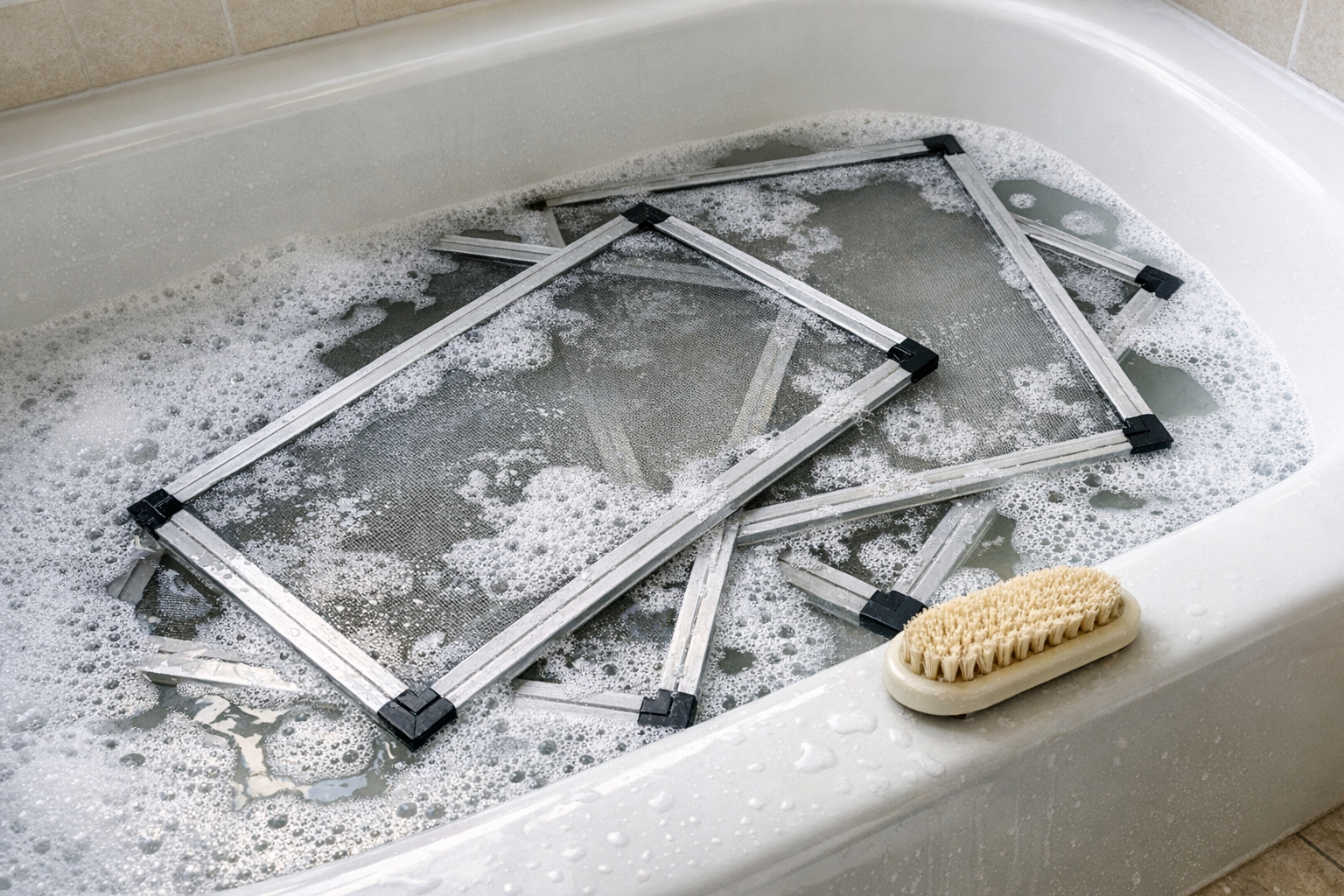
How to Deep Clean Window Screens (The Bathtub Method)
Window screens accumulate a winter's worth of dust, pollen, and grime. The bathtub method gets them all clean in one shot — cleaner than cleaning them individually.