How to Plan a Cut Flower Garden as a Beginner
This article may contain affiliate links. If you make a purchase through these links, we may earn a small commission at no extra cost to you. Learn more
Quick Answer
How to Plan a Cut Flower Garden as a Beginner
Start with a 4 by 8 foot bed. Plant a mix of zinnias, cosmos, sunflowers, snapdragons, and dahlias for continuous color. Direct sow most flowers after last frost. Cut flowers at the right time of day (early morning), use clean shears, and immediately put stems in cold water with floral preservative.
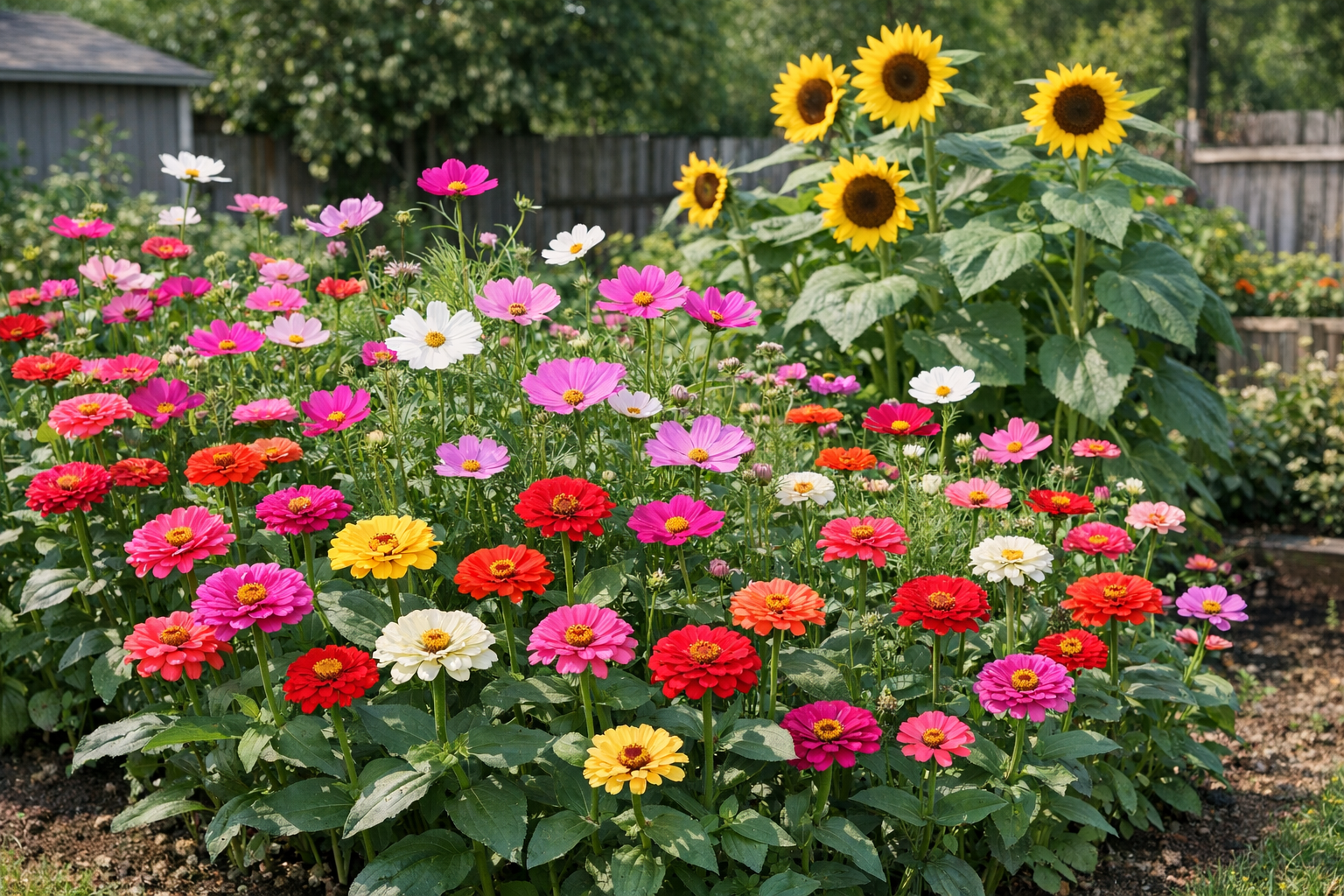
A cut flower garden gives you the satisfaction of fresh bouquets all summer for the cost of a few seed packets. You don't need acres of land or a degree in horticulture. A 4 by 8 foot bed produces more flowers than most families can use.
Here's the plan I give first-time cut flower gardeners. Five plants, sequential planting, simple harvesting. By August you'll be giving bouquets to neighbors.
Step 1: Pick the Right Spot
Cut flowers need sun — at least 6 hours of direct sun daily, more is better. Most flowering plants flop in shade.
The spot should also have:
- Reasonable drainage (flowers hate wet feet)
- Easy watering access (you'll water more in summer)
- A place where you can cut without trampling other plants
A dedicated flower bed beats mixing flowers into vegetable beds — you cut more freely without worrying about the tomatoes.
Step 2: Prep the Bed
Loosen the soil to 8 to 10 inches deep. Mix in 2 to 3 inches of compost. Add a balanced organic flower fertilizer according to package directions.
Most cut flowers don't need rich soil — they actually flower better in moderate fertility. Don't over-fertilize.
Step 3: Pick the Five-Plant Beginner Mix
These five flowers cover the season, all are forgiving for new gardeners, and they make great bouquets together:
1. Zinnias
The reliable workhorse. Direct sow after last frost, blooms in 60 days, produces flowers nonstop until frost. Tall varieties like Benary's Giant or State Fair grow 3 to 4 feet tall with massive flowers — ideal for cutting.
Zinnia seed packets are 3 to 5 dollars and you'll have hundreds of seeds.
2. Cosmos
Tall, airy, easy. Plant once, they self-sow for years. Blooms 2 months from seed. The Sensation series gets 4 feet tall — perfect filler for bouquets.
3. Sunflowers
Plant a row every 2 weeks from late spring through midsummer for continuous blooms. Single-stem varieties like ProCut work better for cutting than the giant branching types. They make stunning focal flowers.
A sunflower seed mix for cut flowers gives you several colors and heights.
4. Snapdragons
Spring star — cool-weather crop that blooms before zinnias get going. Plant transplants in early spring, harvest April through June (or longer in cool climates). Tall varieties give excellent bouquet stems.
5. Dahlias
The summer showstopper. Plant tubers after last frost, blooms from midsummer through frost. Need staking. A pack of 5 dahlia tubers in mixed colors costs 15 to 25 dollars and produces hundreds of flowers per plant by season's end.
Step 4: Plant in Succession
The trick to having flowers all summer is succession planting — staggering when you plant the same flower:
- Direct sow zinnias and cosmos at last frost, then again 4 weeks later
- Plant a row of sunflower seeds every 2 weeks from late spring through July
- Transplant snapdragon starts in early spring (cold tolerant)
- Plant dahlia tubers after last frost
This staggered approach extends the bloom window from 6 weeks to 6 months.
Step 5: Use a Grid Layout, Not Random Placement
Plant in tight grids, not random scatter. Tighter spacing actually produces better cut flowers because plants compete for light and grow taller stems (more bouquet-friendly).
For zinnias and cosmos: 9 inches apart in a grid. For sunflowers: 6 to 9 inches apart in rows. For snapdragons and dahlias: 12 to 18 inches apart.
A garden planning grid template helps you plan the layout before you plant.
Step 6: Pinch and Stake
This step makes the difference between a beginner garden and a real cutting garden:
Pinching
When zinnias, cosmos, snapdragons, and dahlias are 8 to 12 inches tall, pinch out the top inch of growth with your fingers or sharp garden snips. This signals the plant to branch out and produce many more stems instead of one main stem.
You'll feel like you're hurting the plant. You're not. Pinched plants produce 3 to 5 times more flowers.
Staking
Tall flowers fall over in storms. Set up horizontal flower netting at 12 to 18 inches when plants are young, and they grow up through it. The netting becomes invisible as foliage fills in.
For dahlias, install individual garden stakes with twist ties at planting.
Step 7: Harvest Right
How and when you cut affects vase life dramatically.
When to Cut
- Early morning (before 9am) — flowers have the most water and last longest
- Or evening when plants have rehydrated after the heat of the day
- Never midday in the sun
How to Cut
- Use clean sharp shears (a pair of floral shears)
- Cut down to a leaf node — the plant will branch from there
- Cut more than you think — the plant produces more flowers when you keep harvesting
What to Cut
- Zinnias: cut when the stem doesn't bend like a question mark when you pick it up
- Sunflowers: cut when half open
- Cosmos: cut when buds are showing color but not fully open
- Snapdragons: cut when half the florets are open
- Dahlias: cut when nearly fully open (they don't open more in the vase)
Step 8: Condition the Stems
The single biggest factor in vase life:
- Carry a bucket of cool water to the garden — put cut stems in immediately
- Bring inside, recut stems at an angle under water
- Strip leaves below the water line (rotting leaves shorten vase life)
- Add floral preservative to the vase
- Let stems "rest" in the bucket of cool water for a couple of hours before arranging
Properly cut and conditioned, most garden flowers last 5 to 10 days in a vase.
Frequently Asked Questions
How much space do I need?
A 4 by 8 foot bed produces enough cut flowers for a household to enjoy bouquets all summer. A 10 by 20 foot space produces enough to give bouquets weekly to friends.
What's the easiest cut flower for beginners?
Zinnias. They germinate in cold soil, grow fast, bloom for months, take any soil, and don't mind being cut hard. Start with a packet of zinnia seeds and you can't fail.
Do I need to dig up dahlias for winter?
In zones 7 and colder, yes — dig the tubers after frost, dry them, and store in vermiculite or peat moss in a paper bag somewhere cool (40 to 50F). In zones 8 and warmer, leave them in the ground with mulch on top.
Do cut flowers last longer with sugar water or floral preservative?
Floral preservative wins. It contains sugar (food), an acidifier (helps water uptake), and a mild antimicrobial. The DIY sugar-and-bleach trick approximates it but doesn't last as long. A pack of floral preservative sachets is under 10 dollars and lasts a season.
Final Thoughts
A cut flower garden is one of the highest-payoff garden projects for the time invested. A few packets of seeds, a sunny corner, and consistent harvesting gives you bouquets all summer. Start with the five flowers above, plant in succession, pinch and stake, and you'll be giving away bouquets by August.
Get weekly home tips that actually work
Join thousands of homeowners getting practical cleaning hacks, DIY fixes, and money-saving tips every week. Free, and you can unsubscribe anytime.

Written by
Sarah RodriguezGardening & Pet Care Contributor
Sarah Rodriguez is a certified Master Gardener and former veterinary technician. She lives on a half-acre lot in central Texas with three rescue dogs, two backyard chickens, and a very ambitious vegetable garden. She covers gardening, sustainable yard care, and everyday pet care for Practical Home Guides.
Recommended Products
Looking for specific product recommendations? Check out our tested picks.
Best Garden Kneelers and Seats (2026 Tested)
Gardening shouldn't wreck your knees and back. We tested kneelers, foldable seats, and rolling carts to find the picks worth the price.
Best Pruning Shears for Gardeners (2026 Guide)
We tested bypass and anvil pruning shears across roses, fruit trees, perennials, and tomato vines. Here are the picks worth your money — and the one to avoid.
Best Raised Bed Soil Mixes (2026 Buyer's Guide)
Bagged soil for raised beds is a minefield. We tested the top brands for vegetable yield, drainage, and value to find the soil mixes that actually grow food.
5 Best Garden Hose Nozzles and Sprayers (2026)
Find the perfect garden hose nozzle for watering plants, washing cars, and cleaning patios. We compared the top sprayers — here are the 5 best for every job.
Best Raised Garden Bed Kits You Can Order Online (2026)
The best raised garden bed kits for beginners and experienced gardeners. We compare wood, metal, and composite options with honest reviews and setup tips.
Related Articles
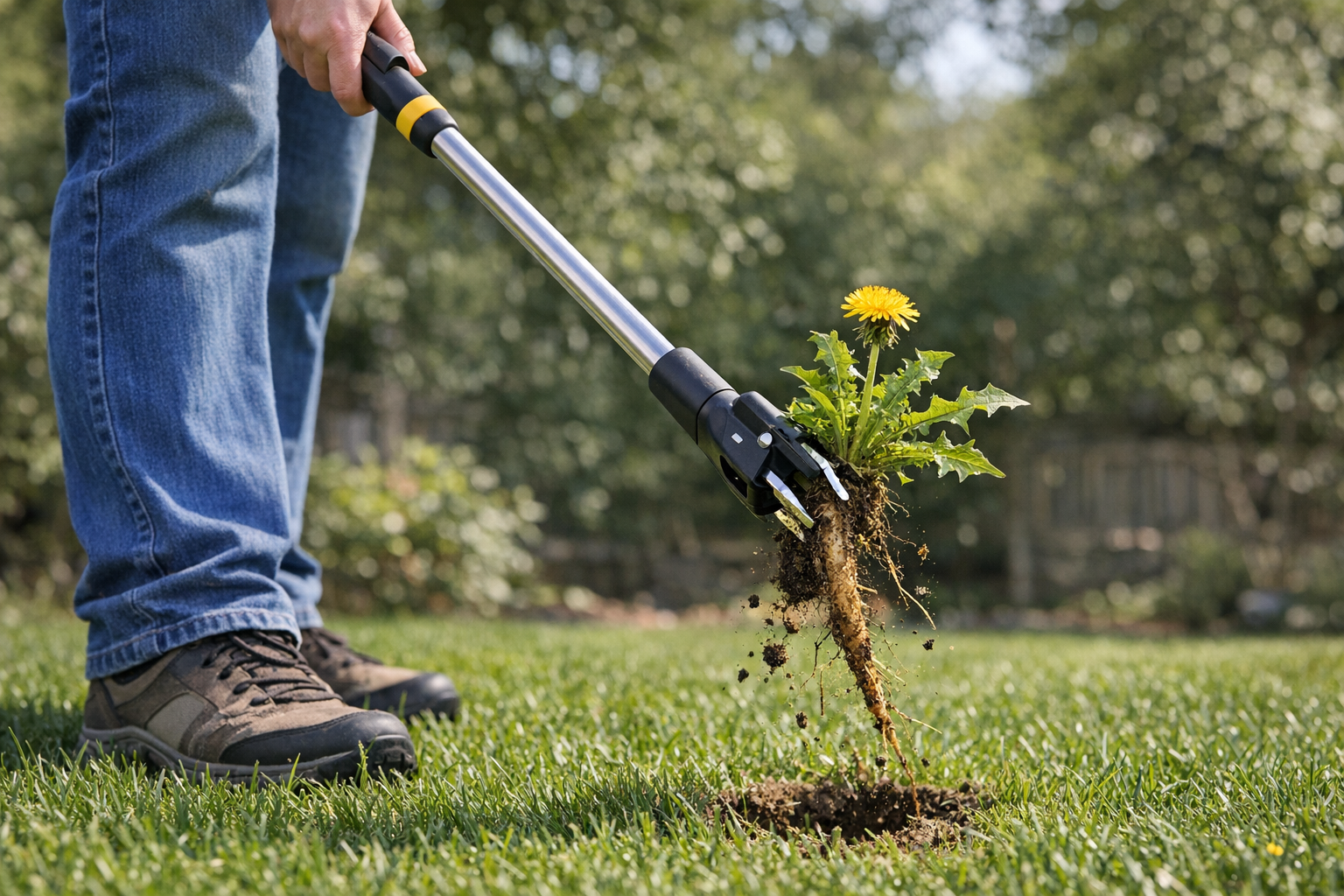
How to Get Rid of Dandelions Naturally (Without Killing the Lawn)
Dandelions are stubborn but beatable without chemical herbicides. Here's the 3-pronged natural approach that works long-term — and the tools that make it easy.
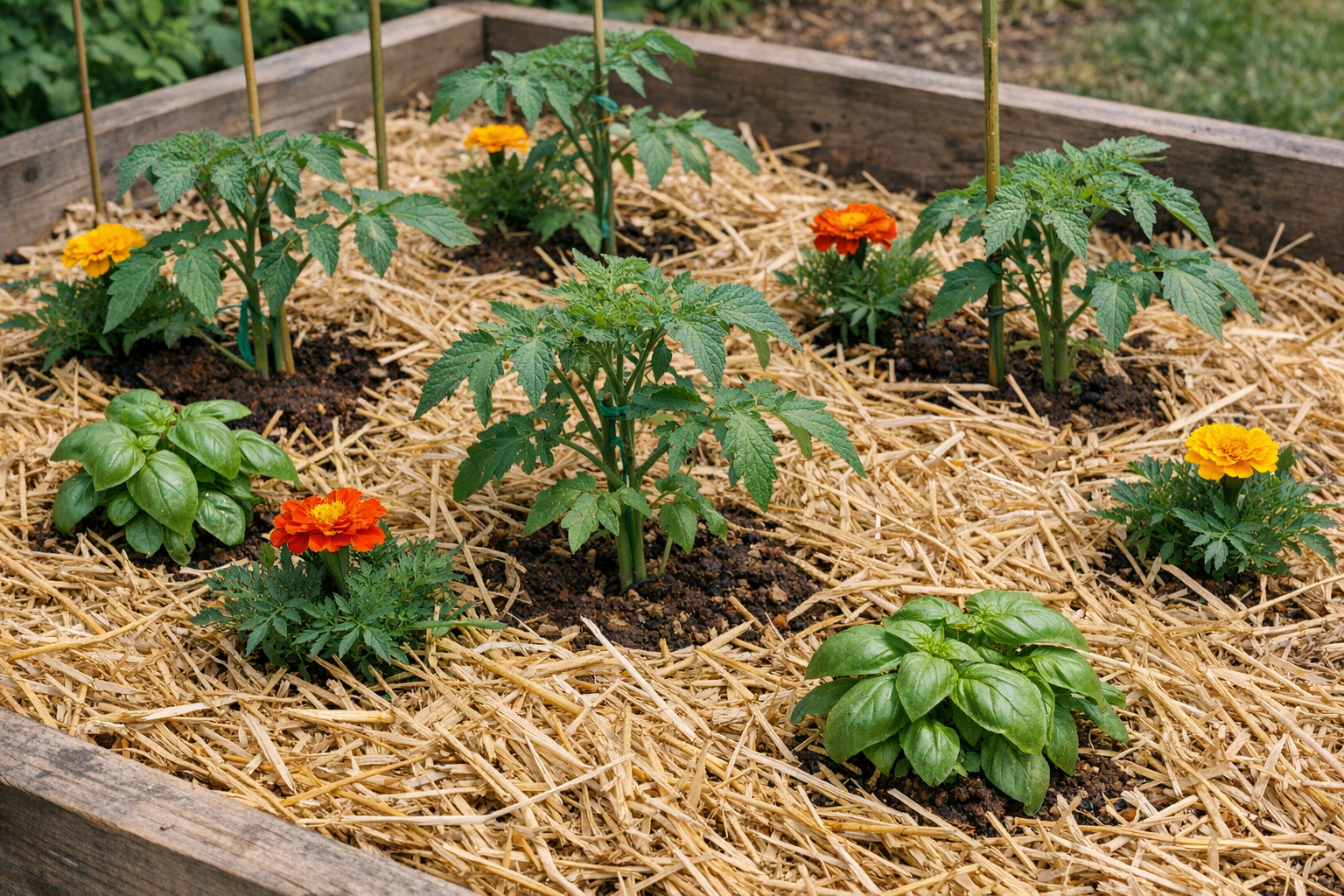
When to Plant Warm-Weather Annuals (And Which Are Easiest)
Tomato, pepper, basil, marigold — all are warm-weather plants that hate cold soil. Here's how to time the transplant for the longest possible harvest.
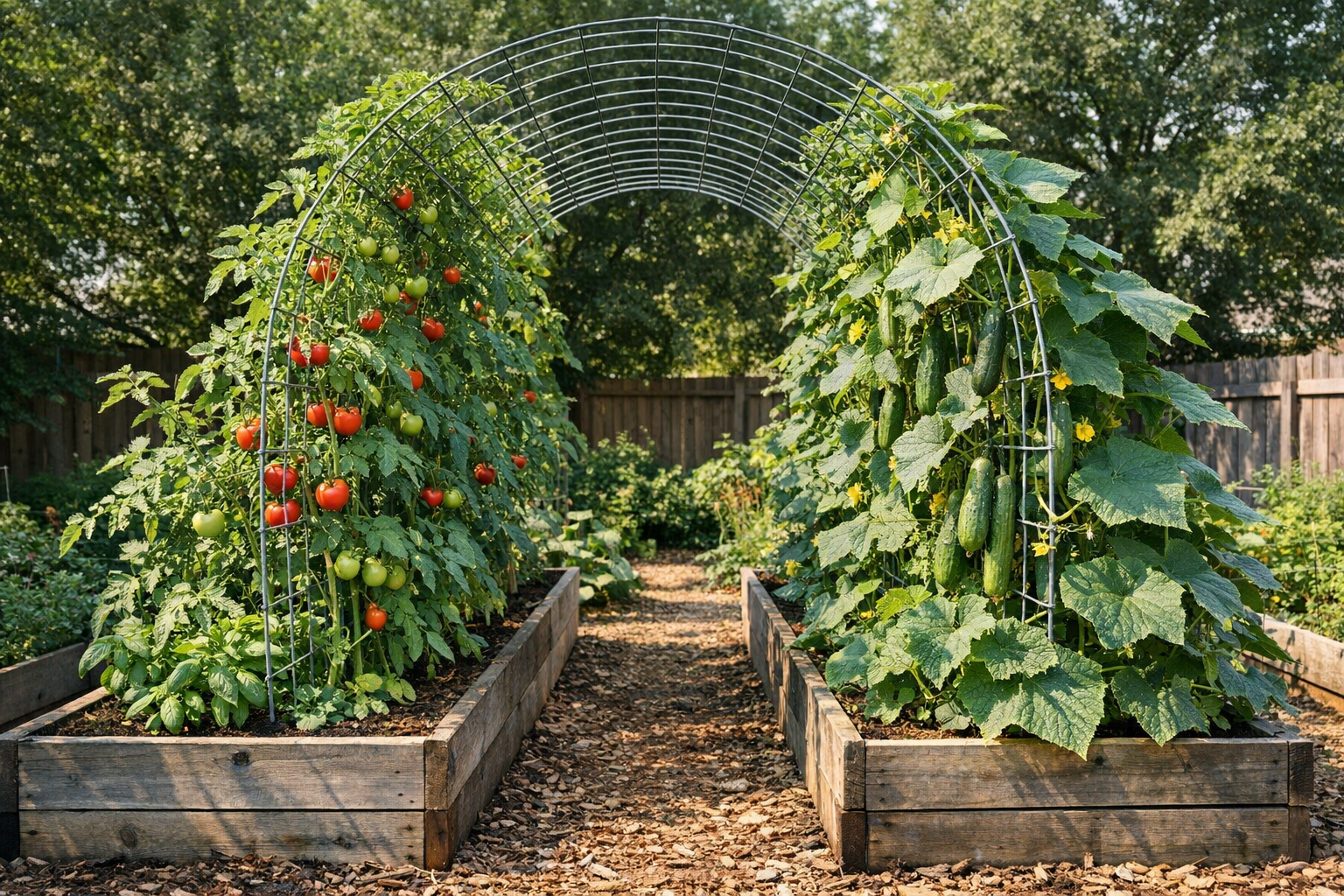
How to Build a DIY Garden Trellis for Climbing Vegetables
A sturdy trellis doubles your garden's yield per square foot. Here's how to build three easy styles using cheap materials in under an hour each.
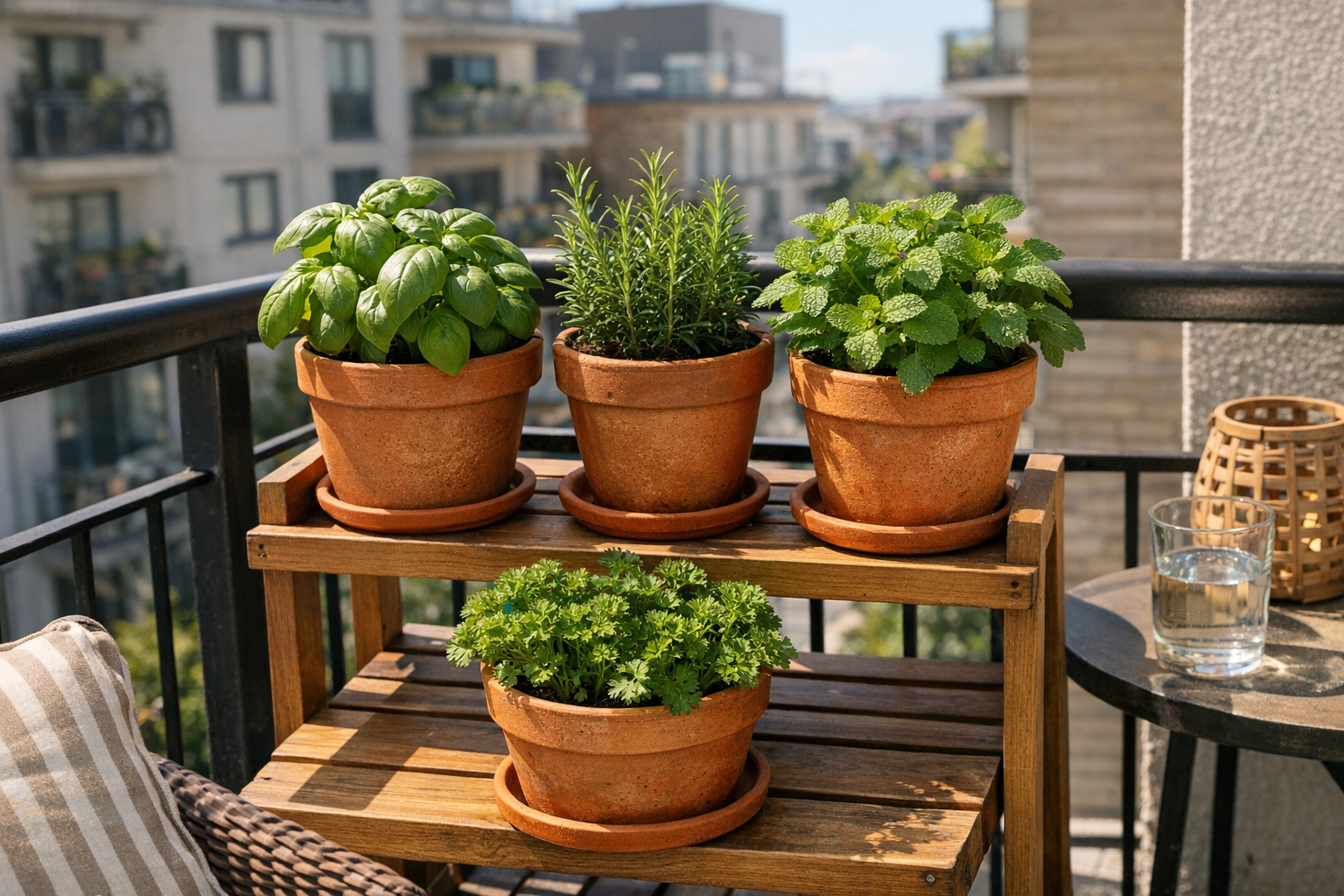
How to Start a Container Herb Garden on a Balcony
Fresh herbs all summer from a small apartment balcony or porch — even with limited sun. Picks for the easiest herbs, the right pots, and the soil that actually works.