Cool-Weather Vegetables to Plant in Early Spring
This article may contain affiliate links. If you make a purchase through these links, we may earn a small commission at no extra cost to you. Learn more
Quick Answer
Cool-Weather Vegetables to Plant in Early Spring
Plant peas, spinach, lettuce, kale, radishes, carrots, beets, and broccoli starting 4 to 6 weeks before your last frost date. Most can handle a light frost, and many actually taste sweeter for it. Harvest in 30 to 70 days, before summer heat causes them to bolt.
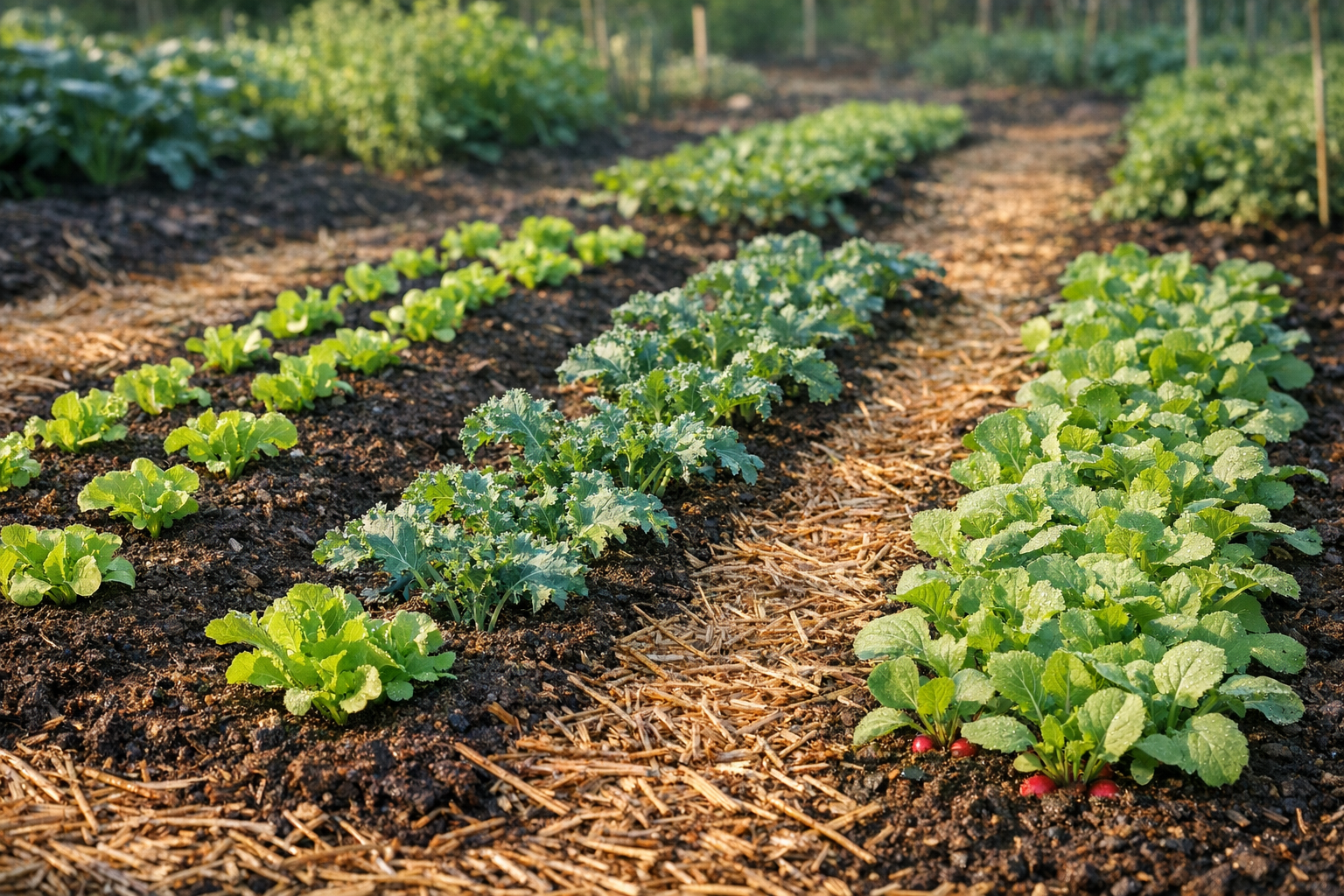
The biggest mistake new gardeners make is waiting until late May to plant anything. Cool-weather vegetables — peas, lettuce, kale, broccoli — are happier in 50-degree weather than they will ever be in July. Plant them now and you'll be eating fresh greens before your tomato seedlings even hit the ground.
Here's what to plant, when to plant it, and what to skip until the soil warms up.
Know Your Last Frost Date First
Every cool-weather crop is timed against your local last spring frost date. Look yours up by zip code on the USDA website (search "last frost date" + your zip). Once you have that date, you can work backwards.
In most of the US, last frost falls between mid-March (Zone 9) and mid-May (Zone 4). I'm in Central Texas, so my last frost is roughly March 15 — meaning by late March I'm already harvesting spring lettuce.
Plant These Right Now (4 to 6 Weeks Before Last Frost)
These crops handle a light frost and germinate in cold soil:
- Peas (snap, snow, or shelling) — direct sow, 1 inch deep, 2 inches apart
- Spinach — direct sow, 1/2 inch deep
- Lettuce (loose-leaf, romaine, butterhead) — direct sow or transplant
- Kale — direct sow or transplant
- Radishes — direct sow, ready in 25 to 30 days
- Arugula — direct sow, ready in 30 days
- Cilantro — direct sow (it bolts immediately in heat, so plant now)
If your soil is still frozen, start seeds indoors with a seed starting kit and transplant in 4 weeks.
Plant These at 2 to 4 Weeks Before Last Frost
Slightly less cold-tolerant, but still cool-season:
- Carrots — direct sow, soil temp at least 45F
- Beets — direct sow, takes 50 to 60 days
- Swiss chard — direct sow or transplant
- Broccoli, cabbage, cauliflower — transplant only (start indoors 6 weeks ago, or buy starts)
- Onion sets — push sets into the ground 1 inch deep
- Potatoes — plant seed potatoes 4 inches deep
I prefer to start broccoli and cabbage from purchased transplants. Direct seeding works but takes weeks longer to harvest.
Step 1: Prep the Bed
Cool-weather crops want loose, well-draining soil. If your garden soil is still cold and clumpy, mix in 2 to 3 inches of compost and turn it in. Skip fertilizer for now — too much nitrogen makes leafy greens taste bitter.
If you garden in raised beds, you have a head start: raised beds warm up 2 to 3 weeks earlier than ground beds.
Step 2: Direct Sow at the Right Depth
The number one cause of poor germination is planting seeds too deep. The rule of thumb: plant a seed 2 to 3 times the seed's diameter. That means radish, lettuce, and spinach seeds go barely under the surface — a quarter-inch at most.
Use a garden seed dispenser for tiny seeds like lettuce — it saves you from accidentally dumping the whole packet in one spot.
Step 3: Water Gently and Cover If Needed
Newly seeded beds need consistent moisture for 7 to 14 days. A gentle watering wand or light row cover prevents the soil from crusting over and protects from a surprise late frost.
Row cover also keeps cabbage moths from laying eggs on your broccoli and kale. Worth keeping on through the season.
Step 4: Thin Mercilessly
Almost everyone plants too thick and then can't bring themselves to thin. You have to. Carrots that aren't thinned to 2 inches apart will be twisted, woody, and inedible. Snip extras at soil level with garden snips — don't pull, or you'll disturb the keepers.
What NOT to Plant Yet
If you're tempted to put out tomatoes, peppers, eggplant, squash, cucumbers, or beans — wait. They will sit and sulk in cold soil, get root rot, and grow more slowly than starts you put out 3 weeks later in warm soil. Patience pays.
Succession Planting for a Long Spring Harvest
Don't plant your whole row of lettuce at once. Sow a 4-foot section every 10 to 14 days from now until 2 weeks before your area regularly hits 75F. You'll have continuous fresh greens instead of one giant harvest you can't eat fast enough.
Frequently Asked Questions
Can spring vegetables survive a frost?
Most of the cool-weather crops on this list (spinach, kale, peas, broccoli, lettuce) tolerate a light frost down to about 28F. A hard freeze (below 25F) will damage tender seedlings — cover with a row cover or even an old bedsheet on cold nights.
Why are my radishes spicy and woody?
Either they grew too slowly (cold, dry soil) or you left them in too long. Pull them at 25 to 30 days, when they're between a quarter and a inch across. Past that, they get hot and pithy.
When should I stop planting cool-weather crops?
Stop direct sowing once your average daytime temps consistently hit 70F. Past that, lettuce bolts (sends up a flower stalk and turns bitter) within a week or two. Switch to summer crops then.
Do I need to fertilize cool-season vegetables?
Most don't need much beyond compost worked into the bed. The exception is broccoli and cabbage, which are heavy feeders — give them a side-dress of organic vegetable fertilizer at 4 weeks and again at 8 weeks.
Final Thoughts
Spring gardening rewards the gardeners who get out there in cold, drizzly weather while everyone else waits for sun. Plant now, and you'll be eating from the garden a full month earlier than your neighbors.
Get weekly home tips that actually work
Join thousands of homeowners getting practical cleaning hacks, DIY fixes, and money-saving tips every week. Free, and you can unsubscribe anytime.

Written by
Sarah RodriguezGardening & Pet Care Contributor
Sarah Rodriguez is a certified Master Gardener and former veterinary technician. She lives on a half-acre lot in central Texas with three rescue dogs, two backyard chickens, and a very ambitious vegetable garden. She covers gardening, sustainable yard care, and everyday pet care for Practical Home Guides.
Recommended Products
Looking for specific product recommendations? Check out our tested picks.
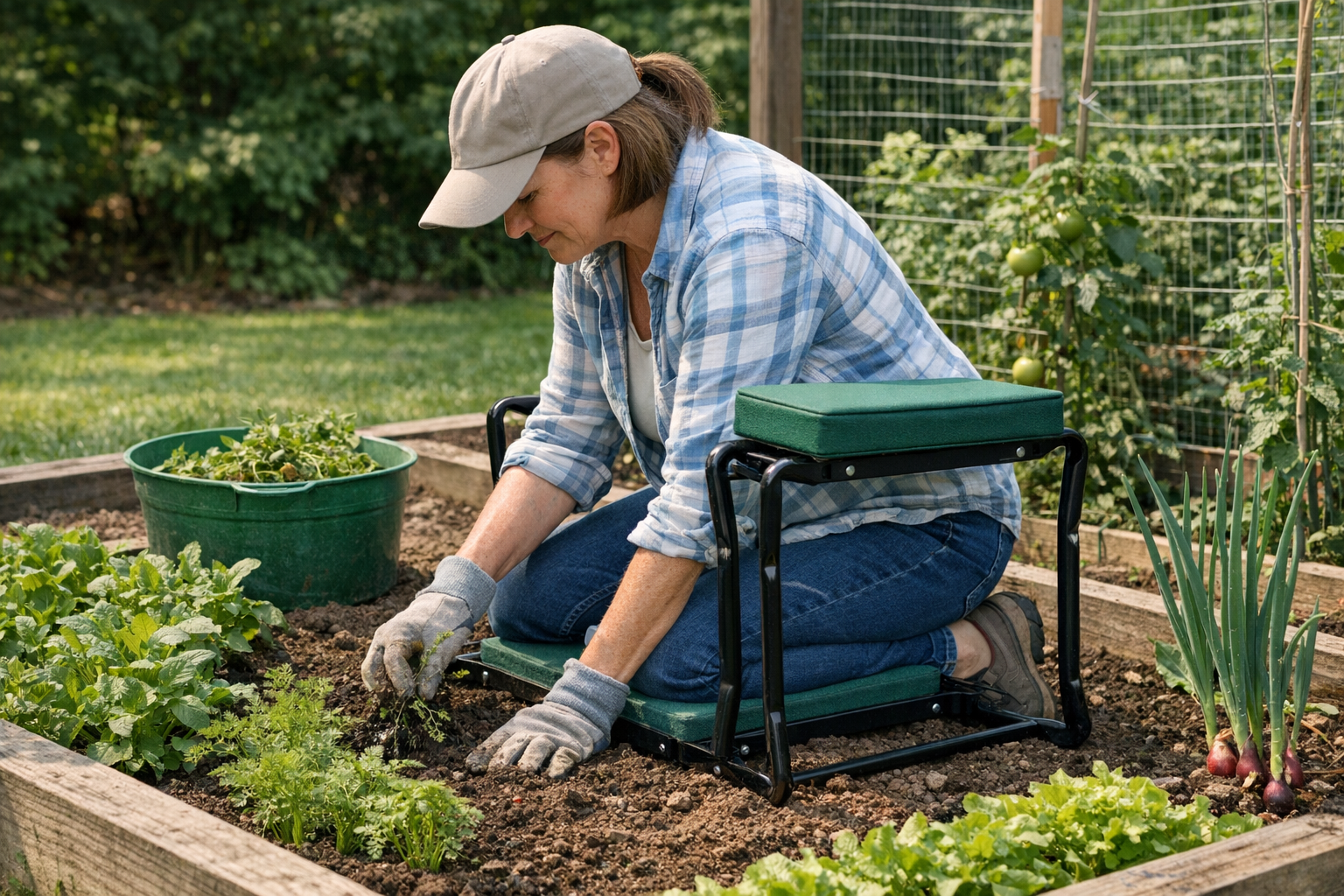
Best Garden Kneelers and Seats (2026 Tested)
Gardening shouldn't wreck your knees and back. We tested kneelers, foldable seats, and rolling carts to find the picks worth the price.
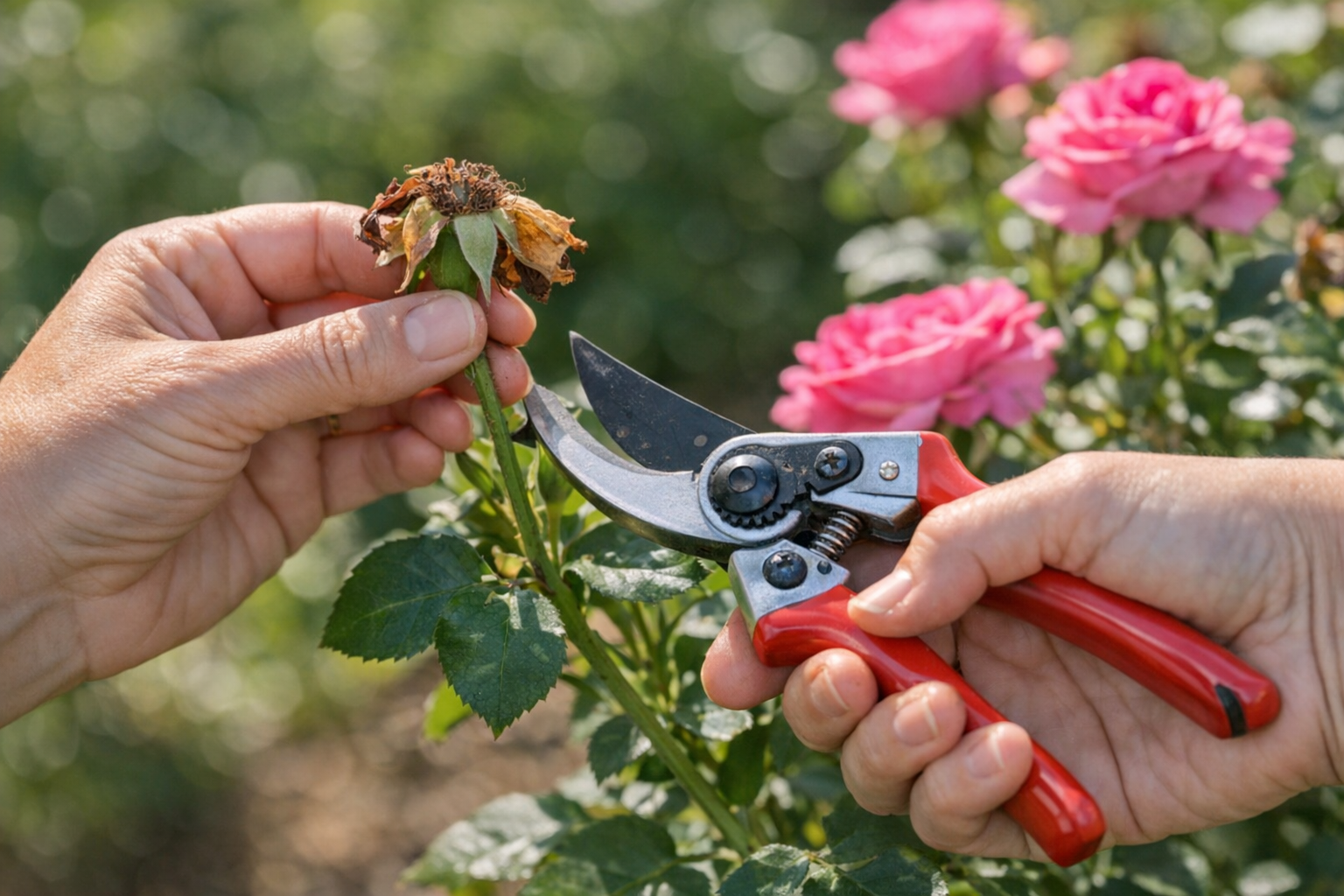
Best Pruning Shears for Gardeners (2026 Guide)
We tested bypass and anvil pruning shears across roses, fruit trees, perennials, and tomato vines. Here are the picks worth your money — and the one to avoid.
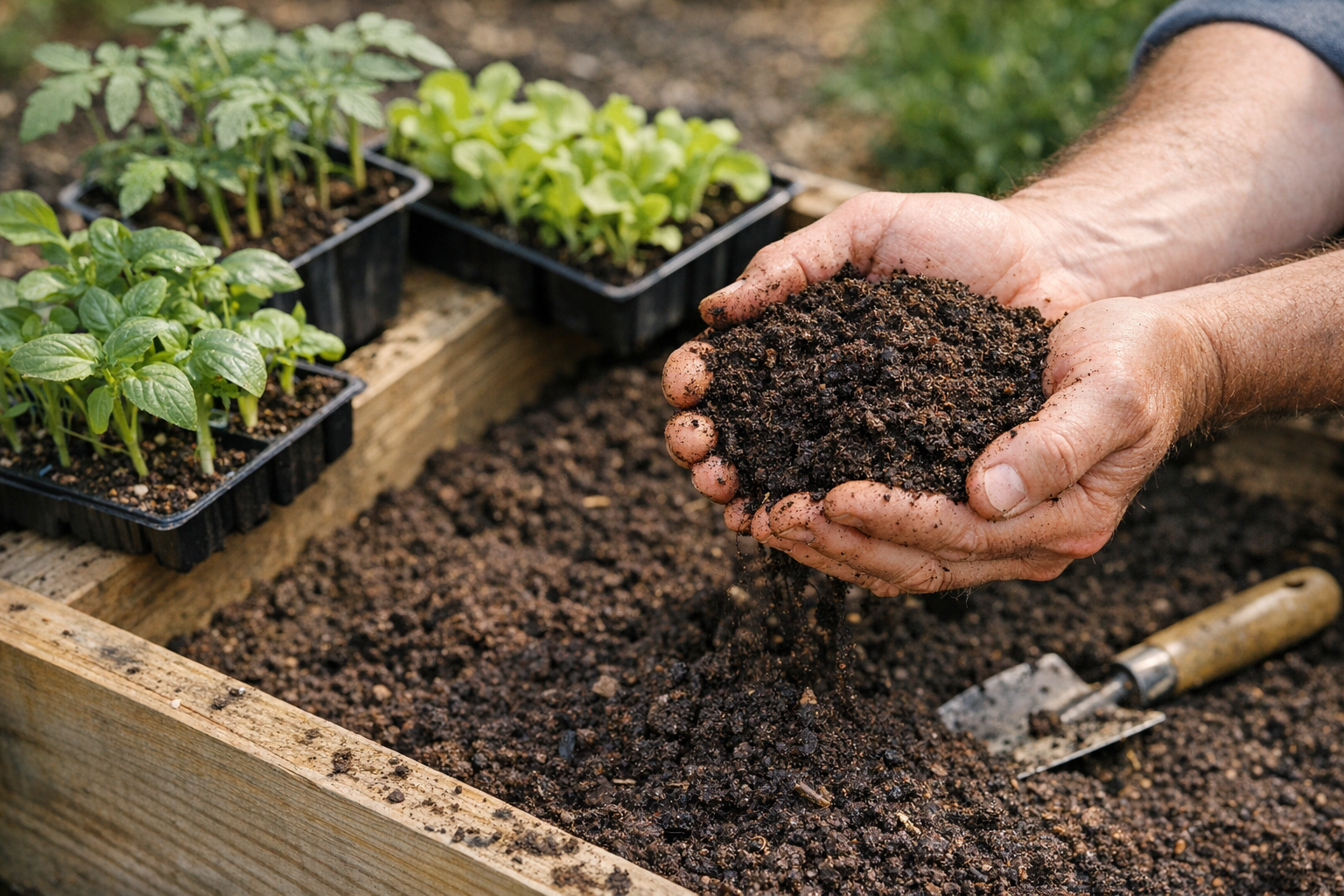
Best Raised Bed Soil Mixes (2026 Buyer's Guide)
Bagged soil for raised beds is a minefield. We tested the top brands for vegetable yield, drainage, and value to find the soil mixes that actually grow food.
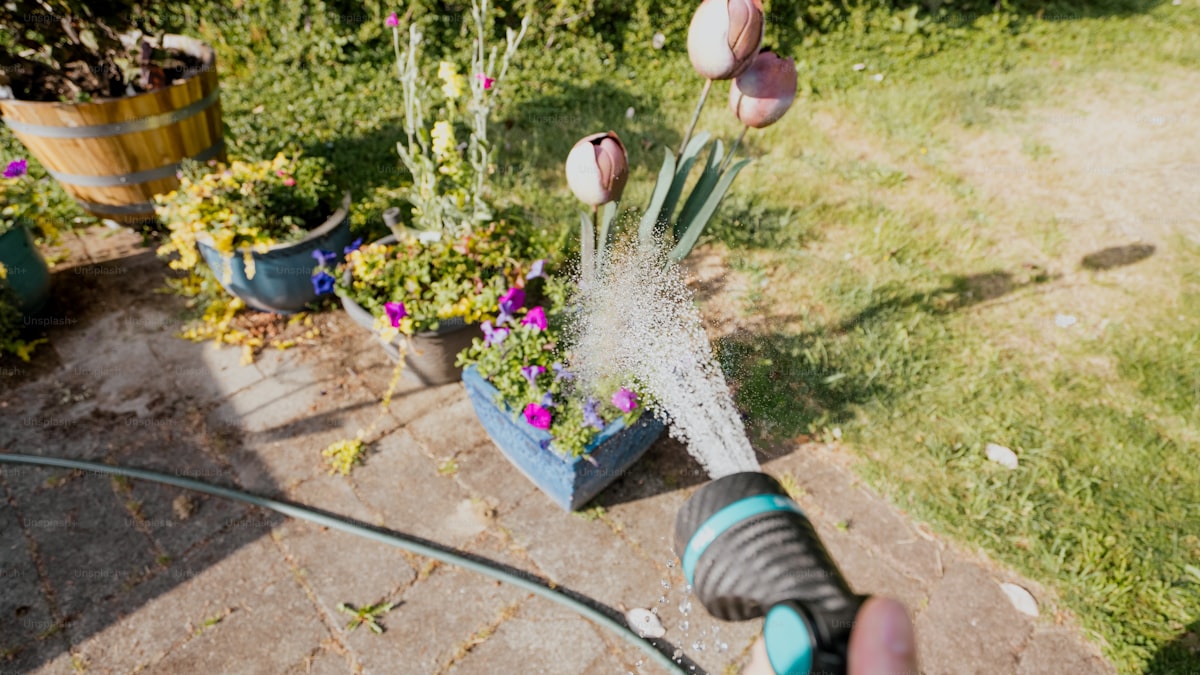
5 Best Garden Hose Nozzles and Sprayers (2026)
Find the perfect garden hose nozzle for watering plants, washing cars, and cleaning patios. We compared the top sprayers — here are the 5 best for every job.
Best Raised Garden Bed Kits You Can Order Online (2026)
The best raised garden bed kits for beginners and experienced gardeners. We compare wood, metal, and composite options with honest reviews and setup tips.
Related Articles
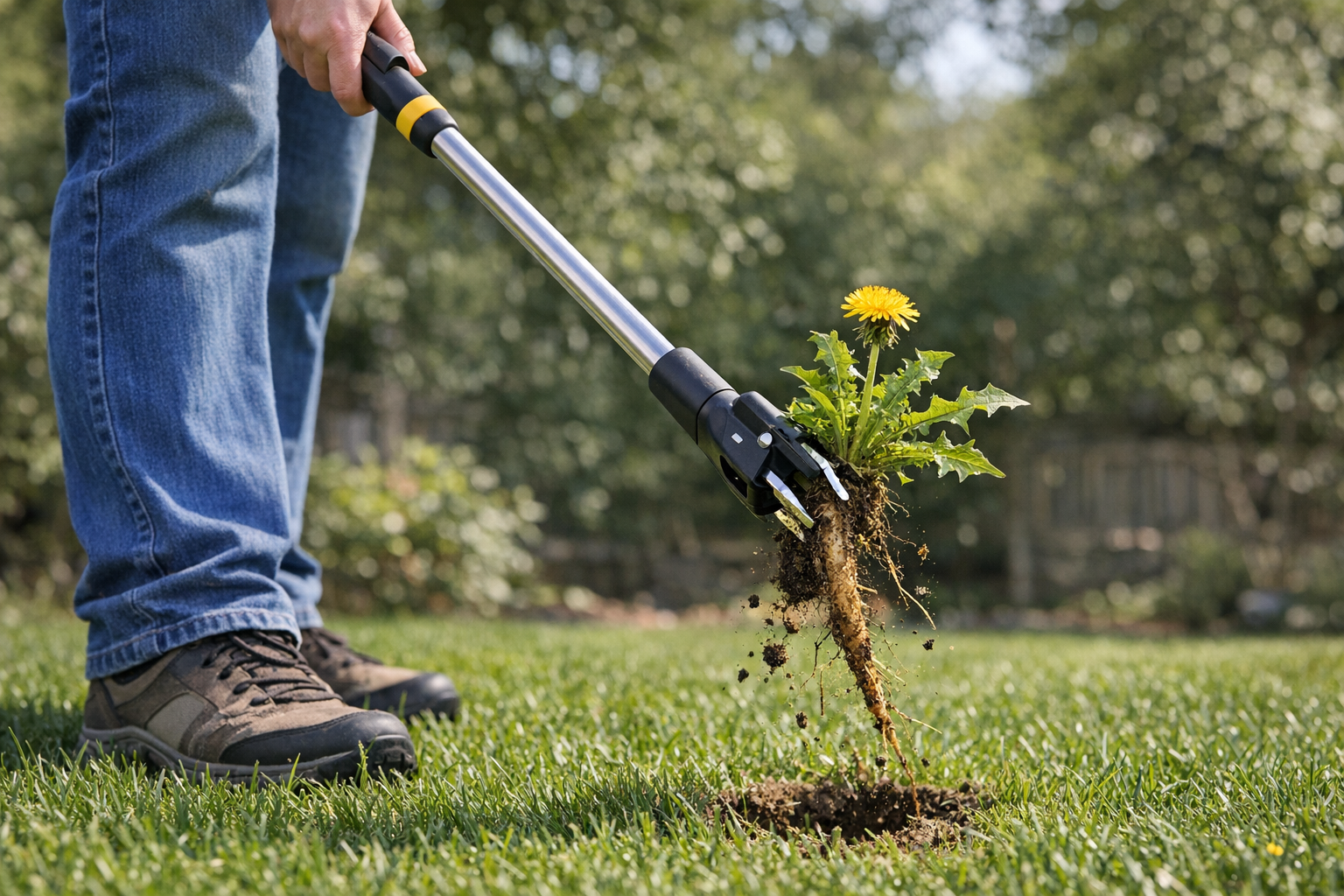
How to Get Rid of Dandelions Naturally (Without Killing the Lawn)
Dandelions are stubborn but beatable without chemical herbicides. Here's the 3-pronged natural approach that works long-term — and the tools that make it easy.
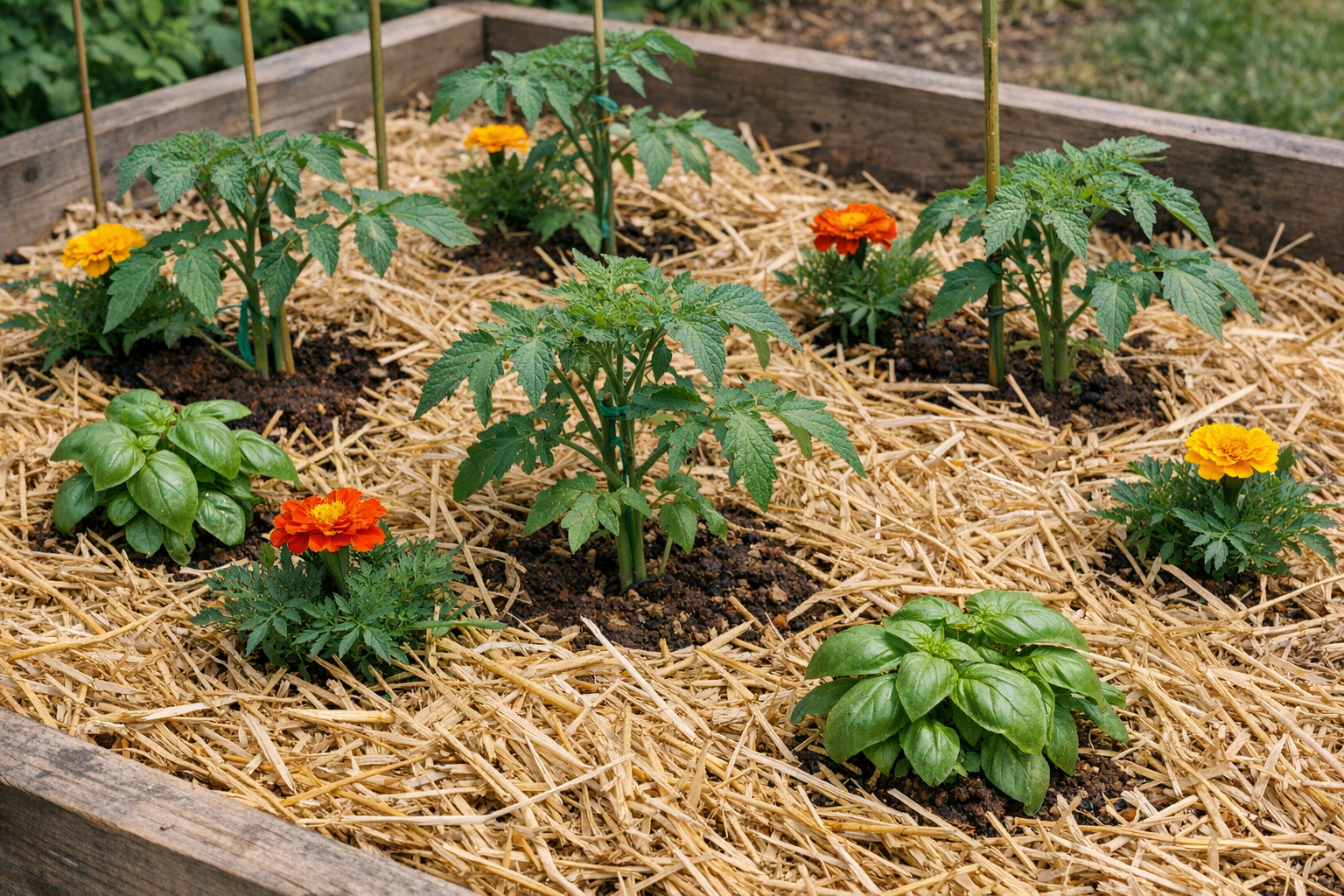
When to Plant Warm-Weather Annuals (And Which Are Easiest)
Tomato, pepper, basil, marigold — all are warm-weather plants that hate cold soil. Here's how to time the transplant for the longest possible harvest.
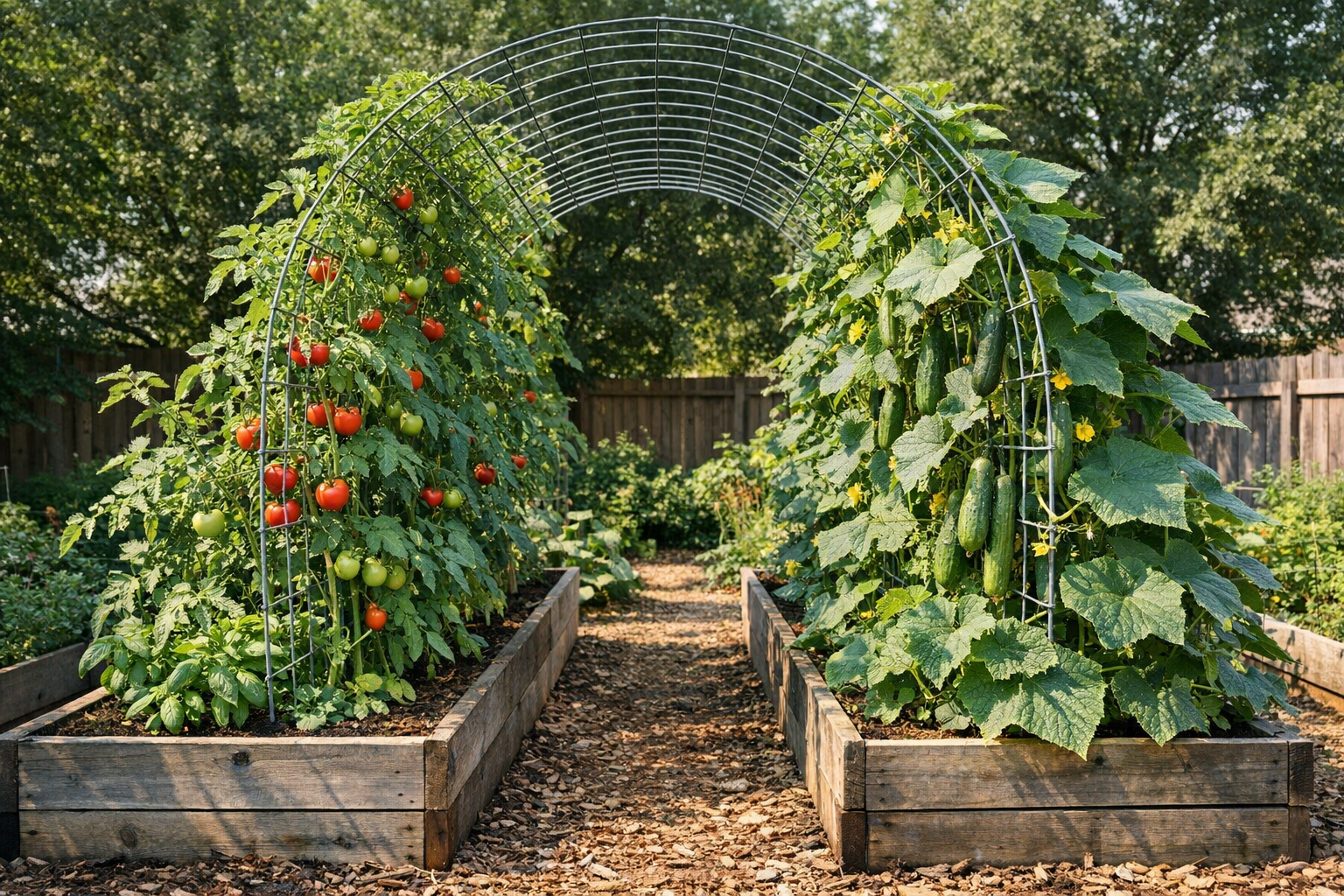
How to Build a DIY Garden Trellis for Climbing Vegetables
A sturdy trellis doubles your garden's yield per square foot. Here's how to build three easy styles using cheap materials in under an hour each.
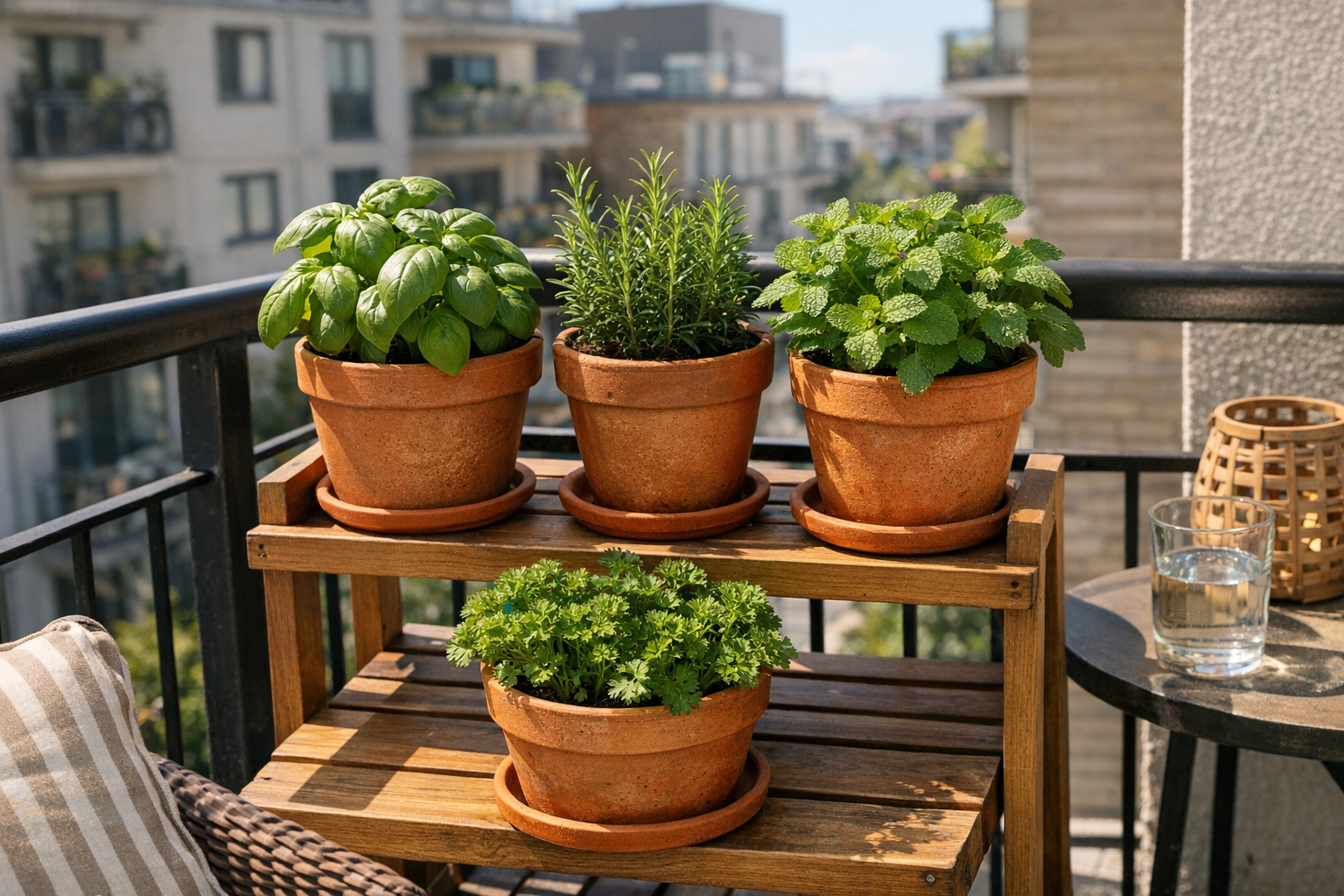
How to Start a Container Herb Garden on a Balcony
Fresh herbs all summer from a small apartment balcony or porch — even with limited sun. Picks for the easiest herbs, the right pots, and the soil that actually works.