Natural Pest Control for the Vegetable Garden (That Actually Works)
This article may contain affiliate links. If you make a purchase through these links, we may earn a small commission at no extra cost to you. Learn more
Quick Answer
Natural Pest Control for the Vegetable Garden (That Actually Works)
Combine four strategies: physical barriers (row covers, copper tape), beneficial insects (ladybugs, lacewings), targeted sprays (insecticidal soap, neem oil), and companion planting. Skip broad-spectrum pesticides — they kill the predators that keep pests in check naturally.
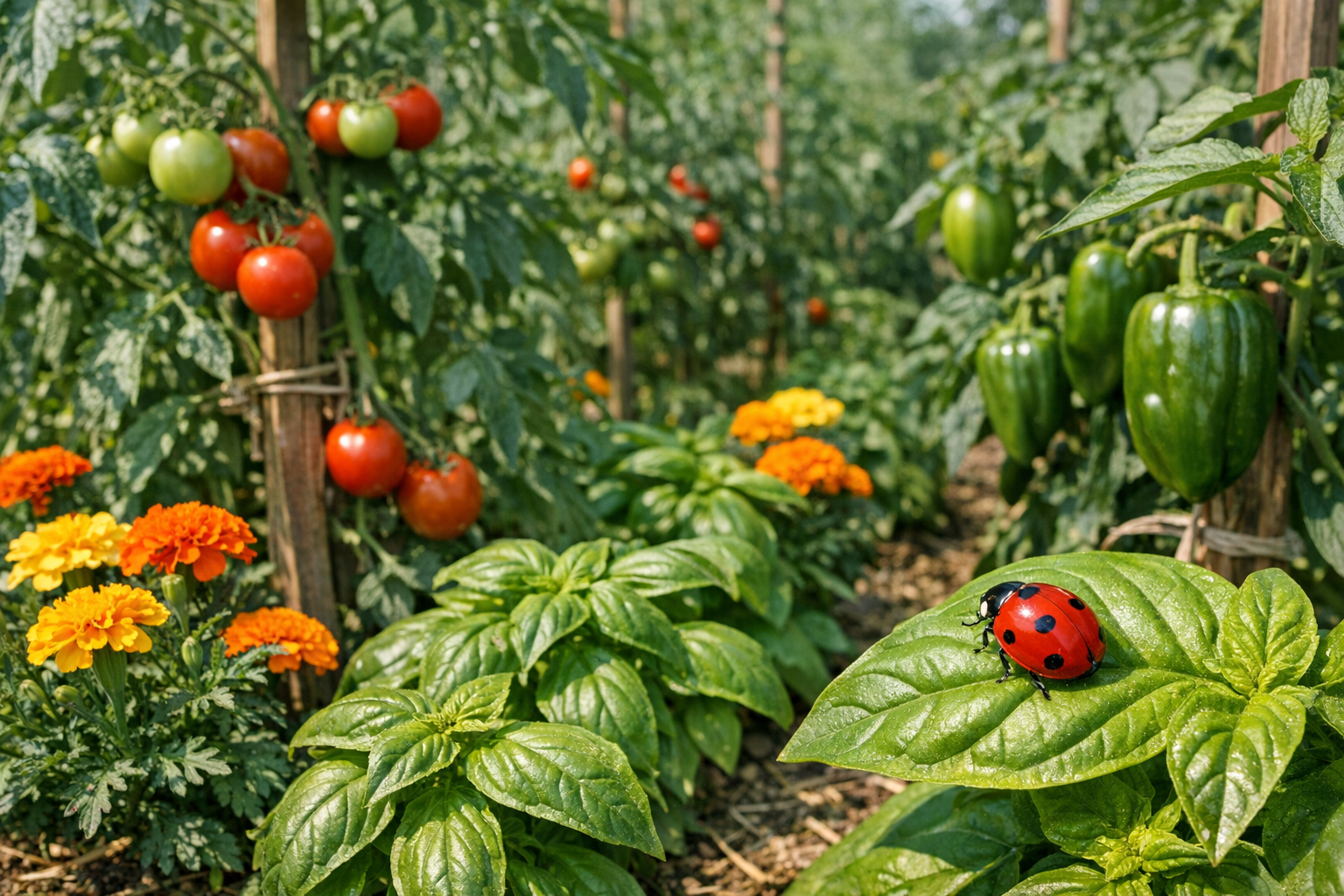
The garden pest problem nobody talks about: most pesticides kill the good bugs faster than the bad ones. You blast aphids with a chemical spray, you also kill the ladybugs that would have eaten the aphids, and the next aphid wave is twice as bad with no predators left.
I've grown an organic vegetable garden for 12 years, and the strategies below are what actually work — not what gets repeated on Pinterest. Here's the order I work in.
Layer 1: Healthy Soil Beats Half Your Pest Problems
Strong, well-fed plants resist insects the same way a healthy person fights off a cold. Weak plants attract pests like a flashing sign.
The fix is consistent: 2 to 3 inches of organic compost worked into beds every spring, plus a top-dress of worm castings mid-season. Skip synthetic high-nitrogen fertilizer — it grows lush, soft, sappy leaves that aphids love.
Layer 2: Physical Barriers
This is the single most underused technique in home gardens. If the bug can't reach the plant, you don't need to kill it.
- Floating row cover over brassicas (broccoli, cabbage, kale) keeps cabbage moths from laying eggs. Pull it back when plants flower if pollination is needed.
- Copper tape around raised beds repels slugs — they get a small electrical reaction crossing it.
- Cutworm collars (or toilet paper rolls) around tomato seedling stems stop cutworms.
- Fine mesh netting over berry bushes keeps birds off ripe fruit.
Row cover alone has saved more of my crops than any spray.
Layer 3: Encourage the Good Bugs
A healthy garden is full of insect predators eating insect pests for free. You just have to invite them in.
Plant a strip of these along the edge of every garden bed:
- Sweet alyssum — feeds tiny parasitoid wasps that kill aphids
- Dill, fennel, parsley — host plants for swallowtail butterflies and ladybug larvae
- Yarrow and cosmos — magnet for hoverflies (their larvae eat aphids)
- Basil between tomatoes — attracts beneficial wasps
You can also buy live ladybugs and green lacewing eggs. Release them at dusk, after watering — otherwise they fly away.
Layer 4: Targeted Sprays for When Pressure Gets High
Use these only when you see real damage, not just one bug. Always spray at dusk to avoid hitting bees.
Insecticidal Soap
Best for soft-bodied pests: aphids, whiteflies, mealybugs, spider mites. Coats them and breaks down their outer membrane. A bottle of pre-mixed insecticidal soap lasts a season.
Hit the undersides of leaves where aphids live. Repeat every 5 to 7 days for 2 to 3 sprays.
Neem Oil
Broad effective range — aphids, mites, whiteflies, beetles, and even some fungal diseases. A bottle of cold-pressed neem oil mixed with a few drops of dish soap and a quart of water makes weeks of spray.
Don't spray neem in direct sun — it can burn leaves. Early morning or evening only.
BT (Bacillus thuringiensis)
A naturally occurring bacterium that paralyzes caterpillar guts. Completely harmless to bees, ladybugs, and people. The only thing that consistently controls cabbage worms, tomato hornworms, and corn earworms.
Get BT spray concentrate and apply at first sight of damage. Reapply after rain.
Iron Phosphate Slug Pellets
Safe around pets and children. Slugs eat the pellets and stop feeding immediately. Look for iron phosphate slug bait — not the older metaldehyde formulas, which are toxic.
Specific Pest Problems and What Works
Aphids
Spray a hard jet of water in the morning to knock them off. If they come back, insecticidal soap on the undersides of leaves. Plant alyssum and dill nearby — that solves it for next year.
Squash Bugs
Squash bugs are the hardest pest in the garden. Inspect leaf undersides daily and squash the orange-red egg clusters with your gloves. Use row cover until plants flower. Lay a cardboard square next to the plant overnight; squish bugs that hide under it in the morning.
Tomato Hornworms
Big green caterpillars that strip a tomato plant in 24 hours. BT spray works, but if you only have 1 or 2 plants, just hand-pick them and feed them to the chickens (or drown in soapy water).
Cabbage Worms
Row cover from transplant until harvest. If they get in, BT spray every 7 days.
Slugs
Copper tape around raised beds, iron phosphate pellets in heavy rain, and beer traps work too — slugs crawl in and drown. Refill weekly.
What to Stop Doing
- Don't spray broad-spectrum insecticides like Sevin or pyrethrin in the vegetable garden. They kill bees.
- Don't plant huge blocks of one crop. Diverse plantings confuse pests. Tomatoes scattered with basil, marigolds, and peppers do better than a tomato monoculture.
- Don't ignore weeds in early spring. They harbor pests through winter that hit your crops in April.
Frequently Asked Questions
Does companion planting actually work?
Yes, but not as a single solution. Marigolds don't repel deer or magically protect tomatoes. They do attract pollinators and confuse pest insects looking for one specific scent. Use companion planting as one layer of a system, not a silver bullet.
Is neem oil safe for bees?
Neem oil is safer than chemical pesticides but still mildly toxic to bees if sprayed directly. Always apply at dusk or early dawn when bees aren't foraging. Let it dry overnight before bees encounter it.
How do I keep deer out of the garden?
Nothing works permanently except a 7-foot fence. Spray repellents work for a couple weeks at a time and need to be rotated. See our guide on keeping deer out of the garden for the full strategy.
What about diatomaceous earth?
DE works on slugs and crawling soft-bodied insects but only when dry. One rain and it's useless. Better as a barrier in dry climates, less reliable in wet ones.
Final Thoughts
The garden that has the fewest pest problems is the one that's been managed organically the longest. Predators move in, soil gets healthier, plants get tougher. Year three is dramatically easier than year one. Stick with it.
Get weekly home tips that actually work
Join thousands of homeowners getting practical cleaning hacks, DIY fixes, and money-saving tips every week. Free, and you can unsubscribe anytime.

Written by
Sarah RodriguezGardening & Pet Care Contributor
Sarah Rodriguez is a certified Master Gardener and former veterinary technician. She lives on a half-acre lot in central Texas with three rescue dogs, two backyard chickens, and a very ambitious vegetable garden. She covers gardening, sustainable yard care, and everyday pet care for Practical Home Guides.
Recommended Products
Looking for specific product recommendations? Check out our tested picks.
Best Garden Kneelers and Seats (2026 Tested)
Gardening shouldn't wreck your knees and back. We tested kneelers, foldable seats, and rolling carts to find the picks worth the price.
Best Pruning Shears for Gardeners (2026 Guide)
We tested bypass and anvil pruning shears across roses, fruit trees, perennials, and tomato vines. Here are the picks worth your money — and the one to avoid.
Best Raised Bed Soil Mixes (2026 Buyer's Guide)
Bagged soil for raised beds is a minefield. We tested the top brands for vegetable yield, drainage, and value to find the soil mixes that actually grow food.
5 Best Garden Hose Nozzles and Sprayers (2026)
Find the perfect garden hose nozzle for watering plants, washing cars, and cleaning patios. We compared the top sprayers — here are the 5 best for every job.
Best Raised Garden Bed Kits You Can Order Online (2026)
The best raised garden bed kits for beginners and experienced gardeners. We compare wood, metal, and composite options with honest reviews and setup tips.
Related Articles
How to Get Rid of Dandelions Naturally (Without Killing the Lawn)
Dandelions are stubborn but beatable without chemical herbicides. Here's the 3-pronged natural approach that works long-term — and the tools that make it easy.
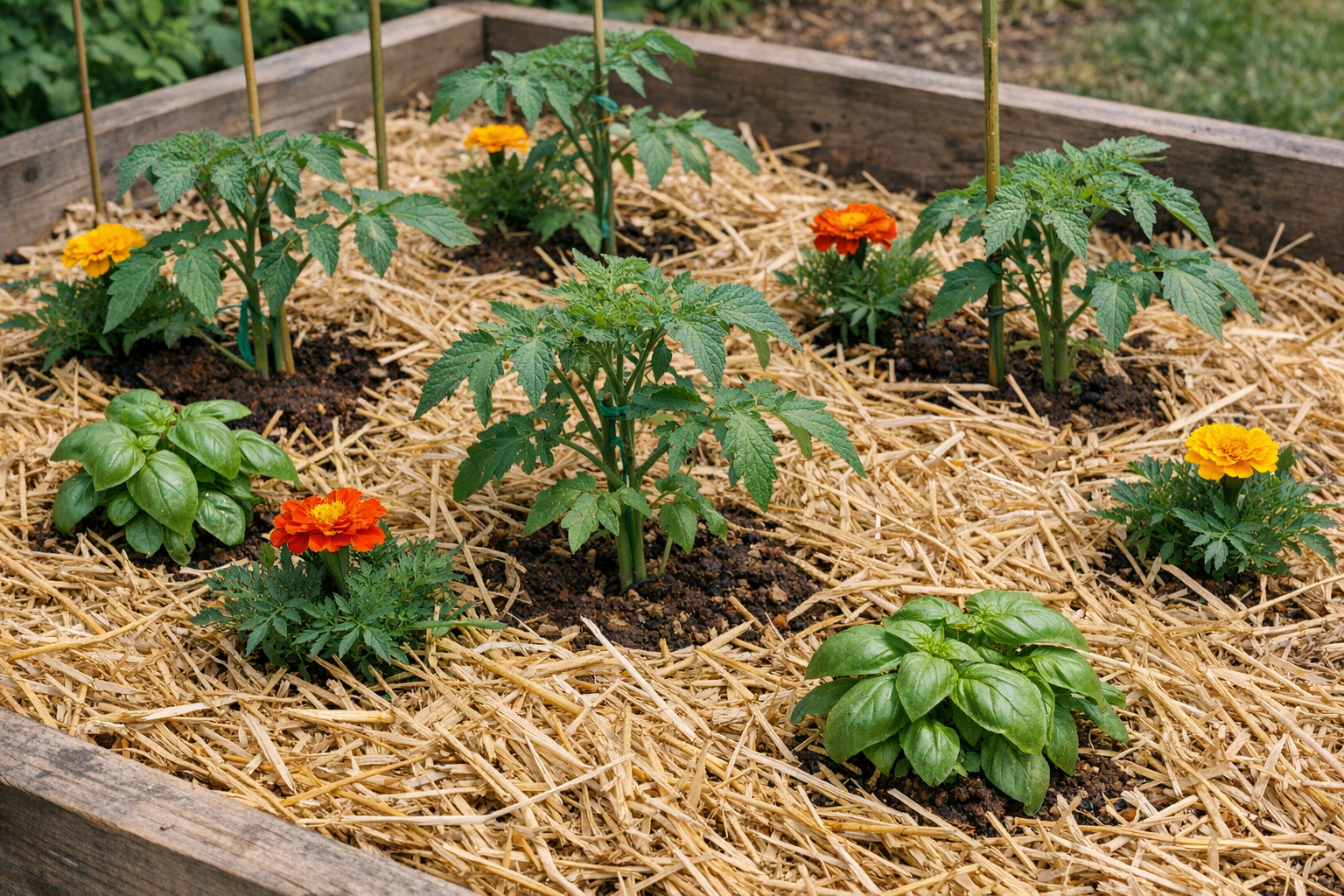
When to Plant Warm-Weather Annuals (And Which Are Easiest)
Tomato, pepper, basil, marigold — all are warm-weather plants that hate cold soil. Here's how to time the transplant for the longest possible harvest.
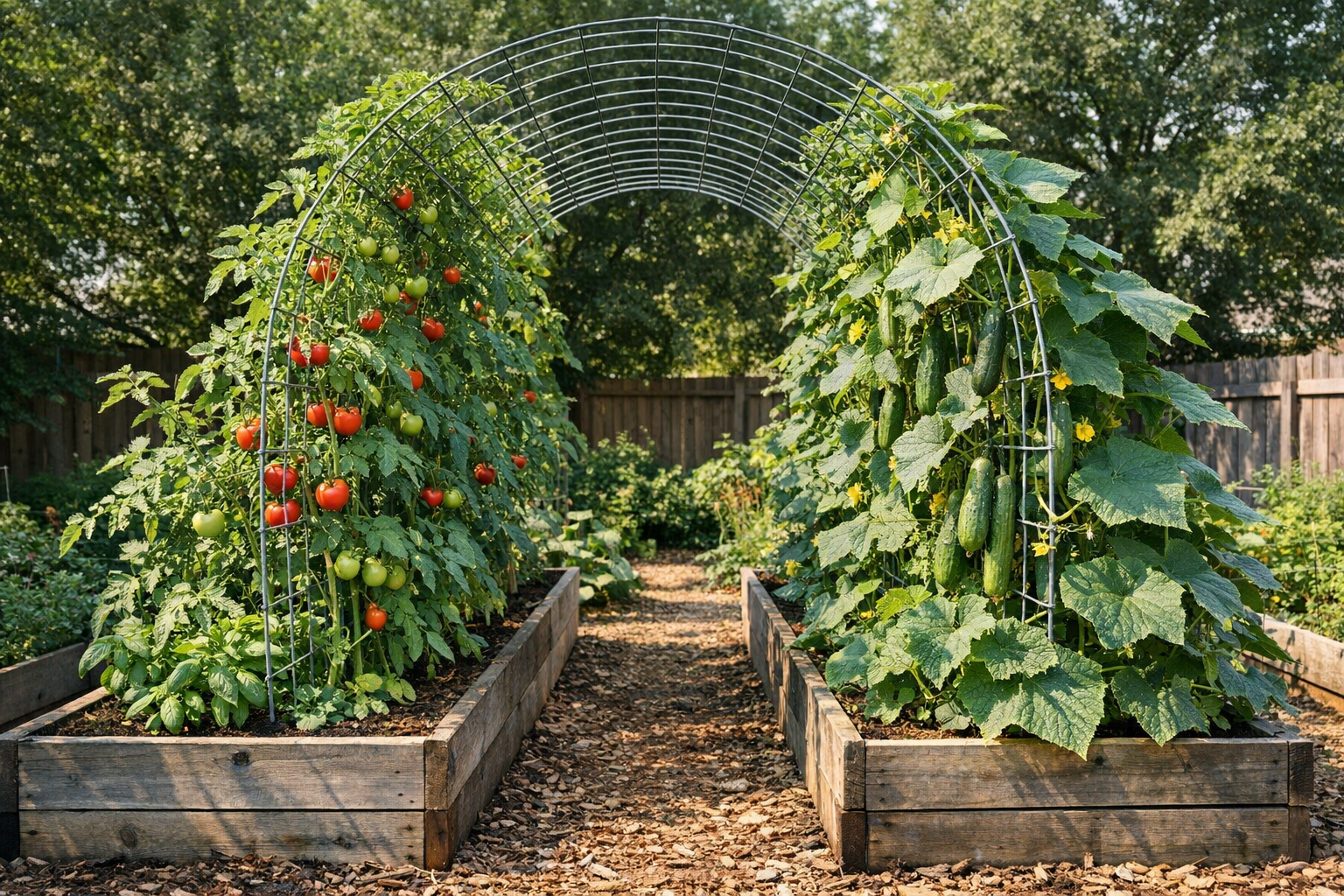
How to Build a DIY Garden Trellis for Climbing Vegetables
A sturdy trellis doubles your garden's yield per square foot. Here's how to build three easy styles using cheap materials in under an hour each.
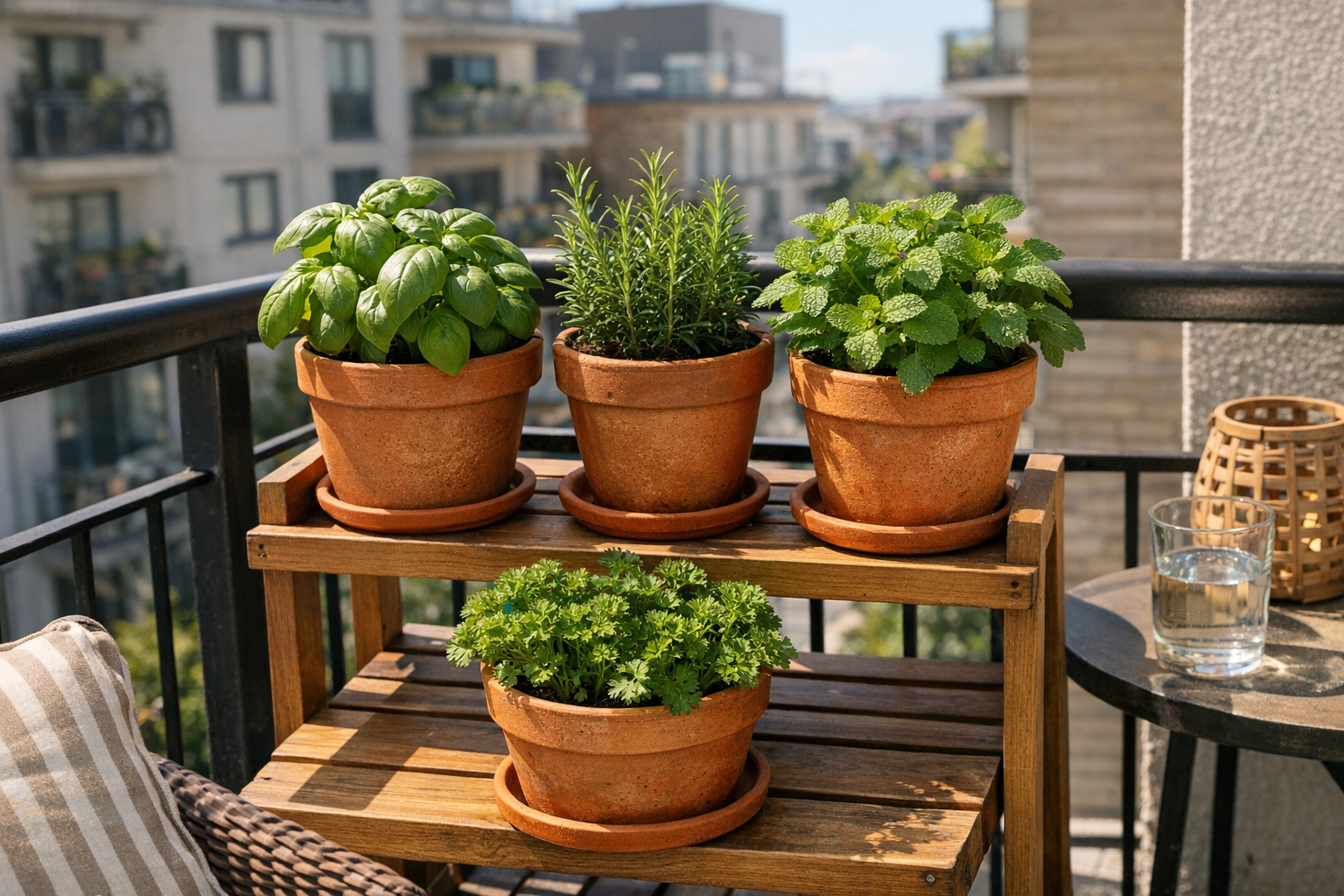
How to Start a Container Herb Garden on a Balcony
Fresh herbs all summer from a small apartment balcony or porch — even with limited sun. Picks for the easiest herbs, the right pots, and the soil that actually works.