How to Keep Deer Out of Your Garden (What Actually Works)
This article may contain affiliate links. If you make a purchase through these links, we may earn a small commission at no extra cost to you. Learn more
Quick Answer
How to Keep Deer Out of Your Garden (What Actually Works)
The most effective deer deterrent is an 8-foot tall fence — deer can jump 6 feet easily, so anything shorter is just a suggestion. If fencing isn't practical, use a layered approach: spray commercial deer repellent on plants every 2-4 weeks, hang bars of Irish Spring soap around the perimeter, install motion-activated sprinklers, and plant deer-resistant species like lavender, rosemary, and marigolds around the edges. The key is rotating methods so deer don't get used to any single deterrent.
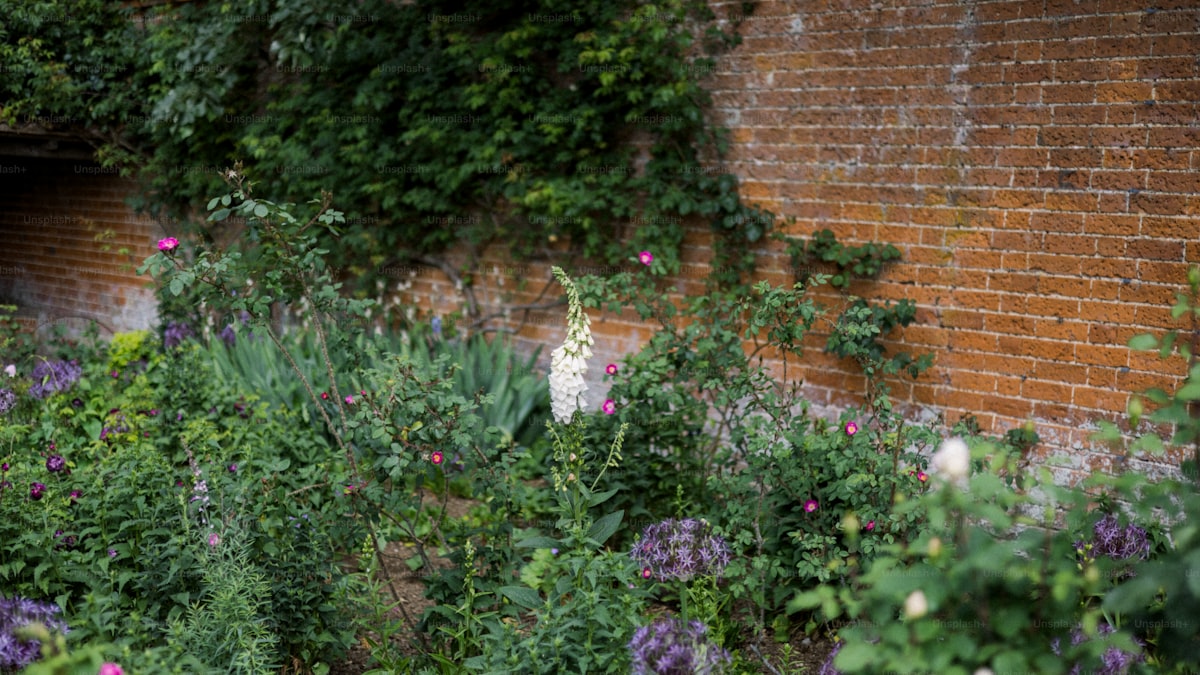
How to Keep Deer Out of Your Garden (What Actually Works)
Deer are beautiful animals right up until they eat your entire garden in one night. A single deer can consume 6-10 pounds of vegetation daily, and they have excellent taste — they'll eat your most expensive plants first and leave the weeds.
If you've found your tomatoes decapitated, your hostas stripped, or your flower beds demolished overnight, you're dealing with a problem that affects millions of gardeners. The frustrating part is that many popular "solutions" don't actually work, or only work for a week before the deer figure them out.
Here's what genuinely keeps deer out — ranked by effectiveness — and what's a waste of your time and money.
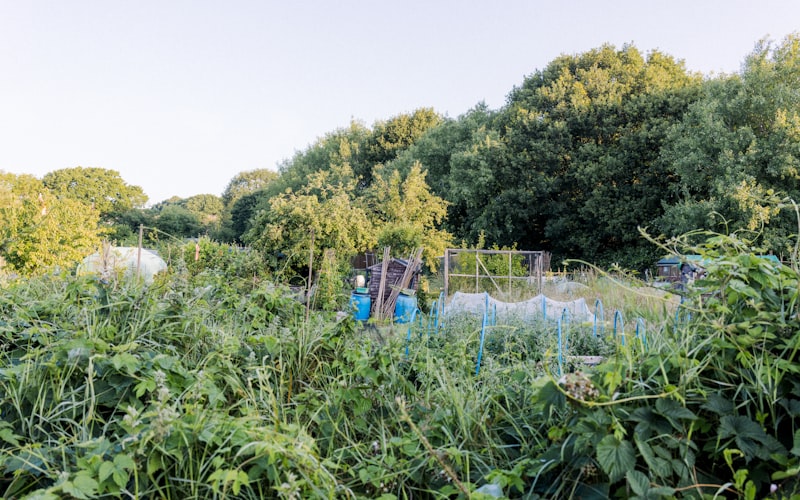
Why Do Deer Keep Coming to My Garden?
Deer return to your garden because it's an easy, reliable food source. Once they find it, they'll come back night after night until the food is gone or something convinces them it's not worth the effort.
What attracts deer most:
- Hostas, tulips, and daylilies — their absolute favorites
- Vegetable gardens — beans, lettuce, peas, sweet potatoes, strawberries
- Fruit trees — especially young trees with tender bark
- Tender new growth — deer prefer fresh shoots over mature plants
- Fertilized gardens — heavily fertilized plants are more nutritious and more attractive
Deer are creatures of habit. They travel the same paths and visit the same food sources at roughly the same times (usually dusk and dawn). Understanding this pattern helps you place deterrents more effectively.
Does Fencing Actually Work?
Yes — fencing is the most reliable deer deterrent, but it needs to be the right height. Deer can easily jump 6 feet, and a motivated deer can clear 8 feet from a standing start.
What works:
- 8-foot tall deer fencing — This is the gold standard. Black polypropylene mesh fencing is nearly invisible from a distance, costs $1-2 per linear foot, and lasts 10+ years. It won't win any beauty contests, but it works.
- Double fencing — If 8 feet is too tall for your yard or HOA, install two parallel 4-foot fences about 4 feet apart. Deer can jump high or far, but not both at once. They won't attempt to jump into the narrow space between the fences.
- Electric fencing — A single-wire electric fence at 30 inches high, baited with peanut butter on aluminum foil tabs, teaches deer to avoid the area fast. They touch the bait, get a harmless shock, and don't come back. This is especially effective for vegetable gardens.
What doesn't work:
- 4-foot garden fencing — deer step right over it
- Chicken wire alone — too short and flimsy
- Decorative fence without height — looks nice, does nothing
If you're growing vegetables in raised beds, a tall fence around the bed area is often the most practical solution.
Best Deer Repellent Sprays
Commercial repellent sprays work well as part of a larger strategy, but they're rarely effective on their own. Deer eventually get used to any single deterrent.
Top commercial options:
- Liquid Fence — Uses putrified egg and garlic. Smells terrible for the first day (to humans too), then becomes odorless to us while still repelling deer. Apply every 2-4 weeks and after rain.
- Bobbex — Similar formula, slightly longer lasting. Both are available in ready-to-spray and concentrate.
- Plantskydd — Blood meal-based repellent that lasts longer than egg-based options. Works well in rainy climates.
All of these are available as deer repellent sprays on Amazon.
DIY repellent spray:
Mix 3 raw eggs, 3 tablespoons of hot sauce, and 3 tablespoons of garlic powder in a gallon of water. Let it sit overnight, strain, and spray on plants. Reapply every 2 weeks and after rain. It's not as long-lasting as commercial products, but it's free.
Important: Alternate between different repellent brands every month or two. Deer habituate to familiar scents quickly.
The Irish Spring Soap Trick
This old gardener's trick actually works — for a while. Hang bars of Irish Spring soap (specifically this brand — the strong fragrance is the key) around your garden perimeter.
How to do it:
- Cut bars of Irish Spring into quarters
- Put each piece in a mesh bag or old stocking
- Hang them from stakes or branches around the garden perimeter, about 3-4 feet high
- Space them 3-5 feet apart
The strong scent confuses deer and makes them cautious. It's most effective when combined with other methods. Replace the soap every 3-4 weeks as it weathers and loses potency.
Motion-Activated Sprinklers and Scare Devices
Startling deer as they approach trains them to avoid your garden. This works best for deer that are somewhat skittish — heavily suburban deer that are used to humans may be less impressed.
Motion-activated sprinklers are the most effective scare device. Products like the Orbit Yard Enforcer detect movement up to 40 feet away and blast a sudden jet of water. The combination of movement, sound, and water startles deer every time. Set them up along your garden's most vulnerable edges.
A motion-activated sprinkler costs $30-60 and covers about 1,600 square feet. You can connect multiple units for larger gardens.
Other scare devices:
- Solar predator lights — Red LED lights that mimic predator eyes at night. Surprisingly effective, especially in rural areas where deer aren't used to human activity.
- Wind chimes and pinwheels — Provide some deterrence through movement and sound, but deer habituate within a couple of weeks.
- Motion-activated lights — Somewhat effective at first, but deer quickly learn that lights alone don't hurt them.
Move scare devices to new locations every week. If a sprinkler sits in the same spot for a month, deer figure out how to walk around it.

Deer-Resistant Plants
No plant is truly deer-proof — a hungry enough deer will eat anything. But many plants are so far down the deer menu that they're effectively left alone under normal conditions.
Highly deer-resistant plants to use as borders:
- Lavender — deer hate the strong scent
- Rosemary — aromatic and virtually never eaten
- Marigolds — the pungent smell deters deer and rabbits
- Daffodils — toxic to deer, they won't touch them (replace tulips with these)
- Sage and catmint — strong aromatics deer avoid
- Ornamental grasses — most varieties are ignored
- Yarrow, foxglove, and lamb's ear — texture and taste deer dislike
Strategy: Plant deer-resistant species in a border around your garden. Put your most vulnerable plants (hostas, tulips, beans) in the center, furthest from where deer approach. The aromatic barrier plants act as a natural first line of defense.
This approach also benefits pollinators — lavender, sage, and catmint are excellent bee and butterfly plants.
The Layered Defense Strategy
The single most important thing to understand about deer deterrence: no one method works indefinitely on its own. Deer are intelligent and adaptable. They'll test boundaries, get used to scents, and learn that motion-activated devices are harmless.
The winning approach combines multiple methods:
- Physical barrier — Fencing where practical, or netting over high-value beds
- Scent deterrent — Alternate between commercial spray and Irish Spring soap
- Startle deterrent — Motion-activated sprinkler, moved weekly
- Plant selection — Deer-resistant borders around vulnerable plants
- Routine disruption — Change something every 2-3 weeks so the garden never feels "safe" to deer
When deer encounter multiple deterrents, they make a risk calculation. One deterrent is a curiosity. Two make them cautious. Three or more, and they'll usually decide your garden isn't worth the trouble and move on to your neighbor's unprotected hostas.
If you're growing tomatoes in pots, you can bring the pots onto a deck or patio at night as an additional protection layer.

Frequently Asked Questions
Do coffee grounds keep deer away?
Somewhat, but only briefly. The strong scent can deter deer for a few days, but it fades quickly and deer habituate to it. Coffee grounds are better used as garden fertilizer than as a reliable deer deterrent.
Will human hair deter deer?
This is a common folk remedy with mixed results. Stuffing human hair into mesh bags around the garden may work for a short time because of the human scent, but deer in suburban areas are already accustomed to human smells. It's not effective as a primary deterrent.
When are deer most likely to eat my garden?
Deer feed primarily at dusk and dawn, with nighttime being the most active grazing period. This is why motion-activated sprinklers with night detection and solar predator lights are particularly effective — they address the highest-risk window.
Do dogs keep deer away?
A dog that actively patrols your yard is one of the best deer deterrents available — the scent, sound, and unpredictable movement is genuinely threatening. However, an indoor dog that rarely goes outside, or a small dog that barks from behind a window, provides almost no deterrence. The dog needs to be present in the yard regularly to be effective.
Protect What You've Planted
Don't wait for deer to find your garden before taking action — by then they've already learned it's a food source. If you're in a deer-prone area, start with fencing around your most valuable plants and a commercial repellent spray applied before plants are established. Add more layers as needed. The small investment in deterrents is far less than the cost and frustration of replanting an eaten garden.
Get weekly home tips that actually work
Join thousands of homeowners getting practical cleaning hacks, DIY fixes, and money-saving tips every week. Free, and you can unsubscribe anytime.

Written by
Beth SullivanFounder & Editor-in-Chief
Beth Sullivan is the founder of Practical Home Guides. With over a decade of hands-on experience tackling every home challenge imaginable, she started this site to share the practical, no-nonsense solutions she wishes she had found years ago. When she's not testing cleaning hacks or organizing pantries, you'll find her in the garden or working on her next DIY project.
Recommended Products
Looking for specific product recommendations? Check out our tested picks.
Best Garden Kneelers and Seats (2026 Tested)
Gardening shouldn't wreck your knees and back. We tested kneelers, foldable seats, and rolling carts to find the picks worth the price.
Best Pruning Shears for Gardeners (2026 Guide)
We tested bypass and anvil pruning shears across roses, fruit trees, perennials, and tomato vines. Here are the picks worth your money — and the one to avoid.
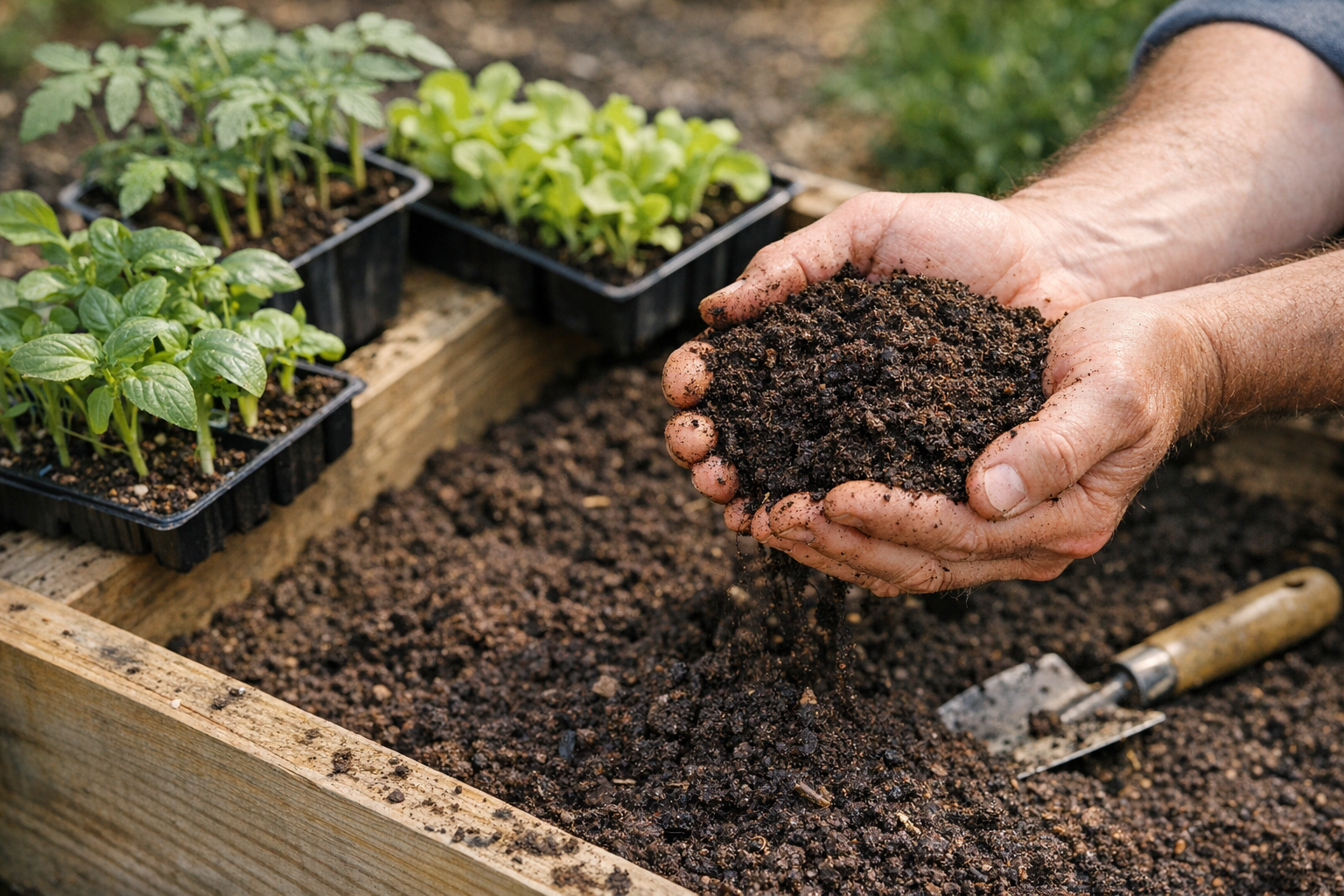
Best Raised Bed Soil Mixes (2026 Buyer's Guide)
Bagged soil for raised beds is a minefield. We tested the top brands for vegetable yield, drainage, and value to find the soil mixes that actually grow food.
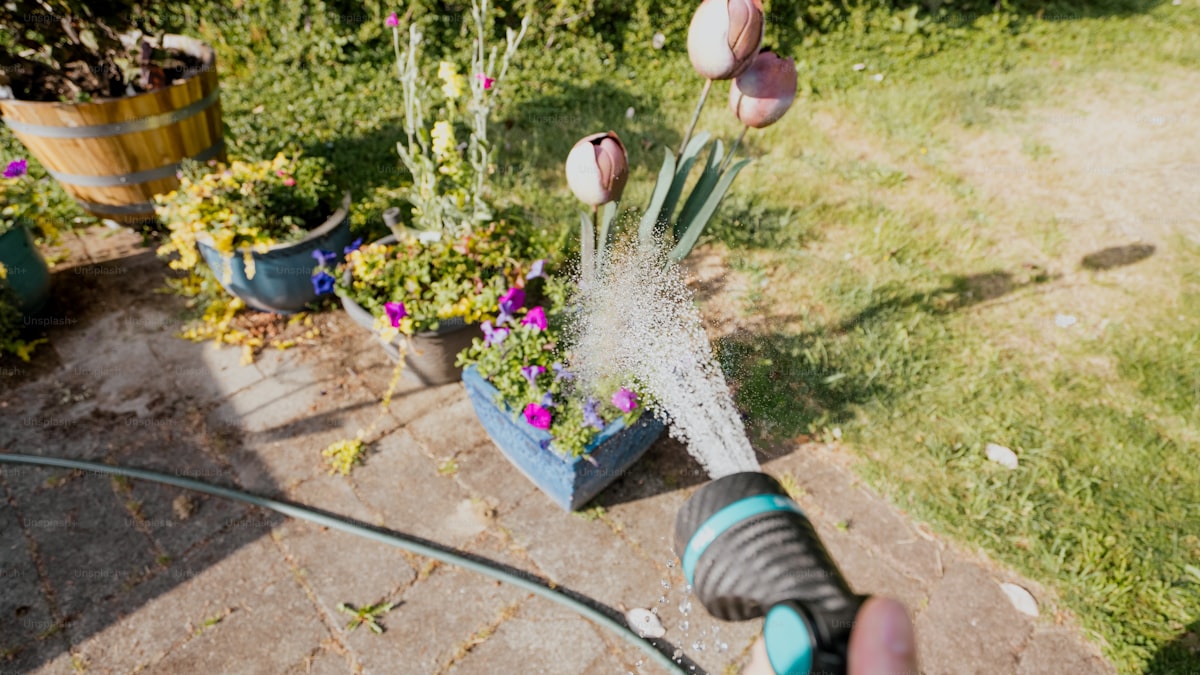
5 Best Garden Hose Nozzles and Sprayers (2026)
Find the perfect garden hose nozzle for watering plants, washing cars, and cleaning patios. We compared the top sprayers — here are the 5 best for every job.
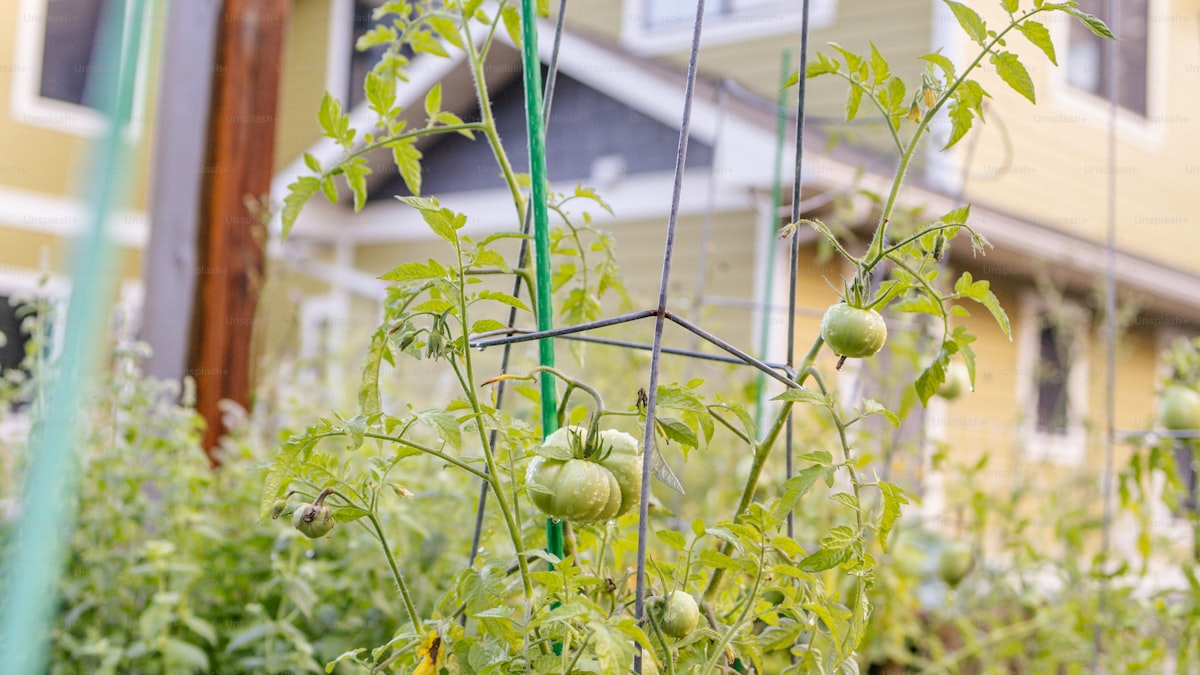
Best Raised Garden Bed Kits You Can Order Online (2026)
The best raised garden bed kits for beginners and experienced gardeners. We compare wood, metal, and composite options with honest reviews and setup tips.
Related Articles
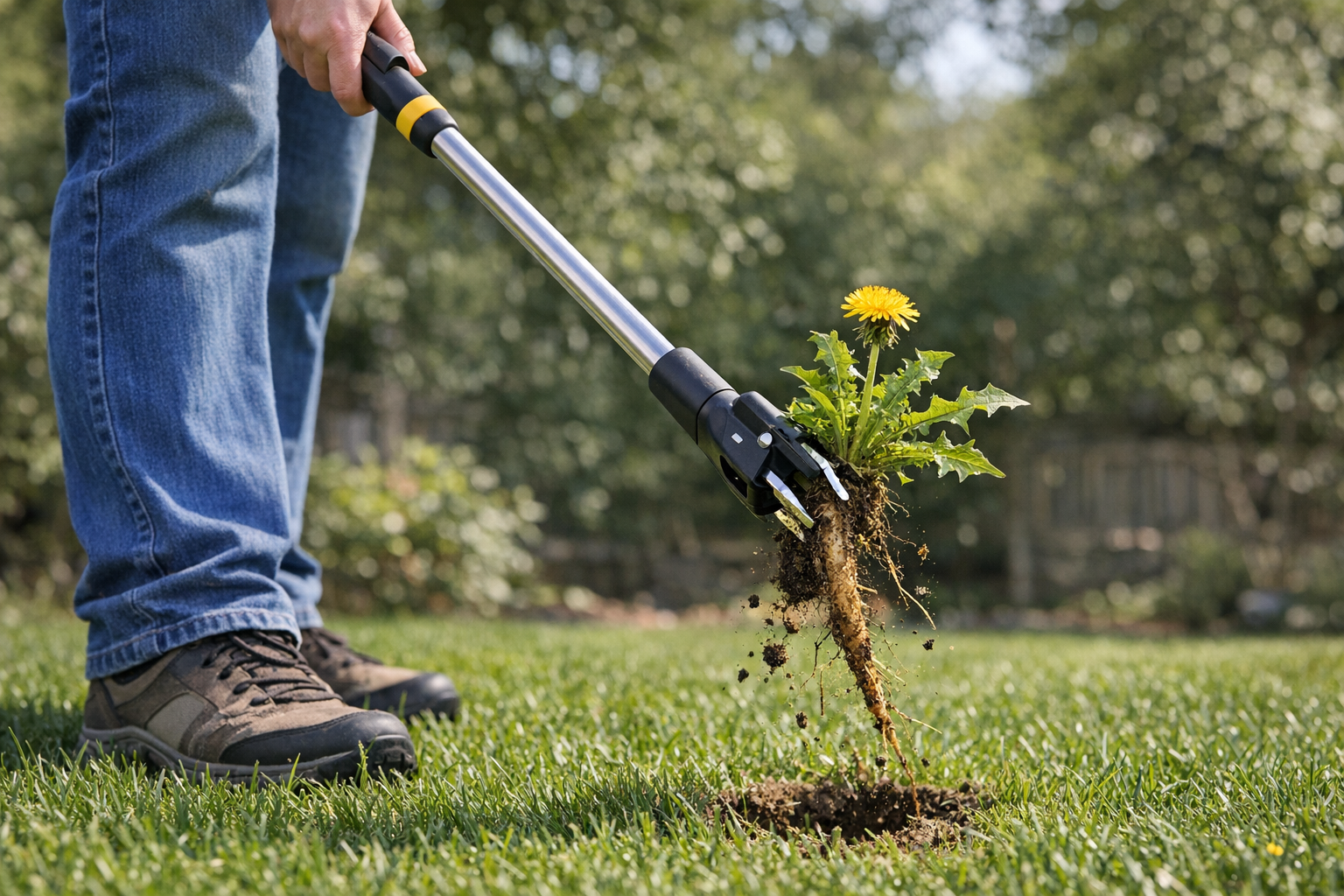
How to Get Rid of Dandelions Naturally (Without Killing the Lawn)
Dandelions are stubborn but beatable without chemical herbicides. Here's the 3-pronged natural approach that works long-term — and the tools that make it easy.
When to Plant Warm-Weather Annuals (And Which Are Easiest)
Tomato, pepper, basil, marigold — all are warm-weather plants that hate cold soil. Here's how to time the transplant for the longest possible harvest.
How to Build a DIY Garden Trellis for Climbing Vegetables
A sturdy trellis doubles your garden's yield per square foot. Here's how to build three easy styles using cheap materials in under an hour each.
How to Start a Container Herb Garden on a Balcony
Fresh herbs all summer from a small apartment balcony or porch — even with limited sun. Picks for the easiest herbs, the right pots, and the soil that actually works.