Graduation Gift Checklist: Dorm Essentials Every New College Student Needs
This article may contain affiliate links. If you make a purchase through these links, we may earn a small commission at no extra cost to you. Learn more
Quick Answer
Graduation Gift Checklist: Dorm Essentials Every New College Student Needs
The dorm essentials every new student actually needs fall into five buckets: bedding (Twin XL), storage that uses vertical and under-bed space, a good desk lamp, laundry gear, and a power strip with surge protection. Buy these first, skip the gimmicks, and you can outfit a dorm well for around $250 to $350.
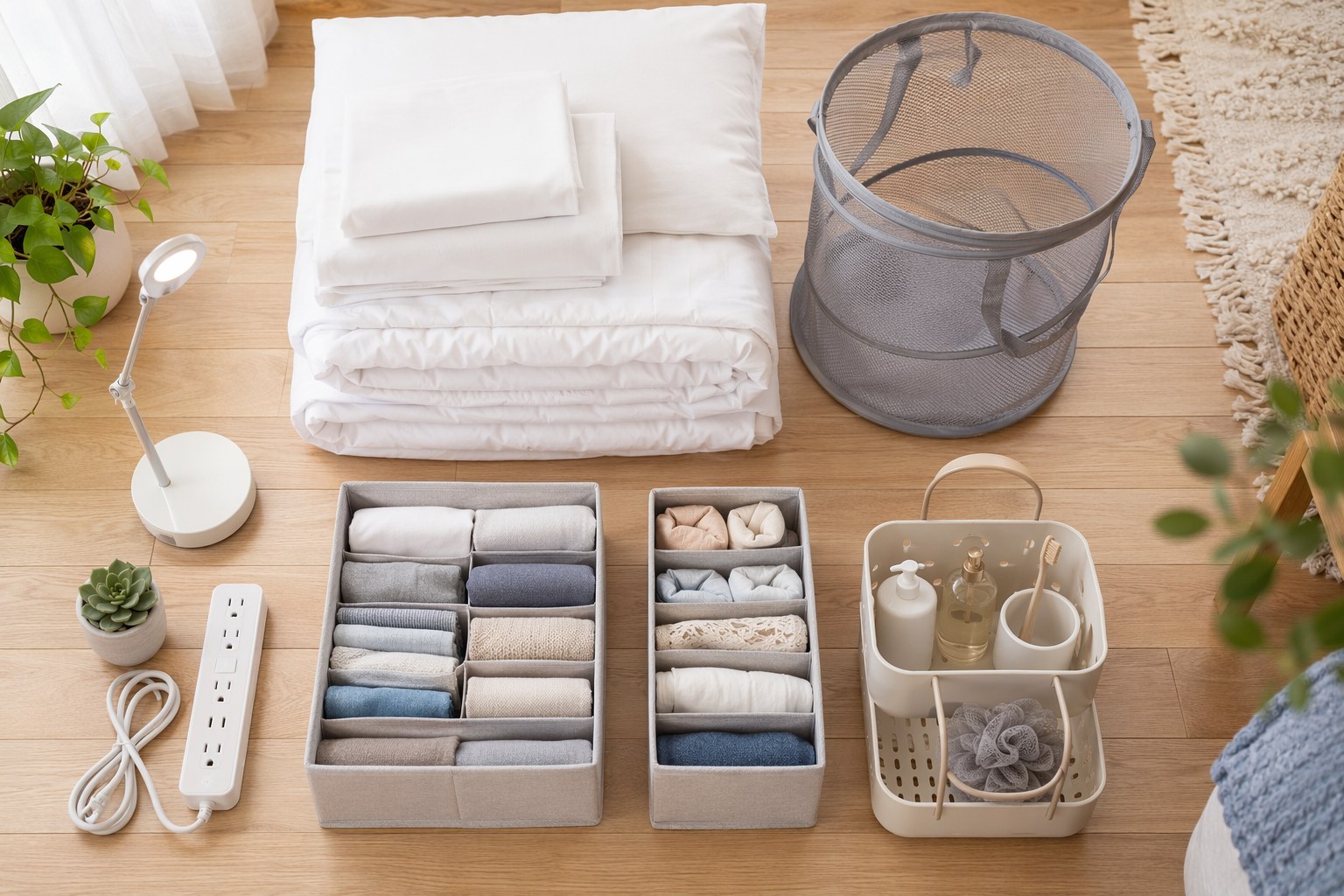
I have sent two kids off to college, and I can tell you exactly what happens if you buy a dorm "starter kit" off the shelf: half of it comes back home in October, unused. The pop-up hamper that fell apart. The throw pillows nobody slept on. The desk caddy that didn't fit the desk. You spent the money, and the actual problems, like nowhere to put a damp towel and not enough outlets, never got solved.
So this is not a wish list. It is the checklist I wish someone had handed me the first time, organized by what genuinely matters. I have grouped 20 essentials into four priority tiers so you can spend in the right order: buy the must-haves first, add the comfort items if there's budget, and feel free to skip the last tier entirely. Done well, you can outfit a dorm for around $250 to $350. Done as a panic-buy at the big-box store the week of move-in, it's easily double that for worse results.

A Quick Word Before You Buy Anything
Two rules save more money and frustration than any single product.
First, check the housing portal before you order. Most schools publish exact room dimensions, what's already provided, and a banned-items list. Many dorms include a mini-fridge and microwave, prohibit candles and certain power strips, and specify whether mattresses are Twin or Twin XL. Buying a Twin comforter for a Twin XL bed is the single most common mistake I see, and it's an annoying return.
Second, coordinate with the roommate. Two mini-fridges, two rugs, and two trash cans in a 12-by-15-foot room is a waste. A quick group text in July sorts out who brings the shared big-ticket items.
The same logic that makes a small closet work makes a dorm work: empty space is the enemy, vertical space is your friend. If you want the deeper version of that philosophy, our guide to organizing a small closet to maximize every inch translates directly to a dorm wardrobe.
Tier 1: The Non-Negotiables (Buy These First)
These five categories solve the problems that actually wreck a freshman's first month. Spend here even if it means skipping everything else.
1. Twin XL bedding set. The dorm bed is almost always Twin XL, which is five inches longer than a standard Twin. You need at least two fitted sheets (one on the bed, one in the wash), a comforter or duvet, and two pillowcases. A microfiber 5-piece set is the budget sweet spot at roughly $35 to $50.
2. Mattress protector and a topper. Dorm mattresses are vinyl-wrapped, thin, and have hosted who-knows-how-many sleepers. A zippered, waterproof encasement (not just a fitted pad) plus a 2- to 3-inch memory foam topper is the upgrade students notice most. This is the closest thing to a guaranteed good first semester of sleep, and the same temperature and comfort principles in our bedroom setup for better sleep guide apply in a dorm.
3. A real desk lamp. Overhead dorm lighting is harsh fluorescent or a single dim fixture. A dimmable LED desk lamp with a USB port pulls double duty as task light and a phone charger, and the warm-white setting matters for late-night studying without frying your eyes.
4. A laundry system. Not just a basket: a sturdy hamper that can be carried to a laundry room down the hall or across campus. A collapsible mesh hamper with backpack straps sounds gimmicky but is genuinely the best version, because students will not make the trip if it's a pain. Add a mesh delicates bag and a small detergent.
5. A surge-protected power strip. Dorm rooms are notoriously short on outlets, often just two per student. A flat-plug power strip with surge protection and USB ports is essential. Important: many schools ban cheap "power strips" and require UL-listed surge protectors specifically, so check the housing rules before buying.
LED Desk Lamp USB Dimmable
A dimmable, warm-to-cool LED desk lamp with a built-in USB charging port that replaces harsh dorm overhead lighting and keeps a phone charged.
Check Price on Amazon →Tier 2: The Storage Layer (This Is Where Dorms Are Won)
A dorm is a tiny apartment with one closet, one desk, and almost no drawers. Storage is the difference between a calm room and a floor you can't see. These four items reclaim space that already exists but goes unused.
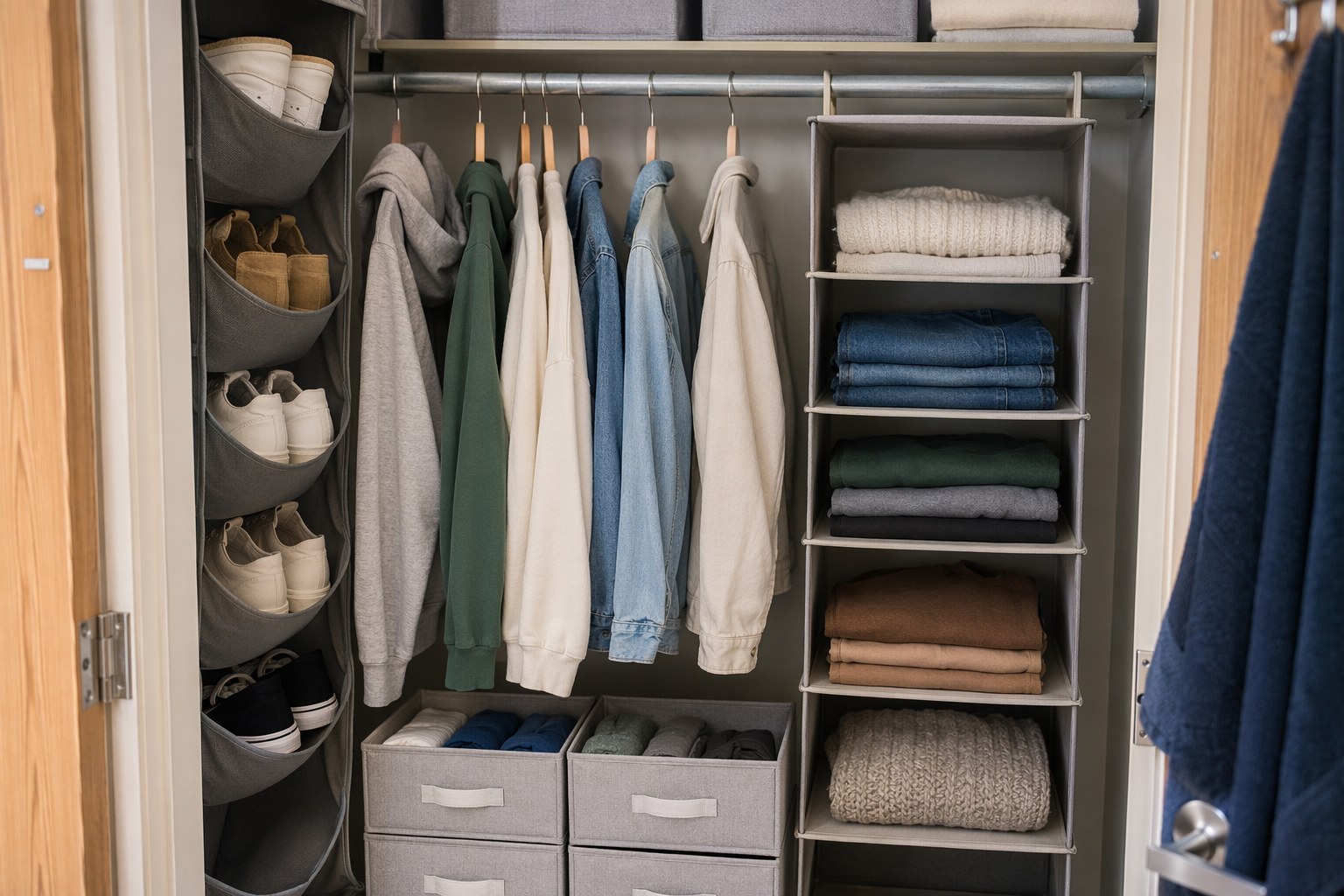
6. Under-bed storage with wheels. Most dorm beds can be lofted or raised, leaving a foot or more of dead space underneath. Wheeled, low-profile bins glide out for off-season clothes, extra bedding, and shoes. Measure the under-bed clearance first, because heights vary wildly.
7. Fabric drawer organizers. The provided dresser drawers are usually deep and chaotic. Drawer dividers turn one jumbled drawer into sorted compartments for socks, underwear, and tees. Cheap, lightweight, and they instantly make a tiny dresser hold more.
8. An over-the-door hook or shoe organizer. The back of the door and the closet door are prime, ignored real estate. A hanging organizer holds shoes, toiletries, cleaning supplies, or snacks without touching the floor.
9. A closet rod divider system. A 5-tier hanging shelf adds folded-clothes and accessory storage to a closet that's all rod and no shelves. Combined with slim hangers, it can nearly double a small closet's capacity.
Build the storage layer thoughtfully and the room more or less keeps itself tidy. For the full budget breakdown on outfitting a dorm's storage from scratch, our companion piece on graduation dorm storage organization on a budget walks through every category with target prices.
Under-Bed Storage Container with Wheels
Low-profile, wheeled under-bed bins that roll out easily and reclaim the dead space beneath a lofted dorm bed for clothes and supplies.
Check Price on Amazon →Tier 3: Comfort and Function (Add If There's Budget)
These aren't survival items, but each one earns its place. I'd rather a student have these than a pile of decorative throw pillows.
10. A small fan. Many dorms have no air conditioning or weak central air. A clip-on or tower fan is non-negotiable for the warm weeks of August and September.
11. A shower caddy. For shared bathrooms, a quick-dry mesh or plastic caddy carries everything down the hall and lets it drain. Get one with a handle and drainage holes, not a flat tote that pools water.
12. A bath towel set and a quick-dry robe. Two bath towels, two hand towels, two washcloths. The robe matters more than you'd think for the walk to a shared bathroom.
13. A first-aid and basics kit. Bandages, ibuprofen, a thermometer, cold medicine, and a few backups. Students get sick the first month away, and the campus store is expensive and far.
14. Command hooks and removable strips. Dorm contracts forbid nails and tape that damages walls. Removable hooks hang towels, calendars, string lights, and keys without losing the security deposit.
15. A small toolkit or multitool. A screwdriver, a measuring tape, and a few zip ties handle furniture assembly and quick fixes. A basic multitool covers most of it.
16. Noise-isolating headphones. Roommate situations and library all-nighters make these worth it for focus and sanity.
Tier 4: Nice-to-Have (Honestly, Skip Most of These)
Here's where retail starter kits pad the price. Buy these only if the budget is comfortable and the student specifically wants them.
17. A rug. Adds warmth to a cold floor, but it's bulky to store and a magnet for spills. Skip unless the floor is genuinely awful.
18. String lights or LED strips. Fun, cheap, and great for ambiance, but purely cosmetic. Confirm they're allowed; some schools restrict them as a fire risk.
19. A coffee maker or electric kettle. Convenient, but many dorms ban open-coil and exposed-element appliances. Check the rules, and consider a single-serve option only if drinks are a daily habit.
20. A mini-fridge and microwave. Often the most expensive items, and frequently already provided or rentable through the school for less than buying. Coordinate with the roommate before anyone buys one.

What to Buy Cheap vs. What to Splurge On
After two move-ins, my spending rule is simple. Splurge where comfort or longevity pays off daily, and go cheap where the item is replaceable or barely used.
| Splurge on | Buy cheap on |
|---|---|
| Mattress topper and protector | Storage bins and drawer organizers |
| Desk lamp (used hours every day) | Hampers and laundry bags |
| Headphones | Towels and washcloths |
| A quality power/surge strip | Command hooks, fan, shower caddy |
The topper is the clearest example. A student sleeps on it 200-plus nights a year. Saving $15 on a thin one they hate is a bad trade. Meanwhile, a $9 set of drawer dividers does its job exactly as well as a $25 set.
Where to Find the Best Deals
Timing and source matter as much as the products. A few hard-won pointers:
- Shop the late-July back-to-school window. Storage, bedding, and small appliances hit their lowest prices then, well before the move-in scramble.
- Buy storage and basics online; buy bulky items near campus. Have a rug, fridge, or fan delivered to a store close to school for pickup, so you're not packing it in the car or paying oversize shipping.
- Check the school's own programs. Many universities partner with rental services for fridges and microwaves and sell linen packages sized exactly to their beds. Sometimes that's the cheapest, simplest route.
- Watch for surge-protector compliance. A few dollars more for a UL-listed model beats having it confiscated at move-in.
A dorm is essentially a command center for the next four years of a student's life, so the same labeling-and-zones thinking we use in our family command center guide is worth applying to a desk and entry area. And the moment a student moves into a first apartment, that dorm storage instinct scales straight up into our small kitchen organization tips.
Frequently Asked Questions
What is the one dorm essential people forget most often?
A good surge-protected power strip with USB ports. New students focus on bedding and decor and overlook the fact that dorm rooms typically have only two outlets per person, while everyone now juggles a laptop, phone, tablet, lamp, and fan. Confirm your school's specific requirement, since many ban basic power strips and require a UL-listed surge protector.
How much should I budget for dorm essentials?
For the genuine must-haves and storage layer (Tiers 1 and 2 here), plan on roughly $250 to $350. Adding the comfort items in Tier 3 brings most students to around $400 to $500 total, before any mini-fridge or microwave. The biggest savings come from skipping the decorative extras and coordinating shared items with a roommate so you don't double up.
What should I NOT buy for a dorm?
Skip anything banned by housing (candles, halogen lamps, many open-element appliances), duplicate big items the school already provides, and most decorative starter-kit padding. Avoid full-size Twin bedding (dorm beds are usually Twin XL), oversized furniture that won't fit, and flimsy pop-up hampers that fall apart by midterms. When in doubt, the housing portal's provided-and-prohibited list is the final word.
Twin or Twin XL bedding for a dorm?
Twin XL in the vast majority of cases. Dorm mattresses are typically five inches longer than a standard Twin, so regular Twin fitted sheets and comforters won't tuck in properly. Always confirm on the housing site before ordering, because a small number of schools still use standard Twins.
When is the best time to buy dorm supplies?
Late July through early August, during the back-to-school sales, is the sweet spot for the lowest prices on bedding, storage, and small appliances. Buying the week of move-in means higher prices, picked-over shelves, and shipping delays. Order the small stuff early and reserve bulky pickups for a store near campus.
Buy by Tier, Not by Aisle
The difference between a dorm that works and one that's a constant source of stress isn't money, it's sequence. Buy the non-negotiables first, build the storage layer that keeps the tiny room from drowning in stuff, and add comfort items only as the budget allows. Skip the cosmetic extras with zero guilt.
Print this checklist, walk through it with your graduate, and cross off what their school already provides. You'll spend less, pack the car lighter, and send them off with a room that actually supports the work and rest of the next four years.
Get weekly home tips that actually work
Join thousands of homeowners getting practical cleaning hacks, DIY fixes, and money-saving tips every week. Free, and you can unsubscribe anytime.

Written by
Beth SullivanFounder & Editor-in-Chief
Beth Sullivan is the founder of Practical Home Guides. With over a decade of hands-on experience tackling every home challenge imaginable, she started this site to share the practical, no-nonsense solutions she wishes she had found years ago. When she's not testing cleaning hacks or organizing pantries, you'll find her in the garden or working on her next DIY project.
Recommended Products
Looking for specific product recommendations? Check out our tested picks.
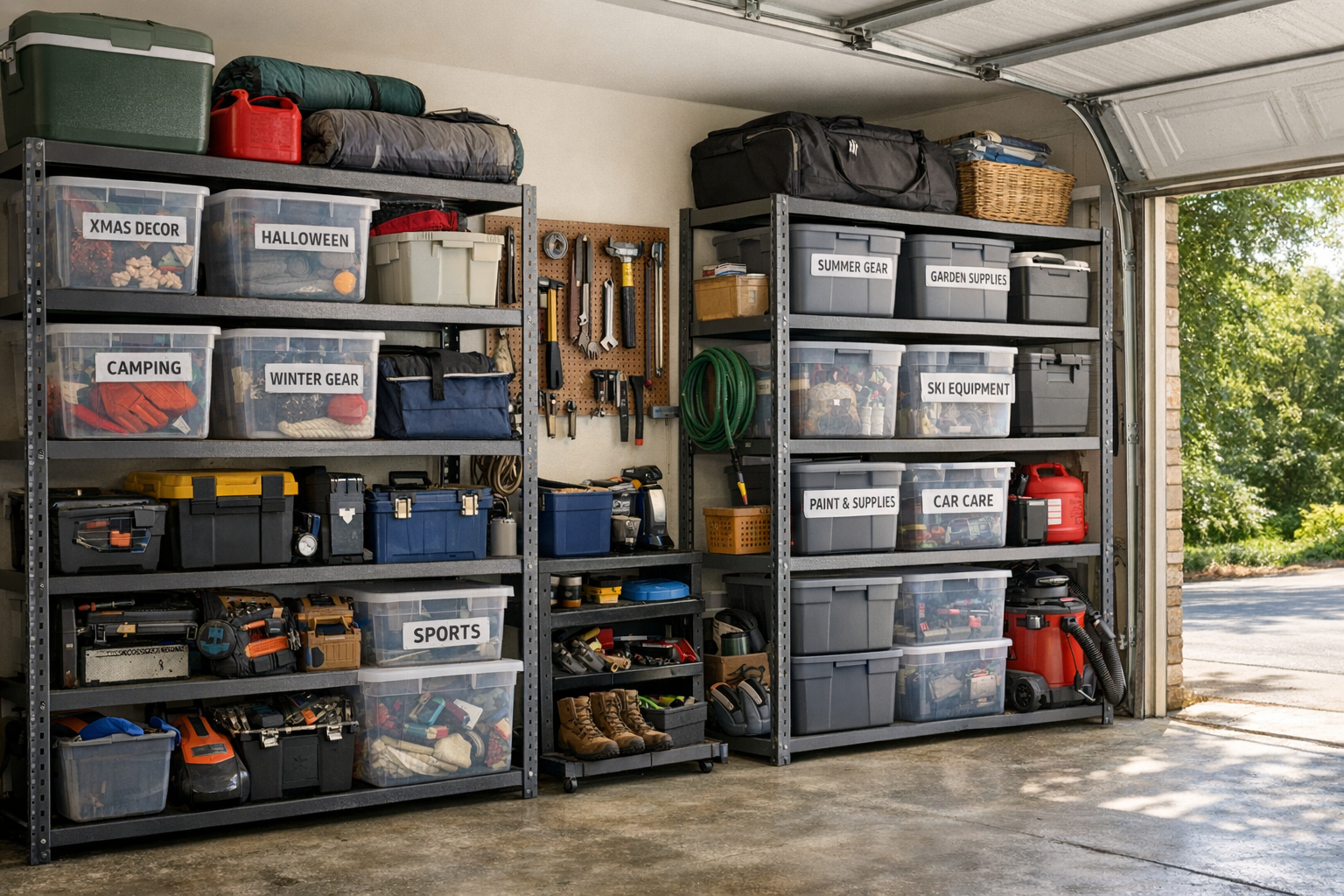
Best Garage Shelving Systems (2026 Tested)
Wire shelving, freestanding steel, wall-mounted, and overhead — we tested the garage shelving systems that hold real weight without sagging.

5 Best Closet Organizer Systems Under $100 (2026)
Transform your cluttered closet without spending a fortune. We compared the top closet organizer systems under $100 — here are the 5 best for different closet sizes and needs.

Best Storage Bins and Organizers for Every Room (2026)
The best storage bins, baskets, and organizers for closets, pantries, bathrooms, and garages. Practical picks at every price point to get your home organized.
Related Articles

The Complete Home Organization System: A Room-by-Room Master Plan
A room-by-room home organization master plan with a proven system, product picks, and a realistic schedule to organize your entire house without burning out.
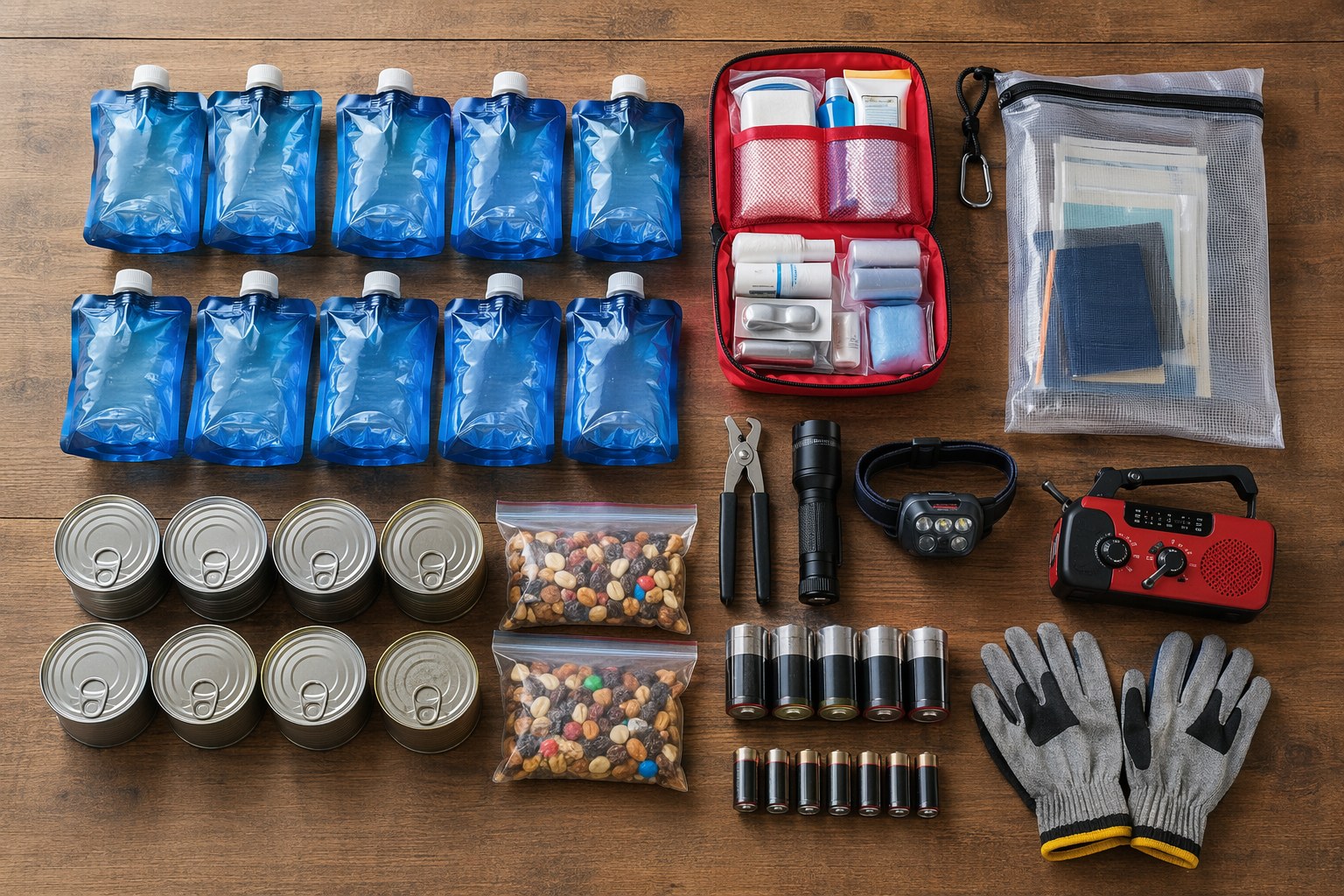
Hurricane Season Prep: June 1 Home Readiness Checklist for Coastal Areas
A June 1 hurricane readiness checklist for coastal homes: build your emergency kit, harden the property, and stockpile supplies before the season peaks in fall.

Graduation Gift: Tech Essentials for College Success
The 2026 graduation tech gift list that balances budget and function: laptop, noise-canceling earbuds, power bank, and the upgrades worth your money.

Summer Bedroom Comfort: Cooling Bedding & Sleep Setup Guide
A sleep coach's guide to staying cool in hot weather: breathable bedding, pillow placement, and temperature hacks for better rest from May through August.