How to Grow Lettuce at Home (Indoors or Outdoors)
This article may contain affiliate links. If you make a purchase through these links, we may earn a small commission at no extra cost to you. Learn more
Quick Answer
How to Grow Lettuce at Home (Indoors or Outdoors)
Lettuce is one of the easiest vegetables to grow at home. Fill a container at least 6 inches deep with potting soil, scatter seeds on the surface and lightly press them in (don't bury them — they need light to germinate), water gently, and place in a spot with 4-6 hours of sunlight. Seeds sprout in 7-10 days. Start harvesting outer leaves when they're 4-6 inches tall, leaving the center to keep producing. For continuous fresh lettuce, plant new seeds every 2-3 weeks. Lettuce grows best in cool weather (45-65°F) and can be grown indoors year-round on a sunny windowsill.
How to Grow Lettuce at Home (Indoors or Outdoors)
Lettuce is arguably the best vegetable for beginning gardeners. It grows fast (harvest in 30-45 days), doesn't need much space, thrives in containers, tolerates partial shade, and — unlike tomatoes or peppers — actually prefers cool weather. You can grow it on a kitchen windowsill in February or in a backyard garden bed in spring and fall.
A single packet of lettuce seeds costs $2-4 and produces enough lettuce for weeks of salads. Compare that to the $3-5 you pay for a single head at the grocery store, and the math is obvious. Here's how to get started.
What Are the Best Lettuce Varieties to Grow at Home?
Not all lettuce is equal when it comes to home growing. Loose-leaf varieties are the easiest and most productive for beginners.
Best for beginners:
- Loose-leaf lettuce (e.g., Red Sails, Black Seeded Simpson, Salad Bowl) — Doesn't form a head, so you can harvest outer leaves continuously. Fastest growing and most forgiving.
- Butterhead (e.g., Buttercrunch, Bibb) — Forms loose, tender heads. Slightly slower but very beginner-friendly. Excellent flavor.
- Romaine (e.g., Parris Island, Little Gem) — Forms upright heads with crisp leaves. Takes a bit longer (60-70 days for full heads) but you can harvest outer leaves early.
For containers specifically: Choose compact varieties like Little Gem romaine, Tom Thumb butterhead, or any loose-leaf mix labeled "cut and come again." These are bred for small spaces and container growing.
Avoid for beginners: Iceberg lettuce. It requires a long, cool growing season, is fussy about heat, and takes 70-80 days to form a head. If you want crisphead lettuce, try Crispino instead — it's more heat tolerant.
How Do You Plant Lettuce Seeds?
Lettuce seeds are tiny, but planting them is straightforward.
In containers:
- Use a container at least 6 inches deep and 12 inches wide with drainage holes. A window box planter works perfectly.
- Fill with quality potting mix — not garden soil, which compacts in containers.
- Moisten the soil before planting.
- Scatter seeds lightly across the surface. Lettuce seeds need light to germinate — don't bury them. Just press them gently into the soil surface.
- Mist with water. Keep the soil consistently moist (not soggy) until seeds sprout.
- Seeds germinate in 7-10 days. Thin seedlings to 4-6 inches apart once they have 2-3 true leaves. Use the thinnings in a salad — they're tender and delicious.
In a garden bed:
Same process, but you can plant in rows spaced 12 inches apart. Lettuce grows well in raised beds because you can control the soil quality. If you're starting a vegetable garden, lettuce is one of the first things to plant.
Indoor growing: Place containers on a sunny windowsill that gets at least 4-6 hours of sunlight. South-facing windows are ideal. If you don't have enough natural light, a basic LED grow light positioned 6-12 inches above the plants fills the gap. Keep the light on for 12-14 hours per day.
How Do You Care for Growing Lettuce?
Lettuce is low-maintenance but does have a few requirements.
Watering
Keep the soil consistently moist — not waterlogged, not bone dry. Lettuce has shallow roots and dries out quickly, especially in containers. Check daily and water when the top inch of soil feels dry. Water in the morning so leaves dry before evening (wet leaves overnight invite disease).
Light
4-6 hours of direct sunlight for outdoor growing. Lettuce actually prefers partial shade in warmer weather — too much direct sun in hot conditions causes it to bolt (go to seed) and turn bitter. If growing outdoors in late spring, plant where it gets morning sun and afternoon shade.
Temperature
Lettuce thrives in cool weather: 45-65°F is the sweet spot. It tolerates light frost (down to about 28°F with protection) and can handle warm days up to 75°F. Above 80°F, most varieties bolt quickly.
This cool preference is why lettuce is a perfect spring and fall crop. In many climates, you can plant in early March, harvest through May, skip summer, and plant again in September for a fall harvest. Indoor growing bypasses temperature concerns entirely.
Fertilizing
Lettuce isn't a heavy feeder. If you used quality potting mix, you won't need fertilizer for the first harvest. For subsequent plantings in the same soil, a light application of liquid fertilizer every 2-3 weeks is enough. Use something balanced or slightly nitrogen-heavy — nitrogen promotes the leafy growth you want.
How Do You Harvest Lettuce So It Keeps Growing?
The "cut and come again" method gives you weeks of continuous harvest from a single planting.
For loose-leaf and butterhead varieties:
- Wait until leaves are 4-6 inches tall (about 30 days from planting)
- Cut or pinch the outer leaves, leaving the center rosette and inner leaves intact
- The plant will continue producing new leaves from the center
- Harvest outer leaves every few days as they reach full size
- A single plant can produce for 3-6 weeks this way before it eventually bolts
For romaine:
You can either harvest outer leaves like loose-leaf, or cut the entire head 1 inch above the soil line. The stump will often regrow for a second (smaller) harvest.
When to pull the whole plant:
When you see a central stalk starting to elongate upward, the plant is bolting (going to seed). The leaves will turn bitter. Pull the plant and plant new seeds. This is normal — it's not something you did wrong.
How Do You Grow Lettuce Year-Round?
The key to continuous fresh lettuce is succession planting — planting new seeds every 2-3 weeks so you always have plants at different stages of growth.
Simple succession schedule:
- Week 1: Plant your first batch of seeds
- Week 3: Plant a second batch in a new container or section of your bed
- Week 5: Plant a third batch
- Week 6: Start harvesting from the first batch
- Continue the pattern indefinitely
With three to four containers in rotation, you'll have fresh lettuce available every day once the system is established. This is especially effective for indoor growing where you control the conditions.
If you're starting seeds indoors for other vegetables, add lettuce to the rotation — it's perfect for using leftover windowsill space.
Common Mistakes When Growing Lettuce
Planting Too Deep
Lettuce seeds need light to germinate. If you bury them even a quarter inch deep, germination rates plummet. Just scatter on the surface and press gently.
Too Much Heat
Lettuce turns bitter and bolts fast in hot weather. If temperatures regularly exceed 75°F, move containers to a shadier spot or grow indoors. Don't try to grow lettuce in midsummer unless you're in a cool climate.
Overcrowding
Thin seedlings to 4-6 inches apart. Crowded lettuce grows leggy, doesn't form nice leaves, and is more prone to disease from poor air circulation.
Inconsistent Watering
Lettuce that dries out and then gets flooded develops tough, bitter leaves. Consistent moisture produces tender, sweet leaves. A self-watering planter solves this if you're forgetful.

Frequently Asked Questions
Can you grow lettuce indoors all year?
Yes. With a sunny south-facing window or an LED grow light, you can grow lettuce indoors year-round regardless of outdoor weather. Indoor growing eliminates temperature concerns and extends the growing season to 365 days. Loose-leaf varieties perform best indoors.
How long does lettuce take to grow from seed?
Loose-leaf varieties are ready for the first harvest in 30-45 days from seeding. Butterhead takes 45-55 days for full heads. Romaine takes 55-70 days for full heads, but you can harvest outer leaves starting at 30 days.
Does lettuce regrow after cutting?
Yes, if you cut above the growing point. The "cut and come again" method — harvesting outer leaves while leaving the center intact — allows the plant to continuously produce new growth for 3-6 weeks. Even cutting the whole plant 1 inch above the soil often results in a second, smaller harvest.
What's the easiest lettuce variety for complete beginners?
Salad Bowl (green or red) loose-leaf lettuce. It's fast, forgiving, heat-tolerant compared to most varieties, and works in containers or garden beds. A close second is Buttercrunch — it forms beautiful small heads and has excellent flavor.
Start This Weekend
A packet of seeds, a pot, and some potting soil. That's all you need to start growing your own lettuce. Plant a batch this weekend, and in a month you'll be eating salads grown on your windowsill. Once you see how easy it is, you'll wonder why you ever bought those plastic clamshells from the grocery store.
Get weekly home tips that actually work
Join thousands of homeowners getting practical cleaning hacks, DIY fixes, and money-saving tips every week. Free, and you can unsubscribe anytime.

Written by
Beth SullivanFounder & Editor-in-Chief
Beth Sullivan is the founder of Practical Home Guides. With over a decade of hands-on experience tackling every home challenge imaginable, she started this site to share the practical, no-nonsense solutions she wishes she had found years ago. When she's not testing cleaning hacks or organizing pantries, you'll find her in the garden or working on her next DIY project.
Recommended Products
Looking for specific product recommendations? Check out our tested picks.
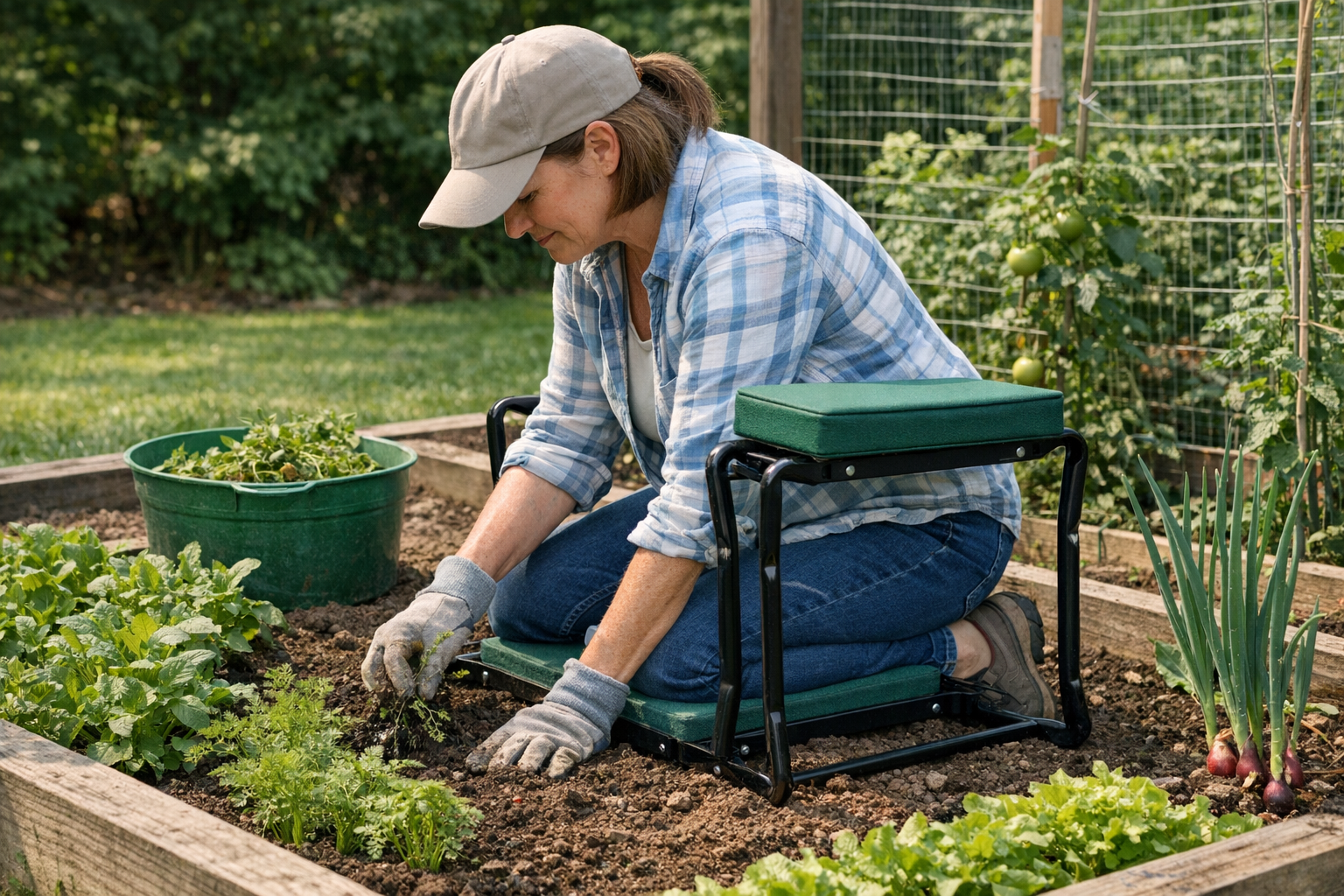
Best Garden Kneelers and Seats (2026 Tested)
Gardening shouldn't wreck your knees and back. We tested kneelers, foldable seats, and rolling carts to find the picks worth the price.
Best Pruning Shears for Gardeners (2026 Guide)
We tested bypass and anvil pruning shears across roses, fruit trees, perennials, and tomato vines. Here are the picks worth your money — and the one to avoid.
Best Raised Bed Soil Mixes (2026 Buyer's Guide)
Bagged soil for raised beds is a minefield. We tested the top brands for vegetable yield, drainage, and value to find the soil mixes that actually grow food.
5 Best Garden Hose Nozzles and Sprayers (2026)
Find the perfect garden hose nozzle for watering plants, washing cars, and cleaning patios. We compared the top sprayers — here are the 5 best for every job.
Best Raised Garden Bed Kits You Can Order Online (2026)
The best raised garden bed kits for beginners and experienced gardeners. We compare wood, metal, and composite options with honest reviews and setup tips.
Related Articles
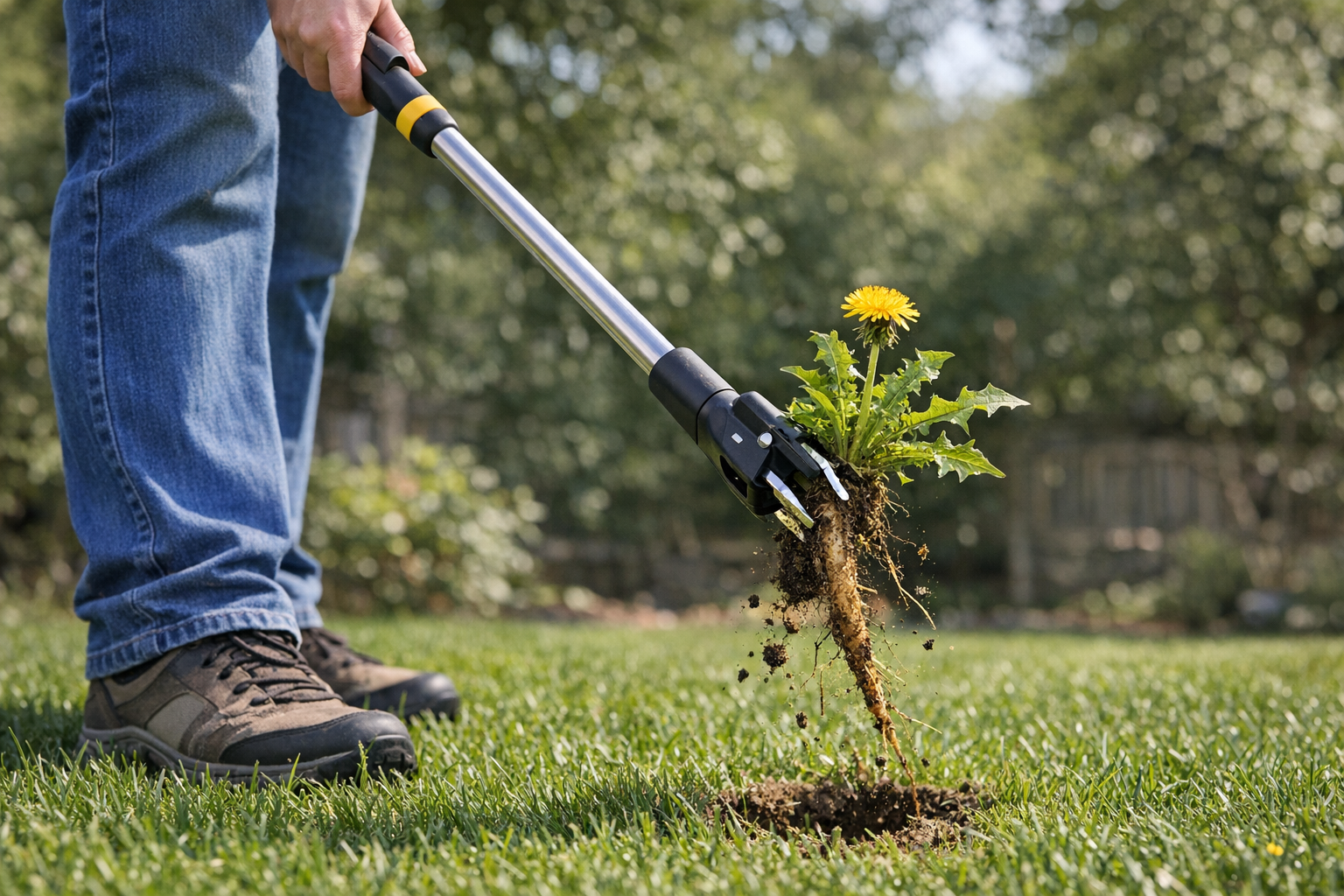
How to Get Rid of Dandelions Naturally (Without Killing the Lawn)
Dandelions are stubborn but beatable without chemical herbicides. Here's the 3-pronged natural approach that works long-term — and the tools that make it easy.
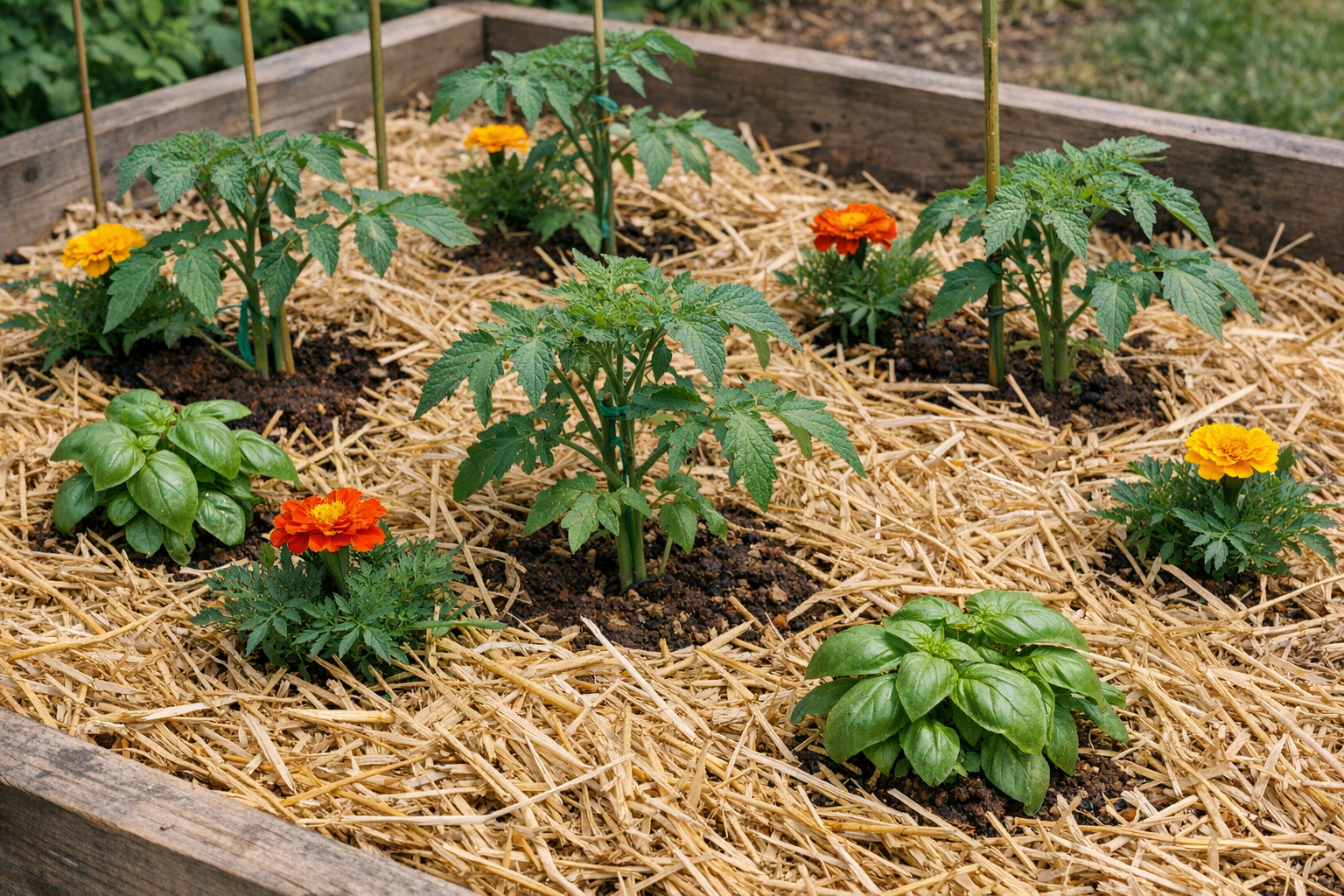
When to Plant Warm-Weather Annuals (And Which Are Easiest)
Tomato, pepper, basil, marigold — all are warm-weather plants that hate cold soil. Here's how to time the transplant for the longest possible harvest.
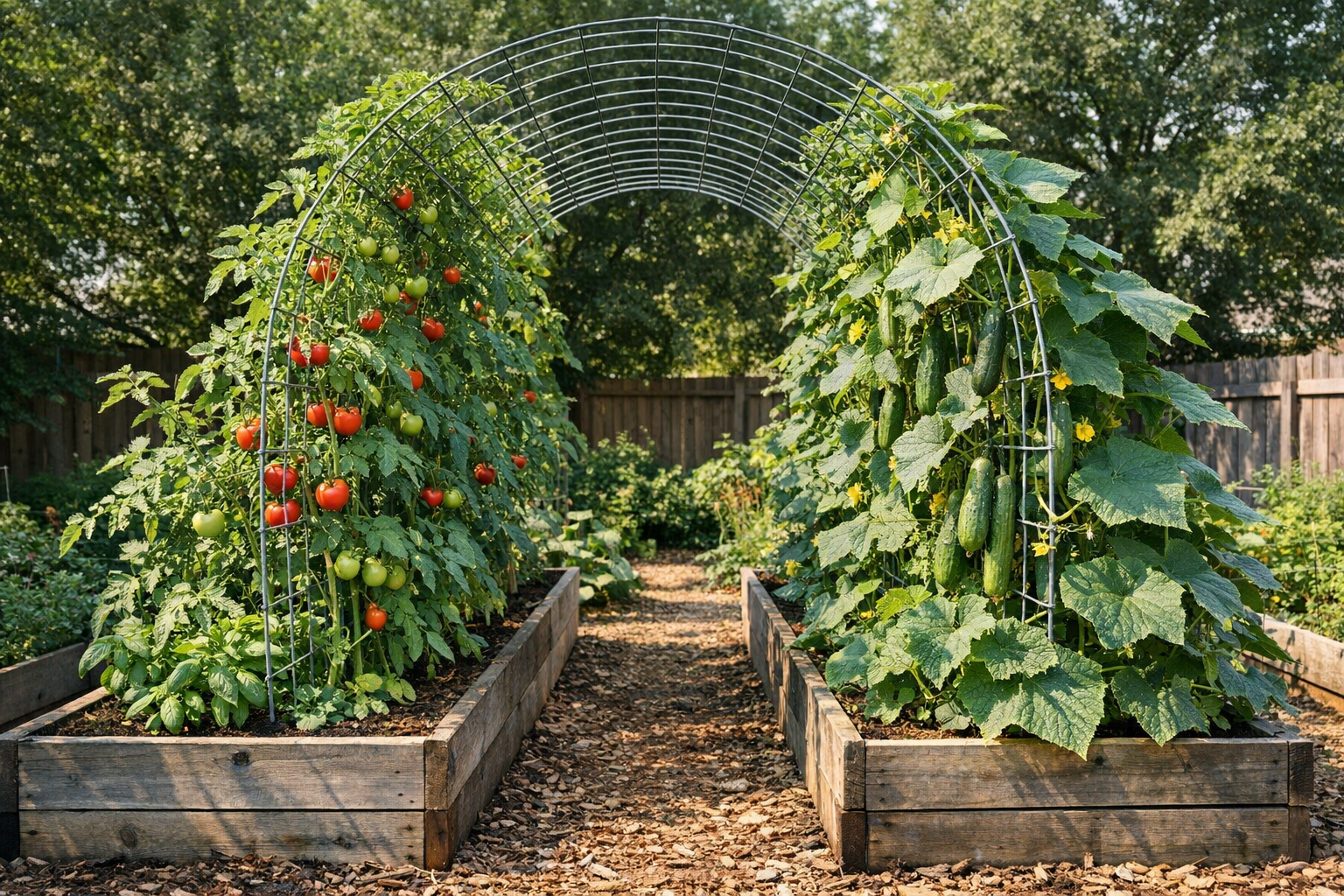
How to Build a DIY Garden Trellis for Climbing Vegetables
A sturdy trellis doubles your garden's yield per square foot. Here's how to build three easy styles using cheap materials in under an hour each.
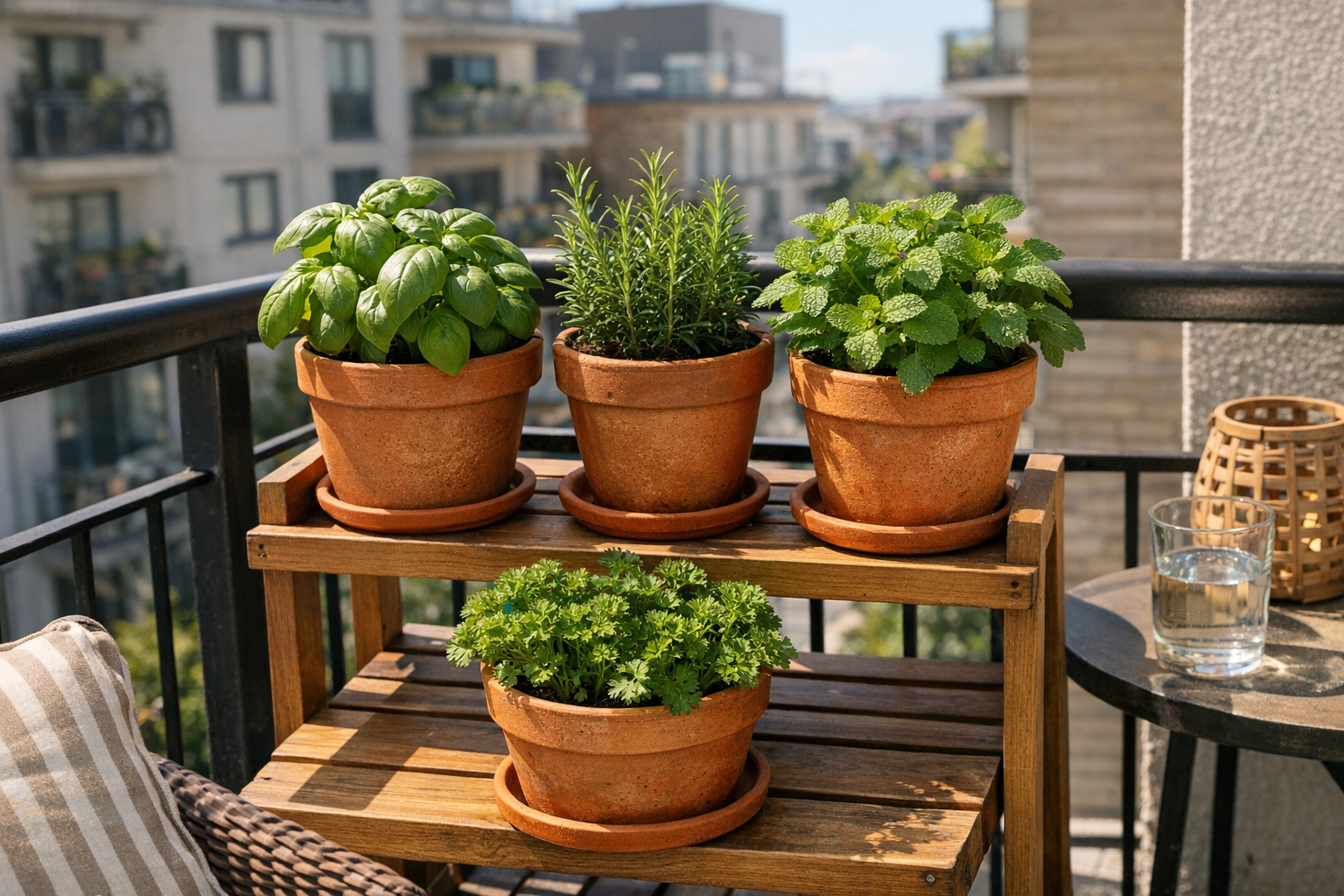
How to Start a Container Herb Garden on a Balcony
Fresh herbs all summer from a small apartment balcony or porch — even with limited sun. Picks for the easiest herbs, the right pots, and the soil that actually works.