How to Fix a Sticking Door
This article may contain affiliate links. If you make a purchase through these links, we may earn a small commission at no extra cost to you. Learn more
Quick Answer
How to Fix a Sticking Door
A sticking door is usually caused by humidity swelling, loose hinges, or a settling frame. Start by tightening the hinge screws -- this alone fixes many sticking doors. If that doesn't work, identify where the door rubs using a thin piece of cardboard, then sand or plane the high spot until the door swings freely. The whole fix takes 30 to 60 minutes with basic tools.
How to Fix a Sticking Door
A sticking door is one of those everyday annoyances that slowly drives you up the wall. Every time you open or close it, you have to shove, tug, or body-check it into cooperating. Maybe it scrapes across the floor, jams against the frame, or requires a full-body lean just to latch. You tell yourself you'll get to it eventually, and then six months go by and you're still wrestling with it twice a day.
Here's the thing -- a sticking door is almost always a straightforward fix. You don't need to be a carpenter. You don't need expensive tools. And in most cases, you can solve the problem in under an hour without removing the door from its hinges. This guide will walk you through every common cause of a sticking door and give you clear, step-by-step instructions for each fix.
What Causes a Door to Stick?
Understanding what's behind the sticking is the fastest path to fixing it. Doors stick for a handful of predictable reasons, and diagnosing the cause correctly saves you from guessing and wasting time on the wrong fix.
Humidity and moisture swelling. Wood is a living material that expands and contracts with changes in humidity. During humid summer months, a wood door absorbs moisture from the air and swells slightly -- sometimes just enough to make it rub against the frame. This is the single most common reason doors stick, especially in bathrooms, kitchens, and entryways.
Loose or sagging hinges. Over time, the screws holding your hinges in place can loosen. When that happens, the door sags downward on the latch side, causing the top corner to catch on the frame. This is extremely common on frequently used doors and heavy solid-core doors that put more stress on the hinge screws.
House settling. All homes settle gradually over the years. As the foundation and framing shift, door frames can go slightly out of square. A frame that was perfectly rectangular when the house was built may now be a fraction of an inch off -- and that fraction is all it takes for the door to bind.
Paint buildup. If you've painted the door or frame multiple times without sanding between coats, the accumulated layers of paint can eat into the clearance gap. Just three or four coats of paint can add enough thickness to cause rubbing. If you're planning a painting project, check out how to paint a room like a pro for tips on proper prep that avoids this problem.
Warped door. In less common cases, the door itself has warped -- twisted or bowed due to moisture, heat, or age. A warped door makes contact at inconsistent points along the frame, making it trickier to diagnose but still fixable in most situations.
How Do You Find Where the Door Is Sticking?
Before you reach for any tools, you need to pinpoint exactly where the door makes contact with the frame. This step takes two minutes and makes the actual repair much faster and more precise.
Step 1: Close the door slowly while watching the edges carefully. Listen for scraping sounds and watch for the point where the door first catches. Pay close attention to the top latch-side corner, which is the most common sticking point.
Step 2: Check the gap between the door and the frame on all four sides. You should see a consistent gap of about 1/8 inch all the way around. Anywhere the gap disappears or gets noticeably tighter is your sticking point.
Step 3: If you can't see the contact point clearly, slide a thin piece of cardboard or a dollar bill around the perimeter of the closed door. Wherever it catches or won't slide through, that's where the door is binding.
Step 4: Mark the sticking area with a pencil or piece of painter's tape so you don't lose track of it once you start working. If the door sticks in multiple spots, mark them all.
Once you know where the door sticks, you can match it to the right fix below. A door that catches at the top latch-side corner is almost always a hinge problem. A door that rubs along the entire side or bottom is more likely a swelling or settling issue.
Can You Fix a Sticking Door by Tightening the Hinges?
Yes -- and this is the fix you should always try first because it's the fastest and easiest. Loose hinges are behind a surprising number of sticking doors, and tightening them takes less than five minutes.
Step 1: Open the door and examine the hinges. Look for any visible gaps between the hinge plate and the door or frame. Try wiggling the door at the hinge side -- if you feel movement, the screws are loose.
Step 2: Using a screwdriver or a drill with a screwdriver bit, tighten every screw on every hinge. Start with the top hinge, which carries the most weight and is the most likely culprit. Check both the door-side and frame-side screws.
Step 3: Test the door. If tightening the screws eliminates the sticking, you're done. This fix works in roughly 30 to 40 percent of sticking door cases.
What If the Screw Holes Are Stripped?
If a screw just spins without tightening, the screw hole has been stripped out and the wood can no longer grip the threads. Don't worry -- this is a simple fix.
Step 1: Remove the loose screw completely.
Step 2: Dip a wooden toothpick or a wooden golf tee in wood glue and push it into the stripped hole. If the hole is badly enlarged, use two or three toothpicks.
Step 3: Snap or cut the toothpicks flush with the surface.
Step 4: Let the glue dry for at least an hour, then drive the screw back in. The fresh wood gives the screw threads something solid to bite into.
This stripped-screw technique is one of the most useful tricks in DIY home repair. You'll use the same method for fixing a loose door handle or any other hardware that's pulling out of wood.
Complete Door Repair Kit with Hinge Shims
All-in-one kit includes cardboard hinge shims, hinge screws in multiple sizes, a hinge pin tool, and wooden dowels for stripped screw holes. Everything you need to fix sagging and sticking doors without a trip to the hardware store.
Check Price on Amazon →How Do You Fix a Door That Sticks at the Top?
A door that catches or rubs along the top edge is almost always sagging on the hinge side. Gravity pulls the weight of the door downward over time, and the top latch-side corner rises into the frame. If tightening the hinge screws didn't fix it, you have two good options.
Option A: Replace a Top Hinge Screw with a Longer One
This is a clever trick that pulls the door back into alignment without any sanding or planing.
Step 1: Remove one of the short screws from the top hinge on the frame side (not the door side). Most interior door hinges use 3/4-inch screws that only reach into the door jamb.
Step 2: Replace it with a 3-inch screw that will reach through the jamb and bite into the wall stud behind it. Use a 3-inch wood screw that matches the diameter of the original screw.
Step 3: As you drive the longer screw in, it will pull the top of the jamb slightly toward the stud, effectively shifting the frame enough to eliminate the sticking at the top corner.
Step 4: Test the door. In many cases, this single screw swap is all it takes.
Option B: Add a Hinge Shim
If the longer screw doesn't fully solve the problem, you can shim the bottom hinge to push the bottom of the door slightly toward the frame, which tilts the top away from it.
Step 1: Unscrew the bottom hinge from the door jamb (keep the door supported).
Step 2: Place a thin piece of cardboard behind the hinge plate as a shim.
Step 3: Screw the hinge back in place over the shim.
Step 4: Test the door and add additional layers of cardboard if needed.
This approach is common in older homes where settling has shifted the frame out of square. If you've been putting off small repairs like this, saving money on home repairs is easier than you think when you handle fixes yourself.
How Do You Sand or Plane a Door That Sticks on the Side or Bottom?
When the sticking is caused by wood swelling, paint buildup, or minor settling along the side or bottom edge, removing a small amount of material from the door itself is the most reliable permanent fix. You have two tools to choose from depending on how much material needs to come off.
For Minor Sticking (Less Than 1/16 Inch)
A sanding block or sheet of coarse sandpaper (60 to 80 grit) is all you need. This approach often works without even removing the door.
Step 1: Open the door and locate the area you marked earlier where it rubs.
Step 2: Sand the high spot using firm, even strokes in the direction of the wood grain. Check your progress frequently by closing the door to test the fit.
Step 3: Once the door closes freely with a consistent gap, switch to 120-grit sandpaper to smooth the surface.
Step 4: Apply primer and paint or a clear sealant to the sanded area to protect the bare wood from moisture. This step is critical -- if you leave bare wood exposed, it will absorb moisture and swell right back to where it was.
For Moderate to Heavy Sticking (More Than 1/16 Inch)
When you need to remove more material, a hand plane is the better tool. It removes wood quickly and evenly, giving you a clean, straight edge.
Step 1: Remove the door from its hinges. Have a helper hold the door while you tap out the hinge pins with a nail and hammer, starting with the bottom hinge. If you're unfamiliar with hinge pin removal, the process is the same one described in our guide to fixing a squeaky door.
Step 2: Set the door on its edge, bracing it securely so it doesn't fall. A door-holding jig or two sawhorses work well, but you can also lean it against a wall and wedge the bottom with your foot.
Step 3: Set the plane to take thin shavings -- you want to remove material gradually, not in big chunks. Plane the marked area using long, smooth strokes in the direction of the wood grain.
Step 4: Check the fit by holding the door up to the frame periodically. You're aiming for that 1/8-inch gap all the way around.
Step 5: Sand the planed area smooth with 120-grit sandpaper, then seal and paint.
If you don't own a hand plane and don't want to buy one, a belt sander removes material quickly and works well for this job. Just be careful not to go too aggressively -- it's easy to remove too much with a power sander. Building a solid home tool kit for beginners is one of the best investments you can make for projects like this.
What If the Door Sticks Only in Summer?
Seasonal sticking is incredibly common and is almost always caused by humidity. The door swells during warm, humid months and shrinks back to normal in the dry winter. If your door operates perfectly in January but jams in July, moisture is your culprit.
You have a few options for dealing with seasonal sticking.
Seal all edges. The top and bottom edges of interior doors are often left unfinished, even when the faces are painted. Unsealed edges act like sponges, absorbing moisture from the air. Remove the door, sand the top and bottom edges lightly, and apply two coats of paint or polyurethane to seal them. This dramatically reduces seasonal swelling.
Use a dehumidifier. Running a dehumidifier in humid areas of your home keeps indoor moisture levels in check, which benefits your doors, windows, and wood floors alike. If you've dealt with sticking windows or squeaky floors, excess humidity may be the common thread.
Sand conservatively. If you sand a door to fit perfectly during summer, it may end up with too much clearance in winter. A better approach is to sand just enough to stop the sticking and accept a slightly larger gap during the dry season. A gap of up to 3/16 inch is perfectly normal and won't affect the door's operation or appearance.
Consider a door sweep adjustment. If the door sticks at the bottom and you have a door sweep or weatherstripping, the sweep itself may be dragging on new flooring or a carpet. Adjusting or replacing the sweep can sometimes solve what appears to be a sticking problem.
How Do You Fix a Sticking Door Without Removing It?
Not everyone wants to wrestle a door off its hinges, and the good news is that many sticking problems can be solved with the door still hanging.
Tighten or replace hinge screws. As covered above, this is the first thing to try and doesn't require removing the door.
Sand in place. For sticking along the latch side, open the door and sand the edge with a sanding block. For the top edge, you can sand from a stepladder. The bottom edge is the hardest to reach while the door is hung, but you can slide a sheet of coarse sandpaper under the door and pull it back and forth to remove small amounts of material.
Use a rubbing candle. For very minor sticking, rubbing a plain wax candle or a bar of soap along the sticking point can reduce friction enough to solve the problem. This is a temporary fix but a useful one when you're in a hurry.
Adjust the strike plate. If the door sticks when latching (it closes fine until you try to push it into the frame to engage the latch), the strike plate on the frame may be slightly out of alignment. Loosen the strike plate screws, reposition the plate a fraction of an inch, and retighten. Some strike plates have adjustable tabs that you can bend with a flathead screwdriver to fine-tune the fit.
These in-place techniques cover most minor sticking issues. For more serious cases where you need to remove significant material, taking the door down gives you much better control and results.
How Do You Prevent Doors from Sticking in the Future?
Once you've fixed a sticking door, a few preventive habits will keep it operating smoothly for years.
Maintain consistent indoor humidity. Keeping your home's humidity between 30 and 50 percent year-round reduces wood movement in doors, floors, trim, and furniture. A hygrometer (humidity monitor) costs less than $15 and lets you track conditions. This is the same principle behind preventing squeaky floors -- stable moisture levels mean stable wood.
Seal all six sides of wood doors. Most people paint the front and back of a door and call it done, but leaving the top, bottom, and edges unsealed invites moisture absorption. Next time you paint a door, take the extra few minutes to coat every surface.
Tighten hinge screws annually. Add this to your seasonal home maintenance routine. Walk through the house with a screwdriver and snug up every hinge. It takes ten minutes and prevents sag before it starts.
Don't over-paint. Each coat of paint adds thickness. If you're repainting a door or frame, sand the existing paint lightly before applying a new coat. This prevents the gradual buildup that eats into clearance gaps over time.
Address settling early. If you notice doors and windows sticking in the same area of your house, it may indicate localized settling. Check for cracks in the walls or ceiling near the affected doors. Minor settling is normal and manageable, but significant or ongoing settling should be evaluated by a professional.
Frequently Asked Questions
Can you fix a sticking door without sanding or planing?
Yes, in many cases. Start by tightening all the hinge screws, which resolves a surprising number of sticking problems. If the door sticks at the top, try replacing a short hinge screw with a 3-inch screw that reaches the wall stud. You can also add a cardboard shim behind a hinge to adjust the door's position in the frame. For very minor sticking, rubbing wax or soap on the contact point reduces friction without removing any material. These methods work well when the sticking is caused by hinge sag or slight misalignment rather than swelling.
Will a sticking door fix itself when the weather changes?
It depends on the cause. If the sticking is purely due to humidity -- the door swells in summer and operates fine in winter -- then yes, it will ease up on its own when conditions dry out. However, sticking caused by loose hinges, settling, or paint buildup won't resolve on its own and will typically get worse over time. If you're unsure, mark the sticking point with pencil and check it again in a different season. If the mark still contacts the frame, the problem is structural rather than seasonal.
Should you sand the door or the frame?
In almost all cases, you should sand or plane the door, not the frame. The door frame is structural and connects to the wall -- modifying it can create gaps around the casing and weatherstripping. The door itself is the replaceable component and is designed to be trimmed to fit. The one exception is minor paint buildup on the frame, which you can sand lightly without affecting the structural integrity. When in doubt, work on the door and leave the frame alone.
How much gap should there be between a door and its frame?
A standard interior door should have approximately 1/8 inch (about 3 mm) of clearance on both sides and the top. The bottom gap depends on your flooring -- 1/2 inch above carpet or 3/8 inch above hard flooring is typical. If you're fitting a door to a room with thick carpet, you may need up to 3/4 inch at the bottom for the door to swing freely over the carpet pile. Use a consistent gap as your guide when sanding or planing, and check frequently to avoid removing too much material.
Final Thoughts
A sticking door feels like a bigger problem than it actually is. You deal with it day after day, assuming it'll require a carpenter or a whole new door, when in reality the fix is often as simple as tightening a few screws or spending twenty minutes with a sanding block. The key is diagnosing the cause correctly -- hinge sag, swelling, settling, or paint buildup -- and then applying the right fix for that specific problem.
Start with the easiest solutions first. Tighten the hinges. Try a longer screw. Check for obvious paint buildup. Only move on to sanding or planing if the simpler fixes don't work. This systematic approach saves time and avoids removing material you didn't need to.
If this is your first time tackling a home repair, congratulations -- fixing a sticking door is one of the most satisfying beginner projects because the results are immediate. You go from fighting the door every time you walk through it to smooth, silent operation. That kind of quick win builds confidence for the next project, whether it's patching drywall, fixing a squeaky floor, or any of the dozens of small improvements that keep a home running well.
Every fix you handle yourself is money you don't spend on a handyman. Across a year of small repairs, those savings add up fast. For more ideas on keeping your home in great shape without breaking the budget, check out our guide to saving money on home repairs.
Now go fix that door. You've got this.
Get weekly home tips that actually work
Join thousands of homeowners getting practical cleaning hacks, DIY fixes, and money-saving tips every week. Free, and you can unsubscribe anytime.

Written by
Beth SullivanFounder & Editor-in-Chief
Beth Sullivan is the founder of Practical Home Guides. With over a decade of hands-on experience tackling every home challenge imaginable, she started this site to share the practical, no-nonsense solutions she wishes she had found years ago. When she's not testing cleaning hacks or organizing pantries, you'll find her in the garden or working on her next DIY project.
Recommended Products
Looking for specific product recommendations? Check out our tested picks.
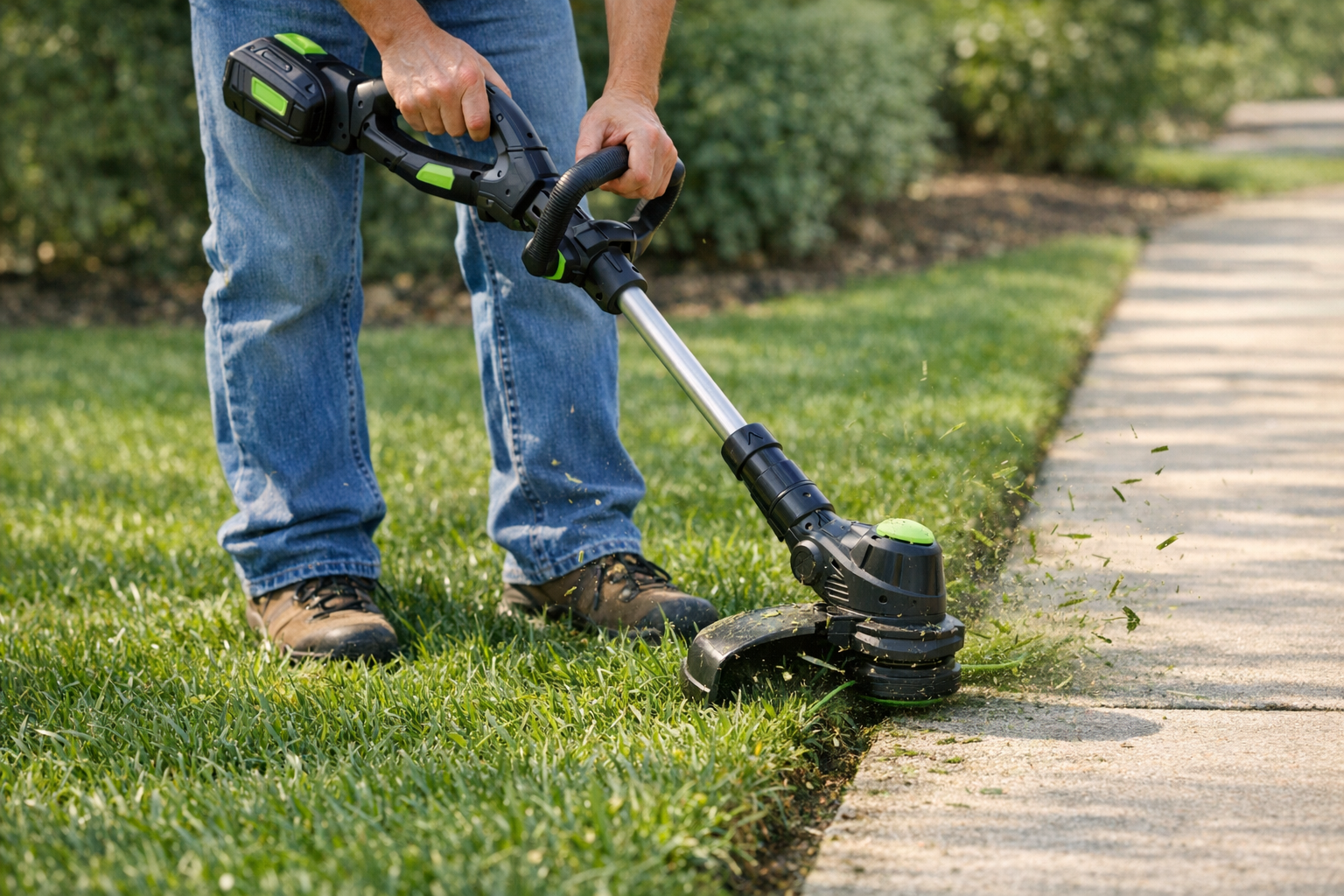
Best Cordless String Trimmers (2026 Tested)
Battery-powered string trimmers have caught up to gas. We tested the top models on bermuda, fescue, and overgrown areas to find the picks worth your money.
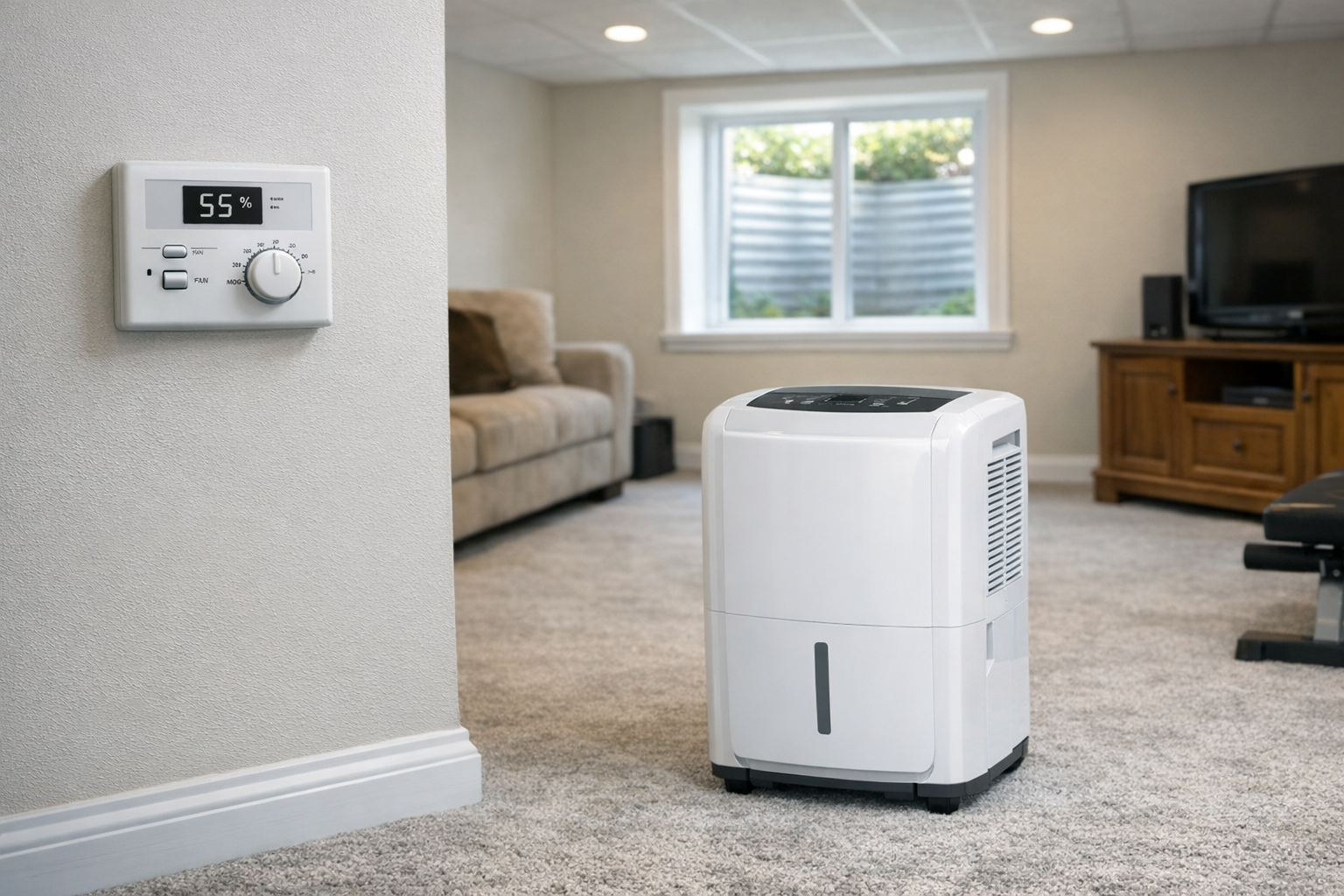
Best Basement Dehumidifiers (2026 Buyer's Guide)
Damp basements destroy stored items, grow mold, and stink. We tested dehumidifiers for capacity, durability, and energy use to find the picks worth the money.
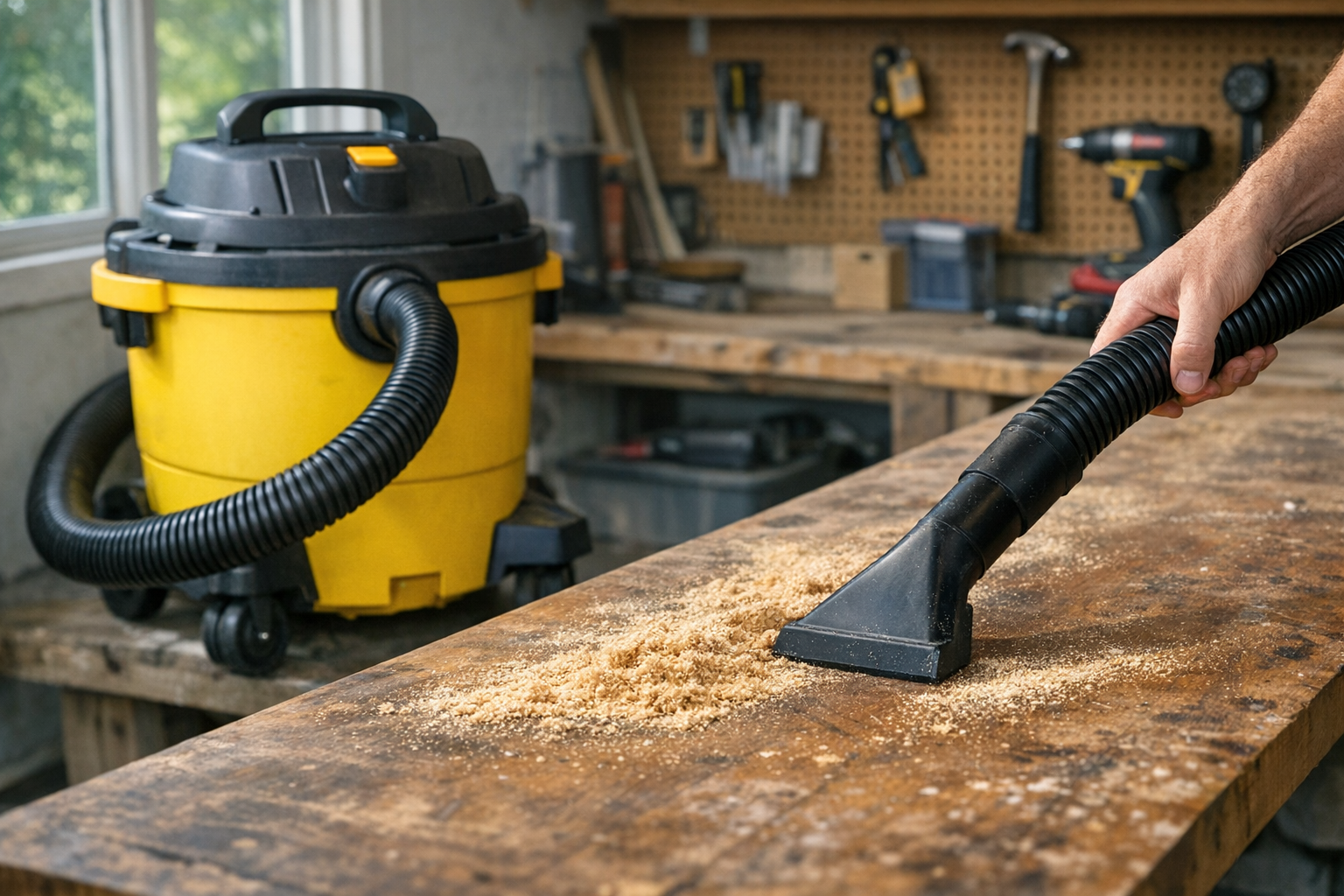
Best Wet/Dry Shop Vacs (2026 Tested)
Whether you need to clean a flooded basement, dust the garage, or pick up workshop debris, here are the wet/dry shop vacs worth the money.
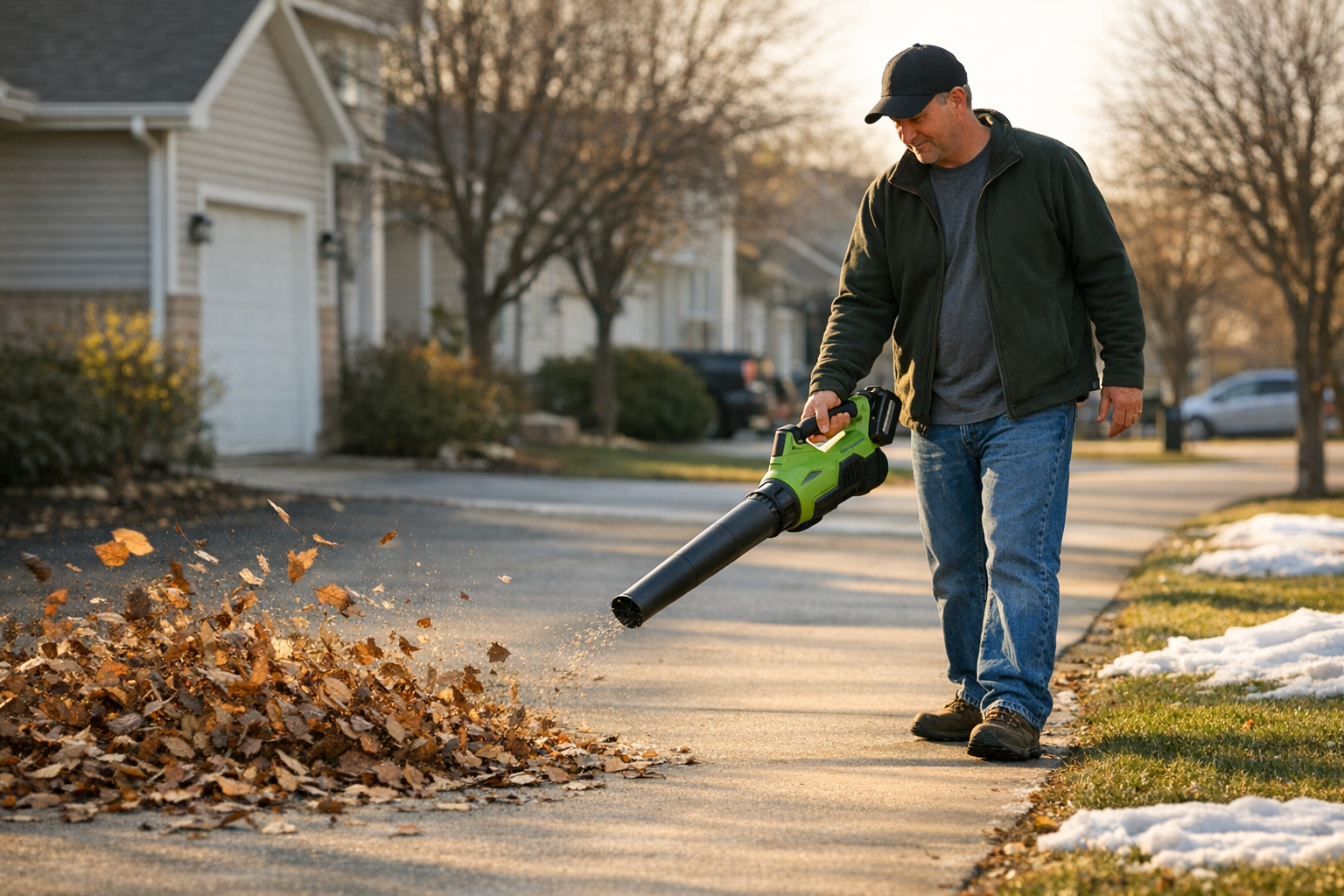
Best Electric Leaf Blowers (2026 Buyer's Guide)
Cordless and corded electric leaf blowers tested for power, runtime, and noise. Our picks for small yards, large yards, and pro-grade home use.
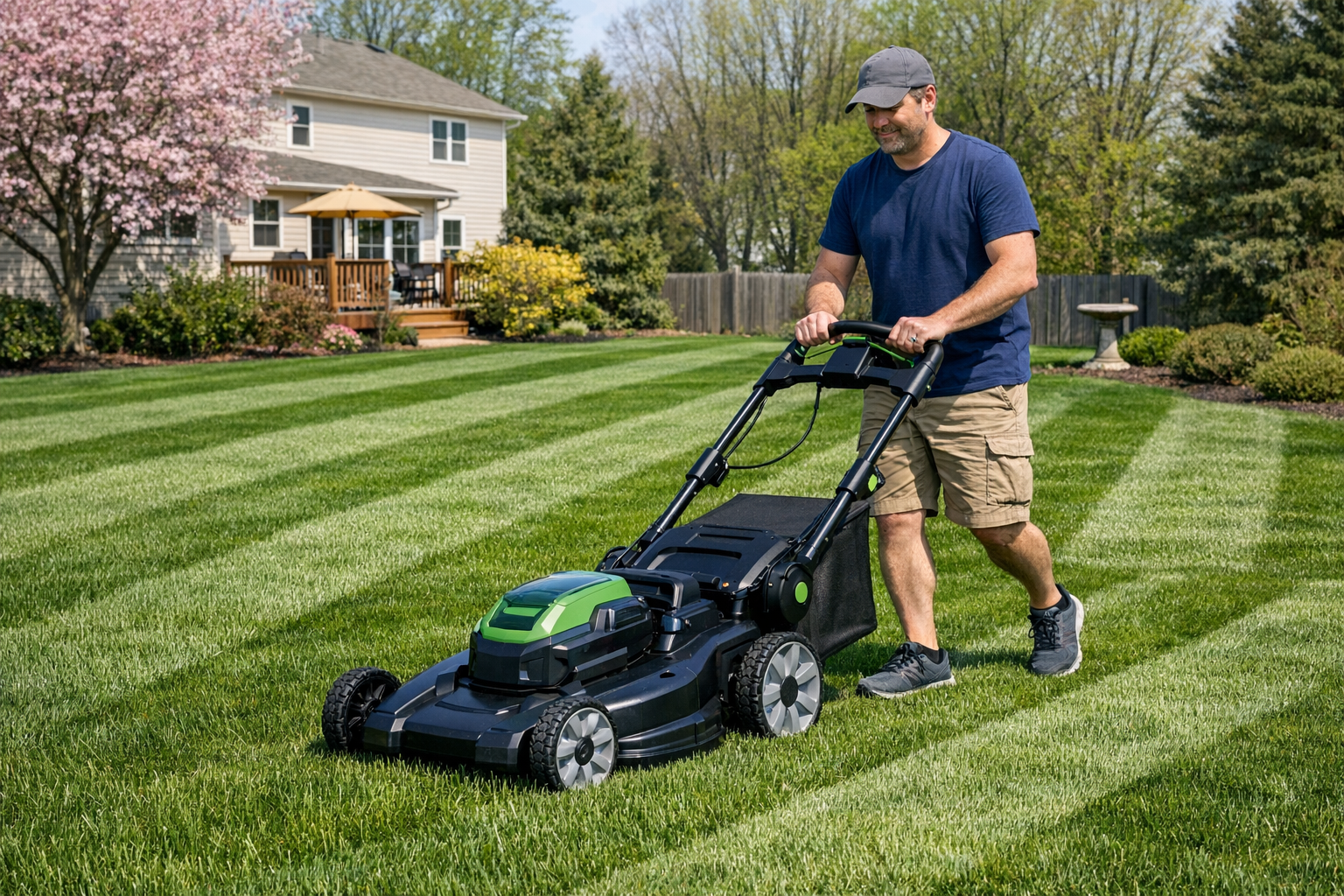
Best Cordless Lawn Mowers (2026 Spring Buyer's Guide)
Battery-powered mowers have caught up to gas. We tested the top cordless mowers on grass length, slopes, and runtime to find the picks worth your money.
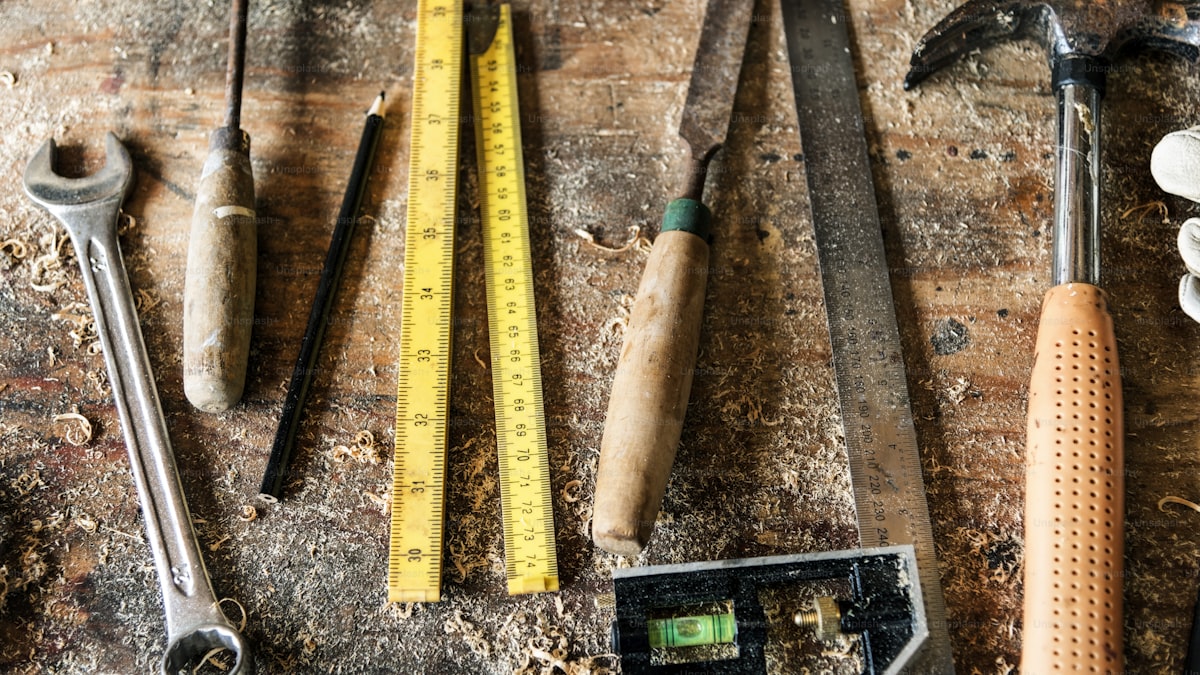
5 Best Cordless Drills for Homeowners (2026)
Find the right cordless drill for home projects without overspending. We compared the top drills for DIYers — here are the 5 best for everyday home use.
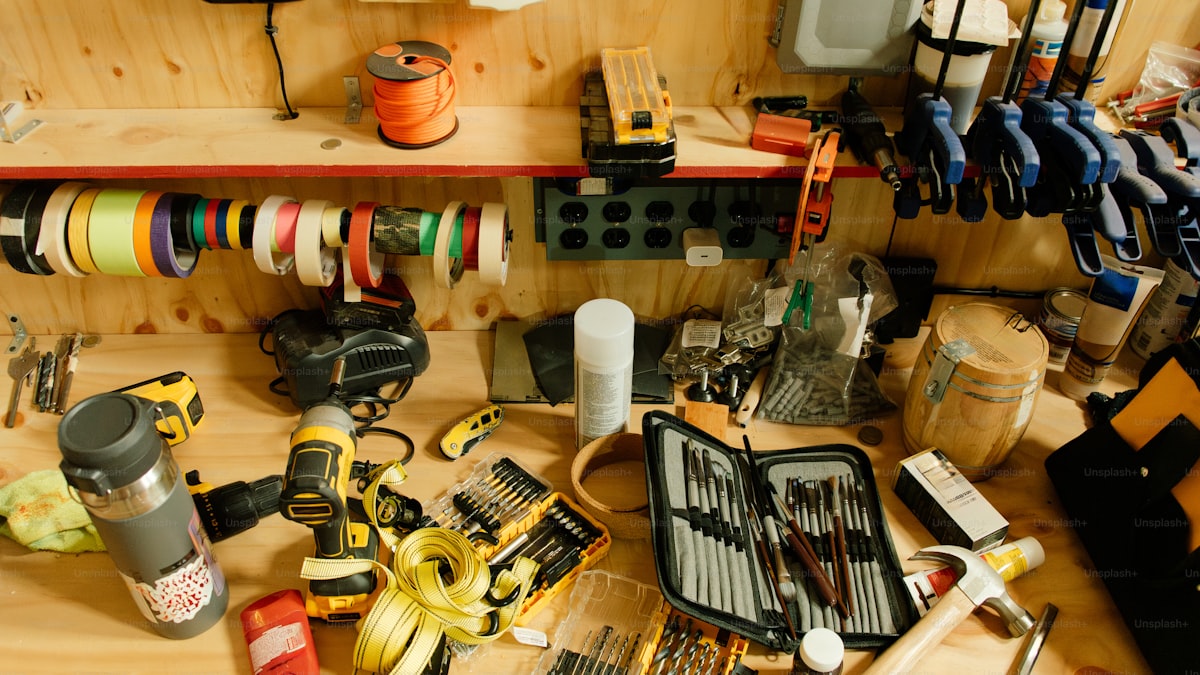
Best Home Tool Kits for Beginners (2026)
The best home tool kits for new homeowners and renters. We compare 6 tool sets from basic to comprehensive, so you can handle common repairs without calling a handyman.
Related Articles
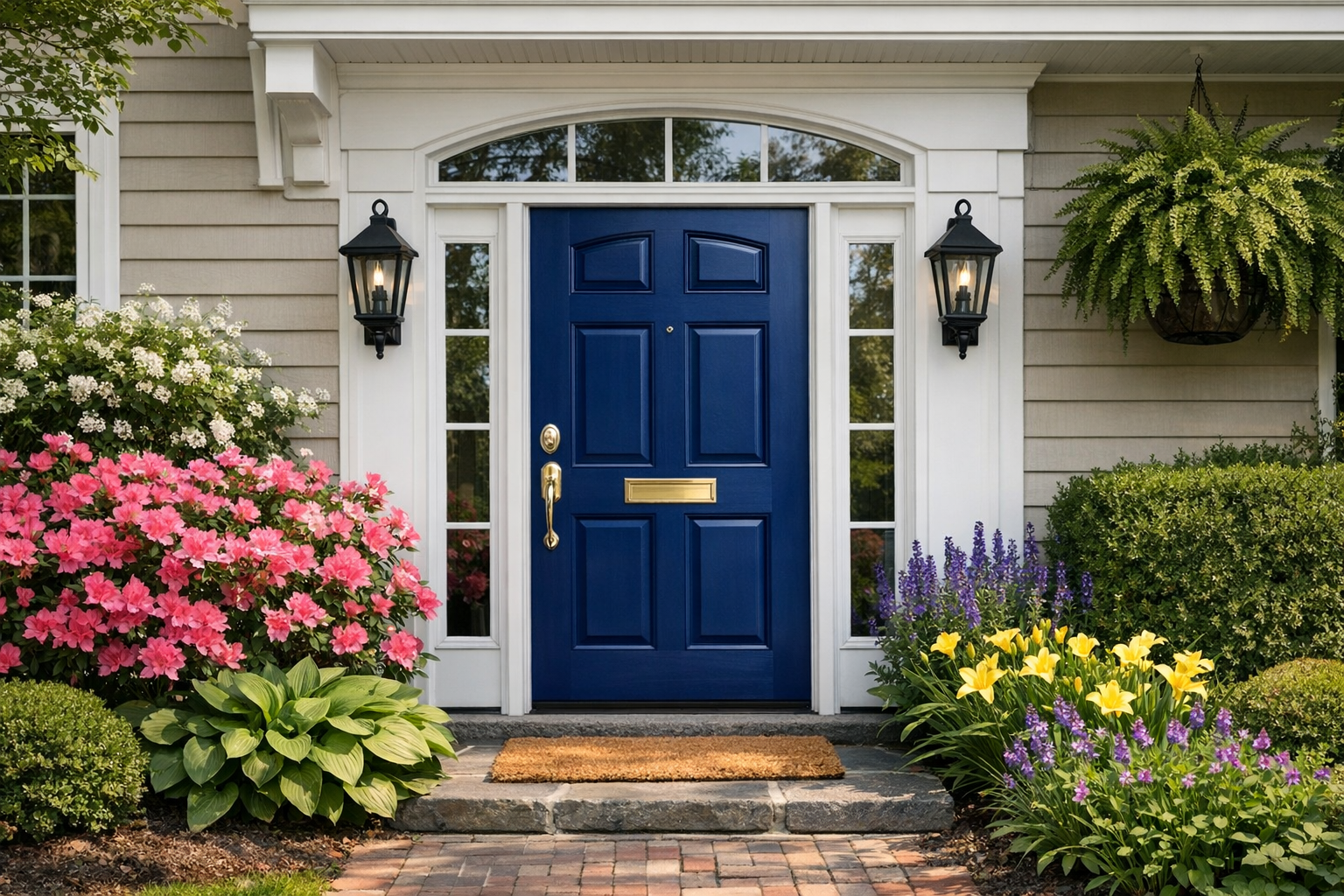
How to Paint a Front Door (Pro-Quality Result in One Afternoon)
A fresh-painted front door is the highest-impact curb appeal upgrade. Here's the step-by-step that gets a smooth pro finish in 4 hours — no peeling, no brush marks.
How to Prevent Summer AC Breakdowns (April Tune-Up Checklist)
Most AC failures happen in the first 90F week. A 30-minute April tune-up prevents 80 percent of those breakdowns and extends the unit's life by years.
Best Cordless String Trimmers (2026 Tested)
Battery-powered string trimmers have caught up to gas. We tested the top models on bermuda, fescue, and overgrown areas to find the picks worth your money.
How to Fix Sticky Kitchen Cabinet Doors (Without Replacing Hardware)
Cabinet doors that bind, rub, or won't close all the way are almost always a hinge adjustment problem. Here's the 10-minute fix.