End-of-Spring Yard Checklist: Prepare Your Garden for Summer Heat
This article may contain affiliate links. If you make a purchase through these links, we may earn a small commission at no extra cost to you. Learn more
Quick Answer
End-of-Spring Yard Checklist: Prepare Your Garden for Summer Heat
The most important end-of-spring tasks are mulching every bed 2-3 inches deep, shifting to deep-and-infrequent watering to train roots downward, and finishing any planting before daytime highs hit the upper 80s. Do these three things in the last two weeks of spring and your garden will sail through June heat with half the water stress.
End-of-Spring Yard Checklist: Prepare Your Garden for Summer Heat
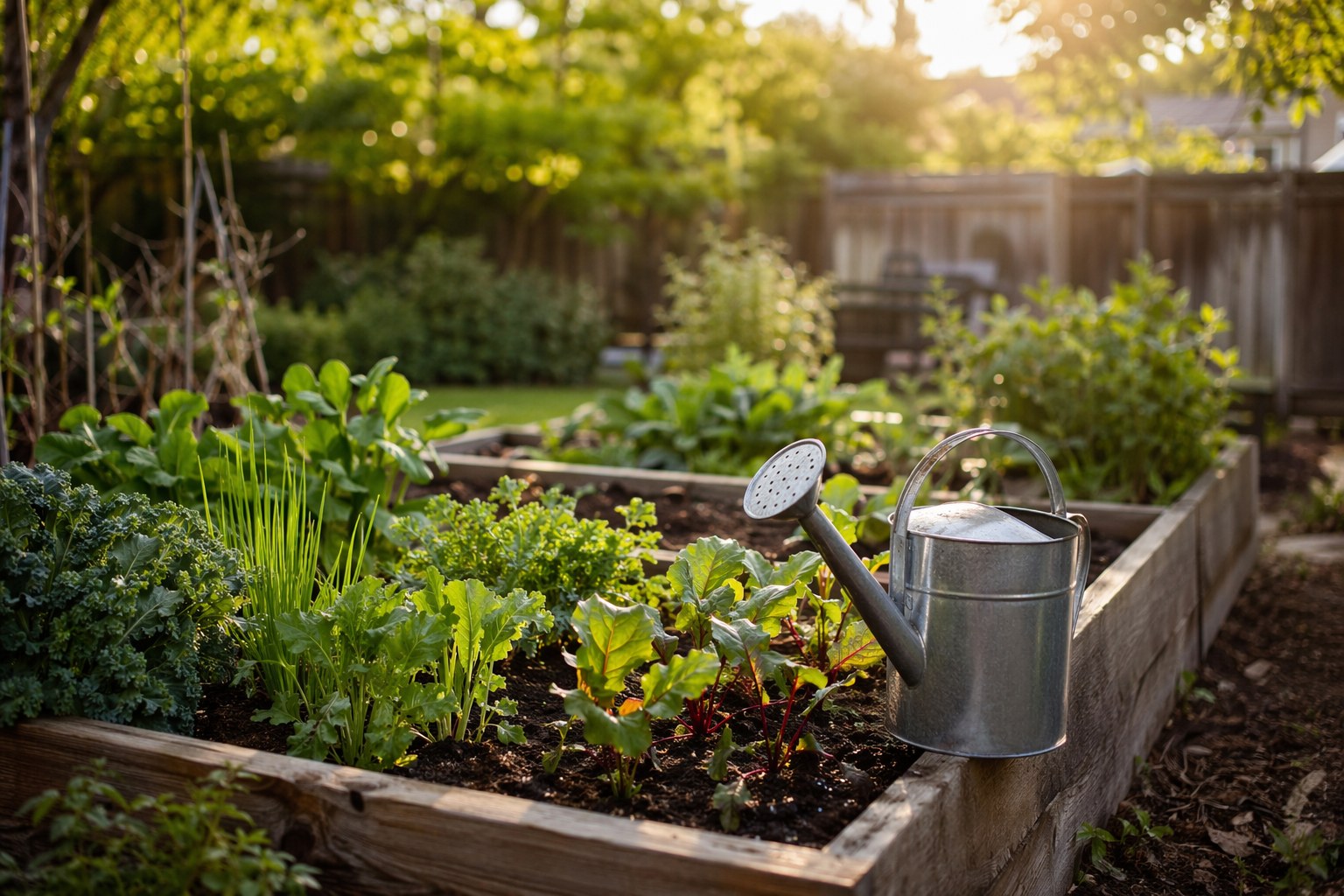
Here in Central Texas, I can usually tell the exact week summer arrives — it's the week my neighbors' newly planted petunias go from cheerful to crispy overnight. The plants didn't fail. The prep failed. By the time the first 95-degree afternoon shows up, the work that protects a garden from heat stress is already supposed to be done.
The transition from spring to summer is the most underrated window in the gardening calendar. Spend a few focused weekends now and your beds hold moisture, your roots grow deep, and your plants spend July growing instead of just surviving. Skip it, and you'll spend the whole summer dragging a hose around at dusk trying to keep things alive.
This is the exact checklist I run on my own yard every year, broken into the final three weeks of spring so nothing gets crammed into one impossible weekend.
Why the Spring-to-Summer Window Matters So Much
Plants don't get heat-stressed because of one hot day. They get stressed because their root systems and the soil around them aren't ready for the day. A plant that has been hand-watered lightly every morning all spring has a shallow, lazy root system sitting in the top inch of soil — exactly the layer that bakes first in summer.
The whole goal of end-of-spring prep is to do three things before the heat: get water down deep where roots can follow it, lock that moisture into the soil with mulch, and stop adding tender new growth that has no time to toughen up. Everything in this checklist serves one of those three goals.
A quick note on timing: watch your forecast, not the calendar. The trigger for "summer is coming" is a string of daytime highs in the upper 80s with overnight lows staying above 65. When you see that pattern in the 10-day forecast, you're in the window. For most of the country that's late May into early June; for the South it can hit by early May.
Week 1: Finish Planting and Feeding
The first week is your last comfortable chance to put plants in the ground and give them a real feeding before summer's stress sets in.
Get the Last Plants in the Ground
Anything you want established before summer needs to go in now while soil temperatures are warm but air temperatures are still forgiving. Transplants need roughly three to four weeks of mild weather to push roots out into surrounding soil before heat arrives. After that window, you're better off waiting until fall.
If you're still setting out warm-season color and vegetables, do it this week and water them in deeply. My full process for getting beds ready is in this guide to preparing your garden for spring planting, and if you're putting in summer bloomers, the timing notes in planting warm-weather annuals will keep you from setting them out too late.
Feed Now, Then Ease Off
Give beds a balanced, slow-release granular fertilizer this week — something in the range of a 10-10-10 or an organic equivalent. This is intentional timing. You want plants to fuel up and finish their flush of growth before heat, because pushing tender new foliage in July just gives the sun more soft tissue to scorch.
After this feeding, ease way back. I do one more light feeding of heavy feeders like tomatoes in midsummer and otherwise leave things alone. Over-fertilizing in heat forces growth the plant can't support with the water it can pull, and that's a recipe for wilting.
Do Your Shaping Pruning Now
Late spring is the time to clean up and lightly shape, not to do hard cutbacks. Remove anything dead, damaged, or crossing, and tip-pinch leggy annuals to make them bushy. Hold off on cutting spring-flowering shrubs until right after they bloom. If you're unsure how much to take and where to make your cuts, my walkthrough on pruning plants for healthier growth covers the node-and-angle basics so you don't over-prune going into stressful weather.
Week 2: Mulch Everything (The Single Highest-Impact Task)
If you only do one thing on this entire list, mulch your beds. I'm not exaggerating when I say a good mulch layer is the difference between watering twice a week and watering every single day in July.
How Mulch Actually Protects Your Garden
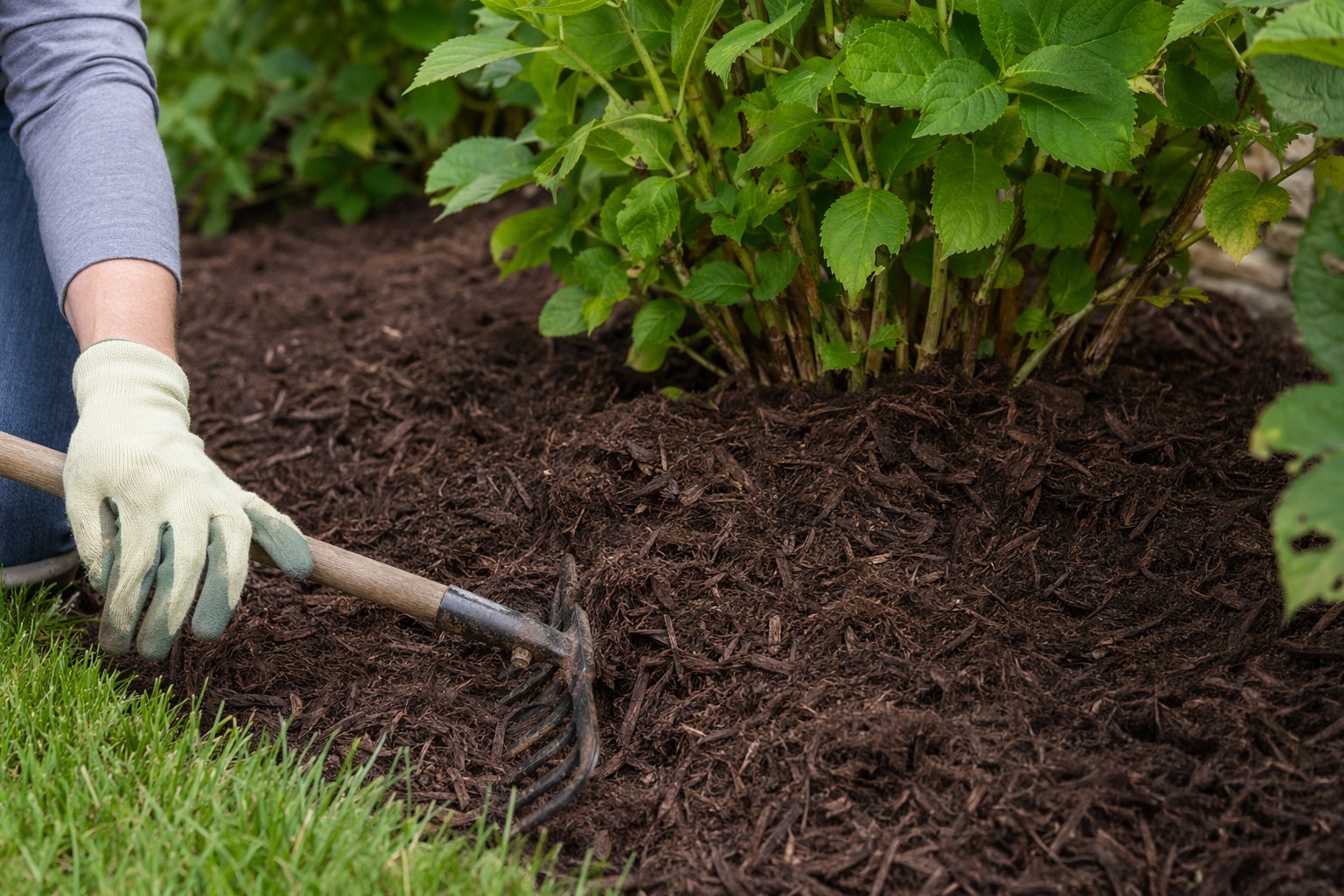
Mulch works on three fronts at once. It shades the soil surface so water evaporates far more slowly — bare soil in full sun can lose moisture two to three times faster than mulched soil. It keeps the root zone 10 to 15 degrees cooler on a hot afternoon, which matters enormously because root function drops off sharply once soil gets above about 85 degrees. And it smothers the weed seeds that would otherwise compete with your plants for every drop of water.
How to Mulch Correctly
Aim for a 2-to-3-inch layer. Less than that doesn't suppress weeds or hold moisture; more than that can keep water from reaching the soil and can suffocate shallow roots. The most common mistake I see is piling mulch up against plant stems and tree trunks — the dreaded "mulch volcano." Always pull mulch back an inch or two from stems and trunks to prevent rot and discourage pests.
Shredded hardwood, pine bark, and pine straw all work well in beds. For pathways and around longer-lived plants where you don't want to re-mulch yearly, a layer of landscape fabric under the mulch dramatically cuts weed pressure.
Heavy Duty Mulch Landscape Fabric
Lets water and air through while blocking weeds underneath your mulch — ideal for paths and permanent beds you don't want to weed all summer.
Check Price on Amazon →One pair of gloves you'll actually want for a full mulching day: nitrile-dipped grip gloves. Cotton gloves soak through and tear; the coated kind keep your hands dry and let you grip a rake handle and pull weeds without slipping.
Nitrile Grip Garden Gloves
Breathable backs with a nitrile-coated palm — the right balance of dexterity and protection for a long day of mulching and weeding.
Check Price on Amazon →Week 3: Set Up Smart Watering and Water Capture
By the final week, your beds are planted, fed, and mulched. Now you build the watering system that carries the garden through summer — and the goal is to train your plants to need less of it.
Switch to Deep and Infrequent Watering
This is the single biggest mindset shift gardeners need to make for summer. Light daily watering trains roots to stay near the surface where they're most vulnerable. Instead, water deeply and less often — a long, slow soak that wets the soil 6 to 8 inches down, two or three times a week, rather than a quick sprinkle every day.
Deep watering pulls roots downward, chasing the moisture. Those deeper roots tap into soil that stays cooler and damper longer, so the plant becomes far more drought-resilient. To check your depth, push a soil moisture meter or even a long screwdriver into the bed after watering; it should slide easily through the top several inches.
Water in the early morning, ideally before 9 a.m. Morning watering lets foliage dry before nightfall (reducing fungal disease) and gets moisture into the soil before the day's heat evaporates it. Evening is a distant second choice; midday is the worst — much of it evaporates before it ever reaches the roots.
Automate It with a Timer
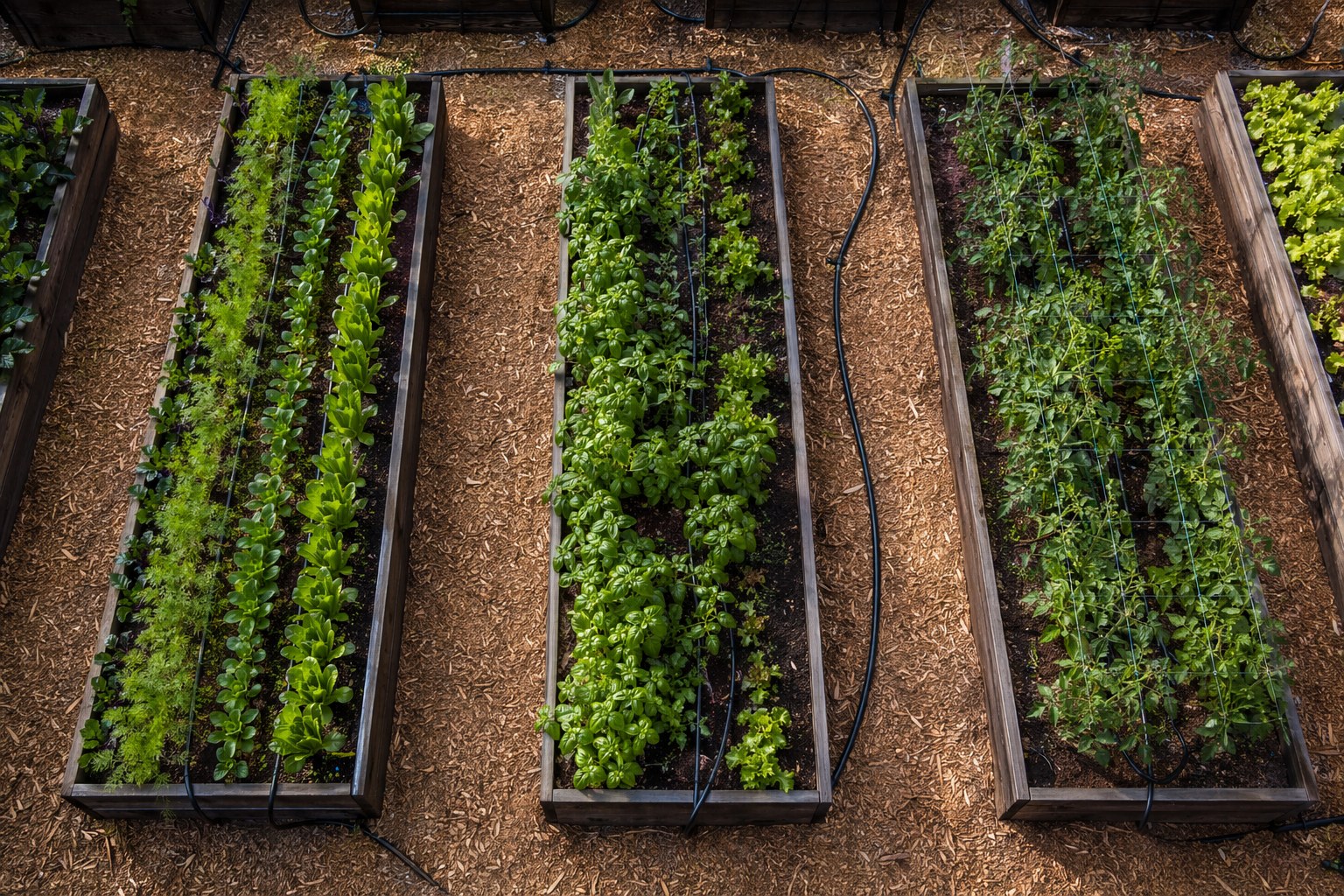
A simple hose-end timer paired with a soaker hose or drip line is the best small investment you can make for a summer garden. It delivers water slowly at soil level (almost no evaporation loss), and it keeps watering on schedule even when you're busy or traveling. If you're heading out of town this summer, pair this setup with the strategies in my guide to keeping plants alive while on vacation so nothing dries out while you're gone.
WiFi Enabled Sprinkler Timer
Programs deep, early-morning watering cycles automatically and adjusts from your phone — no more dragging a hose around at dusk.
Check Price on Amazon →Capture Rainwater Now
Late spring rains are free water you'll wish you had in August. A rain barrel positioned under a downspout fills shockingly fast — a single inch of rain on a 1,000-square-foot roof yields over 600 gallons. Set one up this week so you start the summer with a full reservoir.
Don't Forget the Lawn and the Pets
Your turf needs the same deep-and-infrequent logic. Raise your mower deck for summer — taller grass (around 3 to 4 inches for most cool-season and warm-season lawns) shades its own roots and crowds out weeds. Never cut more than a third of the blade height at once, and leave the clippings to return moisture and nutrients to the soil.
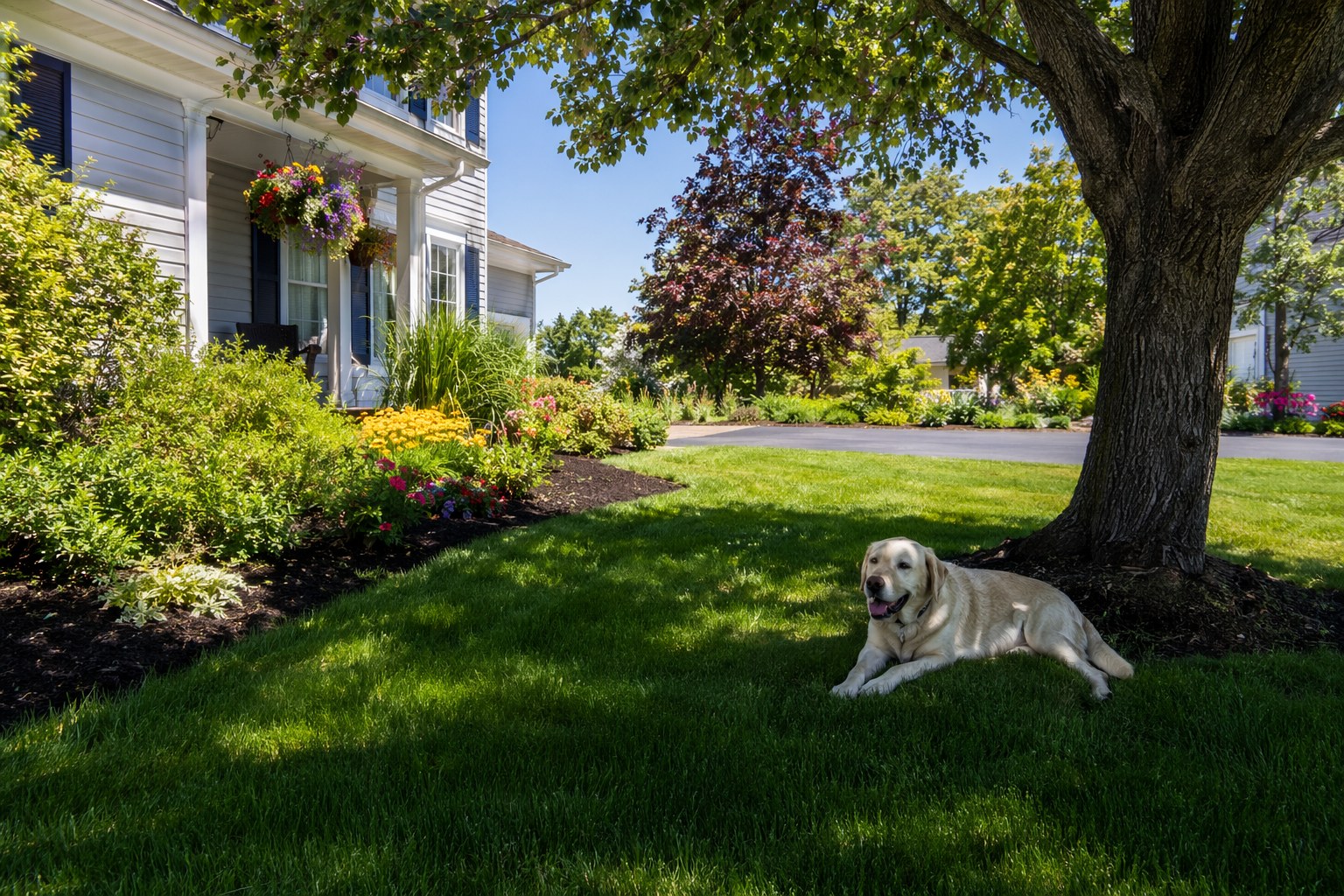
And since I came up through vet-tech work before I ever earned my Master Gardener certification, I have to say this: as you set up the yard for the season, set it up to be safe for the animals using it. Make sure fresh mulches are pet-safe (skip cocoa-bean mulch entirely — it's toxic to dogs), store fertilizers and any pest products well out of reach, and check that there's reliable shade and water where pets spend time. My spring pet yard safety checklist habits carry right into summer once daytime temperatures climb.
Frequently Asked Questions
When exactly should I do all this end-of-spring prep?
Watch the 10-day forecast rather than the calendar. When you see a stretch of daytime highs in the upper 80s with overnight lows holding above 65, you're in the window. Aim to have everything — planting, feeding, mulching, watering setup — finished about two weeks before that pattern settles in for good.
Is it too late to plant once the heat arrives?
For most transplants, yes. They need three to four weeks of mild weather to root in before heat hits. If you've missed the window, hold tender new plants until the cooler weather of early fall, which is actually the best planting season for a lot of perennials and shrubs.
How deep should I water, and how do I know I've watered enough?
You want moisture down 6 to 8 inches. After watering, push a screwdriver or a soil moisture meter into the bed — it should slide through the top several inches easily. If it stops short, you're watering too lightly. A long, slow soak two or three times a week beats a daily sprinkle every time.
Will mulch attract pests or termites?
Properly applied mulch doesn't attract termites to a healthy yard, but a soggy "mulch volcano" piled against a wall or trunk can. Keep mulch 2 to 3 inches deep, pull it back from stems and your home's foundation, and let it dry between waterings. That's all the prevention most yards need.
Should I keep fertilizing through the summer?
Ease off. Do your main feeding at the end of spring, then feed only heavy feeders like tomatoes lightly in midsummer. Forcing tender new growth in extreme heat just creates more soft tissue for the sun to scorch and demands more water than a stressed plant can pull.
Your Summer-Ready Yard Starts This Weekend
You don't need a single dramatic, all-day push to get a garden ready for summer — you need three calm weekends of finishing, mulching, and setting up smart water. Get the last plants in and feed them, blanket every bed in two to three inches of mulch, and switch to deep early-morning watering on a timer.
Do that, and when the first 95-degree afternoon rolls in, you'll glance out the window at beds that are cool, moist, and thriving instead of grabbing the hose in a panic. That's the whole point — a little work now buys you an easy, green summer. Start with the mulch this weekend, and check the rest of your beds against my full spring planting prep guide while you're out there.
Get weekly home tips that actually work
Join thousands of homeowners getting practical cleaning hacks, DIY fixes, and money-saving tips every week. Free, and you can unsubscribe anytime.

Written by
Sarah RodriguezGardening & Pet Care Contributor
Sarah Rodriguez is a certified Master Gardener and former veterinary technician. She lives on a half-acre lot in central Texas with three rescue dogs, two backyard chickens, and a very ambitious vegetable garden. She covers gardening, sustainable yard care, and everyday pet care for Practical Home Guides.
Recommended Products
Looking for specific product recommendations? Check out our tested picks.
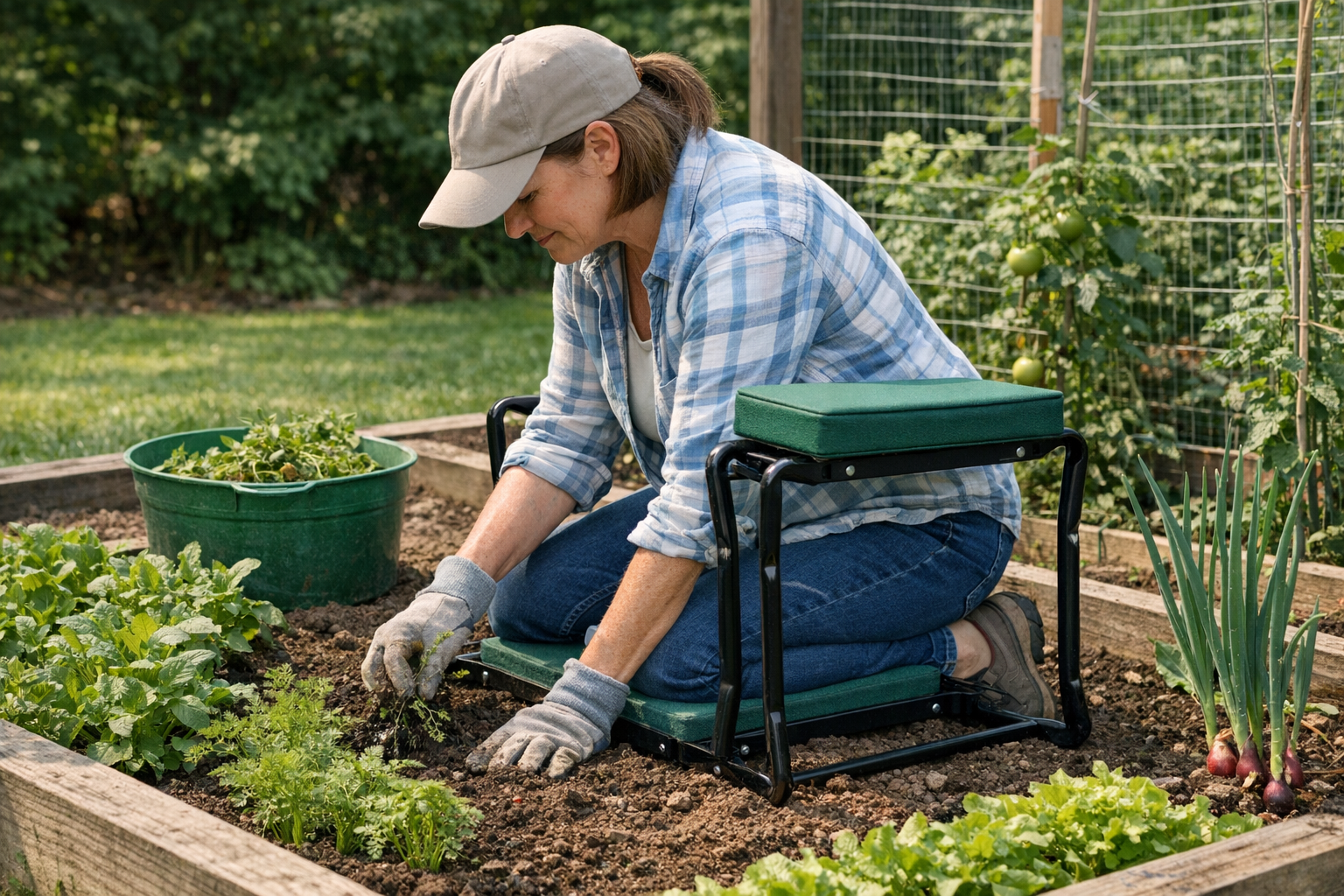
Best Garden Kneelers and Seats (2026 Tested)
Gardening shouldn't wreck your knees and back. We tested kneelers, foldable seats, and rolling carts to find the picks worth the price.
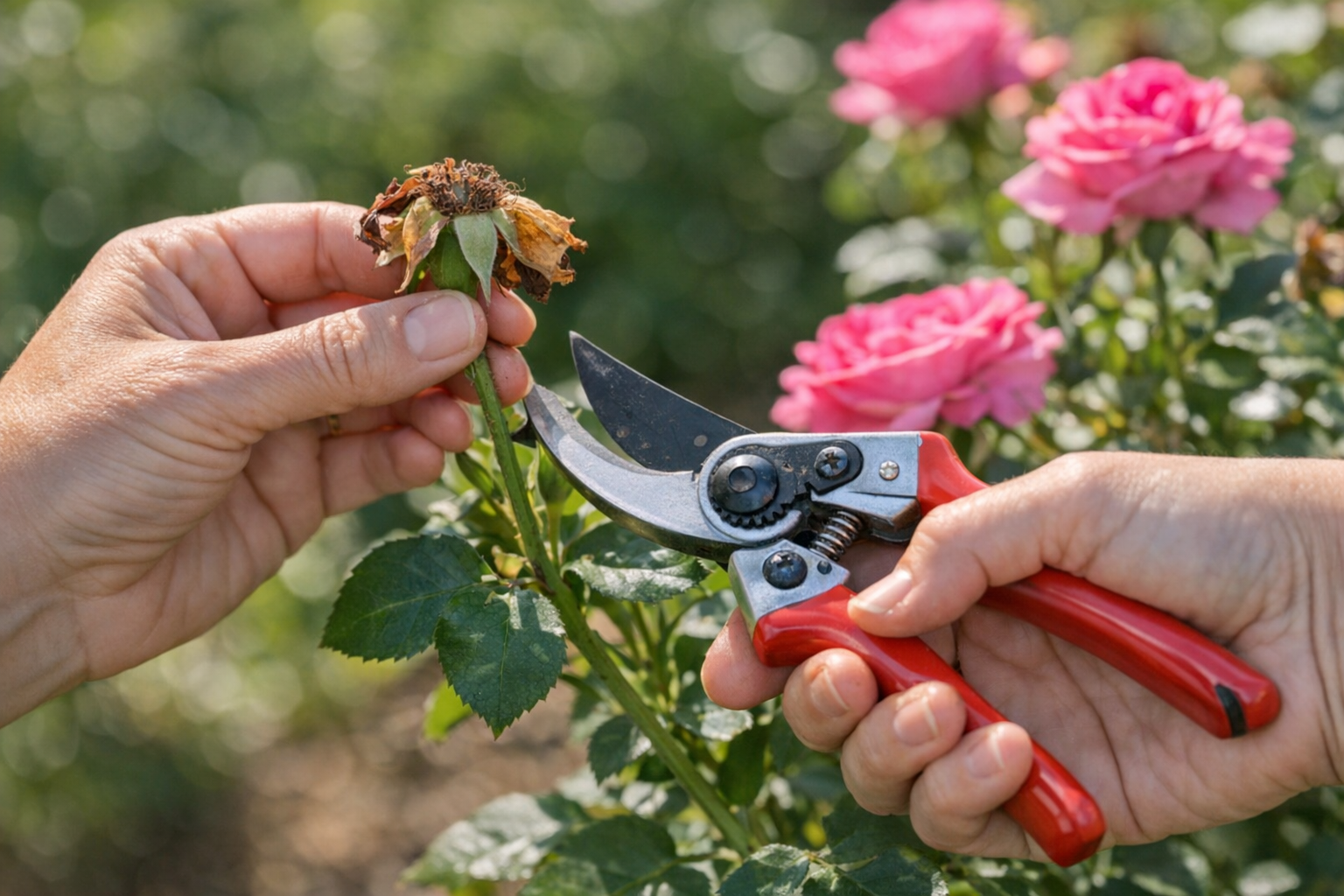
Best Pruning Shears for Gardeners (2026 Guide)
We tested bypass and anvil pruning shears across roses, fruit trees, perennials, and tomato vines. Here are the picks worth your money — and the one to avoid.
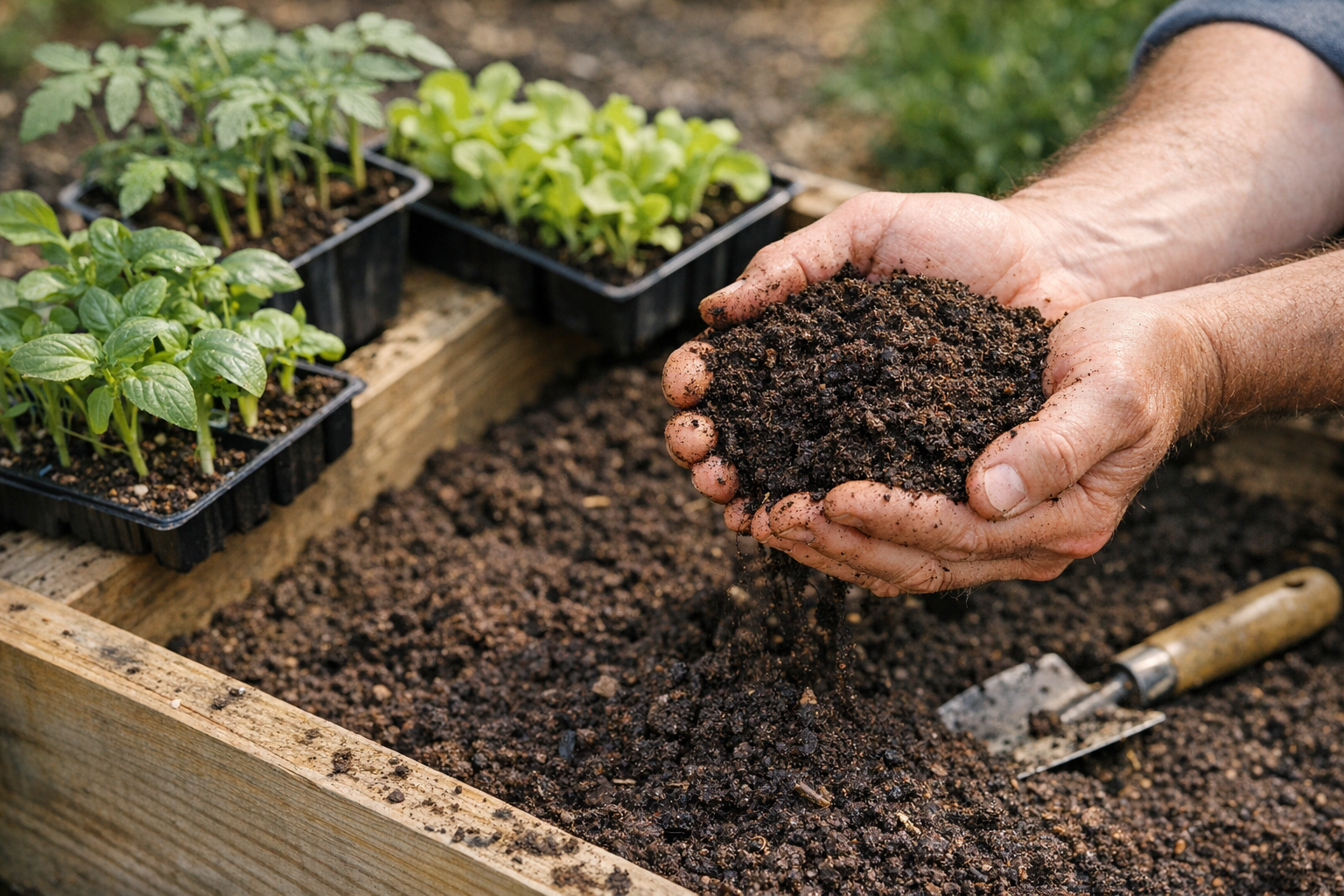
Best Raised Bed Soil Mixes (2026 Buyer's Guide)
Bagged soil for raised beds is a minefield. We tested the top brands for vegetable yield, drainage, and value to find the soil mixes that actually grow food.
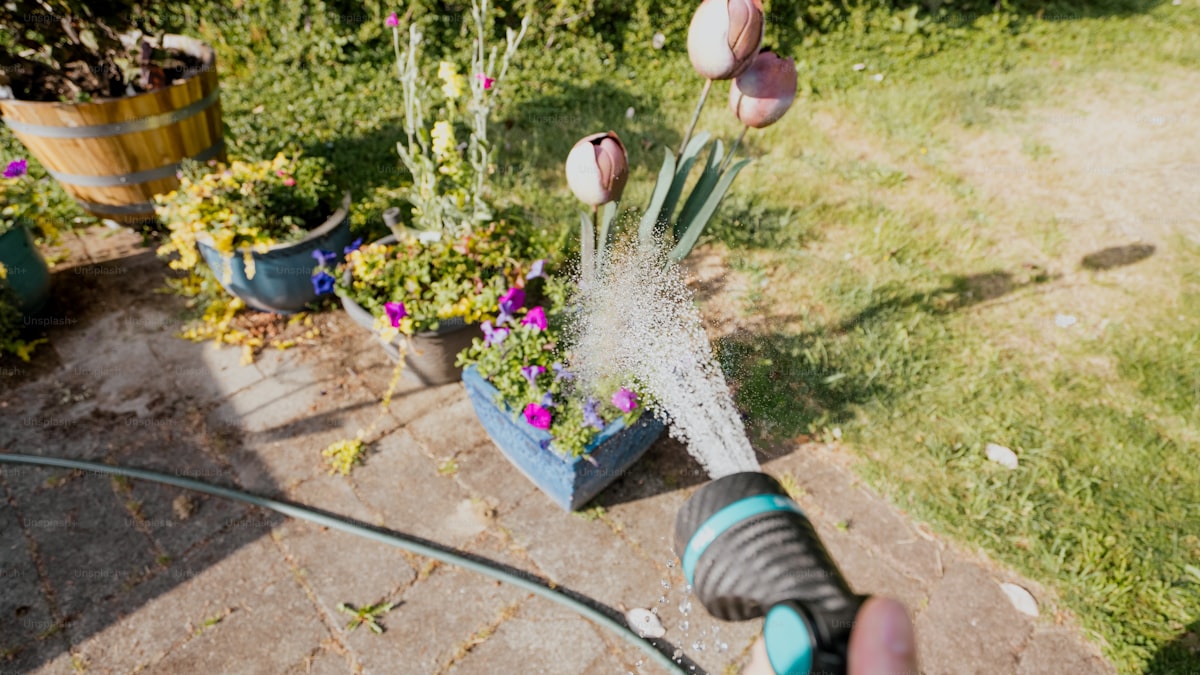
5 Best Garden Hose Nozzles and Sprayers (2026)
Find the perfect garden hose nozzle for watering plants, washing cars, and cleaning patios. We compared the top sprayers — here are the 5 best for every job.
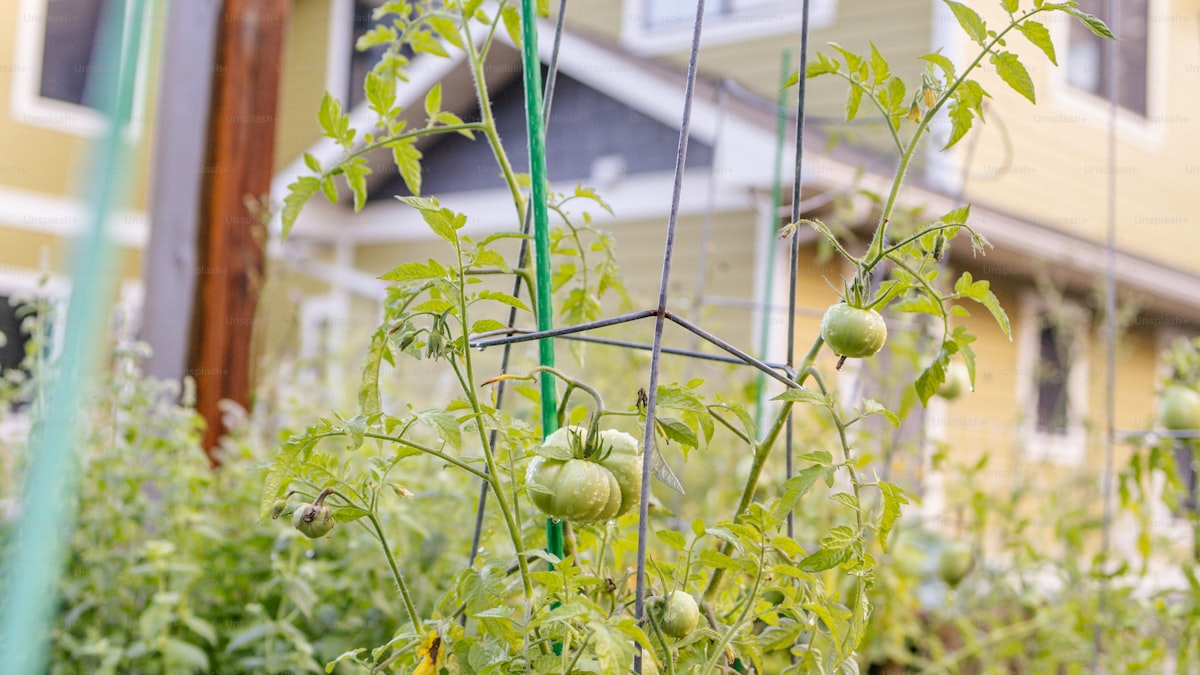
Best Raised Garden Bed Kits You Can Order Online (2026)
The best raised garden bed kits for beginners and experienced gardeners. We compare wood, metal, and composite options with honest reviews and setup tips.
Related Articles
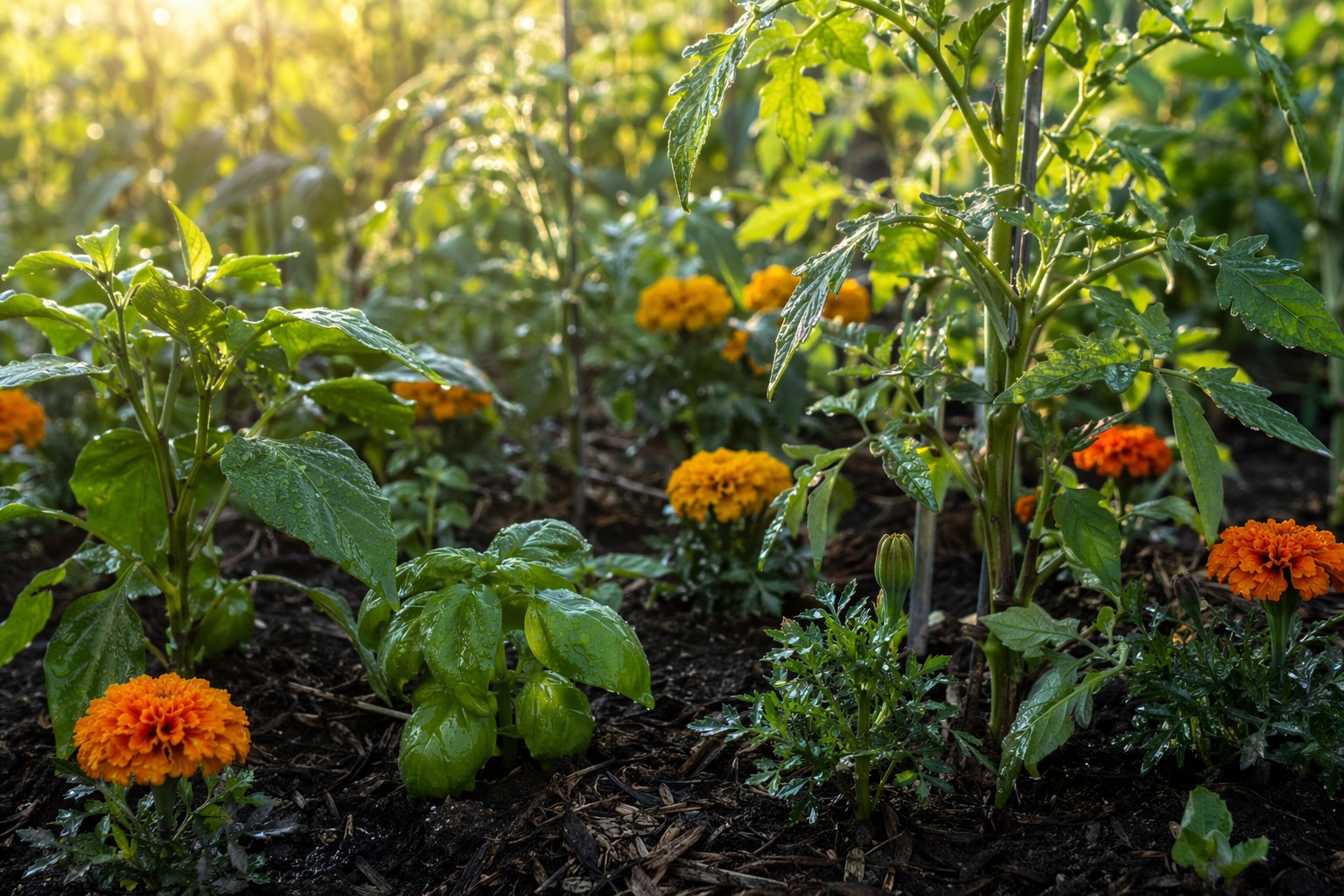
Pest Control Spring Refresh: Natural Solutions for Summer Prevention
Set up your garden's natural defenses now and you'll coast through summer. A master gardener's spring plan using companion planting, neem oil, and trap crops.
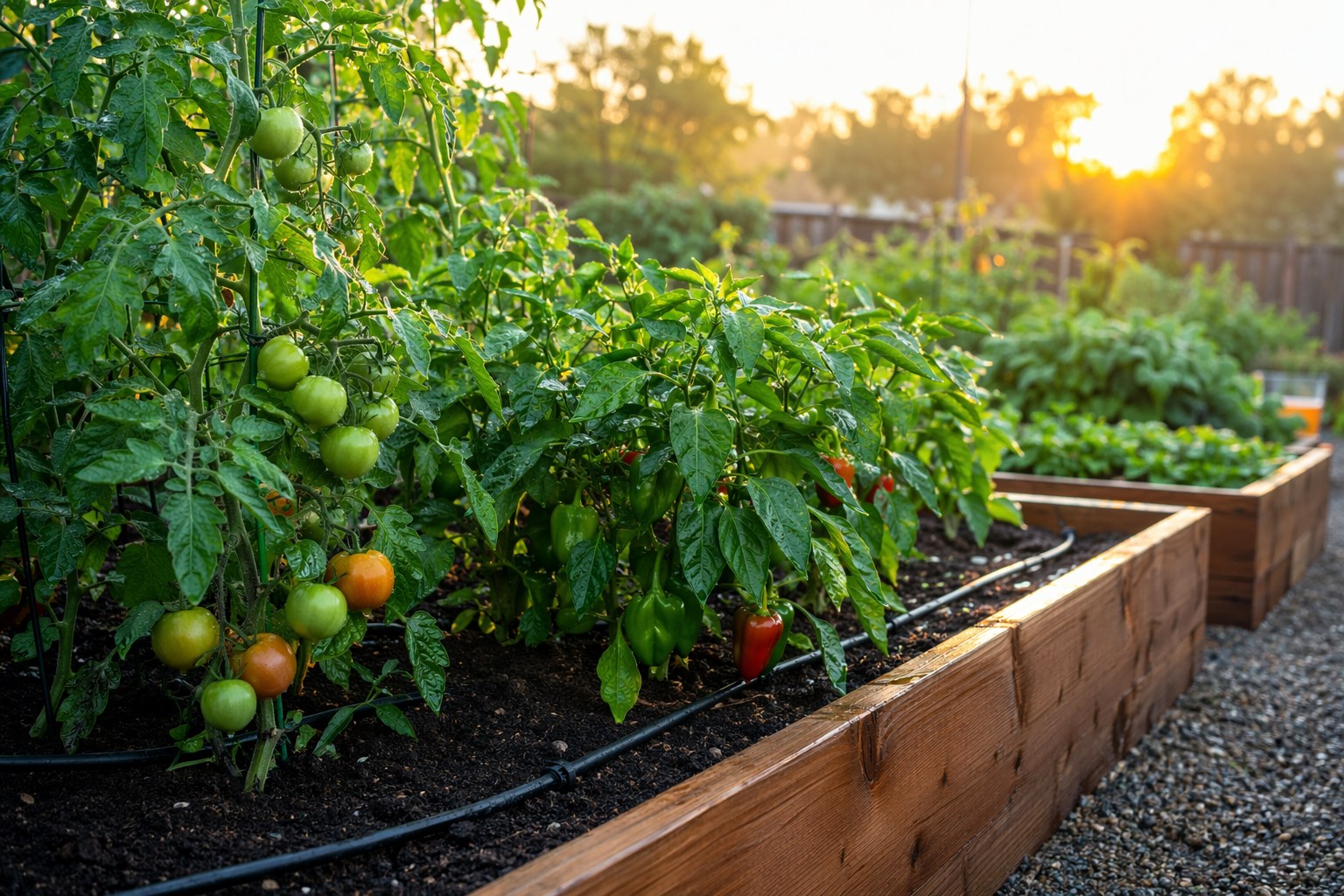
Summer Plants & Watering: Automate Your Garden While on Vacation
A master gardener's guide to automating summer watering with timers, drip lines, and moisture sensors so you can travel in June through August worry-free.
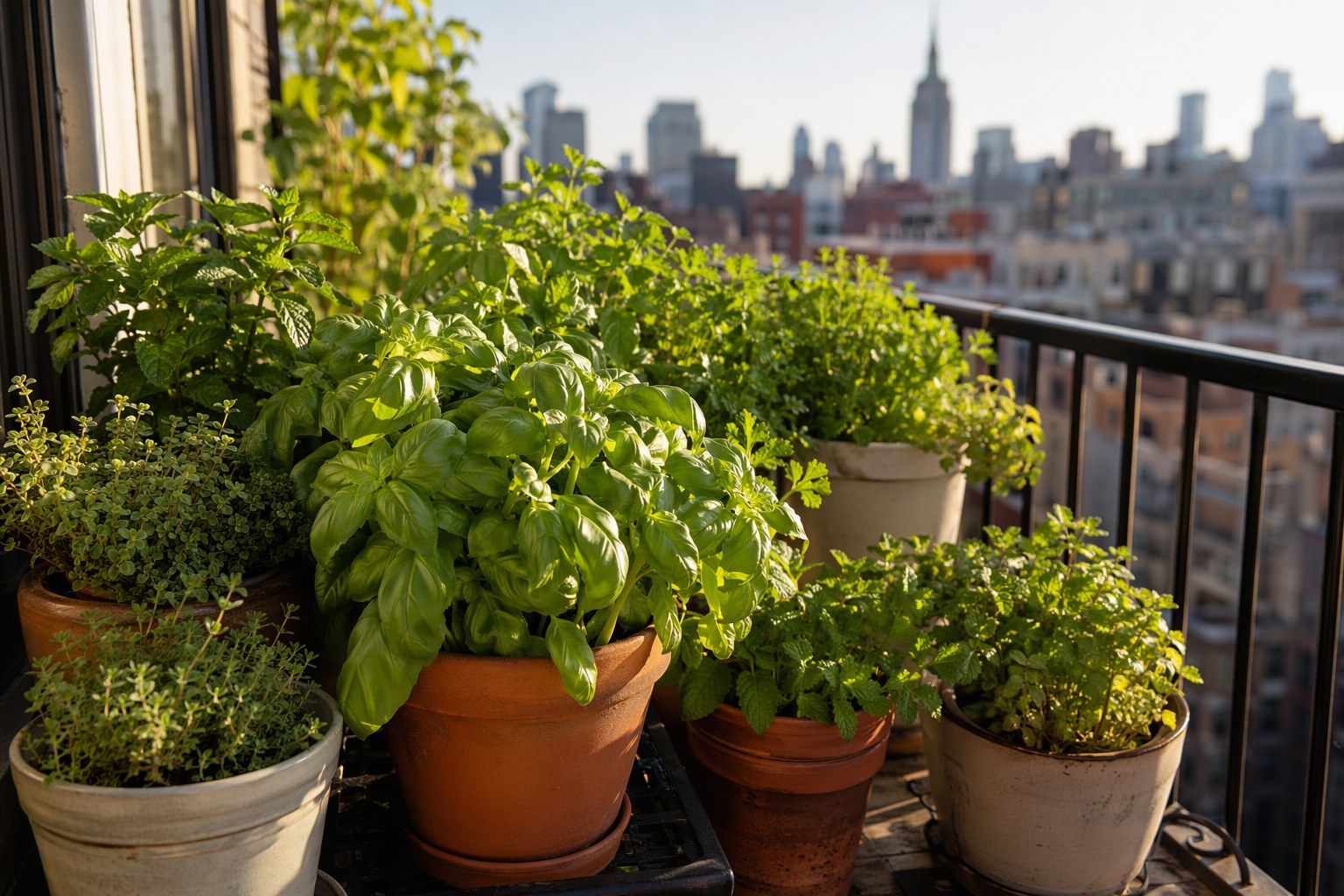
Herb Garden on Your Balcony: Fresh Basil to Cilantro in 4 Weeks
A master gardener's container herb system for apartments: the sunlight hack, watering schedule, and harvesting tricks to grow fresh basil to cilantro in 4 weeks.
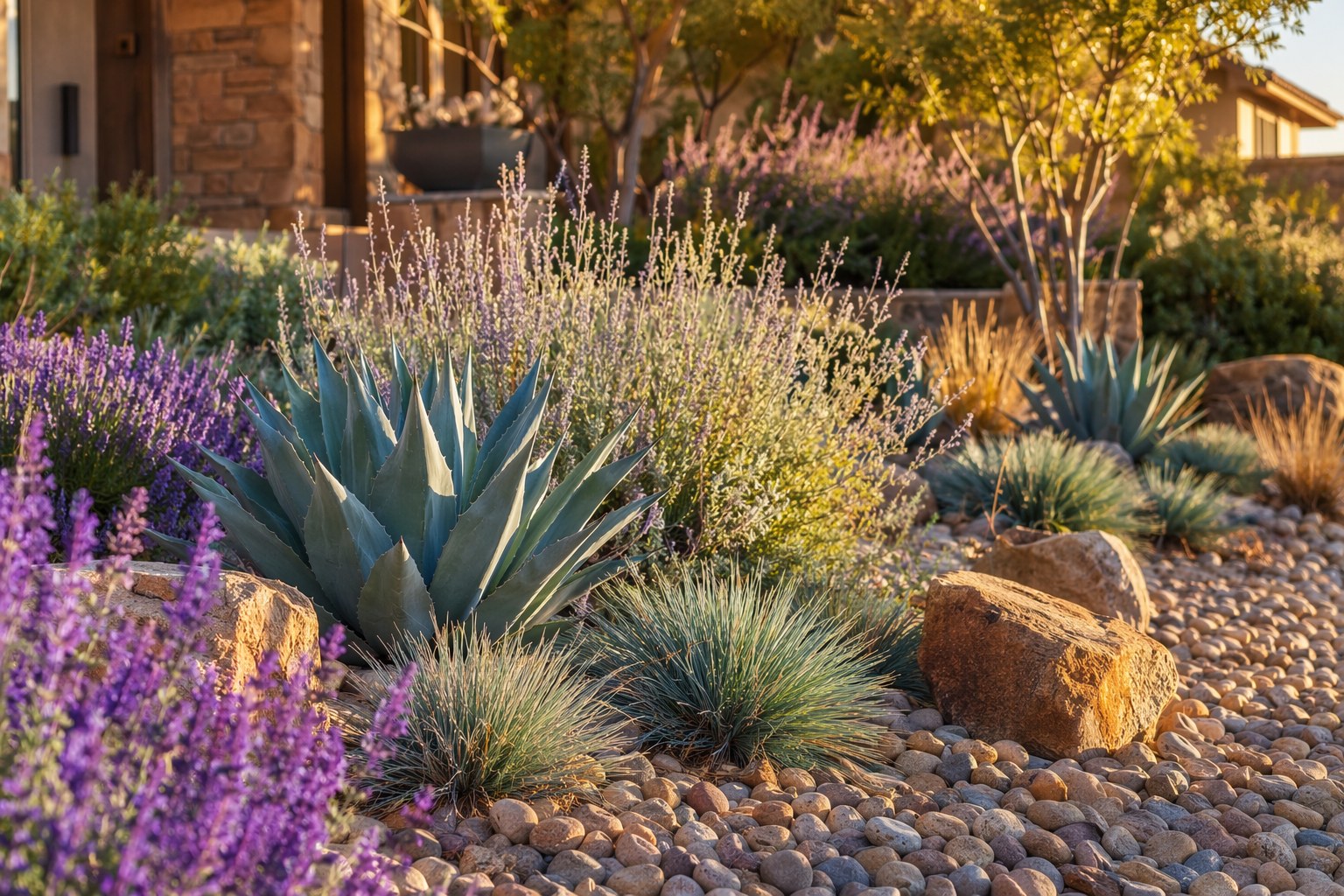
Low-Water Garden Design: 8 Beautiful Plants for Drought-Tolerant Landscaping
A Master Gardener's guide to drought-tolerant landscaping. Cut watering by 50% with these 8 beautiful plants, smart drip irrigation, and proven design tips.