How to Fix a Wobbly Chair or Table (5 Easy Methods)
This article may contain affiliate links. If you make a purchase through these links, we may earn a small commission at no extra cost to you. Learn more
Quick Answer
How to Fix a Wobbly Chair or Table (5 Easy Methods)
The fastest fix for a wobbly chair or table is to identify whether the problem is uneven legs or loose joints. For uneven legs, stick adhesive felt pads or furniture levelers to the short leg. For loose joints, disassemble the wobbly joint, apply wood glue, clamp it tight, and let it dry overnight. These two approaches solve about 90 percent of all wobble problems.

How to Fix a Wobbly Chair or Table (5 Easy Methods)
Few things around the house are as quietly maddening as a wobbly chair or table. You sit down to eat dinner and the chair rocks back and forth. You set your coffee mug on the kitchen table and it tips just enough to slosh over the rim. You try to work at your desk and the whole surface shifts every time you type. It is a small problem that creates constant, low-grade frustration -- and most people just live with it, stacking folded napkins or cardboard under the offending leg like some kind of permanent temporary fix.
Here is the good news: a wobbly chair or table is almost always an easy DIY repair. In most cases, you can fix it in under 30 minutes with basic tools and materials that cost just a few dollars. Whether the problem is uneven legs, loose joints, worn-out glides, or a warped frame, there is a straightforward method that will make your furniture rock-solid again.
In this guide, you will learn five proven methods for fixing wobbly furniture, starting with the quickest solutions and working up to more involved repairs. You will also learn how to diagnose the actual cause of the wobble so you pick the right fix the first time.
What Causes a Chair or Table to Wobble?
Before you grab your tools, it helps to understand what is actually going on. A wobble always comes down to one of two root causes: the legs are not making even contact with the floor, or the joints holding the piece together have loosened. Identifying which problem you have determines which fix you need.
Uneven legs are the most common cause for tables and the second most common for chairs. This happens when one leg is slightly shorter than the others -- either because it was cut unevenly during manufacturing, because the leg tip or glide has worn down, or because the floor itself is uneven. You can test for this by placing the furniture on a known-flat surface like a concrete garage floor. If it still wobbles there, the legs are the issue. If it only wobbles in its usual spot, the floor may be uneven.
Loose joints are the number one cause of wobbly chairs and a frequent problem with older tables. Wood furniture is typically assembled with mortise-and-tenon or dowel joints held together by wood glue. Over time, the glue dries out and loses its grip, the wood shrinks and swells with humidity changes, and the constant stress of sitting and leaning loosens the connections. Once one joint starts to give, the others follow quickly because the wobble puts extra stress on the remaining joints.
Worn or missing glides are the rubber, plastic, or felt pads on the bottom of furniture legs. When these wear down unevenly or fall off entirely, the furniture loses its level footing. This is an especially common problem with chairs that get dragged across floors regularly.
Warped or damaged legs are less common but worth checking for. A leg that has been cracked, bent, or warped by moisture will not sit flat no matter what you do to the joints. In these cases, the leg itself needs to be repaired or replaced.
Take a moment to flip your chair or table over and inspect it. Wiggle each leg individually and note which ones move. Check the joints where legs meet the seat, apron, or tabletop. Look at the bottoms of the legs for missing or worn pads. This two-minute diagnostic step will save you time by pointing you directly to the right fix.
How Do You Fix Uneven Furniture Legs With Felt Pads or Shims?
This is the fastest, easiest fix for furniture that wobbles because one or more legs are slightly shorter than the others. It takes less than five minutes and costs almost nothing.
Step 1: Place the furniture on its usual spot on the floor. Rock it gently to identify which leg (or legs) are not making full contact with the ground. Usually, you can pinpoint the short leg by pressing down on diagonal corners -- the wobble occurs along the axis of the short leg.
Step 2: Measure the gap. Slide a thin piece of cardboard, a coin, or a folded sticky note under the short leg until the furniture sits flat and stable. This tells you how much material you need to add.
Step 3: Apply an adhesive felt furniture pad to the bottom of the short leg. Felt pads come in a variety of thicknesses, and you can stack them to get the exact height you need. For very small gaps, a single heavy-duty felt pad is often enough. Peel the backing off the adhesive side, press it firmly onto the bottom of the leg, and test the furniture for wobble.
Step 4: If the gap is larger than felt pads can bridge (more than about 1/4 inch), use a plastic furniture shim or a self-adhesive rubber bumper instead. These are thicker and more durable than felt pads and can compensate for bigger discrepancies.
Step 5: Test the furniture by sitting in the chair or pressing down on the table from multiple angles. If it is stable, you are done. If it still wobbles slightly, adjust the pad thickness or add pads to adjacent legs until you find the sweet spot.
This method is especially useful for tables and chairs on uneven floors, such as old houses with slightly sloped surfaces. It is the same practical, low-cost approach you would use when saving money on furniture repairs rather than replacing perfectly good pieces.
How Do You Tighten Loose Chair or Table Joints With Wood Glue?
Loose joints are the most common reason chairs wobble, and wood glue is the gold standard repair. This method restores the original strength of the joint and can last for years -- or even decades -- when done properly.
Step 1: Turn the chair or table upside down on a padded surface (an old towel or blanket protects the finish). Identify which joints are loose by wiggling each leg and each rail or stretcher. Mark the loose joints with painter's tape so you remember which ones need attention.
Step 2: Disassemble the loose joints. For chairs, this usually means pulling the leg out of the seat or separating the leg from the stretcher (the horizontal bar connecting the legs). Gently twist and pull -- do not force anything. If a joint is stuck, tap it apart with a rubber mallet. Work on one joint at a time to keep track of which pieces go where.
Step 3: Clean the old glue off both the tenon (the protruding piece) and the mortise (the hole it fits into). Use coarse sandpaper or a chisel to scrape away dried glue. This step is critical because new glue does not bond well to old, hardened glue. You want to see bare wood on both surfaces.
Step 4: Apply a generous layer of wood glue to both the tenon and the inside of the mortise. Titebond II or Titebond III are excellent choices because they are waterproof and create an extremely strong bond. Spread the glue evenly with your finger or a small brush so the entire contact surface is covered.
Step 5: Reassemble the joint, pushing or tapping the tenon firmly into the mortise. Wipe away any glue that squeezes out with a damp cloth -- dried glue squeeze-out is much harder to remove and will show through any future finish.
Step 6: Clamp the joint tightly. Use bar clamps or band clamps to hold everything together while the glue dries. A band clamp (also called a strap clamp) wraps around the entire chair frame and applies even pressure to all joints simultaneously, making it ideal for chair repairs. If you do not have clamps, wrap a ratchet strap or heavy-duty bungee cord around the piece to hold it tight.
Step 7: Let the glue cure for at least 24 hours before using the furniture. Resist the temptation to test it early -- wood glue needs a full cure to reach maximum strength.
This repair is permanent when done correctly. The glued joint will often be stronger than the original because modern wood glues create bonds that are actually stronger than the surrounding wood. Having a good basic tool kit on hand makes this kind of repair much smoother, as you will have the clamps, sandpaper, and mallet you need without making a special trip to the hardware store.
How Can You Reinforce Wobbly Joints Without Full Disassembly?
Sometimes you cannot fully disassemble a joint -- maybe the other joints are still solid and you do not want to risk breaking them, or maybe the piece is too large to take apart easily. In those cases, you can reinforce the loose joint without pulling it apart.
Step 1: Drill a small pilot hole (about 1/16 inch diameter) through the outside of the joint at an angle, going through the rail or apron and into the leg. Angle the hole so the screw will pull the two pieces tightly together.
Step 2: Drive a trim screw into the pilot hole. Trim screws have small heads that are easy to conceal. Choose a length that penetrates at least one inch into the leg without poking through the other side. This mechanically locks the joint.
Step 3: If the joint has a small gap where it has pulled apart, inject wood glue into the gap before driving the screw. You can use a syringe-style glue applicator to get glue deep into tight spaces. The combination of glue and a screw creates a remarkably strong repair.
Step 4: Fill the screw head with wood filler matched to the furniture color. Once it dries, sand it smooth and touch up with stain or finish if needed. The repair will be virtually invisible.
For corner joints on tables (where the leg meets the apron), you can also add a corner brace or angle bracket on the inside for extra strength. These metal brackets screw into both the leg and the apron and are hidden from view, so they do not affect the appearance of the piece.
This approach works well for antique furniture where you want to preserve the piece without risking damage from full disassembly. It is a practical compromise that delivers real structural improvement -- similar to how patching a hole in drywall gives you a solid repair without redoing the entire wall.
How Do You Fix a Table That Wobbles Because of an Uneven Floor?
Sometimes the table is perfectly fine -- the floor is the problem. Older homes, basements, and outdoor patios often have surfaces that are not perfectly level, which means even a brand-new table will wobble. The fix here targets the environment rather than the furniture itself.
Step 1: Confirm that the floor is the issue by moving the table to a different location or surface. If the wobble disappears, the floor is the culprit. You can also place a level on the floor to see exactly where and how much it slopes.
Step 2: Install adjustable furniture levelers on the table legs. These are threaded feet that screw into the bottom of each leg and can be individually adjusted up or down by turning them. They are the same type of levelers used on appliances and commercial furniture, and they are the most elegant permanent solution for uneven floors.
Step 3: To install threaded levelers, drill a hole in the center of each leg bottom, tap in a threaded insert (also called a T-nut), and screw the leveler foot into the insert. Most leveler kits come with the inserts included.
Step 4: Place the table in its permanent spot and adjust each leveler until the table sits flat. Turn the levelers by hand -- clockwise to raise, counterclockwise to lower. Check with a level across the tabletop and fine-tune as needed.
Step 5: Once level, tighten the lock nut on each leveler (if equipped) to prevent the adjustment from drifting over time.
This method is particularly valuable for dining tables, kitchen islands, and desks that live in one spot permanently. It also protects your floors from scratching by replacing hard leg bottoms with smooth, padded leveler feet. If you have been thinking about other ways to keep your home in shape without spending a fortune, this kind of small fix fits right alongside saving money on home repairs by handling things yourself.
Furniture Levelers with T-Nuts (Set of 8)
Heavy-duty adjustable furniture levelers with threaded inserts for tables, chairs, desks, and cabinets. Each foot adjusts up to 1 inch for precise leveling on uneven floors. Non-marring rubber pads protect hardwood and tile.
Check Price on Amazon →How Do You Fix a Wobbly Chair With Swollen or Shrunken Dowels?
Wood dowels are the cylindrical pegs that hold many chair joints together. When these dowels shrink (from dry indoor air) or swell (from humidity), the fit changes and the joint becomes loose or tight. This method specifically addresses dowel-related wobbles.
Step 1: Disassemble the wobbly joint by gently pulling or twisting the leg free. If it comes apart easily, the dowel has likely shrunk. Examine the dowel -- if it looks undersized compared to its hole, dryness is the cause.
Step 2: For shrunken dowels, you have two options. The quick fix is to wrap the dowel with a thin layer of cotton thread or dental floss, coating it with wood glue as you go. The thread adds diameter to the dowel so it fits snugly in the hole again. Wind the thread in tight, even spirals from one end to the other, apply glue over the wrapping, and reassemble.
Step 3: The more durable fix for shrunken dowels is to drill out the old dowel and install a new one. Use a drill bit that matches the dowel diameter (common sizes are 3/8 inch and 1/2 inch). Drill out the old dowel from the mortise, cut a new fluted dowel to the correct length, apply wood glue, and insert it. Fluted dowels have grooves that allow glue to spread evenly and create a stronger bond than smooth dowels.
Step 4: For swollen dowels that will not fit back into their holes, lightly sand the dowel with 120-grit sandpaper until it slides in smoothly with just a bit of resistance. You want a snug fit -- not so tight that you have to hammer it in (which can split the wood), but not so loose that it slides in without friction.
Step 5: Regardless of which approach you use, clamp the repaired joint and let the glue cure for a full 24 hours before using the chair.
This dowel repair technique is useful beyond just chairs. It applies to any furniture that uses dowel joinery, including bookcases, bed frames, and side tables. Knowing how to work with dowels is a fundamental furniture repair skill that will save you money every time a joint loosens up around the house.

What Tools and Materials Do You Need for Furniture Repair?
Having the right supplies on hand makes any furniture repair faster and less frustrating. Here is a complete list of everything you might need across all five methods.
For quick leveling fixes:
- Adhesive felt furniture pads (various thicknesses)
- Plastic or rubber furniture shims
- Adjustable threaded levelers with T-nut inserts
- A tape measure or ruler
For joint repairs:
- Wood glue (Titebond II or III recommended)
- Bar clamps or a band/strap clamp
- Coarse sandpaper (80-120 grit) for cleaning old glue
- Fine sandpaper (220 grit) for finishing
- A rubber mallet
- Painter's tape for marking joints
- Stainable wood filler
- Wood dowel pins (if replacing dowels)
For reinforcement repairs:
- A power drill with small drill bits
- Trim screws (various lengths)
- Corner braces or angle brackets
- A syringe-style glue applicator
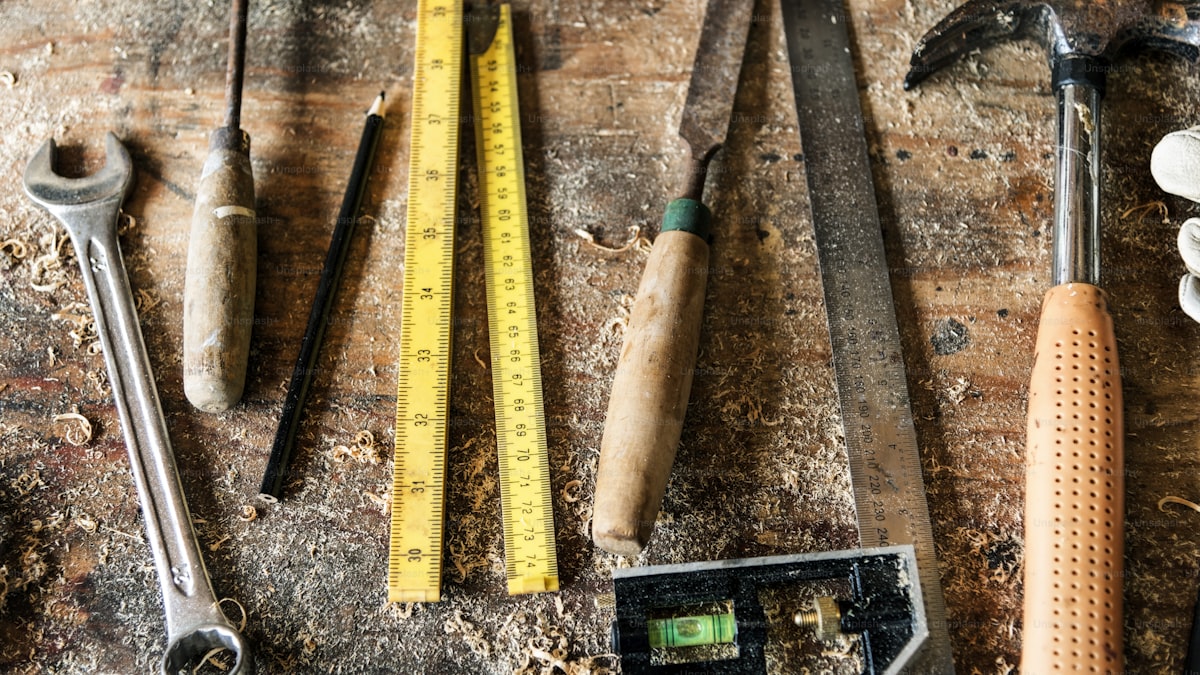
You do not need all of these items for every repair -- most wobbles are fixed with just glue, clamps, and sandpaper. If you are building out your home tool collection, a beginner tool kit will cover most of the basics, and you can pick up specialty items like band clamps as needed.
How Do You Prevent Furniture From Wobbling in the Future?
Once your chair or table is solid again, a few preventive habits will keep it that way for years.
Add or replace felt pads regularly. The felt, rubber, or plastic glides on the bottom of furniture legs are your first line of defense against wobbling. They cushion the legs, compensate for minor floor irregularities, and prevent hard contact that wears down leg tips over time. Check them every six months and replace any that have compressed, fallen off, or worn thin. This is one of the cheapest maintenance steps you can take for your furniture.
Avoid leaning back in chairs. Tipping a chair onto its back two legs puts enormous stress on the front joints. Over time, this stretches and weakens the glue holding those joints together. If you have kids (or adults) who are habitual chair-tippers, reinforce the front joints with screws as a preventive measure.
Control indoor humidity. Wood furniture responds to humidity changes by expanding and contracting. If your home swings from very dry in winter (below 30 percent humidity) to very humid in summer (above 60 percent), the constant movement works joints loose. A humidifier in winter and a dehumidifier or air conditioning in summer keeps humidity in the 40 to 55 percent sweet spot where wood is most stable. This same principle applies to hardwood floors -- stable humidity means fewer squeaks and fewer structural issues across your entire home.
Tighten hardware periodically. Many modern tables and chairs use bolts, screws, or connector fittings rather than traditional glue joints. These can loosen over time from regular use and vibration. Make it a habit to flip your furniture over once a year and snug up any visible fasteners. A quick pass with a wrench or screwdriver takes five minutes and prevents wobbles from developing in the first place.
Lift, do not drag. Dragging furniture across the floor puts lateral stress on the joints that they were not designed to handle. It also wears down leg glides unevenly, creating new wobbles. Always lift chairs and tables when you need to move them, even if it is just a few inches. If you frequently rearrange furniture, consider adding caster wheels to heavy pieces so you can roll them instead of dragging.
These habits protect more than just your furniture -- they protect your floors too. Worn-out glides and dragged legs are leading causes of scratched hardwood and torn vinyl. Taking care of your furniture is one of those small investments that pays off across your entire home.
Frequently Asked Questions
Can you fix a wobbly chair with superglue instead of wood glue?
Superglue (cyanoacrylate) is not a good substitute for wood glue on furniture joints. While superglue bonds almost instantly and creates a hard hold, it is brittle and does not flex with the wood. Furniture joints experience constant stress from sitting, leaning, and shifting weight, which requires a glue that can absorb some movement without cracking. Wood glue (specifically PVA-based glues like Titebond) soaks into the wood fibers and creates a flexible, shock-absorbing bond that is actually stronger than the wood itself. Superglue sits on the surface and will eventually crack under repeated stress, leaving you right back where you started. Save the superglue for ceramics and plastics, and use real wood glue for furniture.
Is it worth fixing a wobbly chair, or should you just replace it?
In almost every case, fixing a wobbly chair is worth it. The materials for a glue-and-clamp repair cost under $15, and the work takes about 30 minutes plus drying time. Compare that to buying a replacement chair that matches your set, which could cost anywhere from $50 to several hundred dollars -- and that is if you can even find the same style. Solid wood furniture is built to last decades, and a properly glued joint will hold just as long as (or longer than) the original. The only time replacement makes more sense than repair is when the wood itself is cracked, rotted, or badly warped, which is relatively rare. Fixing furniture rather than replacing it is one of the best ways to save money on home furnishings over the long run.
Why does your table wobble on a flat floor even though the legs look even?
This is a geometry problem that trips up a lot of people. A table has four legs, but it only takes three points to define a stable plane. If all four legs are not precisely the same length, the table will rock between the two diagonal pairs of legs -- even on a perfectly flat surface. The tolerance is incredibly small; a difference of just 1/32 of an inch between legs is enough to create a noticeable wobble. The fix is simple: identify the short leg (rock the table and watch which corner lifts), then add a felt pad or shim to bring it level. Alternatively, install adjustable levelers on all four legs so you can fine-tune the height of each one independently.
How do you fix a wobbly bar stool or office chair?
Bar stools and office chairs wobble for different reasons than dining chairs. Bar stools with a single pedestal base usually wobble because the base bolts have loosened -- flip the stool over and tighten the large bolt connecting the column to the base with a wrench. For bar stools with four legs, the same joint-repair methods described in this guide apply. Office chairs on caster wheels often wobble because a caster is broken or the gas lift cylinder is worn out. Check each caster by pulling it out of its socket and inspecting the stem for cracks or wear. Replace any damaged casters individually -- they are universal and inexpensive. If the seat itself tilts or wobbles, the tilt mechanism under the seat may need tightening or replacement. You can find replacement office chair parts for just a few dollars, which is far cheaper than buying a new chair.
Final Thoughts
A wobbly chair or table is one of those household annoyances that feels like it should require a professional -- but it almost never does. Whether you stick a felt pad on a short leg, glue and clamp a loose joint, reinforce a connection with a trim screw, install adjustable levelers, or replace a worn dowel, the fix is well within the reach of any homeowner with basic tools and 30 minutes to spare.
The key takeaway is to diagnose first and fix second. Spend two minutes figuring out whether the wobble comes from uneven legs, loose joints, worn glides, or an uneven floor. That simple step points you directly to the right method and saves you from trial and error.
If this is your first furniture repair, start with the felt pad method or the glue-and-clamp approach -- both are forgiving and hard to mess up. Once you see how straightforward these fixes are, you will have the confidence to tackle other small home repairs like fixing a squeaky door, silencing a squeaky floor, or tightening a loose door handle. Each fix you handle yourself is money saved and satisfaction earned.
Now go pick that one chair that has been driving you crazy, flip it over, and give it the five-minute repair it has been waiting for. Your future self -- sitting steady at the dinner table with zero wobble -- will thank you.
Get weekly home tips that actually work
Join thousands of homeowners getting practical cleaning hacks, DIY fixes, and money-saving tips every week. Free, and you can unsubscribe anytime.

Written by
Beth SullivanFounder & Editor-in-Chief
Beth Sullivan is the founder of Practical Home Guides. With over a decade of hands-on experience tackling every home challenge imaginable, she started this site to share the practical, no-nonsense solutions she wishes she had found years ago. When she's not testing cleaning hacks or organizing pantries, you'll find her in the garden or working on her next DIY project.
Recommended Products
Looking for specific product recommendations? Check out our tested picks.
Best Cordless String Trimmers (2026 Tested)
Battery-powered string trimmers have caught up to gas. We tested the top models on bermuda, fescue, and overgrown areas to find the picks worth your money.
Best Basement Dehumidifiers (2026 Buyer's Guide)
Damp basements destroy stored items, grow mold, and stink. We tested dehumidifiers for capacity, durability, and energy use to find the picks worth the money.
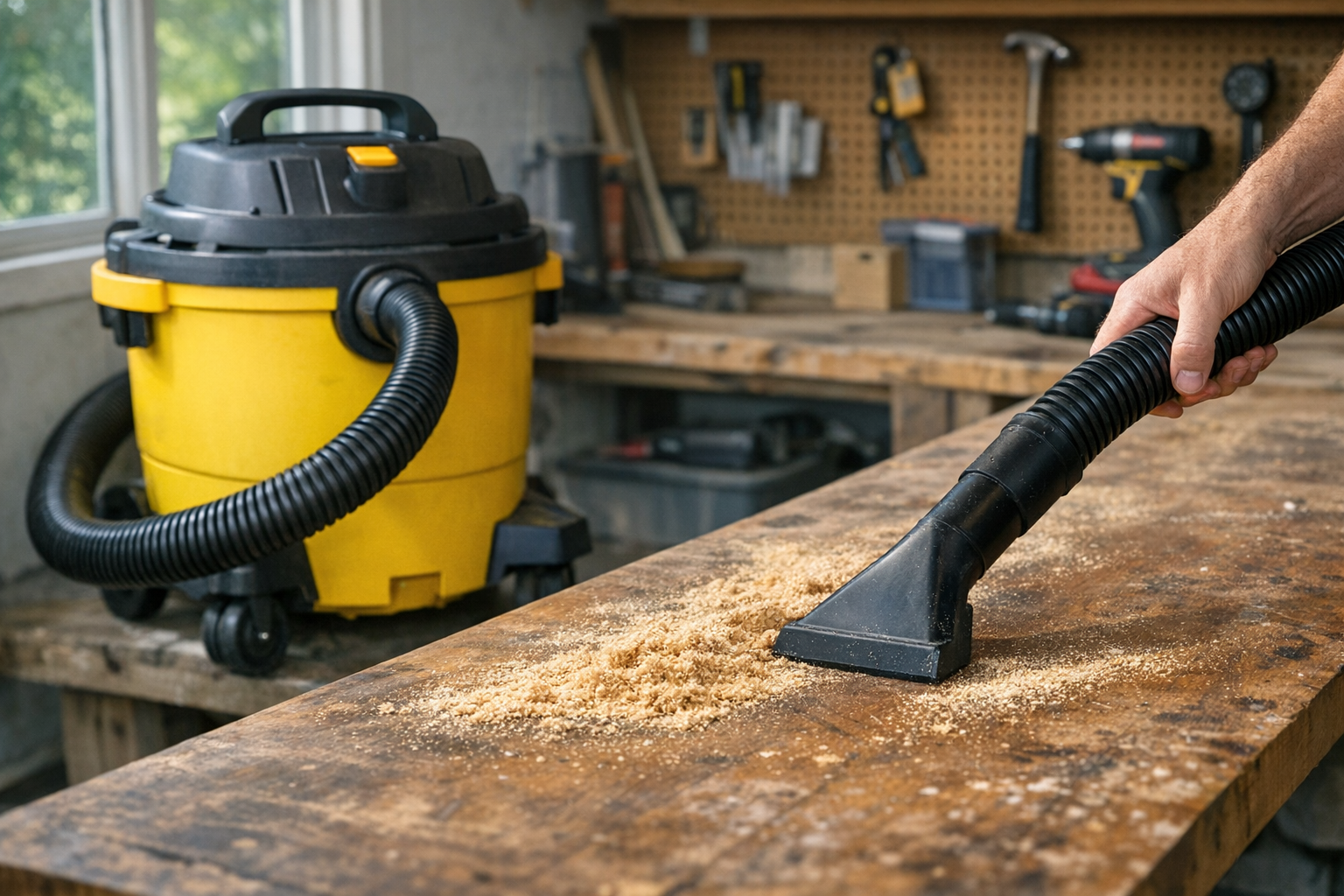
Best Wet/Dry Shop Vacs (2026 Tested)
Whether you need to clean a flooded basement, dust the garage, or pick up workshop debris, here are the wet/dry shop vacs worth the money.
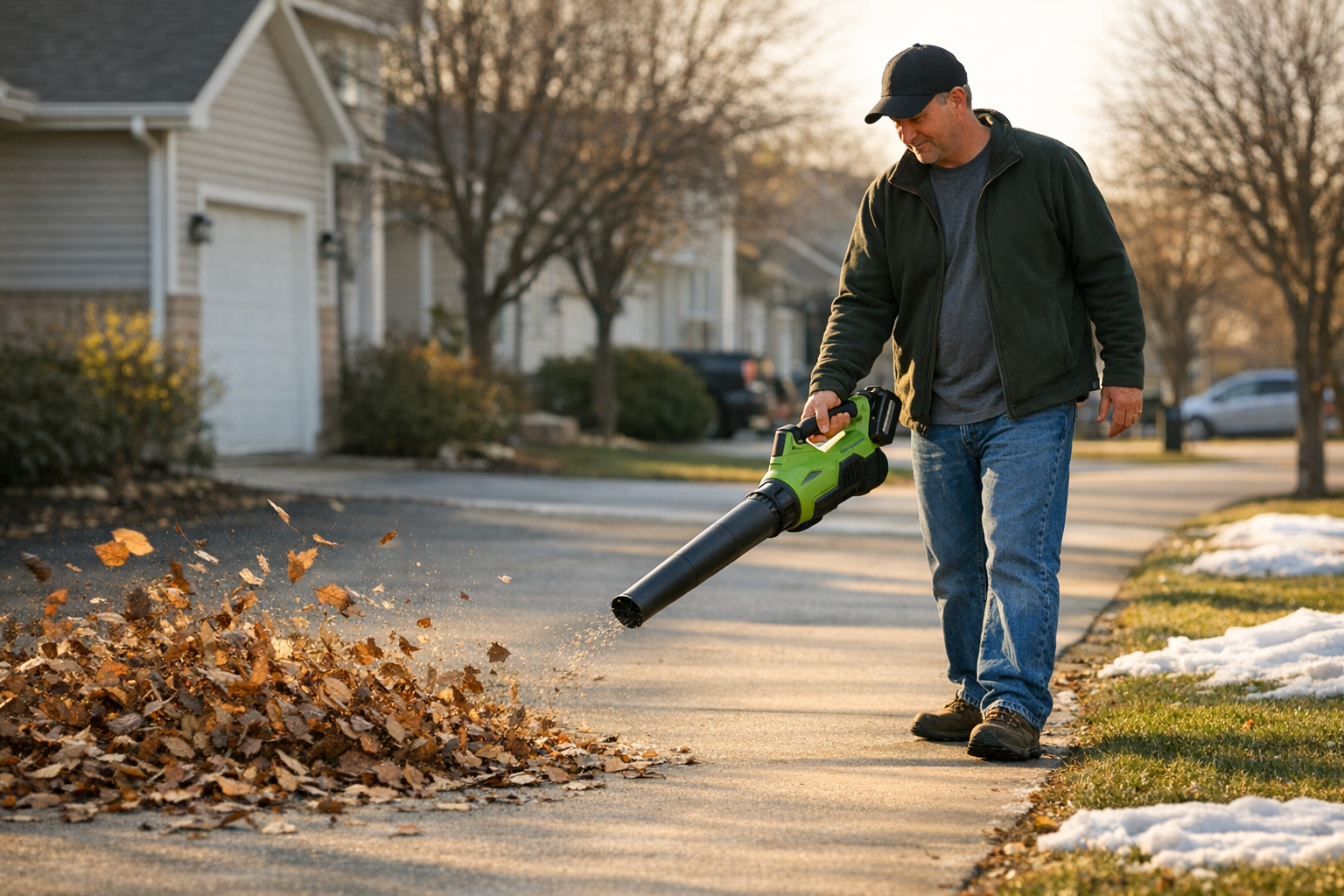
Best Electric Leaf Blowers (2026 Buyer's Guide)
Cordless and corded electric leaf blowers tested for power, runtime, and noise. Our picks for small yards, large yards, and pro-grade home use.
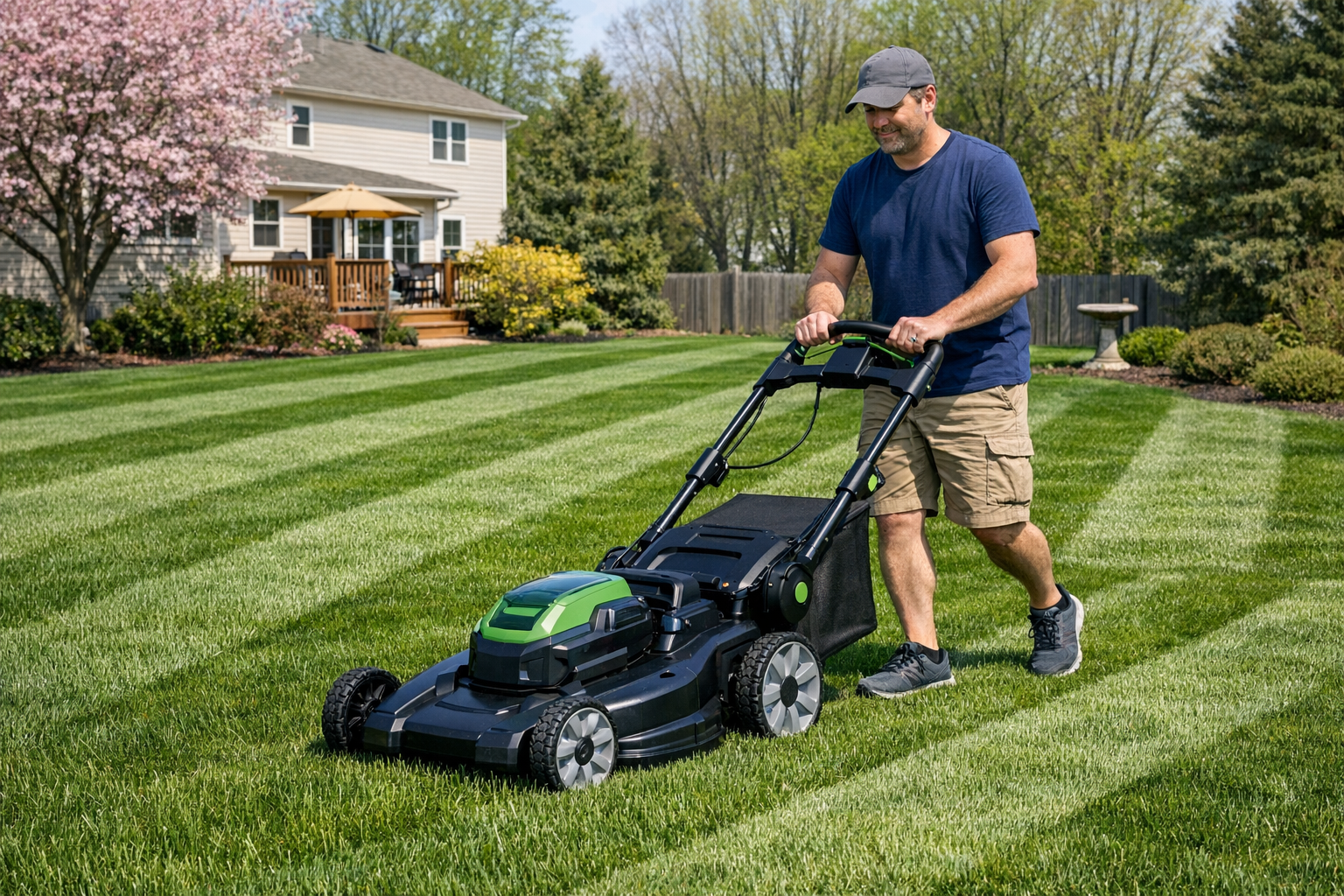
Best Cordless Lawn Mowers (2026 Spring Buyer's Guide)
Battery-powered mowers have caught up to gas. We tested the top cordless mowers on grass length, slopes, and runtime to find the picks worth your money.
5 Best Cordless Drills for Homeowners (2026)
Find the right cordless drill for home projects without overspending. We compared the top drills for DIYers — here are the 5 best for everyday home use.
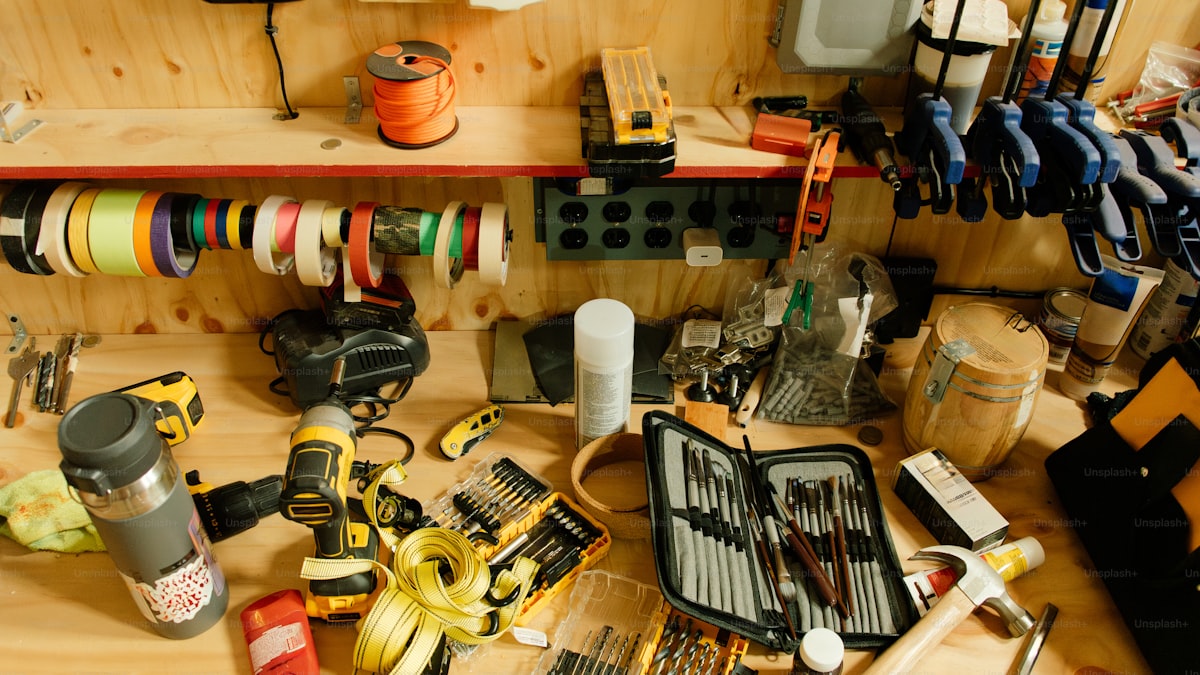
Best Home Tool Kits for Beginners (2026)
The best home tool kits for new homeowners and renters. We compare 6 tool sets from basic to comprehensive, so you can handle common repairs without calling a handyman.
Related Articles
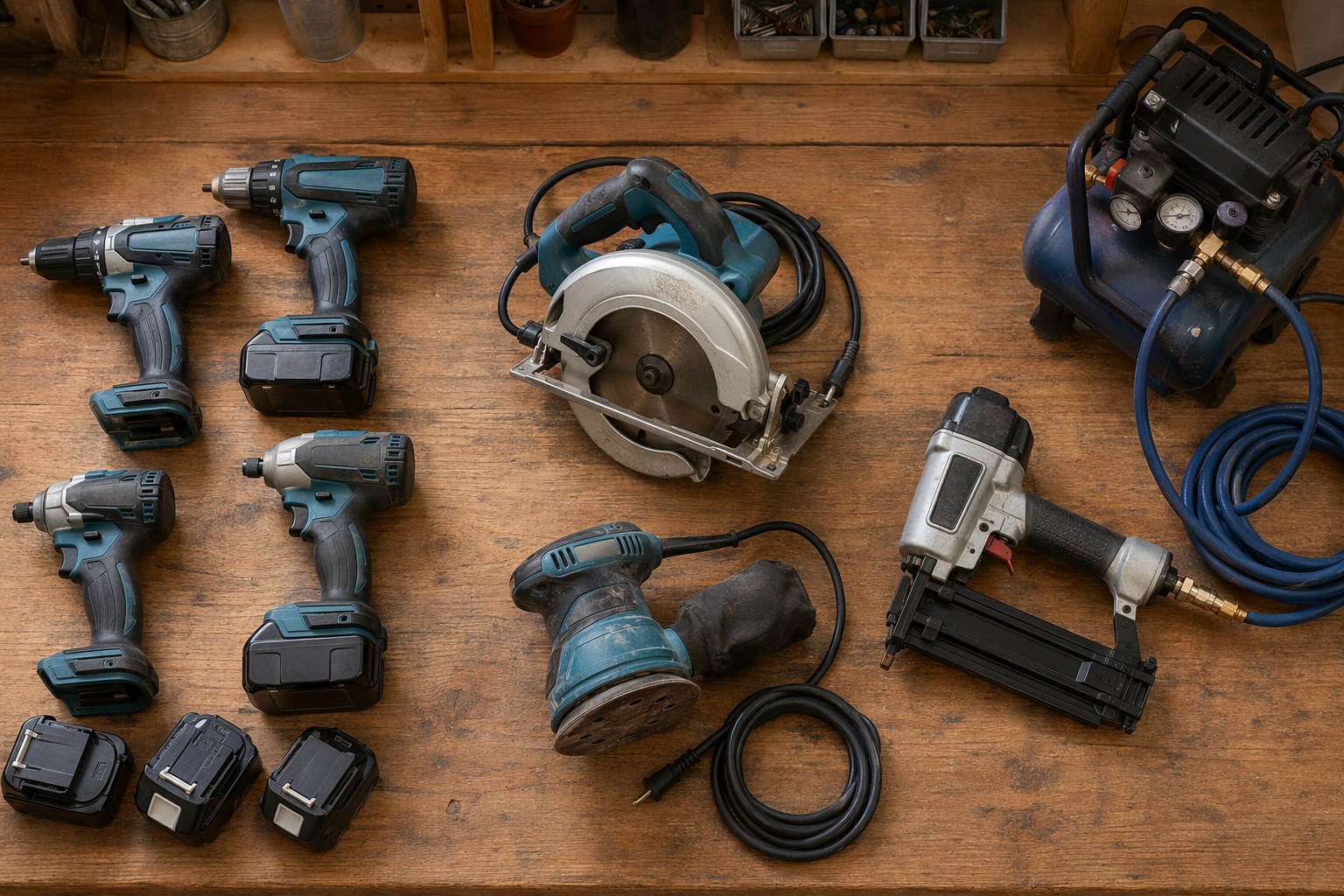
Cordless vs. Corded vs. Pneumatic: The Homeowner's Tool System Buying Guide
Cordless, corded, or pneumatic? A homeowner's guide to choosing a power tool ecosystem (DeWalt, Milwaukee, Makita, Ryobi) with a starter-to-advanced path.

End-of-May Home Audit: Fix 5 Summer Safety Issues Before June Heat
A contractor's final spring safety audit. Five critical ventilation, electrical, plumbing, and cooling checks to fix before extreme June heat hits your home.

Backyard Lighting Design: Create Ambiance for Summer Evenings
An electrician's guide to safe backyard lighting design. Layer string lights, path lights, and uplighting in zones for ambiance plus task lighting that lasts.
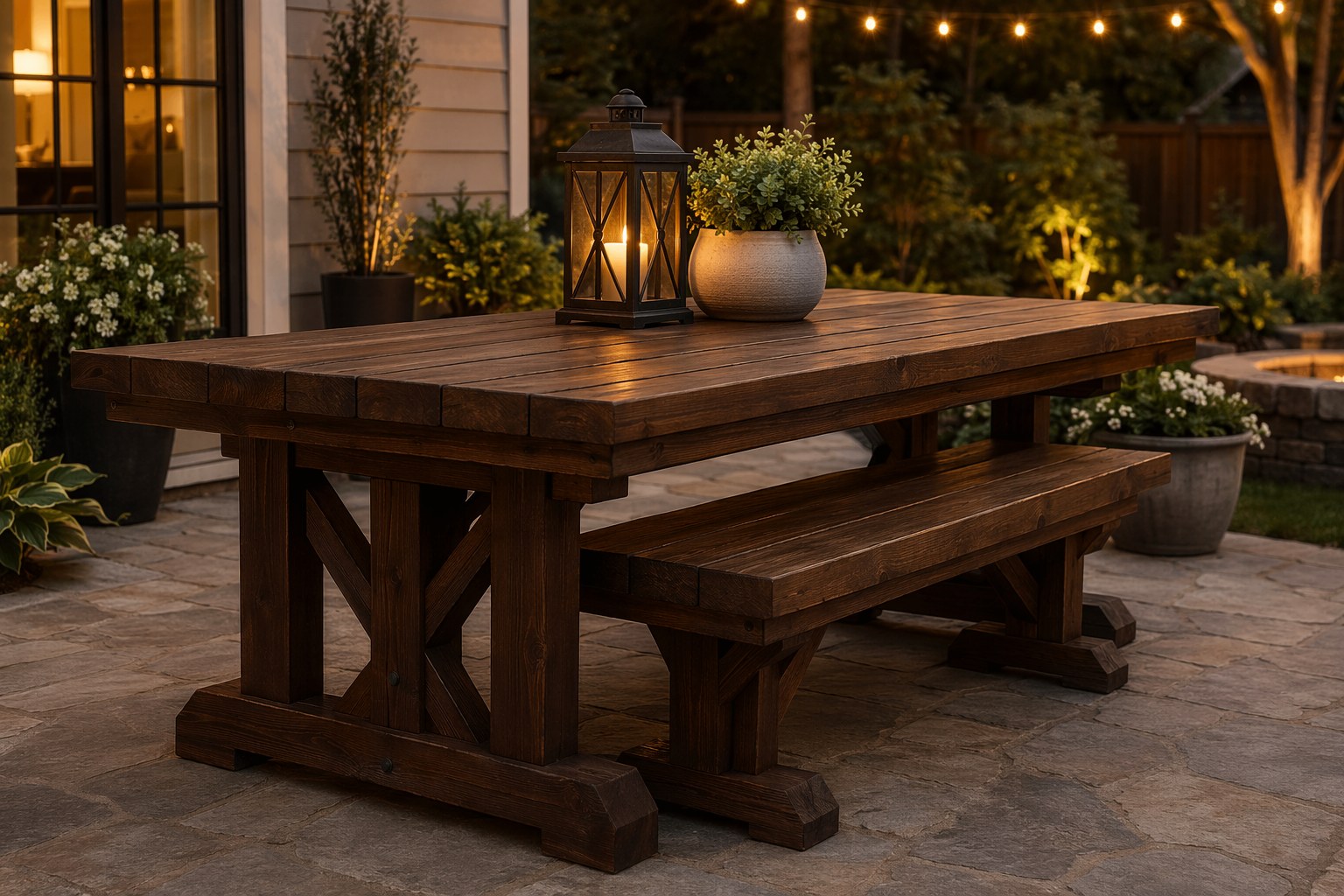
Budget Outdoor Dining: Building a Patio Table & Bench Setup
A carpenter's plans for a sturdy 2x4 outdoor dining table and bench set that seats 8, costs about 300 dollars in materials, and lasts 20 years.