Cordless vs. Corded vs. Pneumatic: The Homeowner's Tool System Buying Guide
This article may contain affiliate links. If you make a purchase through these links, we may earn a small commission at no extra cost to you. Learn more
Quick Answer
Cordless vs. Corded vs. Pneumatic: The Homeowner's Tool System Buying Guide
For most homeowners, the smartest move is to commit to one cordless battery platform and build outward. Choose DeWalt 20V MAX or Milwaukee M18 if you want the deepest professional lineup, Makita 18V LXT if comfort and finish matter, or Ryobi ONE+ if budget and breadth of cheap tools win the day. Keep corded tools only for the few high-draw machines (table saws, big sanders, shop vacs) where a cord is genuinely better, and add a small pneumatic setup only once you start doing real finish carpentry or framing.
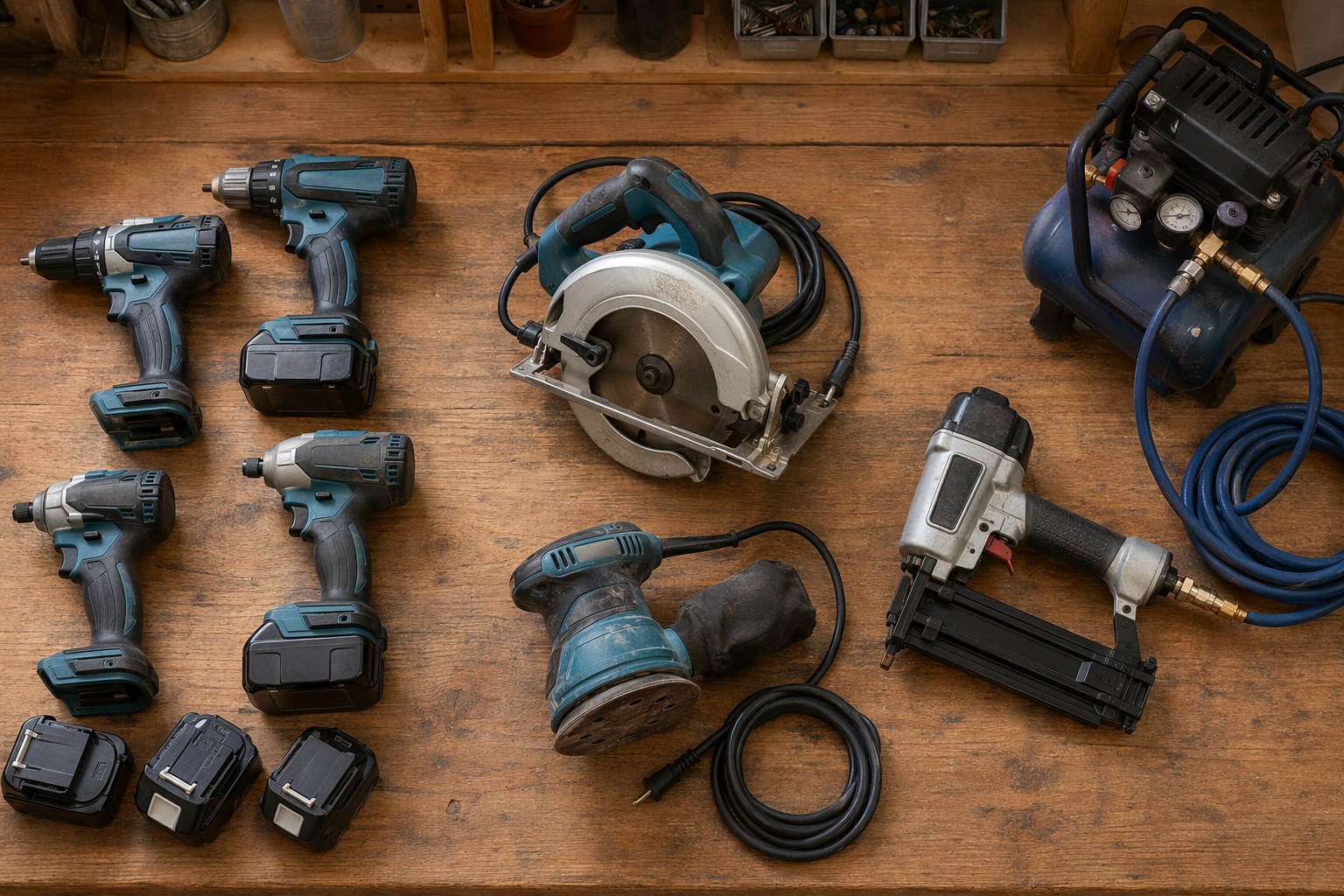
The single most expensive mistake a homeowner makes with power tools is not buying a bad tool. It is buying good tools that do not talk to each other. You grab a cordless drill on a holiday sale, an impact driver from a different brand a year later, then a circular saw from a third because it was twenty dollars cheaper that week. Three years in, you own four chargers, six incompatible batteries, and a drawer of dead cells you are afraid to throw away. You spent more, you charge more, and half your tools are stranded because the right battery is never charged.
This guide exists to stop that from happening. The real decision is not "which drill should I buy" — it is "which system should I buy into." Once you pick a platform, every future tool becomes a bare-tool purchase at a fraction of the kit price, because you already own the expensive part: the batteries. So before we compare brands, we need to answer a more fundamental question that almost nobody asks first: should a given tool even be cordless at all?
The Three Power Systems, Honestly Compared
Every power tool you will ever buy runs on one of three things: a battery, a wall outlet, or compressed air. Each exists because it is genuinely the best answer for a certain class of work. The trick is matching the tool to the job rather than buying everything in one format because it is convenient.
| Power system | Best at | Weak at | Typical homeowner cost | When it wins |
|---|---|---|---|---|
| Cordless (battery) | Portability, quick grab-and-go jobs, drilling, driving, light cutting | Sustained heavy loads, long run sessions, raw peak power | $99-$249 per tool kit; $79-$129 bare tool | 80% of household tasks |
| Corded (electric) | Sustained power, never stops to recharge, lower cost per watt | Tethered to an outlet, cord management, no roaming | $40-$200 per tool | High-draw, stationary, long-run work |
| Pneumatic (air) | Lightweight tools, rapid-fire fastening, low tool cost | Requires a compressor + hose, noise, setup time | $200-$400 compressor + $30-$120 per nailer | Repetitive fastening, finish carpentry, framing |
Here is the honest 2026 reality: brushless motors and high-capacity batteries have made cordless tools good enough that they are now the correct default for the majority of homeowner work. Ten years ago that was not true — cordless meant weak and short-lived. Today a cordless drill, impact driver, oscillating tool, and even a compact circular saw will handle the vast majority of jobs you will ever face, from fixing a loose door handle to building a raised garden bed on a budget.
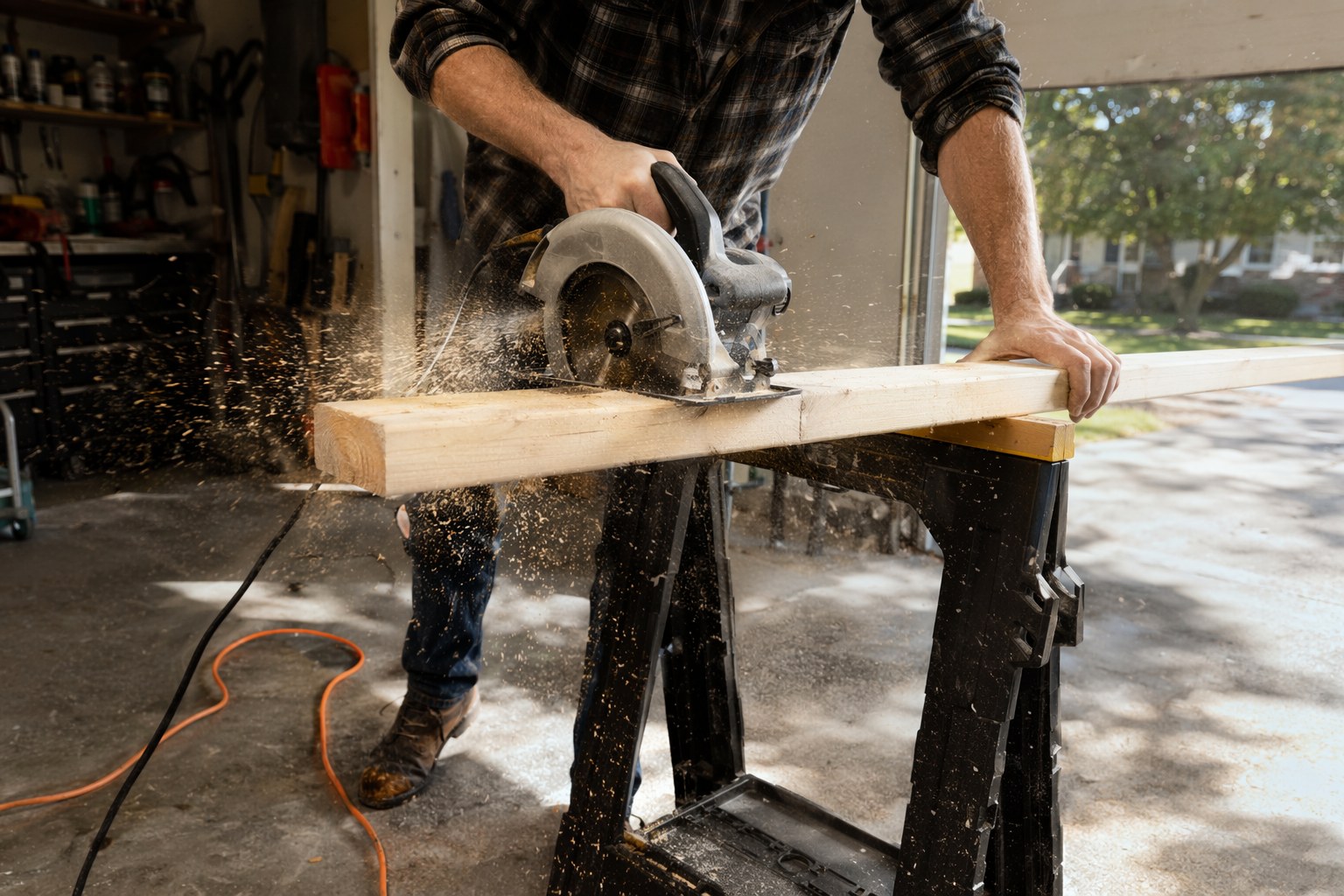
Corded still wins in a narrower but real set of cases: a table saw or miter saw you bolt to a bench and run for an hour, a big random-orbit sander that would drain a battery in minutes, and especially a wet/dry shop vacuum, which pulls so much current that a cordless version is either anemic or absurdly expensive. For those, a cord is not a compromise — it is the smarter buy.
Pneumatic occupies the smallest niche for homeowners, but it is a delightful one. If you start doing trim, baseboard, crown molding, or fencing, a small compressor and a brad nailer will change your life. We will get to exactly when that crossover happens later.
Why Picking a Battery Platform Is the Real Decision
Imagine two homeowners who each spend $600 on power tools over three years.
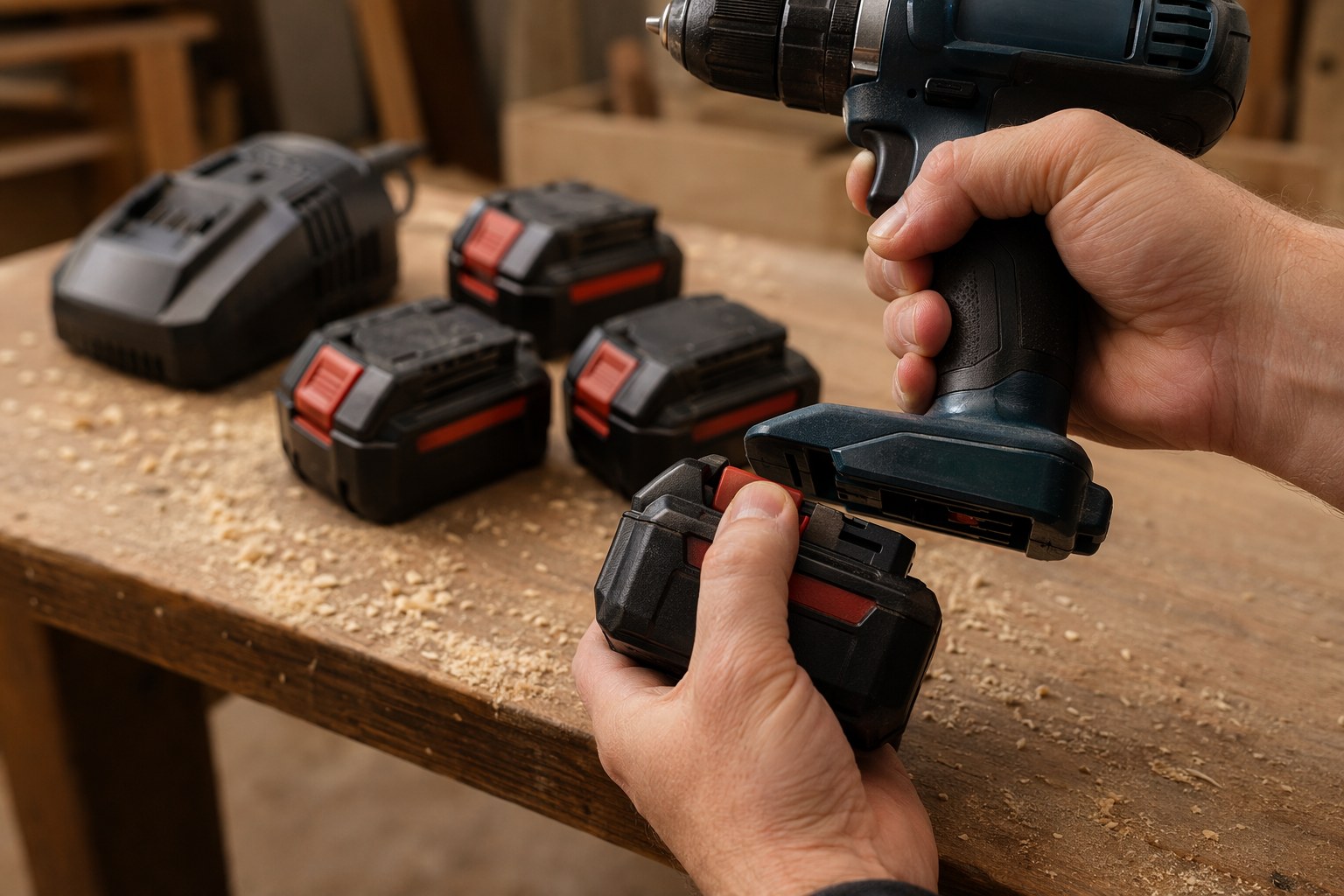
Homeowner A buys whatever is cheapest each time. She ends up with a Brand X drill, a Brand Y impact driver, a Brand Z circular saw, three chargers, and five batteries that fit only one tool apiece. When she reaches for the circular saw, its battery is always dead, because she rarely uses it and never thinks to charge it. Effective usable tools at any given moment: about two.
Homeowner B picks one platform on day one and buys only bare tools after the first kit. His $600 nets a drill/driver kit (with two batteries and a charger), plus a bare impact driver, bare circular saw, bare oscillating tool, and a bare work light. Every one of those tools shares the same two batteries and one charger. He owns six tools, all of which work the moment he grabs them, because he only has to keep two batteries topped up.
That is the entire argument. A battery platform is not a brand loyalty thing — it is an interoperability thing. The voltage system (18V/20V) and the battery interface are what lock you in, and that lock-in is exactly what saves you money, as long as you choose well the first time. This is the same logic that makes a coordinated beginner tool kit cheaper than buying tools one at a time, just extended across power tools.
The Four Platforms Worth Buying In 2026
There are dozens of cordless brands. For homeowners, four matter. Here is how they actually differ once you cut through the marketing.
DeWalt 20V MAX — The Safe Default
DeWalt's 20V MAX line is the closest thing to a no-regrets choice. The lineup is enormous (200-plus tools), the tools are widely available at every big-box store and on Amazon, batteries are sold everywhere, and resale value holds. The yellow tools lean slightly toward the contractor market, which means they are built tough and there is a FlexVolt option if you ever want serious saw power. For a homeowner who wants to buy once and never think about platform risk again, this is the pick. If you only ever own one DeWalt tool, make it the brushless drill/driver.
DeWalt DCD800 20V MAX Brushless Drill
A brushless 20V MAX drill/driver that anchors the most universally available cordless platform — the safest long-term battery system for homeowners.
Check Price on Amazon →Milwaukee M18 — The Power and Pro-Depth Choice
Milwaukee's M18 platform is the favorite of trades for a reason: the tools punch hard, the brushless motors are excellent, and the FUEL line of high-output tools is genuinely professional-grade. The catalog is the deepest on the market — over 250 tools, including oddball specialty items you never knew you wanted. For a homeowner who has caught the DIY bug and expects to tackle ambitious projects, M18 will never be the thing holding you back. It costs a little more than DeWalt for equivalent tools, and Milwaukee leans premium, but you are paying for headroom you will grow into.
Milwaukee M18 FUEL Drill/Driver Kit
A premium brushless drill on the deepest cordless ecosystem available, ideal for homeowners who plan to take on bigger, more frequent projects.
Check Price on Amazon →Makita 18V LXT — The Comfort and Finesse Choice
Makita's 18V LXT system is the connoisseur's pick. The tools tend to be the lightest and best-balanced in the hand, the ergonomics are superb, and the finish quality on things like sanders, trim routers, and oscillating tools is excellent. The catalog is huge, and the brand has a loyal following among woodworkers and finish carpenters. If you do a lot of detail work and value how a tool feels over a 90-minute session — or you have smaller hands or wrist fatigue concerns — Makita is worth a hard look. The one wrinkle is that Makita's 18V batteries use a different interface than the 40V XGT line, so stay inside LXT unless you have a specific reason to go bigger.
Ryobi ONE+ — The Budget Breadth Champion
Ryobi ONE+ is the answer when money is the deciding factor and you want the widest possible spread of cheap tools that all share one battery. The ONE+ ecosystem covers more than 300 tools — not just drills and saws but glue guns, inflators, fans, misters, bug zappers, and a cordless lawn mower — and a single 18V battery powers all of them. The tools are a notch below the others in raw build quality and you will only find them at The Home Depot rather than on Amazon, but no one matches the sheer value per dollar. For a renter, a first-time homeowner on a tight budget, or anyone who wants outdoor and household tools on one battery, Ryobi is the smart play.
| Platform | Catalog size | Where to buy | Price tier | Best fit |
|---|---|---|---|---|
| DeWalt 20V MAX | 200+ tools | Everywhere | Mid-high | Buy-once, no-regrets default |
| Milwaukee M18 | 250+ tools | Everywhere | High | Ambitious DIYers, max headroom |
| Makita 18V LXT | 275+ tools | Most retailers | Mid-high | Comfort, finish work, woodworking |
| Ryobi ONE+ | 300+ tools | Home Depot only | Budget | Tightest budget, widest cheap spread |
The Progression Path: Starter to Advanced
You do not need everything at once. Buy in the order you will actually use the tools, and let the battery platform carry you forward. Here is the progression I recommend to every homeowner.
Stage 1: The Foundation (about $200)
Start with a brushless drill/driver kit in your chosen platform — that one purchase gives you two batteries and a charger, the expensive parts of the whole system. Add a great cordless drill and you can already handle hanging shelves, assembling furniture, mounting a TV, and most fasteners in your home. If you do not yet own basic hand tools, pair this with a starter hand-tool kit before spending another dollar on power.
Stage 2: The Core Trio (add about $150)
The next two tools are a bare-tool impact driver (it drives long screws and lag bolts the drill struggles with, and it costs little once you own the batteries) and a bare-tool oscillating multi-tool (flush cuts, scraping, grout removal, sanding in corners). These three — drill, impact driver, oscillating tool — cover an astonishing share of real home repair. This is also the natural moment to add a cordless work light, because every project gets easier when you can see.
Stage 3: Cutting and Outdoor (add $150-$400)
Now branch based on your house and yard. A bare-tool compact circular saw and a reciprocating saw open up building and demolition. If you have a yard, this is where the platform really pays off: a cordless string trimmer, an electric leaf blower, and eventually a cordless lawn mower can all run on the same batteries you already own (most true on Ryobi, EGO-adjacent, and the higher-voltage lines).
Bare-Tool Impact Driver
A platform-matched bare impact driver is the highest-value second tool to buy — no battery or charger needed if you already own the drill kit.
Check Price on Amazon →Stage 4: The Corded and Pneumatic Add-Ons (as needed)
Only now do you reach for the non-cordless tools, and only the specific ones that earn their place. A corded shop vacuum for dust and cleanup. A corded random-orbit sander if you refinish furniture or do a lot of prep before painting — exactly the kind of work that pays off in a budget bathroom upgrade with resale value. And, once you start installing trim, a small pneumatic setup.
When Pneumatic Finally Makes Sense
Here is the rule of thumb: if you are driving more than a few dozen finish nails or brads, hand-nailing gets miserable and a cordless nailer is expensive. A small "pancake" air compressor (about $150-$200) plus a brad nailer and a finish nailer (about $40-$100 each) is cheaper than two cordless nailers and lighter in the hand for long ceiling or molding runs. The downside is the hose, the noise, and the setup, so it is not worth it for a single picture rail.
Buy into pneumatic when you cross into real carpentry: installing baseboard and casing throughout a room, building a fence, adding crown molding, or assembling cabinetry. The same compressor also runs a blow nozzle for cleanup and an inflator for tires and sports gear, which sweetens the deal. Below that threshold, a single cordless brad nailer on your existing battery platform is the simpler choice.
Pancake Air Compressor and Brad Nailer Combo
A compact pancake compressor paired with an 18-gauge brad nailer — the right entry point once you move into trim, molding, and finish carpentry.
Check Price on Amazon →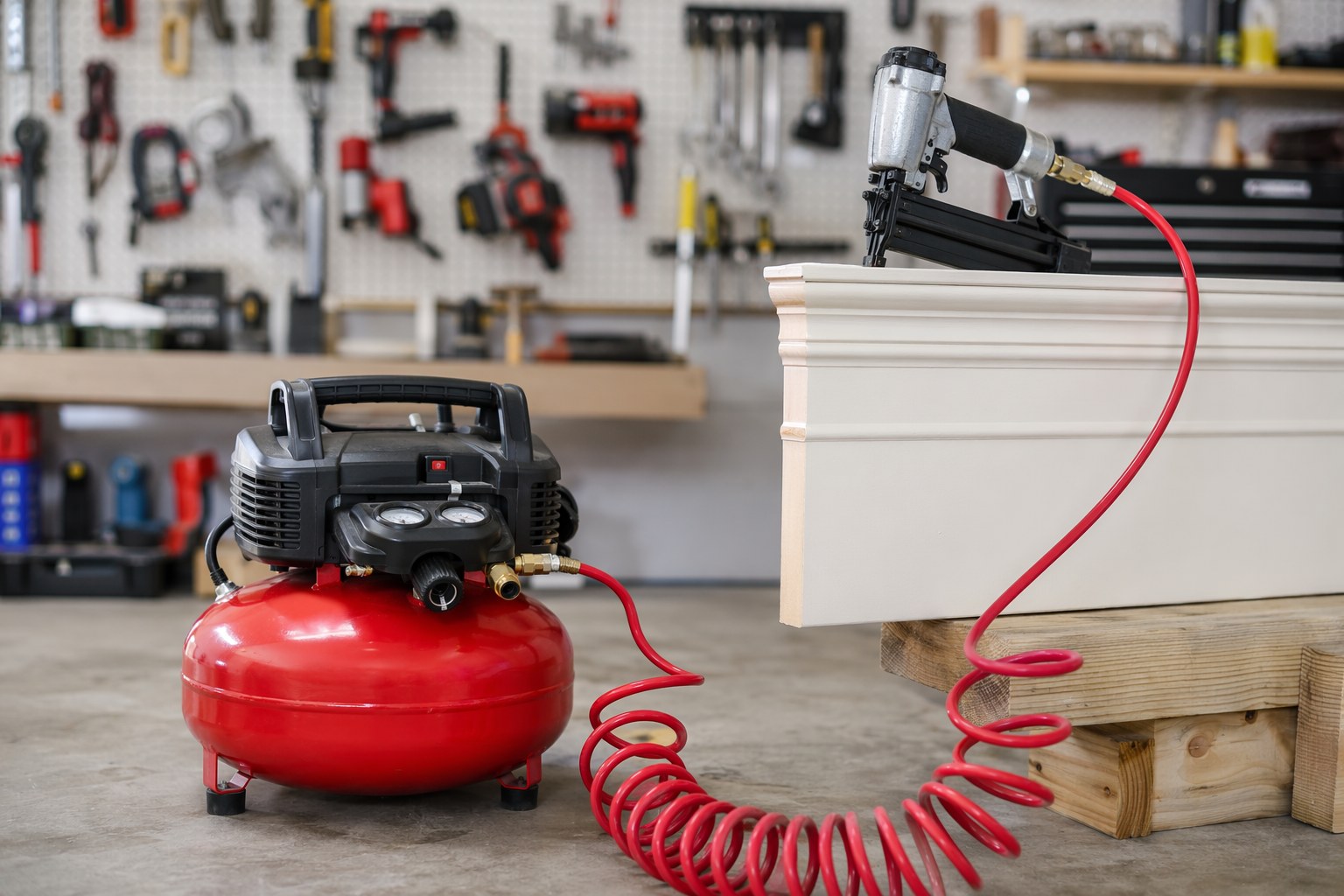
A Decision Framework You Can Use Today
If you want a single page to act on, use this:
- You own zero power tools and want one decision you will not regret. Buy a DeWalt 20V MAX brushless drill/driver kit, then add bare tools over time. Done.
- You expect to do a lot of projects and want maximum power headroom. Go Milwaukee M18 and never look back.
- You care about comfort, balance, and fine woodworking. Choose Makita 18V LXT.
- Budget is the hard constraint, or you want yard and house tools on one cheap battery. Buy Ryobi ONE+ at The Home Depot.
- You need a stationary, high-draw, long-run tool (table saw, big sander, shop vac). Buy it corded regardless of your platform.
- You are installing trim or framing. Add a pancake compressor and a pneumatic nailer.
Whatever you pick, keep your tools organized so the system actually pays off. A wall of garage pegboard zones or a set of garage shelving systems keeps batteries charged, chargers mounted, and tools where you can find them — which is the difference between owning tools and using them.
Frequently Asked Questions
Is 18V the same as 20V MAX?
Yes, they are the same battery chemistry measured two different ways. "20V MAX" is the peak voltage a fully charged pack reaches off the charger; "18V" is the nominal voltage under load. DeWalt and Craftsman market 20V MAX while Milwaukee, Makita, and Ryobi market 18V, but all of these are the same class of cordless system. Do not pay a premium thinking 20V is meaningfully more powerful than 18V — it is not.
Can I mix batteries between brands with an adapter?
Technically there are third-party adapters, but I do not recommend relying on them. They can defeat the battery's communication with the tool, which manages heat and current, and they can void warranties or in rare cases damage the tool. The whole point of choosing a platform is to avoid this. Pick one system and stay native.
Should I buy kits or bare tools?
Buy a kit for your very first tool in a platform, because that is how you acquire batteries and a charger at the best price. After that, buy bare tools whenever the bare version is available — you already own the expensive part. The exception is when a kit is on a deep holiday sale that includes a high-capacity battery worth more than the discount, which happens often around Black Friday and Father's Day.
Are cordless tools powerful enough to replace corded for a homeowner?
For roughly 80% of homeowner tasks, yes — a modern brushless cordless drill, impact driver, circular saw, and reciprocating saw will handle nearly everything you throw at them. The exceptions are sustained, high-draw, stationary work: table saws, large sanders, and shop vacuums, where corded is still the smarter and cheaper buy. Build your collection cordless first and add corded only for those specific machines.
How many batteries do I actually need?
Two will carry most homeowners comfortably: one in use, one charging. Add a third only if you find yourself waiting on the charger during big projects, or if you run battery-hungry outdoor tools like a mower or trimmer. A higher-capacity battery (4.0 Ah or 5.0 Ah) is usually a better upgrade than a third small pack, since it runs longer and powers high-draw tools without sagging.
The Bottom Line
The homeowner who saves the most money and frustration is not the one who finds the cheapest individual tool — it is the one who picks a battery platform on day one and builds outward with bare tools. Choose DeWalt 20V MAX for a no-regrets default, Milwaukee M18 for power and depth, Makita 18V LXT for comfort and finish work, or Ryobi ONE+ for budget and breadth. Keep corded tools for the handful of high-draw, long-run machines where a cord genuinely wins, and add a small pneumatic setup only once you start doing real trim and framing.
Get that one decision right and every future purchase gets cheaper, every tool is ready when you reach for it, and the savings compound for years. Pair your system with solid hand tools, an organized garage workspace, and a willingness to tackle the small jobs yourself, and you will spend far less than the next handyman bill you avoid.
Get weekly home tips that actually work
Join thousands of homeowners getting practical cleaning hacks, DIY fixes, and money-saving tips every week. Free, and you can unsubscribe anytime.

Written by
Marcus ChenDIY & Home Repair Editor
Marcus Chen spent fifteen years as a licensed general contractor in the Pacific Northwest before joining Practical Home Guides full time. He specializes in plumbing, electrical, and weekend warrior projects that save homeowners thousands. Marcus has personally tested every tool he recommends in his own century-old fixer-upper.
Recommended Products
Looking for specific product recommendations? Check out our tested picks.
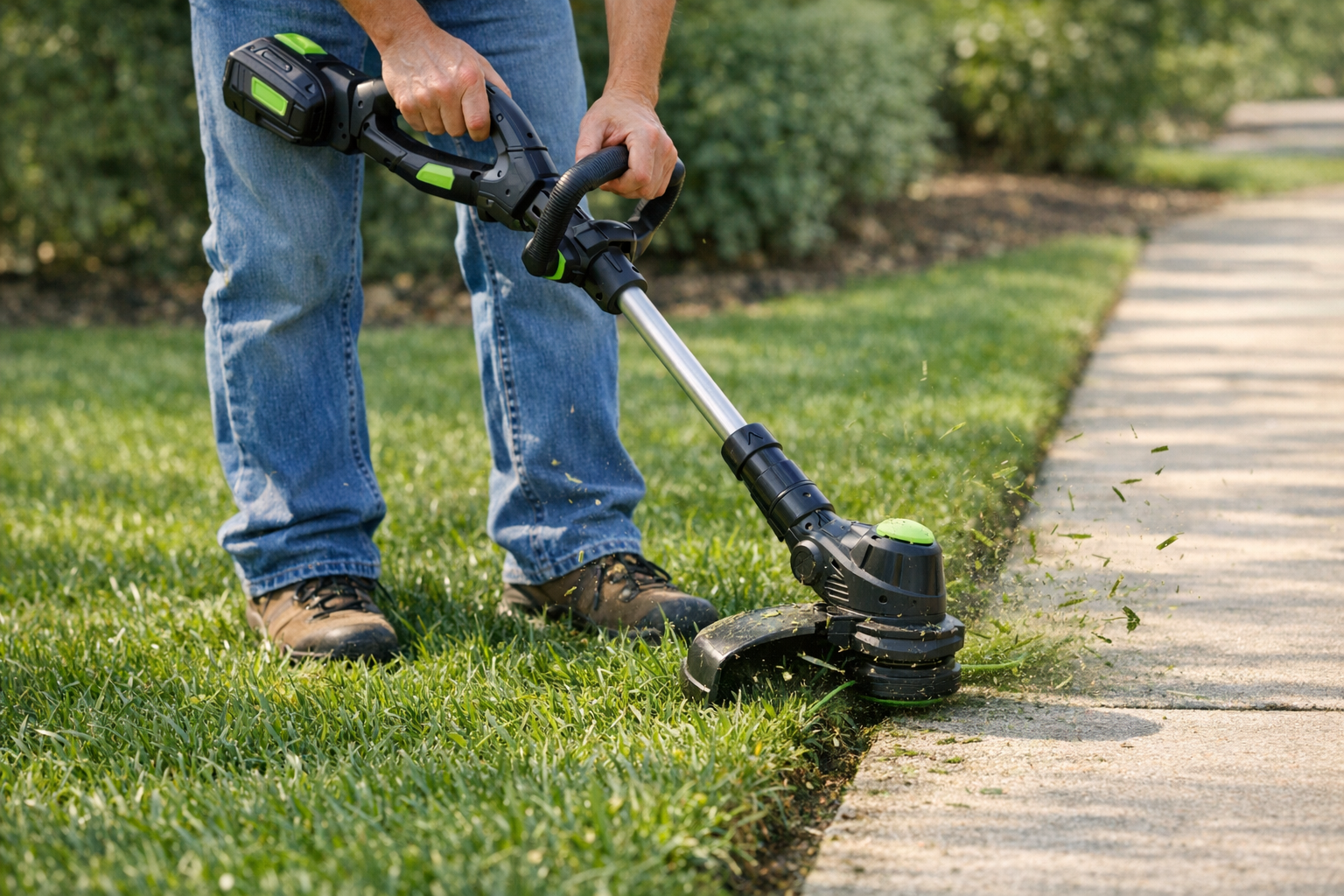
Best Cordless String Trimmers (2026 Tested)
Battery-powered string trimmers have caught up to gas. We tested the top models on bermuda, fescue, and overgrown areas to find the picks worth your money.
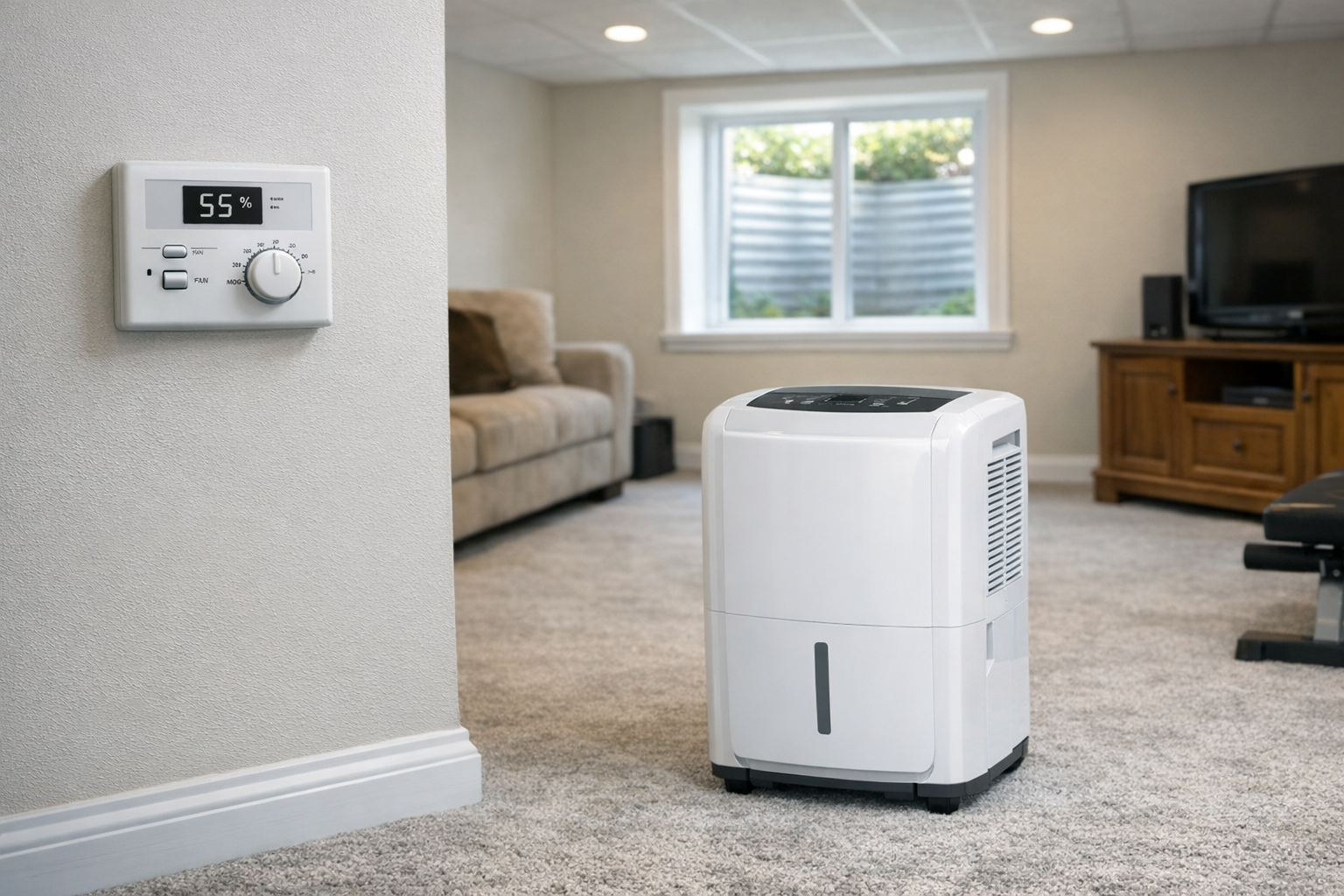
Best Basement Dehumidifiers (2026 Buyer's Guide)
Damp basements destroy stored items, grow mold, and stink. We tested dehumidifiers for capacity, durability, and energy use to find the picks worth the money.
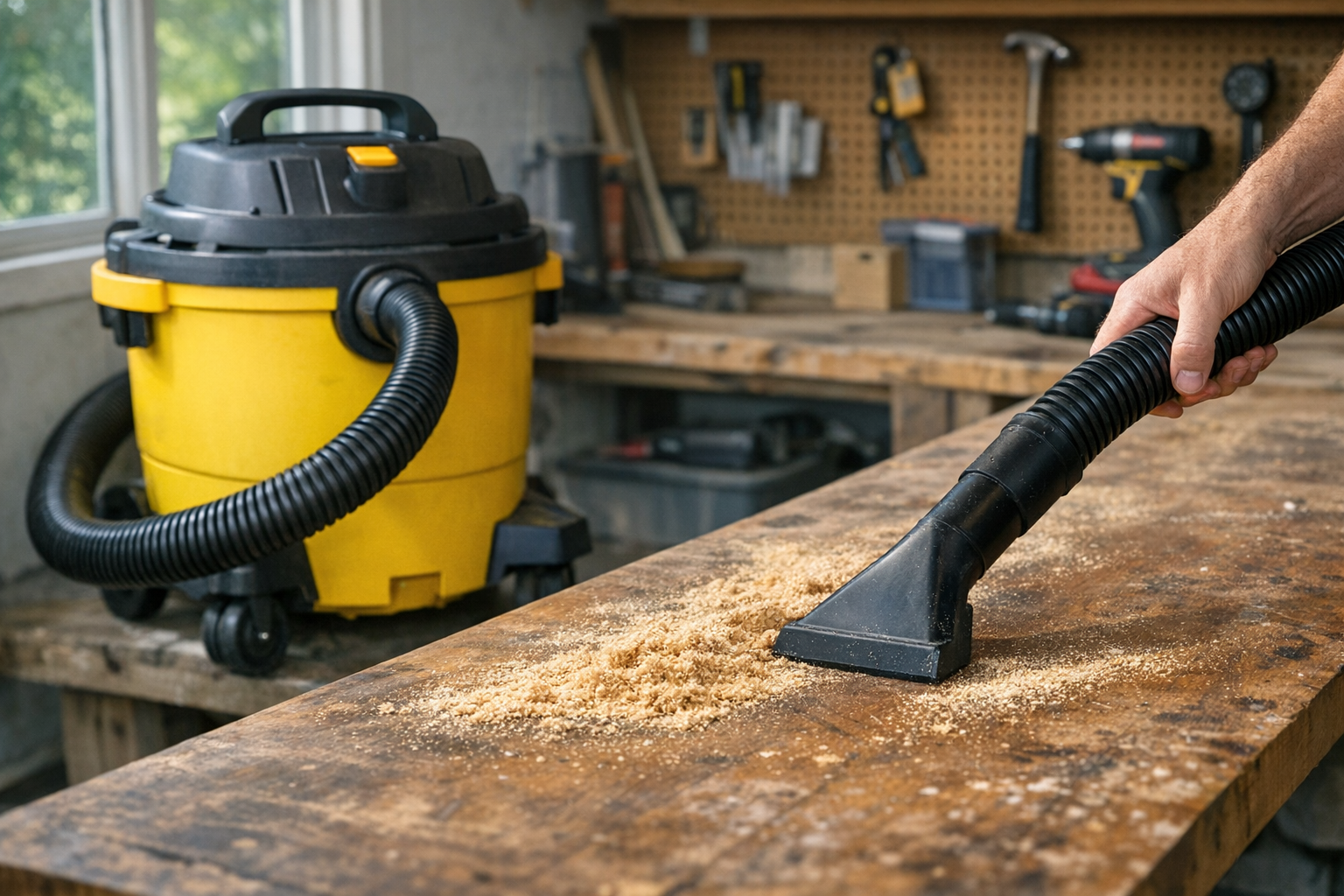
Best Wet/Dry Shop Vacs (2026 Tested)
Whether you need to clean a flooded basement, dust the garage, or pick up workshop debris, here are the wet/dry shop vacs worth the money.
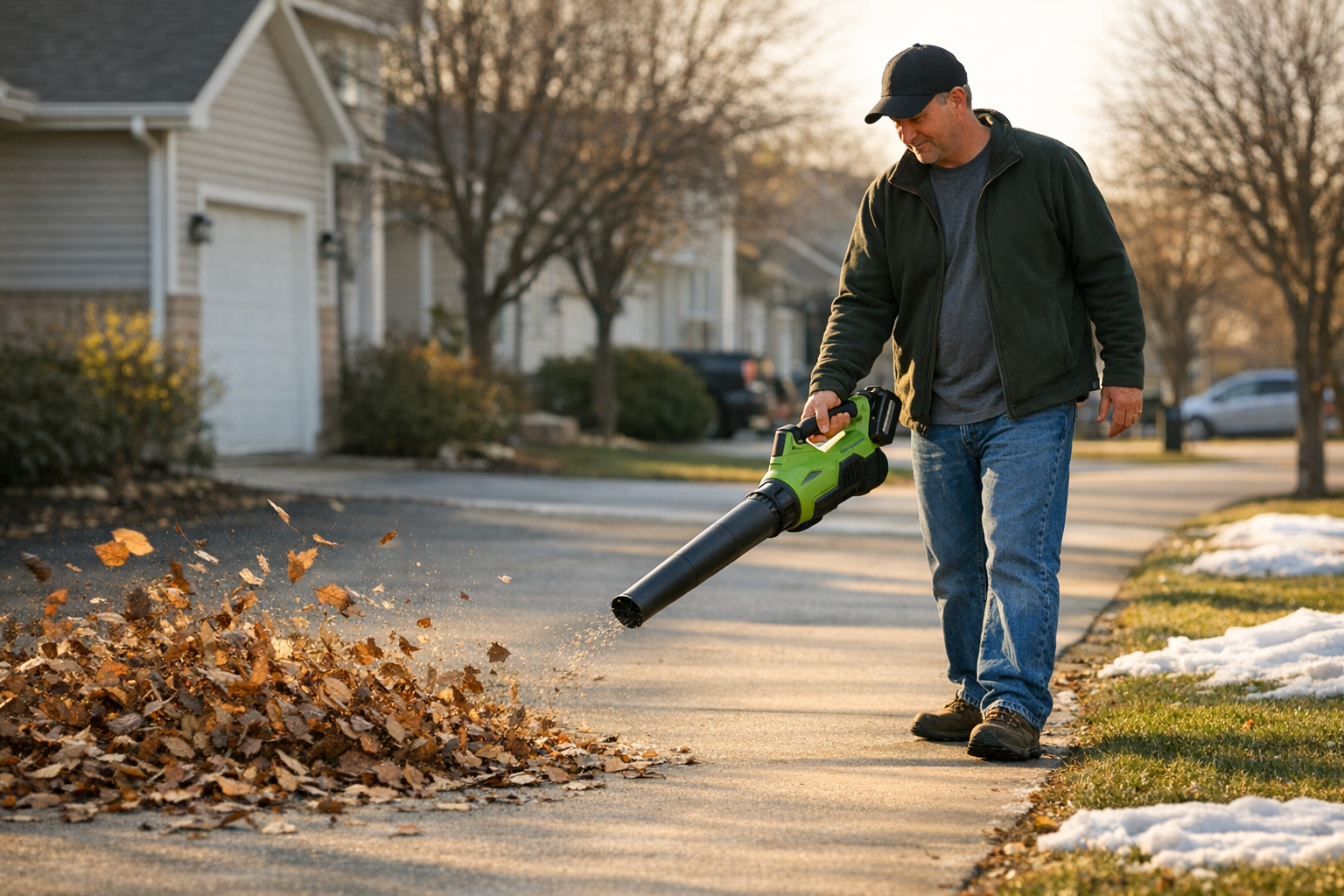
Best Electric Leaf Blowers (2026 Buyer's Guide)
Cordless and corded electric leaf blowers tested for power, runtime, and noise. Our picks for small yards, large yards, and pro-grade home use.
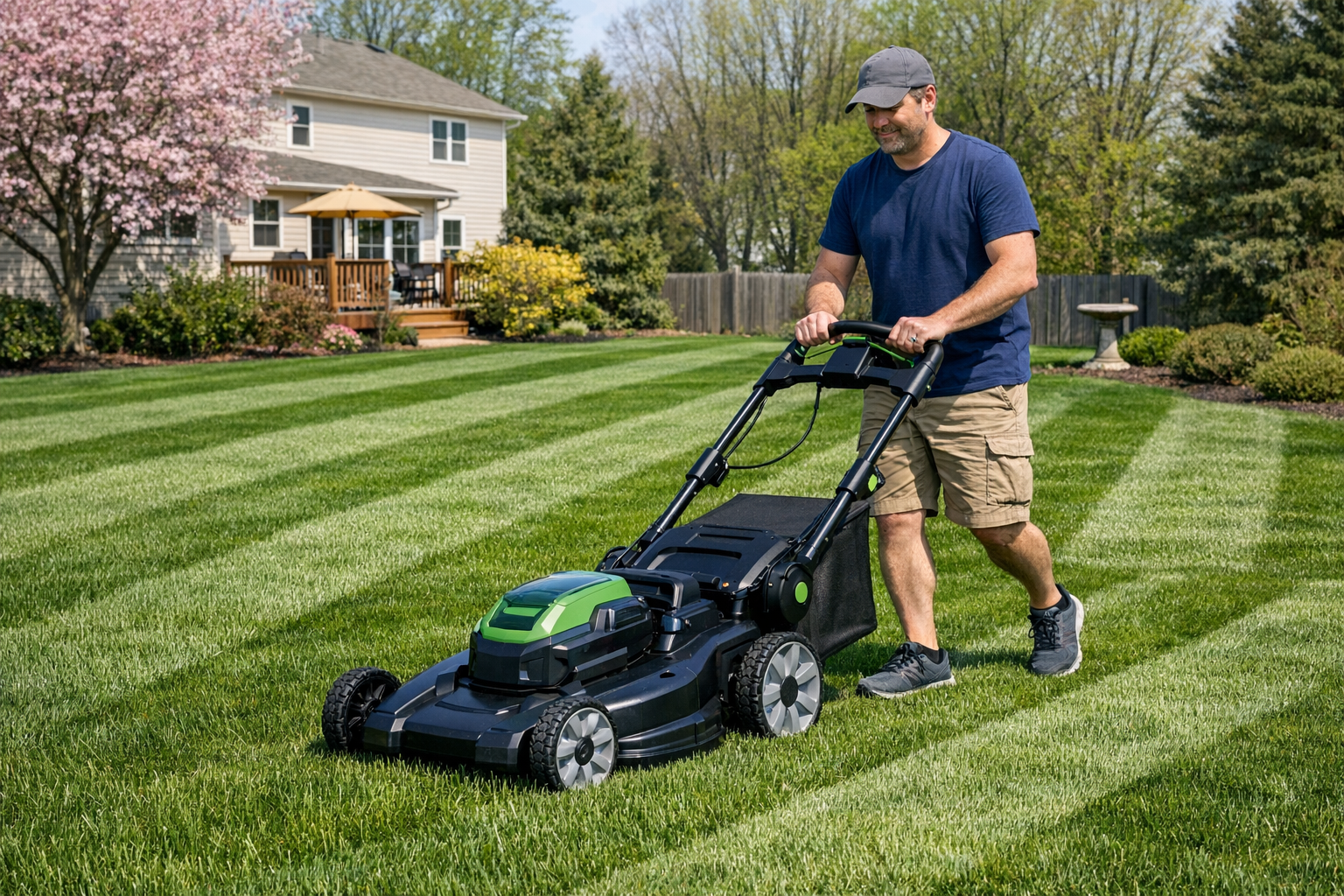
Best Cordless Lawn Mowers (2026 Spring Buyer's Guide)
Battery-powered mowers have caught up to gas. We tested the top cordless mowers on grass length, slopes, and runtime to find the picks worth your money.
5 Best Cordless Drills for Homeowners (2026)
Find the right cordless drill for home projects without overspending. We compared the top drills for DIYers — here are the 5 best for everyday home use.
Best Home Tool Kits for Beginners (2026)
The best home tool kits for new homeowners and renters. We compare 6 tool sets from basic to comprehensive, so you can handle common repairs without calling a handyman.
Related Articles

End-of-May Home Audit: Fix 5 Summer Safety Issues Before June Heat
A contractor's final spring safety audit. Five critical ventilation, electrical, plumbing, and cooling checks to fix before extreme June heat hits your home.

Backyard Lighting Design: Create Ambiance for Summer Evenings
An electrician's guide to safe backyard lighting design. Layer string lights, path lights, and uplighting in zones for ambiance plus task lighting that lasts.
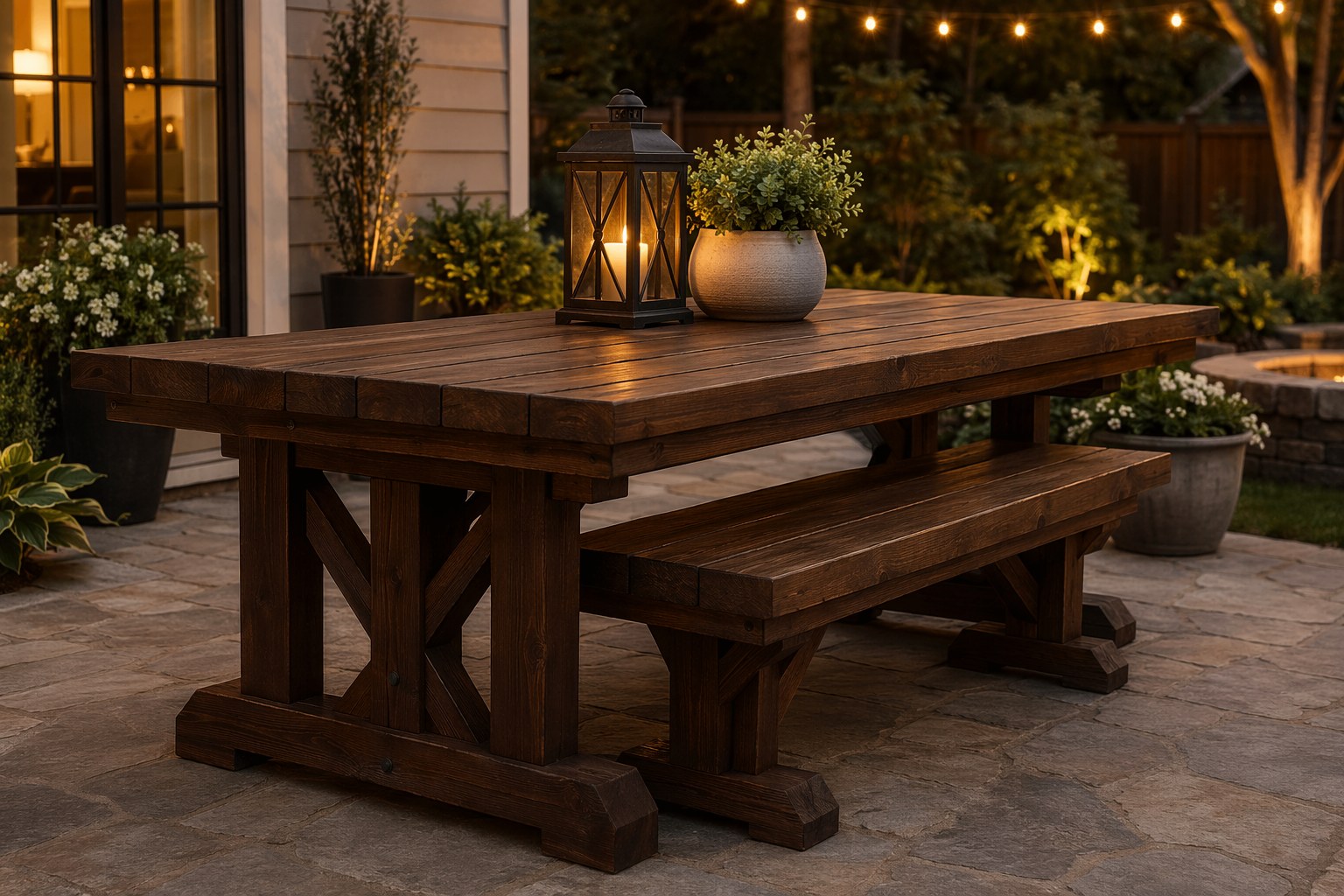
Budget Outdoor Dining: Building a Patio Table & Bench Setup
A carpenter's plans for a sturdy 2x4 outdoor dining table and bench set that seats 8, costs about 300 dollars in materials, and lasts 20 years.
Grilling Season Setup: Build the Perfect Backyard Cook Station
A contractor's guide to a backyard grill station setup for outdoor cooking: gas hookup, clearances, ventilation, and a prep counter so you cook cool and safe all summer.