How to Get Rid of Weeds Naturally Without Chemicals
This article may contain affiliate links. If you make a purchase through these links, we may earn a small commission at no extra cost to you. Learn more
Quick Answer
How to Get Rid of Weeds Naturally Without Chemicals
For weeds in walkways and driveways, pour boiling water directly on them — this kills most weeds instantly. For garden beds, lay 3-4 inches of mulch to block sunlight and prevent new weeds from sprouting. For stubborn weeds in lawns, mix 1 gallon of white vinegar with 1 cup of salt and 1 tablespoon of dish soap, and spray directly on weed leaves on a sunny day. The most effective long-term strategy is prevention: thick mulch, dense ground cover, and pulling weeds before they go to seed.
How to Get Rid of Weeds Naturally Without Chemicals
Every gardener knows the frustration. You spend a weekend planting, watering, and mulching your beds, and within a week the weeds are back -- creeping between pavers, poking through your flower beds, and spreading across the lawn like they own the place. The temptation to reach for a bottle of chemical herbicide is real, but those products come with serious downsides that most labels don't emphasize.
Chemical weed killers don't just target the weeds. Glyphosate and other synthetic herbicides contaminate soil, leach into groundwater, and harm the beneficial insects and microorganisms your garden depends on. If you have kids who play in the yard, pets that roll in the grass, or a vegetable garden you eat from, spraying chemicals anywhere nearby is a risk that simply isn't worth taking. Multiple studies have linked common herbicides to health concerns in humans, and they're devastating to pollinators like bees and butterflies that your garden needs to thrive.
The good news is that natural weed control methods are not only safer -- they're often more effective in the long run. Chemical herbicides treat the symptom (the weed you see today) but do nothing to prevent the next wave. Natural methods, when used consistently, address the root causes and build a garden environment where weeds struggle to take hold in the first place.
What's the Best Natural Weed Killer That Actually Works?
The answer depends on where the weeds are growing. Different situations call for different approaches, but these are the most effective natural weed killers ranked by reliability.
Boiling Water
This is the simplest, cheapest, and most immediately satisfying method. Boil a kettle of water and pour it directly onto weeds growing in driveways, sidewalks, patios, and gravel paths. The scalding water destroys the plant cells on contact, and most weeds wilt and die within hours.
Best for: Weeds in hardscaped areas -- cracks in concrete, between pavers, along driveways, and in gravel.
How to do it:
- Boil a full kettle or large pot of water
- Carry it carefully to the weeds (a kettle with a spout gives you the most control)
- Pour slowly and directly onto the base of the weed, soaking the crown and as much of the root area as possible
- Repeat in 2-3 days for any weeds that survive the first treatment
Limitations: Boiling water kills everything it touches, including desirable plants. Don't use it near your flower beds or vegetable garden. It's also less effective on deep-rooted perennial weeds like dandelions -- you might kill the top growth, but the taproot can survive and regrow. For those, you'll need a second application or a different method.
The Vinegar, Salt, and Dish Soap Solution
This is the most popular DIY natural herbicide, and for good reason -- it works well on many common weeds when mixed and applied correctly.
The recipe:
- 1 gallon of white vinegar (5% acidity -- regular grocery store vinegar)
- 1 cup of table salt
- 1 tablespoon of liquid dish soap
Mix everything together until the salt dissolves. Pour the solution into a spray bottle or pump sprayer and apply directly to weed leaves on a warm, sunny day. The vinegar burns the plant tissue, the salt dehydrates the roots, and the dish soap helps everything stick to the waxy leaf surface.
Important notes:
- Apply on sunny days only. The sun amplifies the vinegar's burning effect. Spraying on a cloudy or rainy day wastes your effort.
- Target the leaves and crown, not the soil around your other plants. This mixture will kill anything green it touches.
- Don't use this in garden beds where you plan to grow things. The salt accumulates in soil and can make it inhospitable to all plants for months or even years.
- Horticultural vinegar (20% acidity) is 4 times stronger than regular vinegar and dramatically more effective. You can find it at garden supply stores on Amazon. Wear gloves and eye protection when handling it -- it's strong enough to irritate skin.
This solution is best for driveways, sidewalk cracks, gravel paths, and areas where you don't need anything else to grow. If you're working near your vegetable garden, use boiling water instead to avoid salt contamination.
How Do I Stop Weeds from Growing in My Garden Beds?
Prevention is always easier than removal, and mulching is the single best preventive strategy for garden beds. A thick layer of mulch blocks sunlight from reaching weed seeds in the soil, which stops most of them from germinating in the first place.
Mulching
How to mulch effectively:
- Clear existing weeds from the bed first -- pull them by hand or use one of the removal methods above
- Lay 3-4 inches of organic mulch over all exposed soil
- Keep mulch 2-3 inches away from the stems of your plants to prevent rot
- Top off the mulch layer once or twice a year as it decomposes
Best mulch materials for weed suppression:
- Shredded hardwood bark -- The most common choice. Breaks down slowly, looks tidy, and suppresses weeds well.
- Straw -- Excellent for vegetable gardens and raised beds. Inexpensive and easy to spread.
- Wood chips -- Free from many tree services. Great for paths and around established trees and shrubs.
- Compost -- A thin layer of finished compost under your mulch feeds the soil while blocking weeds. This is the premium approach.
- Shredded leaves -- Free if you have trees. Run fall leaves through a mower and spread them 3-4 inches thick.
The beauty of organic mulch is that it does double duty. While it's blocking weeds, it's also retaining soil moisture, regulating soil temperature, and slowly feeding your plants as it breaks down. It's one of the best investments you can make in your garden.
Smothering with Cardboard or Newspaper
For areas completely overrun with weeds, smothering is the most effective no-dig method to start fresh. This works by blocking all light and air from reaching the weeds, killing them over several weeks.
How to smother weeds:
- Mow or cut the weeds as low as possible (you don't need to pull them)
- Lay down a thick layer of cardboard (remove tape and staples) or 8-10 sheets of newspaper, overlapping the edges by at least 6 inches
- Wet the cardboard or newspaper thoroughly so it stays in place
- Cover with 3-4 inches of mulch, compost, or topsoil
- Wait 2-3 months for the weeds underneath to die completely
This method is especially effective when you're building a new garden bed. Instead of tilling or digging up sod and weeds, just smother everything in place. By the time you're ready to plant, the weeds are dead, the cardboard has started to decompose, and the worms have been busy improving your soil underneath.
If you're planning a new garden space, this pairs perfectly with building a raised bed on top. Lay cardboard, set up the bed frame, and fill with soil -- the cardboard barrier prevents weeds from growing up into your new bed.
What's the Best Way to Hand-Pull Weeds?
There's an art to pulling weeds that makes the difference between a quick fix and a permanent solution. Done right, hand-pulling is the most precise weed removal method and it works everywhere -- lawns, garden beds, containers, and walkways.
Rules for effective hand-pulling:
- Pull after rain or watering. Moist soil releases roots much more easily than dry, compacted soil. This is the single biggest factor in successful weed pulling.
- Grab at the base, not the leaves. Grip the weed as close to the soil as possible and pull straight up with steady pressure. If you grab the leaves, they'll just tear off and the root stays behind.
- Get the whole root. For tap-rooted weeds like dandelions and thistles, you need to extract the entire root. If even a small piece of taproot remains, the weed will regrow. Use a weeding tool to lever the root out.
- Pull weeds before they flower and seed. One dandelion plant can produce up to 15,000 seeds. Pulling it after the seeds disperse means you've just created 15,000 future weeds. Always prioritize weeds that are about to flower.
- Don't compost weeds that have gone to seed. Unless your compost pile reaches temperatures above 140 degrees F consistently, the seeds will survive and you'll spread them around your garden with your finished compost. Bag seeded weeds and discard them.
For large areas or frequent weeding sessions, a stand-up weeding tool saves your back and knees. These tools let you pull weeds while standing upright, and the best ones grip deep taproots that would be impossible to extract by hand alone.
Stand-Up Weed Puller Tool
Pull weeds by the root without bending over. The 4-claw steel head grips deep taproots and pops them out cleanly. Works on dandelions, thistles, and crabgrass.
Check Price on Amazon →Does Corn Gluten Meal Prevent Weeds?
Yes -- corn gluten meal is a natural pre-emergent herbicide, which means it prevents weed seeds from germinating. It doesn't kill existing weeds, but it stops new ones from sprouting. Think of it as a natural alternative to the chemical pre-emergent products sold at garden centers.
How it works: Corn gluten meal is a byproduct of corn processing. When spread on soil, it releases organic compounds that inhibit root formation in germinating seeds. The seed sprouts but can't develop roots, so it dies before establishing.
How to apply corn gluten meal:
- Apply 20 pounds per 1,000 square feet of lawn or garden
- Spread it evenly with a broadcast spreader or by hand
- Water lightly to activate it, then let the area dry for 2-3 days
- Timing is critical -- apply in early spring before weed seeds germinate (when forsythia blooms is the traditional signal) and again in early fall
Important limitations:
- Corn gluten meal inhibits all seed germination, not just weed seeds. Don't use it in areas where you're starting seeds or have recently planted.
- It takes 2-3 years of consistent application to reach full effectiveness. Don't expect dramatic results the first season.
- It also works as a nitrogen fertilizer (about 10% nitrogen by weight), so your lawn will actually get greener as a bonus.
- Buy corn gluten meal specifically labeled for weed prevention, not the corn meal you'd find in the baking aisle.
Corn gluten meal works best as part of a larger strategy. Use it on your lawn to prevent crabgrass and dandelions while using mulch in your garden beds and vinegar solution on hardscaped areas.
Can I Use Ground Cover Plants to Choke Out Weeds?
Absolutely -- and this is one of the most effective long-term weed prevention strategies available. Dense ground cover plants outcompete weeds for light, water, and soil nutrients. Once established, they create a living mulch that suppresses weeds naturally while looking far better than bare soil.
Best ground cover plants for weed suppression:
- White clover -- Thrives in lawns, fixes nitrogen in the soil, feeds pollinators, and stays green during drought. It's increasingly popular as a lawn alternative that attracts pollinators.
- Creeping thyme -- Fragrant, drought-tolerant, and tough enough to handle light foot traffic. Perfect between stepping stones and along garden borders.
- Sweet potato vine -- Fast-growing annual that covers ground quickly in vegetable gardens. You can even eat the tubers.
- Ajuga (bugleweed) -- Spreads rapidly in shady areas where grass and many weeds struggle.
- Dense vegetable planting -- In your vegetable garden, planting crops close together shades the soil and gives weeds less room to establish.
The key to success with ground cover is patience. Most ground cover plants take one full growing season to fill in completely. During that first year, you'll still need to weed around them. But by year two, a healthy ground cover planting can reduce your weeding time by 80-90%.
If you're growing tomatoes in pots or other container gardens, you can plant low-growing herbs like thyme or oregano around the base of your main plant to suppress weeds in the containers too.
What About Weeds in My Lawn?
Lawn weeds are trickier because you can't use boiling water, vinegar, or salt without killing the grass too. The approach for lawns focuses on making your grass so thick and healthy that weeds can't compete.
Build a weed-resistant lawn:
- Mow high. Set your mower to 3-4 inches. Taller grass shades the soil, which prevents weed seeds from germinating. This alone makes a dramatic difference.
- Water deeply but infrequently. Water once or twice a week for 30-45 minutes rather than a little every day. Deep watering encourages deep grass roots that outcompete shallow weed roots. A good hose nozzle with adjustable spray patterns helps you water evenly.
- Overseed thin spots. Bare or thin patches are open invitations for weeds. In fall, spread grass seed over thin areas to fill them in before weeds move in next spring.
- Apply corn gluten meal in early spring and fall as a natural pre-emergent (see above).
- Leave grass clippings. Mulching your clippings returns nitrogen to the soil and creates a thin organic layer that suppresses weed germination.
- Fix soil compaction. Compacted soil favors weeds over grass. Aerate your lawn once a year in fall to loosen the soil and give grass roots room to grow.
For individual lawn weeds that are too big to ignore, dig them out with a weeding tool, getting as much root as possible. Fill the hole with a pinch of grass seed and compost. This targeted approach removes the weed without damaging the surrounding lawn.
How Do I Deal with Really Stubborn Perennial Weeds?
Some weeds -- like bindweed, poison ivy, Japanese knotweed, and established thistle -- laugh at vinegar and survive hand-pulling because their root systems are enormous. These require persistence and sometimes specialized tactics.
Bindweed and morning glory: These vine-like weeds can have root systems extending 20 feet deep. Pulling them is futile because any root fragment left behind will regrow. Instead, smother them. Cover the entire affected area with heavy-duty black plastic sheeting or multiple layers of cardboard, weighted down with rocks or soil. Leave the covering in place for an entire growing season. Without any light at all, even bindweed eventually exhausts its root reserves and dies.
Poison ivy: Never pull poison ivy with bare hands -- the urushiol oil causes severe skin rashes and can remain active on clothing and tools for years. If you have a small patch, put on disposable gloves and long sleeves, carefully pull the plants (roots and all), and bag everything in heavy plastic bags for trash pickup. For larger infestations, repeated cutting at ground level every 2-3 weeks through the growing season will eventually starve the root system.
Thistle and dandelions: These tap-rooted perennials require complete root removal. A stand-up weed puller with a long fulcrum works well for individual plants. For larger infestations, cut them down before they flower and then cover the area with 4-6 inches of mulch. Consistency matters more than any single technique -- keep after them every week and they'll weaken over time.
Crabgrass: This annual weed spreads by seed, so the key is preventing it from going to seed in the first place. Pull or mow crabgrass before it produces seed heads in late summer. Apply corn gluten meal in spring to prevent germination. Keep your lawn thick and mowed at 3-4 inches to shade out new crabgrass seedlings.
For gardens that border wild or wooded areas -- especially if you're also trying to keep deer out -- installing a root barrier along the garden edge can prevent aggressive weeds from creeping in from untended areas.
Frequently Asked Questions
Does vinegar permanently kill weeds?
Vinegar kills the above-ground portions of weeds on contact, but standard 5% grocery store vinegar usually doesn't kill the roots of established perennial weeds. Annual weeds (like crabgrass and chickweed) are often killed permanently with one or two applications. For perennials with deep root systems (dandelions, bindweed, thistle), you'll need multiple applications or stronger 20% horticultural vinegar. The salt in the vinegar-salt-soap recipe improves root kill but should only be used in areas where you don't want anything to grow, like gravel paths and driveway cracks.
Is it safe to use salt to kill weeds near my garden?
Salt is effective at killing weeds, but it stays in the soil for a long time and prevents anything from growing -- including your vegetables and flowers. Never apply salt directly to garden bed soil. It's safe to use the vinegar-salt solution on driveways, sidewalk cracks, and gravel paths that are at least a few feet from your garden beds. On slopes where rainwater could carry salt toward your garden, skip the salt entirely and use boiling water or straight vinegar instead.
When is the best time of year to tackle weeds?
Early spring is the most strategic time, because weeds are small and haven't gone to seed yet. Apply corn gluten meal as a pre-emergent when soil temperatures reach about 50 degrees F. Pull visible weeds while they're young and their root systems are shallow. The second critical window is late summer, before fall-germinating weeds get established. That said, the best time to pull any weed is the moment you see it -- a weed pulled today is thousands of weed seeds prevented tomorrow.
Will natural weed killers harm my pets or kids?
The methods in this article are all safe around pets and children when used with basic common sense. Boiling water is hot (obviously), so keep kids and pets away during application and let it cool. The vinegar-salt-soap solution is non-toxic once dry, though vinegar spray can irritate eyes during application. Mulch, cardboard smothering, hand-pulling, and corn gluten meal are completely safe. Diatomaceous earth (sometimes used around garden borders) should be food-grade and applied carefully to avoid inhaling the dust, but it's non-toxic once settled. Compared to chemical herbicides that carry warnings about keeping children and pets off treated areas for 24-72 hours, natural methods are dramatically safer.
Final Thoughts
Getting rid of weeds naturally isn't about finding one magic trick -- it's about building a system that makes weeds unwelcome in every part of your yard. Use boiling water and vinegar solution for hardscaped areas. Lay thick mulch in garden beds. Keep your lawn tall, thick, and healthy. Pull weeds before they flower. And be consistent -- a few minutes of weeding each week prevents hours of backbreaking work later.
The real shift happens when you stop thinking of weed control as a battle and start thinking of it as garden maintenance, like watering or pruning. A healthy garden with good soil, thick mulch, and dense plantings naturally resists weeds because there's simply no room or light for them to thrive. Every time you add compost to your beds, spread another inch of mulch, or plant a ground cover, you're making future weeding easier.
Your garden doesn't need chemicals to be weed-free. It just needs a gardener who's willing to work with nature instead of against it. Start with the methods above, stay consistent, and by the end of one growing season you'll spend more time enjoying your garden than fighting weeds in it.
Get weekly home tips that actually work
Join thousands of homeowners getting practical cleaning hacks, DIY fixes, and money-saving tips every week. Free, and you can unsubscribe anytime.

Written by
Beth SullivanFounder & Editor-in-Chief
Beth Sullivan is the founder of Practical Home Guides. With over a decade of hands-on experience tackling every home challenge imaginable, she started this site to share the practical, no-nonsense solutions she wishes she had found years ago. When she's not testing cleaning hacks or organizing pantries, you'll find her in the garden or working on her next DIY project.
Recommended Products
Looking for specific product recommendations? Check out our tested picks.
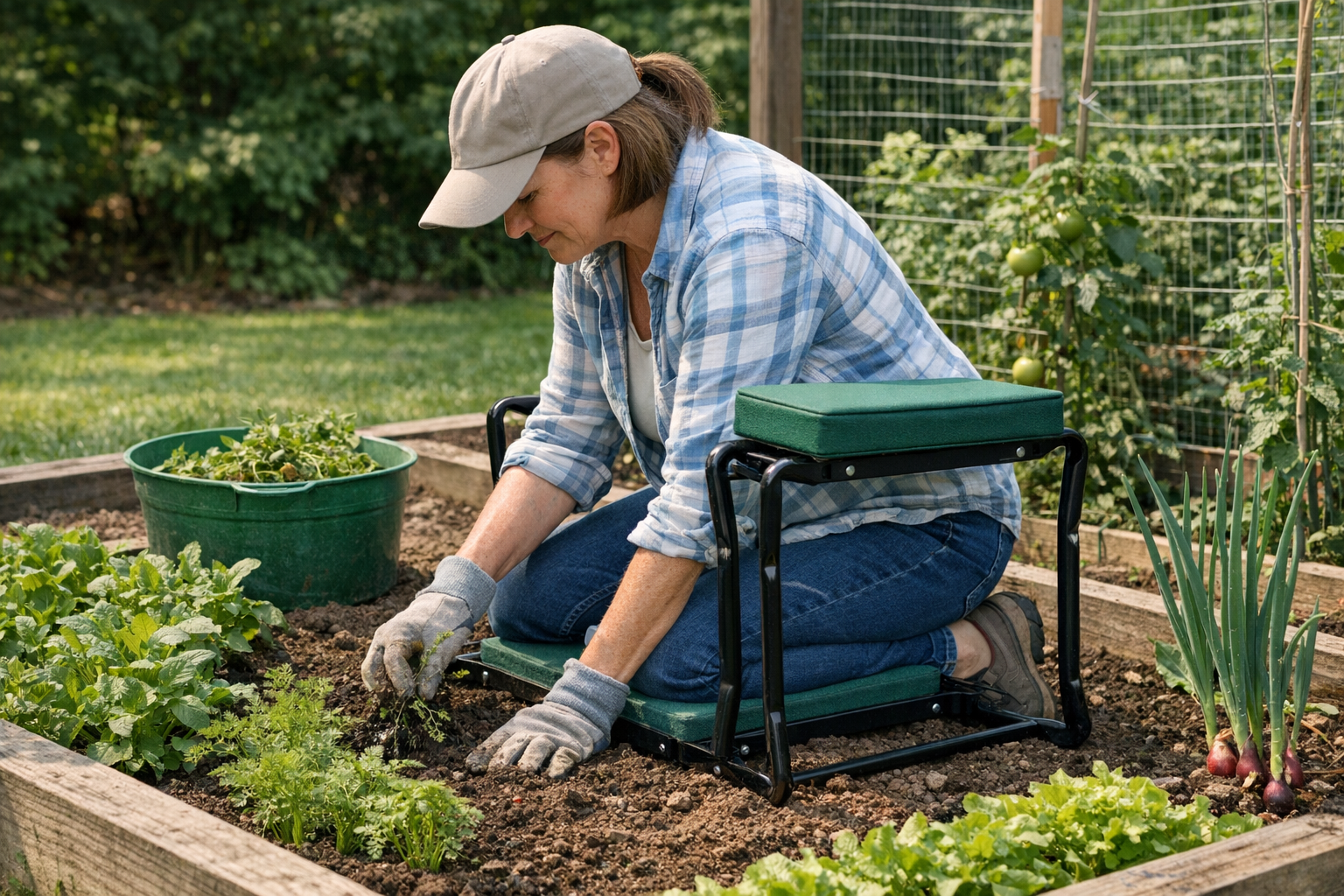
Best Garden Kneelers and Seats (2026 Tested)
Gardening shouldn't wreck your knees and back. We tested kneelers, foldable seats, and rolling carts to find the picks worth the price.
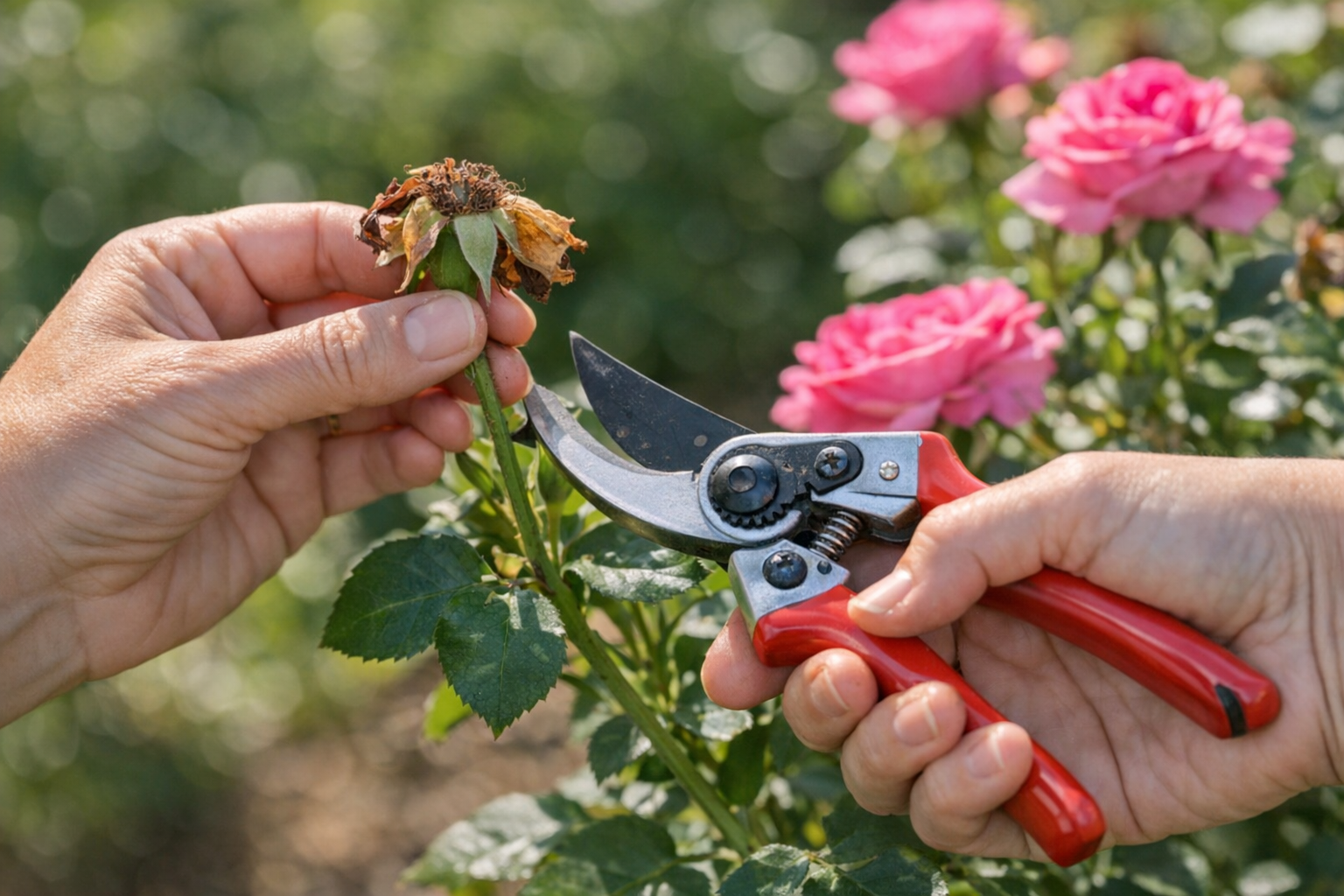
Best Pruning Shears for Gardeners (2026 Guide)
We tested bypass and anvil pruning shears across roses, fruit trees, perennials, and tomato vines. Here are the picks worth your money — and the one to avoid.
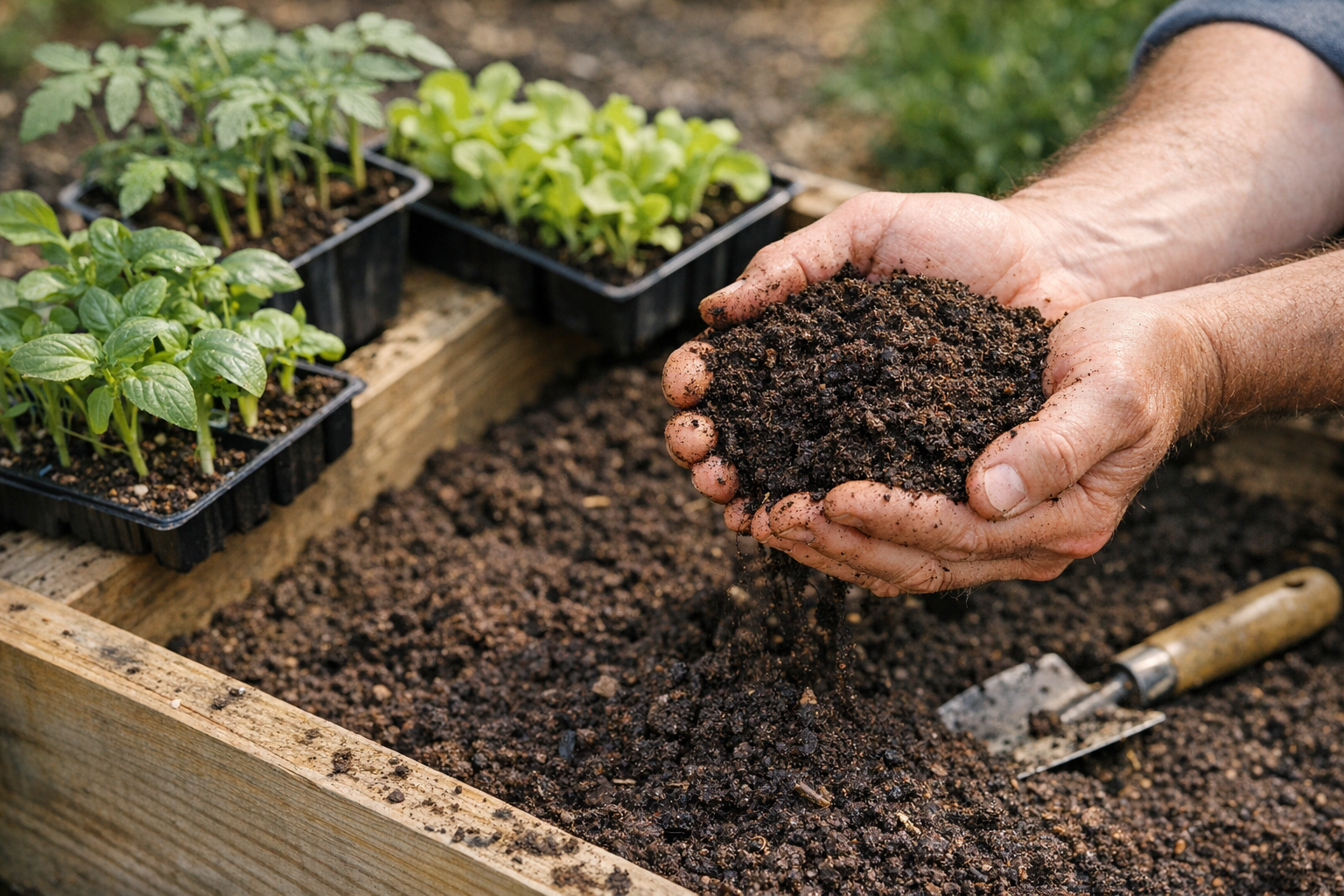
Best Raised Bed Soil Mixes (2026 Buyer's Guide)
Bagged soil for raised beds is a minefield. We tested the top brands for vegetable yield, drainage, and value to find the soil mixes that actually grow food.
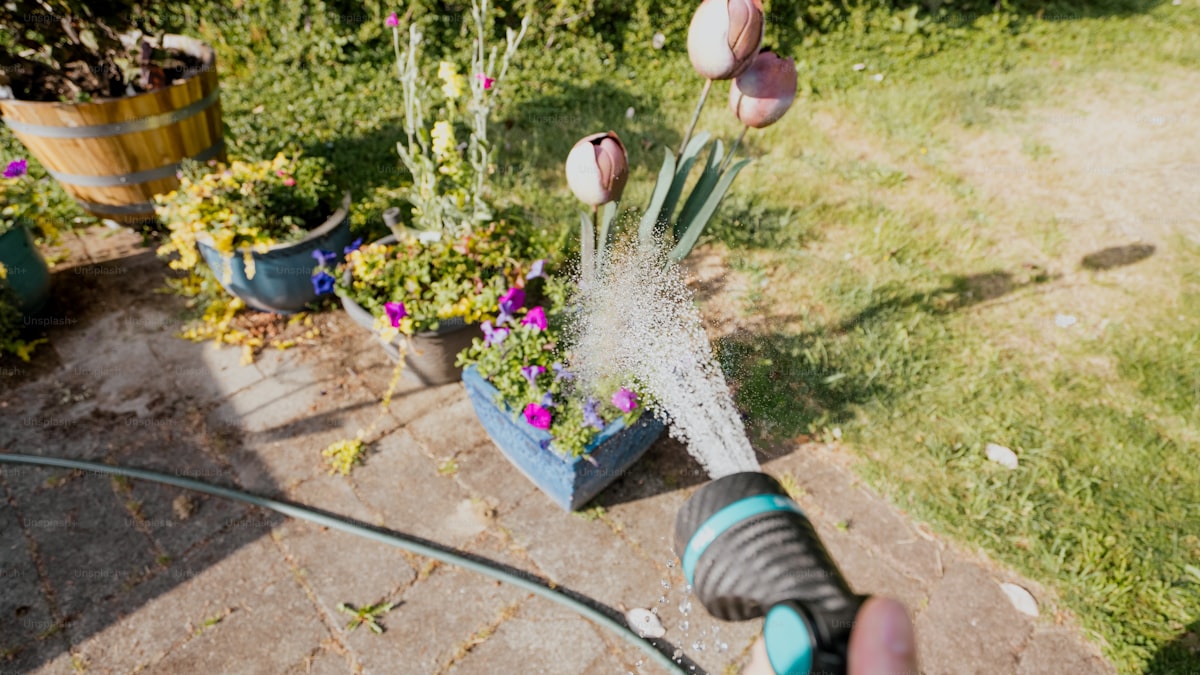
5 Best Garden Hose Nozzles and Sprayers (2026)
Find the perfect garden hose nozzle for watering plants, washing cars, and cleaning patios. We compared the top sprayers — here are the 5 best for every job.
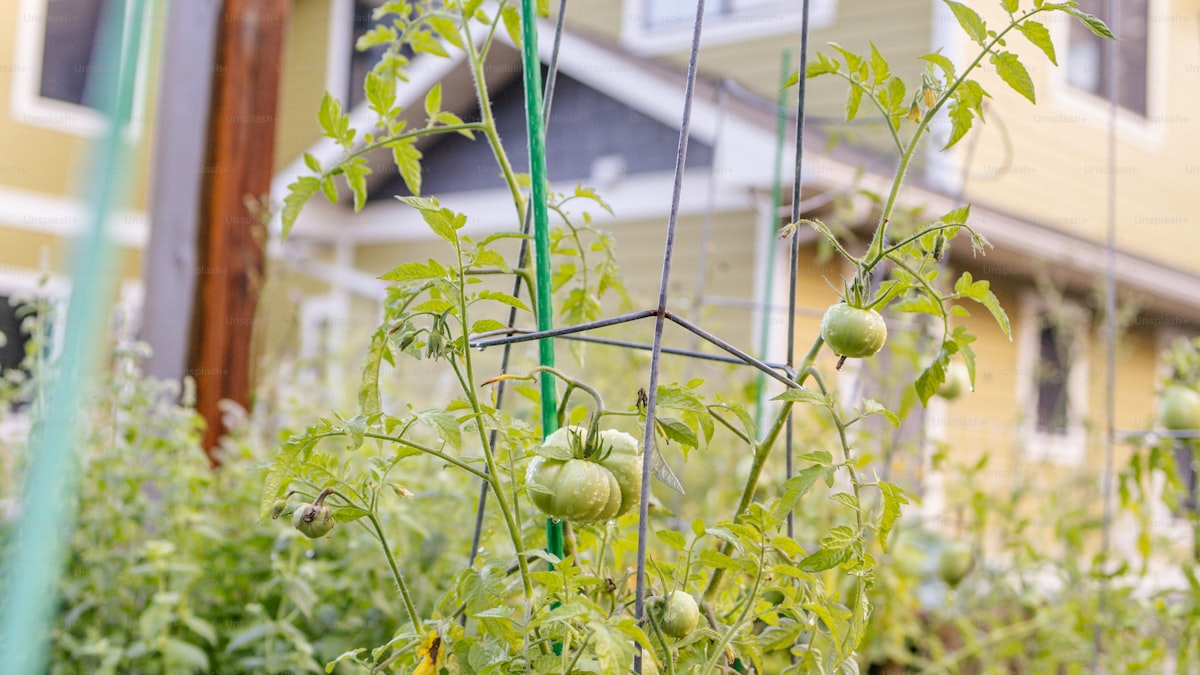
Best Raised Garden Bed Kits You Can Order Online (2026)
The best raised garden bed kits for beginners and experienced gardeners. We compare wood, metal, and composite options with honest reviews and setup tips.
Related Articles
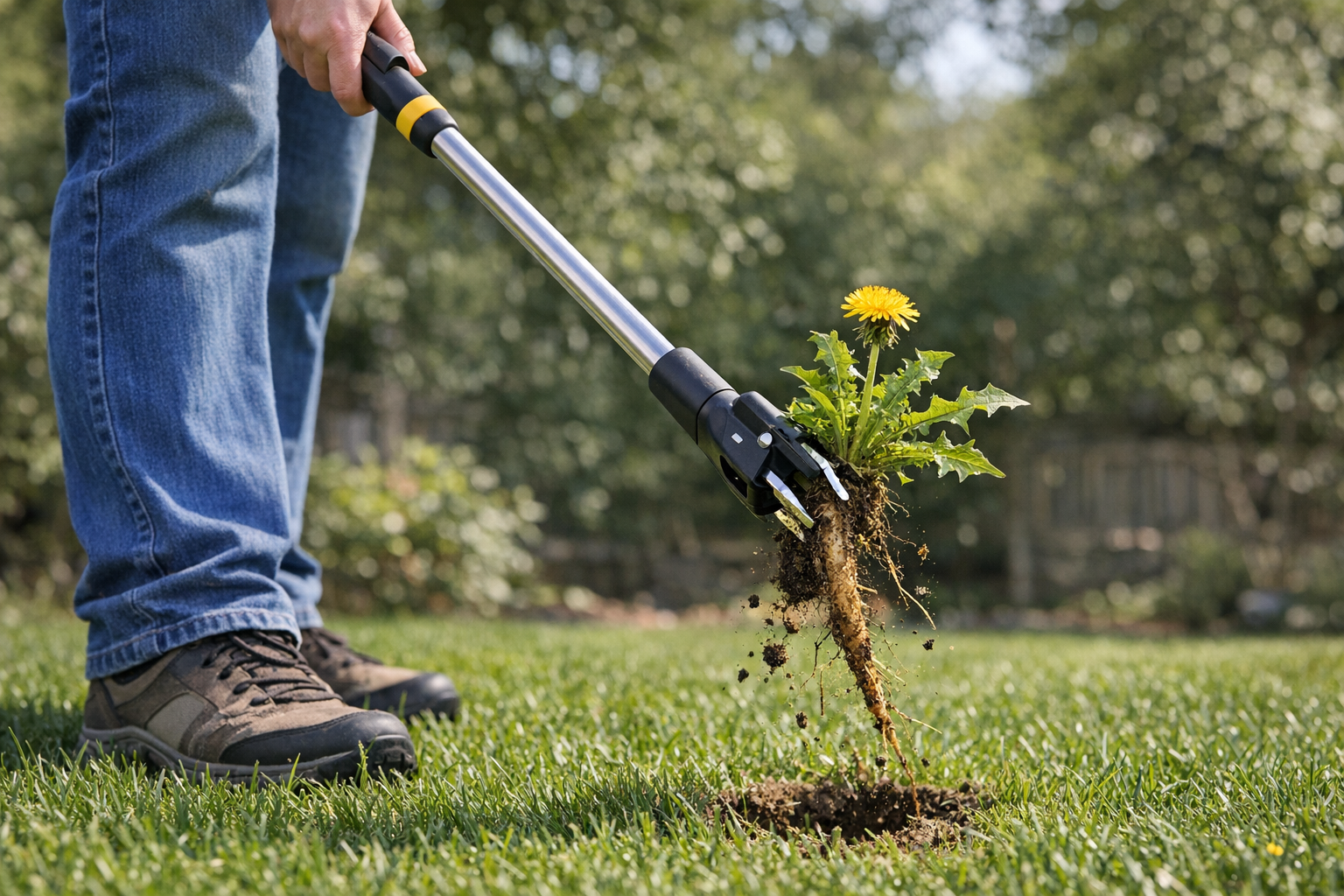
How to Get Rid of Dandelions Naturally (Without Killing the Lawn)
Dandelions are stubborn but beatable without chemical herbicides. Here's the 3-pronged natural approach that works long-term — and the tools that make it easy.
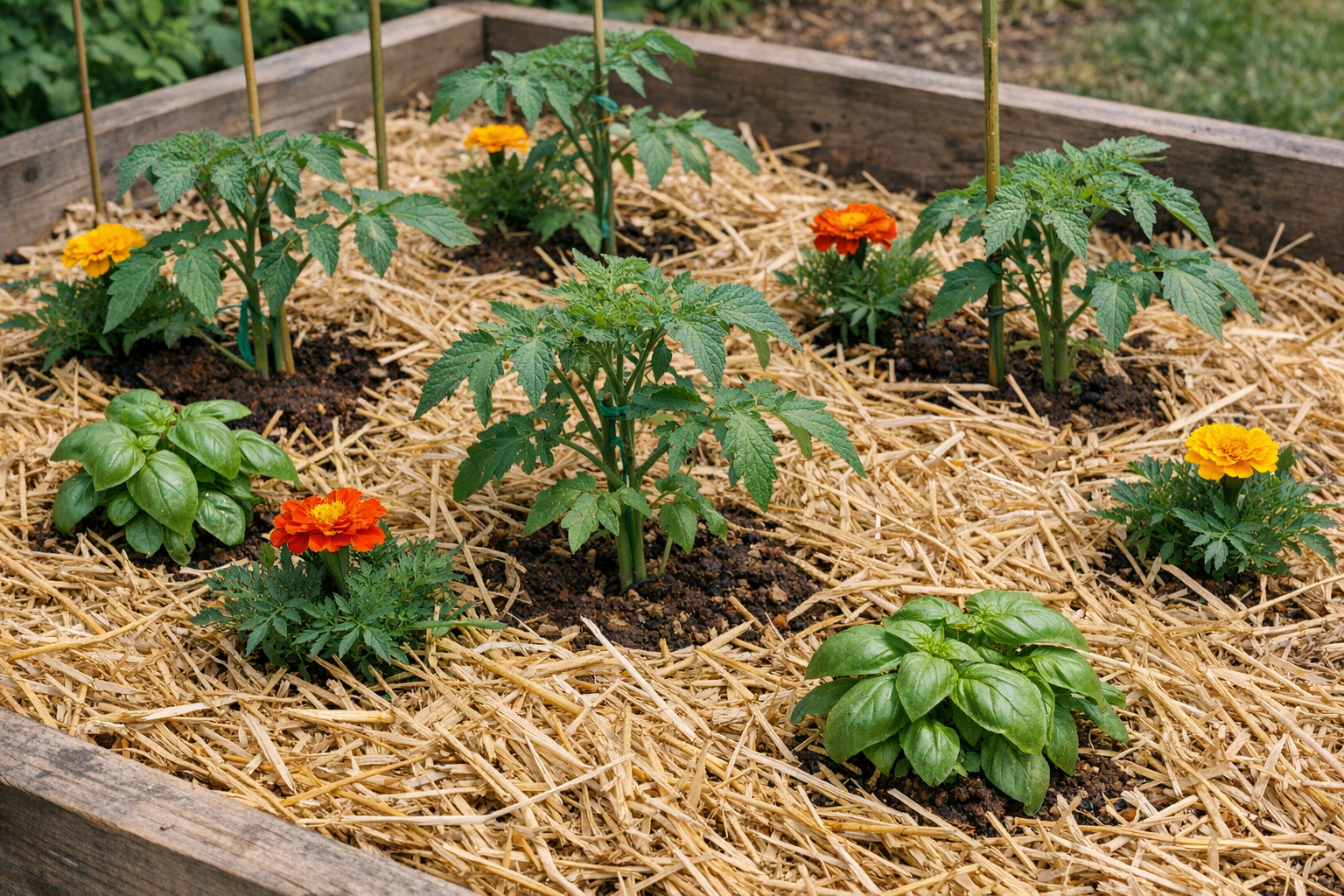
When to Plant Warm-Weather Annuals (And Which Are Easiest)
Tomato, pepper, basil, marigold — all are warm-weather plants that hate cold soil. Here's how to time the transplant for the longest possible harvest.
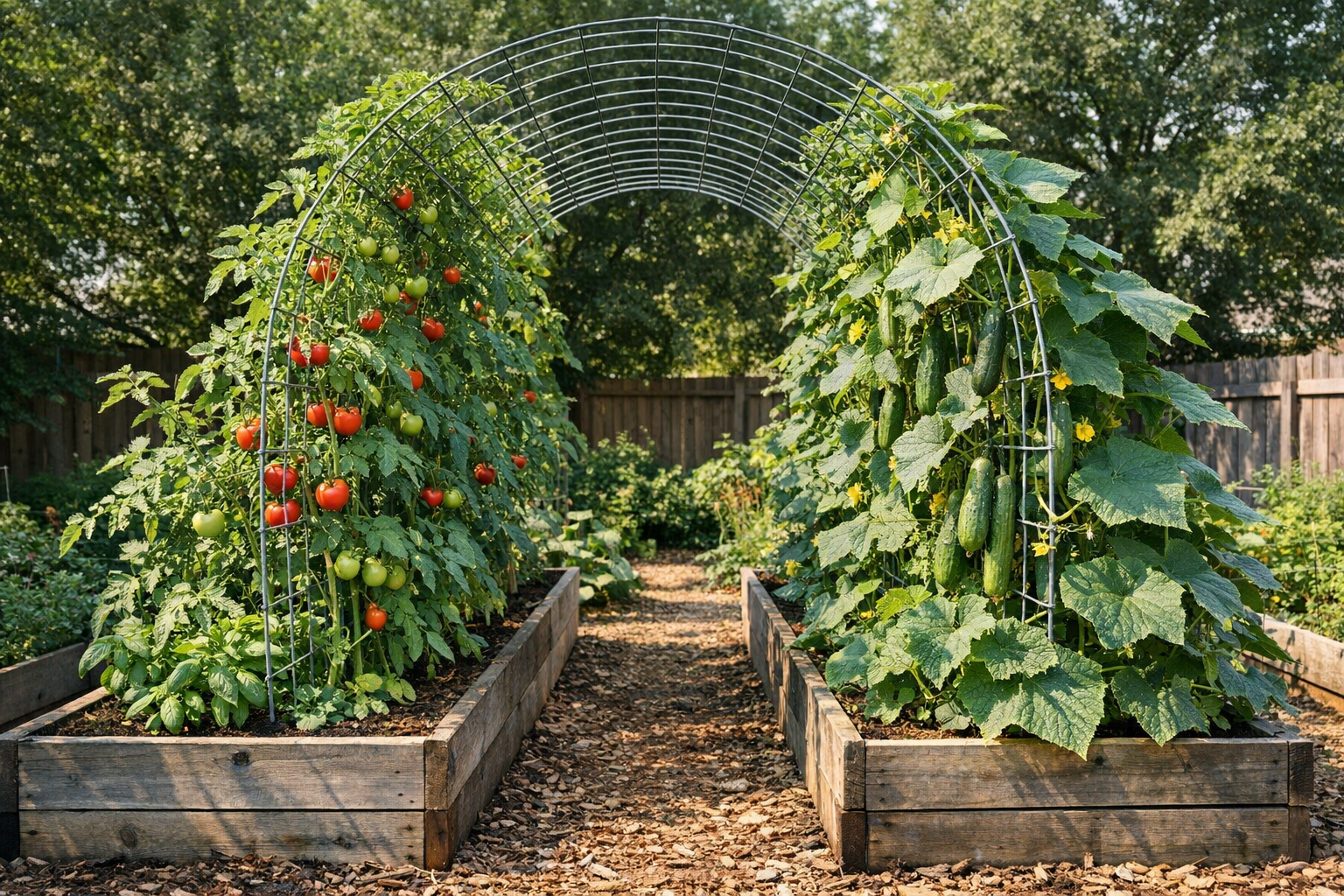
How to Build a DIY Garden Trellis for Climbing Vegetables
A sturdy trellis doubles your garden's yield per square foot. Here's how to build three easy styles using cheap materials in under an hour each.
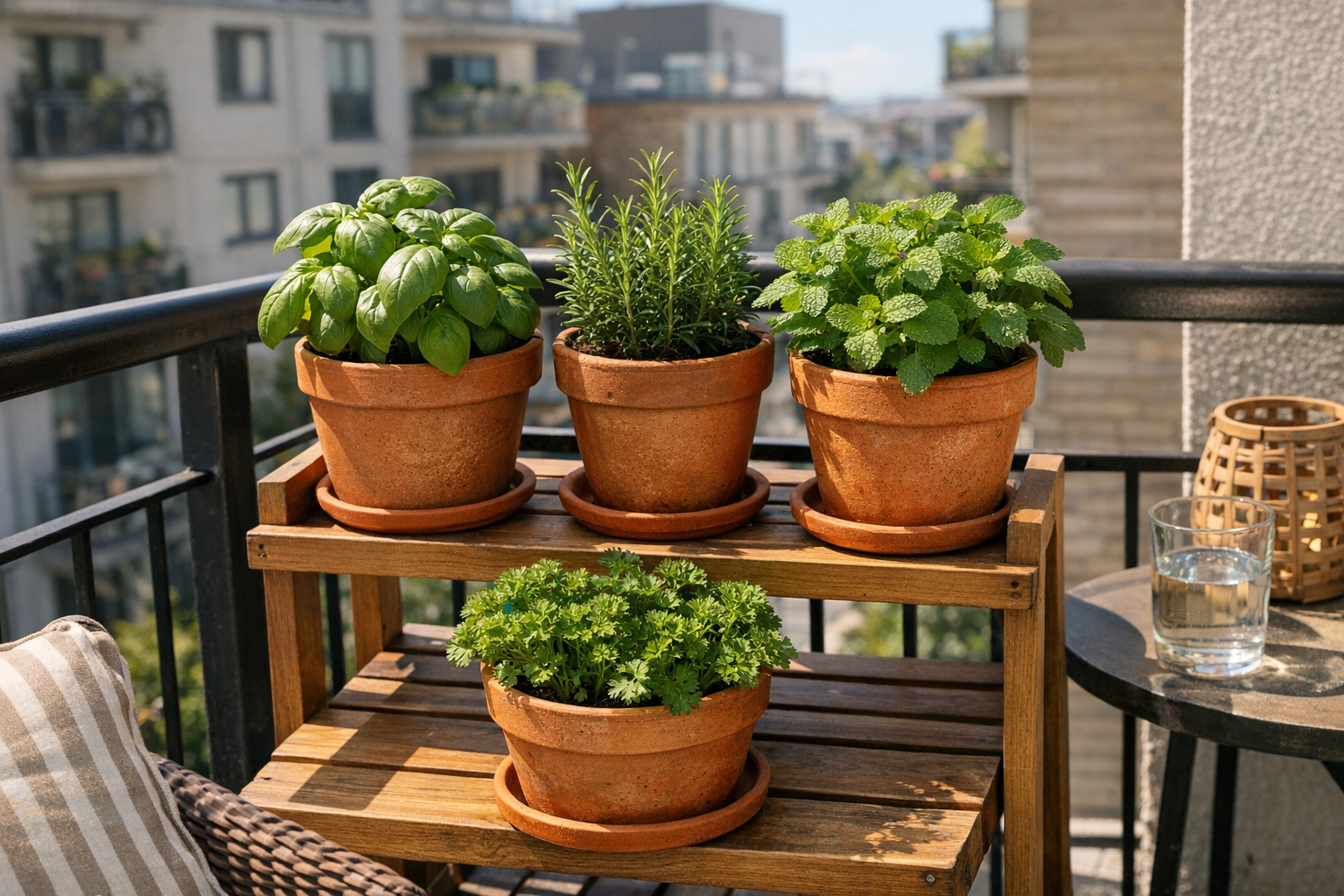
How to Start a Container Herb Garden on a Balcony
Fresh herbs all summer from a small apartment balcony or porch — even with limited sun. Picks for the easiest herbs, the right pots, and the soil that actually works.