How to Grow Zucchini and Summer Squash (Huge Harvests, Small Space)
This article may contain affiliate links. If you make a purchase through these links, we may earn a small commission at no extra cost to you. Learn more
Quick Answer
How to Grow Zucchini and Summer Squash (Huge Harvests, Small Space)
Zucchini and summer squash thrive in full sun with rich, well-drained soil and consistent moisture. Plant after the last frost when soil temperatures reach at least 60 degrees Fahrenheit, spacing bush varieties 2 to 3 feet apart. Water deeply at the base of the plant every 2 to 3 days and harvest fruit when it is 6 to 8 inches long for the best flavor and to encourage continuous production.
How to Grow Zucchini and Summer Squash (Huge Harvests, Small Space)
Few vegetables reward beginner gardeners as generously as zucchini and summer squash. A single healthy plant can produce 6 to 10 pounds of fruit over a season. These plants are prolific, fast-growing, and surprisingly easy to manage even in a small garden bed, a few containers, or a single raised bed built on a budget.
Whether you are expanding an existing backyard vegetable garden or growing your very first edible crop, zucchini and summer squash deserve a spot in your plan. They produce fruit in as little as 45 to 60 days from seed and keep going until the first frost. Modern bush varieties stay compact enough for tight spaces while still delivering enormous harvests.
What Is the Difference Between Zucchini and Summer Squash?
Zucchini is actually a type of summer squash -- the term "summer squash" is the broader category that includes several varieties harvested while the skin is still tender and edible.
Step 1: Familiarize yourself with the main types so you can pick the best fit for your space and taste preferences.
Zucchini (also called courgette) is the most popular summer squash. Classic green varieties like Black Beauty and Costata Romanesco are prolific producers, and golden zucchini adds visual variety with the same mild flavor.
Yellow crookneck and straightneck squash have a slightly buttery, nuttier flavor and a firmer texture that holds up well in cooking. They are equally productive and just as easy to grow.
Pattypan (scallop) squash produces small, flying-saucer-shaped fruit well-suited to container growing because the plants and fruit stay compact.
Step 2: Choose bush varieties if you are short on space. Look for "bush" or "compact" on the seed packet. Astia, Patio Star, and Bushkin stay in a 3- to 4-foot area. Vining varieties sprawl 6 to 8 feet and need room or a sturdy trellis.
When Should You Plant Zucchini and Summer Squash?
Zucchini and summer squash are warm-season crops that despise cold soil and frost. Planting too early is one of the most common mistakes -- seeds rot in cold, damp ground, and transplants stall if nighttime temperatures dip below 50 degrees Fahrenheit.
Step 1: Wait until all danger of frost has passed and soil temperatures have reached at least 60 degrees Fahrenheit. In most regions, this means late May through mid-June. Gardeners in warmer zones (8 and above) can plant as early as April.
Step 2: Use a soil thermometer to check the temperature 2 to 4 inches below the surface. This is far more reliable than going by calendar dates alone. Squash seeds germinate fastest when soil is between 70 and 95 degrees Fahrenheit.
Step 3: If you want a head start, sow seeds indoors in biodegradable peat pots 2 to 3 weeks before your last frost date. Squash does not like its roots disturbed, so peat pots that go directly into the ground minimize transplant shock.
For a longer harvest window, stagger your plantings. Sow a second round of seeds 3 to 4 weeks after the first for a fresh wave of productive plants as the first planting slows down.
What Soil and Sun Conditions Do Zucchini Need?
Zucchini and summer squash are hungry, sun-loving plants. Getting the soil and light right from the beginning sets you up for a dramatically better harvest.
Step 1: Choose a planting spot that receives at least 6 to 8 hours of direct sunlight per day. More sun equals more fruit -- anything less than 6 hours will noticeably reduce your yields and invite fungal problems.
Step 2: Work in 3 to 4 inches of well-aged compost or composted manure to a depth of 10 to 12 inches. Zucchini thrives in rich, loamy soil with a pH between 6.0 and 7.0. If you have been composting at home, this is the perfect place to use your finished compost.
Step 3: Ensure excellent drainage. Summer squash roots rot in waterlogged conditions. If your native soil is heavy clay, a raised bed is your best option -- even a 6-inch-tall bed dramatically improves drainage.
Step 4: Create small mounds or hills about 3 to 4 inches high if planting in the ground. Mounding improves drainage and warms the soil a few degrees earlier in the season. Space mounds 3 to 4 feet apart for bush varieties and 5 to 6 feet apart for vining types.
How Do You Plant Zucchini for Maximum Yield?
Whether you are direct-sowing seeds or setting out transplants, a few key steps make a significant difference in how well your squash establishes.
Step 1: If direct-sowing, plant 2 to 3 seeds per mound about 1 inch deep. Once seedlings develop their first true leaves, thin to the single strongest plant per spot. Use scissors to snip the weaker seedlings at soil level rather than pulling them out.
Step 2: If transplanting, dig a hole slightly larger than the root ball and set the plant so the soil line matches where it sat in the pot. Backfill gently, firm the soil, and water deeply.
Step 3: Apply 2 to 3 inches of organic mulch around each plant, keeping it a few inches away from the stem to prevent rot. Straw, shredded leaves, or wood chips all work well. Mulch conserves moisture, suppresses weeds, and keeps fruit clean.
Step 4: For container growing, choose a pot at least 24 inches wide and 18 inches deep per plant. Bush varieties like Patio Star and Astia are purpose-bred for containers. Plan to water and fertilize more frequently than in-ground plants, because containers dry out and deplete nutrients faster. If you have experience growing tomatoes in pots, you already understand the extra attention containers require.
Espoma Organic Garden-tone Herb and Vegetable Plant Food
All-natural, slow-release granular fertilizer formulated specifically for vegetables and herbs. Contains a blend of beneficial microbes that improve nutrient uptake and soil health. Safe for use around children and pets, and feeds plants steadily for up to 2 months per application.
Check Price on Amazon →How Much Water Do Zucchini and Summer Squash Need?
Consistent watering is the single biggest factor in keeping summer squash healthy and productive. The developing fruit is roughly 95 percent water, and inconsistent moisture leads to blossom end rot, misshapen fruit, and stressed plants that attract pests.
Step 1: Water deeply at the base of the plant every 2 to 3 days, providing about 1 to 1.5 inches of water per week. In hot weather, you may need to water daily. Push your finger 2 inches into the soil -- if it feels dry, it is time to water.
Step 2: Always water at soil level rather than from overhead. Wet foliage invites powdery mildew, which is the most common disease affecting summer squash. A soaker hose or drip irrigation system delivers water directly to the root zone where it is needed and keeps the leaves dry.
Step 3: Water in the morning whenever possible. This gives plants time to absorb moisture before the heat of the day and allows any splash on the foliage to dry before evening. A quality garden hose nozzle with a gentle shower or soaker setting helps you control the flow and avoid blasting soil away from the roots.
Step 4: Maintain your mulch layer throughout the season. Replenish as it breaks down to maintain 2 to 3 inches of coverage. Well-mulched beds need about 30 percent less water than bare soil.
How Do You Fertilize Zucchini Throughout the Season?
Zucchini and summer squash are heavy feeders that deplete soil nutrients quickly during their explosive growth phase. A steady supply of nutrients is essential for sustained fruit production.
Step 1: At planting time, mix a slow-release granular vegetable fertilizer into the top few inches of soil according to package directions. This provides a baseline of nutrients for the first several weeks.
Step 2: Once the first flowers appear, begin supplementing with a liquid fertilizer every 2 weeks. Choose a balanced or slightly phosphorus-heavy formula (like 5-10-10 or 10-10-10) to support flowering and fruit development. An organic liquid fertilizer like fish emulsion or seaweed extract is gentle and hard to over-apply.
Step 3: Side-dress plants with a shovelful of finished compost every 3 to 4 weeks. Spread it in a ring about 6 inches from the stem, then replace the mulch.
Step 4: Watch for nutrient deficiency. Yellowing lower leaves signal a need for nitrogen. Slow fruit development with plenty of foliage means too much nitrogen -- back off and let the plant redirect energy toward fruiting.
Why Are My Squash Flowers Falling Off Without Producing Fruit?
The answer is almost always about pollination. Understanding the flowering cycle of summer squash eliminates a huge amount of frustration.
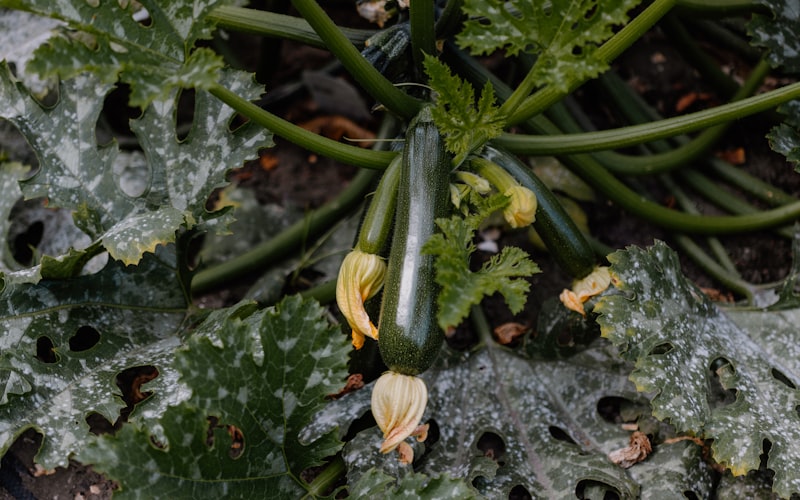
Step 1: Learn to tell male and female flowers apart. Male flowers appear first and grow on long, thin stems. Female flowers have a tiny swollen bulge at the base -- this is the baby squash waiting to develop.
Step 2: Be patient during the first week or two of flowering. The early male-only phase is completely normal. Those first male flowers will drop off without producing fruit. Once female flowers begin opening, fruit production starts -- provided pollinators do their job.
Step 3: If fruit is not setting even after female flowers appear, pollination may be the issue. This is common in urban gardens or during rainy stretches when bees are less active. Hand-pollinate by using a small paintbrush to transfer pollen from the center of a male flower to the center of a female flower. You can also pick a male flower, peel back the petals, and dab the stamen directly onto the female flower's stigma. Do this in the morning when flowers are freshly open.
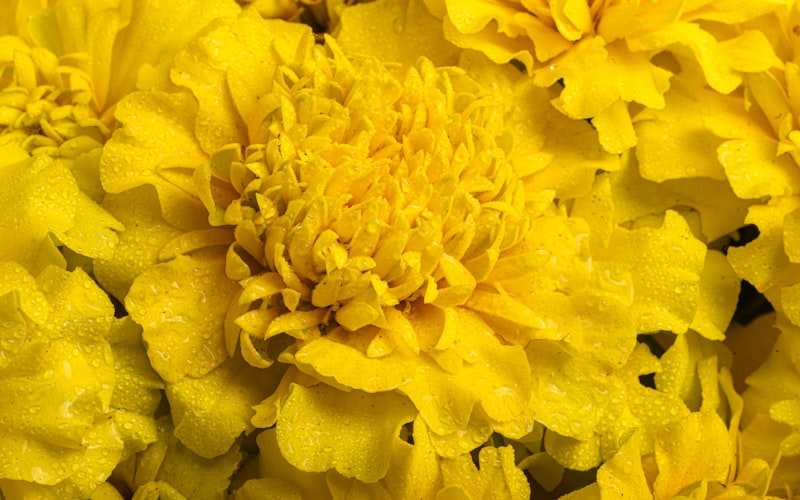
Step 4: Attract more pollinators by planting marigolds, zinnias, and lavender near your squash patch. A diverse garden that draws bees and butterflies improves pollination for all your fruiting crops, including cucumbers and tomatoes.
What Pests and Diseases Attack Summer Squash and How Do You Stop Them?
Summer squash does have a few persistent enemies. Knowing what to watch for and acting early is far more effective than reacting after damage is severe.
Step 1: Inspect your plants every time you water. Flip over a few leaves and check the stems at soil level. Early detection is the most powerful pest management tool you have.
Step 2: Manage squash vine borers proactively. The adult moth lays eggs at the base of the stem, and the larvae bore inside and feed from within. Wrap the lower 4 to 6 inches of the stem with aluminum foil or garden row cover fabric as a physical barrier. If you see frass (sawdust-like material) at the base, slit the stem with a clean knife, remove the larva, and mound soil over the damaged section.
Step 3: Control squash bugs by checking undersides of leaves for clusters of bronze-colored eggs. Scrape off and destroy egg clusters before they hatch. Lay a board near the plants overnight -- squash bugs gather underneath, and you can collect and dispose of them in the morning.
Step 4: Prevent powdery mildew by spacing plants for air circulation, watering at soil level, and removing affected leaves early. A spray of 1 tablespoon baking soda in 1 gallon of water can slow the spread. Mildew-resistant varieties like Dunja and Success PM give you a built-in advantage.
Step 5: Manage cucumber beetles with row covers during the critical early growth stage. Remove covers once flowering begins so pollinators can access the blooms.
When and How Should You Harvest Zucchini and Summer Squash?
The instinct is to let fruit grow as large as possible, but bigger is not better with summer squash. Oversized fruit is tough, seedy, and bland. Frequent harvesting of smaller fruit keeps the plant producing at peak capacity.
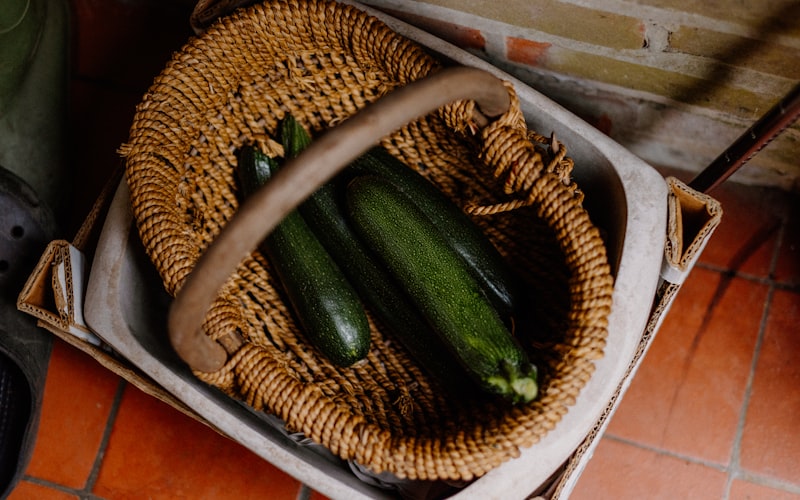
Step 1: Harvest zucchini when fruit is 6 to 8 inches long and about 1.5 to 2 inches in diameter. At this size, the flesh is tender and the flavor is at its peak. Yellow squash should be picked at a similar size. Pattypan squash tastes best at 2 to 4 inches across.
Step 2: Check your plants every day during peak production. In warm weather, a zucchini can grow from 4 inches to 12 inches seemingly overnight. Missing even two days of harvesting can result in baseball-bat-sized fruit.
Step 3: Use a sharp knife or pruning shears to cut the fruit from the plant, leaving about 1 inch of stem attached. Twisting or pulling fruit off by hand can damage the plant.
Step 4: If you end up with oversized squash (and you will), do not toss them. Large zucchini can be shredded for baking into bread and muffins or stuffed and roasted. Scoop out the large seeds and fibrous center before cooking. Truly unusable portions belong in your compost bin, not in the trash -- one of the simplest ways to reduce food waste at home.
How Can You Grow Zucchini in a Small Space or Container?
Bush varieties and vertical growing techniques make it entirely possible to produce more squash than your household can eat from a single container or a 4-by-4-foot bed.
Step 1: Select compact bush varieties bred for small spaces. Astia produces full-sized zucchini on plants that stay under 3 feet across. Patio Star, Bushkin, and Eight Ball (a round zucchini) are also excellent container choices.
Step 2: Use a container at least 5 gallons per plant -- 10 gallons is better and produces stronger plants. Fabric grow bags work exceptionally well because they provide excellent drainage and air-prune the roots. A 10-gallon fabric grow bag is an affordable and effective solution.
Step 3: If you have vining varieties, train them vertically on a sturdy trellis, fence, or A-frame. Create slings from fabric strips to support heavy fruit as it develops. Vertical growing also improves air circulation, reducing disease pressure.
Step 4: In a small raised bed, interplant zucchini with quick-growing crops like lettuce or radishes that will be harvested before the squash needs the space. This maximizes your yield per square foot throughout the season.
Frequently Asked Questions
How many zucchini plants does a family need?
For most families of two to four people, two to three zucchini plants produce more than enough fruit for fresh eating, cooking, and sharing. A single healthy plant can yield 6 to 10 pounds over a season, and during peak production you may be picking two to three zucchini per plant every other day. If you plan to freeze or preserve your harvest, consider four to five plants. It is always better to start with fewer and add more next season than to be overwhelmed by a mountain of squash in July.
Can you grow zucchini in a 5-gallon bucket?
Yes, zucchini can grow in a 5-gallon container, but a 10-gallon or larger pot produces significantly healthier plants and bigger harvests. The larger soil volume holds more moisture and nutrients. If 5 gallons is all you have, stick with compact bush varieties like Astia or Patio Star, water daily in hot weather, and fertilize every 10 to 14 days. Drill several drainage holes in the bottom and elevate on bricks or pot feet so water drains freely.
Why is my zucchini rotting on the end before it grows?
Blossom end rot -- a dark, sunken, mushy spot on the blossom end of the fruit -- is caused by inconsistent watering that disrupts calcium uptake. The soil may have plenty of calcium, but if moisture levels swing dramatically, the plant cannot transport it to the developing fruit. The fix is consistent, even watering rather than adding more calcium. Mulch heavily, water on a regular schedule, and avoid letting the soil dry out completely between waterings. Blossom end rot often resolves on its own once you stabilize your routine.
What should you do with zucchini that got too big?
Oversized zucchini (12 inches or longer) are perfectly safe to eat, though the texture and flavor are not as good as smaller fruit. Shred large zucchini for baking into bread, muffins, and pancakes -- zucchini bread freezes beautifully for months. You can also hollow out giant zucchini, stuff them with rice, meat, cheese, and herbs, and bake them for an easy dinner. Remove the large seeds and spongy center before cooking. Any truly unusable portions can go straight into your compost pile rather than the garbage.
Final Thoughts
Zucchini and summer squash are some of the most rewarding crops you can grow. Even a single plant in a large container on a sunny patio can keep your kitchen stocked with fresh squash from midsummer through the first frost.
Start with two or three bush varieties in a sunny spot with rich, well-drained soil. Water consistently at the base, feed every couple of weeks once flowers appear, and harvest early and often. Watch for squash vine borers and powdery mildew, but do not let pests discourage you -- healthy plants resist most problems on their own.
The surplus is part of the fun. You will find yourself making zucchini bread, grilling squash for dinner, and yes -- probably leaving a bag on your neighbor's porch at least once. If growing zucchini is your first step into food gardening, you will likely find yourself expanding into cucumbers, tomatoes, peppers, and beyond before the season is over.
Get weekly home tips that actually work
Join thousands of homeowners getting practical cleaning hacks, DIY fixes, and money-saving tips every week. Free, and you can unsubscribe anytime.

Written by
Beth SullivanFounder & Editor-in-Chief
Beth Sullivan is the founder of Practical Home Guides. With over a decade of hands-on experience tackling every home challenge imaginable, she started this site to share the practical, no-nonsense solutions she wishes she had found years ago. When she's not testing cleaning hacks or organizing pantries, you'll find her in the garden or working on her next DIY project.
Recommended Products
Looking for specific product recommendations? Check out our tested picks.
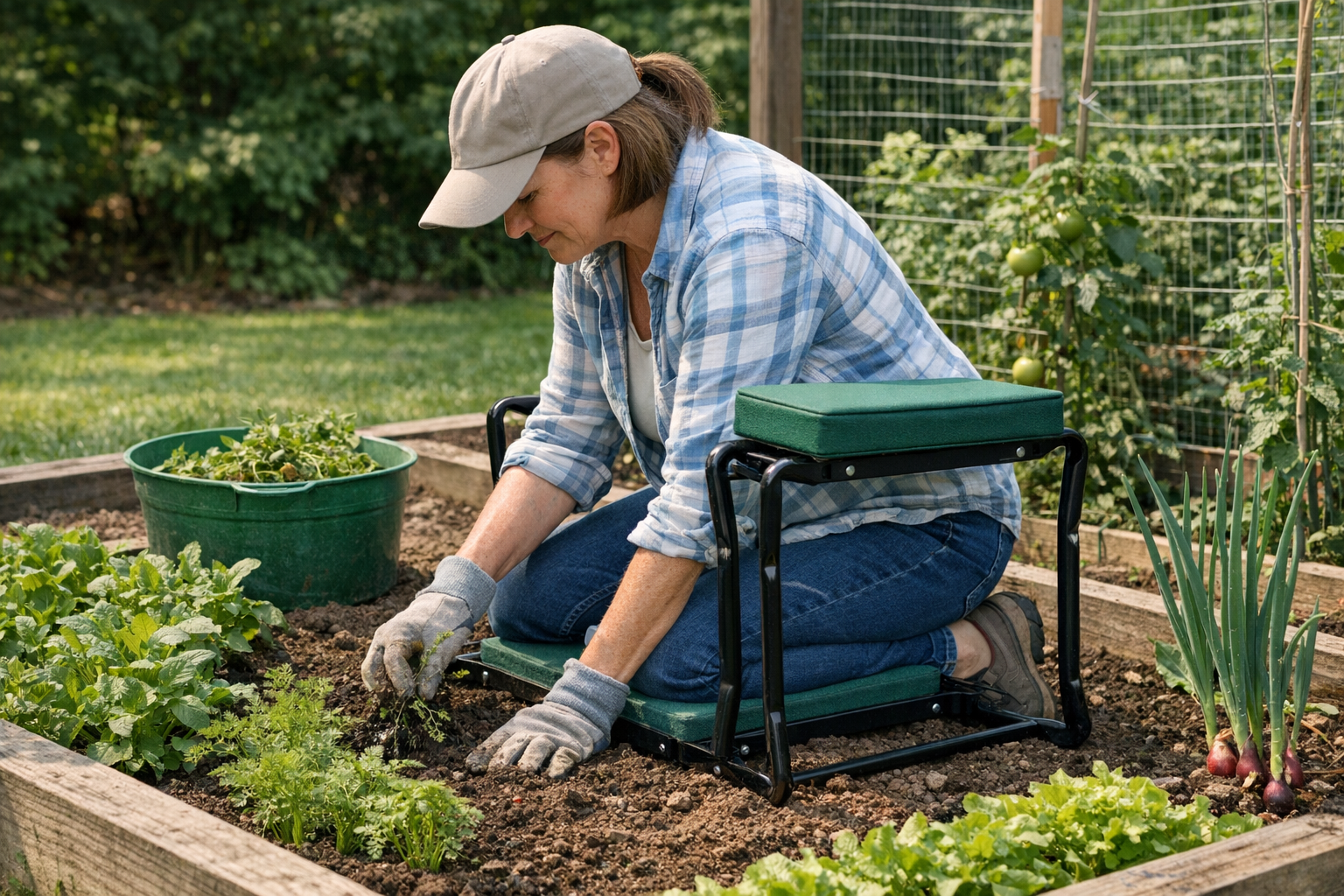
Best Garden Kneelers and Seats (2026 Tested)
Gardening shouldn't wreck your knees and back. We tested kneelers, foldable seats, and rolling carts to find the picks worth the price.
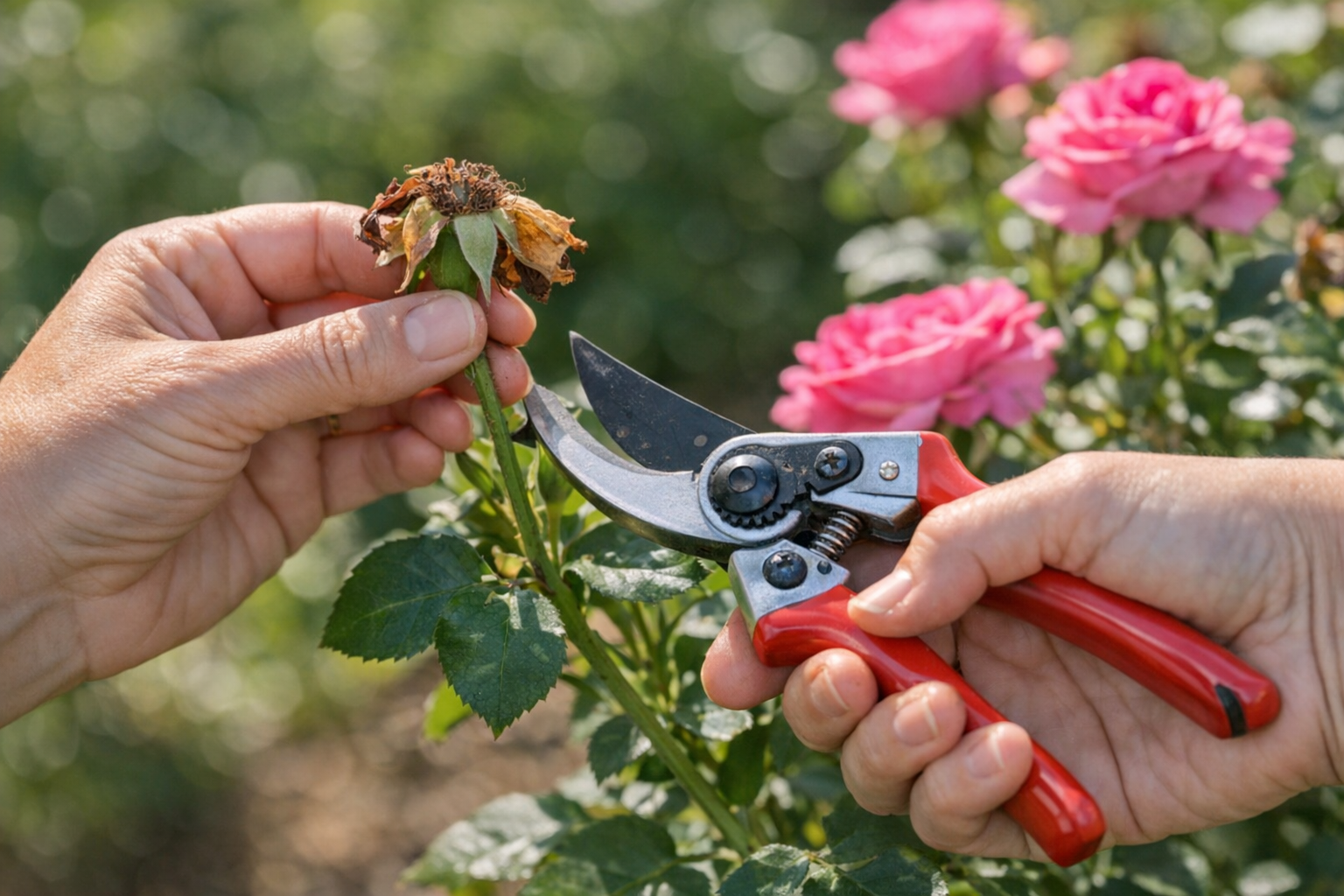
Best Pruning Shears for Gardeners (2026 Guide)
We tested bypass and anvil pruning shears across roses, fruit trees, perennials, and tomato vines. Here are the picks worth your money — and the one to avoid.
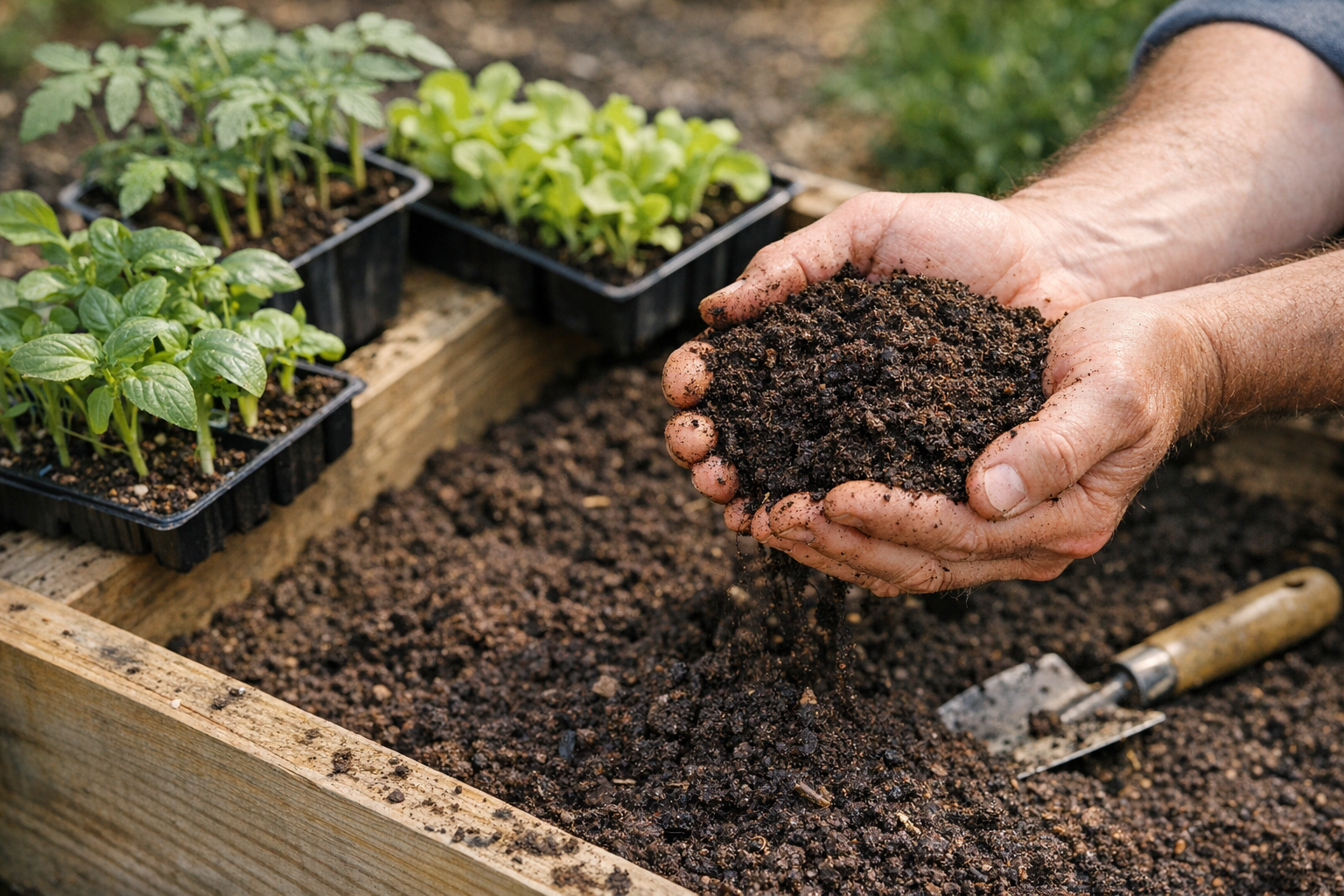
Best Raised Bed Soil Mixes (2026 Buyer's Guide)
Bagged soil for raised beds is a minefield. We tested the top brands for vegetable yield, drainage, and value to find the soil mixes that actually grow food.
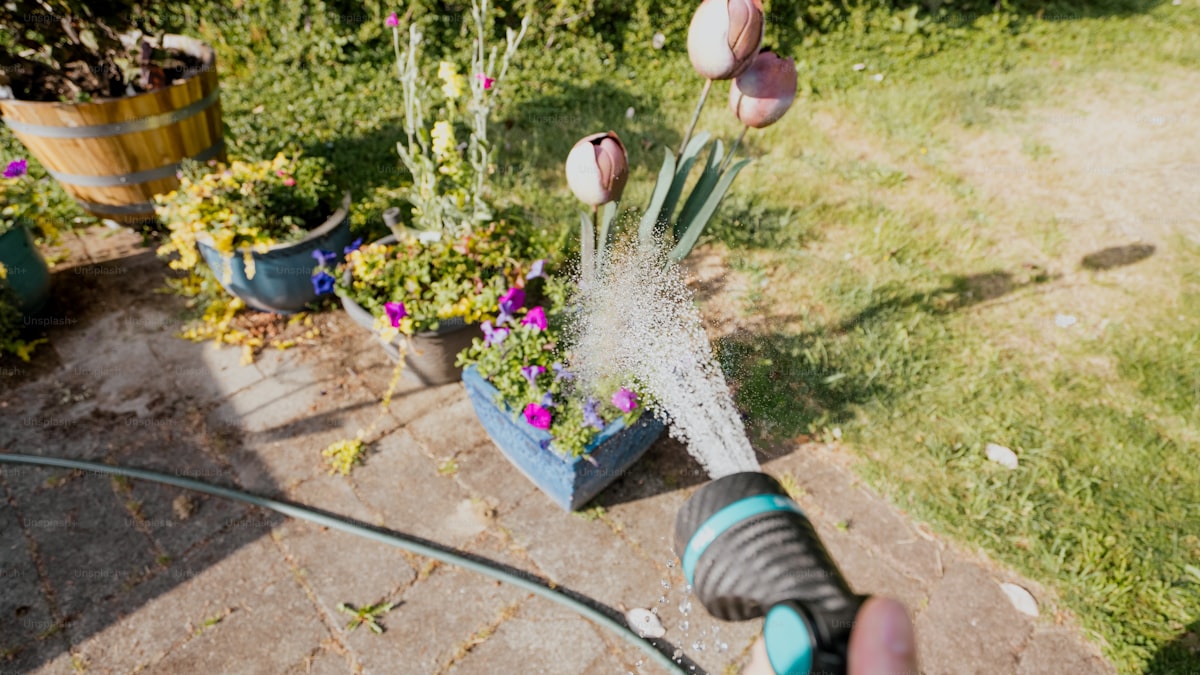
5 Best Garden Hose Nozzles and Sprayers (2026)
Find the perfect garden hose nozzle for watering plants, washing cars, and cleaning patios. We compared the top sprayers — here are the 5 best for every job.
Best Raised Garden Bed Kits You Can Order Online (2026)
The best raised garden bed kits for beginners and experienced gardeners. We compare wood, metal, and composite options with honest reviews and setup tips.
Related Articles
Pest Control Spring Refresh: Natural Solutions for Summer Prevention
Set up your garden's natural defenses now and you'll coast through summer. A master gardener's spring plan using companion planting, neem oil, and trap crops.
Summer Plants & Watering: Automate Your Garden While on Vacation
A master gardener's guide to automating summer watering with timers, drip lines, and moisture sensors so you can travel in June through August worry-free.
Herb Garden on Your Balcony: Fresh Basil to Cilantro in 4 Weeks
A master gardener's container herb system for apartments: the sunlight hack, watering schedule, and harvesting tricks to grow fresh basil to cilantro in 4 weeks.
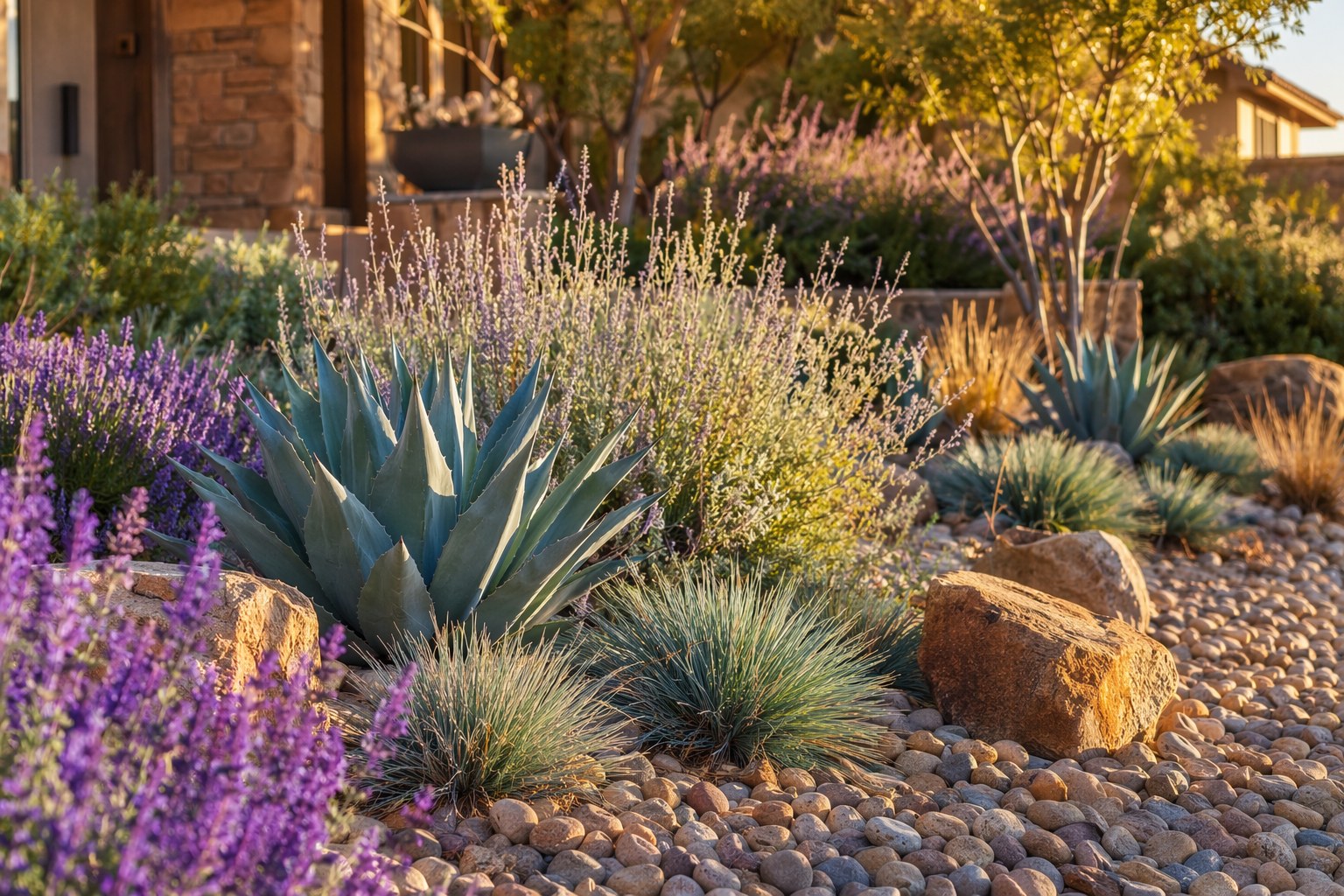
Low-Water Garden Design: 8 Beautiful Plants for Drought-Tolerant Landscaping
A Master Gardener's guide to drought-tolerant landscaping. Cut watering by 50% with these 8 beautiful plants, smart drip irrigation, and proven design tips.