How to Grow Cucumbers in Your Garden (Beginner's Guide)
This article may contain affiliate links. If you make a purchase through these links, we may earn a small commission at no extra cost to you. Learn more
Quick Answer
How to Grow Cucumbers in Your Garden (Beginner's Guide)
Cucumbers thrive in warm soil (at least 65°F), full sun, and consistently moist conditions. Sow seeds directly outdoors one to two weeks after your last frost date, planting them about one inch deep and spacing them 12 inches apart along a trellis. Water deeply every two to three days, feed every two weeks once vines begin to flower, and harvest frequently to keep the plants producing all summer long.
How to Grow Cucumbers in Your Garden (Beginner's Guide)
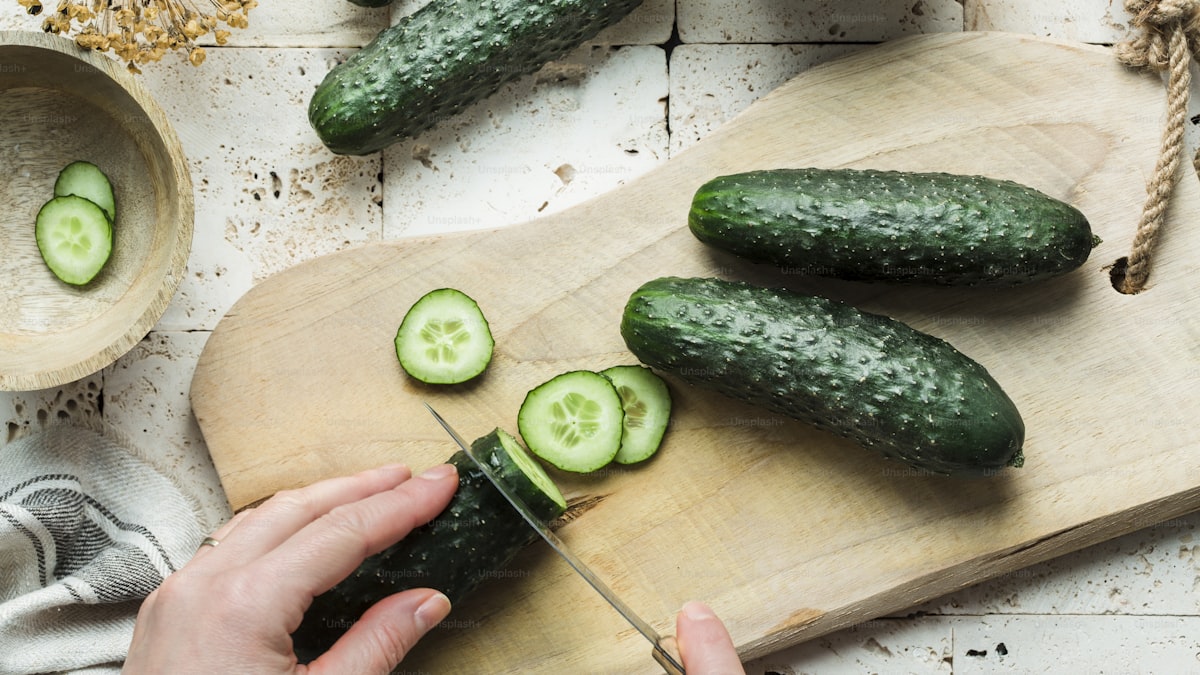
Few vegetables reward a beginner gardener quite like cucumbers. They germinate fast, grow vigorously, and produce an abundance of crisp, refreshing fruit from midsummer through early fall. Whether you want slicing cucumbers for salads, small pickling varieties for homemade preserves, or snack-sized cucumbers for lunchboxes, the growing process is essentially the same -- and surprisingly straightforward.
If you have already had success starting a vegetable garden in your backyard or building a raised garden bed on a budget, cucumbers are a natural next crop to add to your lineup. This guide walks you through every step -- from choosing the right variety to picking your first perfectly ripe cucumber off the vine.
What Are the Best Cucumber Varieties for Beginners?
The variety you choose affects plant size, fruit shape, flavor, and how you will use the harvest.
Slicing Cucumbers
Slicing cucumbers are the classic, long, dark green cucumbers you find at the grocery store. They are eaten fresh in salads, sandwiches, and snack plates. Popular beginner-friendly slicing varieties include:
- Marketmore 76 -- one of the most reliable open-pollinated slicing cucumbers available. It produces straight, dark green fruit with excellent flavor and strong disease resistance.
- Straight Eight -- an heirloom variety prized for its uniform 8-inch fruit and consistent performance across different climates.
- Burpless Tasty Green -- a thinner-skinned variety that is easier to digest and does not develop the bitter compounds that some slicing cucumbers can.
Pickling Cucumbers
Pickling cucumbers are shorter, bumpier, and crisper than slicers. They hold up beautifully in brine and produce prolifically over a short period -- perfect for batch processing. National Pickling, Boston Pickling, and Calypso are all proven performers that beginners can count on.
Bush Varieties for Small Spaces
If you are working with limited garden space or growing in containers, bush cucumber varieties stay compact instead of sending out long, sprawling vines. Spacemaster and Bush Champion produce full-sized fruit on plants that stay under three feet wide, making them ideal for raised beds, patio containers, and small plots.
Most beginner-friendly varieties are monoecious, meaning they produce both male and female flowers on the same plant and are straightforward to grow without special pollination considerations.
When Should You Plant Cucumbers?
Timing matters enormously with cucumbers. They are tropical plants at heart and will not tolerate cold soil or frost. Seeds rot in cool soil, and transplants stall or die when nighttime temperatures dip below 50°F.
Step 1: Find your average last frost date. Your local cooperative extension office or a quick online search for your zip code will give you this information.
Step 2: Wait at least one to two weeks after that date before direct-sowing cucumber seeds outdoors. The soil temperature should be at least 65°F at a two-inch depth. A simple soil thermometer takes the guesswork out of this step and costs just a few dollars.
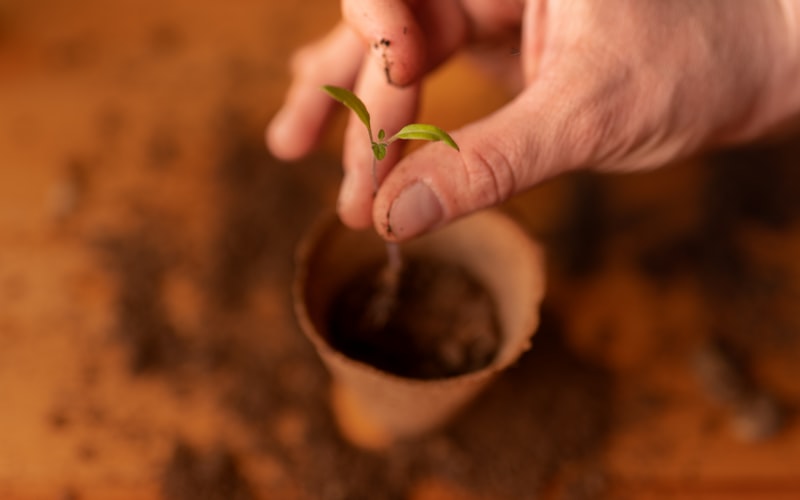
Step 3: If you want a head start, you can start seeds indoors three to four weeks before your transplant date. Use biodegradable peat pots to avoid disturbing the roots at transplant time -- cucumbers are sensitive to root disturbance and transplant shock can set them back significantly.
For most of the United States, this means planting cucumbers outdoors sometime between mid-May and mid-June. In southern states with long growing seasons, you can plant a second succession crop in late July for a fall harvest.
How Do You Prepare the Soil for Cucumbers?
Cucumbers are heavy feeders that perform best in rich, loose, well-draining soil with a pH between 6.0 and 7.0. Soil preparation before planting pays off dramatically in plant health and fruit production.
Step 1: Work the soil to a depth of at least 8 to 10 inches. Break up any compacted clumps and remove rocks, roots, and debris. If you are planting in raised beds, the soil is likely already loose enough.
Step 2: Mix in two to four inches of compost or well-rotted manure. This adds nutrients, improves soil structure, and feeds the beneficial organisms that help plants absorb minerals. If you have been composting at home, your finished compost is perfect for this. If not, bagged compost from a garden center works just as well.
Step 3: Add a balanced granular fertilizer according to the package directions. A 10-10-10 or similar formula gives cucumbers the nitrogen, phosphorus, and potassium they need for strong early growth. Work it into the top few inches of soil before planting.
If your spring is slow to heat up, lay black plastic mulch over the bed for one to two weeks before planting. This can raise soil temperature by 8 to 10 degrees and give your cucumbers a meaningful head start.
How Should You Plant Cucumber Seeds and Transplants?
Whether you are sowing seeds directly or setting out transplants you started indoors, proper planting technique gives cucumbers the strongest possible start.
Direct Sowing Seeds
Step 1: Create small mounds or hills about 12 inches apart if growing vertically on a trellis, or 36 inches apart if letting vines sprawl on the ground. Mounding the soil slightly improves drainage and warms the root zone.
Step 2: Plant two to three seeds per spot, about one inch deep. This ensures at least one germinates successfully. Cover lightly with soil and water gently.
Step 3: Once seedlings develop their first set of true leaves, thin to the strongest single plant at each spot. Snip the extras at soil level with scissors rather than pulling them, which can disturb the roots of the keeper.
Transplanting Seedlings
Step 1: Harden off indoor-started seedlings by gradually exposing them to outdoor conditions over five to seven days.
Step 2: Dig a hole slightly larger than the root ball and set the transplant at the same depth it was growing in its container. Do not bury the stem deeper -- unlike tomatoes, cucumbers do not root from buried stems.
Step 3: Water thoroughly immediately after planting. If temperatures are above 85°F, add a temporary shade cloth for two to three days to reduce transplant stress.
Do Cucumbers Need a Trellis?
You can grow cucumbers on the ground, but trellising is strongly recommended and makes a noticeable difference in plant health, fruit quality, and garden efficiency.
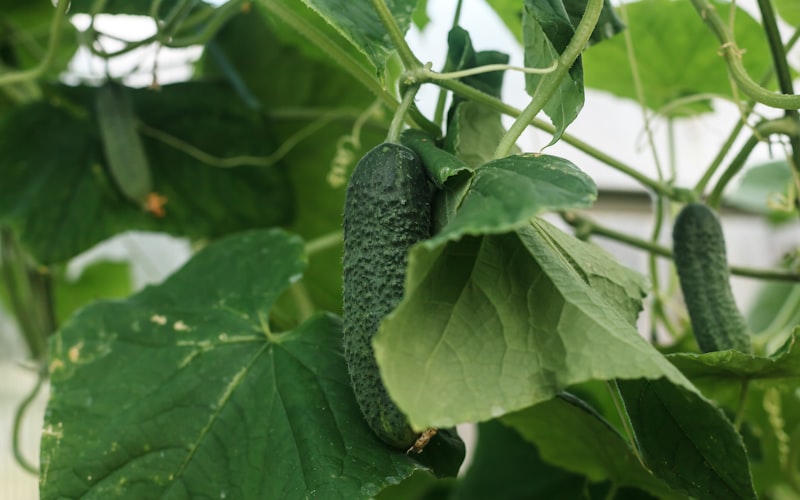
Vining cucumbers grown on a trellis produce straighter, cleaner fruit because they hang freely instead of sitting on damp soil. Air circulation is dramatically better, which reduces fungal diseases -- a cucumber grower's biggest headache. Trellised plants are also far easier to inspect and harvest.
A simple garden trellis made from wooden stakes and twine, a section of cattle panel, or a store-bought A-frame trellis all work well. The structure needs to be at least five to six feet tall for vining varieties. Secure it firmly in the ground before planting, because a mature cucumber vine loaded with fruit is surprisingly heavy.
GROWNEER 3-Pack Garden Trellis for Climbing Plants
Sturdy steel A-frame trellis with rust-resistant coating that supports heavy cucumber and squash vines. Folds flat for easy storage and adjusts to multiple widths. Ideal for raised beds and in-ground gardens alike.
Check Price on Amazon →As the vines grow, gently guide the tendrils toward the trellis. Cucumbers naturally grab onto structures with their curling tendrils, but young plants sometimes need a nudge in the right direction. Once they latch on, they will climb enthusiastically on their own.
Bush varieties do not need trellising, but even they benefit from a small cage or support to keep the fruit off the ground.
How Often Should You Water Cucumbers?
Consistent moisture is critical to producing crisp, sweet, bitter-free fruit. Inconsistent watering is the number one cause of bitter cucumbers and misshapen fruit.
Step 1: Water deeply every two to three days rather than giving a light sprinkle every day. Each watering session should moisten the soil to a depth of at least six inches. In hot weather (above 90°F) or sandy soil, you may need to water daily.
Step 2: Always water at the base of the plant, not overhead. Wet foliage invites powdery mildew and other fungal diseases. A soaker hose or drip irrigation system delivers water directly to the root zone. If you are watering by hand, check out the best garden hose nozzles for a gentle, targeted stream.
Step 3: Mulch around the base of each plant with two to three inches of straw, shredded leaves, or wood chips. Mulch reduces evaporation, moderates soil temperature, suppresses weeds, and keeps ground-level fruit clean.
A good rule of thumb is that cucumbers need about one to two inches of water per week, including rainfall. If the leaves wilt in the afternoon heat but recover by morning, the plant is fine. If leaves are still wilted first thing in the morning, water immediately.
How Should You Fertilize Cucumbers for Maximum Yield?
Cucumbers are vigorous growers that deplete soil nutrients quickly. A consistent feeding schedule keeps vines productive all season long.
Step 1: If you amended the soil with compost and granular fertilizer before planting, your cucumbers have enough nutrition for the first three to four weeks. Do not overfeed young plants -- excess nitrogen early on produces lush foliage at the expense of flowers and fruit.
Step 2: Once the first flowers appear, begin feeding every two weeks with a balanced liquid vegetable garden fertilizer. A formula with slightly higher phosphorus and potassium (the second and third numbers on the label) supports flower development and fruit production.
Step 3: Side-dress each plant with a handful of compost once a month during the growing season. Pull the mulch back, spread the compost in a ring about six inches from the stem, and replace the mulch. This slow-release nutrition sustains the plant between liquid feedings.
Watch for signs of nutrient deficiency. Yellowing lower leaves often indicate nitrogen deficiency, while poor fruit set despite plenty of flowers can signal a phosphorus or potassium shortage.
What Pests and Diseases Affect Cucumbers?
Catching problems early is the key to keeping pests and diseases manageable without resorting to harsh chemicals.
Cucumber Beetles
These small, striped or spotted yellow-and-black beetles are the most destructive cucumber pest. They chew on leaves and flowers, and transmit bacterial wilt -- a fatal disease with no cure. Floating row covers placed over young plants are the most effective preventive measure. Remove the covers once flowers appear so pollinators can do their job.
Powdery Mildew
This fungal disease appears as white, powdery spots on the upper surface of leaves and eventually causes them to yellow and die. Good air circulation (another reason to trellis), watering at the base rather than overhead, and proper spacing are the best preventive measures. A spray of one tablespoon baking soda mixed with a gallon of water and a few drops of dish soap can slow its spread.
Squash Vine Borers
While primarily a squash pest, vine borers occasionally attack cucumbers. Look for sawdust-like frass near the base of stems. If you spot it, carefully slit the stem lengthwise with a razor blade, remove the caterpillar, and mound moist soil over the wound to encourage new rooting.
Aphids
Small clusters of soft-bodied green or black insects on the undersides of leaves. A strong blast of water from the hose knocks them off, and encouraging beneficial insects helps keep populations in check. If you are also dealing with wildlife pressure, our guide on keeping deer out of your garden covers fencing and deterrent strategies that protect your entire growing area.
When and How Should You Harvest Cucumbers?
Fruit left on the vine too long becomes seedy, bitter, and tough-skinned -- and signals the plant to slow down production.
Step 1: Begin checking your plants daily once you see the first small fruits forming. Slicing cucumbers are best harvested at six to eight inches long, before they start to yellow or swell at the blossom end. Pickling varieties should be picked at two to four inches for cornichons, or four to six inches for standard pickles.
Step 2: Use a sharp knife, pruning shears, or garden scissors to cut the stem about a quarter inch above the fruit. Do not twist or pull cucumbers off the vine -- this damages the plant and can tear the vine away from the trellis.
Step 3: Harvest every one to two days during peak production. This is critical. Leaving mature fruit on the vine tells the plant its job is done and it can stop producing new flowers and fruit. Frequent harvesting keeps the plant in production mode and extends your season by several weeks.
A single healthy cucumber plant can produce 10 to 20 cucumbers over the course of the season when harvested regularly. Two to three plants are usually more than enough for a family of four. Store freshly picked cucumbers in the refrigerator wrapped loosely in a damp paper towel inside a produce bag -- they will stay crisp for about a week.
What Are the Most Common Mistakes Beginners Make with Cucumbers?
Here are the pitfalls that trip up beginners most often -- and how to avoid them.
Planting too early. Resist the urge to plant at the first sign of spring. Wait until soil temperatures are reliably above 65°F and nighttime air temperatures stay above 50°F.
Inconsistent watering. Alternating between drought stress and heavy watering produces bitter, misshapen fruit. Maintain even moisture with deep, regular waterings and mulch.
Skipping the trellis. Ground-grown cucumbers are more prone to disease, pest damage, and rot. Trellising takes minimal effort and dramatically improves results.
Not harvesting often enough. Check plants every day or two during peak season. Overripe cucumbers left on the vine slow down the entire plant's production.
Overcrowding plants. Cucumbers need airflow to stay healthy. Space vining varieties 12 inches apart on a trellis and give bush varieties at least 24 inches in every direction.
Ignoring pollinators. Cucumbers need bees or other pollinators to set fruit. Avoid spraying pesticides during flowering hours, and consider planting flowers nearby to attract pollinators to your garden. If pollination is poor, hand-pollinate by transferring pollen from male flowers to female flowers (the ones with a small swelling behind the petals) using a small paintbrush.
Frequently Asked Questions
Can you grow cucumbers in containers?
Yes, cucumbers grow well in containers as long as the pot is large enough. Use a container that holds at least five gallons of soil -- a five-gallon bucket or an 18-inch-diameter pot is the minimum. Bush varieties like Spacemaster and Bush Champion are the best choice for containers because they stay compact. Use a high-quality potting mix, water daily in hot weather, and feed with liquid fertilizer every two weeks. Place the container where it will receive at least six to eight hours of direct sunlight.
Why are my cucumbers bitter?
Bitter cucumbers are almost always caused by plant stress, particularly inconsistent watering or extreme heat. When plants experience drought followed by heavy watering, they produce cucurbitacin, a compound that concentrates in the skin and stem end. To minimize bitterness, water consistently, mulch to maintain even soil moisture, and harvest before fruit becomes overripe. Peeling the skin and cutting off the stem end removes most of the bitter compound. Choosing varieties labeled "burpless" or "bitter-free" also helps, as these have been bred to produce lower levels of cucurbitacin.
How long does it take for cucumbers to grow from seed to harvest?
Most cucumber varieties mature in 50 to 70 days from direct sowing to first harvest. Pickling varieties tend to be on the earlier end (50 to 55 days), while larger slicing cucumbers take closer to 60 to 70 days. Starting seeds indoors and transplanting can shave one to two weeks off this timeline. Once the first fruits are ready, the plant will continue producing for six to eight weeks if you harvest regularly and keep the plant healthy.
Do cucumbers need full sun or can they grow in partial shade?
Cucumbers perform best in full sun, meaning at least six to eight hours of direct sunlight per day. They can tolerate light afternoon shade in extremely hot climates (zones 9 and above), but fewer than six hours of direct sun will noticeably reduce fruit production and increase susceptibility to disease. If your garden is partially shaded, position cucumbers in the sunniest available spot and choose a compact variety that makes efficient use of the light it receives.
Final Thoughts
Cucumbers are one of the most satisfying vegetables you can grow as a beginner. They are fast, productive, and forgiving -- and there is nothing at the grocery store that compares to a cucumber picked fresh from your own garden, still cool from the morning air.
Start with a proven variety like Marketmore 76 or Spacemaster, give your plants warm soil, consistent water, and something to climb, and you will be harvesting crisp, homegrown cucumbers in about two months.
If you are just getting started with gardening, cucumbers pair naturally with other easy warm-season crops. Tomatoes, peppers, and herbs all share similar growing conditions and look beautiful growing alongside cucumber vines on a trellis. If you are growing in containers or limited space, our guide on growing tomatoes in pots is a great companion project. And if this season's success inspires you to expand, our guide on composting at home for beginners will help you build the rich, living soil that makes every future garden even more productive.
Get weekly home tips that actually work
Join thousands of homeowners getting practical cleaning hacks, DIY fixes, and money-saving tips every week. Free, and you can unsubscribe anytime.

Written by
Beth SullivanFounder & Editor-in-Chief
Beth Sullivan is the founder of Practical Home Guides. With over a decade of hands-on experience tackling every home challenge imaginable, she started this site to share the practical, no-nonsense solutions she wishes she had found years ago. When she's not testing cleaning hacks or organizing pantries, you'll find her in the garden or working on her next DIY project.
Recommended Products
Looking for specific product recommendations? Check out our tested picks.
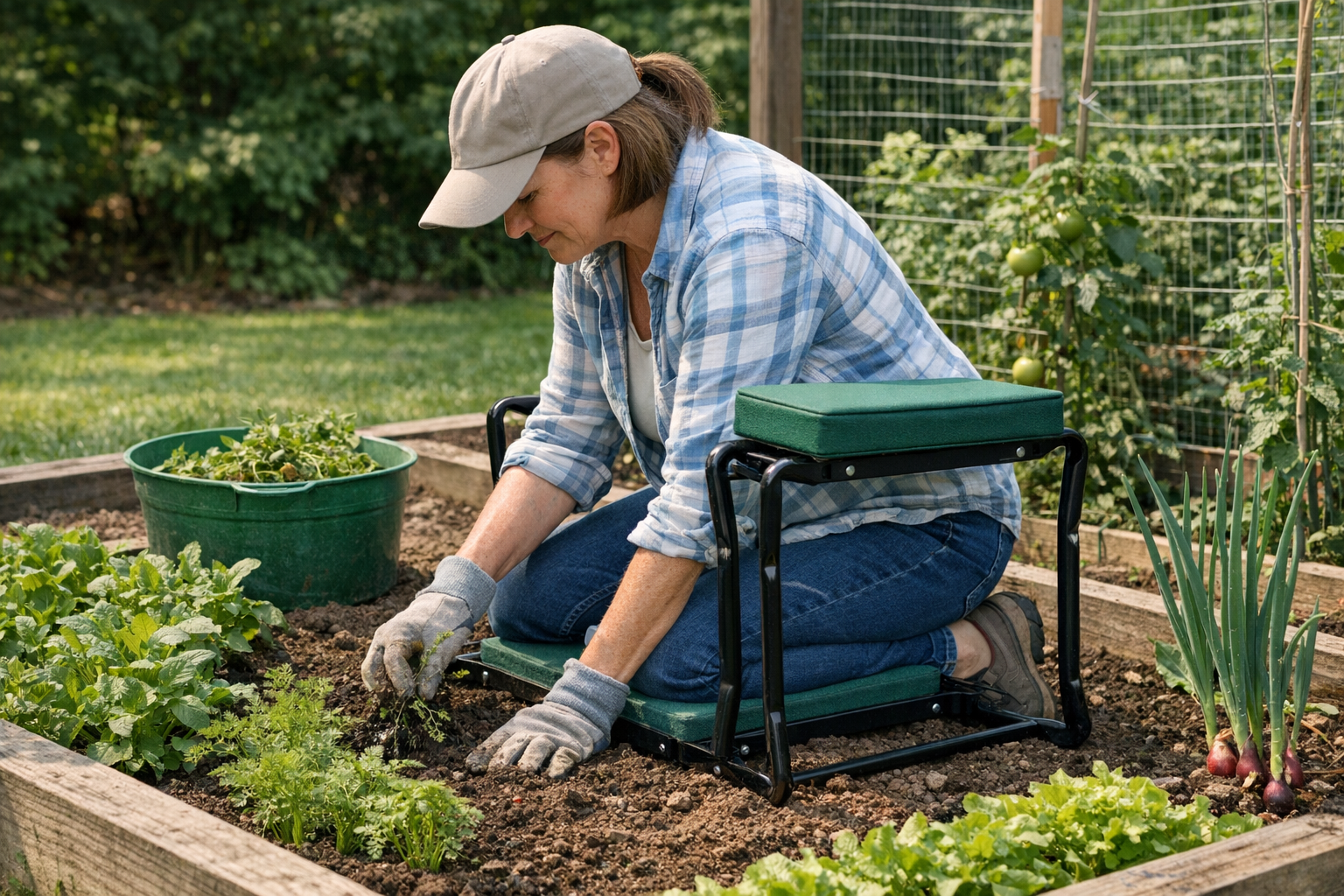
Best Garden Kneelers and Seats (2026 Tested)
Gardening shouldn't wreck your knees and back. We tested kneelers, foldable seats, and rolling carts to find the picks worth the price.
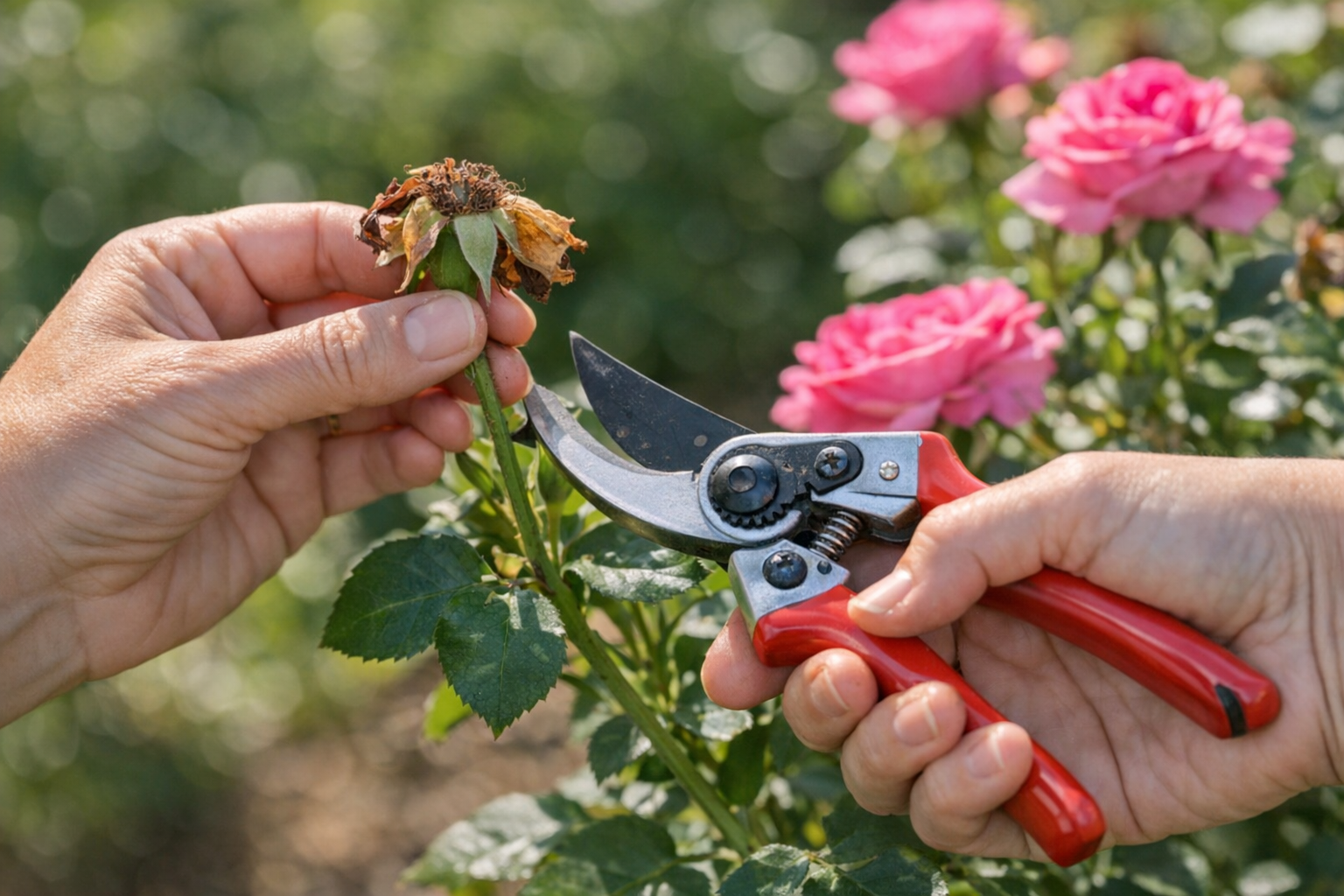
Best Pruning Shears for Gardeners (2026 Guide)
We tested bypass and anvil pruning shears across roses, fruit trees, perennials, and tomato vines. Here are the picks worth your money — and the one to avoid.
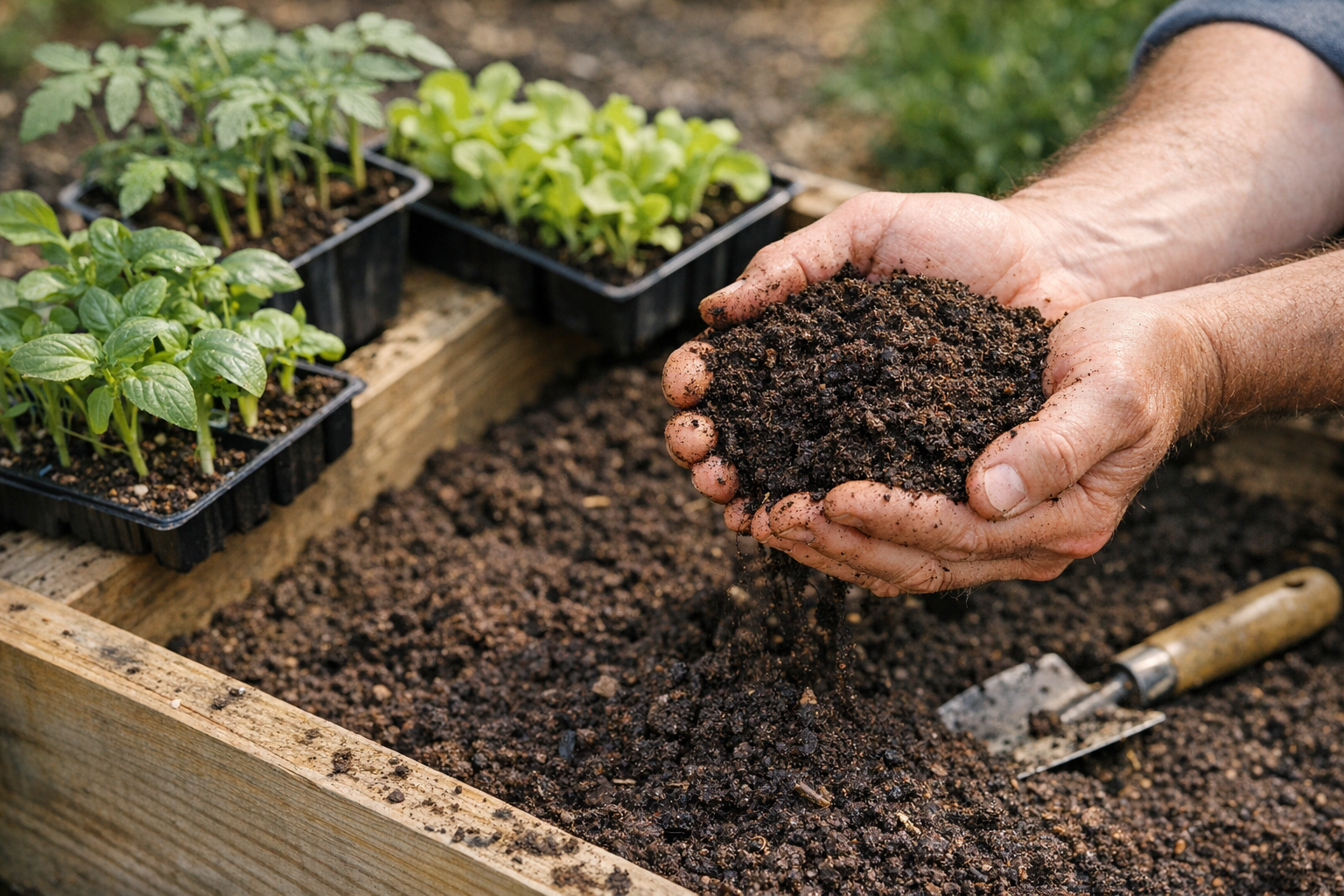
Best Raised Bed Soil Mixes (2026 Buyer's Guide)
Bagged soil for raised beds is a minefield. We tested the top brands for vegetable yield, drainage, and value to find the soil mixes that actually grow food.
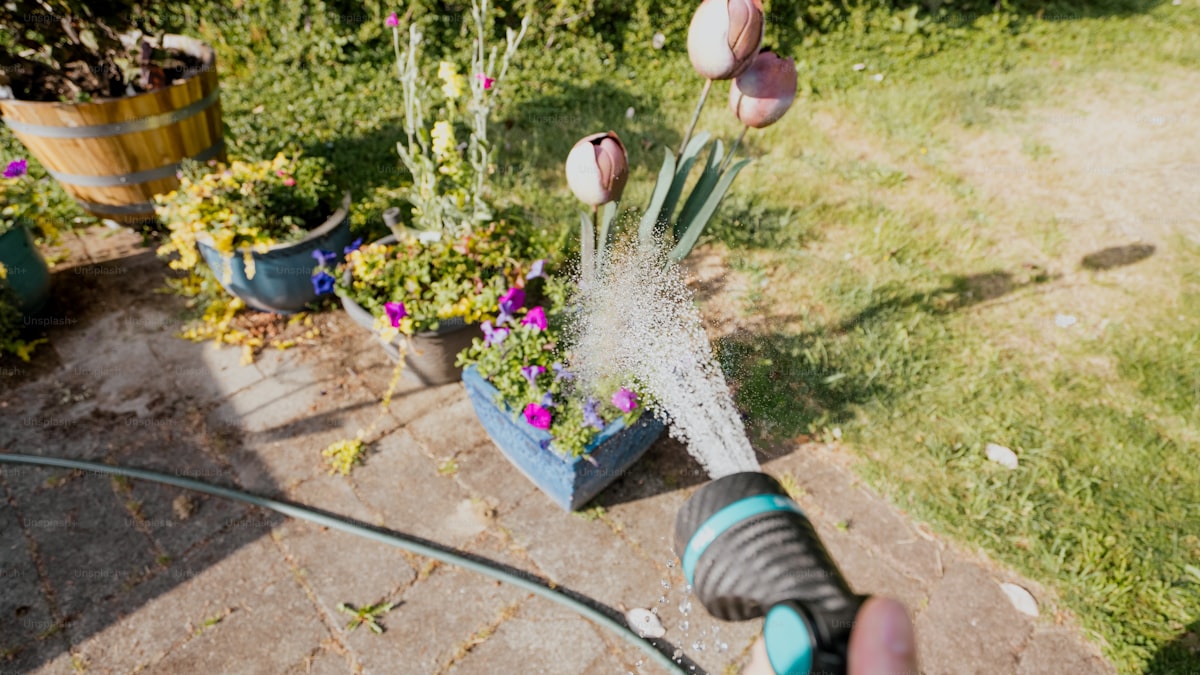
5 Best Garden Hose Nozzles and Sprayers (2026)
Find the perfect garden hose nozzle for watering plants, washing cars, and cleaning patios. We compared the top sprayers — here are the 5 best for every job.
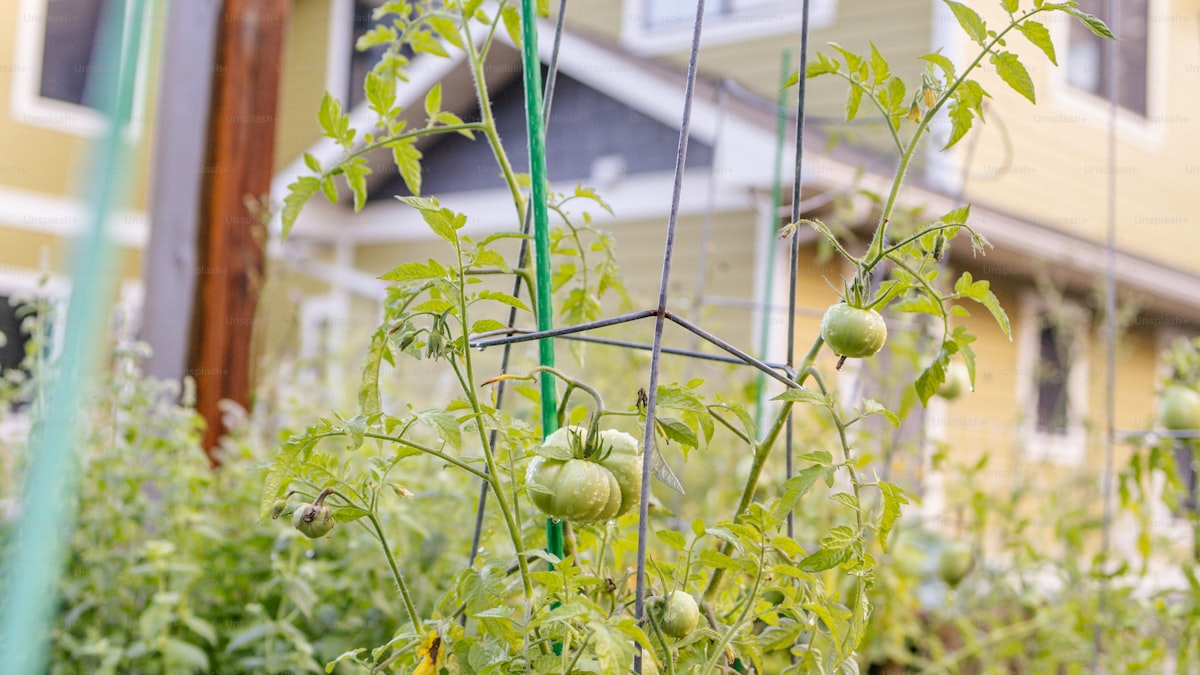
Best Raised Garden Bed Kits You Can Order Online (2026)
The best raised garden bed kits for beginners and experienced gardeners. We compare wood, metal, and composite options with honest reviews and setup tips.
Related Articles
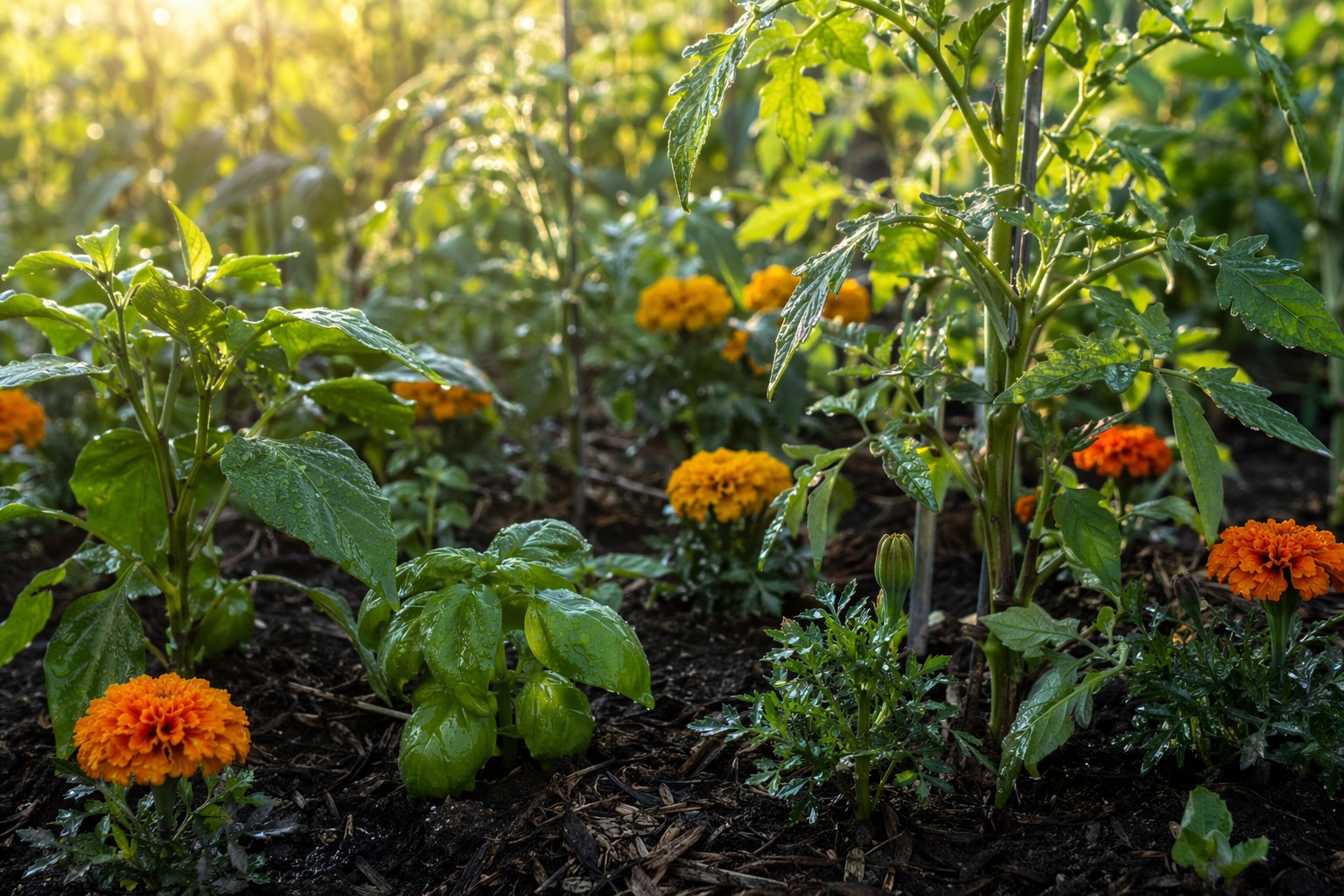
Pest Control Spring Refresh: Natural Solutions for Summer Prevention
Set up your garden's natural defenses now and you'll coast through summer. A master gardener's spring plan using companion planting, neem oil, and trap crops.
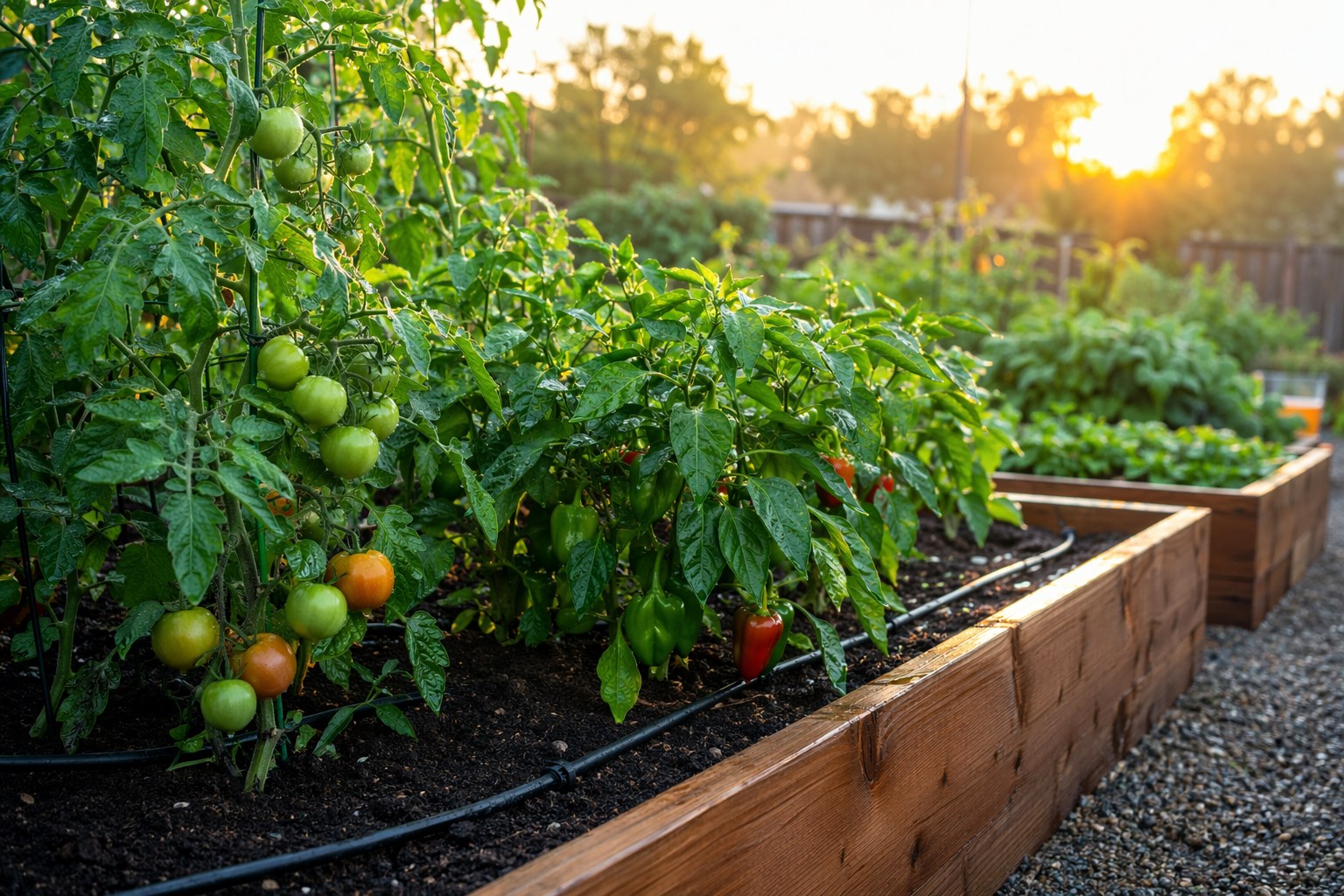
Summer Plants & Watering: Automate Your Garden While on Vacation
A master gardener's guide to automating summer watering with timers, drip lines, and moisture sensors so you can travel in June through August worry-free.
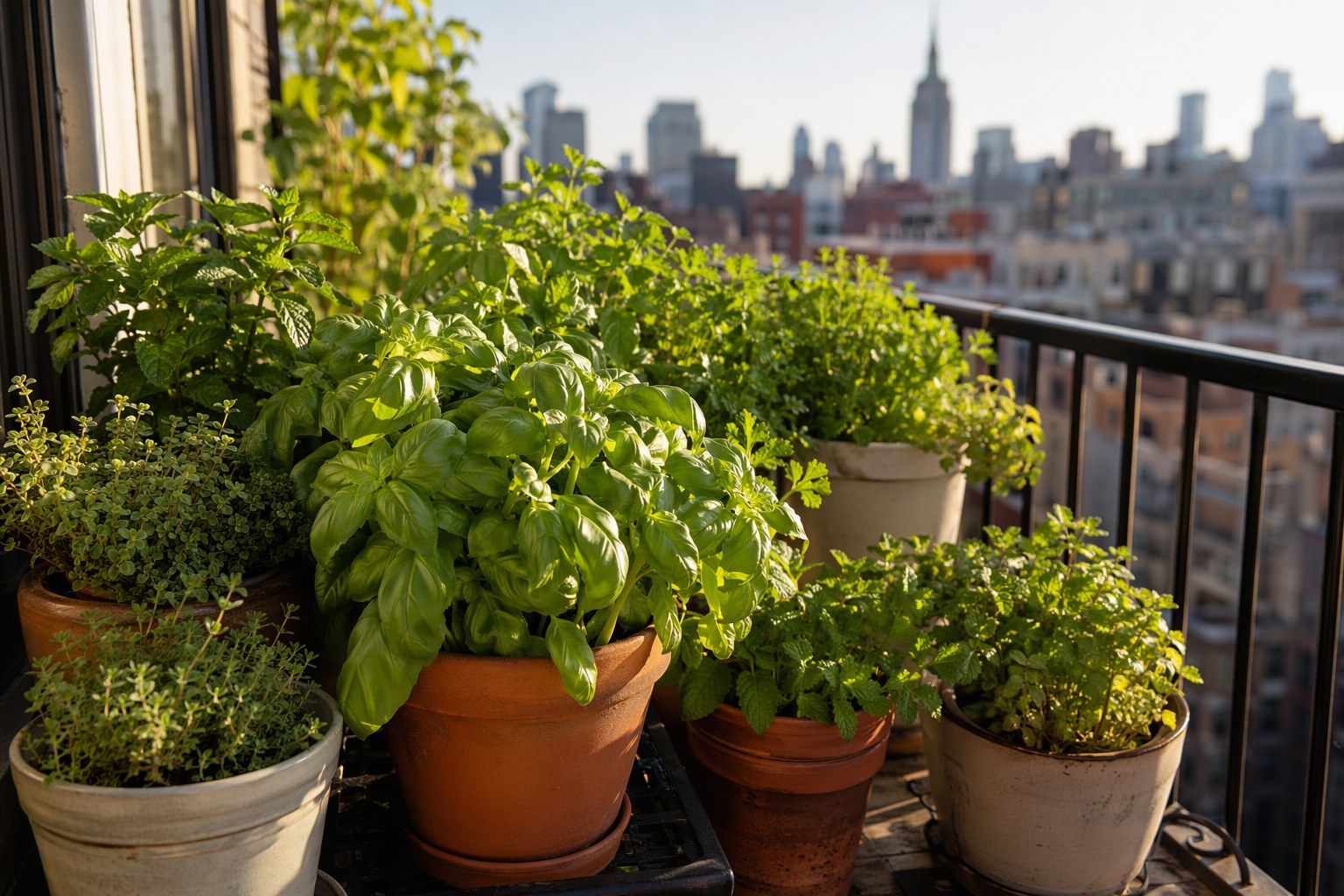
Herb Garden on Your Balcony: Fresh Basil to Cilantro in 4 Weeks
A master gardener's container herb system for apartments: the sunlight hack, watering schedule, and harvesting tricks to grow fresh basil to cilantro in 4 weeks.
Low-Water Garden Design: 8 Beautiful Plants for Drought-Tolerant Landscaping
A Master Gardener's guide to drought-tolerant landscaping. Cut watering by 50% with these 8 beautiful plants, smart drip irrigation, and proven design tips.